You wake up, grab your coffee, and find your flower bed dug up like someone went searching for buried treasure. In much of Arizona, the culprit is a javelina, a pig-like desert animal that roams in small herds and loves tender roots, bulbs, and juicy leaves.
The good news is that some plants are simply too spiny, smelly, or bitter for these hungry visitors to bother with. Pick the right ones, and your front yard can look great without turning into a midnight snack bar.
1. Mexican Bush Sage
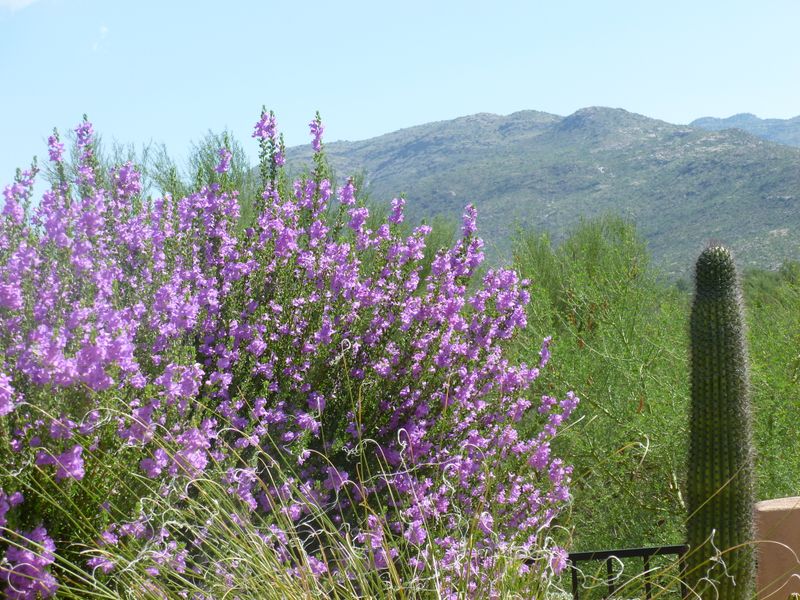
Ask any Tucson gardener what javelinas skip, and sage will come up fast. Mexican bush sage packs its fuzzy gray leaves with strong aromatic oils that taste awful to a javelina’s sensitive snout.
Each fall, it puts on a show of velvety purple spikes that hummingbirds adore. Plants grow about three to four feet tall and wide, so give them room near a walkway or mailbox.
Cut it back hard in late winter and it bounces back thicker. Water deeply every week or two in summer, and you have a low-fuss shrub that looks lush while the neighborhood herd wanders right past.
2. Rosemary
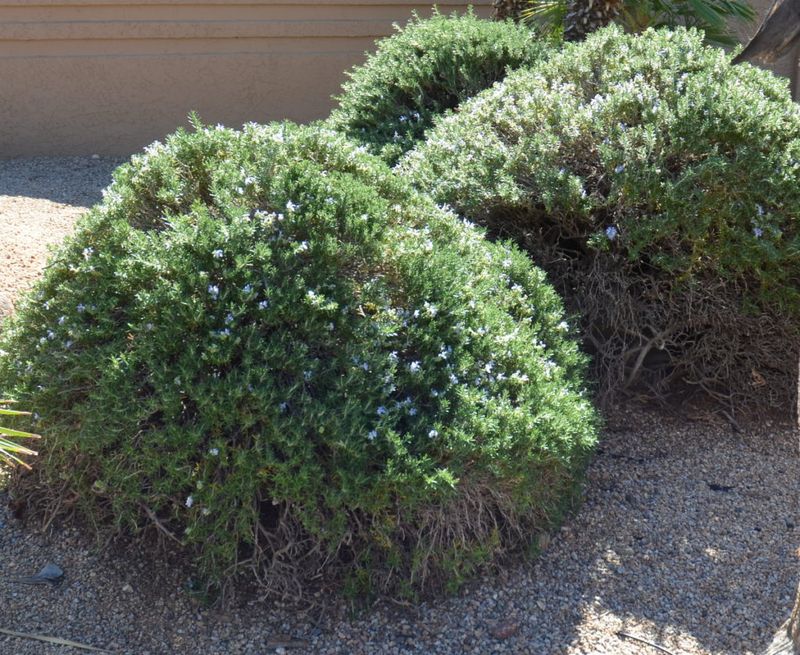
Here is a plant that works in your cooking and your defense plan. Rosemary smells wonderful to people, but javelinas find that piney punch overwhelming.
Upright types make a tidy low hedge, while trailing kinds spill beautifully over walls and slopes. Tiny blue flowers show up in winter and spring, feeding early bees when little else is blooming.
Rosemary hates soggy soil, so plant it where water drains fast. Once settled, it handles reflected heat from driveways like a champ.
Snip a few sprigs for dinner, and enjoy knowing your border is doing double duty.
3. Agave
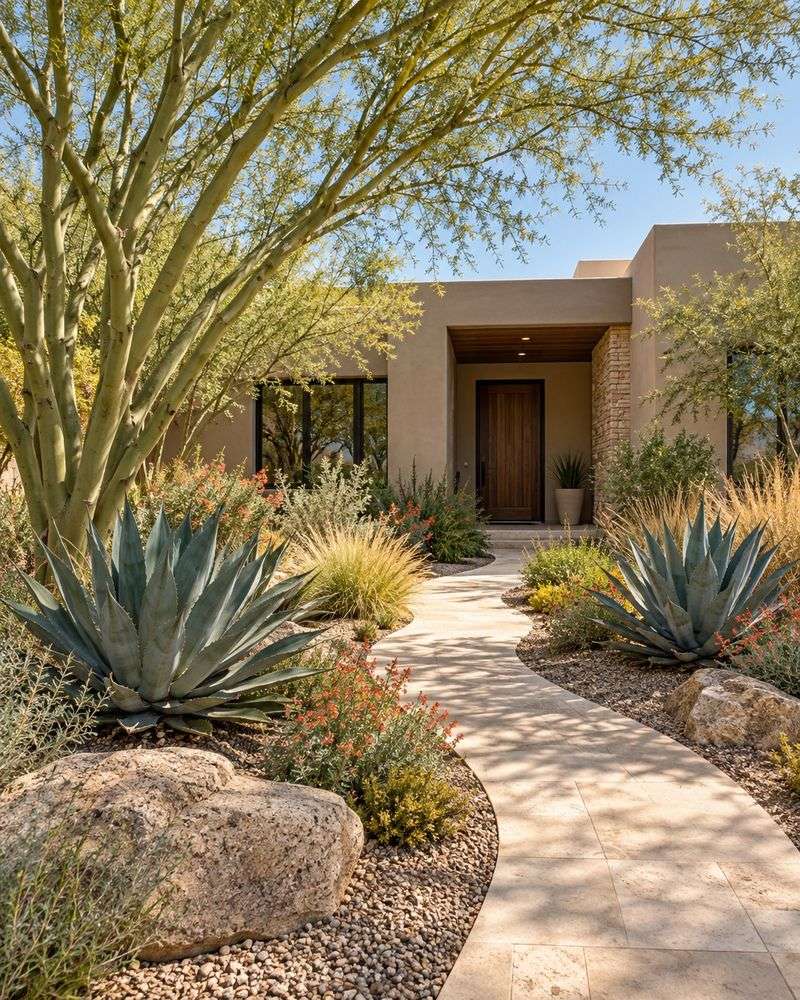
Picture a javelina nosing up to a plant tipped with needle-sharp spines. That meeting usually ends with the javelina backing away, fast.
Agaves bring bold sculpture to a yard. Their thick rosettes range from tiny octopus agave to the huge century plant, so there is a size for nearly every bed.
Fun fact: many agaves bloom only once, sending up a towering stalk after years of growth, then die back while pups take their place. Keep them a few feet from sidewalks, since those tips can snag passersby too.
Water sparingly, because too much love can rot the roots.
4. Desert Marigold
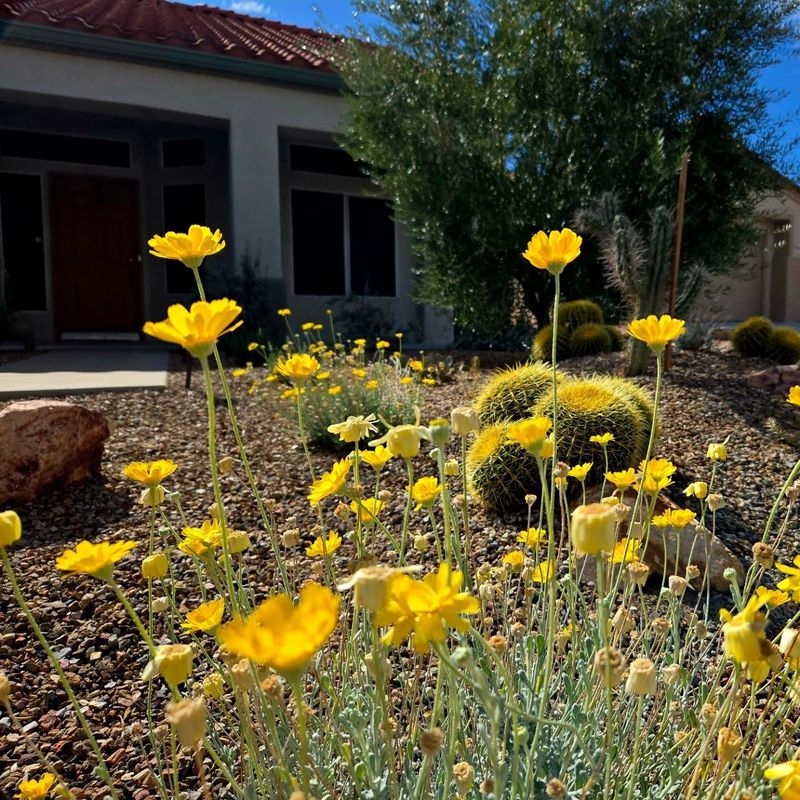
Sunshine yellow nearly all year long sounds too good to be true. Desert marigold pulls it off, blooming in waves from spring through fall.
Its soft, silvery leaves contain compounds that are bitter and can even be toxic to grazing animals, so javelinas generally leave it alone. Plants stay small, around a foot tall, making them great for edging beds and filling gaps.
They reseed on their own, so a few plants can turn into a cheerful drift. Skip fertilizer and heavy watering.
Desert marigold actually looks best when you mostly ignore it.
5. Damianita
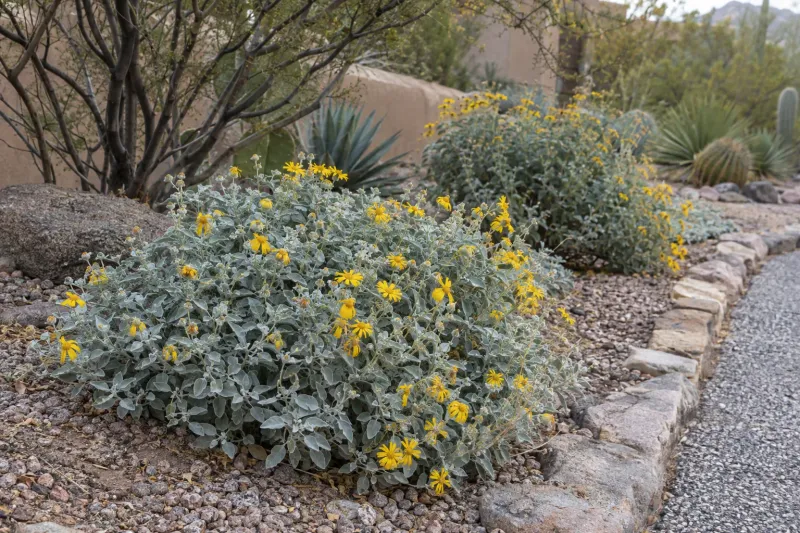
Brush your hand across damianita and you will smell something sharp and resinous. Javelinas notice that scent too, and they would rather eat almost anything else.
Small and mounding, this groundcover grows only about a foot tall with needle-like green leaves. In spring and again in fall, it gets buried in little golden daisies.
It loves full sun, poor soil, and hot spots by the curb. Give it a light trim after flowering to keep it neat.
For filling the front edge of a bed with color, few plants are this tough.
6. Red Yucca
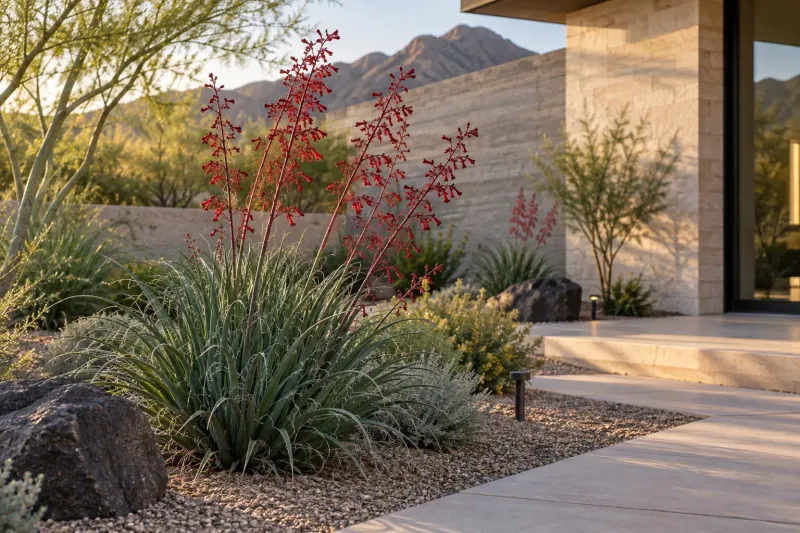
Okay, a quick confession is due here. Red yucca is not actually a yucca, it is related to agaves, but nobody seems to mind the mix-up.
Its grassy leaves are tough and fibrous, and javelinas usually find them unappealing. Tall stalks of coral flowers rise from spring to fall and pull in hummingbirds like a magnet.
Unlike true yuccas, there are no sharp spines, so it is safe near paths where kids play. If you see nibbling on new flower stalks in a lean year, a light cage during bloom season helps.
Otherwise, it is close to bulletproof.
7. Lantana
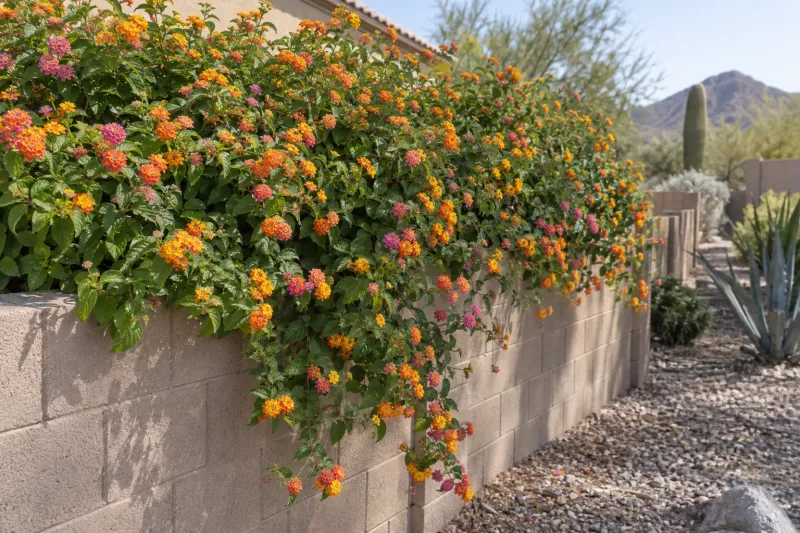
Butterflies treat lantana like an all-you-can-eat buffet, but javelinas want nothing to do with it. The leaves are scratchy, smelly, and toxic to many animals.
Trailing purple lantana makes a carpet of color, while mounding types in gold or orange add height. It blooms almost nonstop in warm weather and shrugs off the summer heat.
Frost can knock it back in colder parts of the state. Wait until spring to prune, and new growth will return quickly.
Wear gloves when trimming, since the sap can irritate skin.
8. Creosote Bush
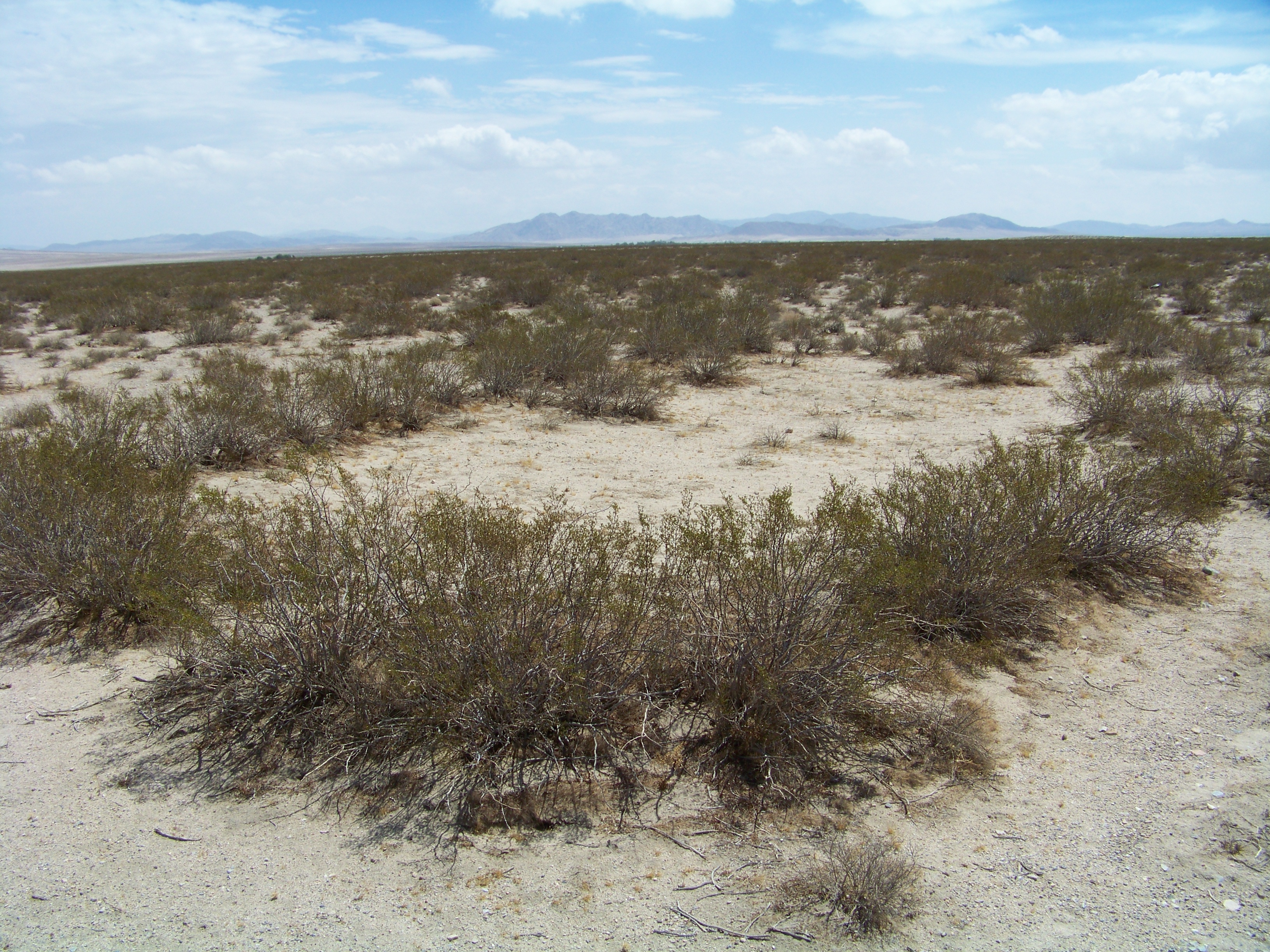
Ever smelled the desert right after a summer storm? That clean, earthy scent comes from creosote, and it tells you a lot about why javelinas avoid it.
The leaves are coated in a resin that tastes awful and protects the plant from heat and hungry mouths. Some creosote rings in the Mojave Desert are thought to be over 10,000 years old, making them among the oldest living things on Earth.
It works well as a natural screen at the edge of a property. Avoid shearing it into a ball.
Light thinning keeps its airy, graceful shape.
9. Brittlebush
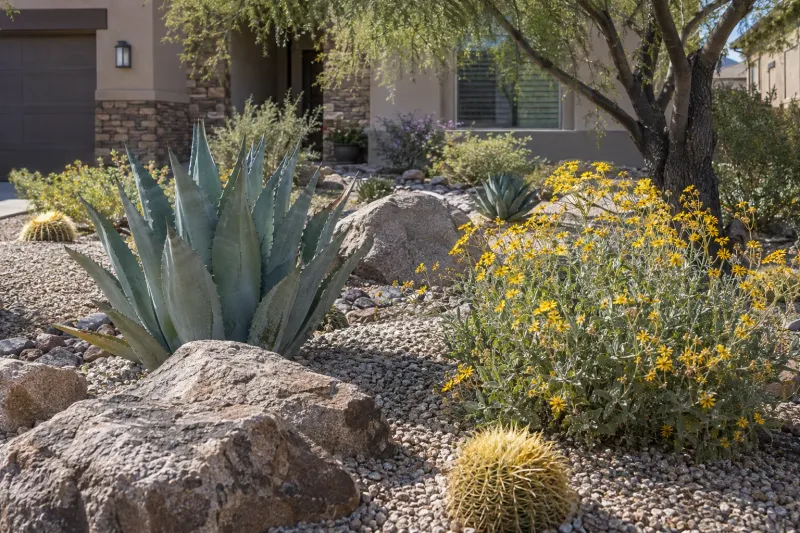
Come March, whole hillsides around Phoenix glow yellow, and brittlebush is usually the reason. It is a native that javelinas rarely touch.
Silvery, fuzzy leaves help it reflect sunlight and taste unappealing to grazers. Long ago, people used its sap as a glue and even as incense in churches.
Plants grow fast and fill space in a single season. Cut them back by about half after spring bloom to avoid a scraggly look.
Very little water is needed once they are established.
10. Prickly Pear Cactus
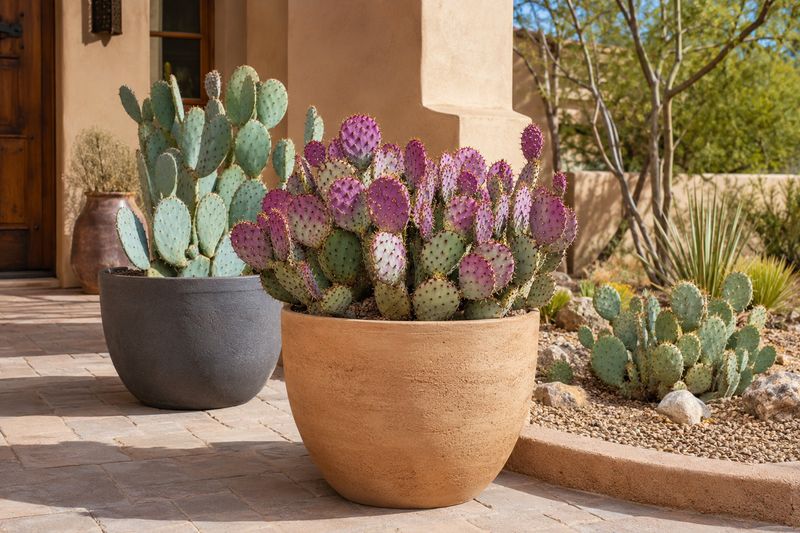
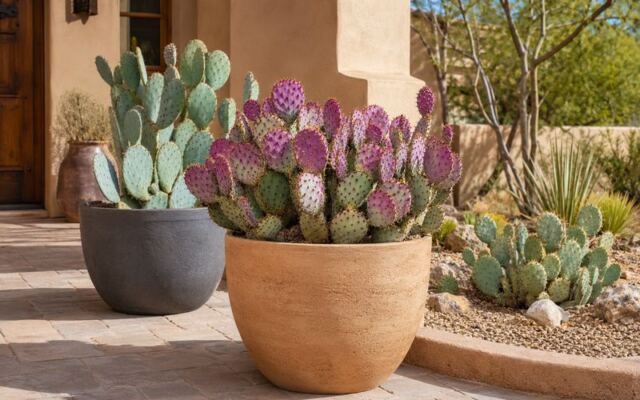
Honesty matters on a list like this, so here goes. Javelinas will eat prickly pear, spines and all, especially when water is scarce.
So why is it here? Spineless varieties are the risky ones, while heavily armed types like purple prickly pear tend to hold up much better.
Planting them along a fence line also creates a thorny barrier that steers herds away from softer beds.
Think of it as a living fence with a backup plan. Pair it with the scented shrubs above, and you have layers of defense that look like a natural desert garden.
Share this story