Raking leaves on a cool October afternoon feels peaceful, but your Tennessee yard might be busier than you realize. As temperatures drop, snakes, spiders, and stinging insects start moving around, looking for food and warm places to spend the winter.
Some of them end up in woodpiles, garages, and even your favorite pair of boots. Knowing who is out there, and how to spot them, can keep your family and pets safe all season long.
1. Copperhead
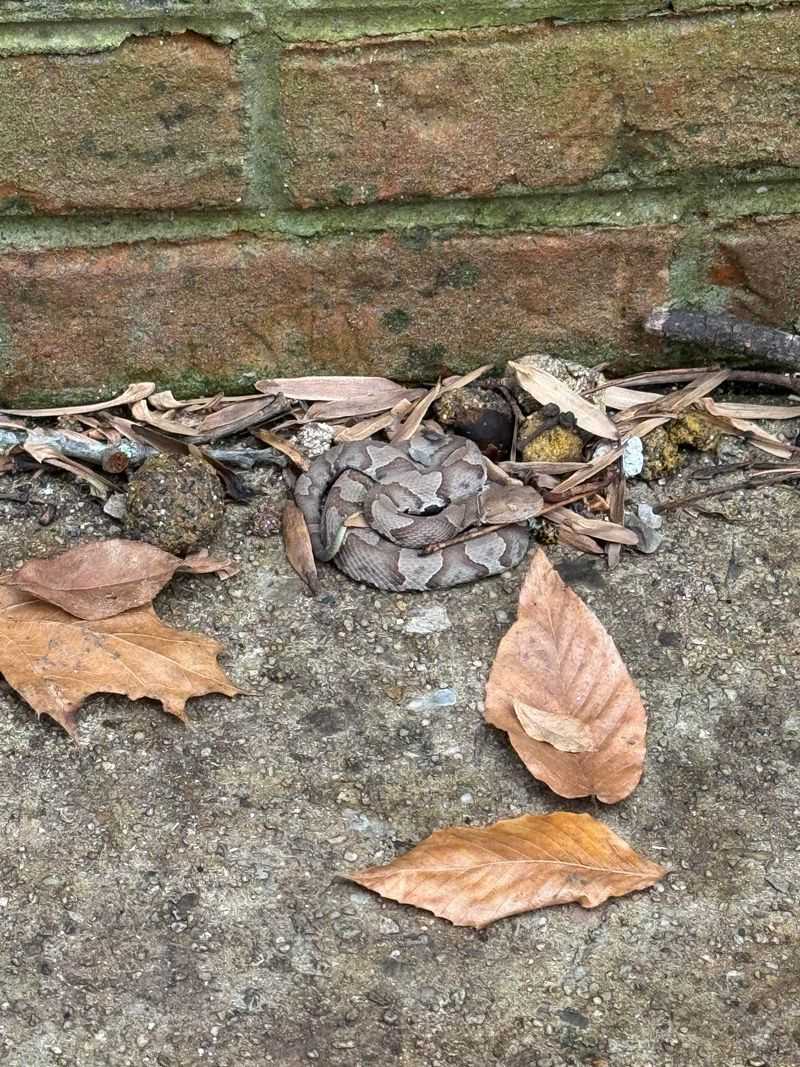
Picture a pile of fallen oak leaves. Now picture a snake that looks exactly like that pile.
That is the copperhead, and it is the venomous snake Tennesseans meet most often.
Its tan and copper bands shaped like hourglasses give it near-perfect camouflage in autumn. Copperheads also tend to freeze instead of flee, which is why most bites happen when someone steps on or grabs one by accident.
Early fall is a busy time for them, since mothers give birth to live young in late summer and the babies spread out in September.
Baby copperheads have bright yellow tail tips they wiggle to lure frogs. Cute trick, but their venom works from day one.
Wear gloves when clearing leaves, use a rake instead of bare hands, and keep a flashlight handy on warm evenings, when these snakes like to hunt.
2. Timber Rattlesnake
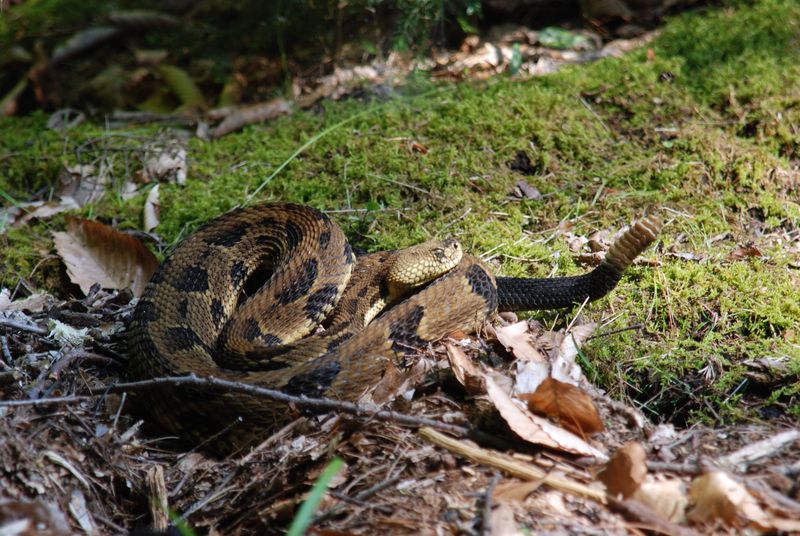
Old-timers in East Tennessee sometimes call it the velvet-tail. The timber rattlesnake is big, often four feet or longer, and carries enough venom to demand serious respect.
Good news first: these snakes are usually calm and would rather stay hidden. They mostly live in rocky, forested areas, but homes built near ridges and woods can see visitors.
In fall, timber rattlers travel back toward their winter dens, sometimes crossing yards and driveways along the way.
Watch for dark zigzag bands on a yellow, tan, or gray body and a solid black tail. If you hear that buzzing rattle, stop, find the sound, and back away slowly.
Never try to kill or move one yourself. Call a wildlife removal pro instead, since most bites happen when people try to handle them.
3. Cottonmouth
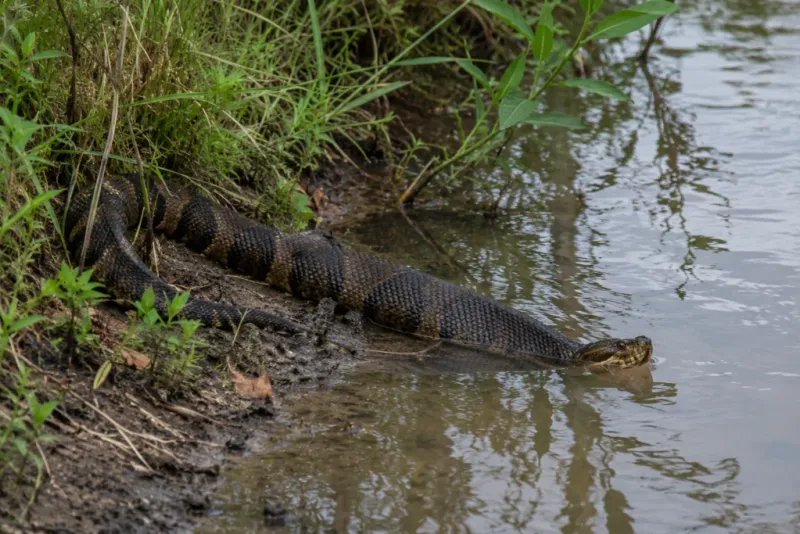
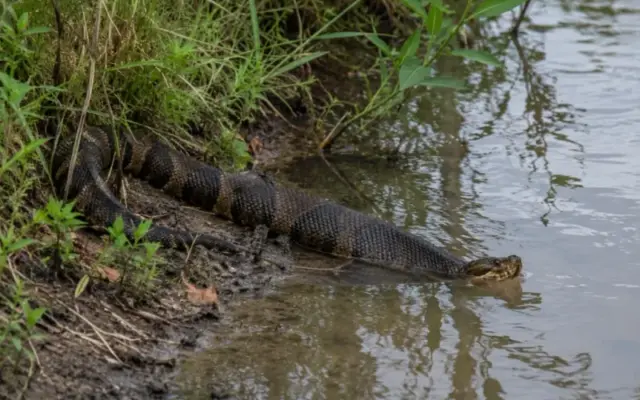
Ever seen a snake open its mouth wide like it is yawning at you? If the inside looks bright white, you just met a cottonmouth, and that yawn is a warning.
Also called water moccasins, these chunky snakes live mainly in West and Middle Tennessee, near ponds, creeks, and swampy areas. Homes with backyard ponds or drainage ditches may see them, especially in fall when they move toward drier ground to spend the winter.
Here is a twist: many “cottonmouths” people report are actually harmless water snakes. Real cottonmouths have thick bodies, blocky heads, and a dark stripe through the eye.
Whatever you spot near water, give it space and let it go about its business.
4. Black Widow Spider
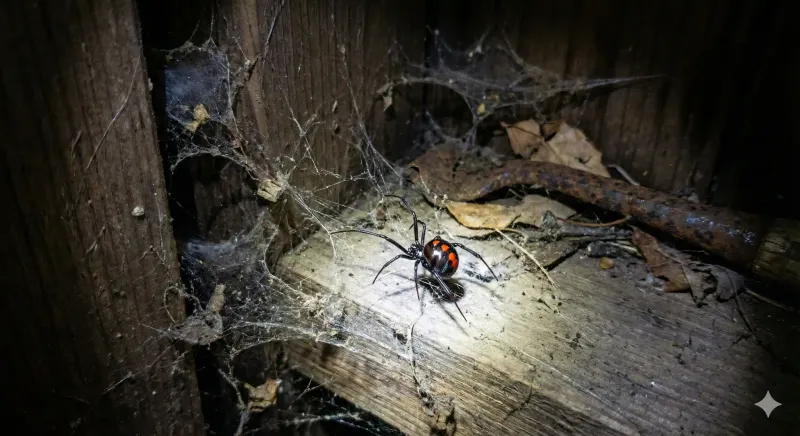
Firewood season and black widow season line up almost perfectly. As you start stacking logs for chilly nights, you may disturb a glossy black spider with a red hourglass on her belly.
Black widows love quiet, cluttered spots. Woodpiles, sheds, flower pots, outdoor toys, and the underside of patio furniture all make great homes.
Their webs look messy and tangled, not neat like a garden spider’s.
Their venom affects nerves and can cause painful muscle cramps, though deaths are very rare today. Simple habits help a lot:
Wear thick gloves when handling wood, shake out shoes left outside, and keep firewood stacked away from your house walls.
5. Brown Recluse Spider
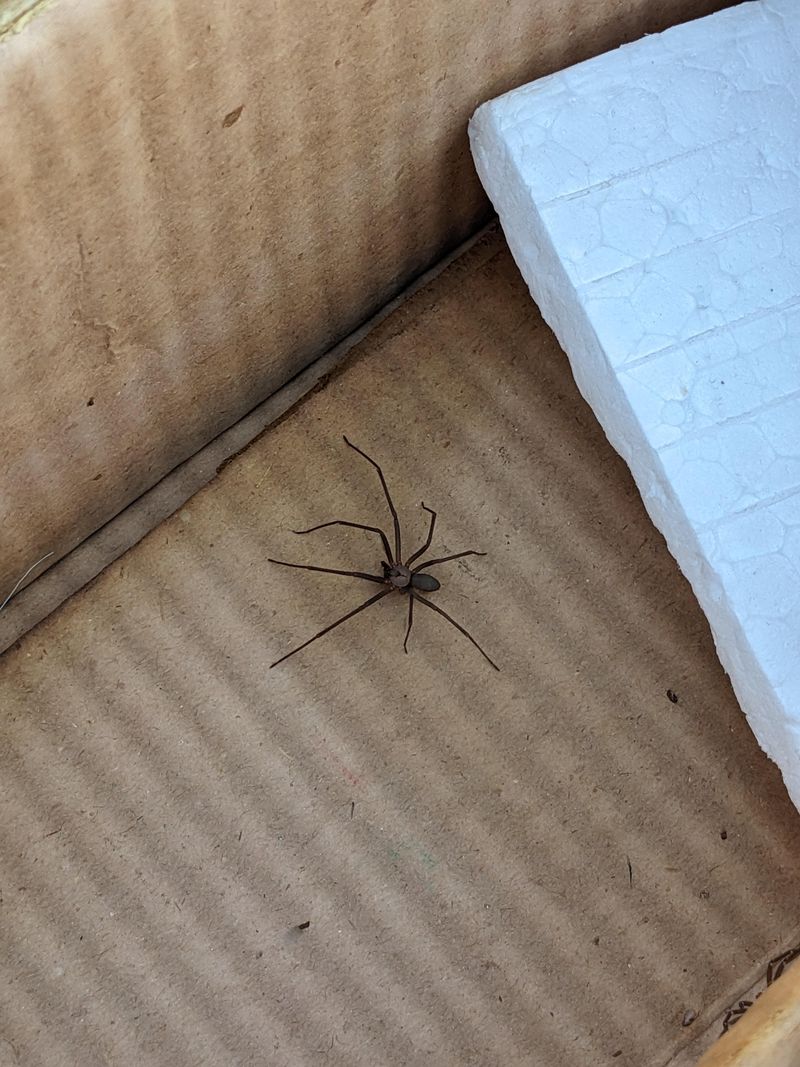
Tennessee sits right in the heart of brown recluse country. And these shy little spiders absolutely love the box of Halloween decorations you just pulled down from the attic.
Brown recluses are tan, about the size of a quarter with legs, and have a dark violin shape on their back. They hide in closets, basements, garages, and anywhere things stay untouched for months.
When fall arrives and we start digging out jackets and holiday bins, run-ins go up.
Most bites heal on their own, but some cause open sores that need a doctor’s care. Store items in sealed plastic tubs instead of cardboard, and shake out clothes and blankets that have been packed away.
A few sticky traps in corners will also show whether you have them.
6. Yellowjackets
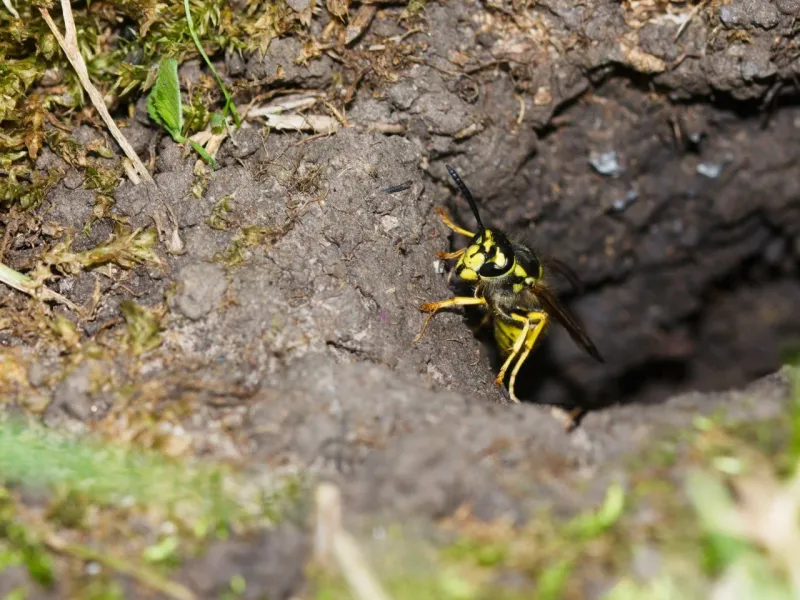
Ask any Tennessee landscaper about their worst fall day, and odds are a yellowjacket nest is in the story. Mowing over a hidden ground nest can bring out an angry swarm in seconds.
Late summer and early fall are when colonies reach their peak size, sometimes thousands strong. Their natural food grows scarce, so they get bold around picnics, soda cans, trash bins, and fallen fruit.
Unlike honeybees, yellowjackets can sting again and again.
Look for a steady stream of wasps flying in and out of a hole in the ground before you mow. Keep drinks covered outside, and get help right away if someone has trouble breathing after a sting.
7. Saddleback Caterpillar
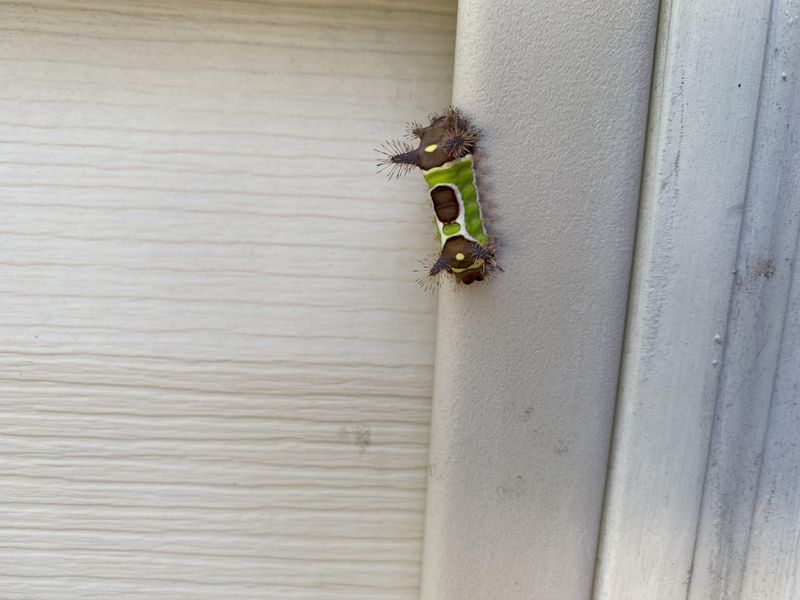
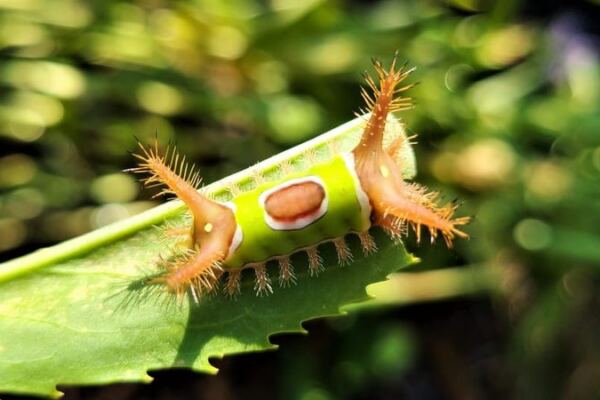
Kids love bugs that look like tiny cartoons, and the saddleback caterpillar might be the most cartoonish of all. It has a bright green “saddle” with a brown spot, almost like a little horse blanket.
Sadly, those fleshy horns are packed with stinging spines. Brushing against one feels like a hot, burning sting that can swell and ache for hours.
They show up on shrubs, corn, and ornamental plants through late summer and early fall.
Teach children to look but never touch fuzzy or spiky caterpillars. If someone gets stung, pressing tape on the spot and pulling it off can remove broken spines.
The puss caterpillar, a fluffy cousin also found in Tennessee, packs an even nastier sting.
8. Bald-Faced Hornets
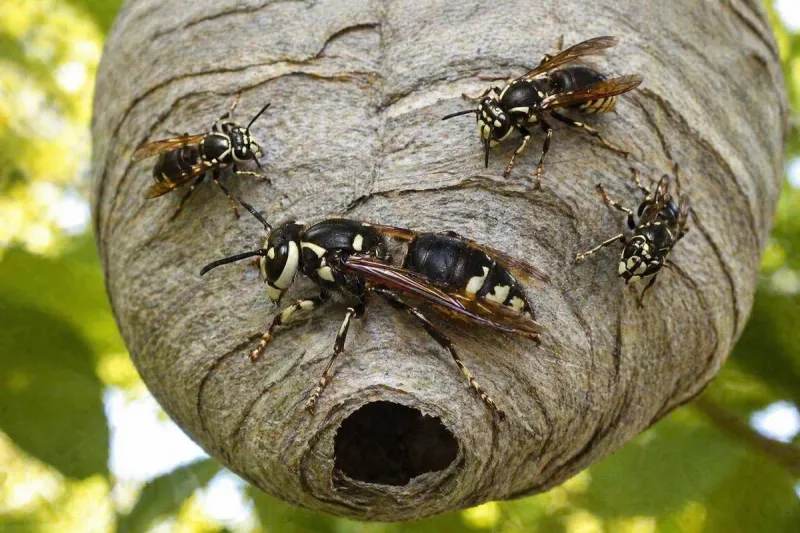
Sometimes the leaves fall and reveal a surprise: a gray paper nest the size of a football hanging right above your swing set. Meet the bald-faced hornet’s handiwork.
These black and white wasps are actually a type of yellowjacket, and they guard their homes fiercely. Disturb a nest and they will chase you farther than most stinging insects.
Fall is when the colony is largest and most protective.
A fun fact for comfort: the nest dies off after the first hard freeze, and hornets never reuse it. If one hangs in a high, out-of-the-way spot, waiting for winter may be the safest plan.
Close to doors or play areas, though, call a professional.
Share this story