Get the latest garden guides in your inbox →
Gardening Latest
  • General Gardening
  • Lawn Care
  • Plant Care
  • Composting
  • Soil Health
  • Backyard
  • Garden Muse Magazine
  • General Gardening
  • Lawn Care
  • Plant Care
  • Composting
  • Soil Health
  • Backyard
  • Garden Muse Magazine
  • News
  • Gardening Calendar
  • Garden Structures
  • Vegetable Garden
  • Vertical Garden
  • Raised Beds
  • Hydroponics
  • General Equipment
  • Community Gardens
Garden Themes
  • Spiritual Garden
  • Hydroseeding
  • Seeding and Laying Sod
  • Artificial Grass
  • Lawn Care Equipment
  • Plants
  • Trees
  • Planting Tools
  • Composting Basics
  • Fertilizer
  • Alternative Growing Mediums
  • Front Yard
  • Backyard Activities
  • Landscaping
Gardening Latest

Explore by state

Which state is your garden in?

Currently viewing Tennessee

All states

Northeast

  • Connecticut —
  • Delaware 35
  • Maine —
  • Maryland 21
  • Massachusetts 37
  • New Hampshire —
  • New Jersey 21
  • New York 30
  • Pennsylvania 30
  • Rhode Island —
  • Vermont —

Southeast

  • Alabama 21
  • Arkansas —
  • Florida 21
  • Georgia 21
  • Kentucky 35
  • Louisiana 20
  • Mississippi —
  • North Carolina 19
  • South Carolina 34
  • Tennessee 18
  • Virginia 20
  • West Virginia —

Midwest

  • Illinois 20
  • Indiana 22
  • Iowa 34
  • Kansas —
  • Michigan 21
  • Minnesota 20
  • Missouri 19
  • Nebraska —
  • North Dakota —
  • Ohio 21
  • South Dakota —
  • Wisconsin 35

Southwest

  • Arizona 20
  • Colorado —
  • Nevada —
  • New Mexico —
  • Oklahoma —
  • Texas 19
  • Utah —

West

  • Alaska —
  • California 20
  • Hawaii —
  • Idaho —
  • Montana —
  • Oregon —
  • Washington —
  • Wyoming —

No state matches that search.

Site menu

Gardening Latest
  • General Gardening
    • News
    • Gardening Calendar
    • Garden Structures
    • Vegetable Garden
    • Vertical Garden
    • Raised Beds
    • Hydroponics
    • General Equipment
    • Community Gardens
    Garden Themes
    • Spiritual Garden
  • Lawn Care
    • Hydroseeding
    • Seeding and Laying Sod
    • Artificial Grass
    • Lawn Care Equipment
  • Plant Care
    • Plants
    • Trees
    • Planting Tools
  • Composting
    • Composting Basics
  • Soil Health
    • Fertilizer
    • Alternative Growing Mediums
  • Backyard
    • Front Yard
    • Backyard Activities
    • Landscaping
  • Garden Muse Magazine

Explore

  • About GardeningLatest.com
  • Contact Us

Get the latest from the garden

New guides on lawn care, plants and backyard projects, sent when they go up.

Subscribe →

Follow

  • Facebook
  • X
  • Pinterest
  • YouTube
Tennessee Gardening

Saddleback Caterpillars Hide Under Tennessee Maple Leaves, and Their Sting Calls for These Quick First Steps

Saddleback caterpillars can hide among the leaves of maple trees, and a brush against one can leave a painful sting.

JM

By Jolene Mabry

November 26, 2026 · 6 min read

Saddleback Caterpillars Hide Under Tennessee Maple Leaves, and Their Sting Calls for These Quick First Steps

Saddleback caterpillars can hide among the leaves of maple trees, and a brush against one can leave a painful sting. If you work in a yard in Tennessee, a few quick steps can help if skin touches one.

Tape, soap, water, and a cold pack are the basics. Knowing what the caterpillar looks like and which symptoms matter can help you stay calm and act fast.

At a glance

Where
Tennessee Gardening
Hardiness zone
7 0 to 10°F
Read
6 minutes
Published
November 26, 2026

Recognizing a saddleback caterpillar

Recognizing a saddleback caterpillar
© Gardening Charlotte

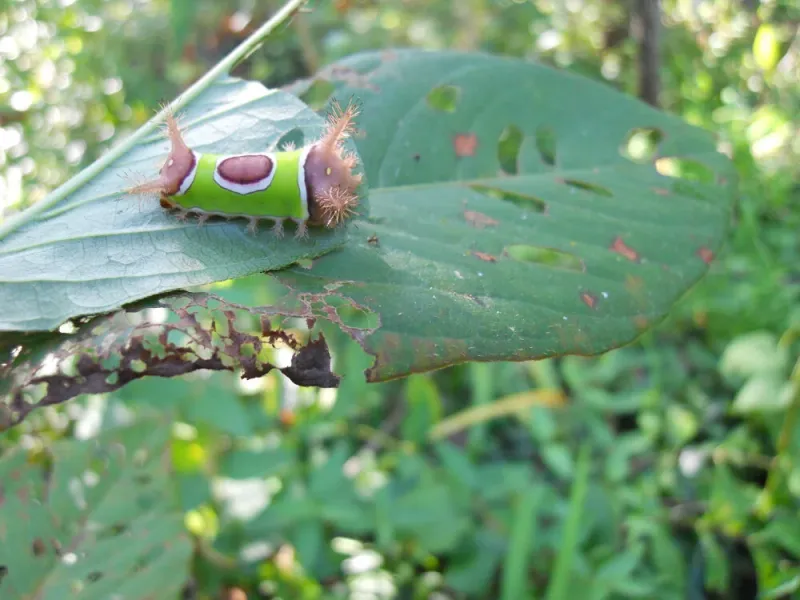
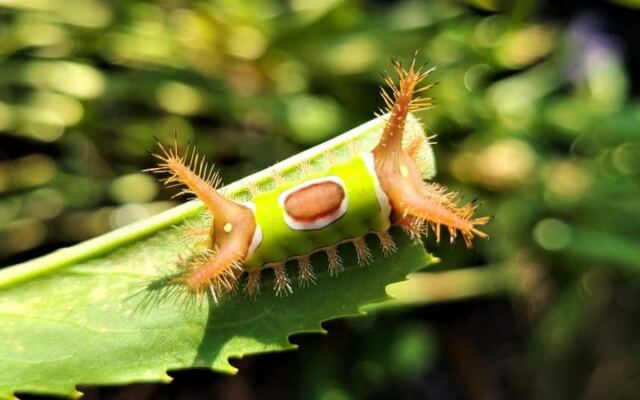
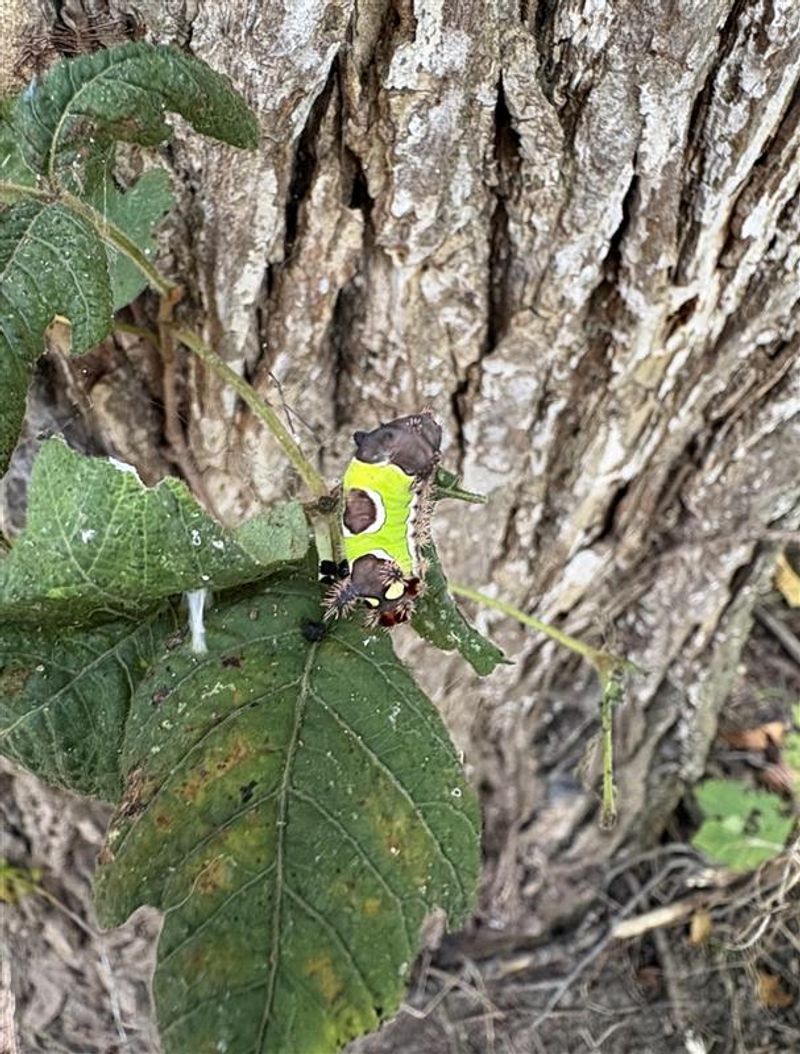
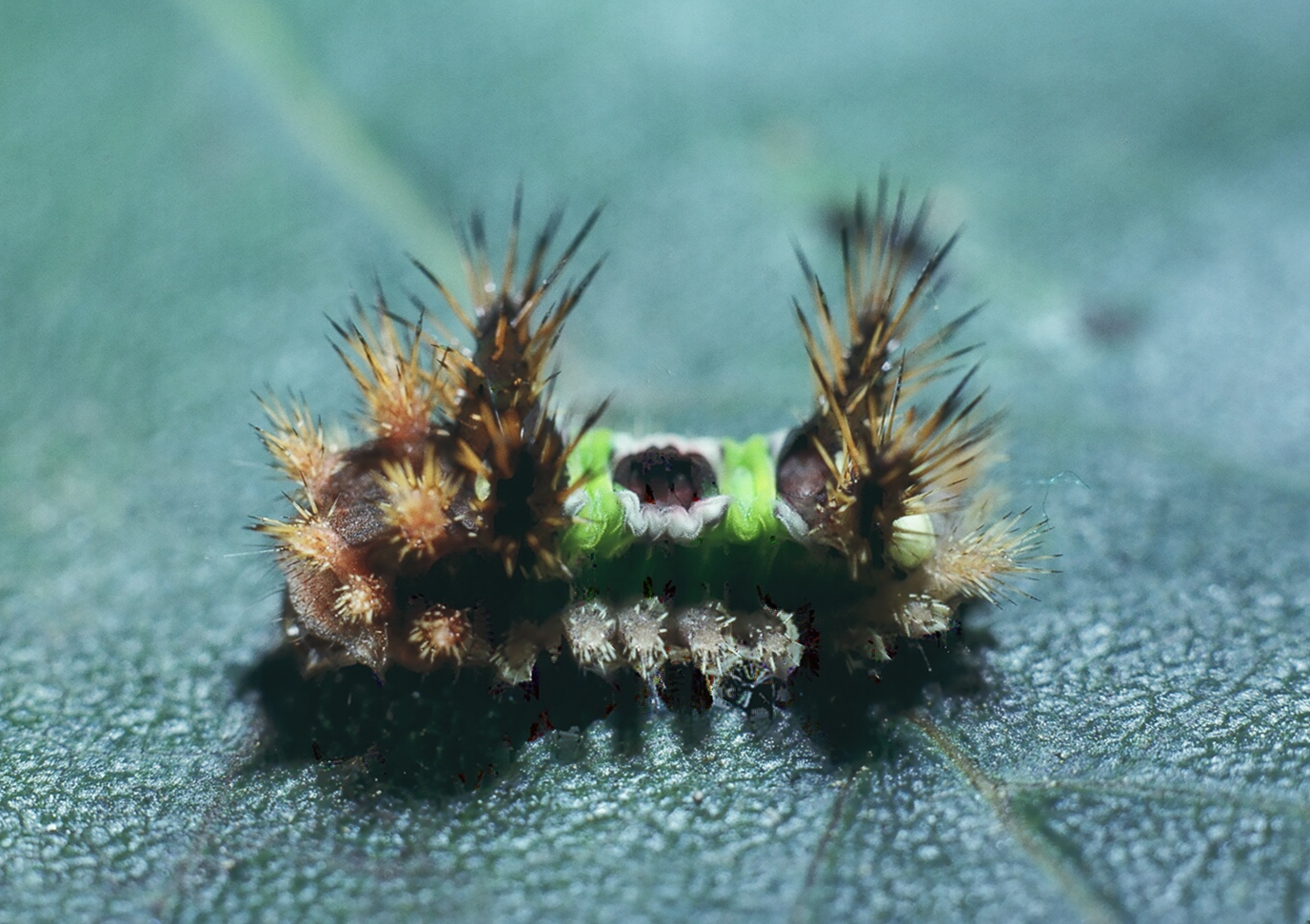
A saddleback caterpillar is easy to spot once you know the pattern. It has a vivid green back with a brown, saddle-shaped marking in the middle, a bit like a blanket thrown over a small animal.

Virginia Cooperative Extension describes this coloring along with the stinging projections that give the caterpillar its painful reputation.

Look closely and you will also see fleshy knobs at both ends of the body. These carry stinging spines, and smaller spines cover other parts of the caterpillar as well.

UF/IFAS Extension also describes the species, Acharia stimulea, and its spiny build.

Those features are handy for recognizing a possible saddleback, but only from a safe distance. Do not pick one up, poke it, or brush it away with bare fingers just to confirm what it is.

The spines can break off and stay in skin, so a quick photo with a phone is a much better way to check later.

Many caterpillars look odd or fuzzy, and not all of them sting. If you are unsure about one, treat it as something to leave alone.

Gloves and long sleeves add a layer of protection when you reach into shrubs or low branches.

Host plants and seasonal activity
Host plants and seasonal activity
© loraincometparks

Saddlebacks occur across a broad part of the eastern United States, and they feed on a range of trees and shrubs. According to Texas A&M AgriLife Extension, maple and oak are among the documented host plants, along with several other trees and shrubs.

Their spines can break off and cause a painful skin reaction.

MedlinePlus suggests applying ice wrapped in a clean cloth for 10 minutes, then leaving it off for 10 minutes.

On timing, Virginia Cooperative Extension describes saddlebacks on shade trees and ornamental shrubs in late summer. That is a regional description, and the page is fairly old.

It does not tell us an exact Tennessee season, and it does not show that these caterpillars are a routine sight in Tennessee yards.

You may read that caterpillars hide under leaves. Poison Control notes that caterpillars in general may feed on leaf undersides.

That is a general statement about caterpillars, not proof that saddlebacks rest beneath maple leaves.

The practical takeaway is simple. Maple and oak are plants where a saddleback could turn up, so stay alert when you handle foliage.

Wear gloves, look before you grab a branch, and never touch an unfamiliar caterpillar with bare hands.

Use tape, then wash the skin
Use tape, then wash the skin
© SAYS Seismik

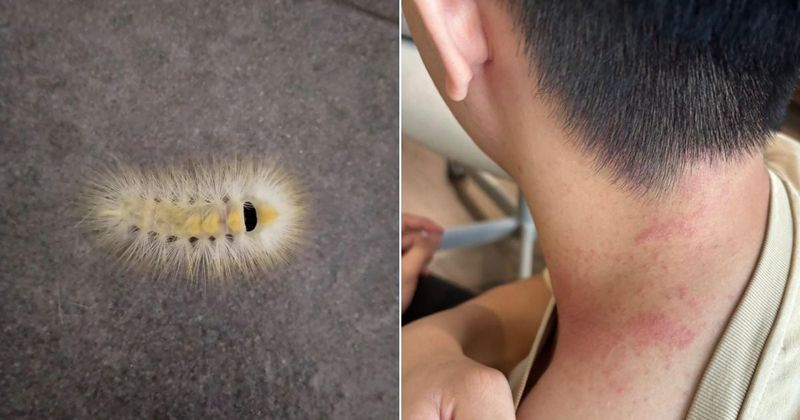
If skin may have touched a caterpillar, start by leaving the creature alone. Do not brush it off or pick at it with bare hands, and do not rub the skin.

Rubbing can push tiny spines deeper or spread them around.

Next, press a piece of adhesive tape gently onto the area and lift it away. Use a fresh piece each time you repeat, so you are not putting hairs back on your skin.

Poison Control gives this tape method for caterpillar exposures, and North Carolina Poison Control also advises removing the caterpillar with a tool and using tape gently on the skin.

Once the tape is done, wash the area gently with soap and water. A light touch matters here, since scrubbing hard could irritate the skin more.

Keep expectations realistic. This guidance covers caterpillar exposures in general, not a trial on saddlebacks alone.

Tape may lift some hairs or spines, but it cannot promise that every one is gone, and it will not instantly stop the pain.

If you are unsure what to do next, Poison Control or a clinician can give advice for your situation.

Cool the area to ease discomfort

Cool the area to ease discomfort
© GoodRx

After the tape and washing, cold can take some of the edge off. A cloth-wrapped ice pack may help with pain or swelling.

Wrapping matters, because ice placed straight on skin can irritate it.

MedlinePlus suggests applying ice wrapped in a clean cloth for 10 minutes, then leaving it off for 10 minutes. It advises shorter application for people with blood-flow problems, so if that describes you, keep the cold sessions brief.

Think of ice as comfort, not a cure. It can ease how the area feels, but it does not remove spines and it does not set a timeline for recovery.

Everyone reacts a little differently.

Poison Control also lists oral pain relievers as an option. That is one possibility, not advice that fits everyone, so check labels and ask a pharmacist or clinician if you have health conditions or take other medicines.

Baking soda paste turns up in some general caterpillar advice. It is not a necessary step, and it has not been shown to work reliably for saddleback stings, so you can skip it.

Watch how symptoms develop
Watch how symptoms develop
© A-Z Animals

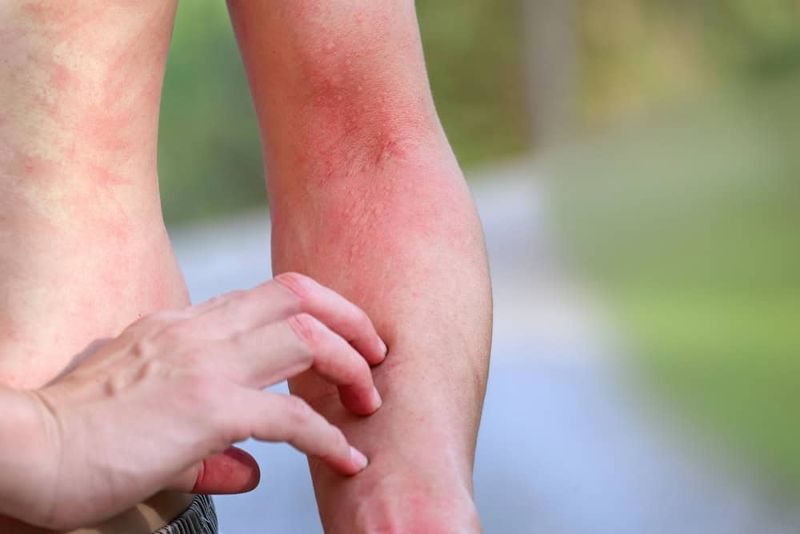
Once first aid is done, keep an eye on the area. Poison Control lists burning or stinging pain, redness, itching, swelling, welts, and blisters as reported reactions.

Headache and nausea can also occur in some people.

Reactions vary quite a bit. One person may have a short, sharp sting, while another has a sore, puffy patch that lingers.

A painful local reaction does not automatically mean a life-threatening emergency, and most exposures stay local.

Severe allergic reactions are possible but rare. They are not the expected outcome, so there is no need to panic over a sore, red spot.

A simple routine helps. Look at the skin every so often, note whether redness or swelling is spreading, and notice whether new symptoms like headache or nausea show up.

Writing down times can help if you later call a clinician or poison center.

Not every exposure follows the same course, so avoid comparing your experience to a friend’s. Focus on how your own symptoms change and whether they stay mild, ease, or grow worse.

Know when to get urgent help
Know when to get urgent help
© Poison Control

Some signs mean you should stop first aid and get help right away. Call 911 for difficulty breathing, fainting, or swelling of the lips, face, or tongue.

Poison Control lists these as emergency symptoms.

Other kinds of exposure call for different steps. If hairs or spines may have reached an eye, rinse the eye with water and get medical advice, especially if irritation persists.

Do not rub the eye while you rinse.

Breathing in caterpillar hairs is another case. MedlinePlus advises getting medical care after inhaling them.

For questions about an exposure in the United States, Poison Control is available at 1-800-222-1222. The staff can help you decide whether home care is enough or whether you should see a clinician, and it helps to have details ready, like when the contact happened and what symptoms you have.

A garden is a good place to slow down and look before you reach. One careful glance at a leaf can save a lot of stinging later.

Share this story

JM

Written by

Jolene Mabry

More from Jolene Mabry →

About Gardening Latest

Gardening Latest provides in-depth guides to maintaining and enhancing your garden and backyard. Learn how to make the most of the space you have and create a beautiful garden.

More about us →

Latest stories

  • Alabama GardeningFire Ant Mounds Popping Up Across Your Alabama Yard After a Rain Are Telling You Something

    Fire Ant Mounds Popping Up Across Your Alabama Yard After a Rain Are Telling You Something

    7 min ago
  • Minnesota GardeningMinnesota Gardeners Stung by a Fuzzy Hickory Tussock Caterpillar Should Do These Things Right Away

    Minnesota Gardeners Stung by a Fuzzy Hickory Tussock Caterpillar Should Do These Things Right Away

    13 min ago
  • Illinois GardeningIllinois Ants Rebuild Overnight After a Downpour, and Their Fresh Mounds Mark Your Lawn’s Weak Spots

    Illinois Ants Rebuild Overnight After a Downpour, and Their Fresh Mounds Mark Your Lawn’s Weak Spots

    19 min ago
  • Louisiana GardeningThat Giant Flower Stalk on Your Louisiana Onions Is Telling You Something, and Here’s Whether to Cut It Off

    That Giant Flower Stalk on Your Louisiana Onions Is Telling You Something, and Here’s Whether to Cut It Off

    25 min ago
  • Delaware GardeningThat Green Caterpillar With a Brown Saddle Stings Hard in Delaware Gardens, and Here’s What to Do First

    That Green Caterpillar With a Brown Saddle Stings Hard in Delaware Gardens, and Here’s What to Do First

    31 min ago

Gardening by state

Stories for your state, and the hardiness zone most of it gardens in.

Keep exploring

Read next

All Tennessee Gardening →
Tennessee GardeningThat Tiny Gray Shrew in Your Tennessee Garden Carries Venom, and It’s Smaller Than Your Thumb
Tennessee Gardening

That Tiny Gray Shrew in Your Tennessee Garden Carries Venom, and It’s Smaller Than Your Thumb

3 hr ago
Tennessee GardeningTennessee Yards Hide More Venomous Creatures Than Just Copperheads, And Here’s How To Spot Each One
Tennessee Gardening

Tennessee Yards Hide More Venomous Creatures Than Just Copperheads, And Here’s How To Spot Each One

18 hr ago
Tennessee GardeningThere’s A Yellow Jacket Nest Near Your Tennessee Home, So Here’s What You Should Do
Tennessee Gardening

There’s A Yellow Jacket Nest Near Your Tennessee Home, So Here’s What You Should Do

20 hr ago

More from Tennessee Gardening

  • Tennessee Law Lets You Trim a Neighbor’s Overhanging Branches, as Long as You Stop at the Property Line

    Nov 24
  • Before You Cut That Giant Flower Stalk Off Your Tennessee Yucca, Here’s Why It Showed Up

    Nov 24
Back to top

Leave a response Cancel

Your email address stays private. Required fields are marked with an asterisk.

Gardening Latest

In-depth guides to maintaining and enhancing your garden and backyard: how to make the most of the space you have, and how to make it beautiful.

  • Facebook
  • X
  • Pinterest
  • YouTube

We may earn a portion of sales from products or services that are purchased through our site as part of our affiliate partnerships with retailers.

Explore

  • About GardeningLatest.com
  • Contact Us
  • Terms and Conditions
  • Privacy
  • Editorial Note:
  • FTC Disclosure

Newsletter

New garden guides and seasonal tips, straight to your inbox.

We’ll email you a link to confirm. Unsubscribe any time.

Almost there! Check your inbox and tap the link to confirm.

© 2026 Gardening Latest. All rights reserved.

Back to top