Get the latest garden guides in your inbox →
Gardening Latest
  • General Gardening
  • Lawn Care
  • Plant Care
  • Composting
  • Soil Health
  • Backyard
  • Garden Muse Magazine
  • General Gardening
  • Lawn Care
  • Plant Care
  • Composting
  • Soil Health
  • Backyard
  • Garden Muse Magazine
  • News
  • Gardening Calendar
  • Garden Structures
  • Vegetable Garden
  • Vertical Garden
  • Raised Beds
  • Hydroponics
  • General Equipment
  • Community Gardens
Garden Themes
  • Spiritual Garden
  • Hydroseeding
  • Seeding and Laying Sod
  • Artificial Grass
  • Lawn Care Equipment
  • Plants
  • Trees
  • Planting Tools
  • Composting Basics
  • Fertilizer
  • Alternative Growing Mediums
  • Front Yard
  • Backyard Activities
  • Landscaping
Gardening Latest

Explore by state

Which state is your garden in?

Currently viewing Texas

All states

Northeast

  • Connecticut —
  • Delaware 33
  • Maine —
  • Maryland 19
  • Massachusetts 35
  • New Hampshire —
  • New Jersey 19
  • New York 28
  • Pennsylvania 28
  • Rhode Island —
  • Vermont —

Southeast

  • Alabama 19
  • Arkansas —
  • Florida 19
  • Georgia 19
  • Kentucky 33
  • Louisiana 18
  • Mississippi —
  • North Carolina 17
  • South Carolina 32
  • Tennessee 16
  • Virginia 18
  • West Virginia —

Midwest

  • Illinois 18
  • Indiana 20
  • Iowa 32
  • Kansas —
  • Michigan 19
  • Minnesota 18
  • Missouri 18
  • Nebraska —
  • North Dakota —
  • Ohio 19
  • South Dakota —
  • Wisconsin 34

Southwest

  • Arizona 19
  • Colorado —
  • Nevada —
  • New Mexico —
  • Oklahoma —
  • Texas 18
  • Utah —

West

  • Alaska —
  • California 19
  • Hawaii —
  • Idaho —
  • Montana —
  • Oregon —
  • Washington —
  • Wyoming —

No state matches that search.

Site menu

Gardening Latest
  • General Gardening
    • News
    • Gardening Calendar
    • Garden Structures
    • Vegetable Garden
    • Vertical Garden
    • Raised Beds
    • Hydroponics
    • General Equipment
    • Community Gardens
    Garden Themes
    • Spiritual Garden
  • Lawn Care
    • Hydroseeding
    • Seeding and Laying Sod
    • Artificial Grass
    • Lawn Care Equipment
  • Plant Care
    • Plants
    • Trees
    • Planting Tools
  • Composting
    • Composting Basics
  • Soil Health
    • Fertilizer
    • Alternative Growing Mediums
  • Backyard
    • Front Yard
    • Backyard Activities
    • Landscaping
  • Garden Muse Magazine

Explore

  • About GardeningLatest.com
  • Contact Us

Get the latest from the garden

New guides on lawn care, plants and backyard projects, sent when they go up.

Subscribe →

Follow

  • Facebook
  • X
  • Pinterest
  • YouTube
Texas Gardening

That Fuzzy Asp on Your Texas Oak Packs a Fierce Sting, and These First Steps Bring Relief Fast

A fuzzy asp on a Texas oak can deliver a sting that burns hard, and a few simple first steps give you…

RC

By Ruby Castillo

November 25, 2026 · 6 min read

That Fuzzy Asp on Your Texas Oak Packs a Fierce Sting, and These First Steps Bring Relief Fast

A fuzzy asp on a Texas oak can deliver a sting that burns hard, and a few simple first steps give you a solid plan: lift out the hairs with tape, wash the skin, and cool it with a wrapped cold pack. Puss caterpillars hide their venomous spines under soft-looking fur, so the pain often catches people by surprise.

Knowing what to do right away can make a bad moment more manageable. Here is how to handle a sting and what to watch for afterward.

At a glance

Where
Texas Gardening
Hardiness zone
8 10 to 20°F
Read
6 minutes
Published
November 25, 2026

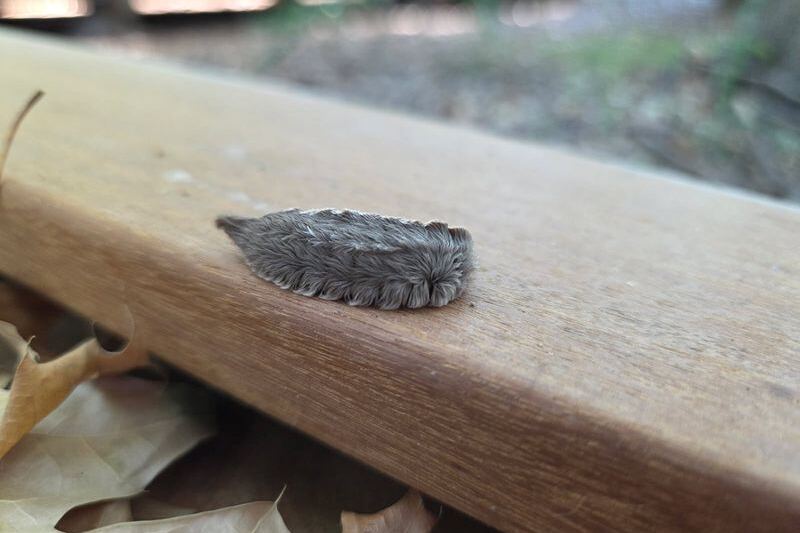
Where Texas gardeners may encounter puss caterpillars
Where Texas gardeners may encounter puss caterpillars
© Reddit

Picture a quiet afternoon of fall raking under a big oak. A brush against a leaf or branch is all it takes.

Texas A&M AgriLife lists oaks, pecan, elm, hackberry, and other shrubs among the host plants of the puss caterpillar, and it reports that the caterpillars are more commonly found in fall.

Fall is a useful warning period, but it is not the only time of risk. Texas A&M describes one or two generations a year, and the Merck Manual describes peaks in late spring and late fall.

Local timing and numbers can vary from one neighborhood or year to the next, so stay alert whenever you work around these trees.

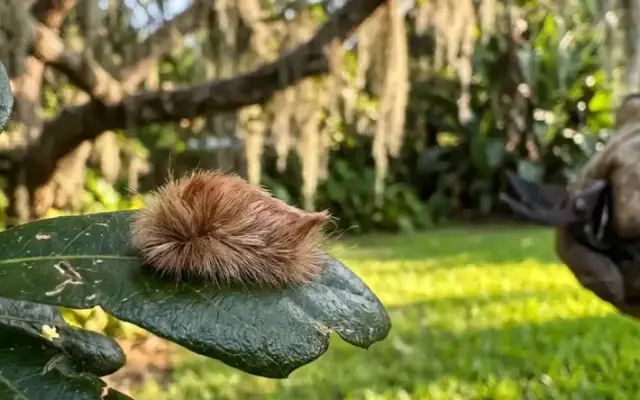
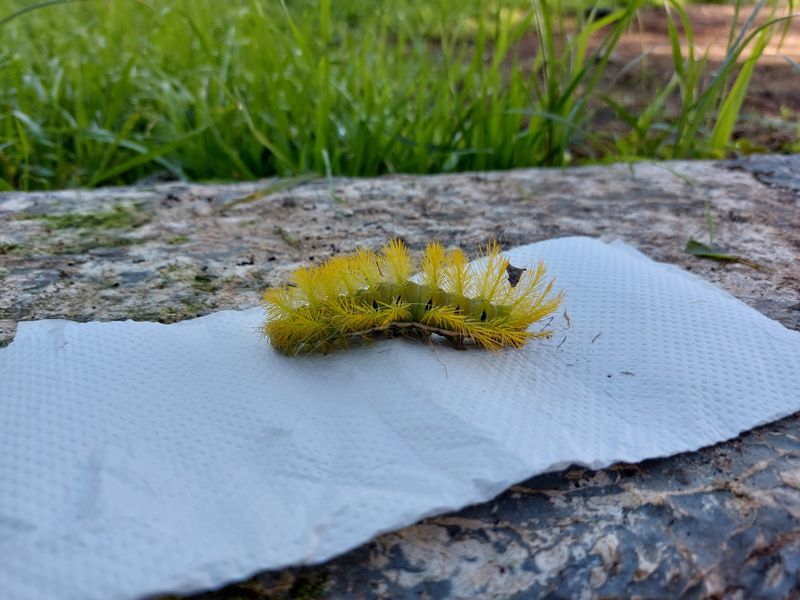
You will often hear the puss caterpillar called an asp. That is a common name, not a guaranteed way to identify a caterpillar.

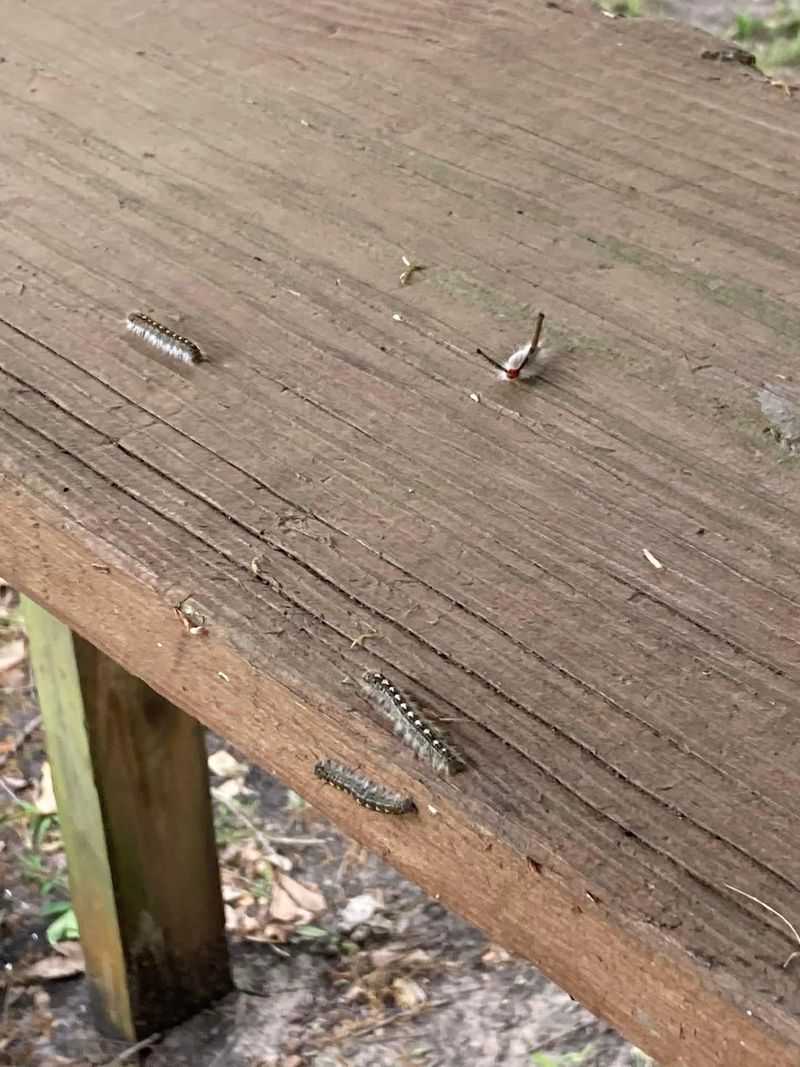
Texas A&M notes that other Texas caterpillars, including Io moth, buck moth, and saddleback caterpillars, can sting too, and their spines look different.

Looks alone are a poor guide. Poison Control says fuzzy, bristly, or spiny caterpillars may be harmful and should not be touched.

Not every fuzzy caterpillar is venomous, but it is safest to treat any of them as a no-touch creature.

Remove the caterpillar and lift out embedded hairs
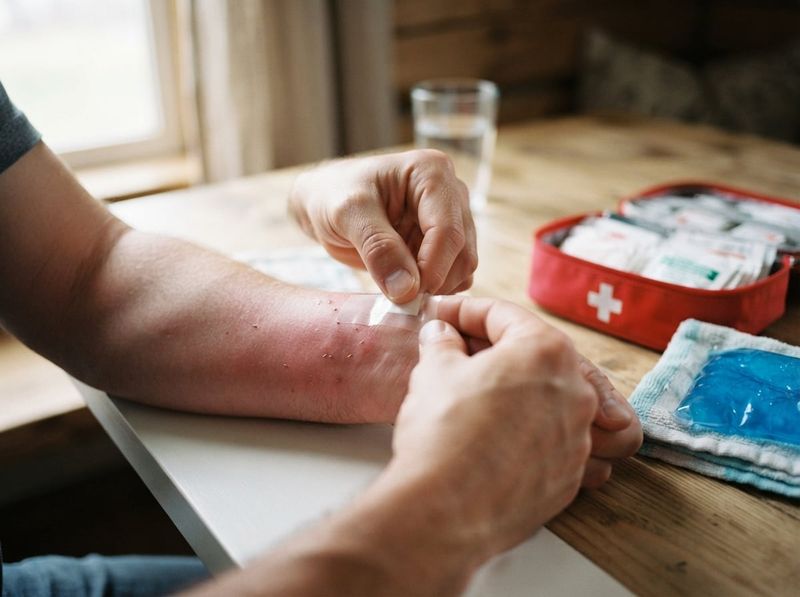
Remove the caterpillar and lift out embedded hairs
© Woodland Tree Service

Start by getting the caterpillar off the skin without using bare fingers. A stick, a folded piece of paper, or a tool will do.

Handling it by hand can push more spines into your skin.

Next, gently press a piece of sticky tape onto the affected area and lift it away. Tape is a recommended way to pull out the tiny embedded hairs, according to Poison Control.

Texas A&M says pain often fades within about an hour and the spots within a day.

If hairs remain, use a fresh piece of tape and repeat.

Once the tape has done its job, wash the area gently with soap and water. MedlinePlus includes both tape and washing in its caterpillar-sting care.

Skip hard scrubbing, since rough rubbing can irritate the skin further.

Keep your expectations realistic. Tape removes hairs, but it is not an antidote and it does not promise pain relief.

Poison Control describes one case where ice and several creams did not help until tape was used, so results differ from person to person.

The Merck Manual says baking-soda slurry or calamine lotion may soothe the skin afterward. Neither neutralizes venom.

Bleach, urine, vinegar, and meat tenderizer are not proven treatments, so leave them in the pantry.

Use wrapped cold to ease discomfort

Use wrapped cold to ease discomfort
© Healthshots

Once the hairs are off and the skin is clean, cooling is the next comfort step. Wrap a cold pack or some ice in a thin cloth or towel before it touches your skin.

Direct ice held in place for a long time can damage skin, so avoid that.

MedlinePlus offers a practical schedule: leave the cold pack on for 10 minutes, then take it off for 10 minutes. You can repeat that cycle as needed while the area is sore.

Check your skin between rounds to see how it looks and feels.

The Merck Manual also lists ice as part of care for these stings. Think of it as comfort care.

It may take the edge off, but it may not stop the pain quickly, and some people still hurt for a while.

If the cold pack is not helping, that does not mean you did something wrong. Pain from these stings can be stubborn.

Keep the area clean, watch for changes, and move on to the warning signs covered below if things get worse.

Pain and skin reactions can last for different lengths of time
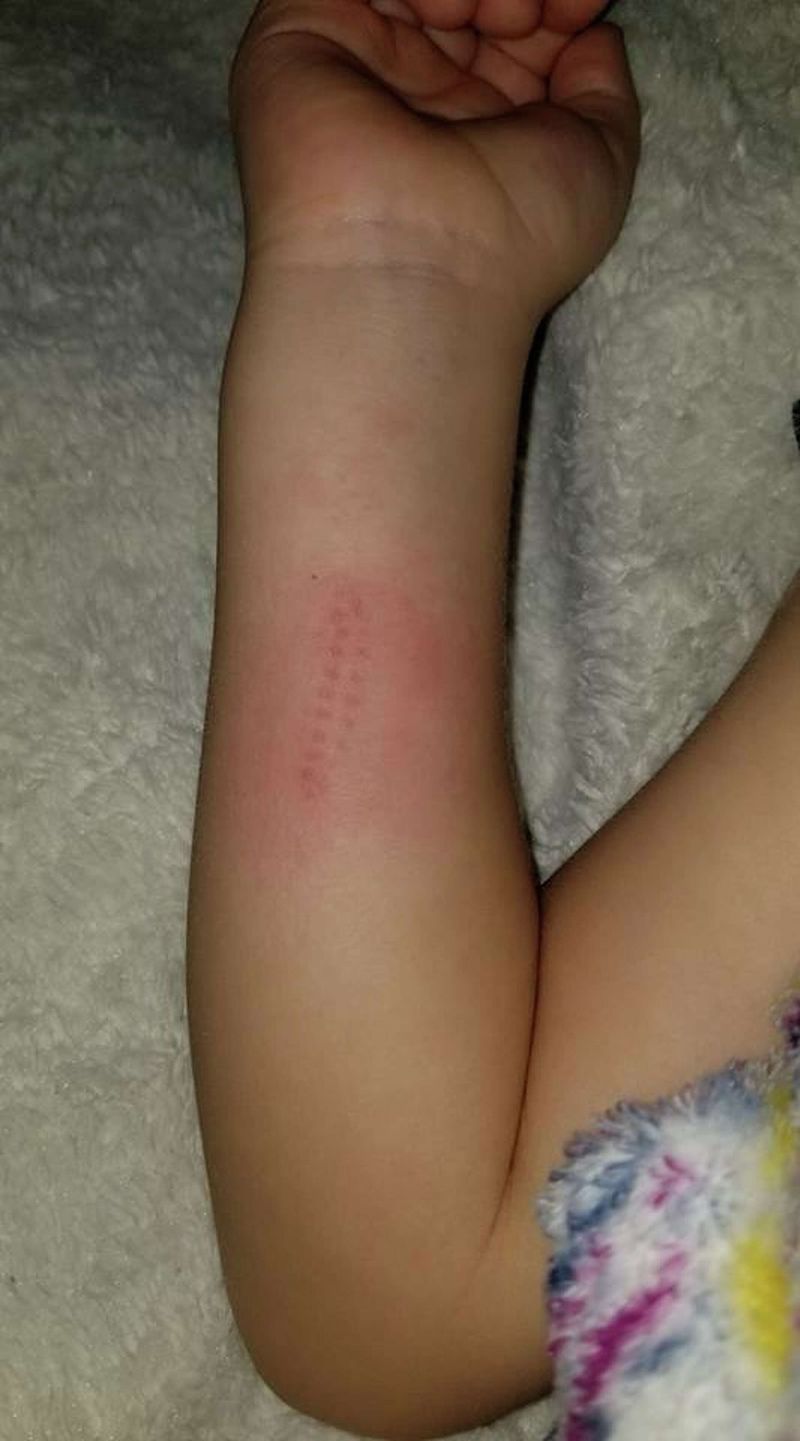
Pain and skin reactions can last for different lengths of time
© Chron

A sting often starts with sharp burning pain. Redness, itching, a rash, swelling, or raised welts may follow.

Some people also get a headache or nausea.

How long it all lasts depends on the source you read. Texas A&M says pain often fades within about an hour and the spots within a day.

Other references describe a different picture.

NC State Extension and the Merck Manual report pain that can last several hours and swelling that can last for days. Neither timeline is a promise.

Your own recovery may be faster or slower.

Many things can shape the experience, such as how many spines went in, where on the body the contact happened, and how sensitive a person is. A rash with a faint pattern of tiny marks is common.

Keep an eye on the area and note any changes.

These are local reactions, and they are the usual story. Worsening symptoms, or symptoms that spread beyond the sting site, are a different matter and are covered next.

Know when to get urgent medical help
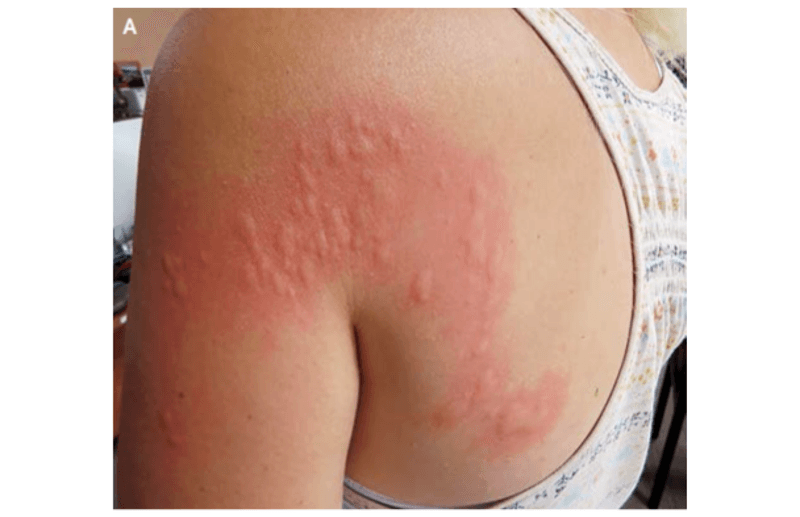
Know when to get urgent medical help
© Live Science

Most stings stay local, but some signs are emergencies. Call 911 for difficulty breathing, fainting, or swelling of the lips, face, or tongue.

Poison Control describes serious allergic reactions as rare, but these symptoms should never be brushed off as normal.

Pain or a local rash on its own does not mean a severe allergic reaction. Those are common sting effects.

The concern is when breathing, alertness, or facial swelling enters the picture.

Some situations call for medical advice rather than an emergency call. Contact a health professional for a significant local reaction or for blistering.

If you are unsure how serious things look, asking is the safer choice.

Eyes and lungs need extra care. If hairs get in the eyes, rinse with water and get medical help.

Seek care after inhaling caterpillar hairs, as MedlinePlus advises.

In the U.S., Poison Control is available at 1-800-222-1222. It is a helpful resource for questions, but it is not a substitute for emergency services when someone has serious symptoms.

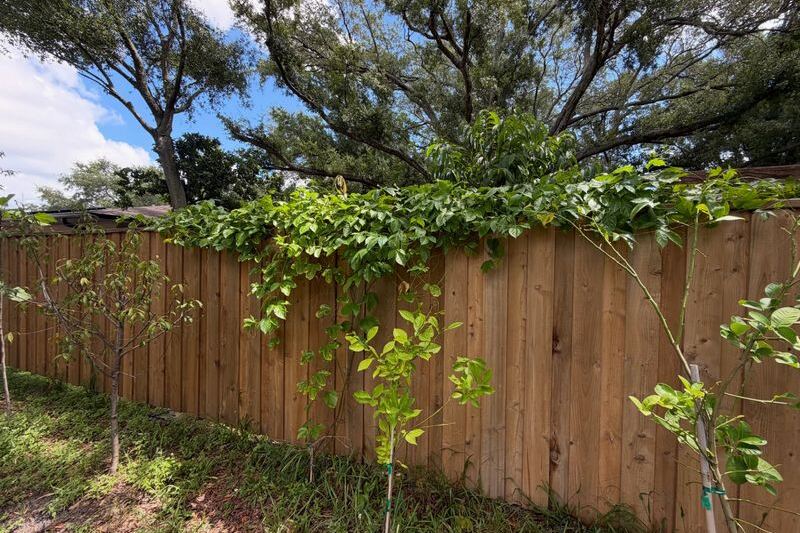
Protect yourself during yard work
Protect yourself during yard work
© Reddit

A little gear goes a long way when you are working around oaks, elms, pecans, or hackberries. Wear gloves and a hat, and look over branches and leaves before you reach into them.

Poison Control includes these gardening precautions in its caterpillar guidance.

Children are the ones most likely to pick up something soft and interesting. Teach them early not to touch fuzzy or spiny caterpillars, even if the caterpillar looks cute.

A simple rule, look but do not touch, is easy to remember.

Keep a roll of tape handy in your gardening bag or garage. If contact happens, skip bare-hand handling and follow the first-aid steps from earlier.

Relief may come quickly or slowly, so stay patient and watch how you feel.

A caterpillar cannot sting what it never touches. Treat every fuzzy visitor as a hands-off neighbor.

Share this story
RC

Written by

Ruby Castillo

More from Ruby Castillo →

About Gardening Latest

Gardening Latest provides in-depth guides to maintaining and enhancing your garden and backyard. Learn how to make the most of the space you have and create a beautiful garden.

More about us →

Latest stories

  • California GardeningIf a Gray Fox Keeps Trotting Through Your California Yard This Winter, Here’s What It’s After

    If a Gray Fox Keeps Trotting Through Your California Yard This Winter, Here’s What It’s After

    7 hr ago
  • Arizona GardeningWhen a Gray Fox Trots Through Your Arizona Yard This Winter, It’s on a Mission

    When a Gray Fox Trots Through Your Arizona Yard This Winter, It’s on a Mission

    7 hr ago
  • Texas GardeningNeighbor Vines Crossing Into Your Texas Yard: Texas Tree-Branch Guidance Is Clear, but the Answer for Vines Is Less Settled

    Neighbor Vines Crossing Into Your Texas Yard: Texas Tree-Branch Guidance Is Clear, but the Answer for Vines Is Less Settled

    7 hr ago
  • Wisconsin GardeningWisconsin Neighbors Fight Over Snow Piled on Their Property, and Here’s What the Law Actually Says

    Wisconsin Neighbors Fight Over Snow Piled on Their Property, and Here’s What the Law Actually Says

    7 hr ago
  • Missouri GardeningYellow Jackets Nesting Near Your Missouri Home? This Is What You Should Do First

    Yellow Jackets Nesting Near Your Missouri Home? This Is What You Should Do First

    7 hr ago

Gardening by state

Stories for your state, and the hardiness zone most of it gardens in.

Keep exploring

Read next

All Texas Gardening →
Texas GardeningNeighbor Vines Crossing Into Your Texas Yard: Texas Tree-Branch Guidance Is Clear, but the Answer for Vines Is Less Settled
Texas Gardening

Neighbor Vines Crossing Into Your Texas Yard: Texas Tree-Branch Guidance Is Clear, but the Answer for Vines Is Less Settled

7 hr ago
Texas GardeningThose First Fall Cold Fronts Are When Texas Yards Reveal Their Venomous Critters
Texas Gardening

Those First Fall Cold Fronts Are When Texas Yards Reveal Their Venomous Critters

10 hr ago
Texas GardeningThat Winter Red Fox in Your Texas Yard Is Hunting, Courting, or Scouting a Den
Texas Gardening

That Winter Red Fox in Your Texas Yard Is Hunting, Courting, or Scouting a Den

13 hr ago

More from Texas Gardening

  • Who Pays When Your Neighbor’s Tree Limb Smashes Your Roof in Texas

    Nov 24
  • The One Fall Habit That Quietly Invites Scorpions Into Texas Homes

    Nov 24
Back to top

Leave a response Cancel

Your email address stays private. Required fields are marked with an asterisk.

Gardening Latest

In-depth guides to maintaining and enhancing your garden and backyard: how to make the most of the space you have, and how to make it beautiful.

  • Facebook
  • X
  • Pinterest
  • YouTube

We may earn a portion of sales from products or services that are purchased through our site as part of our affiliate partnerships with retailers.

Explore

  • About GardeningLatest.com
  • Contact Us
  • Terms and Conditions
  • Privacy
  • Editorial Note:
  • FTC Disclosure

Newsletter

New garden guides and seasonal tips, straight to your inbox.

We’ll email you a link to confirm. Unsubscribe any time.

Almost there! Check your inbox and tap the link to confirm.

© 2026 Gardening Latest. All rights reserved.

Back to top