When that first cool breeze finally pushes through Texas after a long, hot summer, everybody wants to be outside again. The trouble is, the critters in your yard feel the change too, and many of them start moving around looking for food, mates, or a warm place to spend the winter.
That means fall is one of the most common times to bump into something that bites or stings. Knowing who is out there, and where they like to hide, can keep your family and pets safe while you enjoy the nicer weather.
1. Western Diamondback Rattlesnake
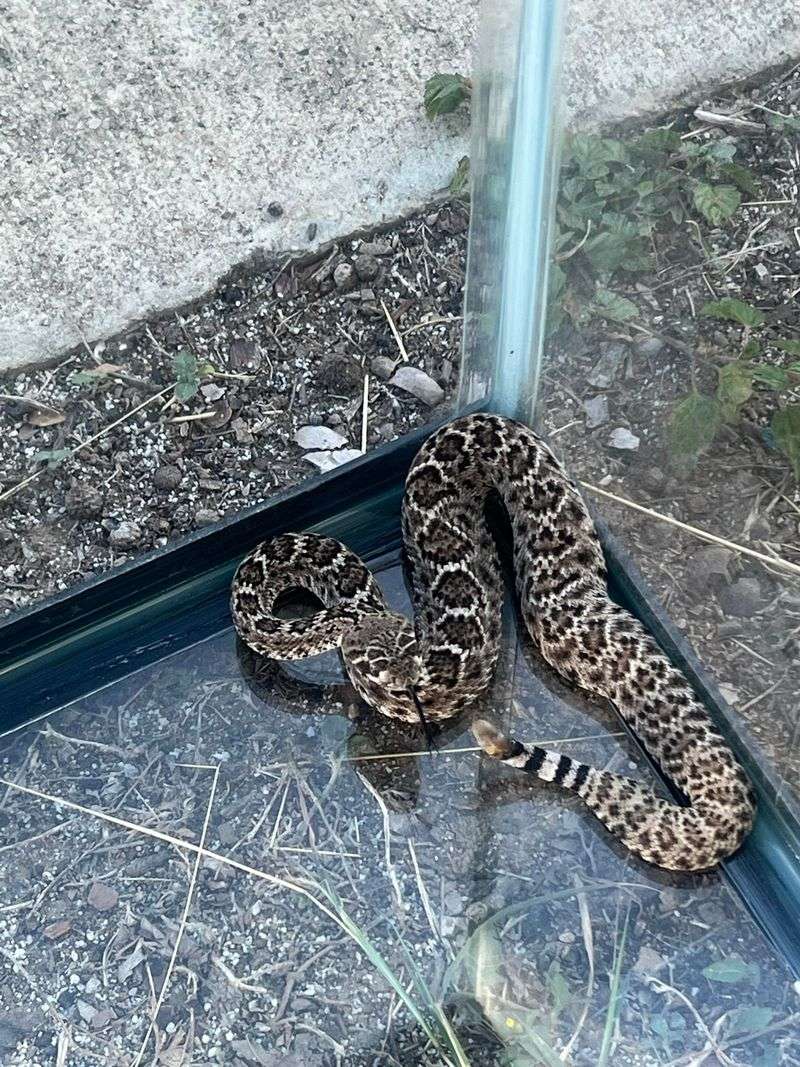
Picture a sunny October afternoon after a cold night. A rattlesnake that spent the evening tucked under your woodpile slides out onto a warm sidewalk to soak up heat.
That is exactly how many Texans meet their first diamondback of the season.
Western diamondbacks are the biggest troublemakers in the state when it comes to venomous bites. Cooler weather pushes them to travel toward rocky dens where they will spend the winter, and that trip often cuts right through suburban lots.
They are also busy fattening up on rodents, which love fall seed and birdfeeder spills.
Look for the bold diamond pattern down the back and the black and white bands near the tail, sometimes called a raccoon tail. Give any coiled snake at least six feet of space and never try to kill or move it yourself.
Clearing brush piles and keeping grass short takes away the hiding spots they rely on.
2. Copperhead
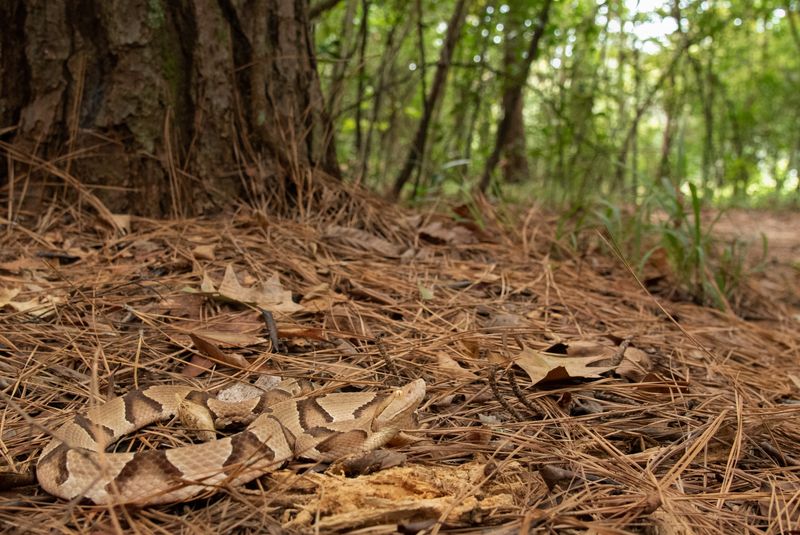
No Texas snake blends into autumn quite like the copperhead. Its coppery body and hourglass-shaped bands look almost exactly like a pile of fallen oak leaves.
You can stare right at one and still miss it.
Copperheads cause more bites in Texas than any other snake, mostly because people step on them or reach into leaf litter. Late summer is also when females give birth to live young, so fall yards can have tiny copperheads roaming around.
The babies have bright yellow-green tail tips they wiggle to lure frogs.
Good news: their bites are rarely deadly, though they hurt plenty and still need a trip to the ER. Wear gloves and sturdy shoes when raking.
Use a rake or flashlight to check a spot before your hands go anywhere near it.
3. Brown Recluse Spider
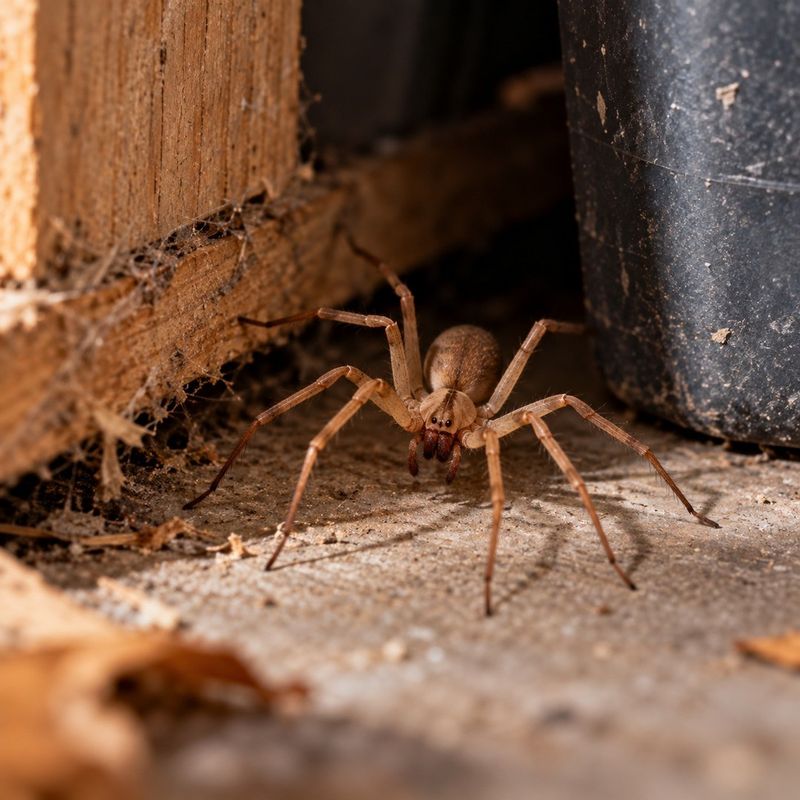
Shy, quiet, and almost never seen: that is the brown recluse in a nutshell. When temperatures drop, these spiders creep from sheds and woodpiles into garages, closets, and stored boxes.
Look for a light brown spider about the size of a quarter with legs stretched, plus a darker violin-shaped mark on its back. Another clue is the eyes.
Recluses have six eyes in pairs instead of the usual eight.
Most bites happen when someone pulls on a shoe or jacket that has been sitting untouched. Shake out clothing, gloves, and boots before wearing them, especially items stored in the garage.
Sealed plastic bins work much better than cardboard for keeping them out.
4. Black Widow Spider
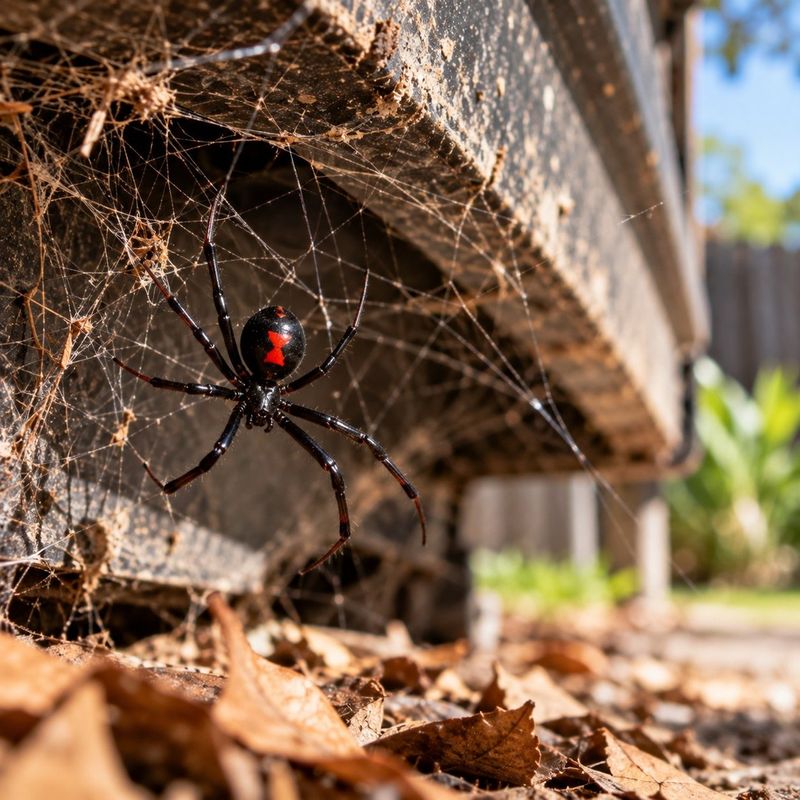
Flip over an old patio chair or lift a flowerpot, and you might spot a shiny black spider hanging upside down. Her red hourglass is the giveaway.
Black widows love tight, dark corners close to the ground.
Fall cleanup is prime time for run-ins. People drag out holiday decorations, move firewood, and stack pots for winter, all things widows call home.
Their webs look messy and tangled, not the neat wheel shape of a garden spider.
Fun fact: the female is the dangerous one, while the smaller male is mostly harmless. Bites can cause muscle cramps and pain, so seek medical help if one happens.
A pair of gloves is your best friend during fall chores.
5. Striped Bark Scorpion
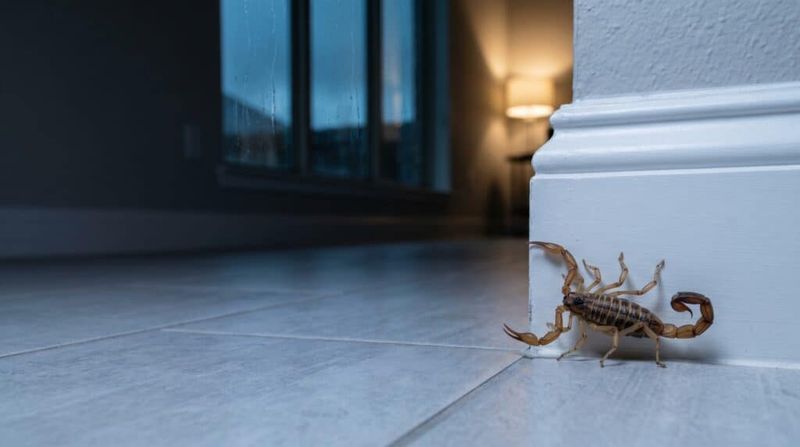
Grab a blacklight and walk around your house some cool fall night. Do not be shocked if little shapes start glowing bright blue-green along the walls.
Scorpions shine under UV light, and the striped bark scorpion is the most common one in Texas.
As nights get chilly, these scorpions look for warm cracks, which often means your home. They squeeze through gaps under doors and around pipes.
They also climb well, so they can turn up in bathtubs or even beds.
A sting feels like a really bad bee sting, with burning and numbness. It is usually not dangerous for healthy adults, but kids, older folks, and people with allergies should get checked.
Sealing gaps and using weatherstripping keeps most of them outside.
6. Texas Coral Snake
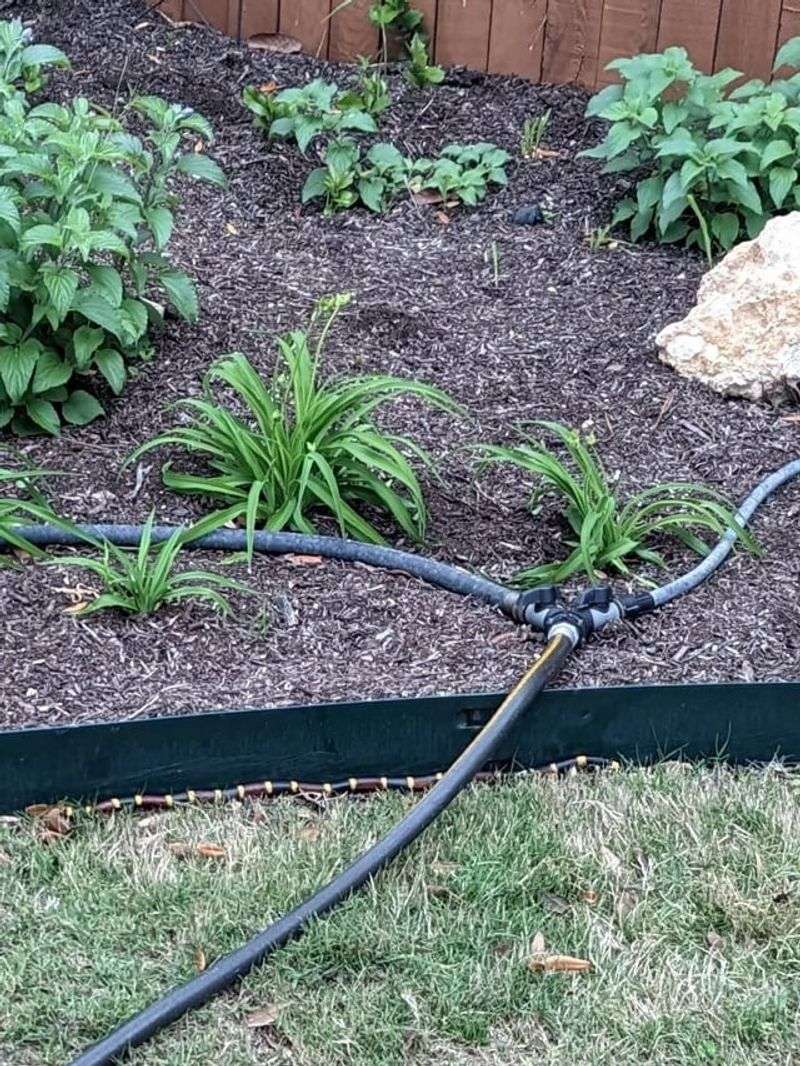
“Red touches yellow, kills a fellow.” Plenty of Texas kids learn that rhyme early, and for good reason. The Texas coral snake wears bright red, yellow, and black bands, with red and yellow side by side.
Coral snakes spend most of their time hidden under mulch, leaves, and logs. Mild fall days after a cool front bring them up to hunt other small snakes and lizards.
Gardeners spreading fresh mulch run into them more than anyone.
Their venom is powerful, but bites are rare because they are shy and have small mouths. Still, do not handle any banded snake, even if you think it is a harmless king snake.
Rhymes can fail, and a mistake is not worth it.
7. Southern Flannel Moth Caterpillar (Asp)
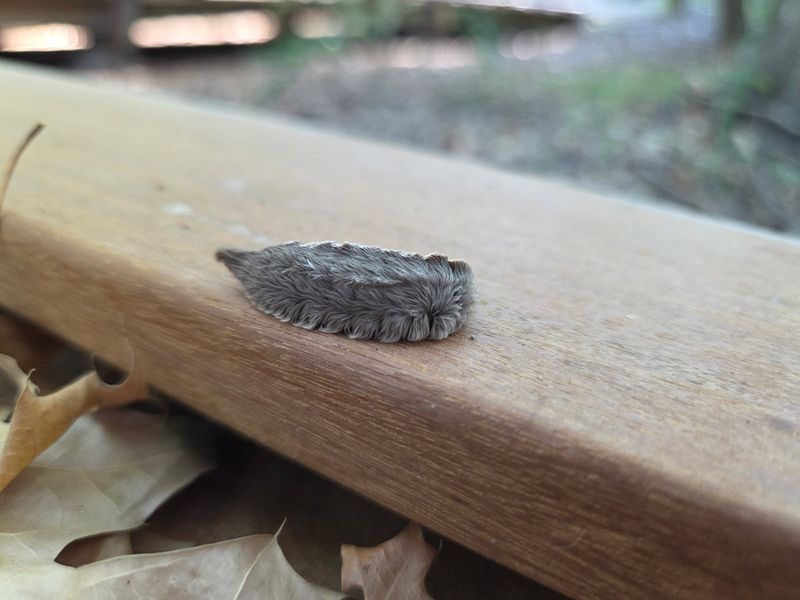
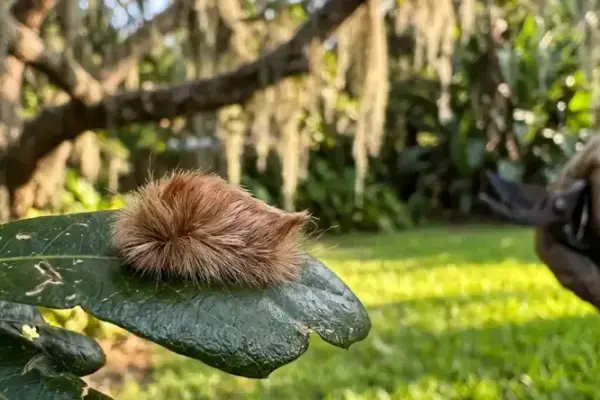
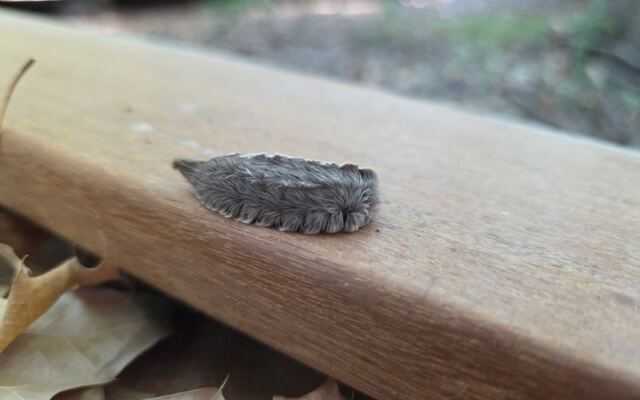
It looks like a tiny fuzzy toupee crawling along a leaf. Kids want to pet it.
Please do not let them, because the asp is one of the most painful stingers in the state.
Hidden under that soft hair are venomous spines. A sting can cause throbbing pain that spreads up an arm, along with swelling and sometimes nausea.
People often say it hurts worse than a wasp.
Asps show up in big numbers in late summer and early fall on oaks, elms, and hackberries. They often fall onto playground equipment, benches, and railings.
If one gets you, press tape over the spot and peel it off to pull out spines, then use ice.
8. Red Imported Fire Ants
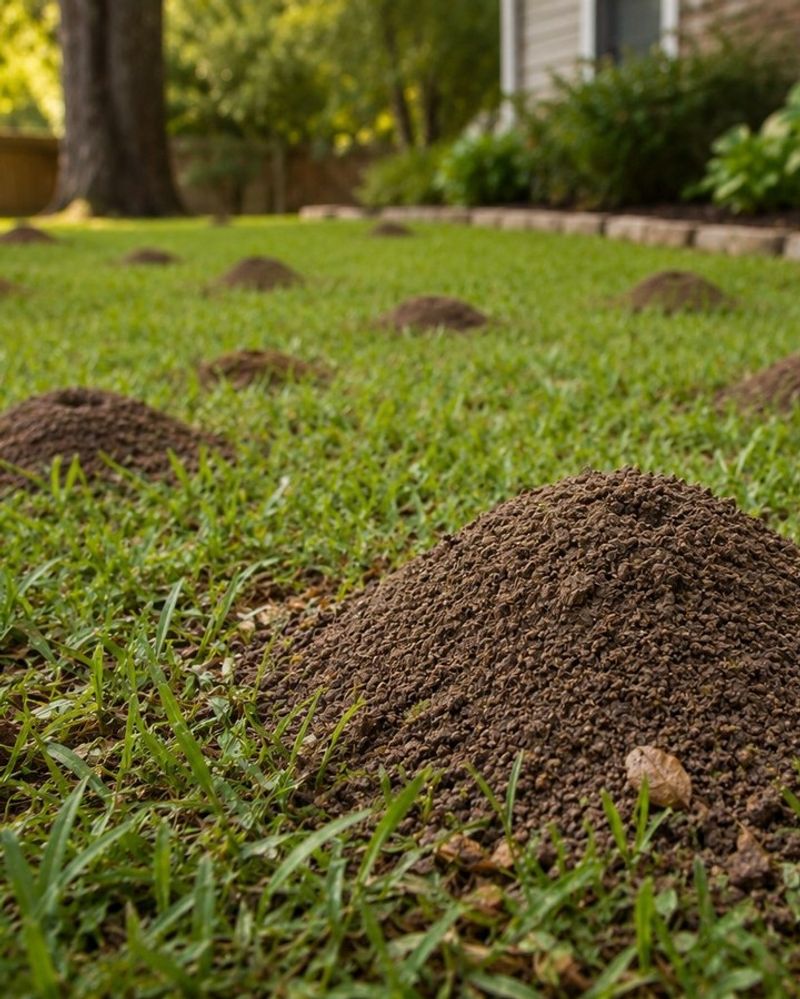
Every Texan has a fire ant story. Usually it starts with standing in the wrong spot for about five seconds too long.
Fall rain after a cold front makes fire ants rebuild their mounds quickly, so lawns can suddenly look like they have bubbled up overnight. The ants are also busy storing food before winter, which makes them extra protective.
Step on a mound and hundreds swarm up your leg, all stinging at once.
Each sting leaves a small white blister. Most people just get itchy, but some have serious allergic reactions.
Fall is actually one of the best times to treat mounds, since the ants are active and foraging for bait.
9. Yellowjackets and Paper Wasps
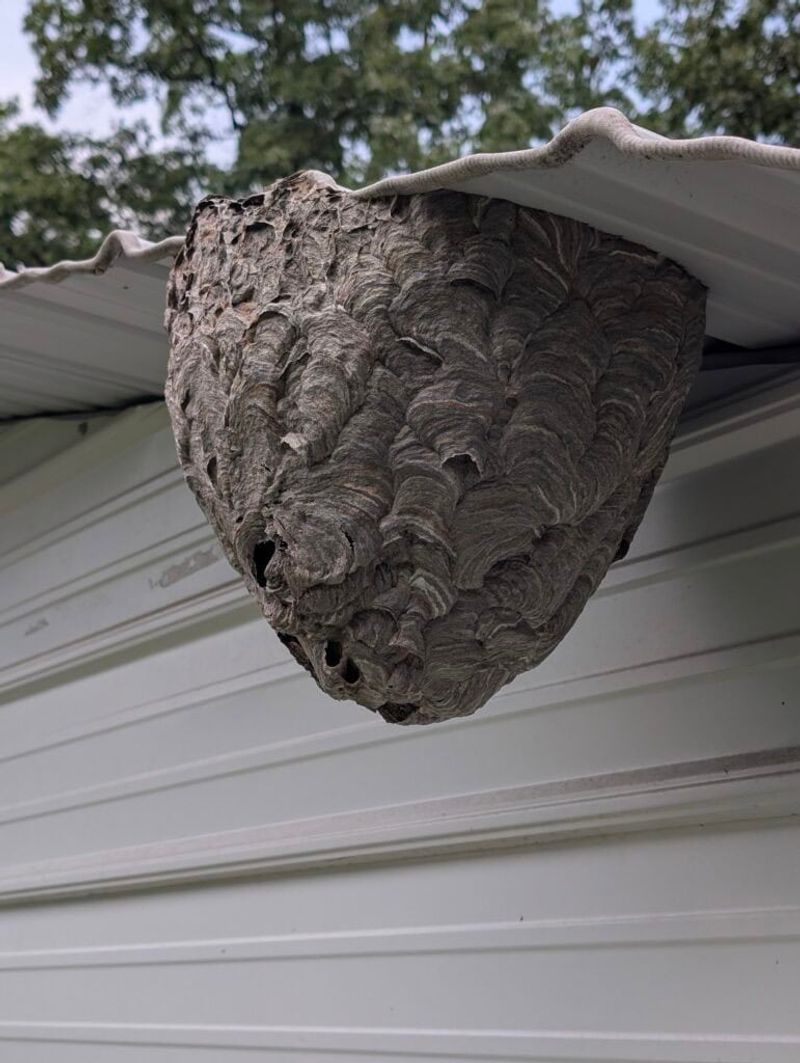
Ever notice how wasps get crankier in October? You are not imagining it.
By fall, yellowjacket colonies are at their biggest, and their usual food supply is running low.
That makes them bold around picnics, sweet drinks, and trash cans. Paper wasps, meanwhile, hunt for sheltered places like eaves, attics, and shutters to wait out the cold.
Yellowjackets also nest in the ground, so mowing over a hidden hole can stir up an angry crowd.
Cover cups outside and check before you sip. Keep trash cans closed tight.
If you spot a busy nest near a door or play area, calling a pro is usually smarter than trying the brave route.
10. Texas Redheaded Centipede
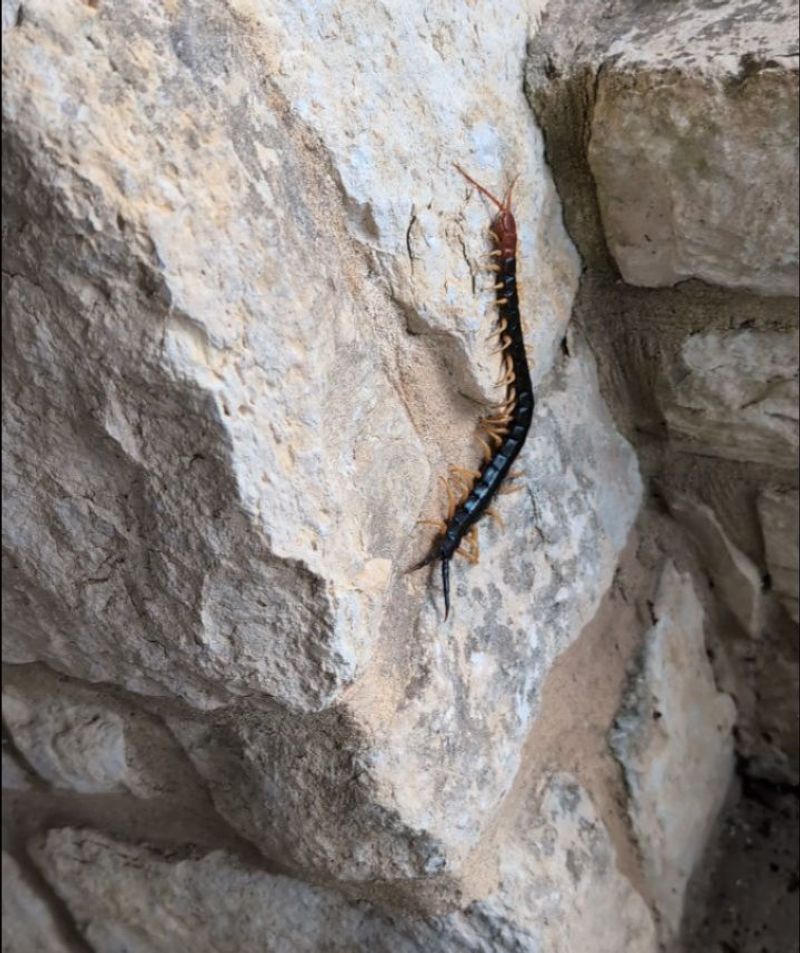
Long as a hot dog with a bright red head and yellow legs, the giant redheaded centipede looks like something from a monster movie. It can grow up to eight inches.
Seeing one scurry across your patio is a memorable moment, to put it mildly.
These centipedes hunt insects, lizards, and even small mice. Fall cool fronts drive them out from under rocks and into garages or homes.
They move fast and are not fond of being cornered.
A bite is painful and can swell, though it is rarely serious for adults. Use a jar or a broom to guide one outside instead of picking it up.
Clearing rocks and boards away from your foundation helps keep them at a distance.
Share this story