A red fox trotting across your Texas yard in winter is usually doing one of a few things: hunting, looking for a mate, or checking out a spot for a den. Late winter is a busy time in a fox’s year, so these are all reasonable guesses.
A single sighting can’t tell you which one it is, though, and the fox may simply be passing through. Here is how to make sense of what you saw and what to do about it.
How to tell a red fox from a gray fox
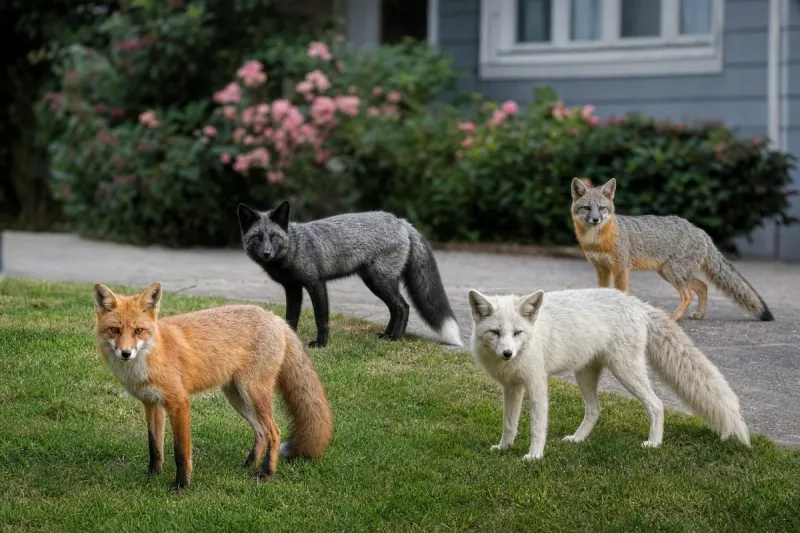
Texas has both red foxes and gray foxes, and a quick glimpse at dusk or in dim light often is not enough to tell them apart. Before you decide what you saw, it helps to know a few features to look for.
According to Texas Tech’s red fox account, red foxes are not native to Texas and live across most of the state except the far west and south. A red fox typically has black legs and a white-tipped tail.
Texas Tech’s gray fox account describes a black-tipped tail with a black stripe along its upper surface. Gray foxes are found statewide, so they are common visitors too.
Range is only a hint, and so is any single feature. A distant, shadowy animal could be either species, and a photo taken at night may hide the tail tip entirely.
If you can, note the legs, the tail tip, and the stripe, and be comfortable saying you are not sure.
What a winter sighting can—and cannot—tell you

Picture a fox crossing your lawn at dusk. It could be hunting, traveling with a mate, or looking over a den site, all of which fit the season.
Nothing about one glimpse tells you which.
Per Texas Tech’s species account, red foxes are most active at night and around dawn and dusk. That is when many people see them, usually only for a few seconds.
A yard visit may also be plain routine travel along a fence line or ditch. The fox might be foraging, scavenging, or taking advantage of food or cover, as Rutgers Extension notes in its guide to red fox behavior.
Seasonal context is useful because it shows what is possible. It does not give you the fox’s plans.
A better habit is to describe what you saw, such as the time, what the animal did, and where it went, rather than guessing at its reasons.
If the fox returns on several nights, you will learn more about its routine. Even then, a pattern is a clue and not proof of where it lives.
A yard can offer a meal
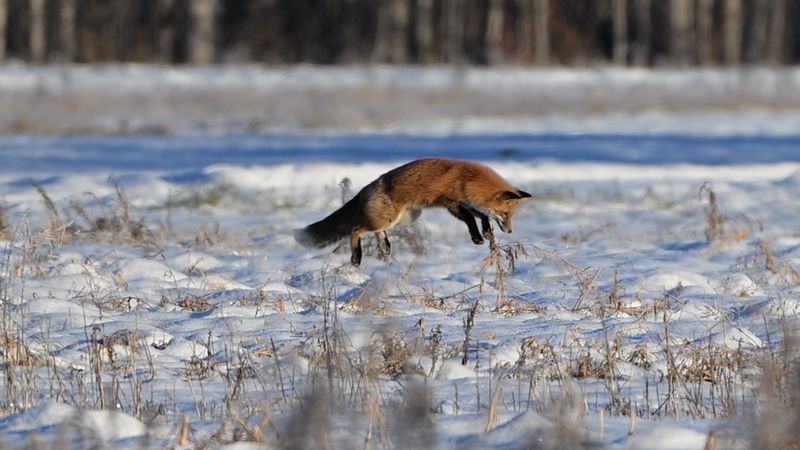
Food is a simple reason for a fox to wander through. Red foxes hunt small rodents and rabbits, and your yard may have both.
They are also opportunists. Texas Tech’s account lists fruit, insects, and carrion among their foods, so fallen fruit, a compost pile, or an animal carcass can pull one in.
When a fox is hunting mice, it may pause, listen, and watch, then pounce. If you see that, it is a possible clue that the animal is hunting.
A short view from a window is not enough to be sure, since a fox may stop and stare for other reasons.
Finding food in your yard does not mean the fox lives there. It may be crossing several properties on a long nightly route and just happen to pass through yours.
If you want a fox to move along, the most useful step is to look at what your yard offers. Rodents, loose trash, and fruit on the ground all add up to an easy stop.
Winter is part of the fox breeding season
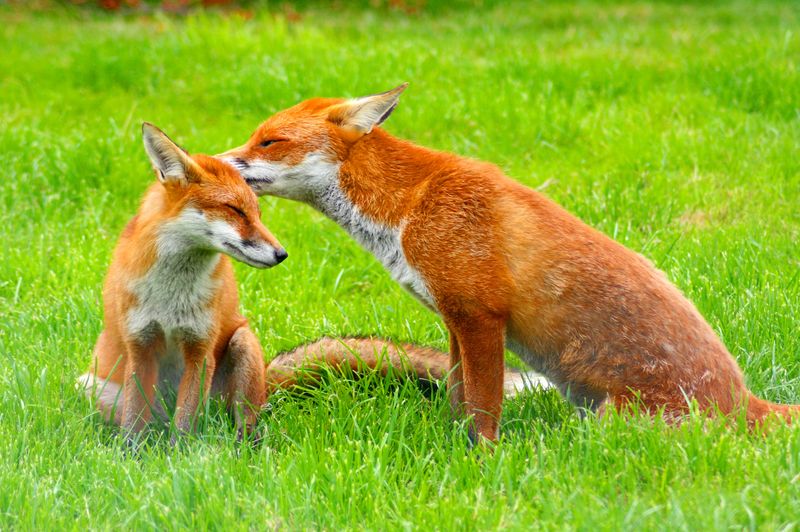
Winter is breeding time for red foxes in Texas. Using Texas Tech’s Texas-specific timeline, mating occurs from late December through January or February.
Pups are generally born in March or April.
That calendar explains why foxes may seem more active and more widely traveled in the coldest months. Two foxes moving together could fit the season.
Still, two animals in a yard do not always mean courtship. They could be unrelated animals using the same route, or you may only have seen one clearly.
Not every winter visitor has a mate, either.
Treat the season as background. It makes mating-related travel one plausible explanation, alongside hunting and ordinary wandering, but it does not label a particular sighting.
If you want to keep notes, jot down dates and the number of animals you saw. Those details are more helpful than a guess about what the foxes were up to.
A fox in the yard does not prove there is a den
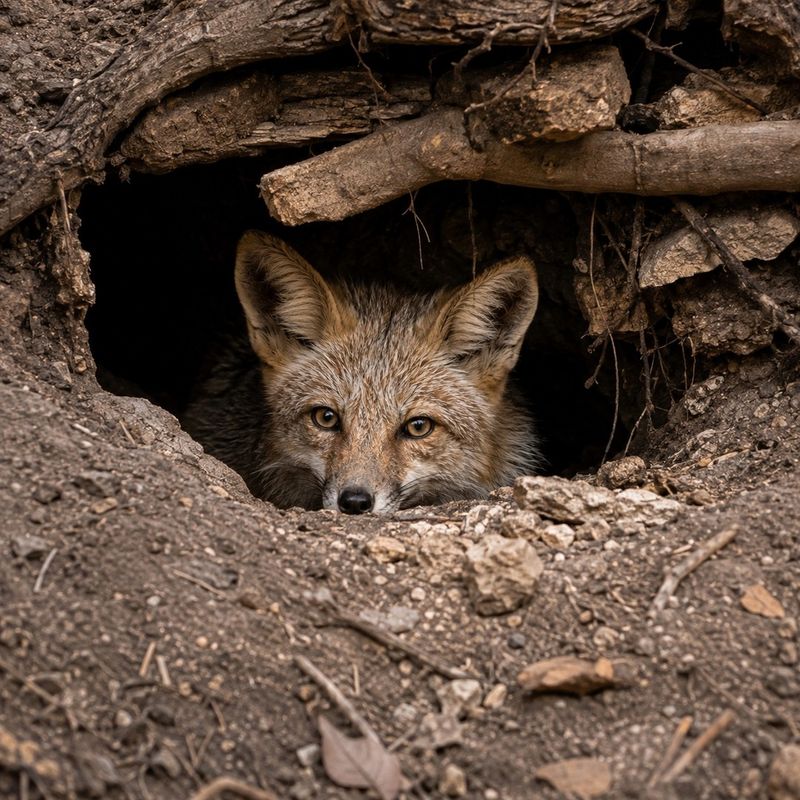
Late winter is when females establish den sites, according to Texas Tech’s account. Red foxes may dig their own dens or use burrows made by other animals.
Foxes also use a range of sites, including spaces under structures such as sheds or decks. That is why people sometimes worry when they see a fox nearby.
But seeing a fox in your yard does not establish that a den is close, or that the animal plans to stay. It may be heading somewhere else entirely.
If you suspect a den, do not poke around the burrow to check. Do not seal or block an opening either, because Rutgers Extension warns that closing off an active den can trap adults or young inside.
Instead, contact local wildlife-management advice before doing anything, such as your area’s Texas Parks and Wildlife office or a licensed wildlife professional. Rules and contacts differ by place, so advice from another state’s trapping or removal rules should not be treated as Texas guidance.
No specific schedule for exclusion is given here, because that should come from someone who knows your local situation.
Keep your distance and secure food
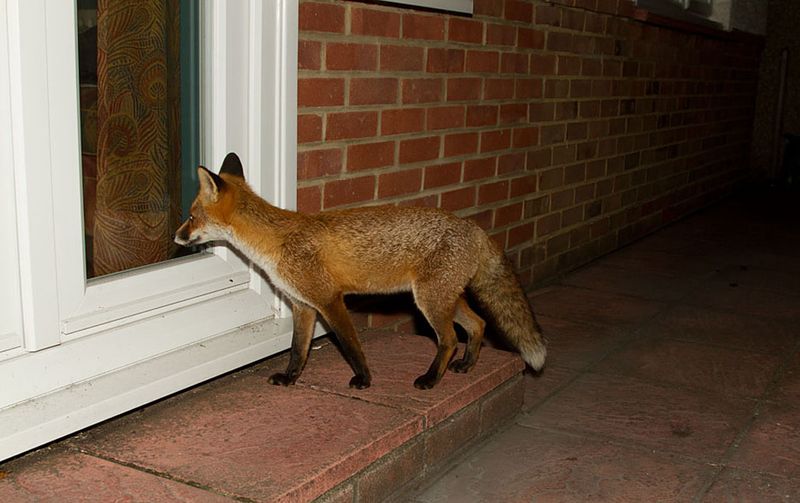
The best response to a fox is a quiet one. Watch from a window or porch, and let the animal go on its way.
Do not handle or feed a fox. Texas DSHS advises against handling wildlife, whether it looks healthy or sick.
Next, cut down on easy meals. Close garbage cans tightly and bring pet food indoors, including bowls left out overnight.
Rutgers Extension notes that feeding, or repeated access to human food, can habituate foxes to people. A fox that learns your porch means dinner may lose some of its natural caution.
Keep small pets close at night, and skip any urge to chase, corner, or confront the animal. Trapping or relocating a fox is not a routine response, so leave that to local wildlife professionals if it ever comes up.
A daytime sighting does not diagnose disease

Many people assume a fox out in daylight must be sick. That is a myth worth setting aside.
Red foxes are mainly active at night and at dawn and dusk, but they can be seen during the day. The North Carolina Wildlife Resources Commission likewise cautions that a daytime sighting alone is not proof of disease.
A fox with pups to feed, for example, may be out at odd hours.
Rabies cannot be confirmed by casual observation, and USDA APHIS explains the limits of identifying it by sight. So do not try to diagnose an animal from how it looks.
If a fox acts unusually, keep your distance and call local professionals such as animal control or a wildlife agency for guidance.
If a person is bitten, wash the wound with soap and water and seek prompt medical advice, as Texas DSHS recommends. Bites to pets should also get prompt professional attention.
Respond to what you can observe
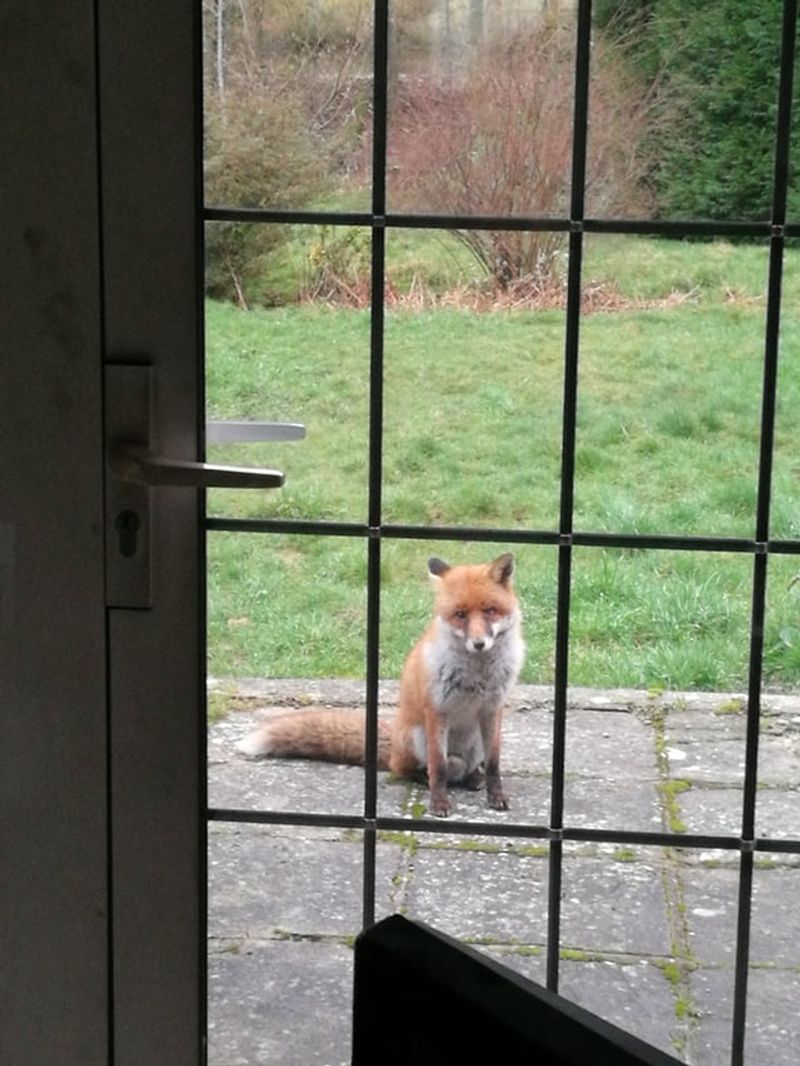
Winter gives a fox several reasons to cross your yard, from hunting to mating-related travel to late-winter denning, as Texas Tech’s species account describes. One sighting cannot say which applies.
So watch from a distance, and do not feed or handle the animal, following Texas DSHS guidance. Put away food and trash, and check with local wildlife experts before you deal with a suspected den, as Rutgers Extension advises.
A fox in the yard is a brief look at a wild neighbor going about its night.
Share this story