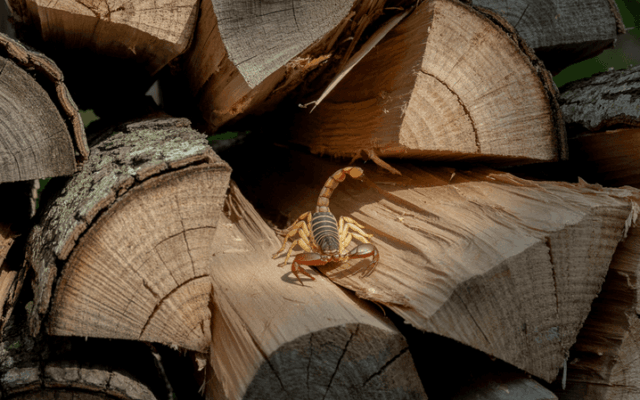
Stacking firewood against your house, or hauling in more logs than you plan to burn, can put scorpions right next to your home. Woodpiles give them cool, dark places to hide, and that is why this habit matters.
Cooler weather often sends people to the woodpile, so it is a good time to check your routine. A few simple changes can make your yard and your house much less inviting.
Keep firewood away from the house
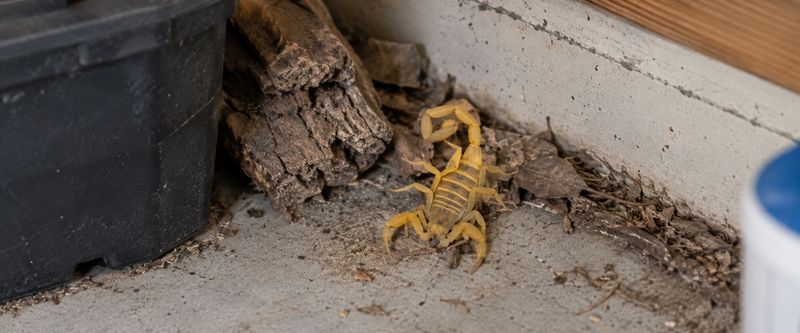
Picture the usual fall scene: a tidy stack of logs leaning against the back wall, plus a few loose boards tucked beside it. That is the habit worth changing.
It also includes carrying a big armload of wood indoors long before you need it.
Here is why it matters. Texas A&M AgriLife Extension notes that scorpions use wood piles and stored boards as shelter.
It advises keeping firewood and other debris away from the home. It also says not to bring firewood inside unless it is going straight onto the fire.
Think of a woodpile as a hotel for small creatures. The gaps between logs stay shaded and protected, which suits an animal that likes to hide during the day.
When that hotel sits right beside your foundation, scorpions are living a few steps from your door.
Keep the claim in proportion, though. Firewood storage is a practical prevention step, not a proven top cause of scorpions entering Texas homes.
Nothing in the sources shows that it is a trigger that only shows up in fall. Cooler weather simply means many of us handle more wood, so it is a natural moment to fix the setup.
Start with a simple walk around the house. Look for logs, lumber scraps, bricks, or old boards touching the walls.
Move them well away, and raise any woodpile off the bare ground if you can. Small changes like these cost almost nothing and leave fewer hiding spots near your home.
A woodpile is shelter, not an entryway
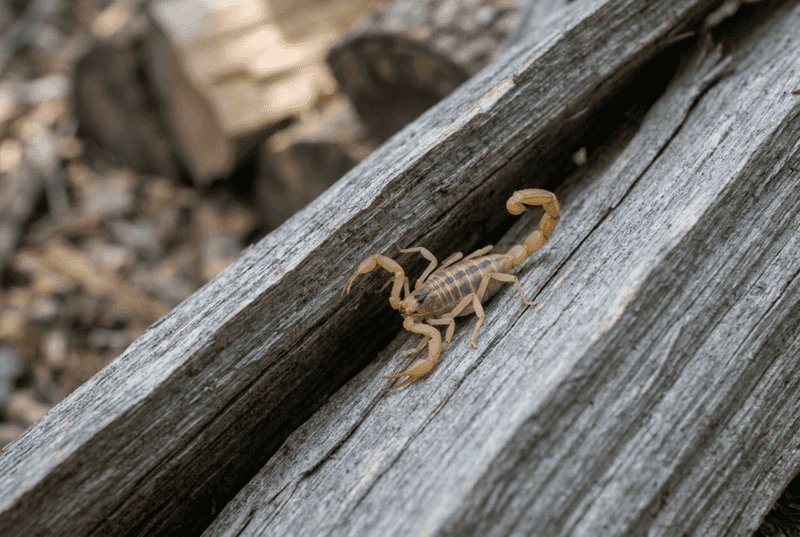
A woodpile cannot open a door. What it can do is give scorpions a place to rest close to your house.
Getting inside takes a different kind of opening.
Texas A&M says scorpions can enter through cracks and crevices. Those narrow spaces are the real routes.
Scorpions are flat enough to squeeze through gaps you might barely notice.
An AgriLife report also points to exclusion, meaning blocking those openings, as a key defense. Gaps under doors, worn weather-stripping, and spaces around pipes and wires are common weak points.
A house with a tight seal gives them far fewer options, even if some wood sits nearby.
The reverse also holds. A woodpile near your home does not mean scorpions will definitely get in.
Many homes with wood nearby never have a problem. The pile raises the chance that they are close, and your gaps decide whether they can cross the last few feet.
Here is a quick test. Stand inside at night and look at the bottom of each exterior door.
If you see daylight or a visible gap, that is a spot to fix. Then step outside and check where pipes, cables, and vents pass through the wall.
What the evidence says about scorpions and seasons
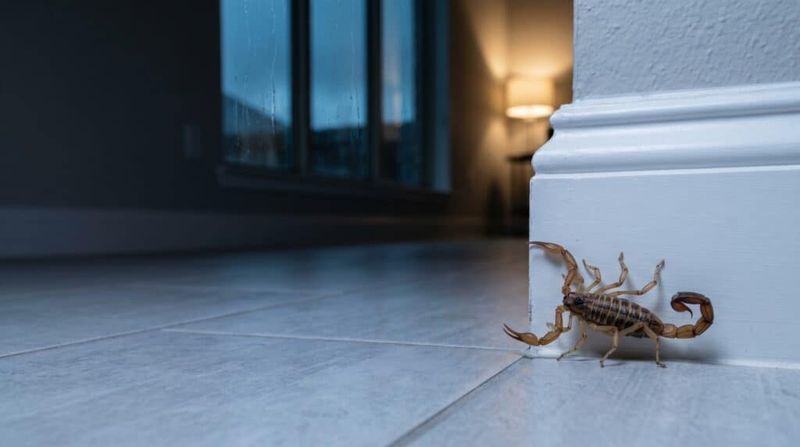
Many people assume scorpions rush indoors as soon as the air cools. The Texas sources do not say that.
They do not show a general fall surge in Texas homes, and they do not link a fall firewood habit to one.
What they describe is weather in general. An AgriLife report on a hot, dry summer explains that scorpions may look for water or better shelter when conditions are harsh.
A 2023 Texas A&M story also tied indoor pest activity to heat and drought. Those are factors that may affect movement, not a calendar date.
One non-Texas source mentions the spring and fall. Clemson Extension says scorpions may enter homes in those seasons, but it also says the reason for the seasonal change is unclear.
That is general guidance from South Carolina, so it should not be read as proof of a Texas fall pattern.
The practical meaning is simple. Do not wait for a certain month to take action.
Firewood storage matters whenever you keep wood near the house, and it may come up more in cooler weather simply because people burn more wood then.
Bring in only the wood you are about to burn
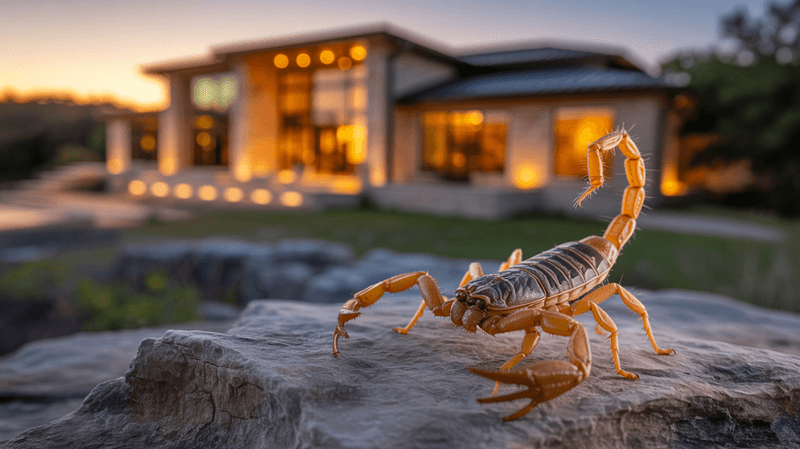
Try a small-batch routine. Keep your main supply outside, well away from the house, and carry in only what will go on the fire within the hour.
A stack inside the living room or garage becomes a cozy hiding place of its own.
That advice matches Texas A&M guidance, which says to keep firewood and debris away from the home and not to bring wood inside unless it is going directly onto the fire. Utah State University Extension gives the same tip: bring wood in only when you are about to burn it.
Gloves are your next tool. Slip on a thick pair whenever you move logs, lift old boards, or clear brush and leaf piles.
Scorpions hide in tight spots, and a bare hand is a poor way to find one.
Give each log a quick look and a gentle knock before you carry it. Shake out any bark pieces outside.
If something skitters off, let it go and keep it outdoors.
Loose debris deserves the same treatment. Stacks of lumber, bricks, pots, and scrap boards near the foundation offer shelter, too.
Move them away from the walls, or store them off the ground in a spot far from the house.
Seal gaps around the home
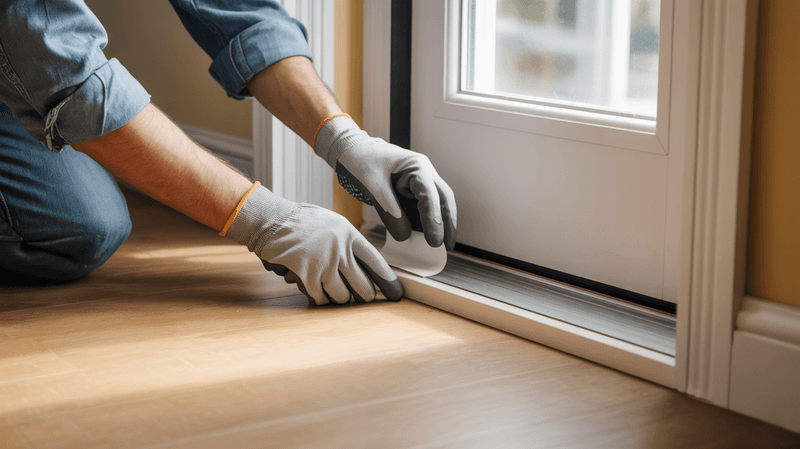
Habitat cleanup is half the job. Sealing the house is the other half, and it targets the actual entry routes.
Grab a flashlight and check each outside door, window, and utility line.
Start with the doors. Replace worn door sweeps and cracked weather-stripping so no light shows underneath.
Texas A&M school pest guidance, in its IPM plan for bark scorpions, lists gaps under doors and openings around building penetrations as possible entry points.
Next, look at windows and screens. Patch torn screens and caulk gaps around the frames.
Then seal spaces where pipes, cables, and vents pass through the wall, using caulk or another suitable sealant.
A Texas A&M report names exclusion as a key defense, and it works best alongside yard cleanup.
What about spraying? AgriLife Extension says scorpions are hard to control with insecticides alone, and the school IPM plan says pesticides should not be the only method.
If you do use a product, follow the label exactly, including where it can be applied and how to keep children and pets safe.
What to do after a scorpion sting

If you get stung, stay calm and wash the area with soap and water. Then call Poison Control at 1-800-222-1222 for advice.
Poison Control notes that serious effects can happen, especially in very young children, so it is wise to call even when the sting seems mild.
Reactions vary from person to person. Texas A&M says most Texas stings cause moderate reactions, but that is not the same as harmless.
Pain, swelling, or numbness may show up, and each case can differ.
Know the warning signs. The 2024 first aid guidelines from the American Heart Association and American Red Cross call for emergency services when body-wide symptoms appear.
Those include trouble breathing, muscle rigidity, dizziness, or confusion. In that case, call 911 right away rather than waiting.
When it is safe, note what time the sting happened and what the scorpion looked like. A quick photo can help, but never risk another sting to get one.
Keep a child or older adult under close watch after any sting.
Make the woodpile part of your prevention plan

Treat the woodpile as one piece of a larger plan. Keep logs and loose debris away from the walls, and carry in just the wood you will burn soon.
Then close the cracks and gaps that Texas A&M identifies as entry routes.
That is a modest weekend project, and it fits the exclusion-first approach in this AgriLife report. A good fire needs wood, but it does not need a scorpion shelter beside your front door.
Share this story