Get the latest garden guides in your inbox →
Gardening Latest
  • General Gardening
  • Lawn Care
  • Plant Care
  • Composting
  • Soil Health
  • Backyard
  • Garden Muse Magazine
  • General Gardening
  • Lawn Care
  • Plant Care
  • Composting
  • Soil Health
  • Backyard
  • Garden Muse Magazine
  • News
  • Gardening Calendar
  • Garden Structures
  • Vegetable Garden
  • Vertical Garden
  • Raised Beds
  • Hydroponics
  • General Equipment
  • Community Gardens
Garden Themes
  • Spiritual Garden
  • Hydroseeding
  • Seeding and Laying Sod
  • Artificial Grass
  • Lawn Care Equipment
  • Plants
  • Trees
  • Planting Tools
  • Composting Basics
  • Fertilizer
  • Alternative Growing Mediums
  • Front Yard
  • Backyard Activities
  • Landscaping
Gardening Latest

Explore by state

Which state is your garden in?

Currently viewing Missouri

All states

Northeast

  • Connecticut —
  • Delaware 44
  • Maine —
  • Maryland 31
  • Massachusetts 47
  • New Hampshire —
  • New Jersey 31
  • New York 40
  • Pennsylvania 40
  • Rhode Island —
  • Vermont —

Southeast

  • Alabama 30
  • Arkansas —
  • Florida 31
  • Georgia 31
  • Kentucky 45
  • Louisiana 29
  • Mississippi —
  • North Carolina 29
  • South Carolina 43
  • Tennessee 27
  • Virginia 30
  • West Virginia —

Midwest

  • Illinois 29
  • Indiana 32
  • Iowa 44
  • Kansas —
  • Michigan 31
  • Minnesota 29
  • Missouri 29
  • Nebraska —
  • North Dakota —
  • Ohio 31
  • South Dakota —
  • Wisconsin 45

Southwest

  • Arizona 30
  • Colorado —
  • Nevada —
  • New Mexico —
  • Oklahoma —
  • Texas 29
  • Utah —

West

  • Alaska —
  • California 30
  • Hawaii —
  • Idaho —
  • Montana —
  • Oregon —
  • Washington —
  • Wyoming —

No state matches that search.

Site menu

Gardening Latest
  • General Gardening
    • News
    • Gardening Calendar
    • Garden Structures
    • Vegetable Garden
    • Vertical Garden
    • Raised Beds
    • Hydroponics
    • General Equipment
    • Community Gardens
    Garden Themes
    • Spiritual Garden
  • Lawn Care
    • Hydroseeding
    • Seeding and Laying Sod
    • Artificial Grass
    • Lawn Care Equipment
  • Plant Care
    • Plants
    • Trees
    • Planting Tools
  • Composting
    • Composting Basics
  • Soil Health
    • Fertilizer
    • Alternative Growing Mediums
  • Backyard
    • Front Yard
    • Backyard Activities
    • Landscaping
  • Garden Muse Magazine

Explore

  • About GardeningLatest.com
  • Contact Us

Get the latest from the garden

New guides on lawn care, plants and backyard projects, sent when they go up.

Subscribe →

Follow

  • Facebook
  • X
  • Pinterest
  • YouTube
Missouri Gardening

That Huge Black Moth Clinging Near Your Missouri Front Door Has a Spooky Reputation It Doesn’t Deserve

That giant dark moth resting by your porch light is not a sign of bad luck.

CR

By Clayton Reeves

November 28, 2026 · 6 min read

That Huge Black Moth Clinging Near Your Missouri Front Door Has a Spooky Reputation It Doesn’t Deserve
That Huge Black Moth Clinging Near Your Missouri Front Door Has a Spooky Reputation It Doesn't Deserve

That giant dark moth resting by your porch light is not a sign of bad luck. The old stories about death and misfortune are folklore, and nothing shows that the moth predicts or causes anything.

It could be a black witch, a rare visitor to Missouri, or it could be a different big moth. Here is how to tell the difference and why it showed up at your door.

At a glance

Where
Missouri Gardening
Hardiness zone
6 −10 to 0°F
Read
6 minutes
Published
November 28, 2026

What a black witch moth looks like

What a black witch moth looks like
© Maryland Biodiversity Project

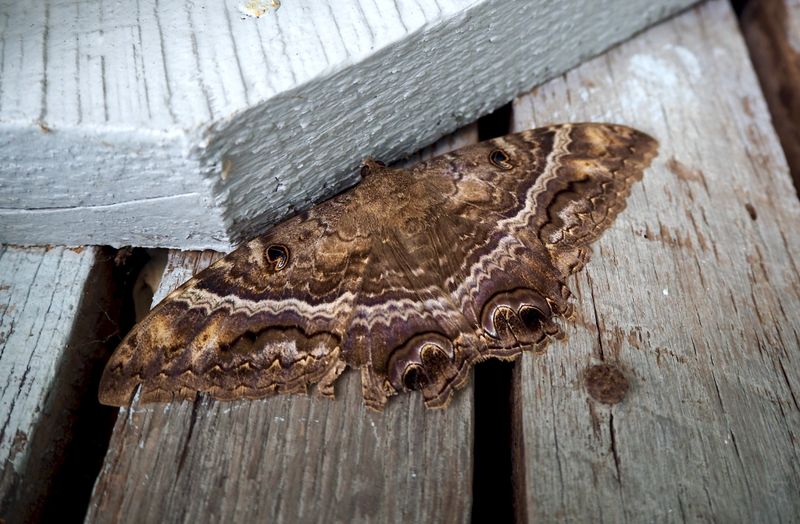
Picture a moth wider than your hand, flat against the siding, with wings the color of charcoal. That is the classic look of a black witch (Ascalapha odorata), and it is one possible identity for a very large, dark moth at a Missouri porch light.

The Missouri Department of Conservation says the moth is variable in color and gives its Missouri wingspan as 4 to 6 inches.

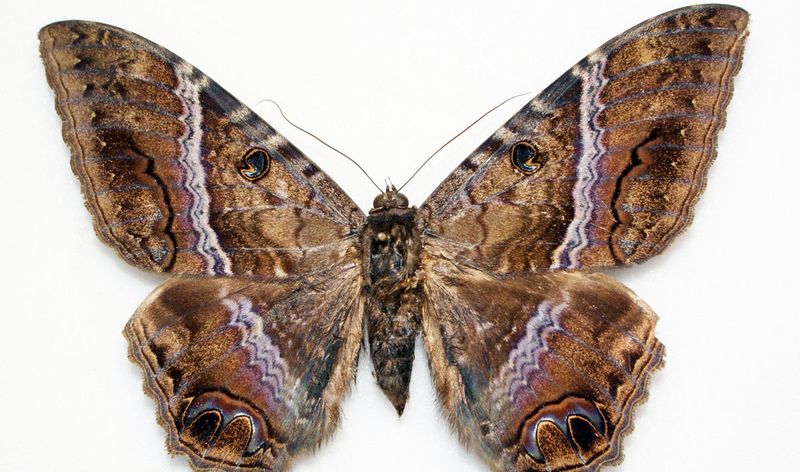
The name “black” is more dramatic than exact. Depending on the light and the individual, the wings can look dusty brown, blackish, or shimmery with a purple sheen.

Pale wavy bands and speckles often cross the wings, though how clear they look can change from moth to moth.

So size and darkness alone cannot settle the question. Missouri has many moth species, and the conservation department notes that some moths need a closer look before anyone can name the species.

A big dark shape at night can fool anyone, especially under yellow bulb light.

That is a good reason to slow down and look at the markings before settling on a name. Check the wing edges, any spots or eyespots, and the overall pattern.

Those details will do far more for you than a quick impression of how large or dark the visitor seemed.

Why black witches turn up in Missouri
Why black witches turn up in Missouri
© Cool Green Science – The Nature Conservancy

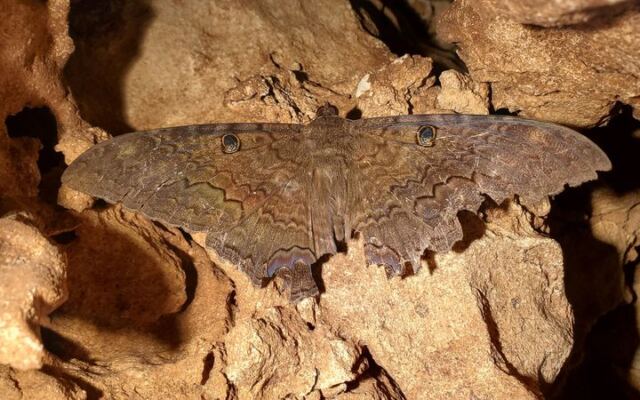
Seeing one in Missouri is a bit like spotting a visitor who took a wrong turn. The conservation department says black witches are rare in the state.

They generally breed farther south and stray north, and Missouri sightings usually come between July and October.

The polyphemus moth lives across Missouri, and the conservation department says it has a wingspan of 3 1/2 to 5 1/2 inches.

That timing helps with detective work. A giant dark moth in April or May is less likely to be a black witch than one in late summer or early fall.

It is a clue, not proof, so keep looking at the markings too.

A sighting at your house also does not mean a colony has moved in next door. A moth that wandered up from the south may simply be passing through.

One visit does not show that the species is breeding nearby.

Size is another place where numbers get mixed up. Missouri reports put the wingspan at 4 to 6 inches.

A University of Colorado museum page describes specimens reaching up to 7 inches in other places, but that larger figure should not be used to judge a moth found in a Missouri yard.

Lights and food can bring moths close
Lights and food can bring moths close
© ch.garden

Anyone who has turned on a porch light in summer knows moths come crowding in. The Missouri Department of Conservation lists electric lights as a way to watch moths and says many moths are drawn to them.

Why they do it has no single, clear answer.

One old idea says moths steer by the moon and mistake bulbs for it. A 2024 study in Nature Communications proposed something different.

The researchers suggest that insects have a reflex that turns their backs toward the brightest light, which can make them circle, stall, or fly oddly near a lamp.

That work looked at the insects it tested, including moths. It does not show how black witch moths react, and neither explanation should be treated as settled for them.

Food may play a part too. Adult black witches feed on tree sap and overripe fruit, so a fruit tree or a dropped apple nearby could draw one in.

Either way, a moth on your porch does not tell you where it lives or breeds. It may have been passing through and stopped for light or a snack.

Compare the markings of other large moths
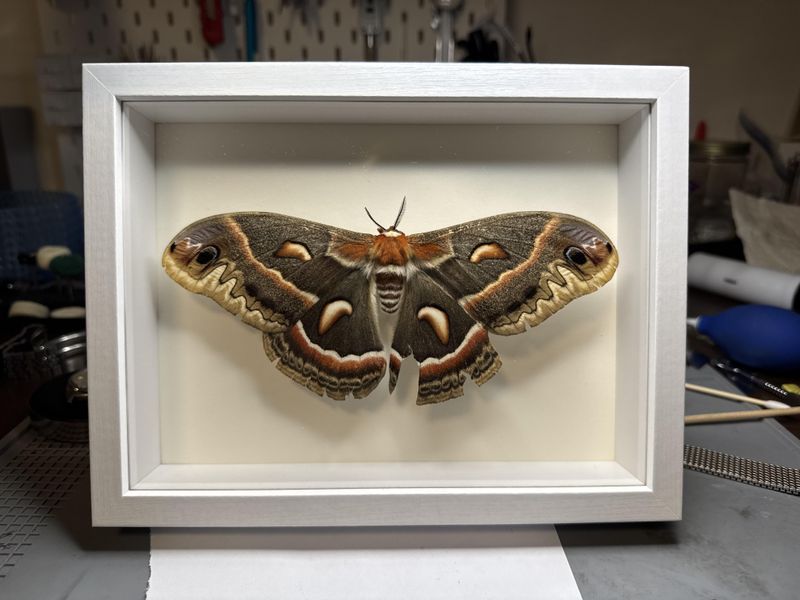
Compare the markings of other large moths
© Reddit

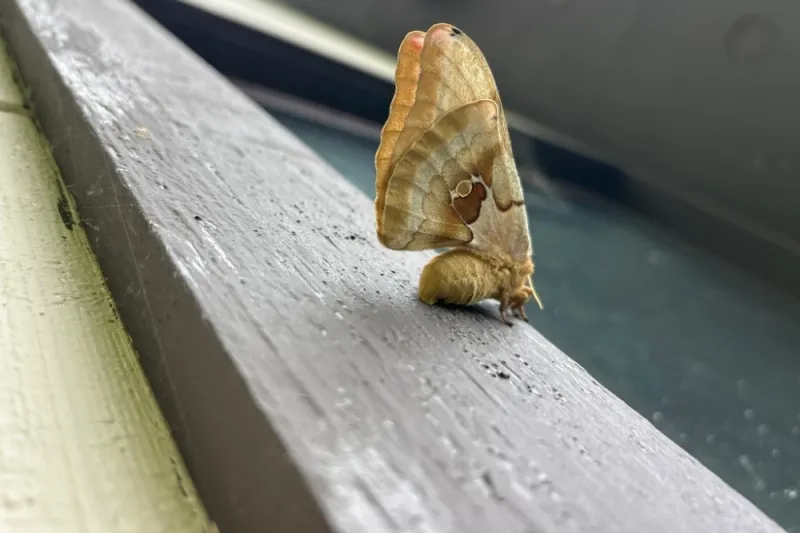
Two other big moths often get mistaken for something spookier. The polyphemus moth lives across Missouri, and the conservation department says it has a wingspan of 3 1/2 to 5 1/2 inches.

Its color ranges from tan or brown to reddish brown, and each hindwing carries a large eyespot. Adults are frequently drawn to lights.

Those eyespots are your best clue. They look like staring eyes, and nothing like the wavy pale bands often seen on a black witch.

Then there is the cecropia moth, another large dark brown possibility. University of Missouri Extension points to white crescent spots on the wings as a way to recognize it.

Markings beat first impressions. A moth that seemed huge and nearly black at night may turn out to be brown with a clear spot pattern in daylight.

Even with a sharp photo, some moths are hard to name. The conservation department notes that some species need examination by a specialist, so do not be discouraged if an expert has to weigh in.

How the moth gained its reputation
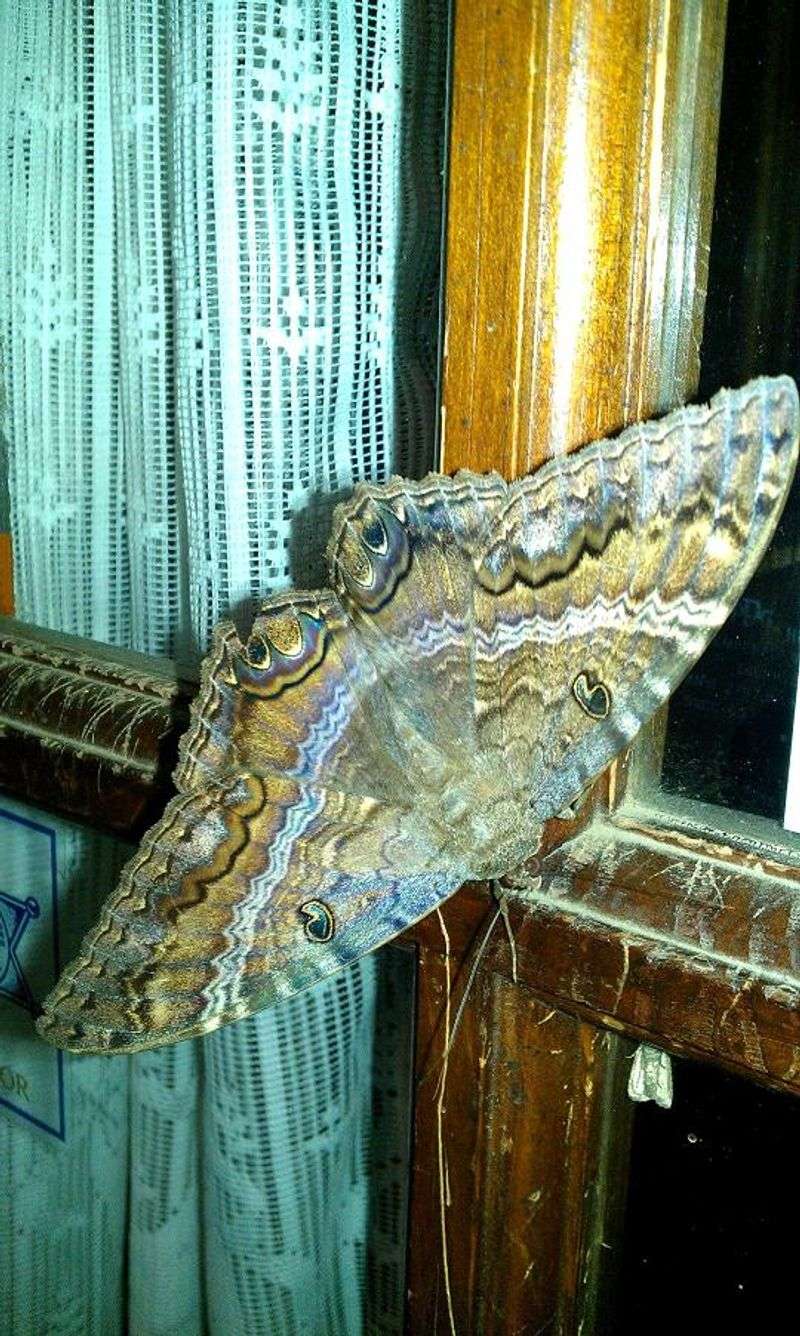
How the moth gained its reputation
© Texas Butterfly Ranch

Stories about death and bad luck follow the black witch around. Sources do document those beliefs.

The University of Colorado museum describes death-associated beliefs in Mexico and South Texas, where a visit from the moth has been read as a bad omen.

Nothing in those sources shows that the moth predicts a death or causes one. It is folklore, a story people told about a large, dark, night-flying insect that appears suddenly and flutters near homes.

Meanings also differ from place to place. Mexico’s national university, UNAM, describes how Zapotec interpretations involved metamorphosis and transformation, including in funerary art.

That is a different idea from simple doom.

It would be wrong to say that all Latin American or Indigenous communities share one view of the moth. Each tradition has its own history, and some beliefs are held by particular groups rather than whole populations.

So when a neighbor jokes that your moth means trouble, you can answer kindly. It is a story with real roots, but not a forecast.

Photograph the moth and avoid handling caterpillars
Photograph the moth and avoid handling caterpillars
© Insectio

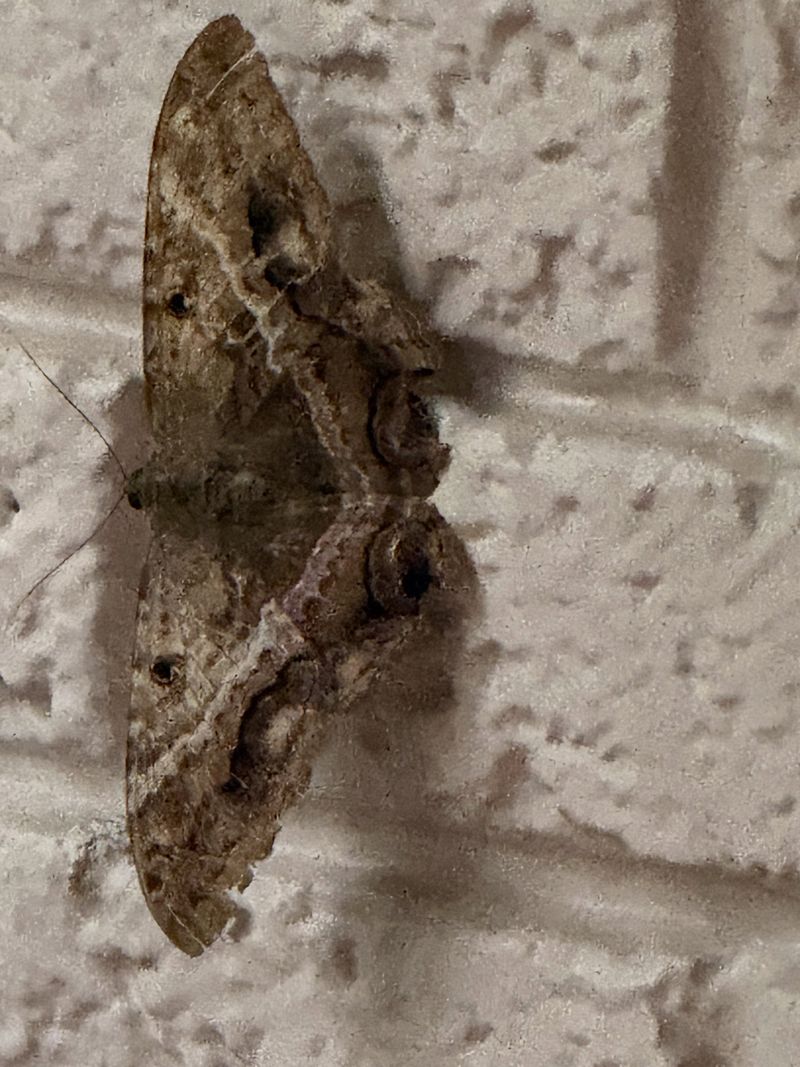
Your phone is the best identification tool you have. Take a clear photo of the moth from straight on, and add a second shot of any spots, bands, or eyespots.

Markings tell you far more than color or size alone, and a good picture lets an expert check it later if you are unsure. The conservation department explains that some moths need specialist examination to reach species level.

If you would rather see fewer moths around the door, cut back on outdoor lighting. The conservation department advises against leaving lights on every night to draw in moths and other insects.

A shorter lighting schedule is an easy first step.

One more distinction matters for safety. Adult moths and caterpillars are not the same, and some Missouri giant silkmoth caterpillars carry hairs that can sting or irritate skin.

Do not handle any hairy caterpillar you cannot identify. Photograph it from a distance instead.

The moth on your porch is a visitor with a bad rumor, and a good look is all it asks for.

Share this story

CR

Written by

Clayton Reeves

More from Clayton Reeves →

About Gardening Latest

Gardening Latest provides in-depth guides to maintaining and enhancing your garden and backyard. Learn how to make the most of the space you have and create a beautiful garden.

More about us →

Latest stories

  • Kentucky GardeningThat Loud Drumming on Your Kentucky Gutters at Dawn Is a Woodpecker Claiming Its Territory

    That Loud Drumming on Your Kentucky Gutters at Dawn Is a Woodpecker Claiming Its Territory

    1 min ago
  • Florida GardeningA Florida Mammal Weighing About Two Quarters Is Venomous, and It Hunts in Your Mulch

    A Florida Mammal Weighing About Two Quarters Is Venomous, and It Hunts in Your Mulch

    7 min ago
  • Maryland GardeningMeet the Tiny Mammal With a Venomous Bite That Hunts Under Maryland Lawns All Winter Long

    Meet the Tiny Mammal With a Venomous Bite That Hunts Under Maryland Lawns All Winter Long

    14 min ago
  • Iowa GardeningFound Bright Orange Jelly Blobs on Your Iowa Cedar Tree? Here’s What’s Growing There

    Found Bright Orange Jelly Blobs on Your Iowa Cedar Tree? Here’s What’s Growing There

    20 min ago
  • Virginia GardeningVirginia Gardeners, Here’s the Quick First-Aid Routine to Follow After a Saddleback Caterpillar Sting

    Virginia Gardeners, Here’s the Quick First-Aid Routine to Follow After a Saddleback Caterpillar Sting

    26 min ago

Gardening by state

Stories for your state, and the hardiness zone most of it gardens in.

Keep exploring

Read next

All Missouri Gardening →
Missouri GardeningBefore You Cut Your Missouri Neighbor’s Overhanging Branches, Know What the Law Actually Allows
Missouri Gardening

Before You Cut Your Missouri Neighbor’s Overhanging Branches, Know What the Law Actually Allows

5 hr ago
Missouri GardeningThose Late-Night Coyote Yips and Howls Around Your Missouri Home Each Carry a Specific Message
Missouri Gardening

Those Late-Night Coyote Yips and Howls Around Your Missouri Home Each Carry a Specific Message

8 hr ago
Missouri GardeningMissourians, A Daily Handful Of Celery Is Quietly Changing What Happens In Your Body
Missouri Gardening

Missourians, A Daily Handful Of Celery Is Quietly Changing What Happens In Your Body

23 hr ago

More from Missouri Gardening

  • Seeing an Opossum Around Your Missouri Home This Winter Has a Simple Explanation, and Here’s What to Do

    Nov 26
  • Copperheads Aren’t Missouri’s Only Venomous Yard Dwellers, Because a Thumb-Sized Shrew Has Venom Too

    Nov 26
Back to top

Leave a response Cancel

Your email address stays private. Required fields are marked with an asterisk.

Gardening Latest

In-depth guides to maintaining and enhancing your garden and backyard: how to make the most of the space you have, and how to make it beautiful.

  • Facebook
  • X
  • Pinterest
  • YouTube

We may earn a portion of sales from products or services that are purchased through our site as part of our affiliate partnerships with retailers.

Explore

  • About GardeningLatest.com
  • Contact Us
  • Terms and Conditions
  • Privacy
  • Editorial Note:
  • FTC Disclosure

Newsletter

New garden guides and seasonal tips, straight to your inbox.

We’ll email you a link to confirm. Unsubscribe any time.

Almost there! Check your inbox and tap the link to confirm.

© 2026 Gardening Latest. All rights reserved.

Back to top