A tiny mammal with venom in its saliva lives right here in Maryland, and it stays active when the weather turns cold. It is the northern short-tailed shrew, and it uses that toxic saliva to subdue the insects, worms, and small animals it eats.
It can turn up in backyards, though the winter lawn tunnels you see are not always its work. Here is what we know about this small hunter, and how to handle the lawn signs it may or may not have left.
The short-tailed shrew lives across Maryland
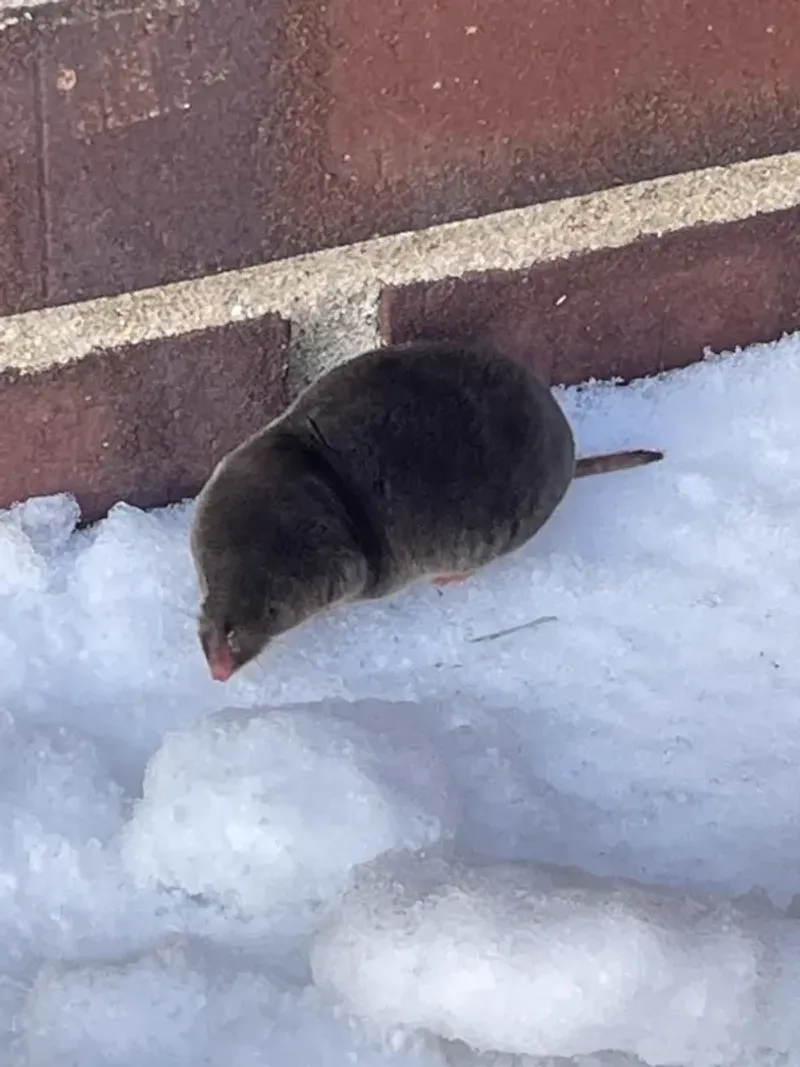
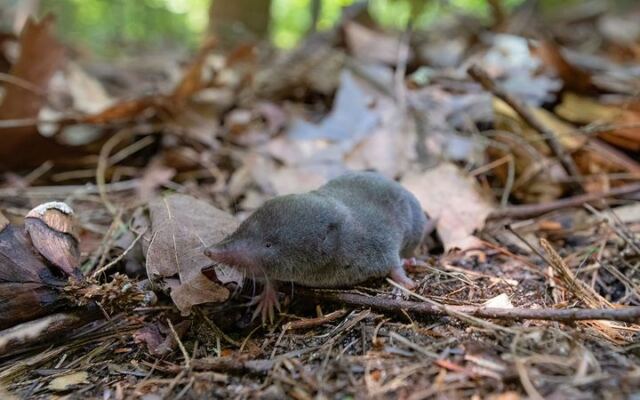
Meet the northern short-tailed shrew, Blarina brevicauda. Maryland DNR reports that this small gray mammal lives throughout the state.
It turns up in forests and fields, and it also makes a home in backyards.
The animal is stocky, with velvety gray fur, a pointed nose, tiny eyes, and a short tail. It is often mistaken for a mouse, but it is not a rodent.
Shrews belong to a different group of mammals that mostly eat insects and other small animals.
Maryland is home to several kinds of shrews. According to the state’s 2026 native animal profile, there are eight species.
That matters here, because the venom story in this article applies to the northern short-tailed shrew specifically. It should not be pinned on every small shrew you happen to see.
So the animal is real, common across the state, and a plausible neighbor in your yard. What is not established is the idea that it routinely hunts beneath lawns everywhere in Maryland.
The next sections separate what we know about this shrew from what a patch of disturbed turf can actually tell you.
Its saliva helps it subdue prey
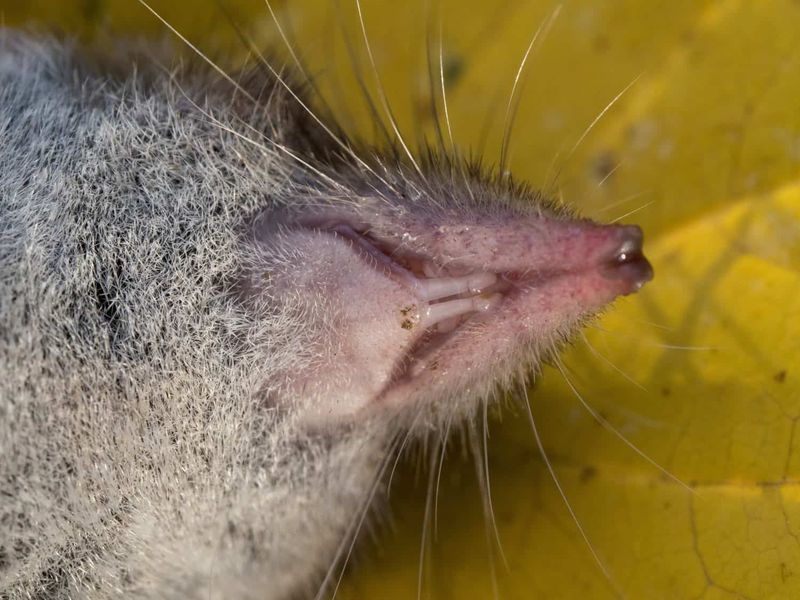
Few mammals make their own toxin, and this shrew is one of them. Researchers studying Blarina brevicauda isolated a toxic protein from its saliva and described it in a PNAS paper on Blarina toxin.
The protein is part of how the shrew captures food.
Shrews burn through energy fast, so they need to eat often. Prey such as insects, worms, snails, and small animals can be larger or stronger than the shrew itself.
The toxin in the saliva helps by affecting the prey after a bite, making it easier to subdue.
The study’s findings focus on what the toxin does to those prey animals. In lab tests, it had toxic effects on some small animal species.
That is a hunting tool, not a sign that the shrew goes looking for trouble with larger animals.
Maryland DNR has described this shrew in the United States context as the only venomous mammal in the country. That wording is attributed to the agency and applies only to the United States, since other venomous mammals exist elsewhere in the world.
For a homeowner, the takeaway is simple. The venom is a feeding adaptation of one species.
It is useful for understanding the animal, and it does not turn a quiet backyard visitor into a threat.
What to do if a shrew bites
The best plan is to avoid contact in the first place. Maryland DNR warns that the northern short-tailed shrew can deliver a sharp bite if handled.
Do not pick one up, try to catch it by hand, or let a dog or cat investigate it.
Bites to people are rare, and the information on them is limited. The research paper on the toxin cites accounts of localized burning and swelling after human bites.
Those accounts do not show what any one bite will do, so it is best to treat a bite seriously without assuming the worst.
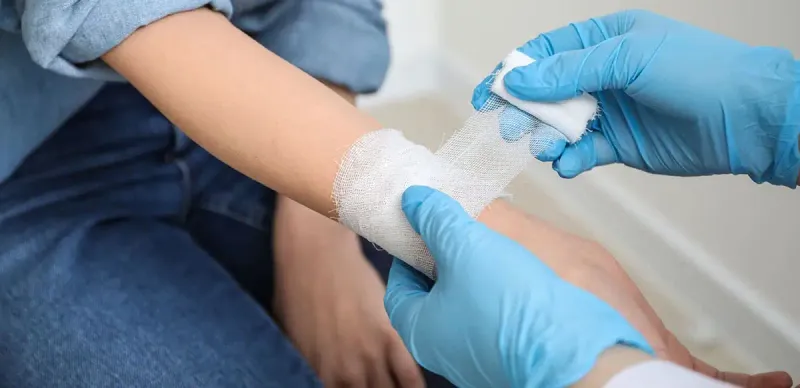
If you are bitten, wash the wound right away with soap and water. Then seek prompt medical attention, and tell the provider that a wild animal caused the bite.
A clinician can judge the wound and decide what care is needed.
It also helps to contact your local health department or animal control office. The Maryland Department of Health rabies page explains how to report an exposure to a wild animal and who to call for guidance.
If a pet has a run-in with a shrew, call your veterinarian for advice. Keep calm, keep the animal away from further contact, and let the professionals decide what comes next.
Winter activity does not mean nonstop lawn hunting
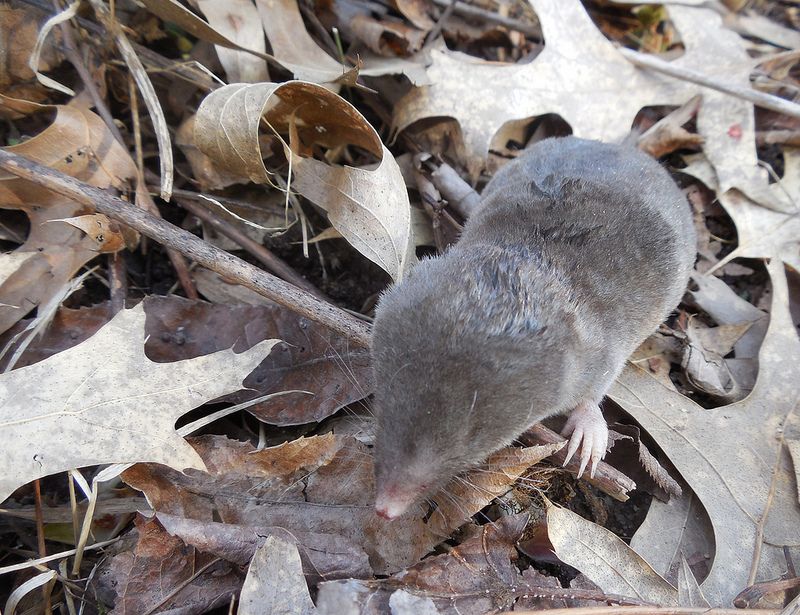
Cold weather does not shut this shrew down. A peer-reviewed study of winter survival in the short-tailed shrew describes the animal as winter-active.
It does not hibernate, so it has to keep finding food when the ground is cold.
The study documents several ways it manages. Shrews hoard food, which gives them a stash to return to when prey is scarce.
They continue to forage through the season. They also increase their heat production, which helps a tiny body stay warm.
Those are real, well-described adaptations. They show that the species stays active from December to March in the places it lives.
What they do not show is where each shrew spends its time. Being active in winter is different from patrolling a lawn day after day.
A shrew in your neighborhood might be working through leaf litter, a woodland edge, a garden bed, or a brush pile.
So the fair version of the headline is this: the northern short-tailed shrew stays active all winter. It does not follow that one is hunting under every Maryland lawn, or under yours.
Where shrews may forage
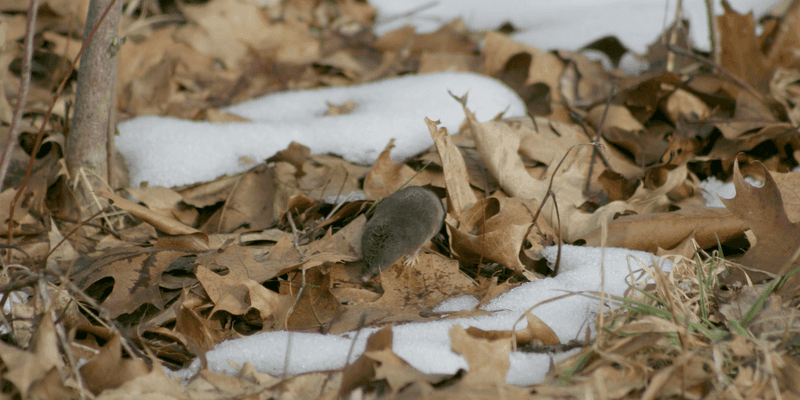
Dig through a pile of damp leaves in a Maryland yard and you are in prime shrew territory. According to Maryland DNR, the northern short-tailed shrew spends much of its time underground or under leaf litter.
Grubs are a favorite food, and it also eats other invertebrates and small mammals.
It does not depend on tunnels it digs itself. The winter survival study notes that shrews can forage outside of tunnels, which means a shrew may hunt in cover at the surface as well as below it.
Shrews may also take advantage of tunnels that other animals have left behind. University of Maryland Extension says they may use unused mole tunnels.
That is a handy shortcut for a small animal, but it is different from digging the tunnels in the first place.
Put together, these facts allow for a shrew in a backyard. Garden edges, mulch, woodpiles, and leaf drifts all fit the habitat described.
They do not add up to proof that shrews routinely hunt beneath lawns across the state. Presence in a yard is one claim, and constant lawn hunting is another.
Lawn tracks cannot identify a shrew

A line of raised turf or a pile of soil tells you something dug there, but not who. University of Maryland Extension draws useful lines between the signs.
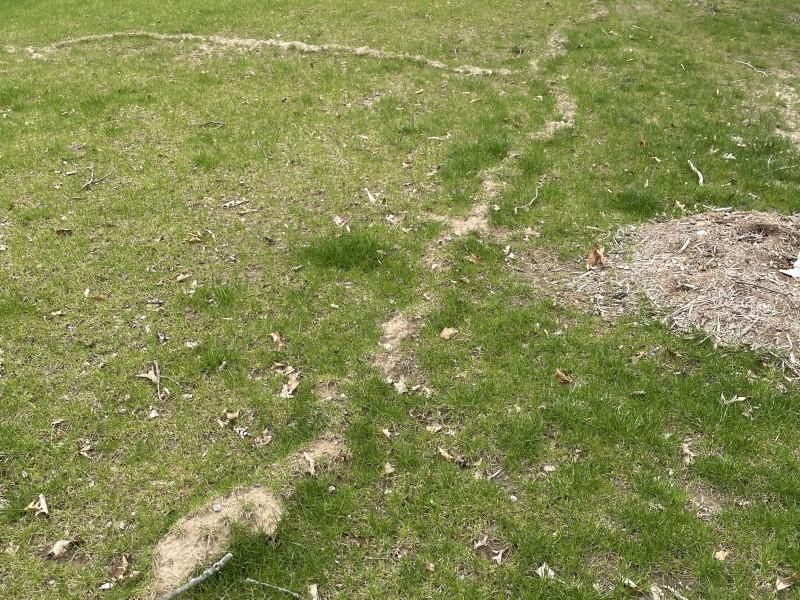
Voles leave runways along the surface of the grass. Moles make shallow runways that push up the turf, and they leave mounds of soil.
Both animals are active year-round, so winter damage fits either one. Cold weather does not rule them out, and a trail in January is not evidence of a shrew.
Shrews add a wrinkle. Extension says they may use unused mole tunnels.
That means a shrew could pass through a tunnel without having made it, and it also means a tunnel does not prove a shrew is there.
If you want to figure out what is going on, look at the pattern instead of guessing the animal. Open surface paths in the grass point toward voles.
Raised ridges with fresh soil mounds point toward moles. A mix is possible, since one animal can reuse another’s work.
The safest wording for a homeowner is plain. The lawn shows what was dug, not which animal is using it.
Leave wildlife alone and repair damaged turf
Start with a simple rule: leave any shrew alone. Maryland DNR notes it can bite if handled, so do not pick one up and keep pets from investigating.
If someone is bitten, wash the wound with soap and water and call for medical care, and use the Maryland Department of Health for exposure guidance.
For the lawn, the fix is modest. Extension advises tamping down tunnels and repairing turf where needed.
Further steps may be unnecessary, since populations can decline naturally. Grub control is generally not needed just because moles are present.
A winter-active shrew can live in backyard habitat, but a trail in the grass does not prove one is hunting there. Sometimes the best response to a mystery tunnel is a firm step and a little patch of seed.
Share this story