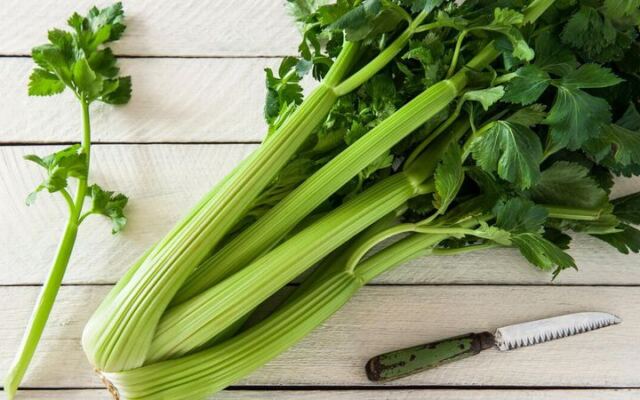
A daily handful of celery does change something about your day: it adds a crunchy, low-calorie vegetable to what you eat. That change is small and steady, not dramatic.
Knowing what celery really offers helps you enjoy it without falling for big claims. Here is what a serving adds, what the research does and does not show, and how to handle celery safely.
What two stalks add to your day
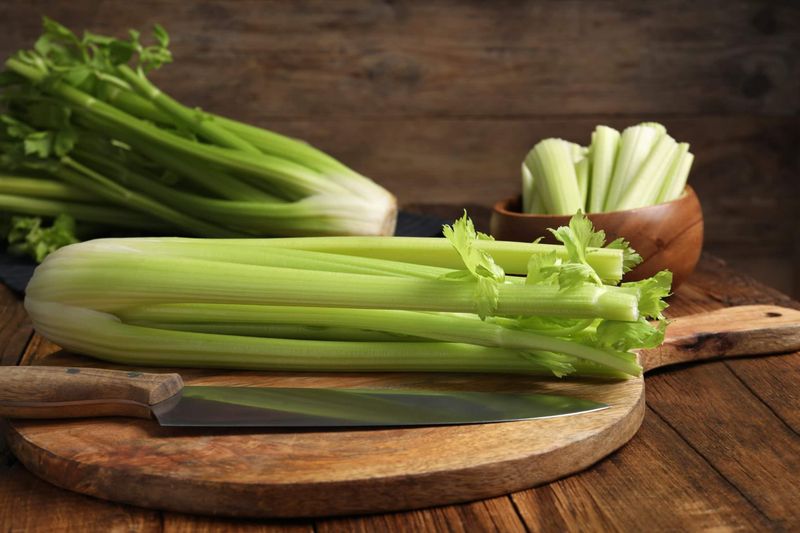
Start with the numbers. FDA nutrition information for raw vegetables lists a serving of celery as two medium stalks, which weigh about 110 grams.
That serving has 15 calories and 1 gram of fiber.
Those are real, measurable changes to your daily intake. They are also modest ones.
Two stalks will not fill you up for long, and 1 gram of fiber is a small slice of what most adults need in a day.
The word handful is where things get fuzzy. A handful is an informal measure, and it can mean a few thin sticks or a big pile of chopped celery, depending on whose hand and whose knife is involved.
If you want to know what you are getting, count stalks. Two medium ones match the listed serving.
So what is celery good for in everyday life? It is a low-calorie way to add a vegetable to a meal or snack.
Think of it chopped into tuna salad, sliced into soup, or dipped in peanut butter or hummus. It adds crunch, a little fiber, and very few calories.
That is its everyday value. Celery is a handy vegetable, not a body-changing intervention, and treating it like a simple, useful food is the most accurate way to see it.
Make celery part of a varied diet
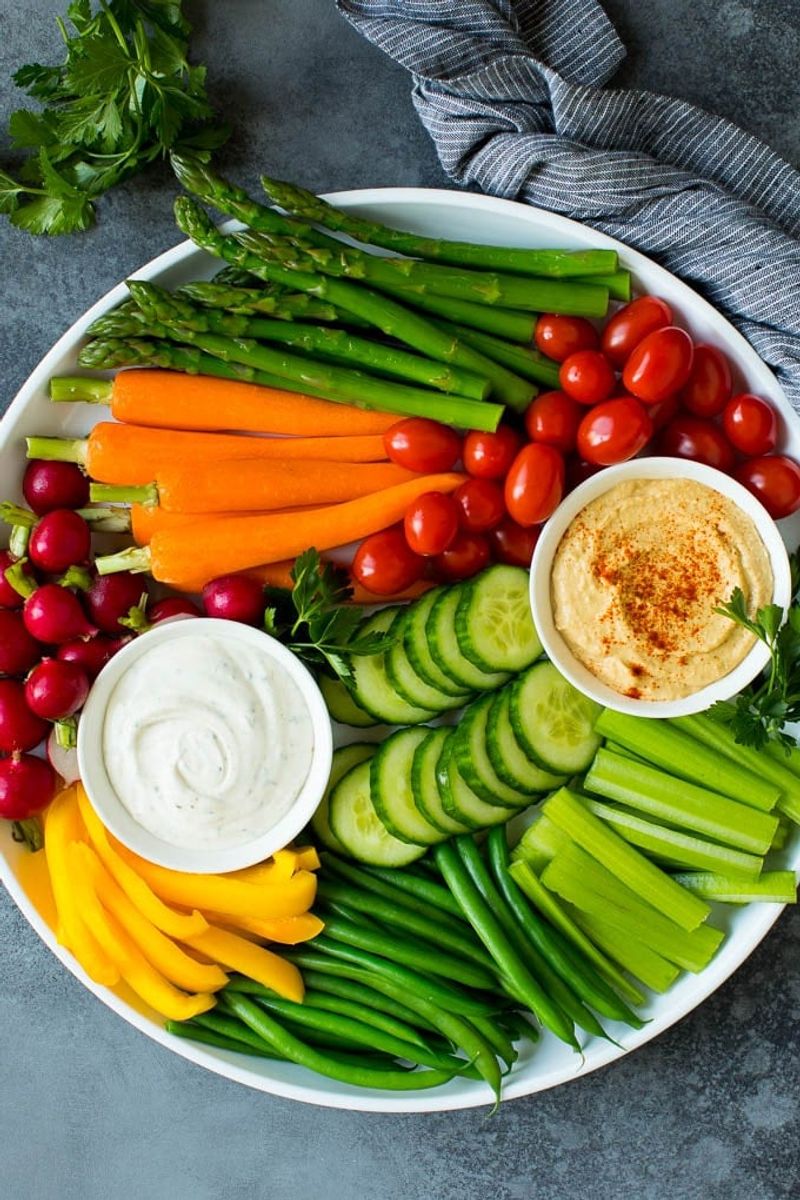
Picture your plate over a whole week. The Dietary Guidelines for Americans set a goal of three vegetable servings a day for a 2,000-calorie eating pattern.
Your own number may be higher or lower, because it depends on your calorie needs.
The guidelines also lean on two ideas: variety and whole vegetables. Juice is allowed only in limited portions.
That matters for celery, because a vegetable that works well as a snack still cannot do everything.
Celery can count toward your vegetable intake. Two stalks at lunch is a fine contribution.
But celery alone does not meet the goal, and it should not push out other vegetables that bring different things to the table.
Different vegetables offer different mixes of nutrients, so rotating them is the practical move. Dark leafy greens, orange vegetables like carrots and sweet potatoes, beans, and red or green peppers all earn a spot next to celery.
Here are a few easy ways to make room for it. Slice celery into a stir-fry with broccoli and peppers.
Add it to chili alongside beans and tomatoes. Pack a few stalks with carrot sticks for an afternoon snack.
The goal is a plate with many colors, with celery as one of the supporting players.
What celery research can—and can’t—show
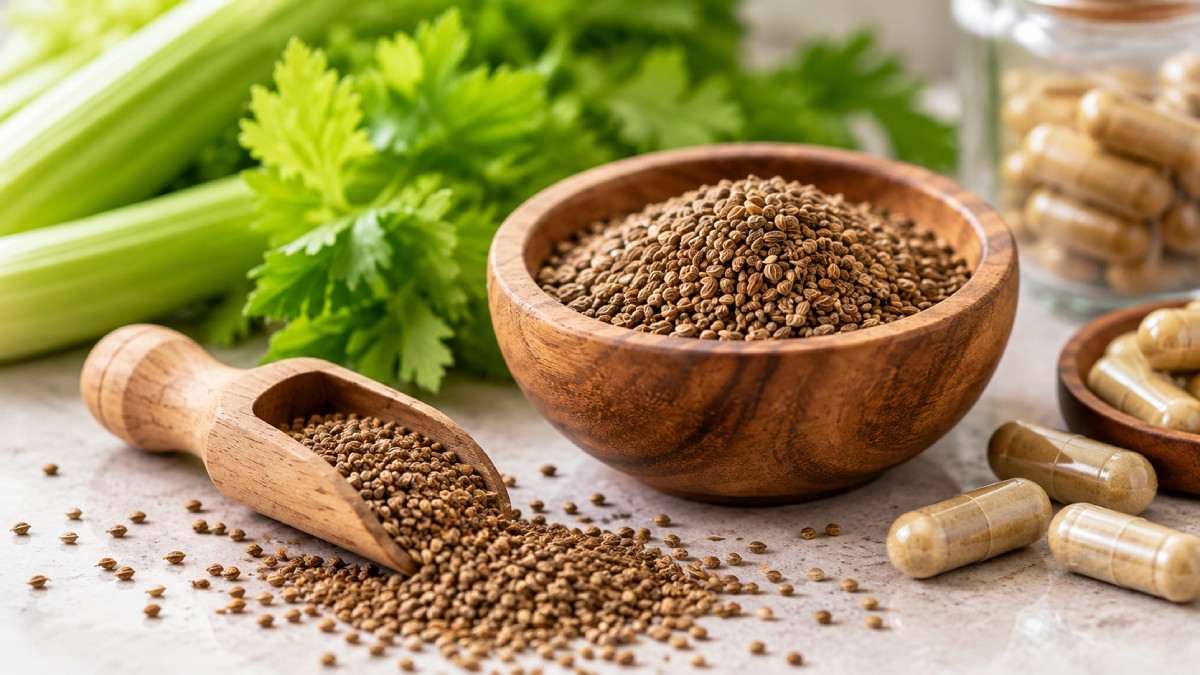
Headlines about celery and blood pressure often come from studies that did not involve ordinary stalks. In one small trial, 52 people with hypertension took 1.34 grams a day of celery-seed extract for four weeks.
A concentrated seed extract is a different product from a few crunchy stalks.
A bigger picture comes from a 2025 meta-analysis. It pooled 10 randomized trials with 511 people in total and found potential effects on blood pressure and metabolic markers.
Those findings sound promising, but the limits matter. The trials used different celery preparations, so they were not testing the same thing.
The authors also pointed to substantial heterogeneity, meaning the results varied a lot from study to study.
The sample sizes were limited, too. The authors called for larger and longer studies before anyone draws firm conclusions.
What does that mean for your kitchen? The results are preliminary and are not proof of a treatment effect.
They do not show that eating a handful of stalks lowers blood pressure or blood sugar, or treats any other condition.
If you have high blood pressure or diabetes, celery is fine as part of your meals, but medication and your health care provider’s plan still come first.
Celery juice is not a detox shortcut
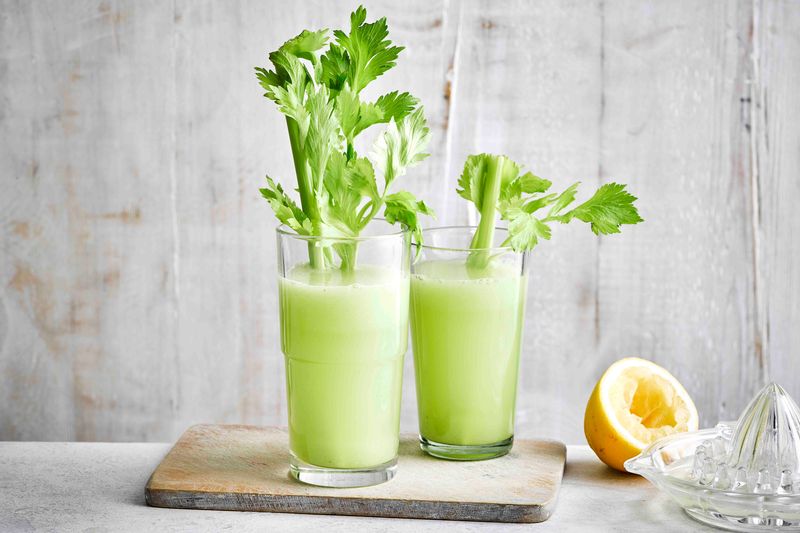
Social media loves celery juice, often calling it a detox drink or a cure-all. The evidence does not back that up.
Cleveland Clinic’s review of celery juice found no support for claims that it removes toxins or cures disease.
Your liver and kidneys already handle filtering waste, and no single drink resets them. Nothing shown so far suggests juice has benefits beyond what whole celery offers.
Juice is also not a meal replacement. It lacks the substance of a meal, and blending or juicing changes how the vegetable is eaten.
The Dietary Guidelines favor whole vegetables and limit juice, which fits with that.
What about the studies people point to? The research behind those claims, including the 2025 meta-analysis, looked at extracts and varied preparations, not a daily glass of juice or a pile of stalks.
Those results do not show a special bodily reset from either one.
If you like the taste of celery juice, a small glass will not hurt most people. Just treat it as a drink, not a shortcut, and keep eating whole vegetables.
Wash fresh celery under running water
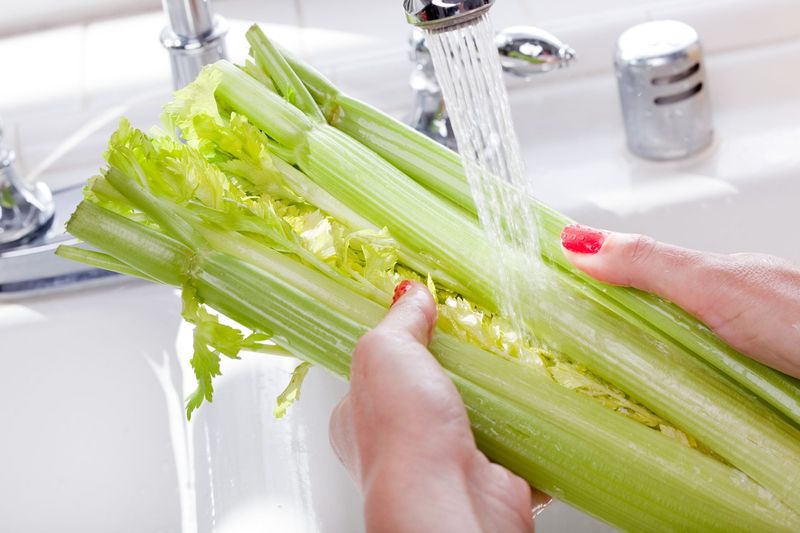
Before you slice into celery, give it a good rinse. Hold the stalks under running water and rub them with your hands, paying attention to the grooves where dirt tends to hide.
FDA food safety guidance says to wash fresh produce under running water.
Skip the soap, detergent, and bleach. These products are not made for food, and they can leave residues you do not want to eat.
Plain running water does the job.
Once the stalks are clean, dry them with a clean cloth or paper towel. Keep them away from raw meat, and use a clean cutting board.
Juice deserves a separate word. Fresh juice is not cooked, so any harmful bacteria on the produce could end up in the glass.
FDA advises people at higher risk from foodborne illness, including young children, older adults, and people with weakened immune systems, to drink only juice that has been pasteurized or otherwise treated to kill harmful bacteria.
For everyone else, washing the celery well and keeping juice cold and fresh are sensible habits.
When celery calls for extra care
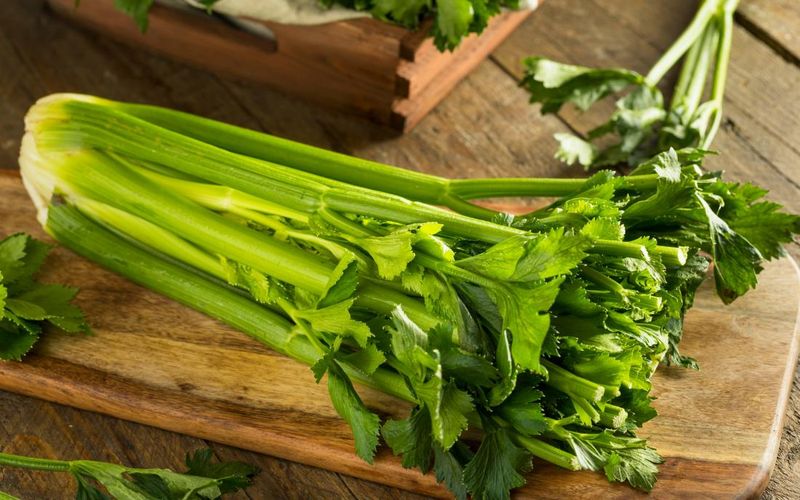
Two groups of people may need to pay closer attention to celery. The first has pollen allergies.
According to the American College of Allergy, Asthma & Immunology, raw celery can trigger pollen-food allergy syndrome in some people with birch or grass pollen allergies.
Not everyone with those allergies will react. When it happens, the usual sign is an itchy mouth or throat soon after eating raw celery.
If you notice symptoms beyond the mouth, such as swelling elsewhere, trouble breathing, or hives, get medical advice. Severe reactions are uncommon but can occur.
The second group takes warfarin, a blood thinner. Celery contains vitamin K, and the NIH Office of Dietary Supplements notes that people on warfarin should keep their vitamin K intake consistent.
That does not mean avoiding celery. It means avoiding big swings.
If you plan a major change, such as starting a daily celery habit or juicing, talk with your health care provider first so your dose can be monitored.
A steady pattern, whatever it is, is the point. Most people can enjoy celery without any of these worries.
A practical takeaway for Missouri readers
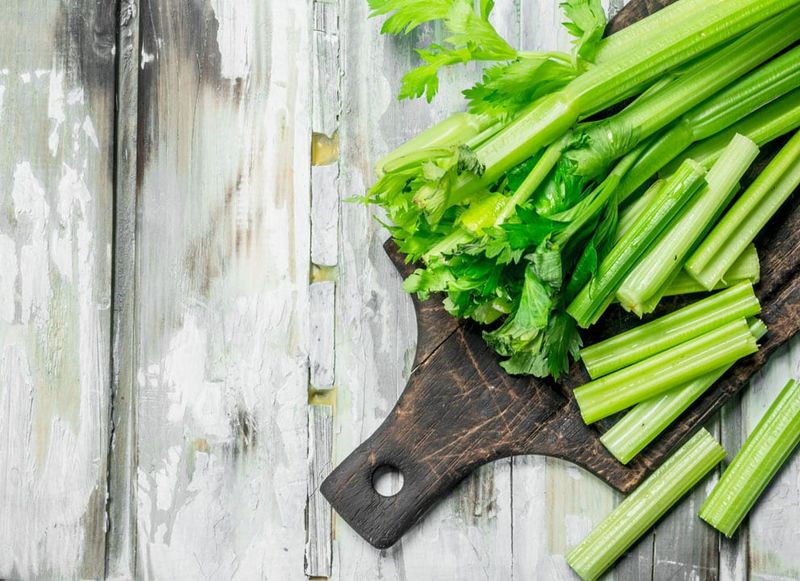
Celery is a convenient way to add a vegetable. Two medium stalks give you 15 calories and 1 gram of fiber, a small but real addition.
Ordinary stalks have no established distinctive effect, and no special effect for Missouri residents has been shown.
Let celery share the plate with other vegetables, in line with the Dietary Guidelines emphasis on variety. A crunchy stalk is a fine snack, as long as it has company.
Quiet habits like this one are usually where good eating lives.
Share this story