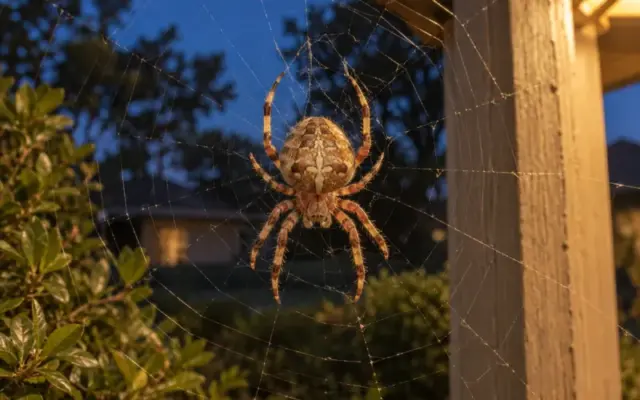
That web on your woodpile may belong to a spider worth knowing, and in Kentucky that can include the black widow. But the web itself will not tell you who made it, so the safest plan is to handle the wood as if something could be hiding in it.
Most spiders in a stack are harmless, and a few simple habits keep it that way. Here is how to spot the real clues and carry wood inside with confidence.
A web cannot identify the spider that made it
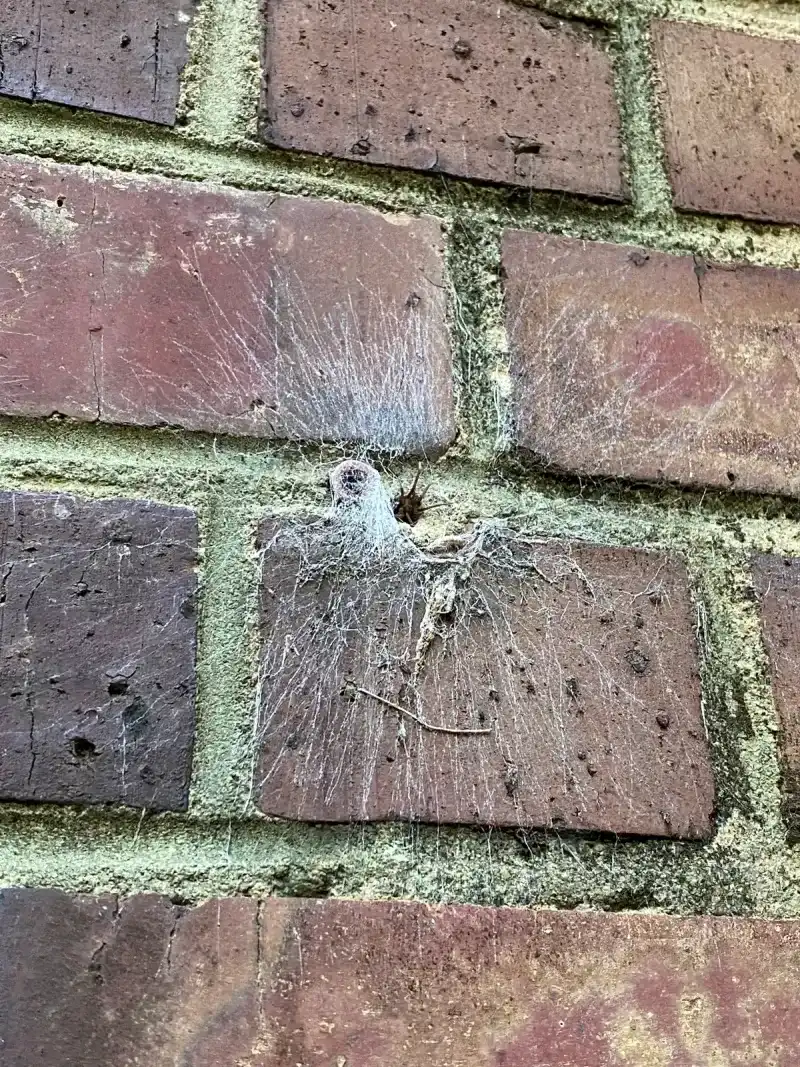
Plenty of people look at a pale, silky web on a woodpile and decide they know exactly who lives there. Sadly, a web’s color or look cannot confirm which spider made it.
Many kinds of spiders spin silk in wood stacks, and fresh silk can look white, gray, or tan depending on the light and the dust on it.
What reliable sources do say is that widow webs are irregular and tangled, not a neat white warning sign. UC Statewide IPM Program spider guidance describes the black widow’s web as a messy cobweb, and its widow spider Pest Notes point readers toward the spider’s body rather than its silk.
So a tangled web is a reason to slow down, not a reason to panic. Treat any unidentified web as a cue to avoid direct contact.
Wear gloves, keep your bare hands out of it, and do not try to pull it apart with your fingers. That one habit covers you whether the web belongs to a harmless spider or not.
Kentucky black widows use concealed places
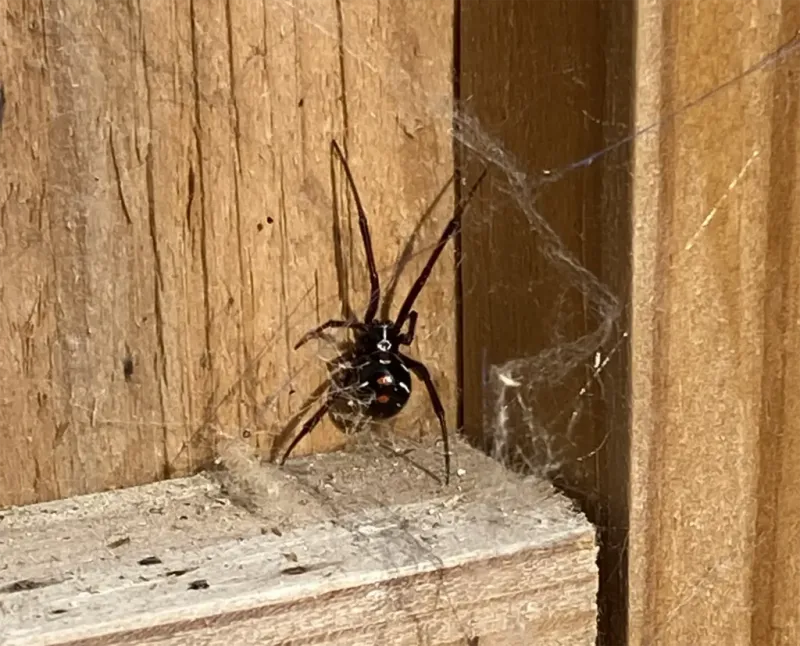
Black widows are not rare visitors in the Bluegrass State. University of Kentucky Entomology reports that they are common throughout Kentucky and can turn up in concealed outdoor places, including firewood piles.
The state has both northern and southern black widows.
The same source describes them as timid and unlikely to bite unless handled. That matters for how you think about risk.
A widow is not hunting you, and it will not chase you or attack because you disturbed a stack.
The real concern is accidental contact. Imagine reaching into a dark gap between logs and pressing a hidden spider against your palm or fingers.
That is how most trouble starts, and it is why hand-first habits around woodpiles deserve a second thought.
For perspective, the University of Kentucky cobweb spider page notes that no other Kentucky cobweb spiders are known to have venom that is medically significant to people. Black widows are the exception, which is exactly why knowing them helps.
Look beyond web color for identification clues
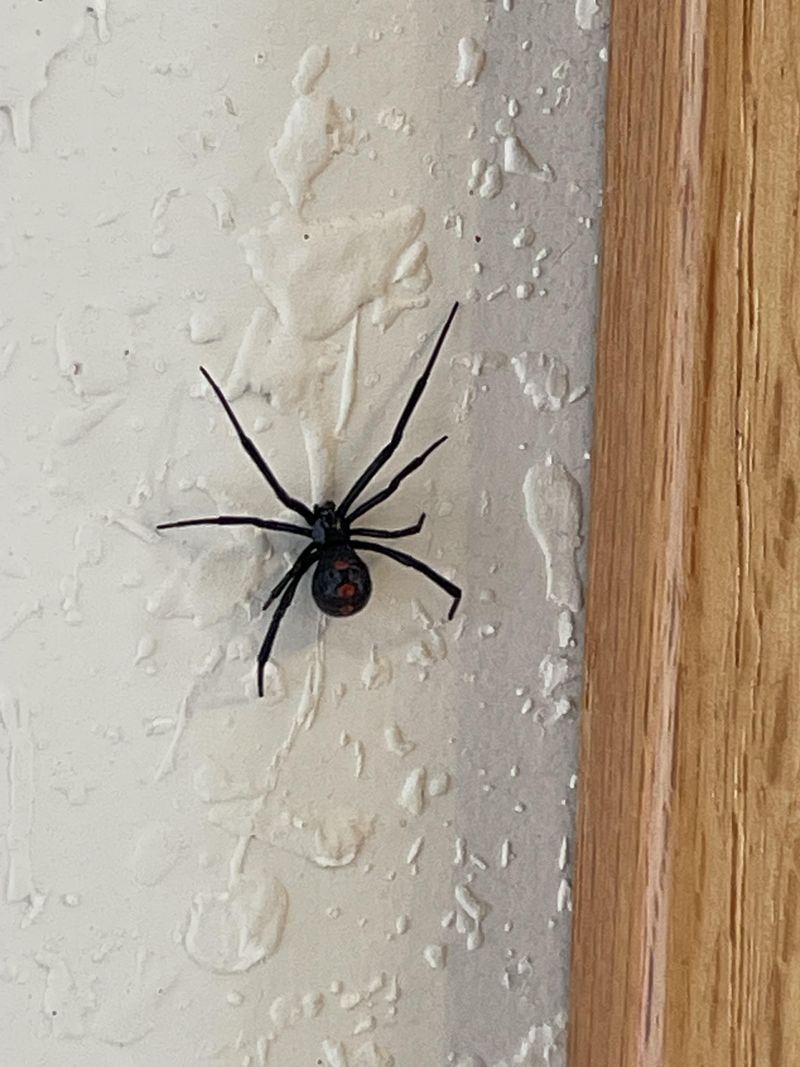
If the web cannot tell you much, the spider’s body can offer better hints. An adult female black widow is shiny black with a red marking on her underside, often shaped like an hourglass.
The UC Pest Notes on widow spiders describe these features, and they are handy clues rather than a rule for every widow.
Males and immature spiders can look quite different from the classic female. Young widows may show other colors or patterns, so a spider without a bold red mark is not automatically something else.
UC IPM’s spider overview makes the same point about variation.
Egg sacs can also mislead. A widow’s sac may be pale and paperlike, but many spiders make sacs, so a sac alone does not identify a widow.
When you need Kentucky-specific identification help, lean on the University of Kentucky spider chart. Use clues together, keep your distance, and do not crush or grab a suspected spider with bare hands.
Firewood can carry spiders indoors
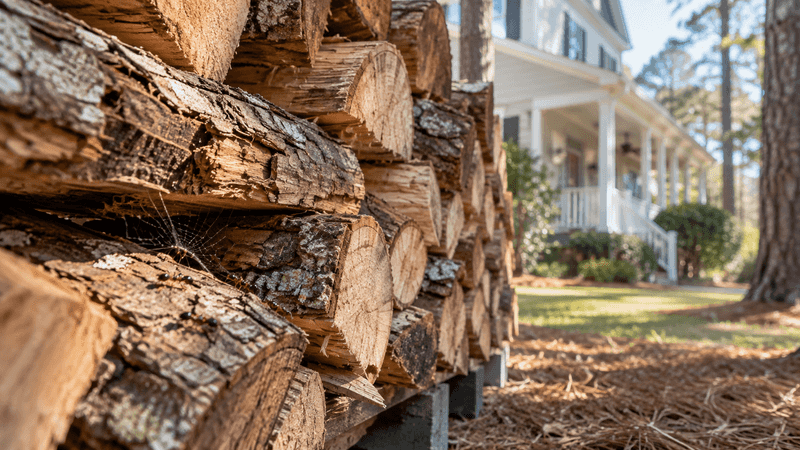
Firewood is a handy hiding spot, and spiders are among the creatures that may hide or overwinter in it. Purdue Extension’s firewood guide lists spiders with several other organisms, but it does not name which spider species.
So no one can fairly say black widows routinely overwinter in Kentucky woodpiles.
Most firewood hitchhikers are harmless, according to the same Purdue guide. A daddy longlegs or a small gray spider tucked under bark is not cause for alarm.
The goal is to avoid contact with the few that matter, not to fear every leg.
It also helps to separate two ideas. Many common house spiders are indoor-adapted species that live inside year-round, as the Burke Museum’s arachnology resource explains.
They are not outdoor spiders fleeing the cold.
Firewood is a different route. An outdoor animal can ride in on a log you carry through the door.
If a widow ever did, University of Kentucky cobweb spider information reminds us it is the one cobweb spider in the state with medically significant venom.
Inspect logs before carrying them inside

A short routine can make woodpile chores much safer. Start with sturdy work gloves, since NC State Extension’s spider guidance supports using gloves and avoiding bare-hand contact with spiders and webs.
Next, look before you reach. Shine a light into dark gaps, tilt logs rather than sliding your hand underneath, and watch for tangled silk or egg sacs.
A quick tap of each log against the ground outside can also shake loose anything that has settled in.
Inspect each piece before it crosses the threshold. Check the ends, the bark, and any cracks where a spider or other insect might tuck in.
Finally, bring in only what you will burn soon. UF/IFAS advice on keeping pests out of firewood backs this idea, since a smaller armload means fewer hitchhikers and less time indoors for any that remain.
None of this guarantees a log is pest-free. These steps simply lower the odds of contact with spiders and other pests.
Do not apply pesticides to firewood
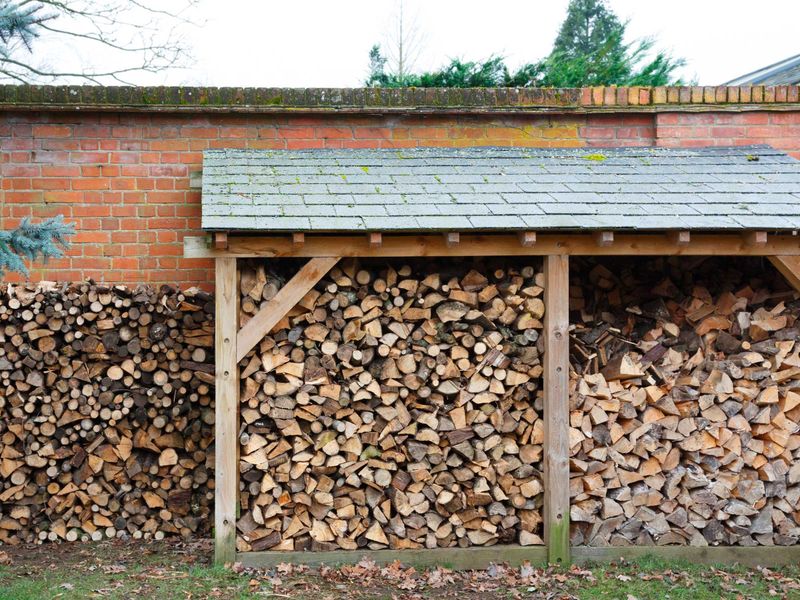
When people spot spiders in a woodpile, spraying can seem like a quick fix. Resist it.
Purdue Extension specifically advises against treating firewood with pesticides.
Wood that you plan to burn in your home is not a place for chemical treatment. Keep your advice to yourself simple: do not apply pesticides to firewood, whether you suspect spiders or other insects.
If a piece of wood is badly infested, there are two cited options. UF/IFAS recommends discarding it or burning it outdoors rather than treating it.
That is the full list for pest-infested wood here. Skip the sprays, wear your gloves, inspect each log, and set aside any piece that looks like trouble.
Call emergency services for whole-body symptoms
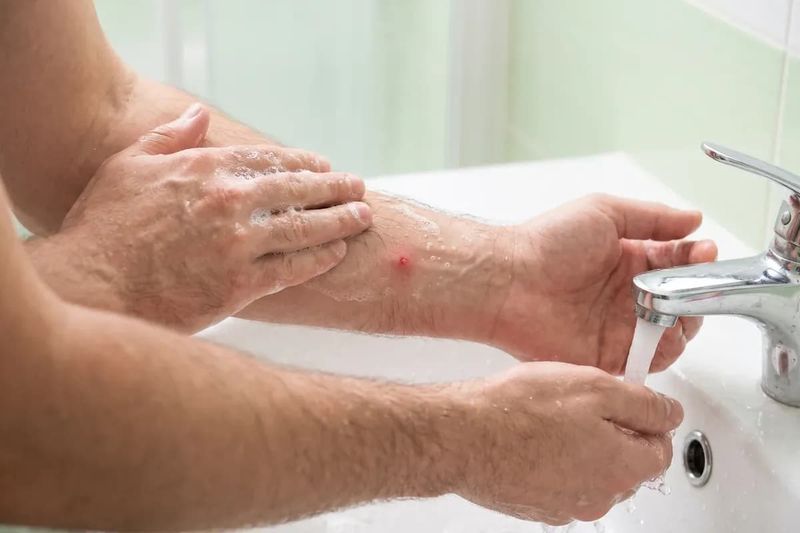
Even careful people can get bitten, so it helps to know what to do. You do not need to name the spider or read the mark.
A red spot, a web, or a glimpse of a spider cannot diagnose a widow bite.
Instead, follow your symptoms. The 2024 American Heart Association and American Red Cross first aid guidelines say black widow effects can be whole-body rather than just local, and that widow bites do not cause local tissue injury.
Seek medical care for severe or spreading pain, an open wound, or whole-body symptoms. Do not wait to see whether it passes if the pain keeps growing.
Call emergency services for difficulty breathing, muscle rigidity, dizziness, confusion, or other whole-body symptoms. Those signs need urgent help right away.
A spider on a log is usually just a spider. A gloved hand is the best first aid you can give yourself.
Share this story