
11 Easy Winter Garden Ideas for Absolute Beginners (No Greenhouse Required)
Winter doesn’t have to bring your garden to a complete stop.
For a first-time gardener, winter can look like the season when everything shuts down. Beds seem bare, daylight disappears early and frost suddenly becomes something you’re expected to understand. It’s easy to assume that growing through winter means buying a greenhouse or learning a long list of specialist techniques. You can ignore most of that. A useful first winter garden can be tiny, close to the house and made from things you may already have.
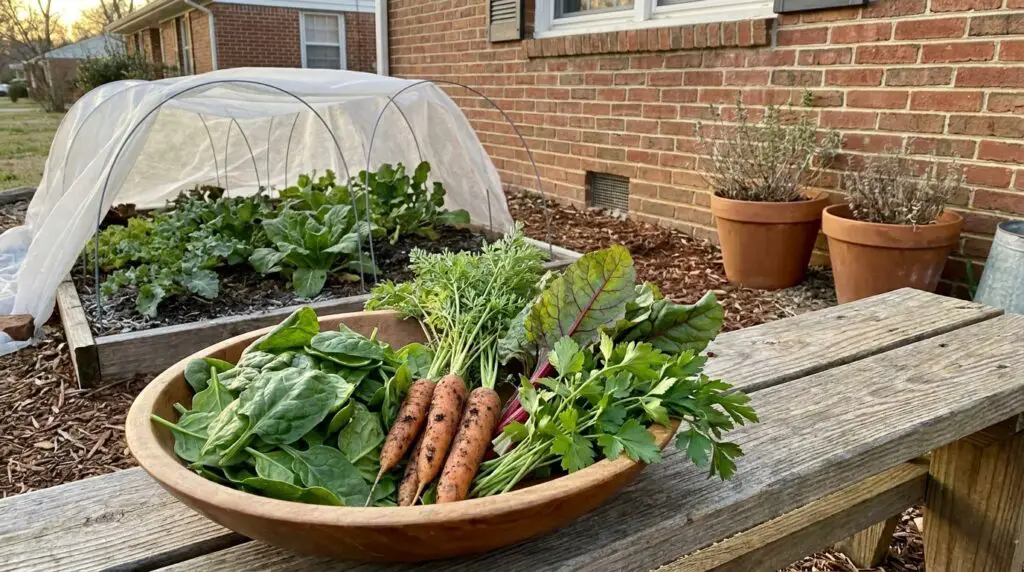
The easiest way to begin is to stop thinking of a winter garden as a smaller version of summer. Cold-weather gardening works better when you choose a few hardy crops, use sheltered spots and protect only what needs protecting. One raised bed, several pots and a strip of fleece can give you plenty to work with. You’ll learn more from that small setup than you will from filling every empty patch and then trying to keep it all alive.
Winter Gardening for Beginners Works Better When You Start Small
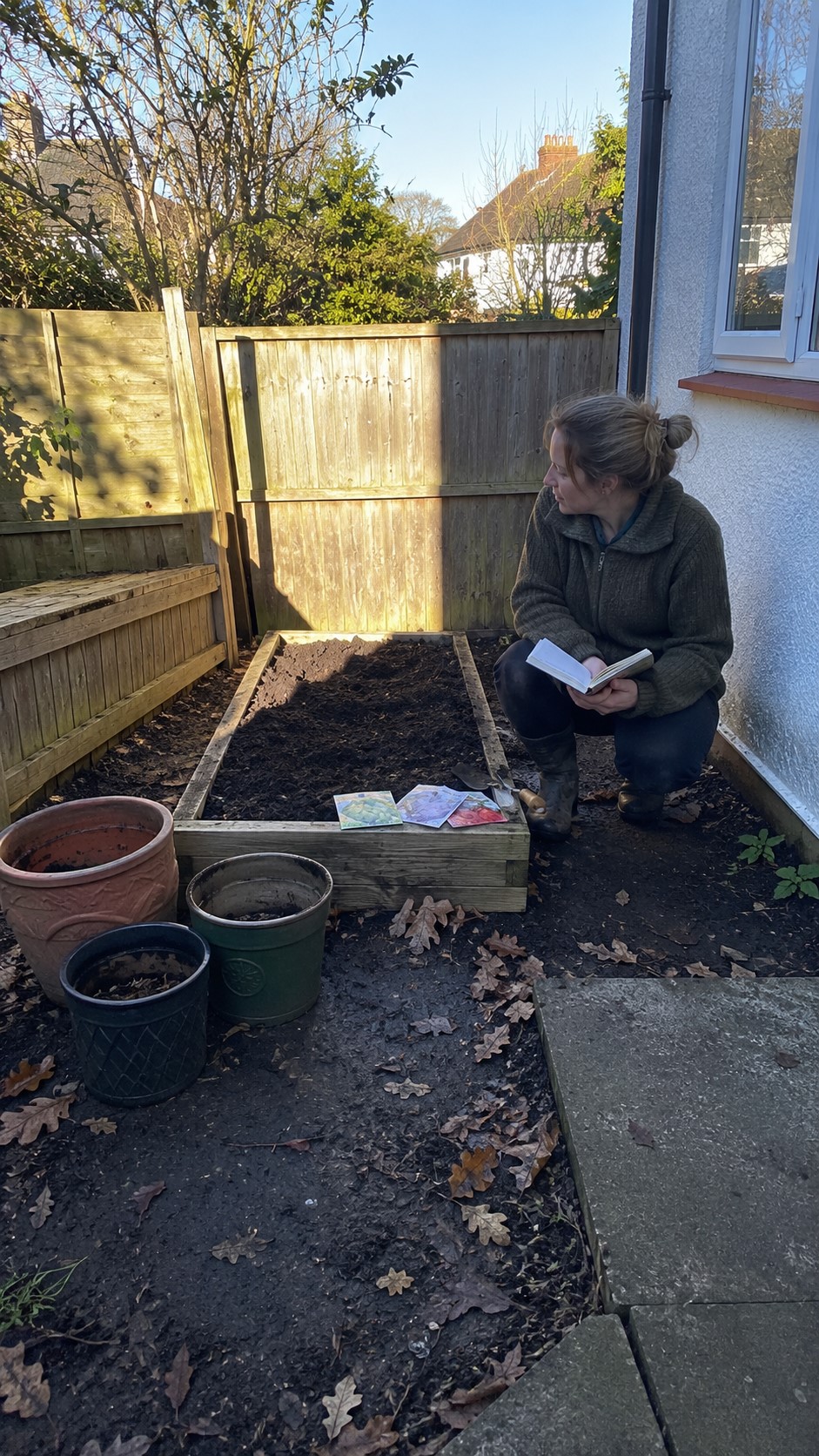
A big vegetable plot can feel productive in spring, but winter changes the pace. Plants grow more slowly, wet soil stays wet for longer and a week of poor weather can leave you staring through the window rather than checking twenty different crops. For beginners, a smaller growing area is easier to manage and much easier to protect when frost arrives.
Start by finding the sunniest part of your garden. A spot near the house, a wall or a fence can be useful because it may get some shelter from cold wind. Avoid places where water sits after rain. Winter roots dislike soggy soil, and containers can become waterlogged fast. Once you’ve found one or two suitable spots, build your winter garden around them rather than spreading plants across the whole yard.
Easy Winter Garden Ideas You Can Try Without a Greenhouse
These easy winter garden ideas are designed for ordinary backyards, patios and small growing spaces. Some suit raised beds while others need little more than a pot and a protected corner. There’s no need to tackle all eleven during your first winter. Choose two or three that fit your garden, your climate and the vegetables you actually enjoy eating.
1. Start a Winter Vegetable Garden With One Small Raised Bed
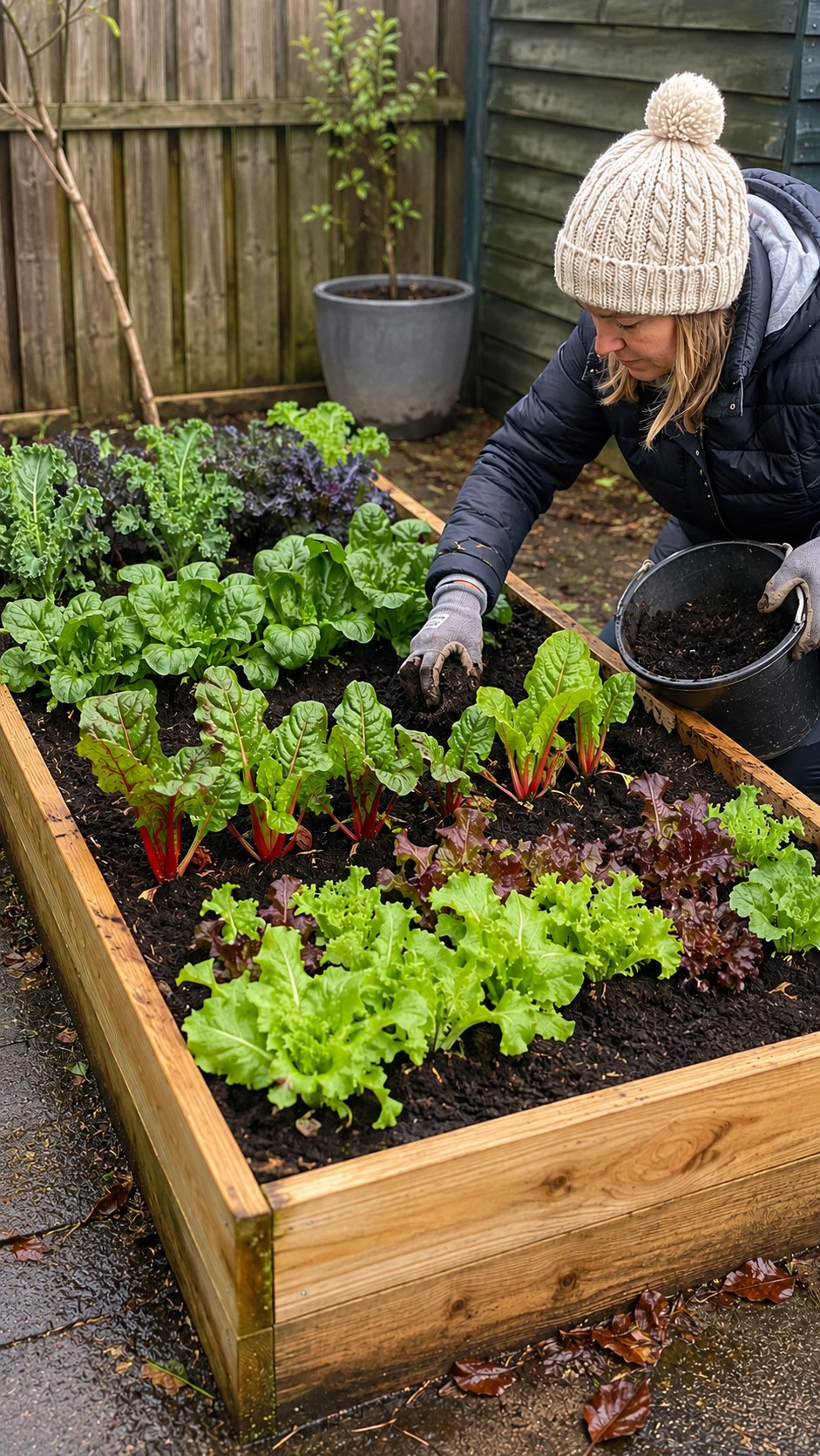
One raised bed gives you enough room to grow several winter crops without turning gardening into another weekly chore. Clear out finished summer plants, remove persistent weeds and add some compost before planting. Spinach, chard, kale and hardy salad leaves can all work well in a beginner winter vegetable garden. Leave a little space between plants because damp leaves dry more slowly during colder weather. A compact bed is also easy to protect. If frost is forecast, one sheet of horticultural fleece can cover the whole growing area rather than leaving you rushing around the garden trying to protect scattered plants.
2. Grow Easy Winter Vegetables in Pots Near the House
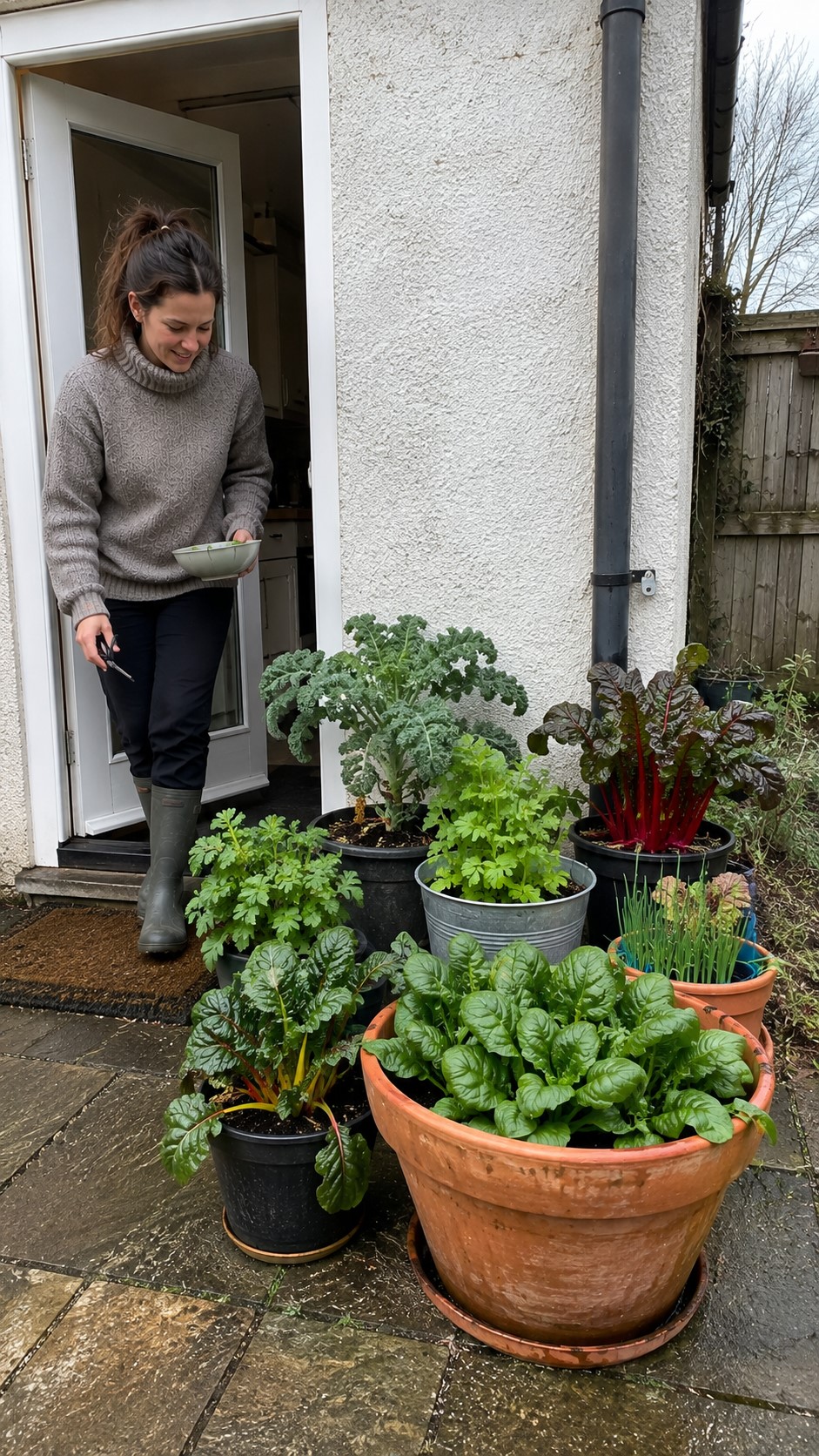
Pots are one of the easiest ways to grow winter vegetables because you can keep everything within reach. Put containers beside a back door, along a bright wall or on a sheltered patio where you’ll see them often. Spinach, parsley, spring onions, chard and compact kale are good candidates. Choose containers with drainage holes and raise them slightly if rainwater collects underneath. Winter pots rarely need the same amount of watering as summer containers, so feel the compost before adding more. Cold, soggy roots can cause far more trouble than missing the occasional watering, especially during a run of wet weather.
3. Turn a Sheltered Corner Into a Simple Winter Garden
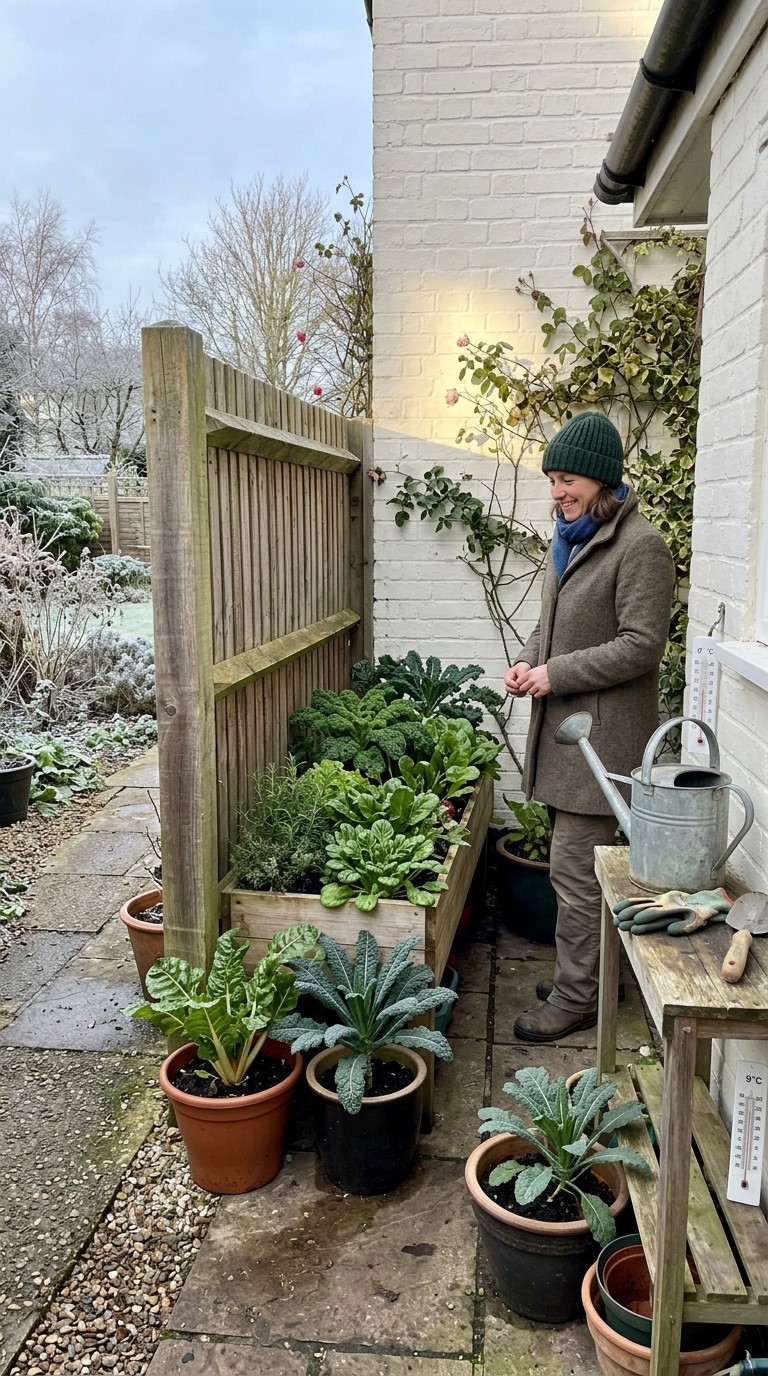
Walk around your garden on a cold morning and notice which areas feel less exposed. A wall catching winter sun, a fenced corner out of the wind or the space beside a shed may be warmer than the middle of an open lawn. That small difference can give you a useful winter growing area. Put a few containers there or use the space for hardy herbs and leafy vegetables. For beginners, learning to spot these little pockets is useful because the best place for vegetables can change with the season. A sunny summer bed isn’t always the most comfortable home for plants during cold, wet winter weather.
4. Choose Cold Hardy Vegetables Instead of Fighting Winter Weather
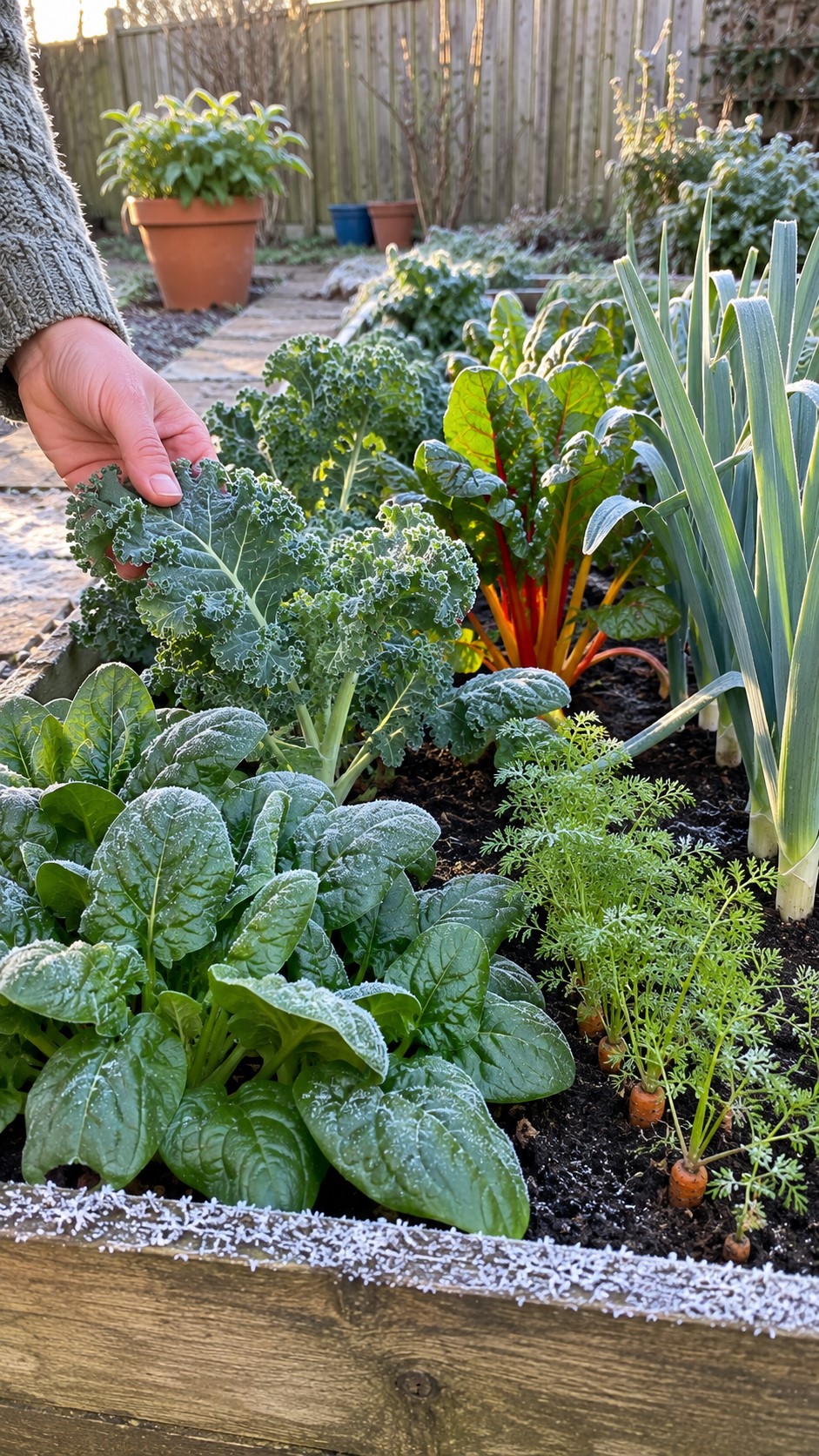
Winter gardening becomes much easier when the plants already cope well with colder conditions. Tomatoes, cucumbers and peppers belong to warmer weather in most climates, and keeping them alive through winter can turn into far more work than a beginner needs. Kale, spinach, chard, leeks and some hardy lettuces are better choices. Carrots and other root crops can also form part of a winter garden when they’re planted at the right time. Broad beans may suit autumn or winter sowing in milder areas. Check planting times for your region because temperatures vary, then choose crops suited to the season rather than spending months protecting plants that prefer summer.
5. Add Simple Frost Protection for Winter Garden Plants
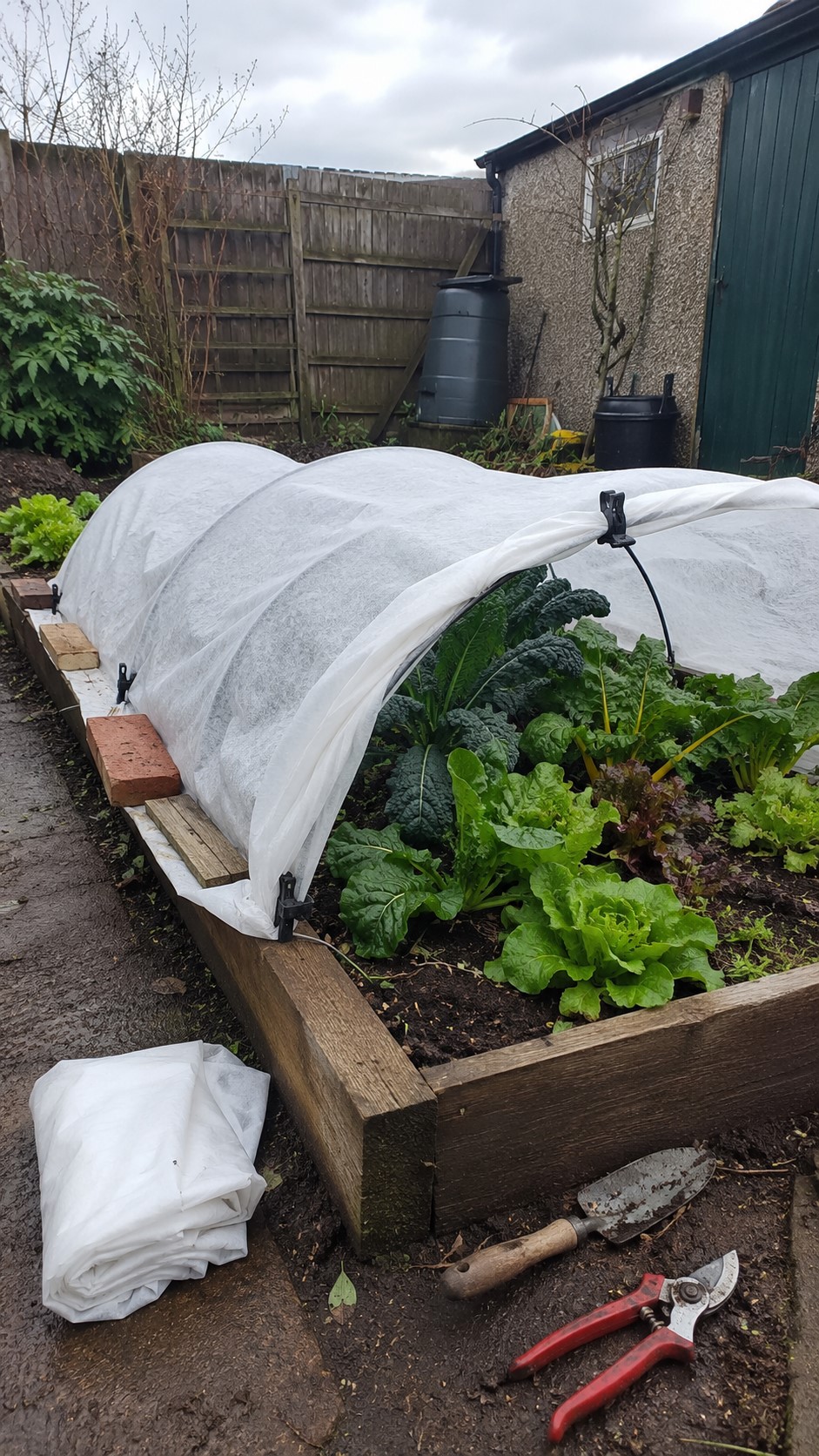
A greenhouse isn’t the only way to protect vegetables when temperatures drop. Horticultural fleece is light, inexpensive and easy to store when you’re finished with it. Lay it over low plants or support it on simple hoops so the fabric sits above the leaves. Secure the edges with clips, boards or stones because winter wind can lift a loose cover surprisingly fast. An old sheet can also provide emergency overnight protection for pots during a brief cold snap. Check underneath covers during milder weather and remove or lift them when necessary. The goal is to give hardy plants a little extra protection, not seal them away for the whole winter.
6. Try Winter Container Gardening With Salad Leaves
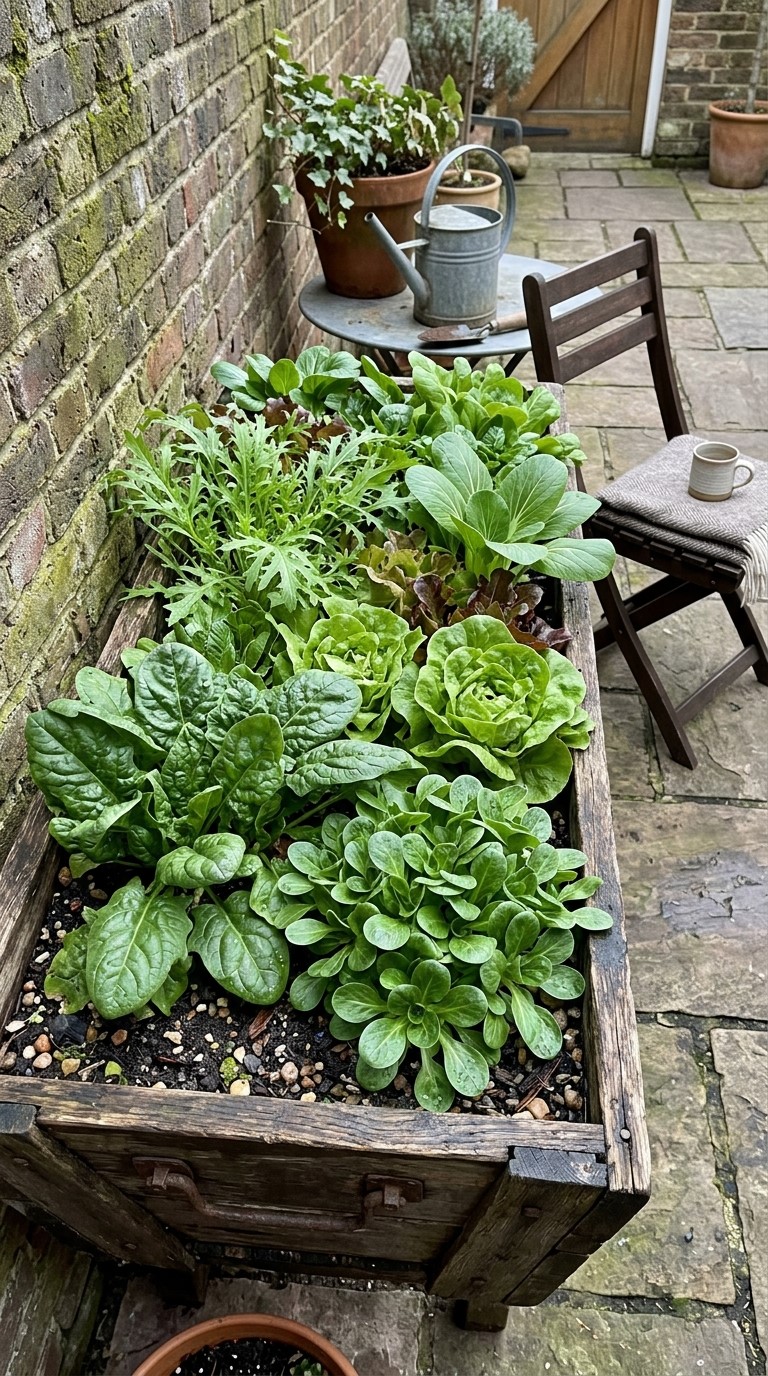
A wide pot, trough or window box can become a small winter salad garden without taking over your patio. Spinach, lamb’s lettuce, hardy lettuce and some Asian greens can handle cooler conditions, while rocket may also work where winters are milder. Growth will usually be slower than it is in spring, so don’t expect a container to refill itself overnight after harvesting. Once plants are established, pick a few outer leaves and leave the center growing. For an absolute beginner, this is one of the most satisfying winter container gardening projects because even a modest pot can provide something fresh for the kitchen without requiring much space.
7. Grow Winter Herbs Close to the Kitchen Door
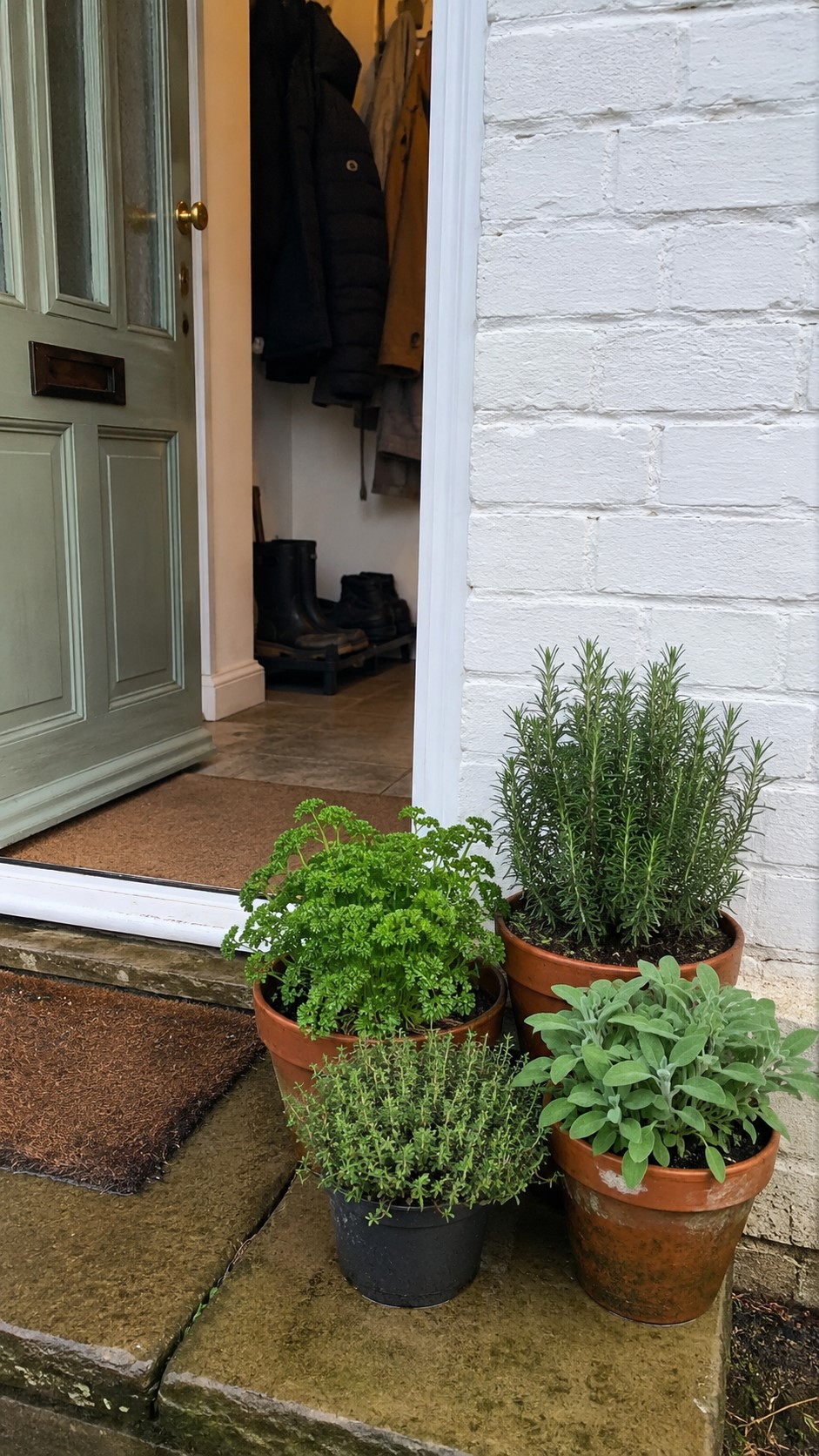
Herbs are easy to overlook when planning a winter garden, yet some can cope well with cool conditions. Parsley, thyme, rosemary and sage are useful options, although their tolerance of winter weather depends on your climate. Keep pots near the kitchen door or another easy-to-reach spot. You’re much more likely to snip herbs for dinner if you don’t have to cross a wet lawn in the dark to get them. Drainage matters, especially for rosemary and thyme, which dislike sitting in wet compost. A bright sheltered wall or partly covered patio can give winter herbs protection from heavy rain while keeping them close enough to use.
8. Use a Cold Frame for Beginner Winter Gardening
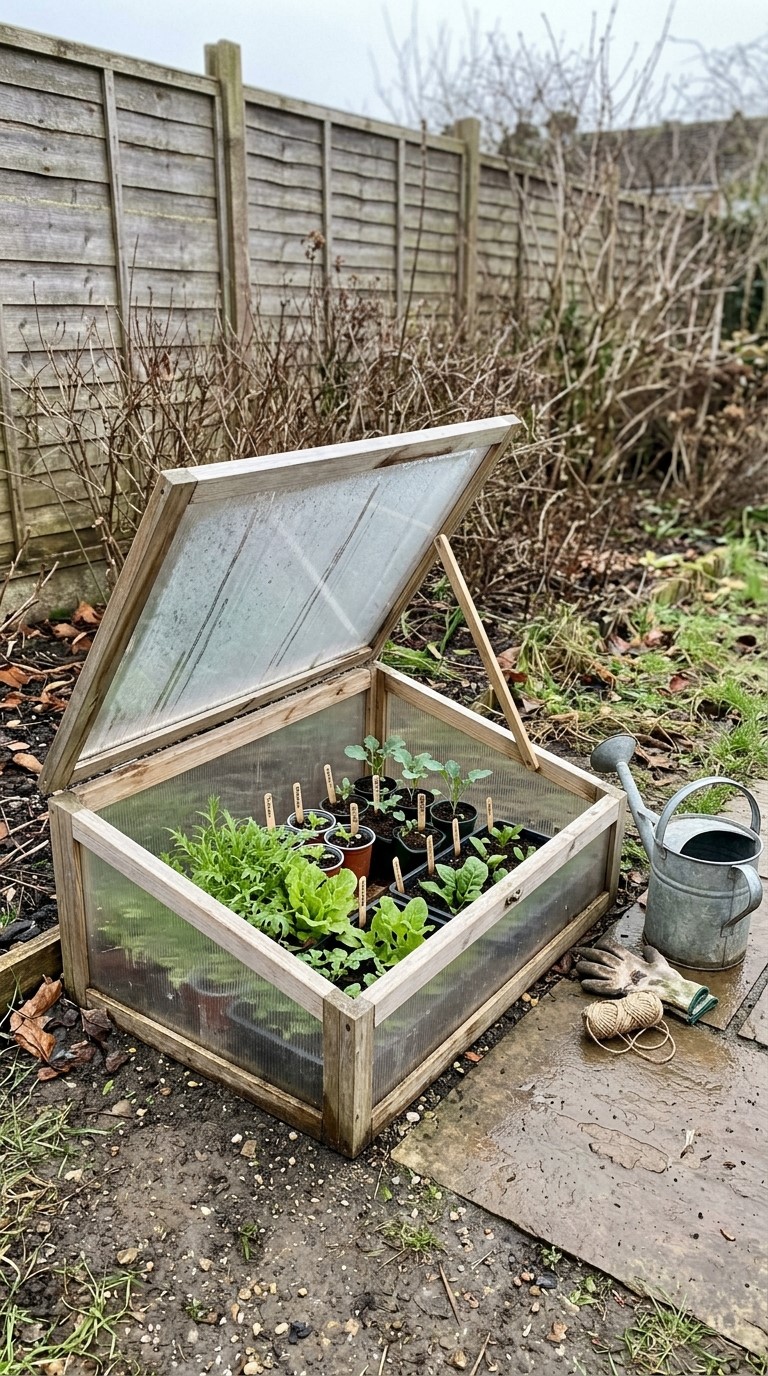
A cold frame gives beginner winter gardening a little more protection without requiring a full greenhouse. It’s a low box with a clear lid that lets light reach the plants while shielding them from some wind, rain and cold weather. You can use one for salad leaves, young hardy vegetables, seedlings or several small pots. Ready-made cold frames are widely available, but simple DIY versions can be built from timber with a clear polycarbonate lid or an old window. Make sure the top can open. Even on a winter day, bright sunshine can warm the inside, so plants still need fresh air and occasional checks rather than being shut away for weeks.
9. Build a Small Winter Garden Around Carrots and Root Crops
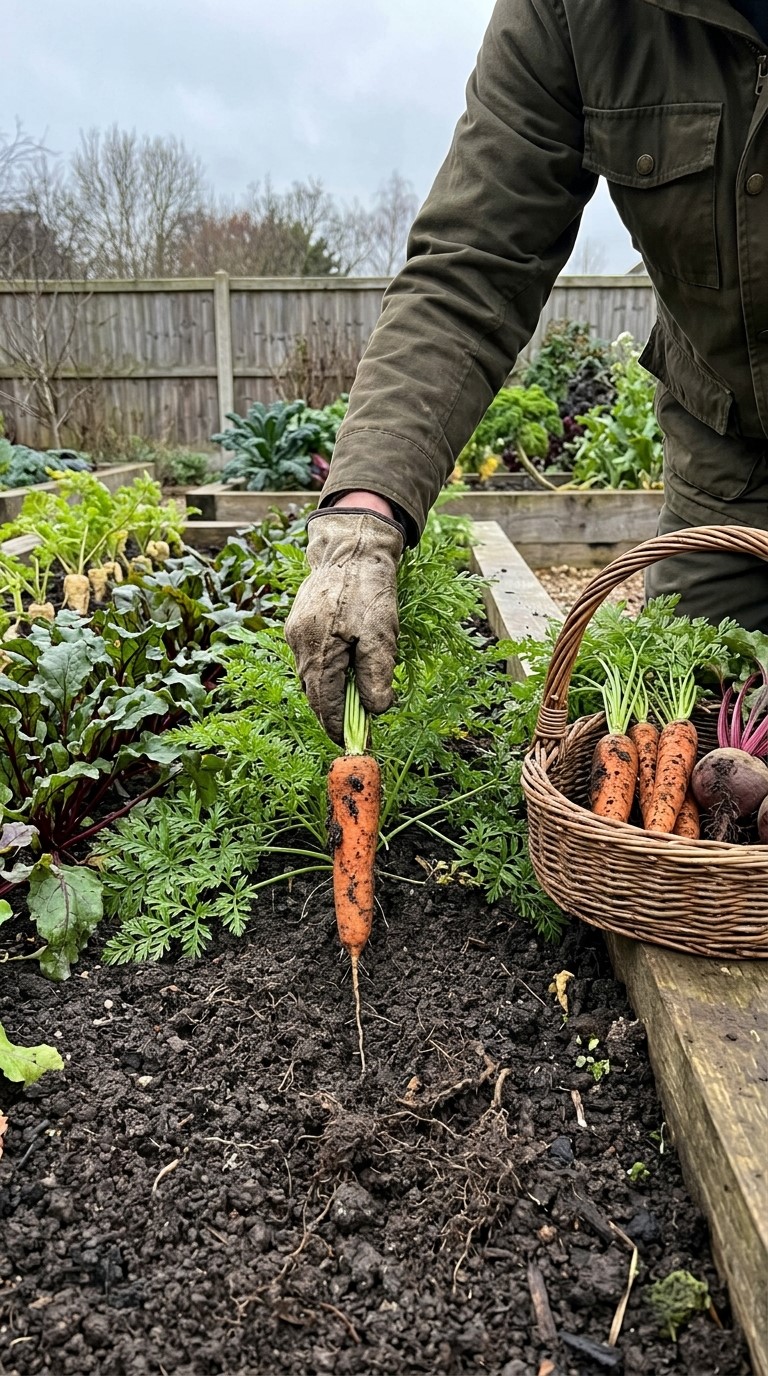
Leafy vegetables get plenty of attention during winter, but root crops can give a small winter garden a different type of harvest. Carrots, beetroot, parsnips and similar vegetables may remain in the ground into colder months, depending on local temperatures and when they were planted. This does require a little forward planning because many winter root crops are sown before winter arrives, then left to mature or hold in the soil for later harvesting. If you’ve started your garden too late this year, make a note of the crops you’d like next winter. That gives you a useful planting list when late summer and autumn come around again.
10. Protect a Winter Raised Bed With Low Hoops
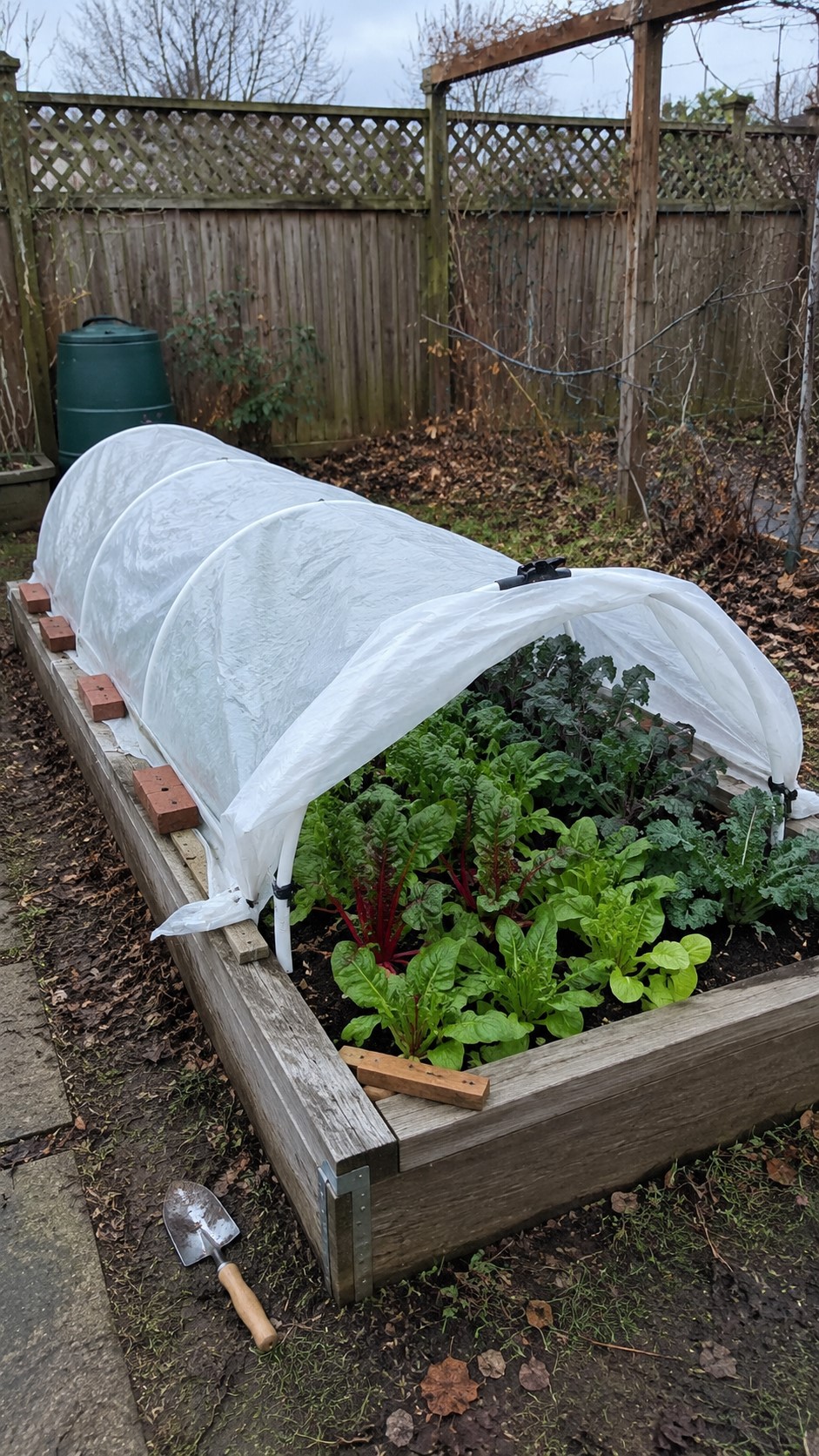
Low hoops can give an ordinary winter raised bed extra protection without filling the garden with a large permanent structure. Flexible hoops fit across the bed and support horticultural fleece or another suitable garden cover above the plants. It’s a simple setup, and one cover can protect several vegetables at once. Secure the material along the edges, especially if your garden gets strong winter winds, and leave yourself an easy way to lift it when you need access. Check plants after heavy rain or a spell of damp weather. A covered raised bed still needs airflow and occasional attention, even when the vegetables underneath appear well protected.
11. Create a Small Winter Harvest Garden You’ll Actually Use
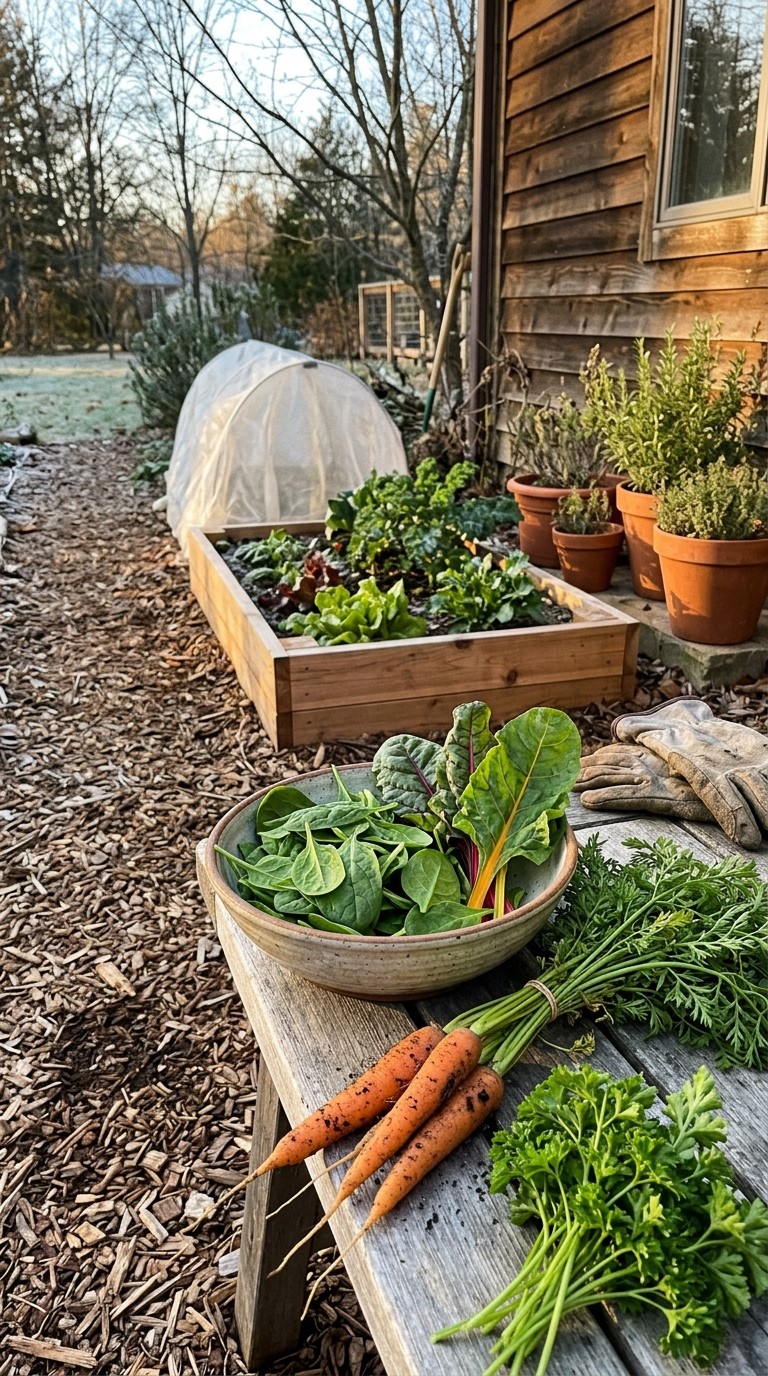
A winter harvest garden is much easier to care for when it contains vegetables and herbs you already eat. There’s little point filling a bed with kale if nobody in the house likes it. You might grow spinach for cooking, parsley beside the door, carrots in a small raised bed and hardy lettuce in a container. That’s enough for a first winter. You’ll still learn how plants respond to frost, drainage, slower growth and shorter days without giving yourself a dozen crops to manage. If something performs well and disappears quickly into the kitchen, give it more space next year. Crops nobody touches can make way for something more useful.
Simple Winter Gardening Jobs That Keep Beginner Gardens Going
Winter gardening usually asks for less frequent work than summer, but the jobs change. After frost, strong wind or heavy rain, check your small growing area for displaced fleece, leaning hoops, exposed roots and containers sitting in water. You don’t need to hover over the plants every day. A quick check after rough weather is often enough to catch problems while they’re still easy to fix.
Watering also needs a different approach. Pots beside walls or under covers can dry out, but open beds may stay wet for days. Clear fallen leaves if they begin matting over small vegetables because winter plants already have limited light. Those leaves don’t need to be thrown away. Add them to your compost heap or collect them to make leaf mould.
Check Winter Vegetables After Frost, Wind and Heavy Rain
A short inspection after bad weather can save you plenty of frustration. Refasten covers, stand fallen pots upright and remove heavy debris from young plants. Frost sometimes lifts shallow-rooted plants slightly out of the soil, so press the earth back around them if necessary. Don’t worry about every brown edge or damaged leaf. Winter vegetables often look rougher than the same plants grown in spring. Remove leaves that have collapsed into wet mush, but leave sound growth alone. Your plants don’t need to look perfect. They just need enough healthy growth to keep going through the colder weeks.
Water a Winter Garden Less Often and Check the Soil First
Winter watering catches many beginners out because dry-looking soil can still be damp underneath. Push a finger a few centimeters into the compost before reaching for the watering can. If the soil still feels moist, leave it and check again another day. When plants do need water, aim at the soil rather than soaking the leaves and choose a milder part of the day where possible. Raised beds with good drainage may need water during dry spells, particularly when they’re covered. Watch the soil rather than following a fixed schedule. Plants use water more slowly in cold weather, and repeated watering can leave their roots sitting in saturated ground.
Keep Winter Garden Plants Clear of Fallen Leaves
Fallen leaves have plenty of uses, but a thick wet layer over small winter vegetables can become a problem. Light levels are already limited, so spinach, lettuce and young herbs don’t benefit from being buried under damp leaves. Clear them away from the crowns of plants and remove any that are weighing down fleece. You can bag the leaves to make leaf mould or add them to your compost pile with other garden material. It’s a small job, but it also gives you a reason to look closely at your crops and spot loose covers, damaged leaves or other problems before they get worse.
What Absolute Beginners Should Grow in Their First Winter Garden
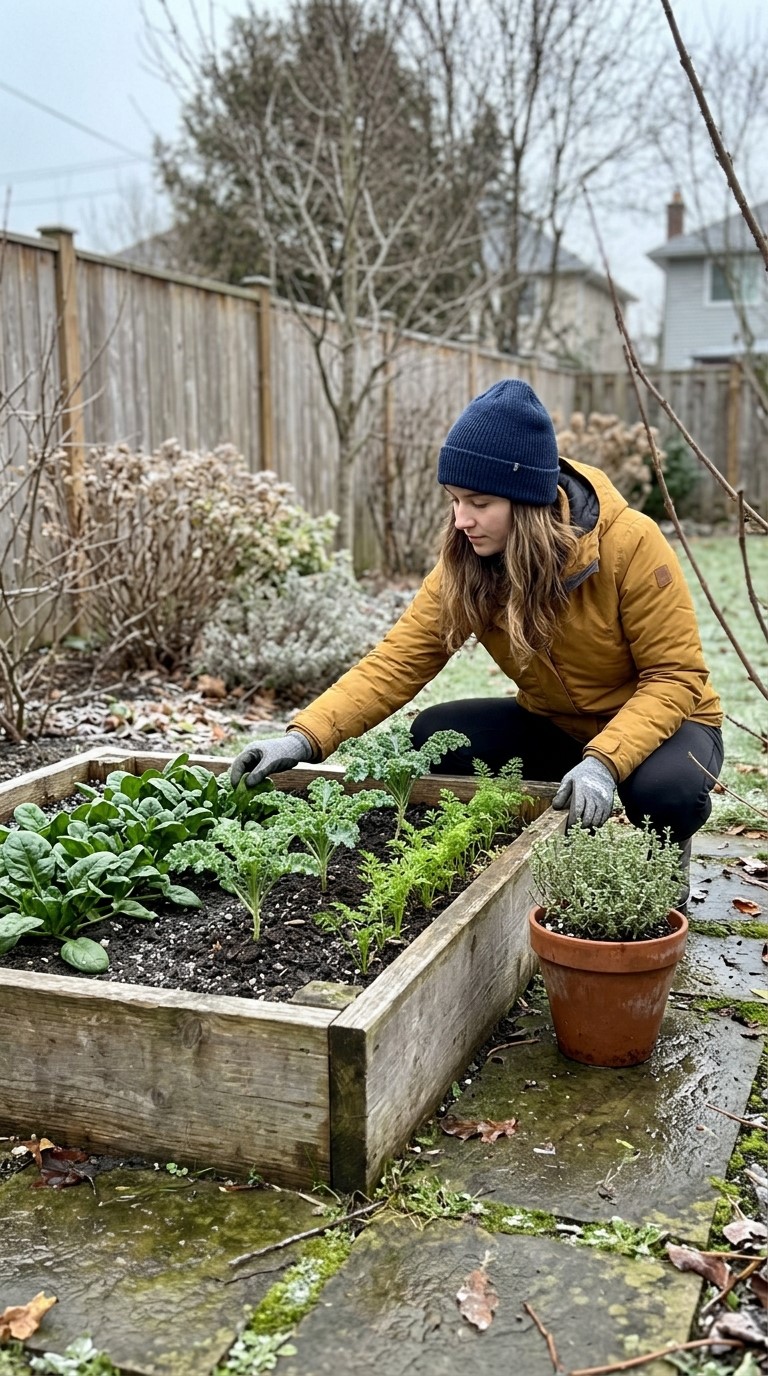
If you’re unsure what to plant, choose three or four crops rather than ten. Spinach or hardy lettuce can give you leaves for regular picking. Kale or chard provides a larger plant that can stay in the bed for longer, while carrots or another suitable root crop adds something different. Keep parsley, thyme or another hardy herb near the kitchen if you have space.
This small mix lets you see how different plants behave without filling every available bed. You may find spinach performs well beside a sheltered wall while another crop prefers the raised bed. Make a few notes as winter passes. Your own observations will tell you far more about that particular garden than an oversized planting plan built around somebody else’s conditions.
Your First Winter Garden Can Be Surprisingly Small
A few pots beside the house, one raised bed and a simple cover can be enough to change how you think about winter gardening. You don’t need a greenhouse to learn how plants respond to frost, wet soil, short days and sheltered positions. Keeping the first setup small also means a bad patch of weather stays manageable rather than turning into a garden full of problems.
Pay attention to the parts of your yard that remain bright, protected and reasonably dry during the colder months. Those spots may become some of your most useful growing areas. By spring, you’ll know more about where water gathers, where winter sun reaches and which vegetables cope best with your conditions. And next winter, you can build on what worked instead of starting again from scratch.
