A New York winter can test any fireplace or wood stove, from the Adirondacks to the Hudson Valley. The wood you stack on your porch decides whether your living room feels toasty or just smoky.
Some trees pack a huge amount of heat into every log, while others burn fast, spit sparks, or even make people sick. Here are seven local firewoods worth hauling home and three you should leave in the woodpile.
1. Shagbark Hickory
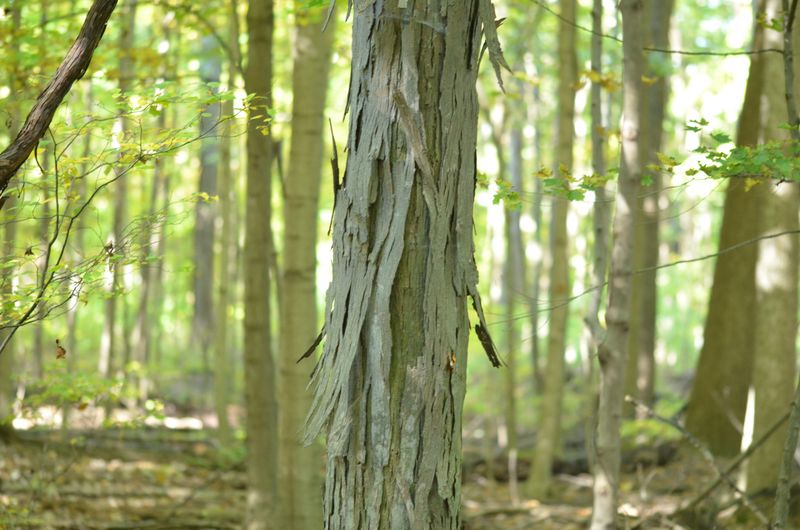
Ask any old-timer in the Finger Lakes what wood they save for the coldest January night, and you will probably hear one word: hickory. Shagbark hickory puts out roughly 27 to 28 million BTUs per cord, which puts it near the very top of what grows in New York.
The heat is only half the story. Hickory burns long, leaves glowing coals that last for hours, and gives off a sweet smell that reminds people of barbecue smoke.
You can load the stove before bed and still find embers in the morning.
The catch is that hickory is tough to split and needs a full year or more to dry. Plan ahead, stack it off the ground, and you will be rewarded with the best fire on the block.
2. Sugar Maple
Long before it became famous for pancake syrup, sugar maple was keeping farm families warm across the Empire State. It is one of the most common hardwoods here, so finding a cord is rarely a problem.
Hard maple delivers around 24 to 25 million BTUs per cord. It lights reliably, burns at a steady pace, and does not throw many sparks, which makes it friendly for open fireplaces.
Fun fact: New York is the second biggest maple syrup producer in the country, behind only Vermont. Trees that are past their sap years or fall in storms often end up as firewood, so you are getting a hardworking tree with one more job to do.
3. Red Oak
Patience is the price of admission with red oak. Fresh-cut oak can hold so much water that it hisses and sulks in the stove, and it often needs two full summers of drying before it shines.
Once it is ready, though, oak is a powerhouse. Expect about 24 million BTUs per cord and a slow, even burn that holds heat through long nights.
Oak is everywhere in the Hudson Valley and lower parts of the state, so it is usually affordable. A smart trick is to buy oak a year early and burn faster woods while it seasons.
Your future self will thank you in February.
4. White Ash
Here is a wood that breaks the usual rules. Most firewood needs a long time to dry, but white ash starts out with low moisture, so it can be burnable within a few months of splitting.
That makes ash a lifesaver if you forgot to stock up early. It splits cleanly, lights easily, and gives about 24 million BTUs per cord with very little smoke.
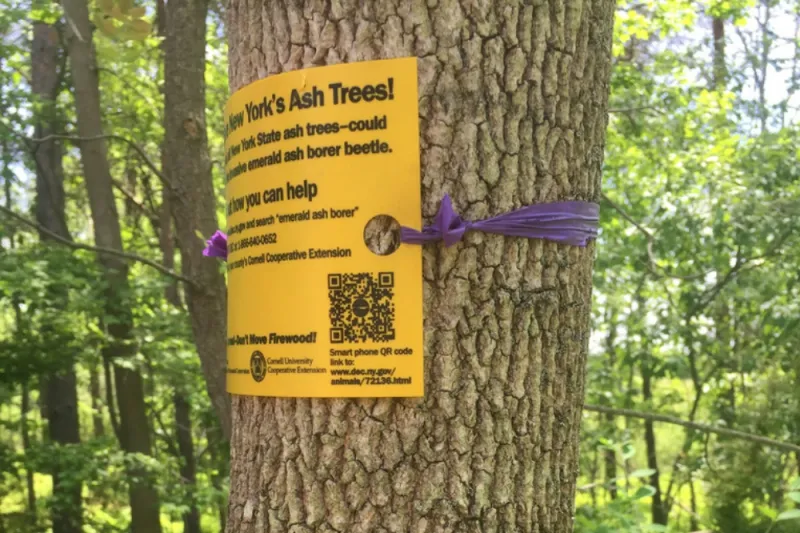
Sadly, there is a reason ash is so easy to find right now. The emerald ash borer, a small green beetle, has killed huge numbers of ash trees in New York.
Burn ash locally, and never move it long distances, since New York law limits moving untreated firewood more than 50 miles to slow pests like this one.
5. American Beech
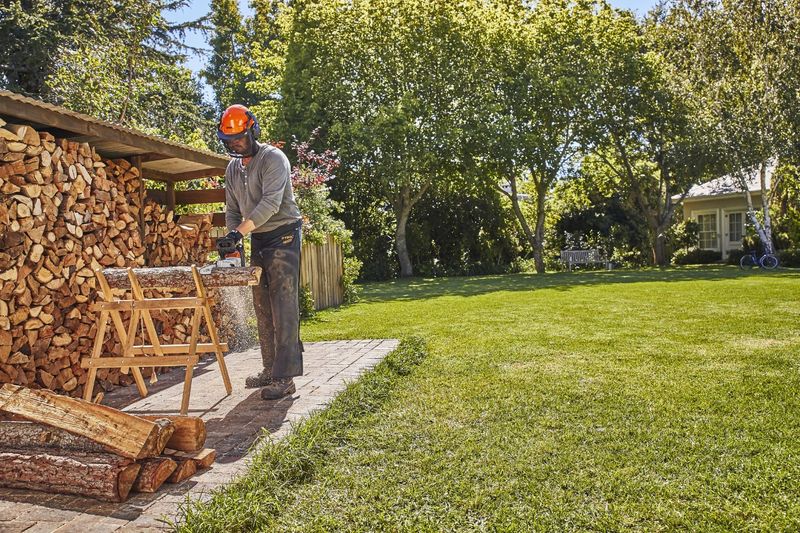
Walk through almost any Adirondack forest and you will spot the smooth gray trunks of beech trees. Many are struggling with beech bark disease and beech leaf disease, which means plenty of downed beech is available for the woodpile.
Beech burns hot and clean, landing around 24 million BTUs per cord. The flames are bright, and the coals hold well, making it a cozy choice for a cabin stove.
Give it at least a year to dry, because green beech holds a lot of water. It can also be a bit stubborn to split, so a good maul helps.
6. Black Locust
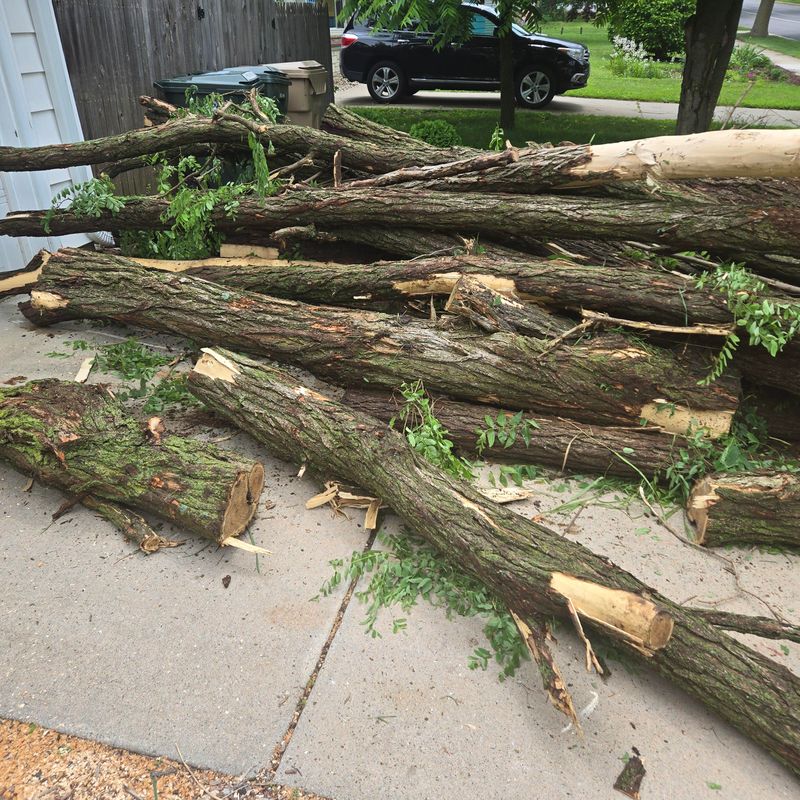
Think of black locust as the heavyweight champion nobody talks about. At around 26 to 27 million BTUs per cord, it rivals hickory and beats oak.
Locust wood is so dense and rot resistant that farmers have used it for fence posts that last decades. In the stove, it burns slow and fierce.
Just be careful. Locust burns so hot that you should mix it with other woods to avoid overheating your stove, and it can pop now and then.
Use a screen with open fireplaces and enjoy one of the hardest working logs around.
7. Yellow Birch
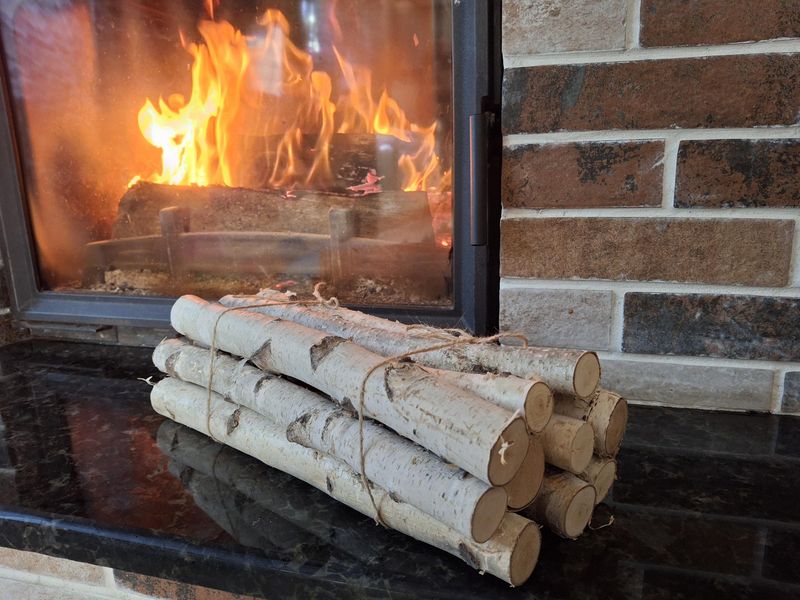
Scratch a twig of yellow birch and you will smell wintergreen, a little surprise hidden in one of New York’s handsome northern trees. Its golden, curly bark also makes a great natural fire starter.
Yellow birch offers about 21 to 22 million BTUs per cord. That is a bit lower than oak or hickory, but it lights fast and burns with a cheerful, steady flame.
Birch bark traps moisture, so split the logs soon after cutting or they can rot from the inside. Stored right, birch is perfect for getting a fire roaring quickly on a chilly Catskills evening.
8. Eastern White Pine (Don’t Burn Indoors)
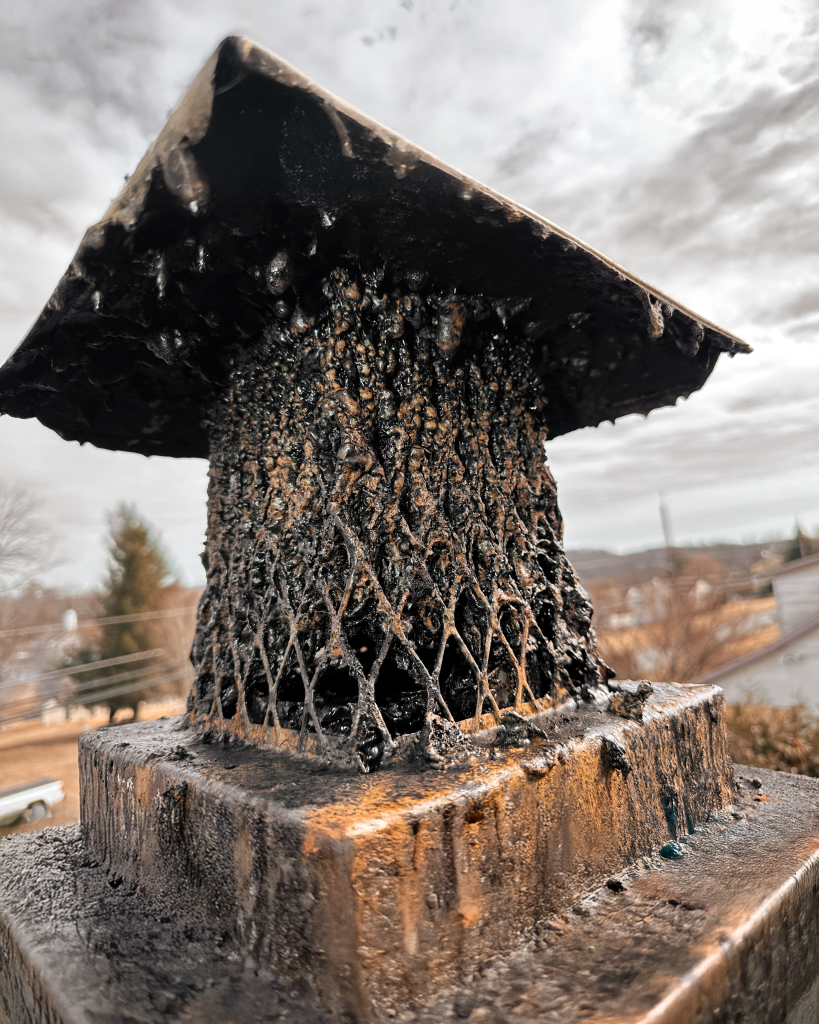
Pine smells wonderful at a summer campfire, but inside your home it is a different story. White pine is soft, light, and full of resin.
That resin produces lots of smoke and helps build creosote, a sticky, black buildup in your chimney. Too much creosote can catch fire, and chimney fires are a real danger in older New York homes.
Pine also burns out fast, giving only about 15 million BTUs per cord. A few dry pieces as kindling are fine, but do not make it your main fuel.
9. Poison Ivy-Covered Wood
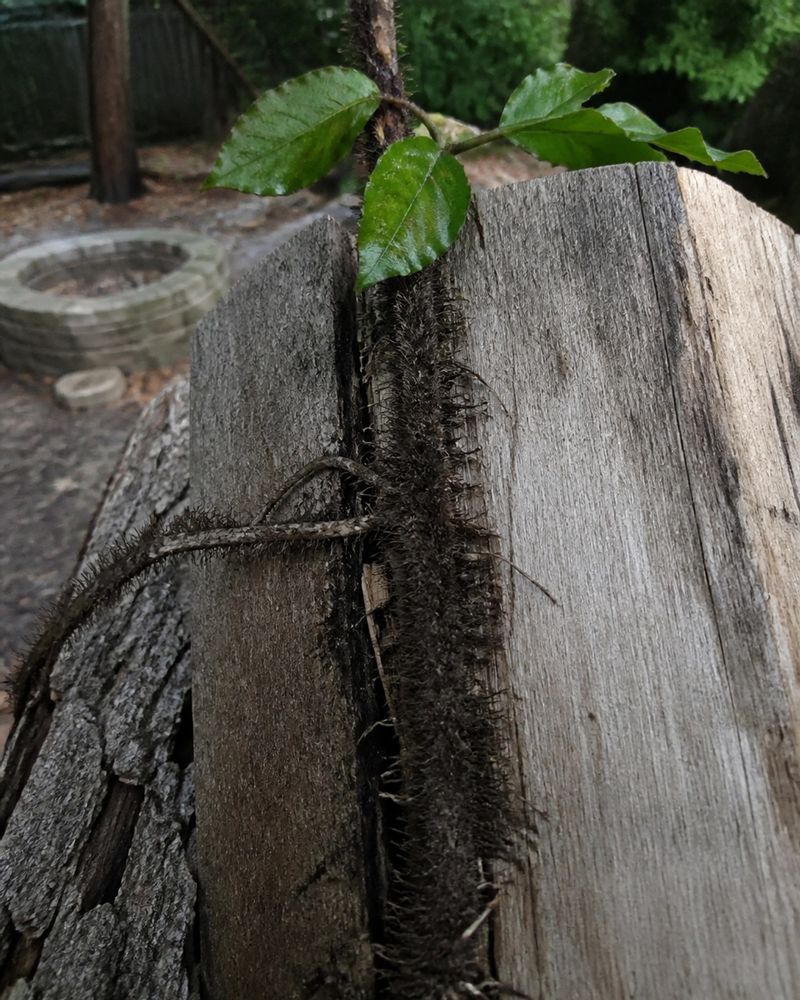
Picture a perfect-looking log, except it is wrapped in hairy vines. Those vines might be poison ivy, which is common across New York.
Burning poison ivy releases urushiol, the oil that causes the itchy rash, into the smoke. Breathing that smoke can irritate your lungs and cause serious health problems.
Check every log before it goes in the stove, even in winter when leaves are gone. If you see fuzzy, rope-like vines clinging to the bark, set that log aside and leave it to rot in the woods.
10. Painted or Treated Lumber
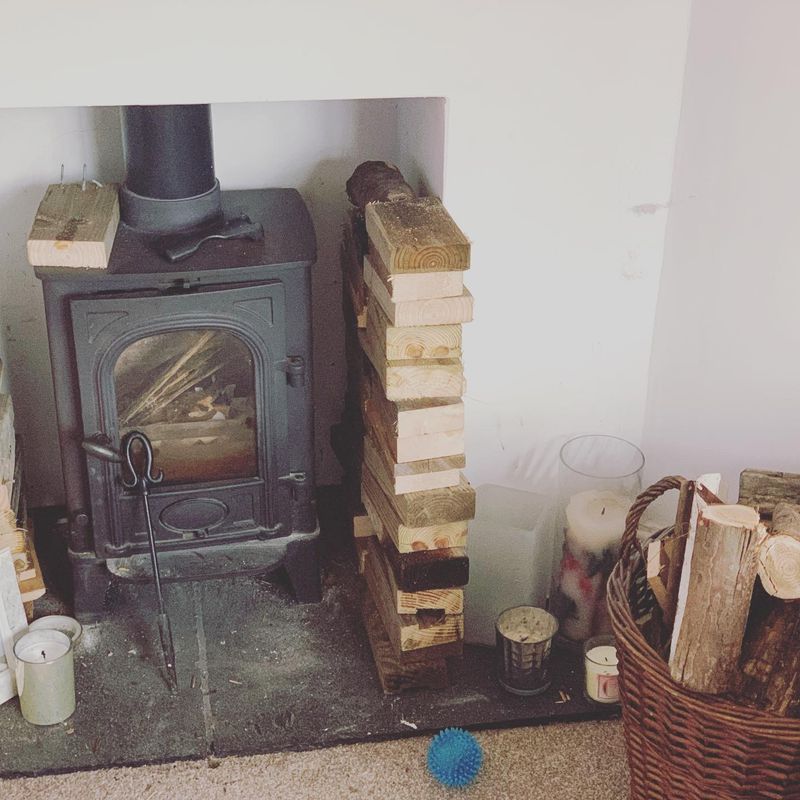
Old deck boards and leftover building scraps can seem like free fuel. Unfortunately, they are some of the worst things you can burn.
Pressure-treated wood may contain chemicals like arsenic, and old paint can contain lead. When burned, these release toxic fumes into your home and your neighborhood.
New York rules also ban burning treated or painted wood.
The best winter fire comes from plain, seasoned hardwood. Take scrap lumber to a local transfer station, keep your woodpile clean, and enjoy a warmer, safer season.
Share this story