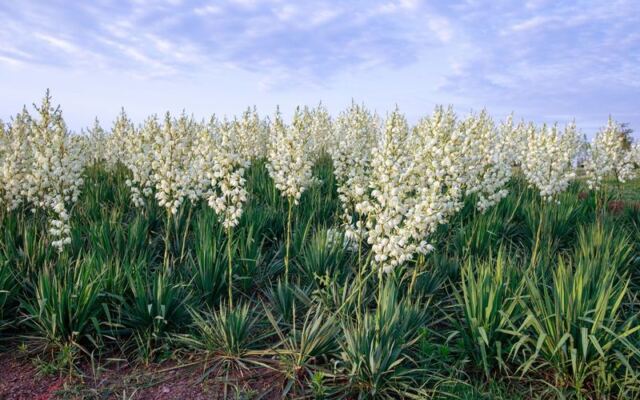
One summer morning, a spiky yucca that sat quietly by the mailbox can suddenly send up a tall pole taller than a doorway. Many Kentucky gardeners see it and wonder if something is wrong.
The answer depends on which yucca you have, and what you do next is mostly up to you. Here is what that stalk is, what it may do next, and how to cut it safely if you want it gone.
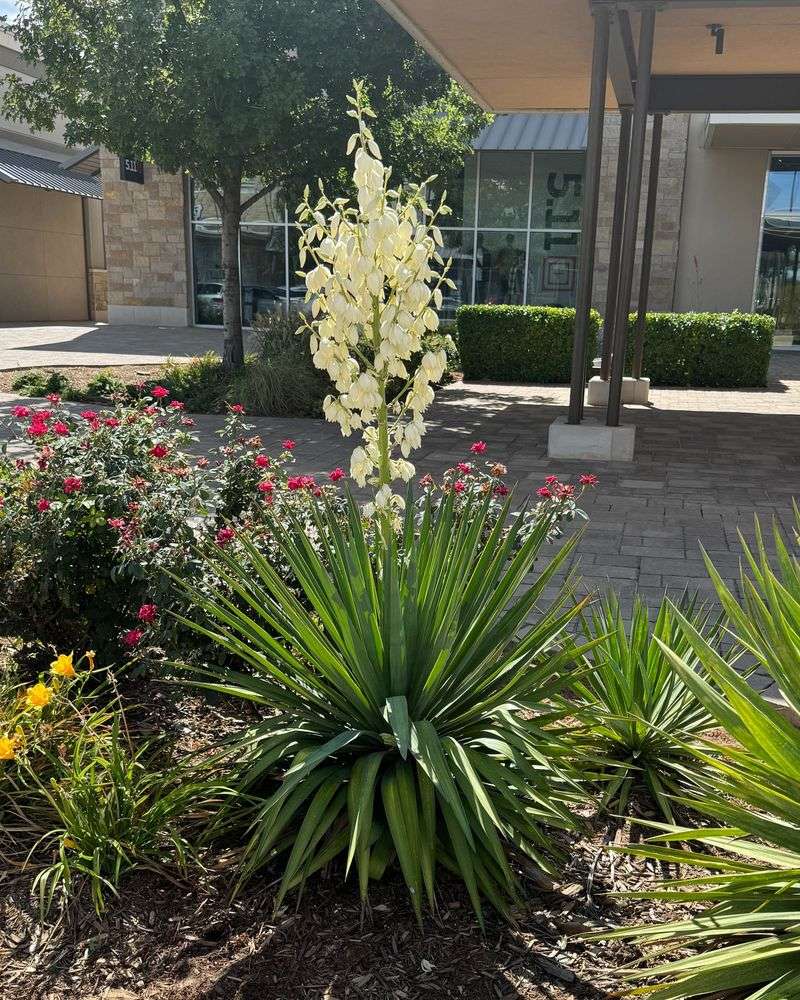
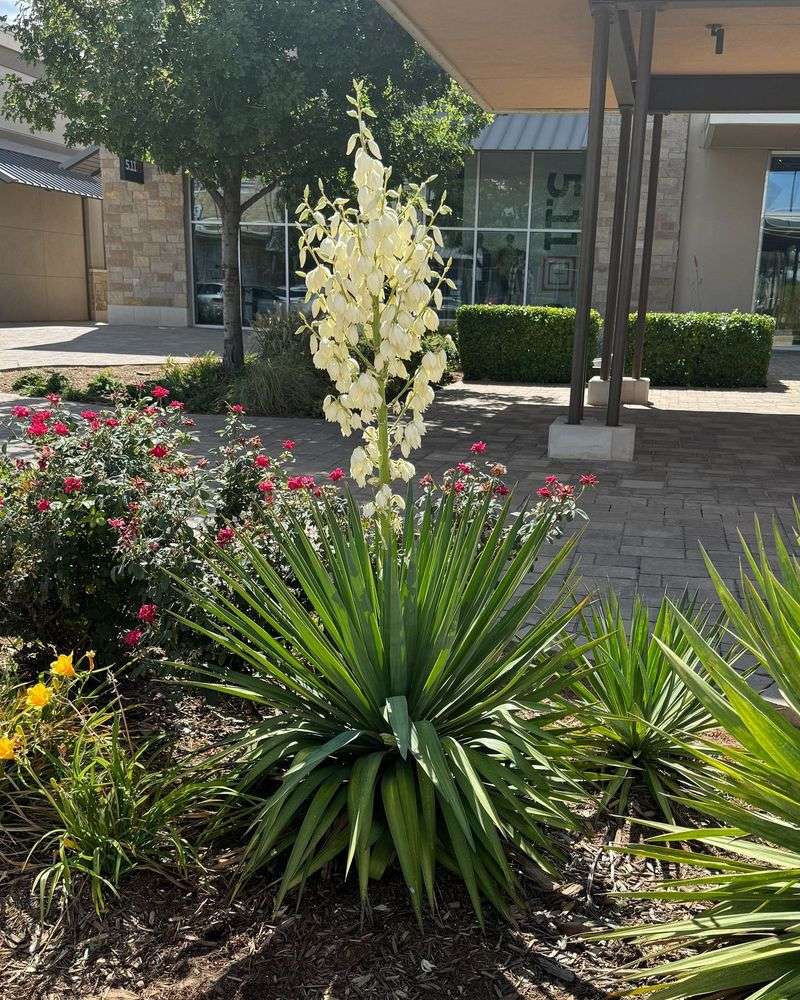
That towering stalk is the yucca’s flowering stem
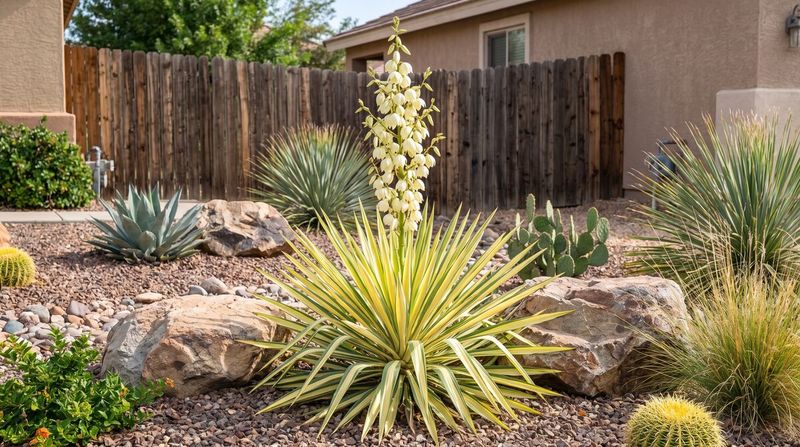
Picture a pole shooting out of the middle of a spiky green rosette. That pole is not a separate plant or a sign of a strange growth.
It is the yucca’s flowering stem, and its job is to hold flowers up where pollinators can find them.
Many home gardens in Kentucky grow Adam’s-needle yucca (Yucca filamentosa), so it makes a helpful example. According to North Carolina Extension’s plant profile, its cream-white flowers rise on a stalk typically about 5 to 8 feet tall in late spring or early summer.
If the flowers are pollinated, seed capsules can form on that same stalk afterward.
Here is the catch: you may not know which yucca you have. Yucca species and cultivated varieties differ, so the height and timing above should not be treated as true of every yucca.
Missouri Extension even notes that experts disagree about how to name Y. filamentosaY. smalliana and a close relative, . That is one more reason to treat your plant’s identity as a good guess rather than a sure thing.
It also helps to know that Y. filamentosa is not a Kentucky native. Kew’s plant database lists Kentucky as part of its introduced range, and it is native to southeastern states such as Tennessee and Virginia.
A yucca in a Kentucky yard is likely planted on purpose, and its tall stalk is simply doing what flowering yuccas do.
If you can, check the leaf shape, the plant tag, or an old planting receipt. A photo shared with your local county extension office can also help pin down the species.
Does the stalk mean the whole plant is dying?
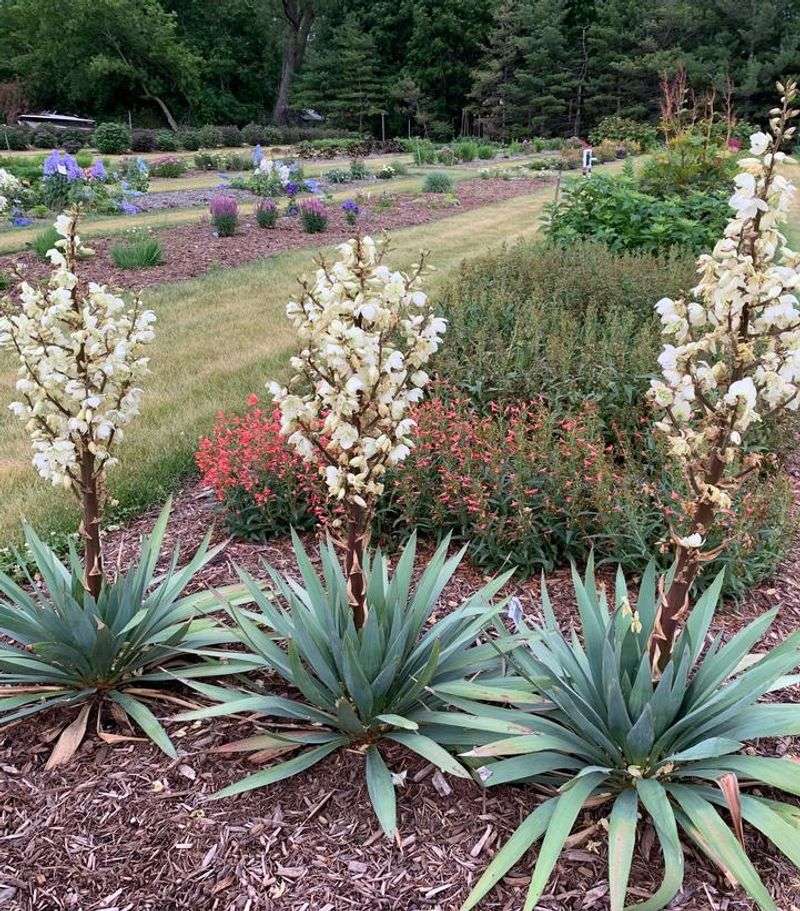
Short answer: a tall stalk alone cannot tell you whether an unidentified yucca is dying. It also cannot prove the plant is healthy.
You need to know the species, and you need to look at the rest of the plant.
For Adam’s-needle yucca (Yucca filamentosa), the news is good. It is a long-lived perennial, and a research paper in the American Journal of Botany reports that an individual rosette typically flowers every year or every other year.
The same paper describes plants flowering repeatedly over their lifetimes. So if your plant is confirmed as this species, a flower stalk is not a farewell.
The worry comes from other plants. Some agaves are famous for a so-called death bloom, where the rosette flowers once and then dies.
Some yucca species are also known to flower only once, so the pattern depends on the species.
That is why the careful move is to avoid guessing. A gardener who sees a tall stalk on a mystery yucca should not panic, and should not relax too fast either.
As a practical next step, look at the leaves around the base. Firm, green foliage and small new rosettes forming at the sides are normal for a thriving plant, while mushy or collapsing leaves point to a different problem that is separate from flowering.
When in doubt, send a clear photo to your county extension office.
Pollinated flowers can become seed capsules
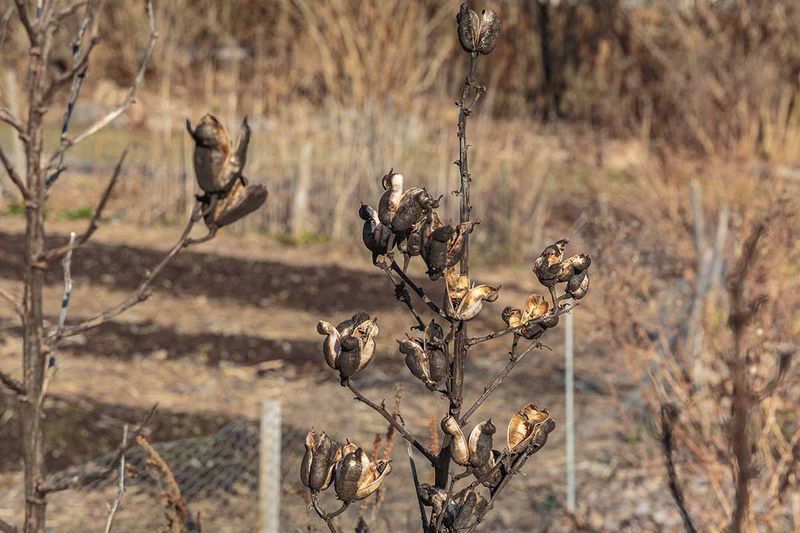
After the white bells fade, you might see small green pods swelling along the stalk. When a flower is pollinated, it can develop into a seed capsule holding seeds.
Not every flower gets pollinated, and not every capsule holds seeds that will grow, so a bare or empty stalk is not unusual.
Yuccas have a famous partner in nature: the yucca moth. According to research in the American Journal of Botany, female moths pollinate the flowers and lay eggs, and their larvae then feed on some of the developing seeds.
It is a special relationship, but it does not mean every garden yucca has moths visiting it. Plants far from wild populations, or in a yard with few moths, may never see one.
If you would like to try saving seed, patience is the key. An Illinois Extension answer advises letting the capsules dry on the plant.
Then cut the stalk before the capsules open and scatter their seed on the ground.
A simple trick is to slip a paper bag over the stalk top once the pods turn brown, then cut below the bag. Any seeds that spill will land inside instead of in the lawn.
Store them in a dry envelope labeled with the date.
Remember that a seed from your plant may not look exactly like its parent, and seed-grown yuccas take years to bloom.
Should you leave the stalk or cut it after flowering?
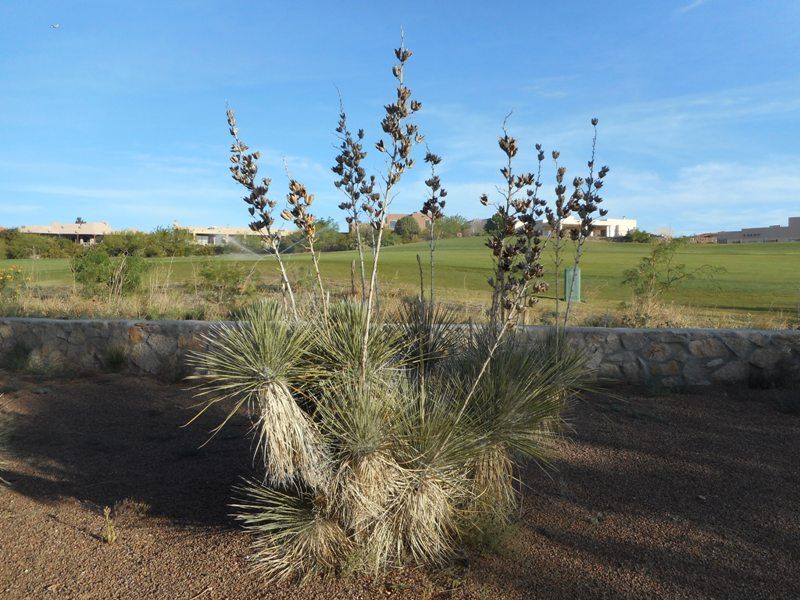
Both choices are fine, so let your goals decide. Neither one has been shown to make next year’s bloom better, so skip any advice that promises that.
Leaving the stalk makes sense if you enjoy its shape. It can stay as a vertical accent into fall and winter, and it keeps seed capsules on the plant in case you want to collect seed.
The Lady Bird Johnson Wildflower Center addresses when seed heads can come off yuccas, and the main idea is to wait until the seed stage is done if seed matters to you.
Giving the stalk more time also lets any yucca moth interaction play out, if moths happen to be in your area. You cannot count on moths, though, and an unpollinated flower will not make seed.
Cutting after the flowers fade suits a tidier look. A browning stalk can seem awkward in a front-yard bed, and removing it takes a few minutes.
Illinois Extension describes cutting the woody stalk after bloom as routine cleanup.
A middle path works too. Enjoy the flowers, leave the stalk through summer to see if pods form, and then cut it in fall or late winter when you are doing other chores.
Cut the spent stalk; do not pull it
Once you decide to remove the stalk, timing is simple. If you do not need seed, wait until flowering has wrapped up and the blooms have dropped.
If you do want seed, wait for the capsules to dry first, as described earlier.
Gear up before you step close. The leaf tips are sharp, and North Carolina Extension warns that the pointed leaves can cause painful punctures.
Wear thick gloves, long sleeves, and eye protection, since a swinging leaf can reach your face.
Choose a sharp cutting tool that matches the stalk. Hand pruners handle thinner stalks, while loppers or a small pruning saw work better on thick ones.
Dull blades tend to twist and tear, which makes the job harder and the cut messier.
Cut the stalk close to where it emerges from the foliage. Pushing the leaves gently aside with a gloved hand or a stick helps you see the base.
Do not wrench or pull it, because Illinois Extension describes the stalk as woody, and yanking can stress the plant or leave you wrestling with it.
A tall stalk can be cut in two or three pieces so it does not fall toward you. Toss the pieces in yard waste, and keep the dry tips away from pets and children.
Let your goal—not alarm—guide your next step
A flowering stalk is a normal part of a yucca, though on a plant you have not identified it cannot say whether the plant is struggling. If you have confirmed Adam’s-needle yucca, flowering is not the end of its life, since research on the species describes repeated blooming.
Leave the stalk for seed or winter interest, or cut it after flowering for a neater bed, as Illinois Extension outlines.
Either way, a yucca that makes you look up is usually just showing off.
Share this story