Get the latest garden guides in your inbox →
Gardening Latest
  • General Gardening
  • Lawn Care
  • Plant Care
  • Composting
  • Soil Health
  • Backyard
  • Garden Muse Magazine
  • General Gardening
  • Lawn Care
  • Plant Care
  • Composting
  • Soil Health
  • Backyard
  • Garden Muse Magazine
  • News
  • Gardening Calendar
  • Garden Structures
  • Vegetable Garden
  • Vertical Garden
  • Raised Beds
  • Hydroponics
  • General Equipment
  • Community Gardens
Garden Themes
  • Spiritual Garden
  • Hydroseeding
  • Seeding and Laying Sod
  • Artificial Grass
  • Lawn Care Equipment
  • Plants
  • Trees
  • Planting Tools
  • Composting Basics
  • Fertilizer
  • Alternative Growing Mediums
  • Front Yard
  • Backyard Activities
  • Landscaping
Gardening Latest

Explore by state

Which state is your garden in?

Currently viewing Massachusetts

All states

Northeast

  • Connecticut —
  • Delaware 6
  • Maine —
  • Maryland 3
  • Massachusetts 8
  • New Hampshire —
  • New Jersey 3
  • New York 3
  • Pennsylvania 3
  • Rhode Island —
  • Vermont —

Southeast

  • Alabama 3
  • Arkansas —
  • Florida 3
  • Georgia 3
  • Kentucky 7
  • Louisiana 2
  • Mississippi —
  • North Carolina 1
  • South Carolina 6
  • Tennessee —
  • Virginia 2
  • West Virginia —

Midwest

  • Illinois 2
  • Indiana 4
  • Iowa 6
  • Kansas —
  • Michigan 3
  • Minnesota 2
  • Missouri 2
  • Nebraska —
  • North Dakota —
  • Ohio 3
  • South Dakota —
  • Wisconsin 7

Southwest

  • Arizona 3
  • Colorado —
  • Nevada —
  • New Mexico —
  • Oklahoma —
  • Texas 2
  • Utah —

West

  • Alaska —
  • California 3
  • Hawaii —
  • Idaho —
  • Montana —
  • Oregon —
  • Washington —
  • Wyoming —

No state matches that search.

Site menu

Gardening Latest
  • General Gardening
    • News
    • Gardening Calendar
    • Garden Structures
    • Vegetable Garden
    • Vertical Garden
    • Raised Beds
    • Hydroponics
    • General Equipment
    • Community Gardens
    Garden Themes
    • Spiritual Garden
  • Lawn Care
    • Hydroseeding
    • Seeding and Laying Sod
    • Artificial Grass
    • Lawn Care Equipment
  • Plant Care
    • Plants
    • Trees
    • Planting Tools
  • Composting
    • Composting Basics
  • Soil Health
    • Fertilizer
    • Alternative Growing Mediums
  • Backyard
    • Front Yard
    • Backyard Activities
    • Landscaping
  • Garden Muse Magazine

Explore

  • About GardeningLatest.com
  • Contact Us

Get the latest from the garden

New guides on lawn care, plants and backyard projects, sent when they go up.

Subscribe →

Follow

  • Facebook
  • X
  • Pinterest
  • YouTube
Massachusetts Gardening

Massachusetts Homeowners Keep Planting These Shrubs That Deer Strip Bare Every Winter

You plant a pretty shrub in spring, and by March it looks like a pile of sticks.

AT

By Abigail Thatcher

November 18, 2026 · 5 min read

Massachusetts Homeowners Keep Planting These Shrubs That Deer Strip Bare Every Winter

You plant a pretty shrub in spring, and by March it looks like a pile of sticks. In Massachusetts, hungry deer roam neighborhoods all winter, and some shrubs are basically salad bars to them.

Knowing which plants deer love can save you money, time, and a lot of frustration. Here are ten popular shrubs that deer strip bare, plus smart ideas for what to do instead.

At a glance

Where
Massachusetts Gardening
Hardiness zone
6 −10 to 0°F
Read
5 minutes
Published
November 18, 2026

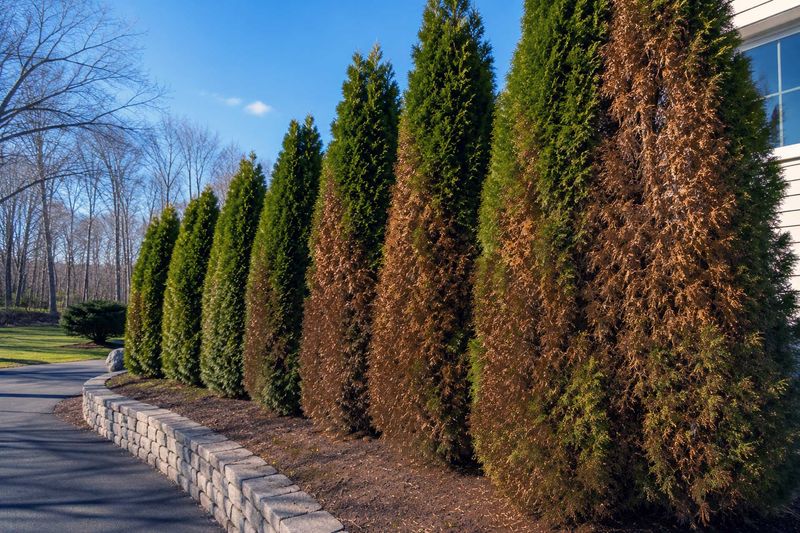
1. Arborvitae

Arborvitae
© a Blade of Grass

Picture a perfect green privacy hedge in November. Now picture it in March, bare brown trunks up to about five feet, with fluffy green tops like poodle haircuts.

Massachusetts homeowners see this browse line every single year.

Arborvitae is one of the top winter foods for white-tailed deer in New England. The soft, flat foliage stays green and tasty when almost nothing else does.

Deer can eat a whole hedge in a few nights during a hard snow.

If you already have arborvitae, wrap it in burlap or deer netting from late fall to spring. For new plantings, consider spruce or juniper, which deer usually skip because the needles are prickly.

2. Yew
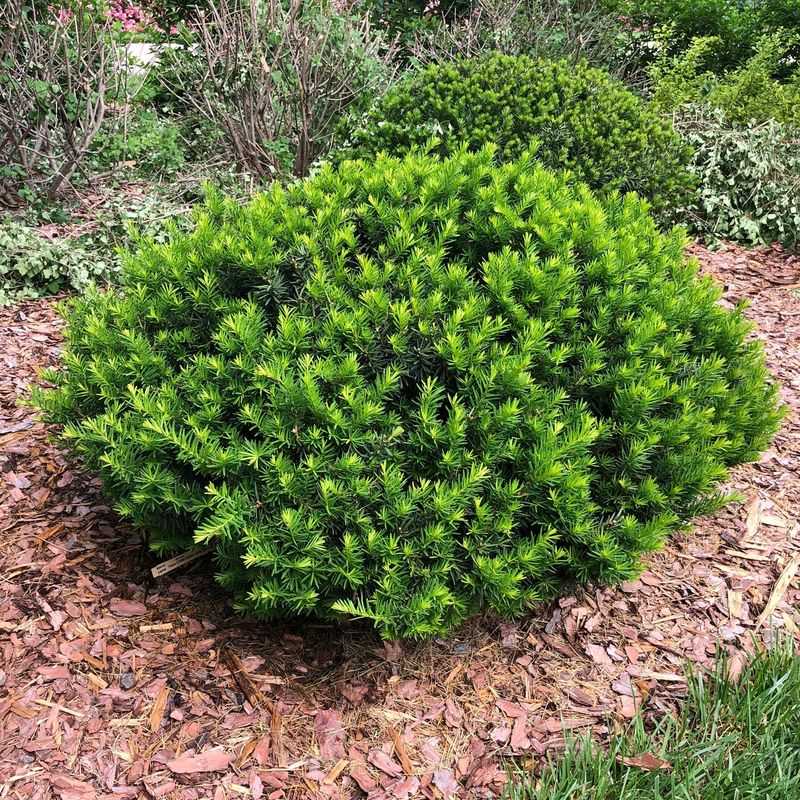
Yew
© Garden Crossings

Here is an odd twist: yew is poisonous to people, horses, and dogs, yet deer munch it like candy. Their stomachs handle the toxins better than ours.

Garden centers across the state still sell yews by the truckload for foundation plantings.

Deer will chew yews down to bare wood right up against your front steps. Since yews grow slowly, the damage can take years to fill back in.

Repellent sprays can help if you reapply after rain and thaws. A better long-term swap is boxwood, which deer almost never touch.

3. Rhododendron
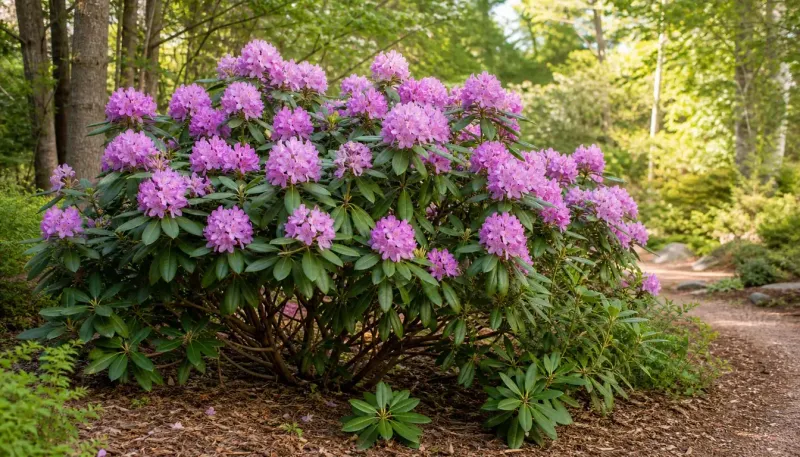
Rhododendron
© KnowTheYard

Nothing says New England spring quite like a rhododendron in full bloom. Sadly, deer think the big leathery leaves say dinner.

In tough winters, they will nibble the leaves and the flower buds too.

Many homeowners are shocked to find their holly chewed, especially the softer-leaved types like inkberry and blue holly.

That second part hurts most. When deer eat the fat buds in January, you get no flowers in May, even if the plant survives.

Rhodies near woods edges in towns like Sudbury, Concord, or Plymouth get hit hardest. Fence them in winter, or try pieris, a cousin that deer tend to avoid.

4. Azalea
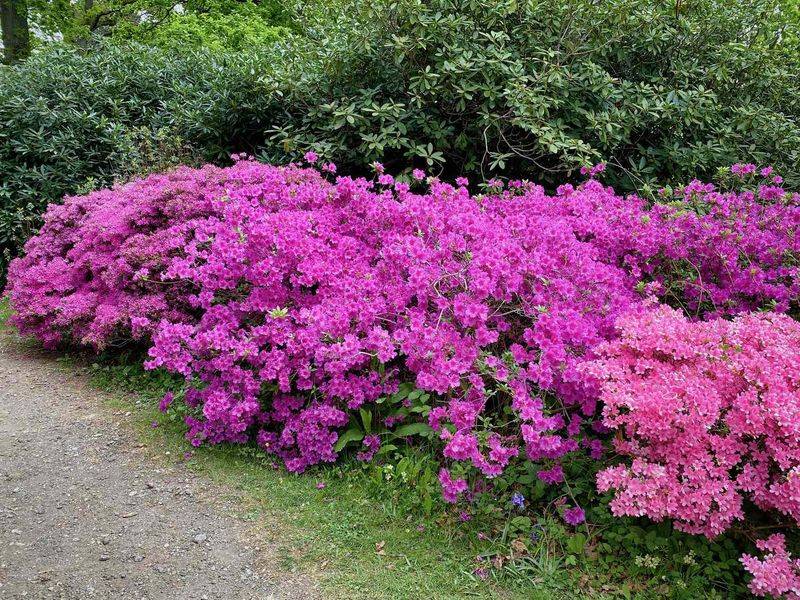
Azalea
© The Spruce

Ask any local landscaper which plant generates the most sad phone calls, and azaleas will be near the top. Small and low to the ground, they sit at the perfect snacking height.

Even a young fawn can reach every branch.

Evergreen azaleas suffer most because their leaves stay on all winter. Deciduous types still lose their tender twig tips and flower buds.

The good news is that azaleas are small enough to cover easily. A simple cage of chicken wire or a floating row cover can save them until spring.

5. Hydrangea
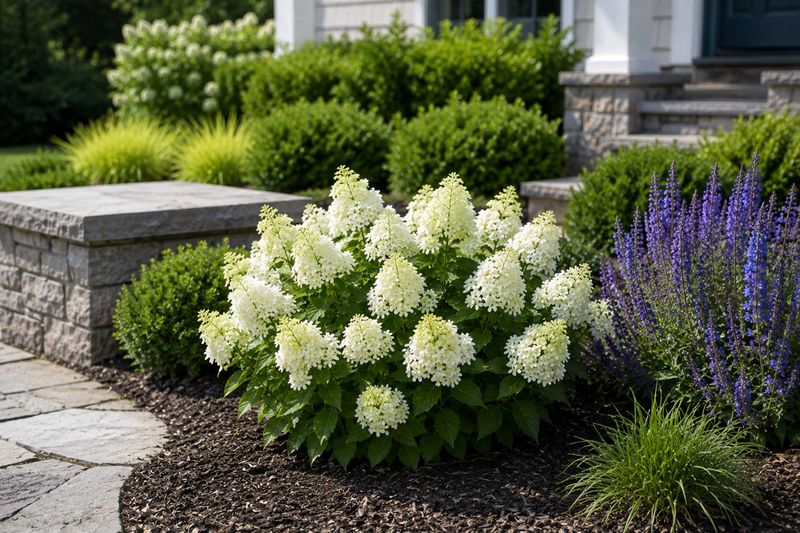
Hydrangea
© a Blade of Grass

Cape Cod and hydrangeas go together like clam chowder and oyster crackers. Blue mopheads line driveways all over the Cape and islands.

Unfortunately, deer on the Cape are just as fond of them.

Bigleaf hydrangeas form next year’s flower buds on old stems. When deer chew those stems in winter, the plant may leaf out nicely but never bloom.

Many homeowners blame the cold when deer are actually the real cause.

Try panicle hydrangeas, which bloom on new wood, so a winter nibble does less harm. Wrapping prized mopheads in burlap protects them from both frost and teeth.

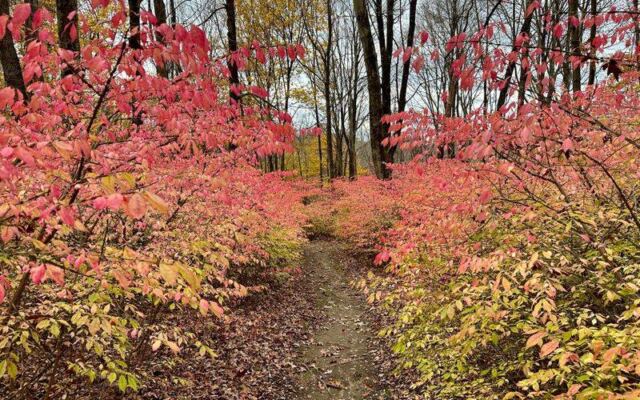
6. Burning Bush
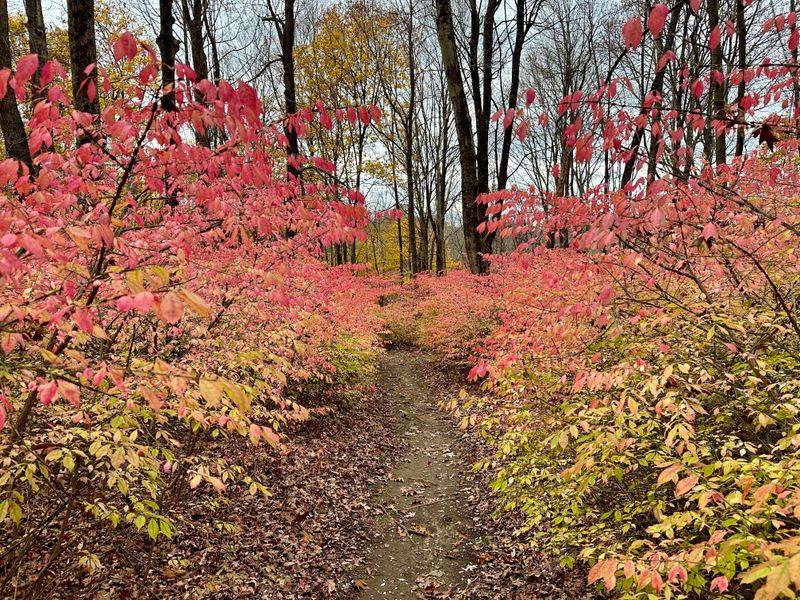
Burning Bush
© Reddit

Fun fact: burning bush is actually banned from sale in Massachusetts. The state listed it as invasive because birds spread its seeds into forests.

Yet plenty of older yards still have them, and deer happily browse them.

Its winged twigs are soft enough for deer to nibble all winter long. Hungry herds can leave the bush looking lopsided and thin.

If deer are chewing yours, maybe let them, then replace it with a native alternative. Red chokeberry or highbush blueberry offer great fall color without the invasive problems.

7. Holly
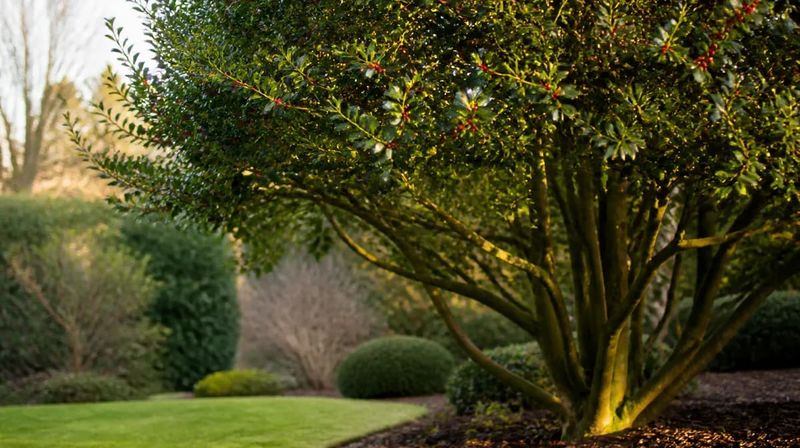
Holly
© PlotMyGarden

Prickly leaves should keep deer away, right? Not always.

Many homeowners are shocked to find their holly chewed, especially the softer-leaved types like inkberry and blue holly.

When snow buries other food, deer get far less picky. Young, tender leaves at the tips get eaten first.

American holly with stiff spines holds up a bit better. Still, a few stakes and some netting make a big difference during deep-snow winters.

8. Euonymus
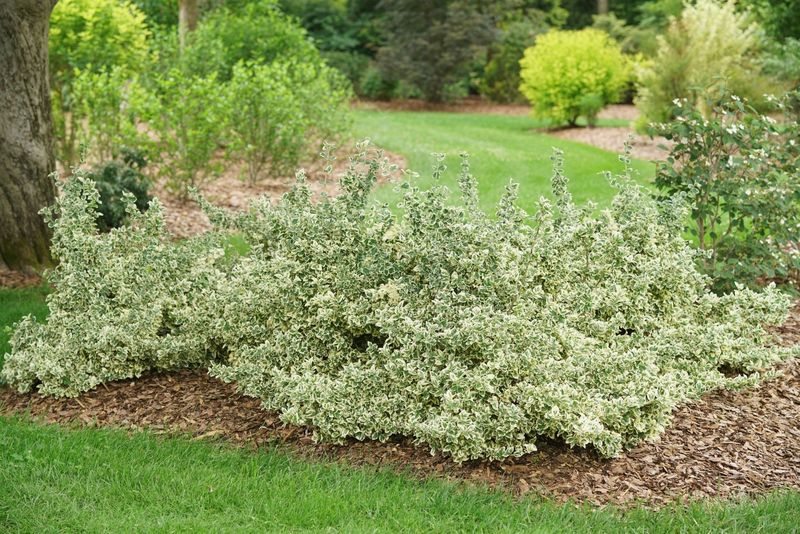
Euonymus
© Nature Hills Nursery

Shiny, colorful, and cheap, evergreen euonymus shows up in tons of new-home landscapes. Gold and green varieties brighten up gray winters.

Deer, though, see those glossy leaves as an all-you-can-eat buffet.

Wintercreeper and spreading euonymus get grazed right down to the ground in some neighborhoods. Some yards lose entire borders in one season.

A smarter pick for color is golden juniper or variegated boxwood. Both give that bright look while staying mostly off the deer menu.

9. Rose
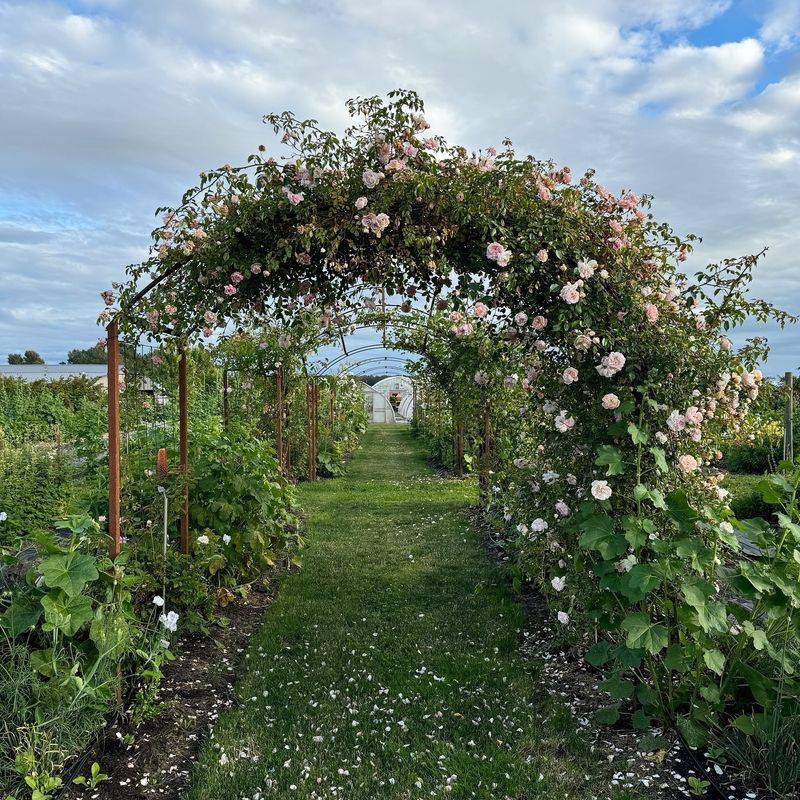
Rose
© floretflower

Thorns are no match for a determined deer. People call roses deer candy, and that nickname fits perfectly.

Deer nip off canes and buds with surprising skill.

In winter, they eat the tender cane tips. In spring, they come back for fresh leaves and flower buds just before blooming.

Rugosa roses, the tough beach roses along the Massachusetts coast, tend to fare better thanks to their hairy, bristly stems. For hybrid teas, a tall fence is really the only sure fix.

10. Mountain Laurel
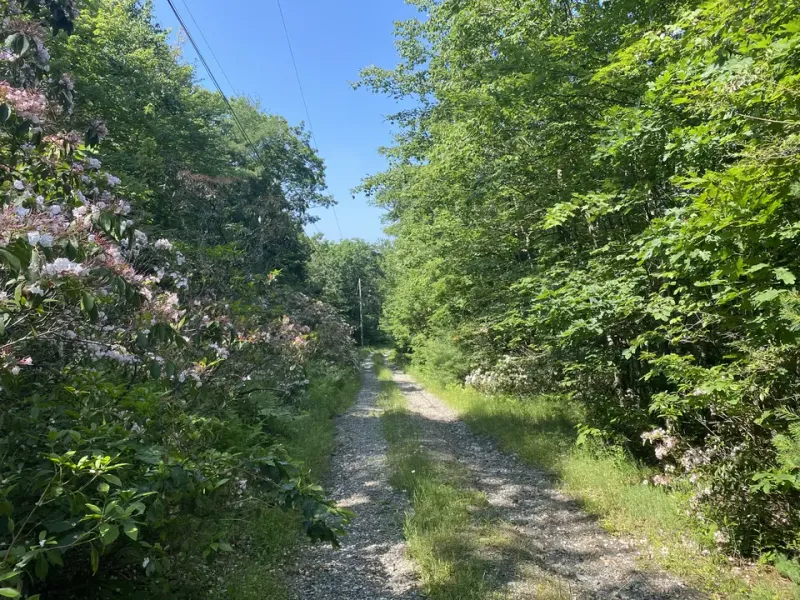
Mountain Laurel
© Berkshires Outside

Mountain laurel is a native beauty, and it is toxic to many animals. Most guides call it deer resistant.

So why do Massachusetts gardeners keep finding it nibbled?

Resistant does not mean proof. During long, snowy winters with big deer herds, starving animals will eat almost anything green, laurel included.

Laurel is still a good choice, much better than arborvitae or yew. Just give young plants some protection their first few winters while they grow tall and strong.

Share this story
AT

Written by

Abigail Thatcher

More from Abigail Thatcher →

About Gardening Latest

Gardening Latest provides in-depth guides to maintaining and enhancing your garden and backyard. Learn how to make the most of the space you have and create a beautiful garden.

More about us →

Latest stories

  • Pennsylvania GardeningStink Bugs in Your Pennsylvania Home: Remove Them Now, Seal Before Next Fall

    Stink Bugs in Your Pennsylvania Home: Remove Them Now, Seal Before Next Fall

    10 min ago
  • New York GardeningThat Big Clump Of Leaves High In Your New York Tree Might Be A Squirrel Nest

    That Big Clump Of Leaves High In Your New York Tree Might Be A Squirrel Nest

    15 min ago
  • Wisconsin GardeningThese Venomous Critters Share Wisconsin Yards With You, And Fall Is When You’ll Spot Them

    These Venomous Critters Share Wisconsin Yards With You, And Fall Is When You’ll Spot Them

    3 hr ago
  • Iowa GardeningWhat Eating Celery Every Day Can and Can’t Do for You

    What Eating Celery Every Day Can and Can’t Do for You

    3 hr ago
  • Delaware GardeningEating Raw Garlic Every Day in Delaware This Winter? Here’s What It Actually Does to Your Body

    Eating Raw Garlic Every Day in Delaware This Winter? Here’s What It Actually Does to Your Body

    4 hr ago

Gardening by state

Stories for your state, and the hardiness zone most of it gardens in.

Keep exploring

Read next

All Massachusetts Gardening →
Massachusetts GardeningWhat Does a Dead Mouse on a Massachusetts Doorstep After Frost Really Tell You?
Massachusetts Gardening

What Does a Dead Mouse on a Massachusetts Doorstep After Frost Really Tell You?

19 hr ago
Massachusetts GardeningThese Harmless Massachusetts Critters Look Dangerous Enough to Send You Running, But They’re Not
Massachusetts Gardening

These Harmless Massachusetts Critters Look Dangerous Enough to Send You Running, But They’re Not

23 hr ago
Massachusetts GardeningDo These Five Things to Your Outdoor Spigots Before a Hard Massachusetts Freeze Splits Them
Massachusetts Gardening

Do These Five Things to Your Outdoor Spigots Before a Hard Massachusetts Freeze Splits Them

Yesterday

More from Massachusetts Gardening

  • Stink Bugs in Your Pennsylvania Home: Remove Them Now, Seal Before Next Fall

    10 min ago
  • That Big Clump Of Leaves High In Your New York Tree Might Be A Squirrel Nest

    15 min ago
Back to top

Leave a response Cancel

Your email address stays private. Required fields are marked with an asterisk.

Gardening Latest

In-depth guides to maintaining and enhancing your garden and backyard: how to make the most of the space you have, and how to make it beautiful.

  • Facebook
  • X
  • Pinterest
  • YouTube

We may earn a portion of sales from products or services that are purchased through our site as part of our affiliate partnerships with retailers.

Explore

  • About GardeningLatest.com
  • Contact Us
  • Terms and Conditions
  • Privacy
  • Editorial Note:
  • FTC Disclosure

Newsletter

New garden guides and seasonal tips, straight to your inbox.

We’ll email you a link to confirm. Unsubscribe any time.

Almost there! Check your inbox and tap the link to confirm.

© 2026 Gardening Latest. All rights reserved.

Back to top