Get the latest garden guides in your inbox →
Gardening Latest
  • General Gardening
  • Lawn Care
  • Plant Care
  • Composting
  • Soil Health
  • Backyard
  • Garden Muse Magazine
  • General Gardening
  • Lawn Care
  • Plant Care
  • Composting
  • Soil Health
  • Backyard
  • Garden Muse Magazine
  • News
  • Gardening Calendar
  • Garden Structures
  • Vegetable Garden
  • Vertical Garden
  • Raised Beds
  • Hydroponics
  • General Equipment
  • Community Gardens
Garden Themes
  • Spiritual Garden
  • Hydroseeding
  • Seeding and Laying Sod
  • Artificial Grass
  • Lawn Care Equipment
  • Plants
  • Trees
  • Planting Tools
  • Composting Basics
  • Fertilizer
  • Alternative Growing Mediums
  • Front Yard
  • Backyard Activities
  • Landscaping
Gardening Latest

Explore by state

Which state is your garden in?

Currently viewing New York

All states

Northeast

  • Connecticut —
  • Delaware 16
  • Maine —
  • Maryland 3
  • Massachusetts 18
  • New Hampshire —
  • New Jersey 3
  • New York 12
  • Pennsylvania 12
  • Rhode Island —
  • Vermont —

Southeast

  • Alabama 3
  • Arkansas —
  • Florida 3
  • Georgia 3
  • Kentucky 16
  • Louisiana 2
  • Mississippi —
  • North Carolina 1
  • South Carolina 15
  • Tennessee —
  • Virginia 2
  • West Virginia —

Midwest

  • Illinois 2
  • Indiana 4
  • Iowa 15
  • Kansas —
  • Michigan 3
  • Minnesota 2
  • Missouri 2
  • Nebraska —
  • North Dakota —
  • Ohio 3
  • South Dakota —
  • Wisconsin 17

Southwest

  • Arizona 3
  • Colorado —
  • Nevada —
  • New Mexico —
  • Oklahoma —
  • Texas 2
  • Utah —

West

  • Alaska —
  • California 3
  • Hawaii —
  • Idaho —
  • Montana —
  • Oregon —
  • Washington —
  • Wyoming —

No state matches that search.

Site menu

Gardening Latest
  • General Gardening
    • News
    • Gardening Calendar
    • Garden Structures
    • Vegetable Garden
    • Vertical Garden
    • Raised Beds
    • Hydroponics
    • General Equipment
    • Community Gardens
    Garden Themes
    • Spiritual Garden
  • Lawn Care
    • Hydroseeding
    • Seeding and Laying Sod
    • Artificial Grass
    • Lawn Care Equipment
  • Plant Care
    • Plants
    • Trees
    • Planting Tools
  • Composting
    • Composting Basics
  • Soil Health
    • Fertilizer
    • Alternative Growing Mediums
  • Backyard
    • Front Yard
    • Backyard Activities
    • Landscaping
  • Garden Muse Magazine

Explore

  • About GardeningLatest.com
  • Contact Us

Get the latest from the garden

New guides on lawn care, plants and backyard projects, sent when they go up.

Subscribe →

Follow

  • Facebook
  • X
  • Pinterest
  • YouTube
New York Gardening

Bitten By A Black Widow While Gardening In New York? Do This Right Away

You reach under a flowerpot and feel a sudden sting on your hand. Your mind jumps to the scariest spider you can…

E

By Elyanna

November 18, 2026 · 6 min read

Bitten By A Black Widow While Gardening In New York? Do This Right Away

You reach under a flowerpot and feel a sudden sting on your hand. Your mind jumps to the scariest spider you can think of.

Knowing a few calm steps ahead of time can keep a rattling moment from turning into a bad decision. Here is what to do, what to skip, and when to get urgent help.

At a glance

Where
New York Gardening
Hardiness zone
7 0 to 10°F
Read
6 minutes
Published
November 18, 2026

Wash the site and call Poison Control

Wash the site and call Poison Control
© CPR First Aid

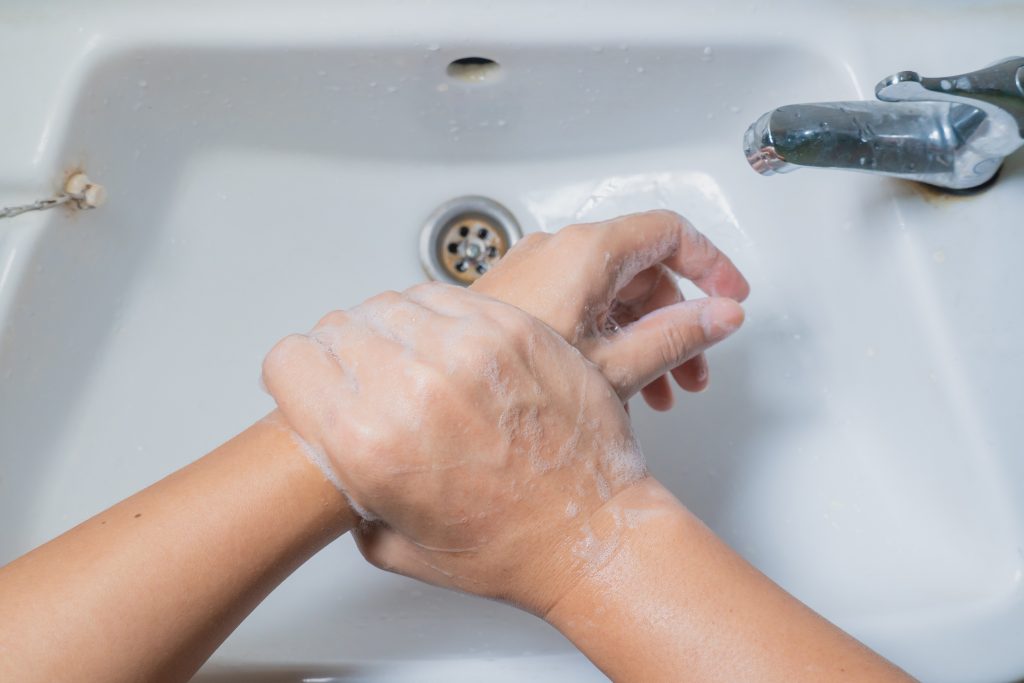
Start by taking a breath and moving away from the spot where it happened. Wash the suspected bite with soap and water, then call Poison Control at 1-800-222-1222.

The line connects you to your local poison center, and Poison Control’s black widow guidance notes that specialists can give advice that fits your situation. It is available 24/7, so you can call at any hour.

Have a few details ready: your age, when it happened, where on your body you were stung or bitten, and any symptoms you feel right now. Nurses and pharmacists who answer will tell you whether you can watch things at home or should be seen in person.

If you are helping someone else, stay with them while you make the call.

A little context can keep fear in proportion. The New York State DEC describes black widows as extremely rare in the state, so a garden sting is far more likely to come from something else.

Still, you do not need to solve that puzzle first. Clean the area, make the call, and let the experts guide the next step, as outlined in MedlinePlus advice on black widow bites.

Which symptoms make this an emergency?
Which symptoms make this an emergency?
© Complete Care

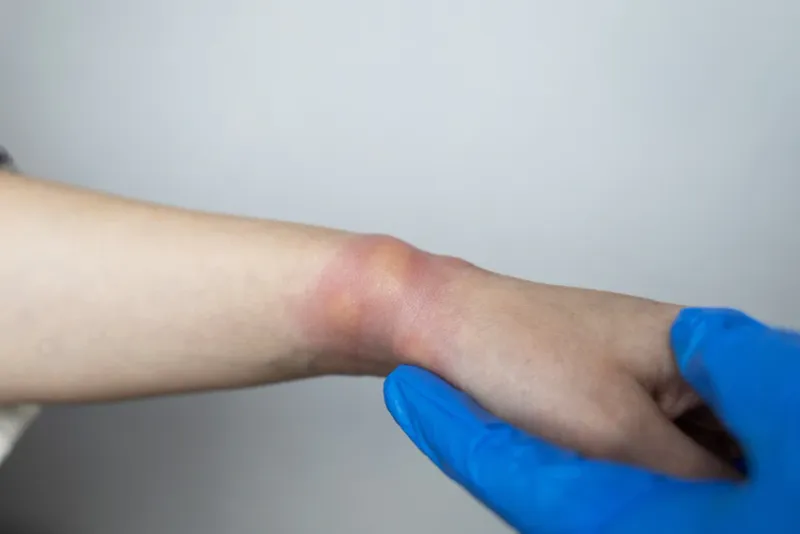
Black widow venom can cause pain that spreads outward from the bite site. According to Poison Control, muscle cramps are common, and some people also have sweating, nausea, vomiting, or higher blood pressure.

Those symptoms deserve attention, but they do not all mean the same level of urgency.

Hearing about hospitals and antivenom can sound alarming, so here is the realistic picture.

Call 911 right away for trouble breathing, confusion, dizziness, muscle rigidity, or other severe whole-body symptoms. The 2024 first aid guidelines from the American Heart Association and American Red Cross point readers toward emergency help when a spider bite causes problems like these.

Do not drive yourself if you feel faint or unwell.

A different situation is pain that keeps spreading or becomes severe and is not controlled with over-the-counter pain medicine. That is not the same as struggling to breathe, but it does call for medical care.

Contact Poison Control or a health care provider promptly so someone can check you in person.

Many people have milder symptoms. Mild soreness around a sting, with no spreading pain or whole-body signs, is something to describe on your Poison Control call rather than panic over.

Keep watching how you feel for the next several hours, and ask a family member to check in on you.

A suspected bite does not identify the spider
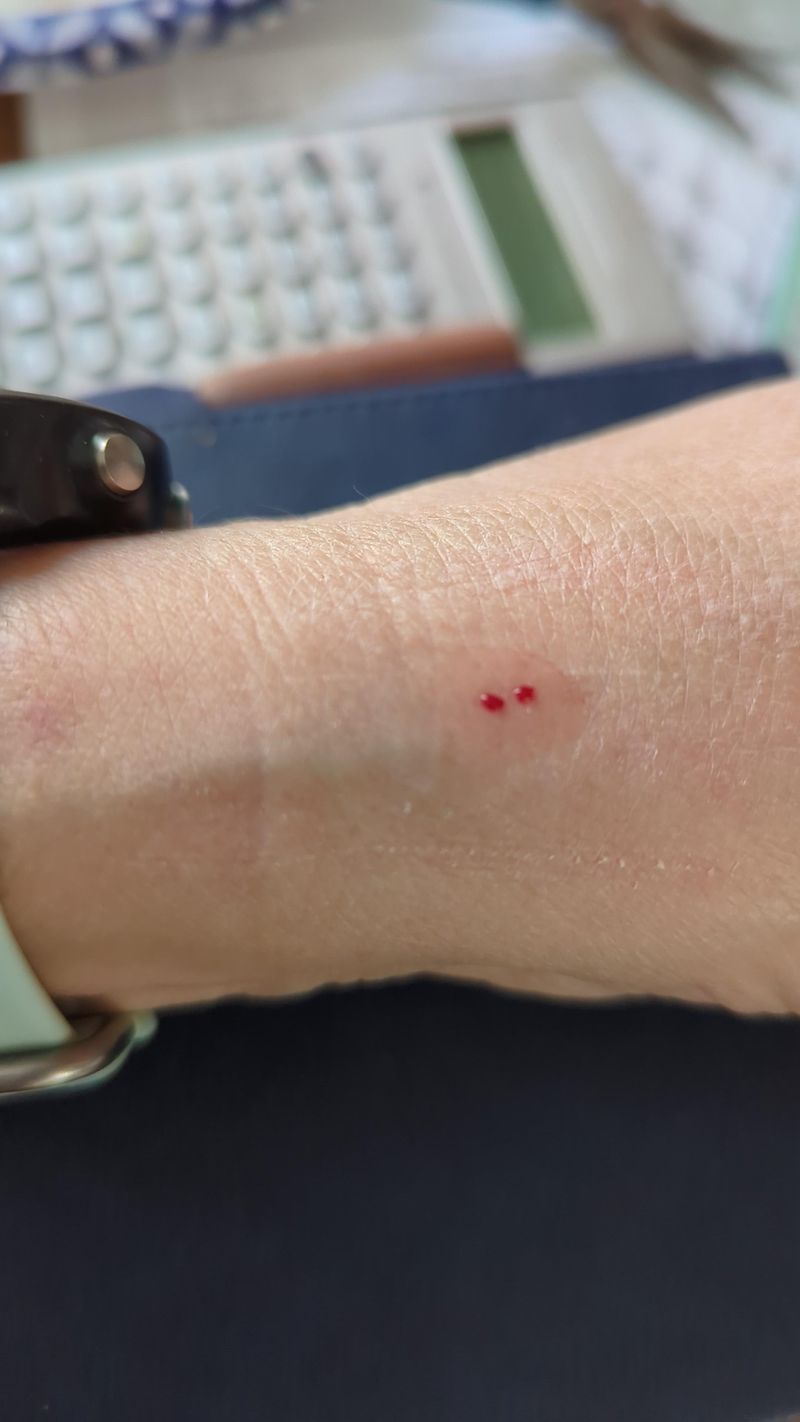
A suspected bite does not identify the spider
© Reddit

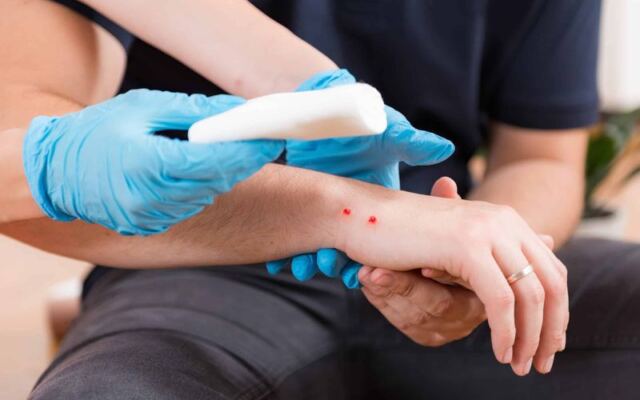
Plenty of garden pests can leave a sore red spot. Pain, a skin mark, or two tiny dots do not prove a black widow was responsible.

A remembered hourglass shape does not settle it either, since the group of spiders called Latrodectus can look different from one another, as explained by Poison Control.

Doctors usually judge a case by symptoms, not by a mark on the skin. A clinical review of black widow toxicity describes the diagnosis as mainly based on what the patient is experiencing.

That is why a confident guess from a photo of your arm is not reliable.

If the spider is already in plain view, a clear photo from a safe distance may help. CDC and NIOSH worker guidance says not to take risks to collect the animal.

Do not catch it, poke it, or carry it in a jar, and do not put off washing or calling for help while you look around.

Skip venom-removal remedies

Skip venom-removal remedies
© Skills Training College

Movies make venom removal look heroic, but real first aid is much quieter. Do not cut the wound, suck out venom, or put on a tourniquet.

CDC and NIOSH guidance and MedlinePlus do not include those steps, and they can make things worse.

Folk remedies belong in the same category. Herbal pastes, kitchen products, and home cures have no place on a suspected bite, and they can irritate skin or hide how the area is changing.

If you want something for comfort, a cold cloth or a cloth filled with ice may feel soothing on a sore spot. Keep a layer of fabric between ice and skin.

It is only an optional comfort measure and is not proven to stop venom. The 2024 first aid guidelines note that no studies have tested cold treatments for spider bites, so keep Poison Control as your main plan.

Hospital treatment is for serious or uncontrolled symptoms
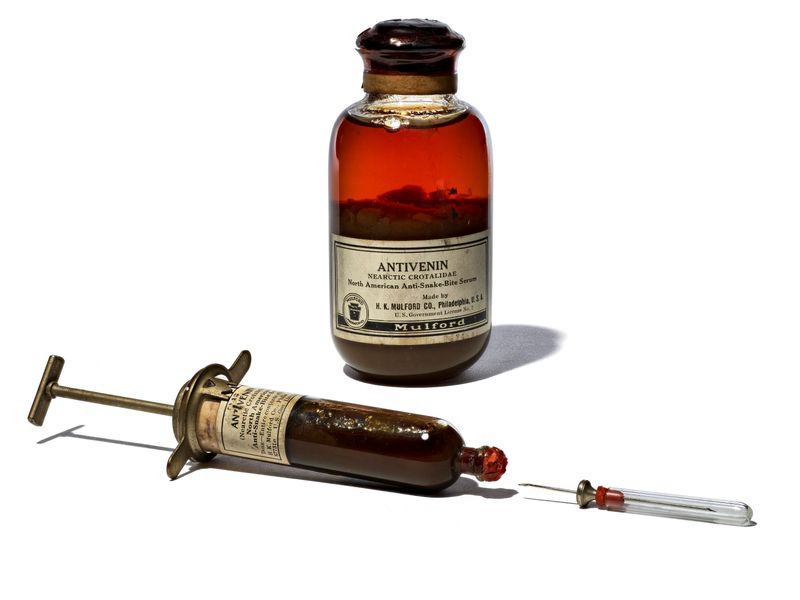
Hospital treatment is for serious or uncontrolled symptoms
© Smithsonian Institution

Hearing about hospitals and antivenom can sound alarming, so here is the realistic picture. Poison Control says most black widow bites cause mild-to-moderate symptoms.

Severe cases can need hospital care, but not every suspected bite leads there.

When someone does go in, staff typically check vital signs and symptoms, and treat pain and muscle cramping. The medical team decides what is needed based on how the person is doing, not on the name of the spider.

Antivenom is a hospital treatment, not a first-aid step you can do at home. It is generally reserved for severe symptoms that do not respond to other treatment.

The American College of Medical Toxicology offers background on how toxicologists think about these decisions.

It also comes with tradeoffs. Antivenom may not be stocked at every hospital, and it can cause serious allergic reactions.

That is a big reason doctors save it for the people who truly need it. If your Poison Control specialist suggests being seen, go.

If symptoms stay mild, you may be able to recover at home with guidance.

Make gardening gear safer to handle
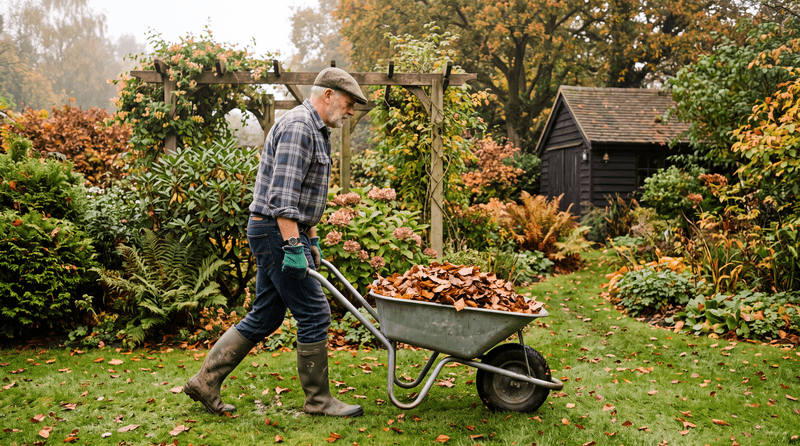
Make gardening gear safer to handle
© Home & Garden Extras

Spiders that bite gardeners are usually just defending themselves. Black widows tend to hide in dark, undisturbed places, and Poison Control notes that bites often happen when one is trapped or pressed against skin.

Your gloves, boots, and stored clothing can be exactly that kind of hiding spot.

A few quick habits help. Shake out gloves, boots, and anything left in the shed before putting them on.

Wear gloves when moving wood, mulch, or stacked pots, and use a stick or tool to lift items rather than your bare hand.

Avoid reaching blindly into sheltered places like brush piles, woodpiles, sheds, or the gap beneath a flowerpot. CDC and NIOSH worker guidance offers similar advice for people who work outdoors.

Take a quick look first, tip things away from you, and give yourself room to step back.

These habits also protect you from other garden critters, so they pay off all season long.

Keep the next move simple
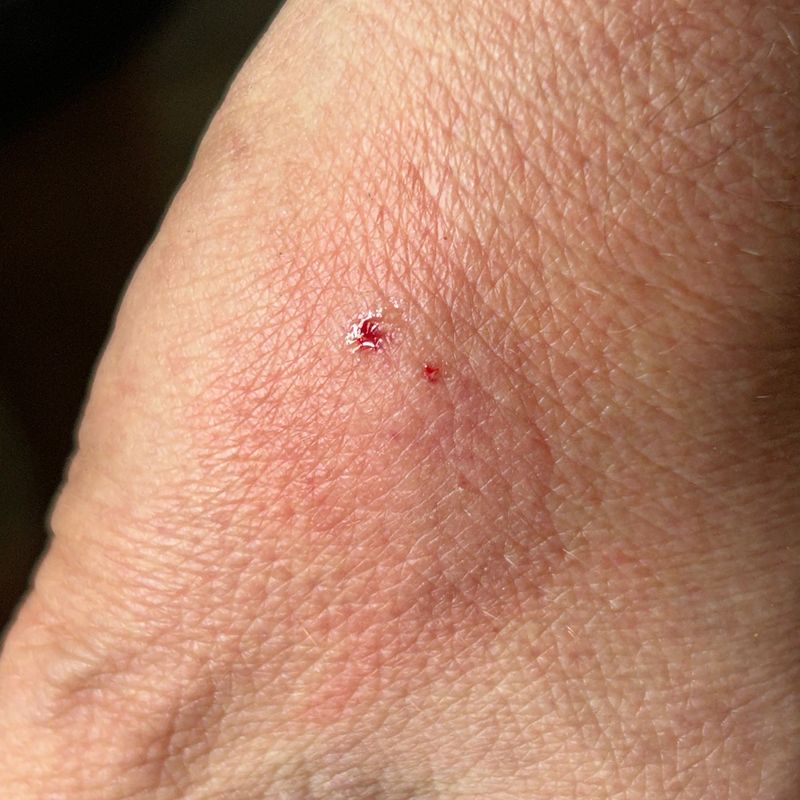
Keep the next move simple
© a.j._hartley

Wash the site, call Poison Control at 1-800-222-1222, and dial 911 if severe whole-body symptoms appear. You do not need to catch or name the spider first.

Black widows are extremely rare in New York, so staying calm fits the facts.

A sting is a reason to make one phone call, not to give up your garden.

Share this story
E

Written by

Elyanna

More from Elyanna →

A passion for lavender! From a young age, Elyanna has had a passion for lavender. It began at the age of two when her mother walked her through fields of lavender in Norfolk England. This ignited her interest; she has grown harvested and learned about this beautiful herb.

About Gardening Latest

Gardening Latest provides in-depth guides to maintaining and enhancing your garden and backyard. Learn how to make the most of the space you have and create a beautiful garden.

More about us →

Latest stories

  • Wisconsin GardeningWhy Is a Red Fox Crossing Your Wisconsin Yard This Winter? Some Possible Explanations

    Why Is a Red Fox Crossing Your Wisconsin Yard This Winter? Some Possible Explanations

    48 min ago
  • Iowa GardeningWhy Pulling Creeping Charlie Once Rarely Brings Lasting Control in Iowa Lawns

    Why Pulling Creeping Charlie Once Rarely Brings Lasting Control in Iowa Lawns

    49 min ago
  • Massachusetts GardeningMassachusetts Law Says This About Cutting Your Neighbor’s Overhanging Tree Branches Before Winter Storms Hit

    Massachusetts Law Says This About Cutting Your Neighbor’s Overhanging Tree Branches Before Winter Storms Hit

    1 hr ago
  • Delaware GardeningCan Your Delaware Neighbor’s Tree Branches Legally Hang Over Your Yard? Here’s What the Law Actually Says

    Can Your Delaware Neighbor’s Tree Branches Legally Hang Over Your Yard? Here’s What the Law Actually Says

    1 hr ago
  • Kentucky GardeningCan You Legally Cut Your Neighbor’s Tree Branches Hanging Over Your Kentucky Fence? Here’s the Answer

    Can You Legally Cut Your Neighbor’s Tree Branches Hanging Over Your Kentucky Fence? Here’s the Answer

    1 hr ago

Gardening by state

Stories for your state, and the hardiness zone most of it gardens in.

Keep exploring

Read next

All New York Gardening →
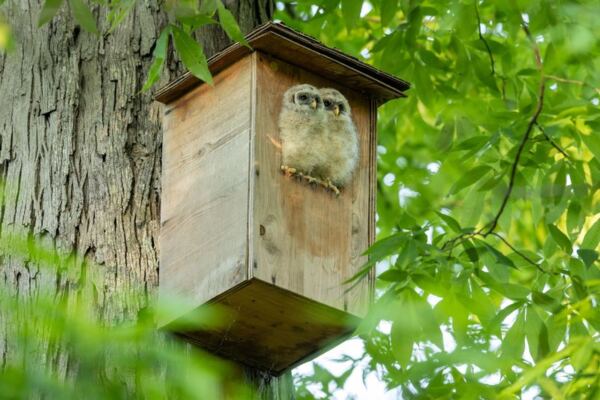
New York GardeningWhere and When New York Homeowners Should Hang an Owl Box
New York Gardening

Where and When New York Homeowners Should Hang an Owl Box

2 hr ago
New York GardeningCrabgrass Prevention for New York Lawns: Why Spring Timing Usually Matters Most and Fall Is a Narrow Option
New York Gardening

Crabgrass Prevention for New York Lawns: Why Spring Timing Usually Matters Most and Fall Is a Narrow Option

7 hr ago
New York Gardening12 Smells Deer Hate In New York Gardens, And 4 That Pull Them Right In
New York Gardening

12 Smells Deer Hate In New York Gardens, And 4 That Pull Them Right In

Yesterday

More from New York Gardening

  • Found A Yellow Jacket Nest Near Your New York Home? Here’s What To Do Next

    Nov 18
  • That Big Clump Of Leaves High In Your New York Tree Might Be A Squirrel Nest

    Nov 18
Back to top

Leave a response Cancel

Your email address stays private. Required fields are marked with an asterisk.

Gardening Latest

In-depth guides to maintaining and enhancing your garden and backyard: how to make the most of the space you have, and how to make it beautiful.

  • Facebook
  • X
  • Pinterest
  • YouTube

We may earn a portion of sales from products or services that are purchased through our site as part of our affiliate partnerships with retailers.

Explore

  • About GardeningLatest.com
  • Contact Us
  • Terms and Conditions
  • Privacy
  • Editorial Note:
  • FTC Disclosure

Newsletter

New garden guides and seasonal tips, straight to your inbox.

We’ll email you a link to confirm. Unsubscribe any time.

Almost there! Check your inbox and tap the link to confirm.

© 2026 Gardening Latest. All rights reserved.

Back to top