Evergreen shrubs can hide a view and soften cold winter gusts, but not every plant does both jobs well. Inkberry holly is a native-listed shrub that many gardeners hope will do both with very little pruning.
The real story is more careful than that. Here is what inkberry can offer, where it falls short, and how to plan around it.
Inkberry can screen, but it is not a wind wall
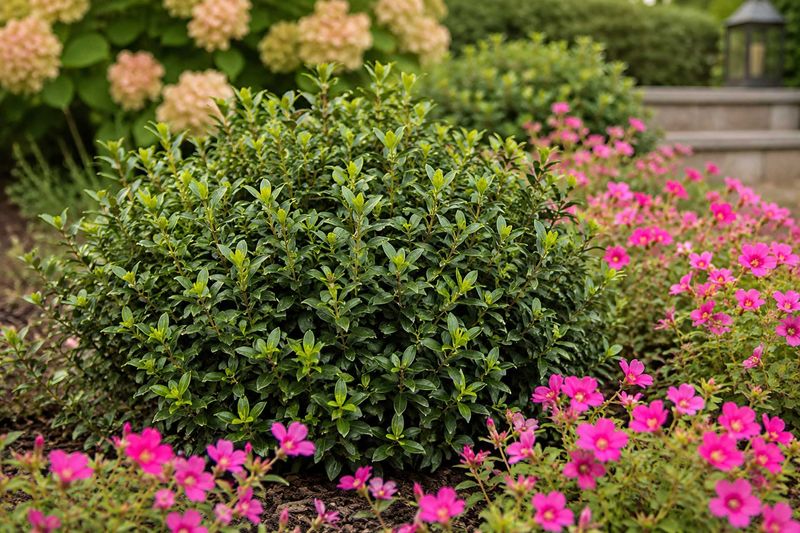
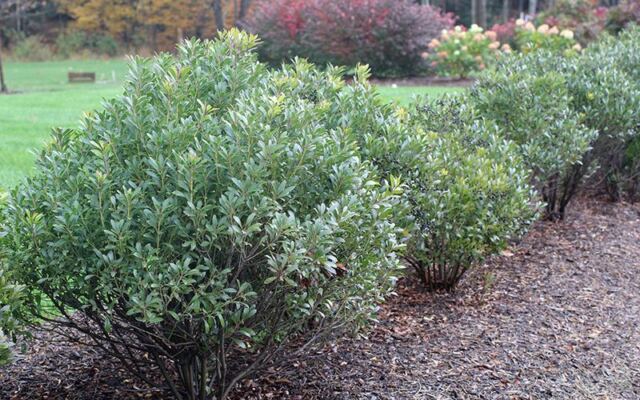
Inkberry holly (Ilex glabra) is an evergreen shrub with small, glossy leaves that stay on the plant through winter. That makes it a handy choice for a screen or as one part of a larger windbreak.
It is not a magic shield, though.
Pennsylvania’s conservation planting guide lists inkberry at about 6 feet tall and slow-growing. A shrub of that size can block a sightline, but it is short for a planting meant to slow strong winter wind across a whole yard.
Slow growth also means you may wait years before a young planting reaches that height.
Maryland Extension adds another caution. Inkberry is less dense than some other hollies and can become bare at the base as it ages.
Gaps near the ground let wind slip through, which weakens both screening and wind reduction.
So think of inkberry as a screen first. If you want real wind protection, it needs to be part of a planned design with the right height, density, length, and placement.
The next sections cover how to judge that, one piece at a time.
Is inkberry native throughout Pennsylvania?
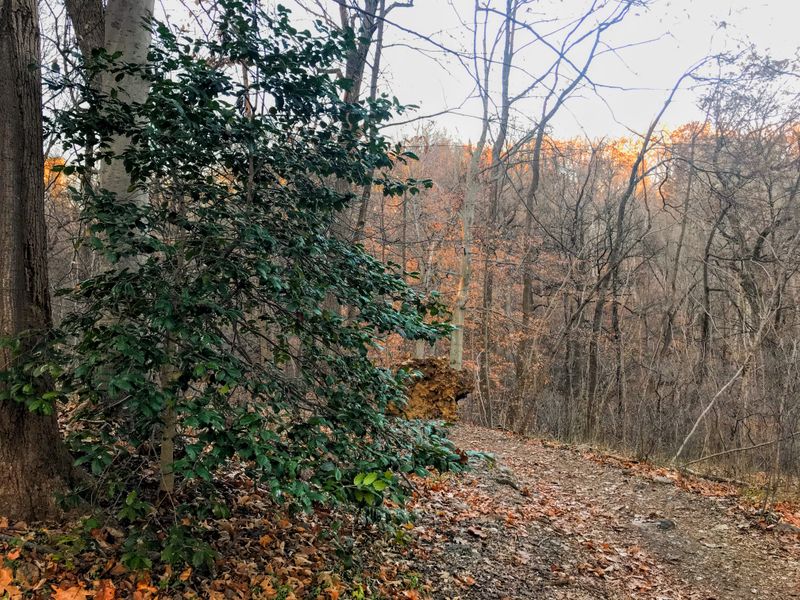
The label “native Pennsylvania shrub” needs some care. The state’s conservation planting guide ties inkberry to the Coastal Plain, a small part of southeastern Pennsylvania.
That is a long way from a statewide native.
Kew’s Plants of the World Online includes Pennsylvania in inkberry’s native range, which backs up the idea that the plant belongs here in some form.
Then there is an older record. A U.S.
Forest Service profile reports a Pennsylvania status of SX/PX, which means believed extinct in the state. These sources do not fully agree, and the question remains unresolved.
For you, that means two things. Do not assume inkberry is a widespread wild native across Pennsylvania, and check current state records if native status matters for your project.
Also keep in mind that a plant’s native range tells you where it has grown, not whether it will thrive in your yard. Soil, moisture, and exposure decide that.
Match the shrub to the site
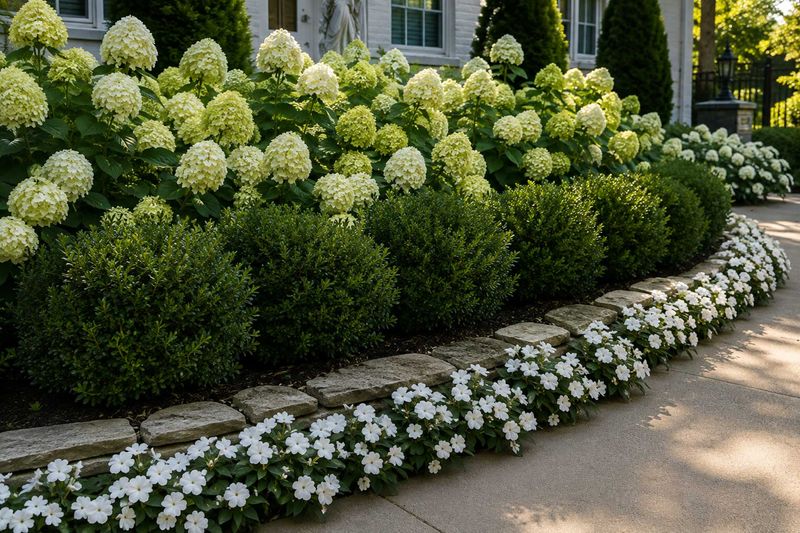
Before you buy, look at the ground. Pennsylvania’s conservation guide places inkberry in poorly drained to saturated soils, which hints at a plant that likes moisture.
Maryland Extension paints a somewhat broader picture. It describes inkberry as growing in acidic soils and tolerating conditions from dry to periodically wet.
Put those two descriptions together and you get a useful rule: inkberry is not a plant for every yard. Acidity looks like a key factor, and moisture matters too.
A soil test and a look at how water behaves after heavy rain will tell you more than a plant tag.
Walk your planting line after a storm. Standing water for days, damp spots, or fast-draining sandy patches each point to different outcomes.
If your soil is alkaline or very dry, think twice or plan amendments carefully.
Cultivars also differ in size, form, and tolerance, so read the label on the exact plant you are considering. A local extension office or native plant nursery can help you confirm whether your chosen cultivar fits your conditions.
A windbreak takes more than a shrub
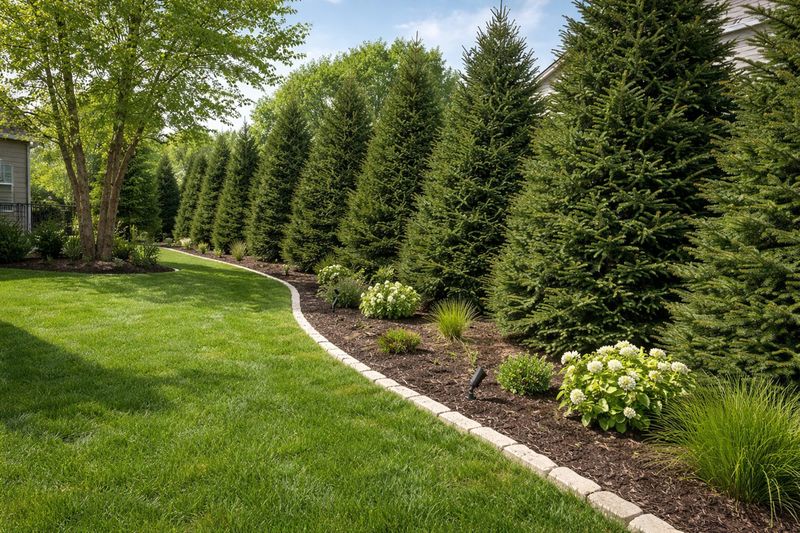
A hedge and a windbreak can look alike, yet they do different work. A hedge hides things.
A windbreak is built to slow wind, and that depends on how it is designed.
Pennsylvania’s 2025 conservation guide gives criteria by purpose. For reducing winter heat loss in structures, it calls for at least 50 percent density, a spot upwind within five times the windbreak’s expected height, and at least one evergreen row.
The guide also says to base height on what the plants will reach in 20 years.
Those numbers are design targets for that specific goal. They do not show that inkberry meets them, and they do not mean a few shrubs will protect an entire yard.
Run the math for your own site. If a planting is expected to reach 6 feet, five times that height is only about 30 feet, so it would need to sit close to what you want to protect.
Density matters too, since bare lower stems or gaps lower the screening effect.
Taller evergreens or multiple rows may be needed for serious wind reduction, so treat inkberry as a possible layer in the plan rather than the whole plan.
Choose an upwind location and account for snow
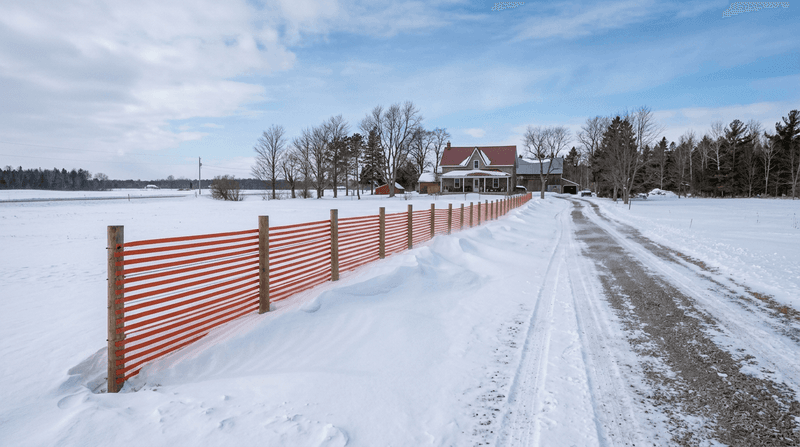
Placement is where windbreaks succeed or fail. Penn State Extension says winter winds in Pennsylvania come mainly from the west and northwest, so the planting generally belongs on the upwind side of what you want to protect.
That is a general pattern, not a rule for every lot. Hills, valleys, and nearby buildings can steer wind in odd directions.
Watch where snow blows, which side of the house feels coldest, and how your own yard behaves on a gusty day.
Penn State’s homeowner guidance gives a usual distance of 50 to 200 feet from the house, with 100 to 150 feet described as optimal. Treat that as a starting range.
Small lots may not have room, and a shorter shrub planting would work differently from a tall tree row.
Snow adds another wrinkle. Windbreaks can cause drifting, and Penn State warns about drifts near homes and driveways.
A planting too close to the driveway could leave you shoveling more.
Before digging, mark the spot with stakes or flags and check it through a few windy, snowy days.
Expect some selective pruning
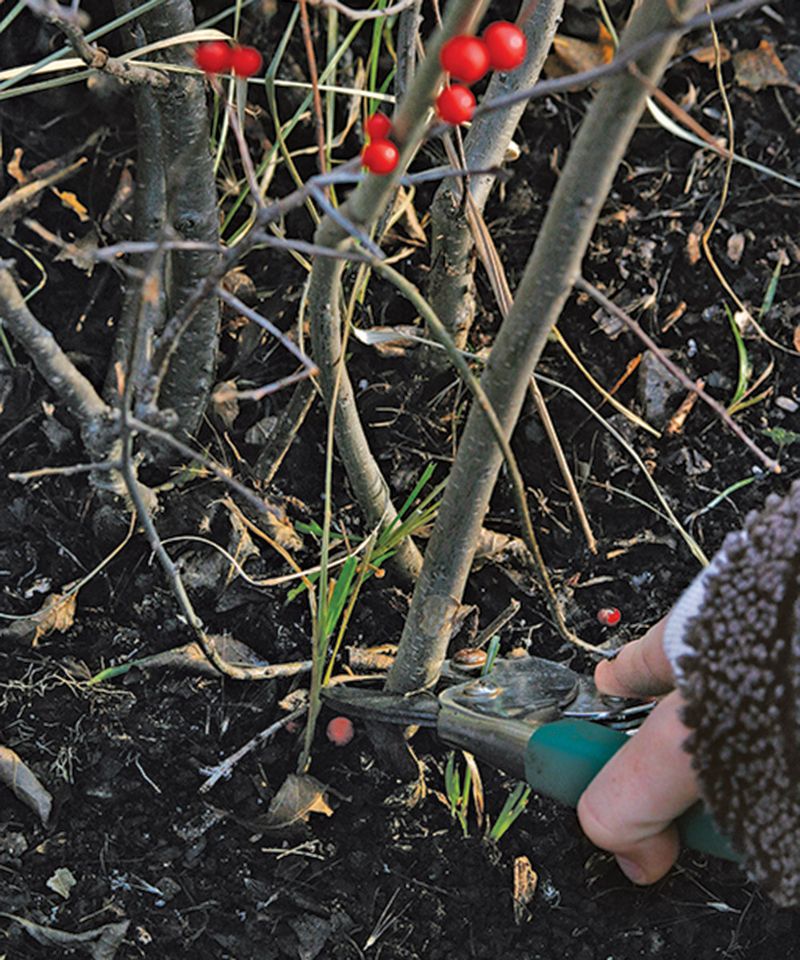
Low pruning does not mean no pruning. Left in its natural form, inkberry generally needs little attention, which is the appeal.
The catch is the base. Maryland Extension notes that inkberry can become bare at the bottom over time.
If you want fuller growth low on the plant, it recommends selectively thinning stems in early spring.
Selective thinning means cutting out some individual stems rather than trimming the outside of the plant. It opens the shrub up and lets light reach lower growth.
The same source advises against shearing. Cutting the whole outer surface flat can leave a thick top and starve the bottom, which is the opposite of what a screen needs.
Not every shrub will need the same care. A young plant may need nothing for years, while an older one with leggy stems may benefit from some thinning.
Look at your own plants each spring and decide based on what you see, not on a calendar.
Check wildfire exposure before planting near a home
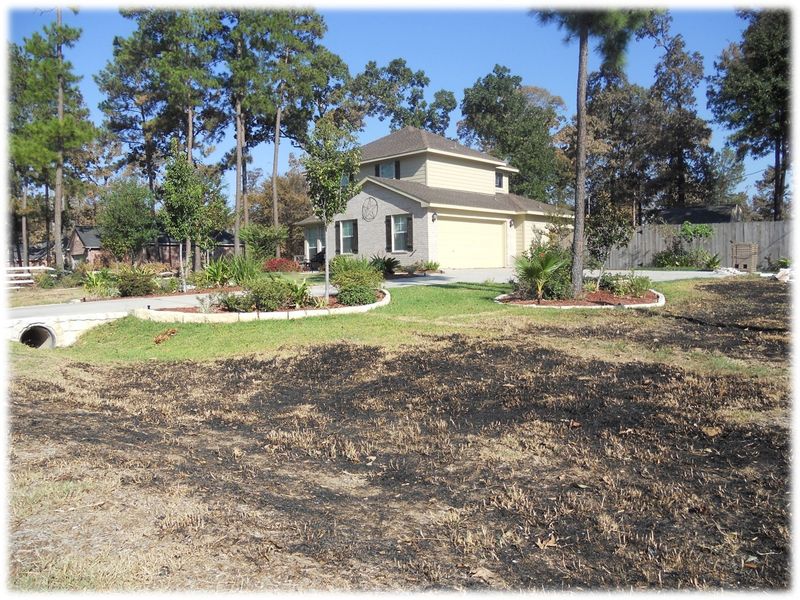
Fire is not the first thing most Pennsylvania gardeners think about, yet it deserves a quick check. NC State Extension’s plant profile classifies inkberry as highly flammable and advises against planting it within a home’s defensible space.
That guidance comes from North Carolina, so it is not a Pennsylvania regulation. Treat it as a prompt to look at your own surroundings.
Ask a few practical questions. Does your home back up to dry woods or brushy fields?
Has your area had wildfire or brush fire activity? Your local fire department or forestry office can tell you how much risk to expect.
This question is separate from wind protection. A shrub can screen well and still be a poor match for a spot right next to the house.
If risk looks real, consider placing inkberry farther from structures.
Use inkberry as one part of a plan
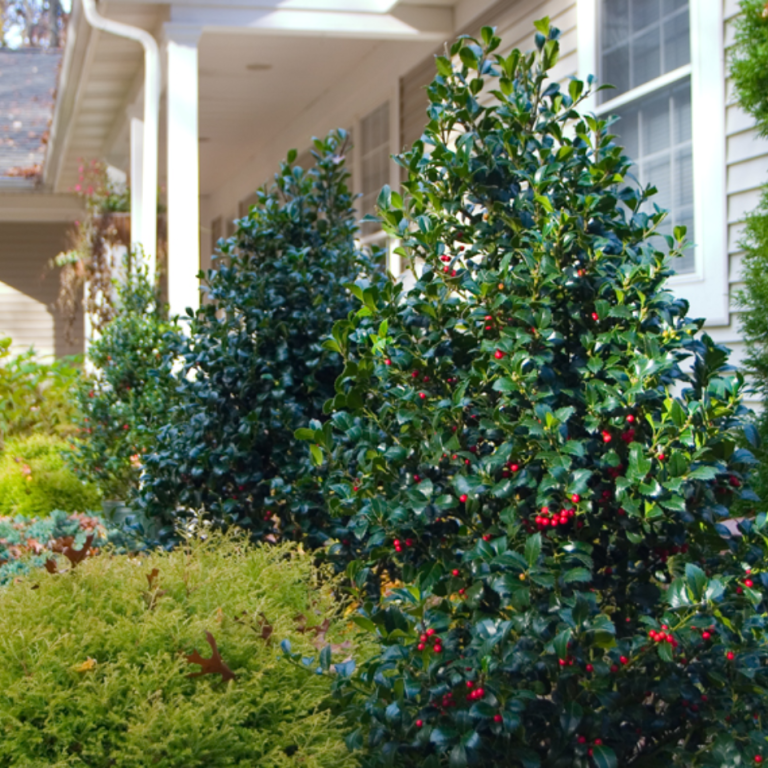
Inkberry may suit you if you want an evergreen screen that needs only modest pruning. Confirm it fits your soil, your cultivar, and your local conditions first.
For wind, sketch the whole plan. The state guide stresses height, density, and placement, and Maryland Extension reminds us inkberry can thin out at the base.
A shrub can be a good neighbor to the wind, but it is rarely the whole fence.
Share this story