You walk out to the garden one morning and find a huge, perfectly round web strung between the tomato cages. It looks a little scary, and it makes you wonder what kind of spider built it.
The good news is that most yard spiders want nothing to do with people. Here is how to read the clues, what raises the chance of a bite, and what to do if one happens.
A wheel-shaped web points to an orb-weaver, not a precise species
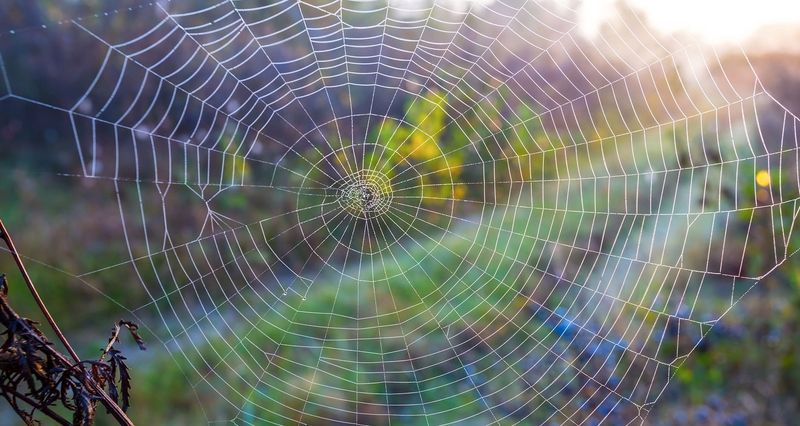
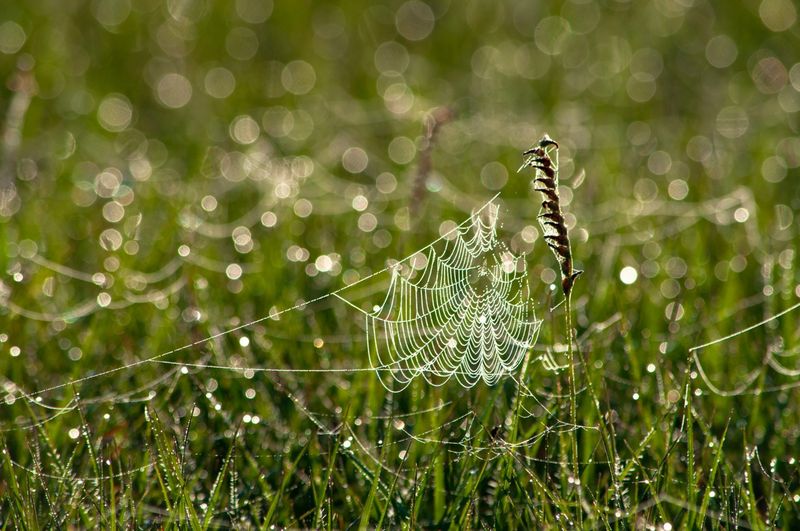
A web shaped like a wheel, with spokes running out from the center and circles of silk wrapped around them, is the classic sign of an orb-weaver. Illinois Department of Public Health information on spiders describes orb webs this way, and it is a handy first clue when you spot one stretched across a path or between plants.
A web alone cannot tell you the exact species, though. Illinois has many orb-weavers, and several of them build webs that look much alike from a few feet away.
Size, color, and the pattern on the spider’s body all matter, and the web only tells part of that story.
That is why this article talks about a likely group and a local example instead of naming one spider for certain. One familiar candidate is the black-and-yellow garden spider, which the Illinois Department of Natural Resources lists as common and native across the state.
If you want a more confident answer, a clear photo taken from a safe distance, along with details about where the web was and how big the spider looked, gives an expert much more to work with than a description of the web by itself.
The black-and-yellow garden spider is one familiar Illinois possibility
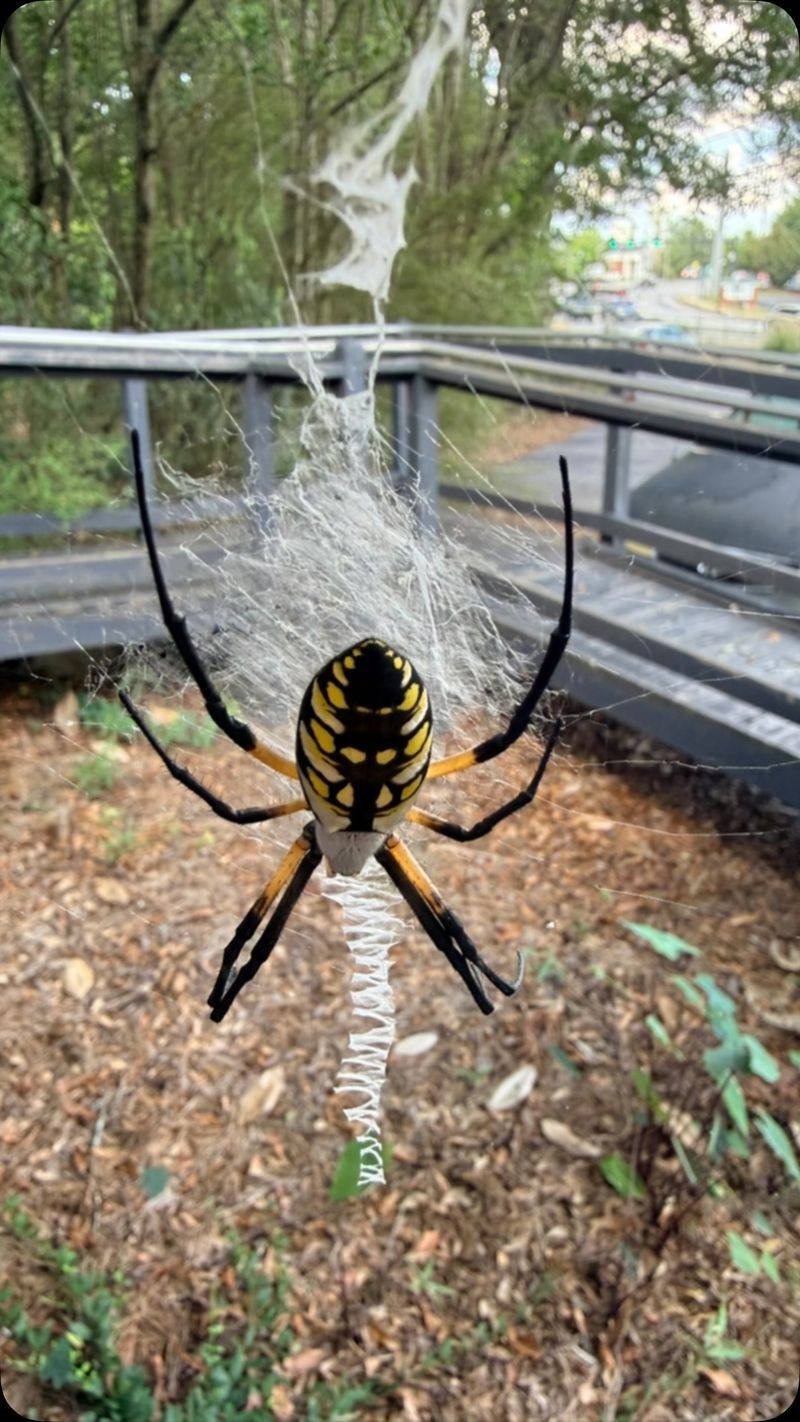
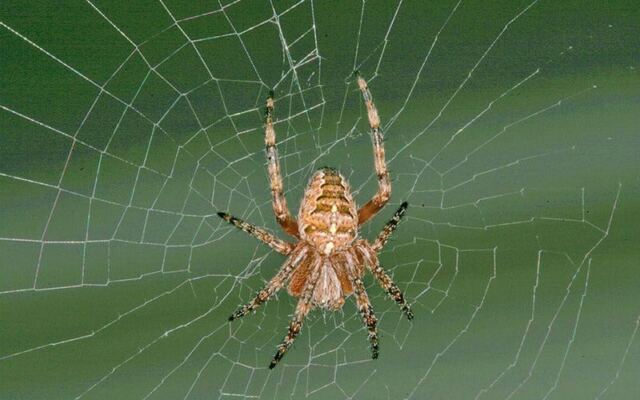
Late summer is when many Illinois residents first notice Argiope aurantia, the black-and-yellow garden spider. According to the Illinois Department of Natural Resources, it is a common native species found throughout the state, and mature females are easy to see in August and September.
The female builds a large orb web in open, sunny places such as gardens, field edges, and patches of tall grass. If your web sits in a spot like that, and the spider in the middle is big with bold black and yellow markings, this species becomes a reasonable guess.
Still, a guess is all it is. Those clues fit the black-and-yellow garden spider well, but they do not prove it, and other orb-weavers can turn up in similar places.
Think of the season, the habitat, and the web size as pieces of a puzzle. When several line up, you have a plausible match worth mentioning to a local extension office or posting with a photo, but you do not have a confirmed identification.
A bite is more likely when a spider gets trapped against skin
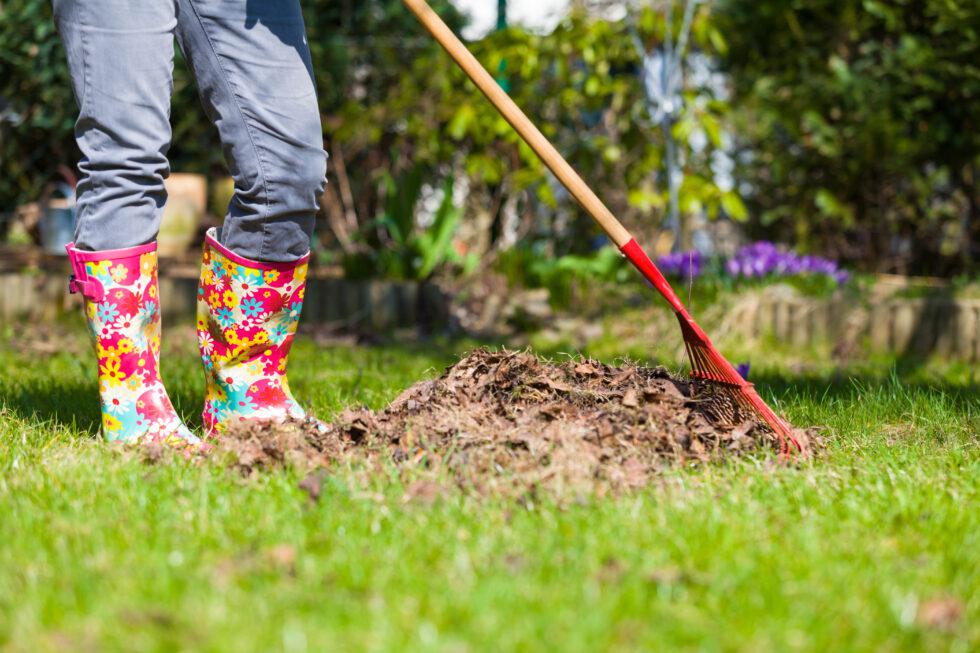
Spiders generally avoid people. The Illinois Poison Center notes that bites tend to happen when a spider feels threatened, gets crushed, or is caught in clothing or gear.
Picture a spider tucked inside a work glove or a shoe. When your hand or foot squeezes it, biting may be the only defense it has.
Poking at a spider, trying to pick it up, or swatting it against your arm creates a similar situation.
Walking past a web is a different story. Brushing by a web is not the same as grabbing or pinning the spider, and nothing here suggests that being near a web makes a bite likely.
Orb-weaver bites are described as uncommon, and Illinois public health guidance backs up that picture of spiders as reluctant biters.
No single action guarantees a bite, either. Disturbing, handling, crushing, or trapping a spider simply raises the odds.
University of Minnesota Extension describes the same pattern, with bites tied to spiders being touched or pressed against skin.
Yellow sac spiders make a different kind of web
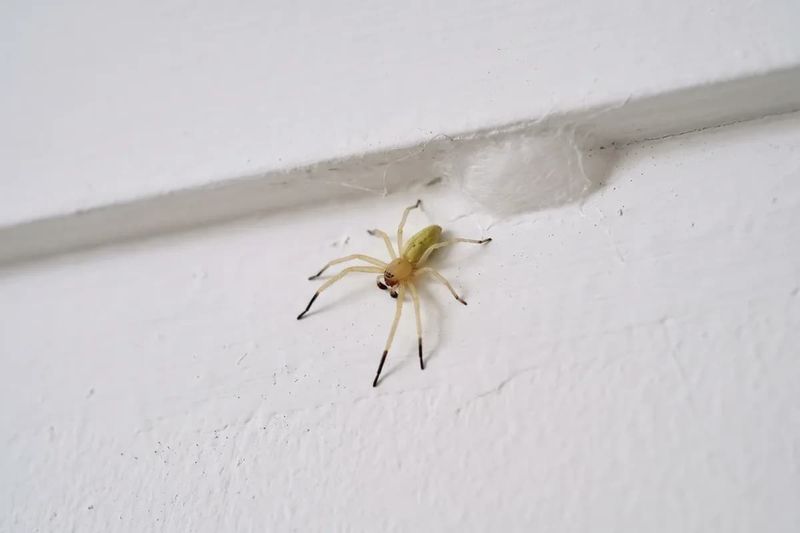
Not every spider in a yard sits in a big wheel. Yellow sac spiders are a separate group, and their silk looks nothing like an orb web.
They make small, tubular silk retreats, often tucked into leaves, corners, or crevices, and they hunt at night instead of waiting in a large web.
So a large orb web does not point to a yellow sac spider. The two differ in web style and behavior, which is why keeping them apart helps when you try to figure out what lives in your yard.
Illinois public health guidance and University of Minnesota Extension both describe their retreats and habits.
Yellow sac spiders can live outdoors and may bite if they are touched. Their bites have a reputation for causing tissue damage, but a 2006 review of verified bites found no necrosis in 20 cases from the United States and Australia.
Among 39 verified bites, one case of mild necrosis involved a European species.
That makes tissue death an unlikely result from a typical bite, though it does not prove every bite is harmless. Any bite still deserves a watchful eye.
A few habits can reduce unwanted contact
Prevention mostly comes down to giving spiders room. If a garden spider has set up beside the beans, leaving it alone when practical is the simplest plan.
It is also doing useful work catching insects.
Problems usually start in hidden places. Shake out gloves and garden shoes before putting them on, and avoid reaching blindly into dense vegetation, woodpiles, or stacked pots.
A spider you cannot see is a spider you might trap.
When you are curious about what you found, snap a photo from a safe distance. The Illinois Department of Natural Resources suggests preserving a spider for identification, but the Illinois Poison Center advises against staying in contact with one.
A photo is the safer choice, since it avoids catching or handling anything.
If a web blocks a walkway, try walking around it or moving it with a long stick, not your hand. The goal is fewer surprises, not an empty yard.
Use basic bite care, and get help for severe symptoms

If you think a spider bit you, start with simple steps. The Illinois Poison Center advises washing the area with soap and water, applying a cold compress, and monitoring the spot over the next while.
Watching matters because most bites cause only mild local irritation. Notice whether redness spreads, pain grows, or the area changes.
It is also wise not to decide what kind of spider bit you based on the bite alone, since marks from different causes can look alike.
Seek medical advice if the reaction is getting worse, the pain is severe, there is an open wound, or you have symptoms beyond the bite site. A call to your doctor or poison center is a reasonable step when you are unsure.
Some signs call for emergency services right away: difficulty breathing, muscle rigidity, dizziness, or confusion. These point to a body-wide reaction, not a local one.
General first aid guidance, such as the 2024 American Heart Association and American Red Cross first aid guidelines, stresses calling for help when symptoms like these appear.
Venomous does not automatically mean dangerous to people
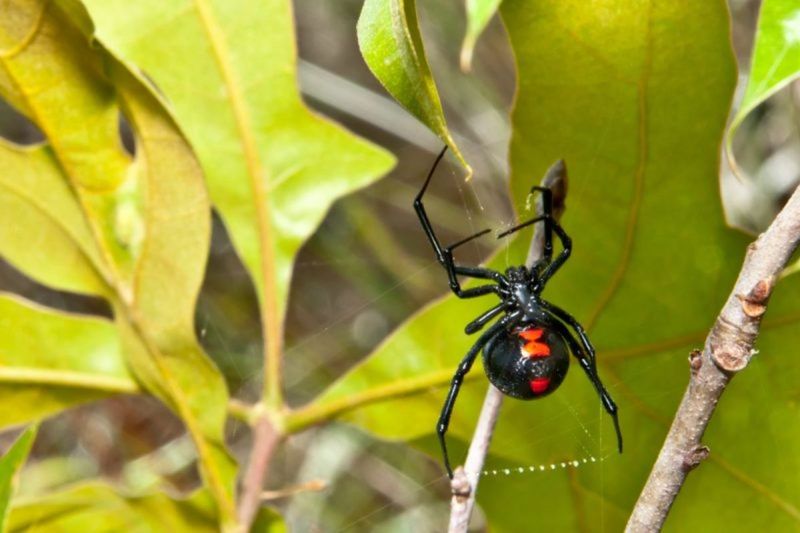
Most spiders make venom, since it is how they subdue prey. That fact alone says little about risk to people.
The Illinois Department of Natural Resources points to the brown recluse and the black widow as the Illinois spiders of particular concern for dangerous bites.
Ordinary yard spiders belong in a different category. Illinois public health guidance describes orb-weaver bites as uncommon, so lumping them in with those two would be a mistake.
The practical takeaway is simple: identify cautiously, never handle or trap a spider, and treat a bite with care while taking severe symptoms seriously.
A big web in the garden is usually a sign of a quiet neighbor at work.
Share this story