Your tomato patch might be hiding more than ripe fruit and a few hungry beetles. Every spring and summer, a surprising number of venomous creatures move into Tennessee yards, tucking themselves under mulch, leaves, and woodpiles.
Most of them want nothing to do with you, but a careless reach can lead to a painful or even dangerous bite or sting. Knowing what to look for keeps your hands safe and your gardening season fun.
1. Copperhead
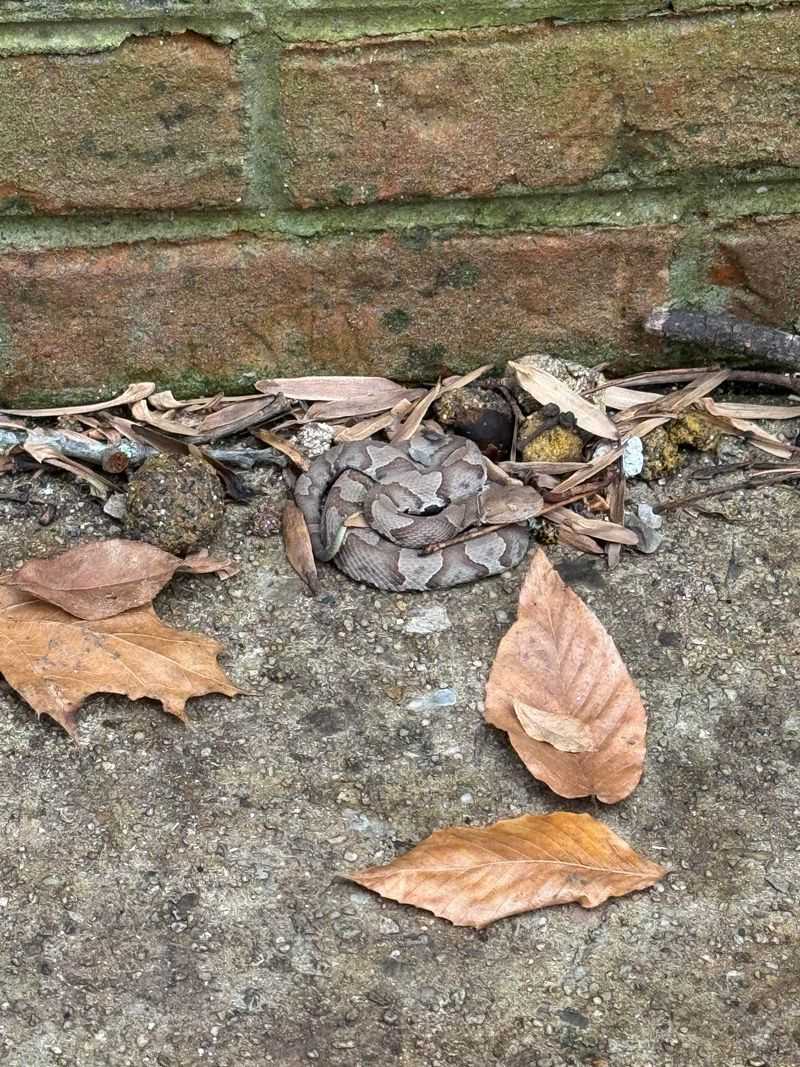
Ask any longtime Tennessee gardener about a close call, and odds are the story involves a copperhead. These snakes cause more venomous bites in the state than any other species, mostly because they freeze instead of fleeing.
Look for a thick body with tan to coppery coloring and dark bands shaped like an hourglass or a Hershey’s Kiss when seen from the side. Young copperheads have a bright yellow tail tip they wiggle to lure frogs.
Their camouflage in fallen leaves is so good that people often step right next to one without noticing.
Wear gloves and boots when clearing leaf litter, and use a rake before your hands. Bites are rarely deadly, but they hurt badly and need a trip to the ER.
2. Timber Rattlesnake
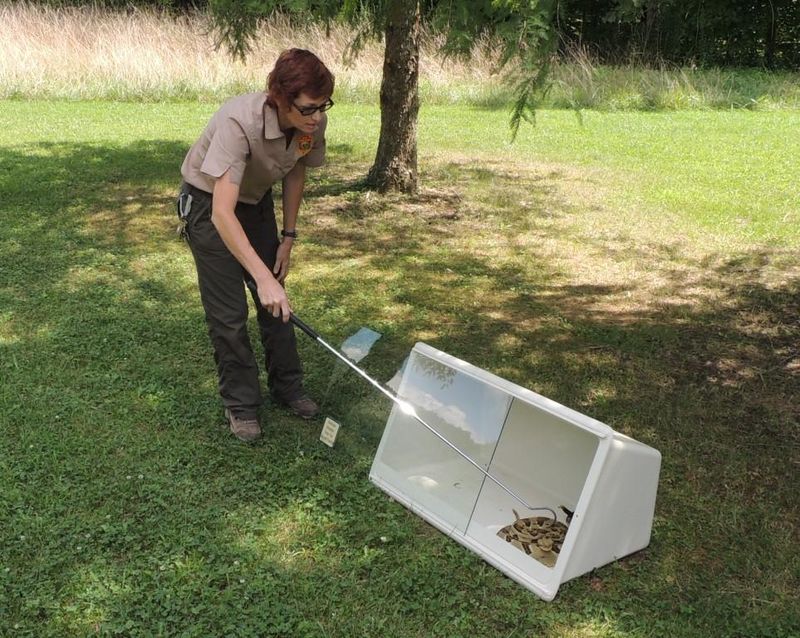
Few sounds stop you in your tracks like a dry, buzzing rattle. The timber rattlesnake is the big one in Tennessee, sometimes reaching five feet long.
You will most often find these heavy-bodied snakes in homes near forests and rocky hillsides, especially in the eastern and middle parts of the state. Their bodies range from yellowish to gray with dark, wavy V-shaped bands and a solid black tail ending in a rattle.
They are calm and slow to strike, often lying still for hours waiting for mice.
Give them plenty of room, at least the length of a garden hose. Keeping rodents out of your yard means fewer reasons for a rattler to visit.
A bite is a true emergency, so call 911 right away.
3. Cottonmouth
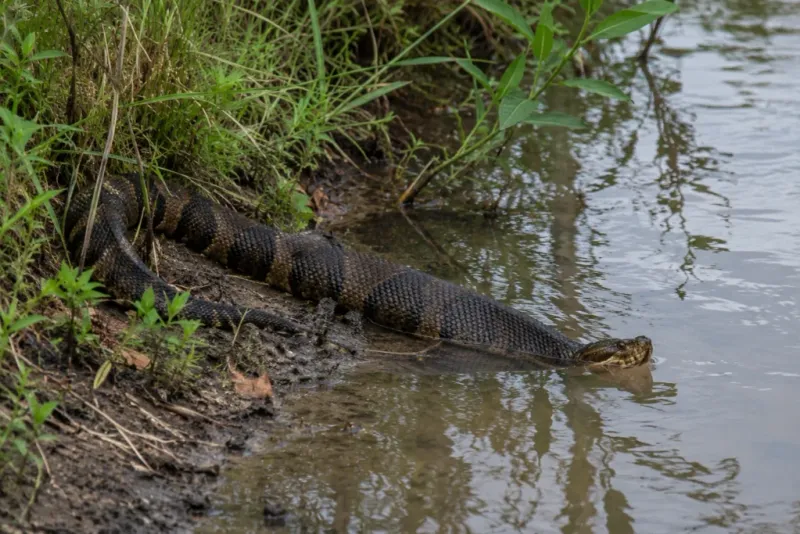
Got a water garden, a creek, or a soggy low spot in your yard? West Tennessee homeowners especially should keep an eye out for the cottonmouth, also called the water moccasin.
Adults are dark olive, brown, or almost black, with a chunky body and a blocky head. When bothered, they open their mouths wide to flash a cottony white lining, which is a clear warning to back away.
They often swim with their whole body floating on top of the water.
Many harmless water snakes get mistaken for cottonmouths, so do not try to handle any snake near water. Trim tall plants around ponds so you can see what is resting there.
4. Black Widow Spider
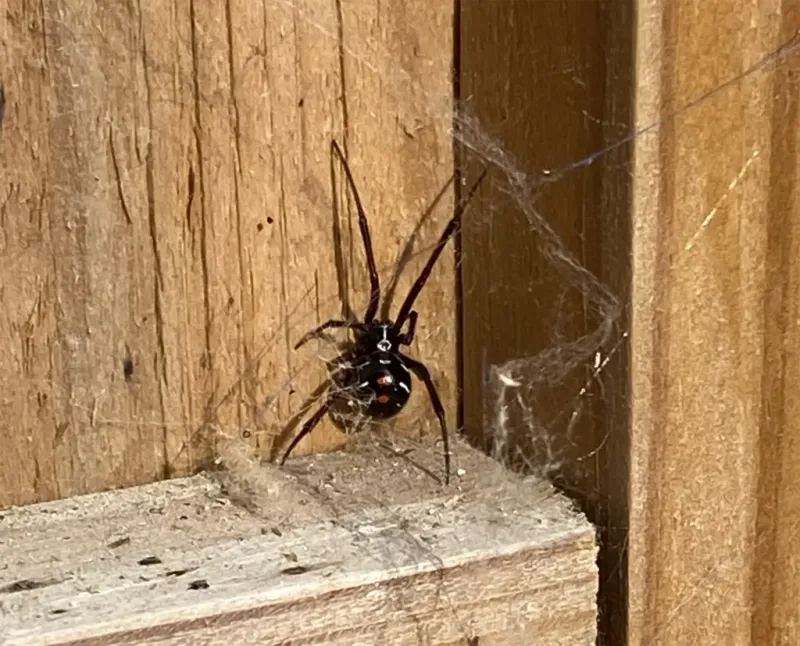
Picture yourself lifting an old flower pot and spotting a glossy black spider dangling upside down. That red hourglass on her belly is nature’s stop sign.
Female black widows are the ones to worry about. They build tangled, sticky webs in dark, quiet places like pot bottoms, woodpiles, water meter boxes, and under deck stairs.
Their venom affects nerves and can cause cramps, sweating, and strong muscle pain.
Fun fact: the males are tiny, harmless, and much less common to spot. Always wear gloves when moving pots or boards, and shake out gardening shoes left outside.
5. Brown Recluse Spider
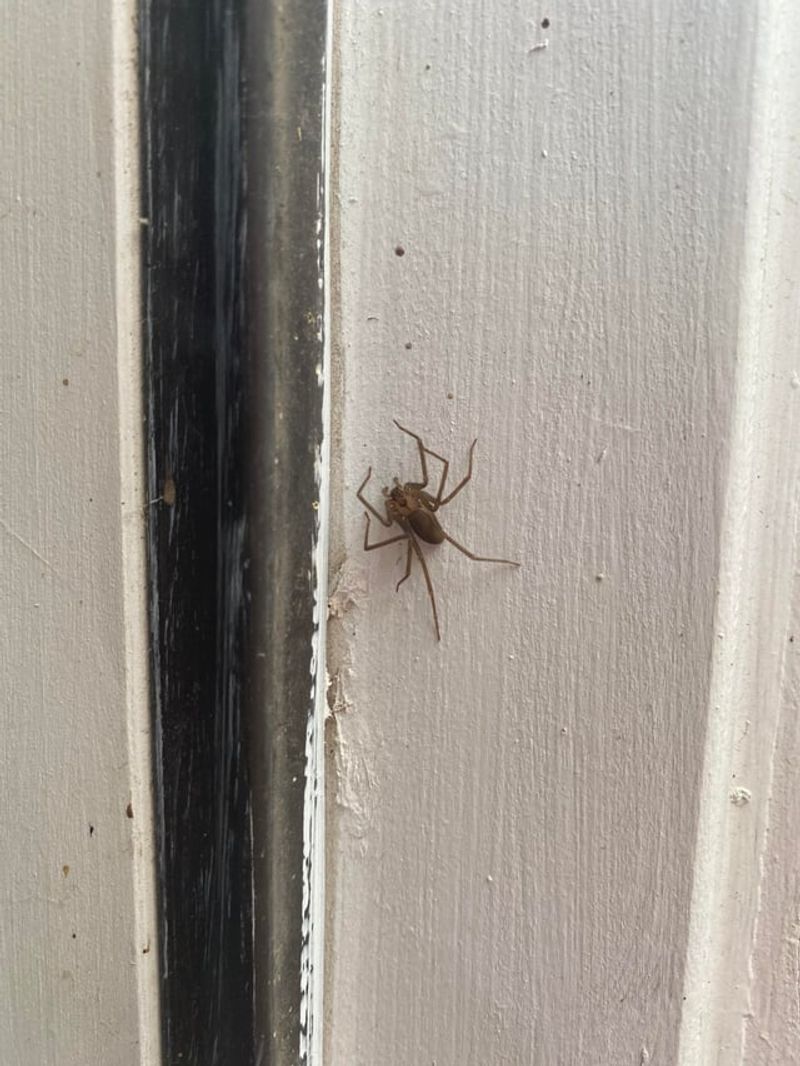
Shy by name and shy by nature, the brown recluse is a Tennessee native that loves clutter. Garden sheds, garages, and stacks of cardboard are its favorite hideouts.
Look for a light brown spider about the size of a quarter with legs spread out. A dark violin shape sits on its back, with the neck pointing toward the rear.
It also has six eyes instead of eight, though you would need a magnifier to check.
Bites can sometimes cause a sore that heals slowly. Store gloves and tools in sealed bins, and keep your shed tidy so these loners have fewer places to hide.
6. Saddleback Caterpillar
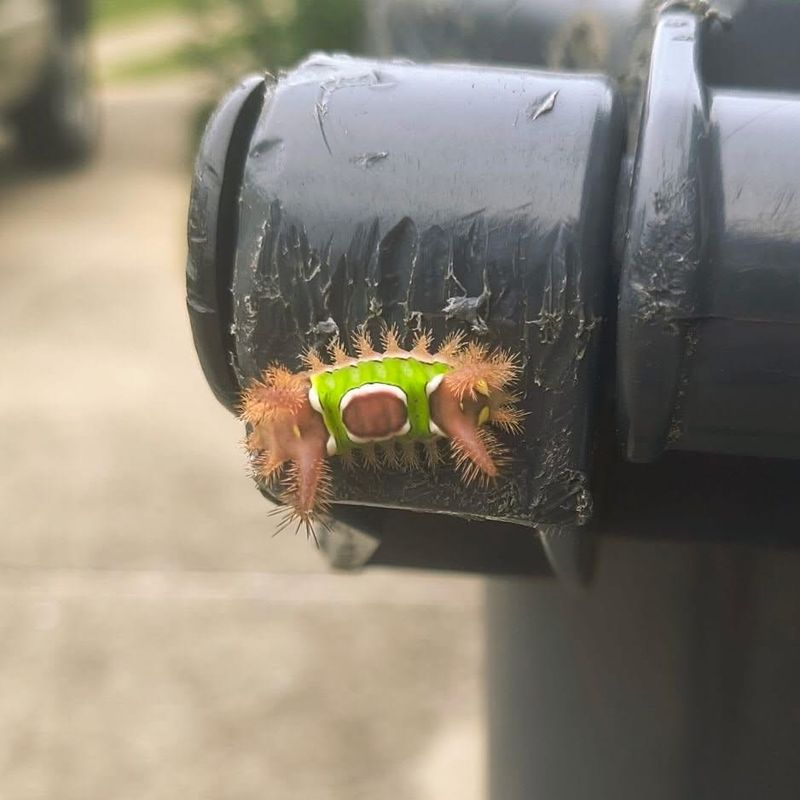
Cute? Sort of.
Friendly? Absolutely not.
The saddleback caterpillar looks like it is wearing a tiny green blanket with a brown saddle on top.
Spiny horns on both ends and along its sides are loaded with venom. Brushing against one feels like a bee sting that lingers, often with redness and swelling.
You will find them on corn, rosebushes, and many shrubs from mid-summer into fall.
If you get stung, press clear tape on the spot and pull it away to remove broken spines. Then wash with soap and water and use an ice pack.
7. Puss Caterpillar
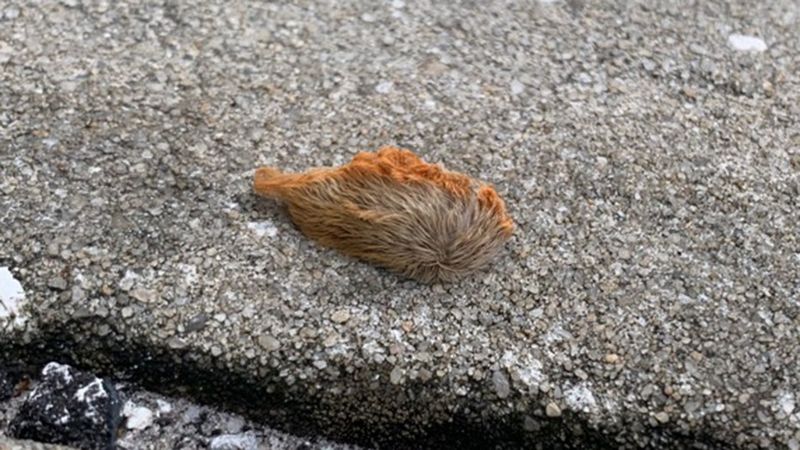
It looks like a little tuft of fur or a doll’s toupee. Kids love to pet soft things, and that is exactly why the puss caterpillar is so sneaky.
Hidden under that fluffy coat are venomous spines that rank among the most painful stings of any North American insect. People describe burning pain that can spread up the arm, along with headaches and nausea.
They show up on oaks, elms, and shrubs near gardens in late summer.
Teach children a simple rule: never touch fuzzy caterpillars. If someone gets stung and feels very sick, call a doctor or poison control.
8. Yellowjacket
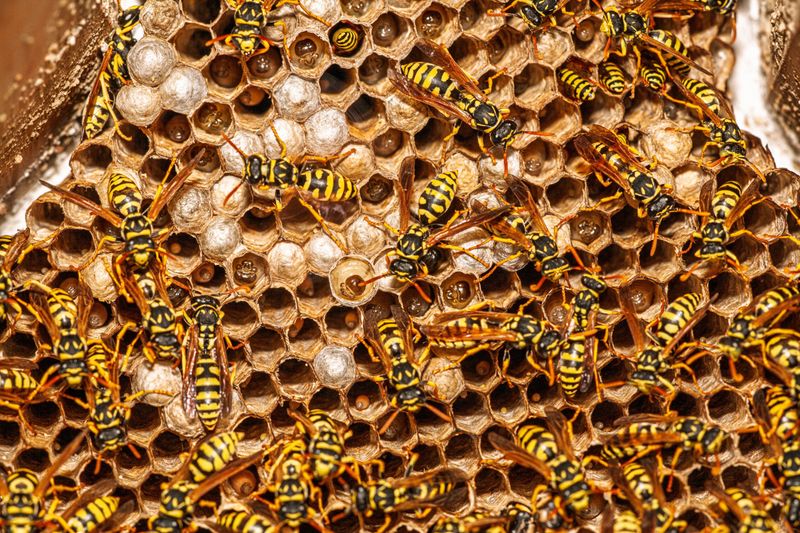
Mowing along happily, then suddenly a cloud of angry insects pours out of the grass. Many Tennessee gardeners learn about yellowjackets this way.
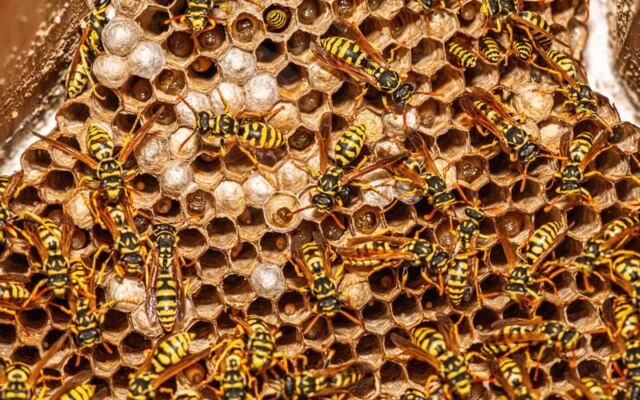
These black and yellow wasps often nest underground in old rodent holes. Unlike honeybees, they can sting again and again, and colonies grow huge by late summer.
Watch for a steady stream of wasps zipping in and out of one hole in the ground.
Mark nest spots with a flag and keep away. For anyone with a sting allergy, these are among the most dangerous critters in the yard, so keep an epinephrine pen handy if prescribed.
9. Red Velvet Ant
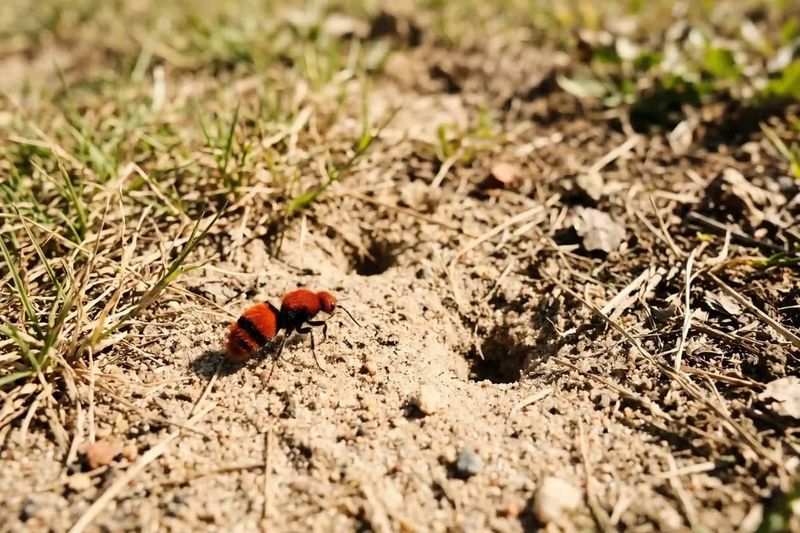
Nicknamed the cow killer, this fuzzy red insect has quite the reputation. It will not actually take down a cow, but its sting is famously painful.
Here is the twist: the velvet ant is not an ant at all. It is a wingless female wasp, bright red and black, often seen scurrying across sandy, sunny spots in gardens and paths.
When picked up, it may squeak as a warning.
They are not aggressive and only sting when grabbed or stepped on barefoot. Wear shoes outdoors in summer, and admire this flashy wanderer from a safe distance.
10. Wheel Bug
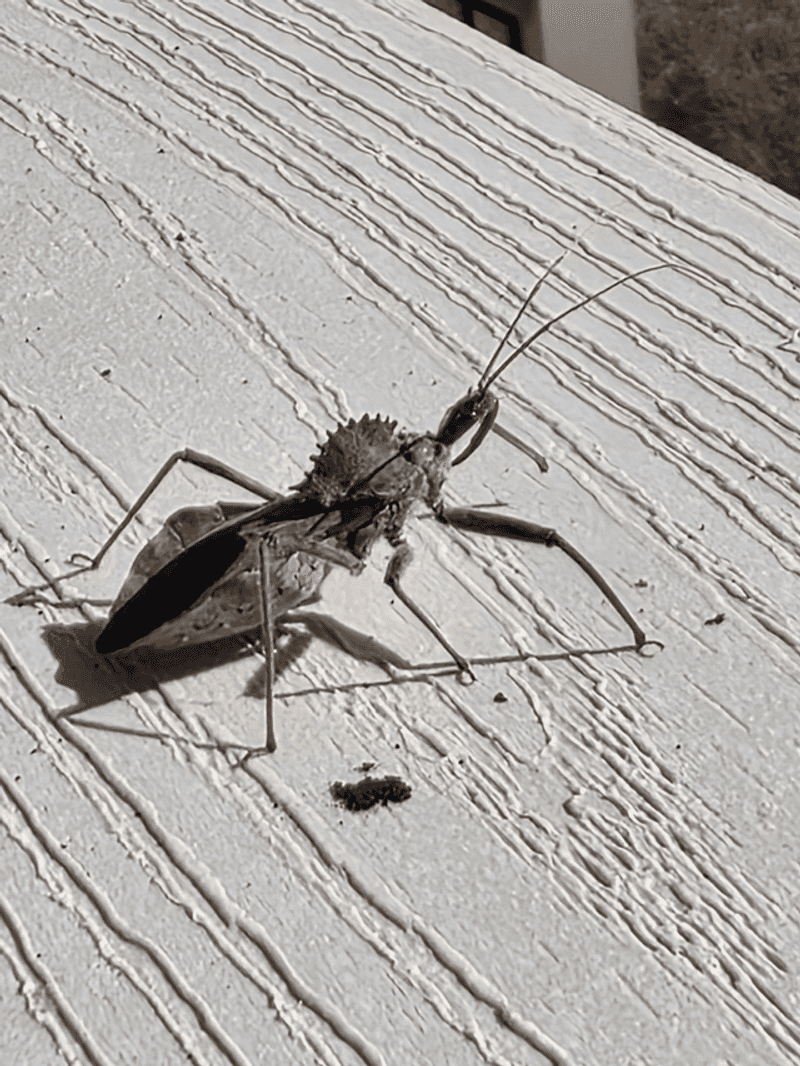
Some garden visitors are helpers with a dangerous side. The wheel bug is a powerful predator that eats caterpillars, beetles, and other pests on your plants.
Spot it by the strange, gear-like crest on its back, which looks like half of a cog wheel. It is gray-brown and over an inch long, with a long beak tucked under its head.
That beak injects venom into prey, and it will use it on fingers too.
A bite can be more painful than a bee sting and may stay numb for days. Let it keep working in your garden, just do not try to pick it up.
Share this story