Get the latest garden guides in your inbox →
Gardening Latest
  • General Gardening
  • Lawn Care
  • Plant Care
  • Composting
  • Soil Health
  • Backyard
  • Garden Muse Magazine
  • General Gardening
  • Lawn Care
  • Plant Care
  • Composting
  • Soil Health
  • Backyard
  • Garden Muse Magazine
  • News
  • Gardening Calendar
  • Garden Structures
  • Vegetable Garden
  • Vertical Garden
  • Raised Beds
  • Hydroponics
  • General Equipment
  • Community Gardens
Garden Themes
  • Spiritual Garden
  • Hydroseeding
  • Seeding and Laying Sod
  • Artificial Grass
  • Lawn Care Equipment
  • Plants
  • Trees
  • Planting Tools
  • Composting Basics
  • Fertilizer
  • Alternative Growing Mediums
  • Front Yard
  • Backyard Activities
  • Landscaping
Gardening Latest

Explore by state

Which state is your garden in?

Currently viewing Alabama

All states

Northeast

  • Connecticut —
  • Delaware 19
  • Maine —
  • Maryland 5
  • Massachusetts 21
  • New Hampshire —
  • New Jersey 5
  • New York 14
  • Pennsylvania 14
  • Rhode Island —
  • Vermont —

Southeast

  • Alabama 5
  • Arkansas —
  • Florida 5
  • Georgia 5
  • Kentucky 19
  • Louisiana 4
  • Mississippi —
  • North Carolina 3
  • South Carolina 18
  • Tennessee 2
  • Virginia 4
  • West Virginia —

Midwest

  • Illinois 4
  • Indiana 6
  • Iowa 18
  • Kansas —
  • Michigan 5
  • Minnesota 4
  • Missouri 3
  • Nebraska —
  • North Dakota —
  • Ohio 5
  • South Dakota —
  • Wisconsin 19

Southwest

  • Arizona 4
  • Colorado —
  • Nevada —
  • New Mexico —
  • Oklahoma —
  • Texas 3
  • Utah —

West

  • Alaska —
  • California 4
  • Hawaii —
  • Idaho —
  • Montana —
  • Oregon —
  • Washington —
  • Wyoming —

No state matches that search.

Site menu

Gardening Latest
  • General Gardening
    • News
    • Gardening Calendar
    • Garden Structures
    • Vegetable Garden
    • Vertical Garden
    • Raised Beds
    • Hydroponics
    • General Equipment
    • Community Gardens
    Garden Themes
    • Spiritual Garden
  • Lawn Care
    • Hydroseeding
    • Seeding and Laying Sod
    • Artificial Grass
    • Lawn Care Equipment
  • Plant Care
    • Plants
    • Trees
    • Planting Tools
  • Composting
    • Composting Basics
  • Soil Health
    • Fertilizer
    • Alternative Growing Mediums
  • Backyard
    • Front Yard
    • Backyard Activities
    • Landscaping
  • Garden Muse Magazine

Explore

  • About GardeningLatest.com
  • Contact Us

Get the latest from the garden

New guides on lawn care, plants and backyard projects, sent when they go up.

Subscribe →

Follow

  • Facebook
  • X
  • Pinterest
  • YouTube
Alabama Gardening

Wild Mushrooms Popping Up After Alabama Rains, And How To Tell The Deadly Ones Apart

After a good soaking rain in Alabama, you might wake up to find strange little caps dotting your yard overnight.

LT

By Loretta Tate

November 22, 2026 · 6 min read

Wild Mushrooms Popping Up After Alabama Rains, And How To Tell The Deadly Ones Apart

After a good soaking rain in Alabama, you might wake up to find strange little caps dotting your yard overnight. Some of these mushrooms are harmless, a few are tasty, and some can shut down your liver within days.

Knowing the difference could protect you, your kids, and your pets. Here are ten mushrooms you are likely to spot after the storms roll through, plus the clues that separate the safe from the seriously dangerous.

At a glance

Where
Alabama Gardening
Hardiness zone
8 10 to 20°F
Read
6 minutes
Published
November 22, 2026

1. Eastern North American Destroying Angel
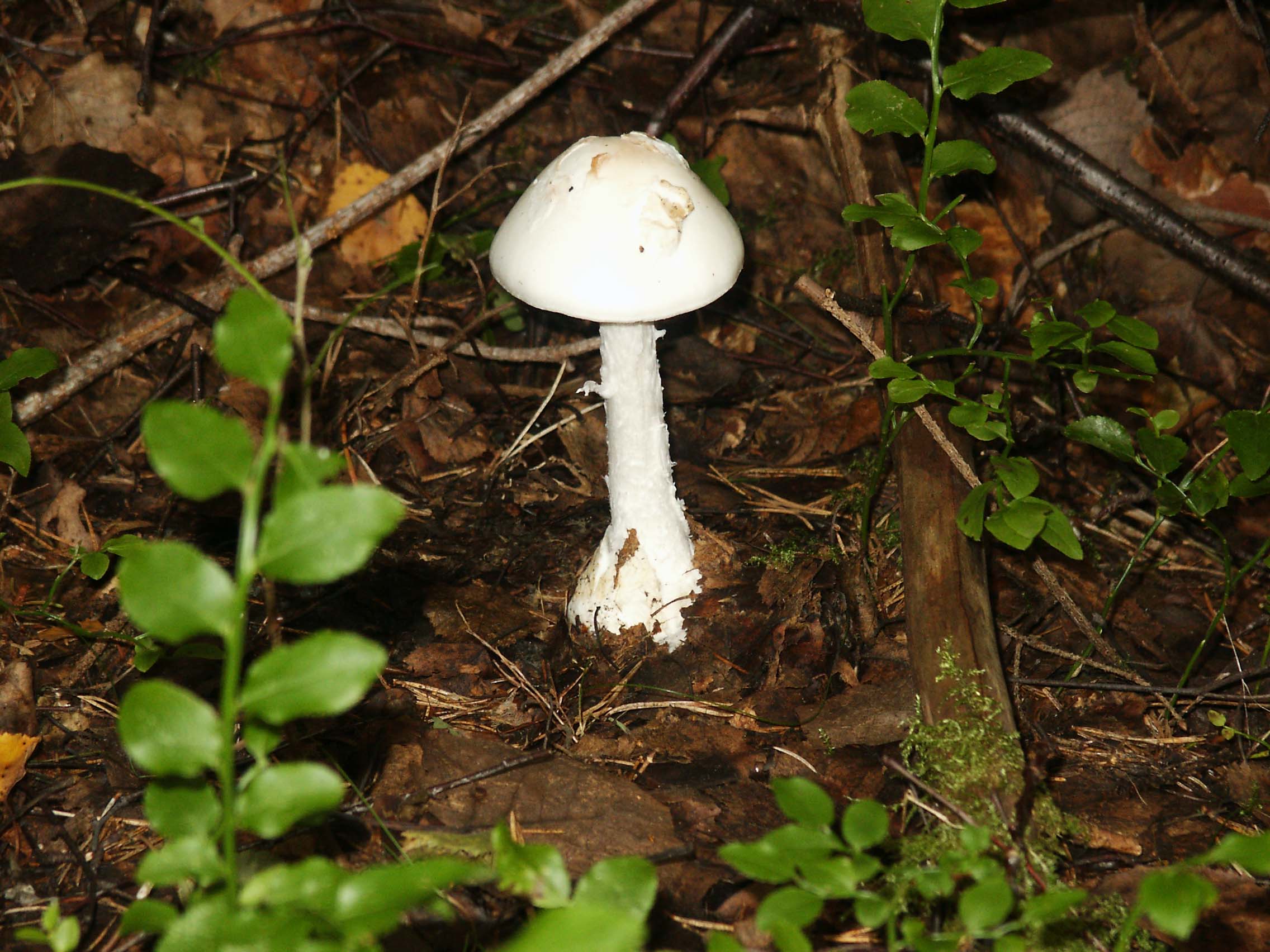
Eastern North American Destroying Angel
© Wikipedia

Beautiful and pure white, the destroying angel looks like something a fairy might use as an umbrella. That innocent look hides one of the deadliest toxins in nature.

A single cap can contain enough amatoxin to kill an adult.

You will often find it near oak and pine trees in Alabama woods and wooded yards, especially in summer and early fall after heavy rain. Look for white gills, a thin ring on the stem, and a sack-like cup buried at the base.

Here is the scary part. Symptoms may not show up for 6 to 24 hours, and then the person may feel better for a day before liver damage sets in.

If anyone eats a white mushroom they cannot identify, call Poison Control at 1-800-222-1222 right away.

2. Green-Spored Parasol
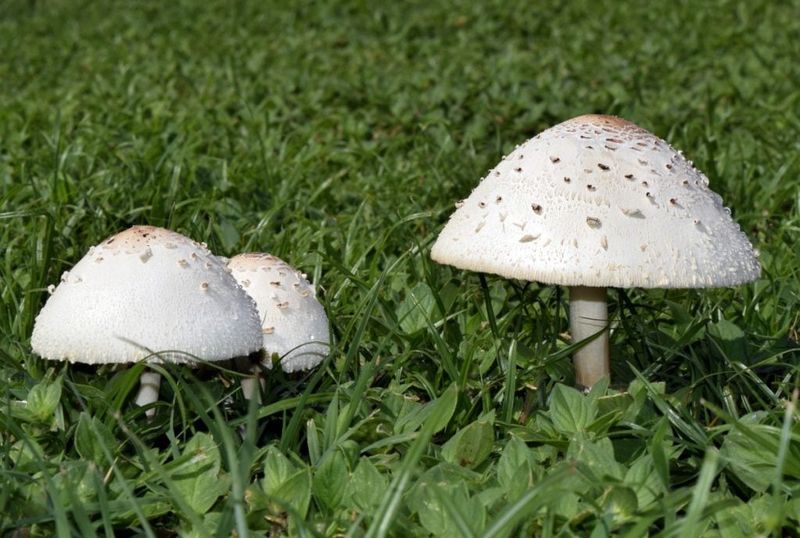
Green-Spored Parasol
© GroCycle

Ask any Southern poison center which mushroom sends the most people to the ER, and the answer is usually this lawn giant. Chlorophyllum molybdites loves warm, wet grass and often pops up in big fairy rings.

The cap can grow wider than a dinner plate, with tan scales on a white background. It looks a lot like the edible parasol mushroom, which is why folks get fooled.

The giveaway is the spore color. Older gills turn a dull greenish gray, and a spore print comes out green.

Eating it usually causes hours of violent vomiting and diarrhea, so keep toddlers and dogs away from those backyard rings.

3. Jack-O-Lantern Mushroom
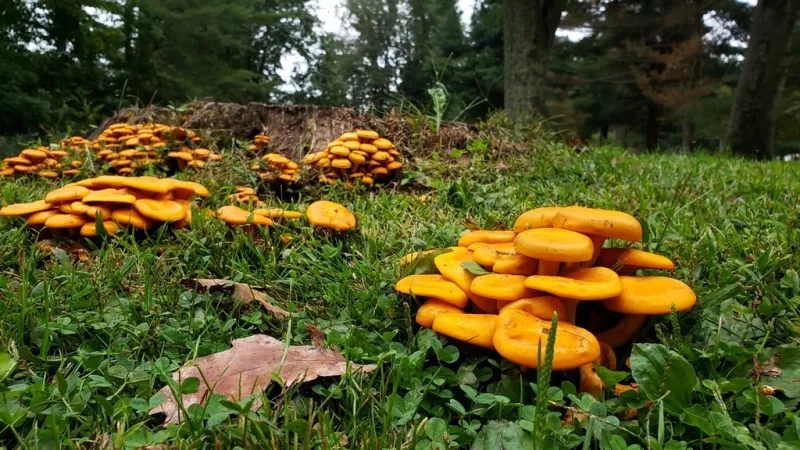
Jack-O-Lantern Mushroom
© mushroom-identification.com

Picture a glowing orange bouquet sprouting from an old oak stump. Fun fact: the gills of the jack-o-lantern mushroom can give off a faint green glow in total darkness!

Sadly, that cool trick does not make it safe. Foragers sometimes mistake it for the prized chanterelle, but eating it leads to cramps, vomiting, and a miserable day or two.

Learning those three features helps you spot the whole Amanita family, which causes most mushroom deaths worldwide.

To tell them apart, check the underside. Jack-o-lanterns have true, sharp, blade-like gills and grow in tight clusters on wood.

Chanterelles have blunt, forked ridges and grow alone from the soil.

4. Chanterelles
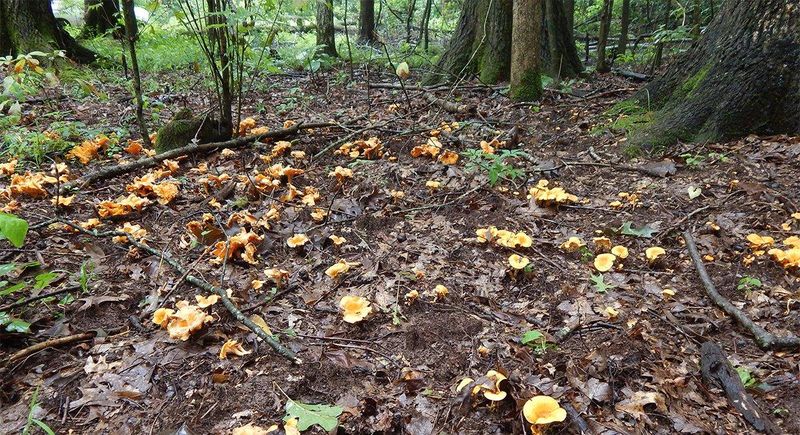
Chanterelles
© Realtree

Summer rain in Alabama means one thing to local foragers: chanterelle hunting season. These golden mushrooms smell faintly of apricots and show up under oaks and beech trees from June into August.

Flip one over and you will see wrinkly ridges instead of thin gills. Those ridges fork and run down the stem like melted wax.

Tear the stem, and the inside flesh looks white and stringy, a bit like string cheese.

Even with an easy-to-spot mushroom like this, never eat one on a guess. Have an experienced forager or a local mushroom club confirm your find, and compare it carefully with the toxic jack-o-lantern before cooking.

5. Deadly Galerina
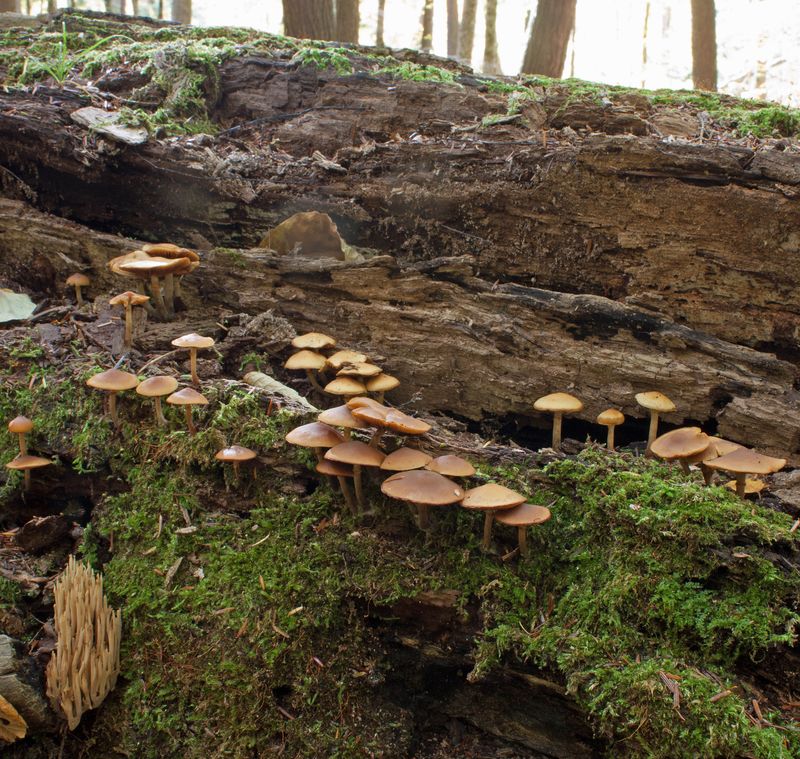
Deadly Galerina
© The Meaning of Water

Small, brown, and boring. That is the best way to describe Galerina marginata, and it is exactly why it is so dangerous.

It carries the same liver-destroying toxins as the destroying angel. Yet it looks like dozens of other little brown mushrooms growing on rotten logs across the state.

Mushroom experts even have a nickname for this group: LBMs, or little brown mushrooms. The safest rule?

Treat every small brown mushroom on wood as off-limits. Some people have confused Galerina with edible honey mushrooms, and the results were tragic.

6. Chicken of the Woods
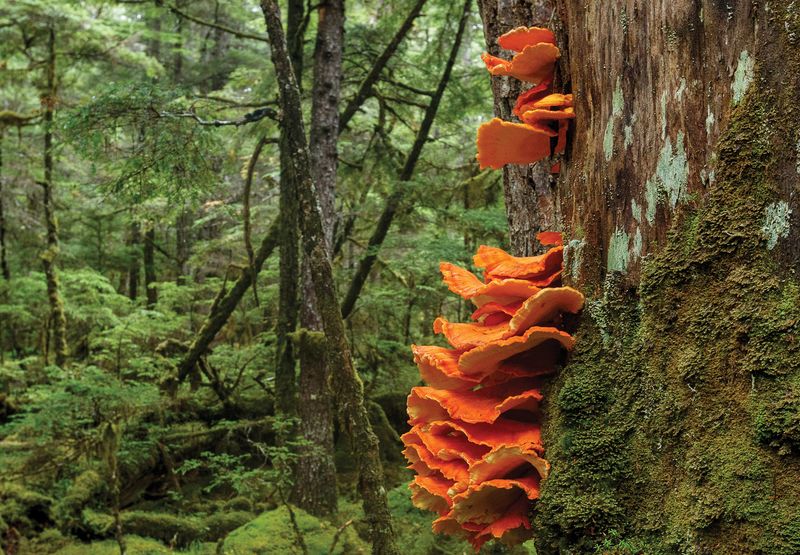
Chicken of the Woods
© Grit Magazine

Bright enough to spot from your car window, chicken of the woods grows in bold orange and yellow shelves on oak trees and stumps. Many people say it tastes and feels like chicken when cooked, which explains the funny name.

There are no gills here at all. The underside is covered with tiny pores, and the whole thing looks like stacked fans.

Still, caution matters. Some people get upset stomachs, especially from mushrooms growing on eucalyptus, cedar, or other conifers.

Always cook it well, try only a small bite the first time, and confirm the ID with someone who knows.

7. False Morels
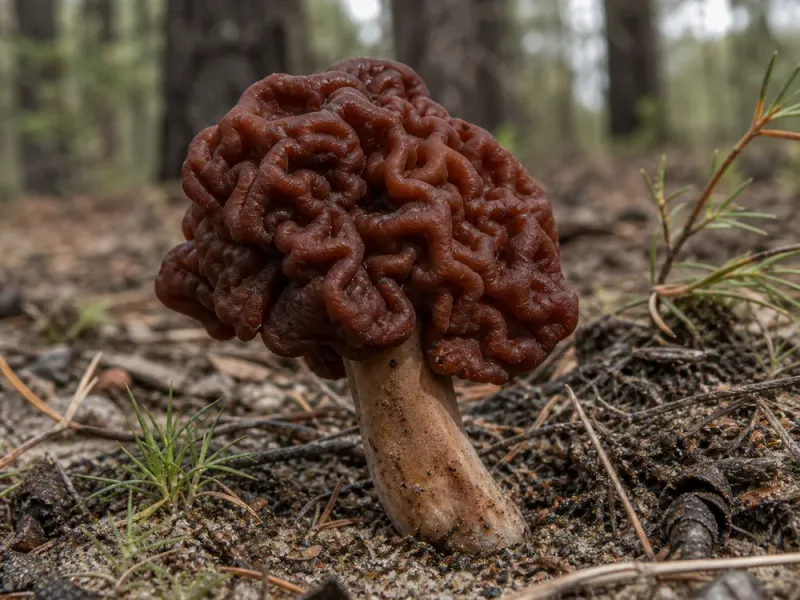
False Morels
© Mushroom Identification Guide: Edibility, Lookalikes, Safety

Spring morel hunters, listen up. Not every wrinkly cap in the woods is the tasty treasure you are hoping for.

False morels have caps that look lumpy and brain-like instead of honeycombed. They often lean reddish brown, and their caps hang loose or bulge outward.

The easiest test is to slice one in half lengthwise.

A true morel is completely hollow from top to bottom. A false morel is stuffed with cottony material or split into chambers.

These fakes contain a toxin related to rocket fuel, so leave them right where you found them.

8. Fly Agaric and Its Southern Cousins
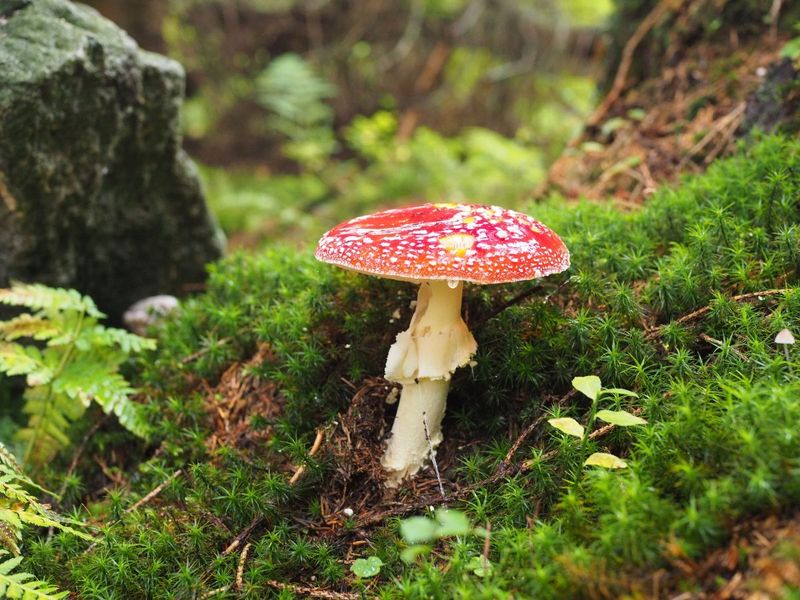
Fly Agaric and Its Southern Cousins
© Mushroom Appreciation

Remember the red mushroom with white dots from fairy tales and video games? That is the fly agaric, and Alabama has a yellow-orange version called Amanita muscaria var. guessowii, plus several warty relatives.

They are poisonous, causing confusion, drowsiness, sweating, and vomiting. Most adults survive, but small kids and pets can get very sick.

Like other Amanitas, they usually have white gills, a ring, and a swollen base. Learning those three features helps you spot the whole Amanita family, which causes most mushroom deaths worldwide.

9. Puffballs
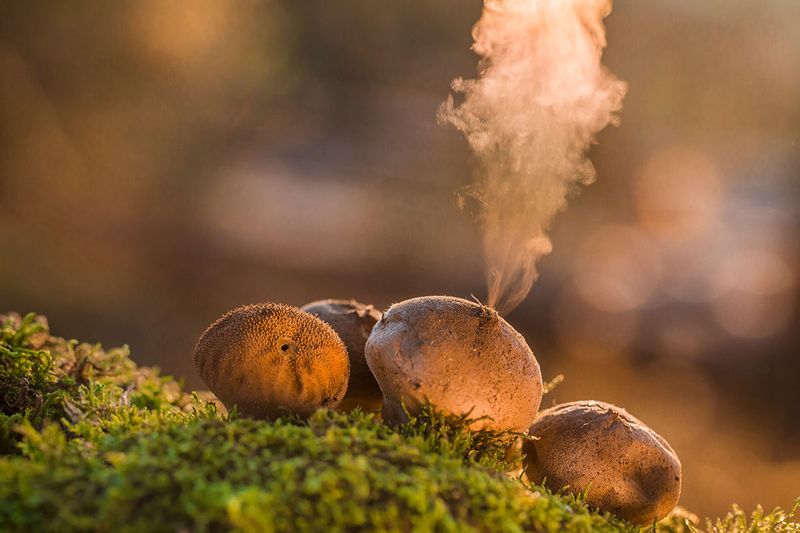
Puffballs
© WildBounds

Kids love stomping on old puffballs to watch a cloud of brown dust shoot out. That smoky puff is actually millions of spores heading off to start new mushrooms.

Young puffballs are round, white, and solid inside, like a marshmallow. Some are edible when the inside is pure white all the way through.

Here is the catch. A baby Amanita still inside its egg can look like a puffball from the outside.

Always cut it top to bottom. If you see the outline of a tiny mushroom with a cap and stem, throw it out, because that could be a deadly angel in disguise.

10. Protecting Kids and Pets in Your Yard
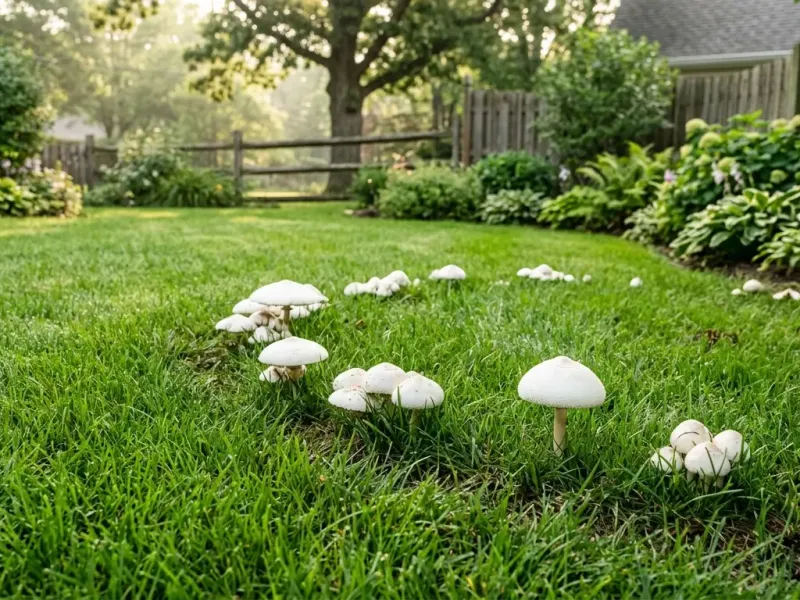
Protecting Kids and Pets in Your Yard
© Aiper

Dogs do not care what a mushroom is called. They just sniff, chomp, and swallow, and veterinarians across Alabama see a spike in poisonings after rainy weeks.

The simplest fix is a quick morning sweep. Wear gloves, pull up any mushrooms, and toss them in a sealed trash bag.

Teach young children a simple rule: we look at mushrooms, but we never taste them.

If a child or pet eats one, snap a photo, save a sample in a paper bag, and call Poison Control at 1-800-222-1222 or your vet. Quick action makes a huge difference with toxic species.

Curious about learning more? The Alabama Mushroom Society hosts forays where experts teach safe identification in person.

Share this story
LT

Written by

Loretta Tate

More from Loretta Tate →

About Gardening Latest

Gardening Latest provides in-depth guides to maintaining and enhancing your garden and backyard. Learn how to make the most of the space you have and create a beautiful garden.

More about us →

Latest stories

  • Tennessee GardeningTennessee Gardeners Share Their Yards With a Venomous Mammal That Weighs Under an Ounce

    Tennessee Gardeners Share Their Yards With a Venomous Mammal That Weighs Under an Ounce

    5 min ago
  • Minnesota GardeningWhat Those Tracks Crisscrossing Your Snowy Minnesota Yard Are Telling You About Nighttime Visitors

    What Those Tracks Crisscrossing Your Snowy Minnesota Yard Are Telling You About Nighttime Visitors

    17 min ago
  • Illinois GardeningThose Dark Purple Berries Hanging on Pink Stems Along Illinois Fence Lines Are Poison for Your Dog

    Those Dark Purple Berries Hanging on Pink Stems Along Illinois Fence Lines Are Poison for Your Dog

    23 min ago
  • Louisiana GardeningSomething Digs Through Louisiana Lawns Every Night, And By Morning You See The Damage

    Something Digs Through Louisiana Lawns Every Night, And By Morning You See The Damage

    29 min ago
  • Delaware GardeningStung by a Saddleback Caterpillar While Weeding in Delaware? Do These Things Right Away

    Stung by a Saddleback Caterpillar While Weeding in Delaware? Do These Things Right Away

    35 min ago

Gardening by state

Stories for your state, and the hardiness zone most of it gardens in.

Keep exploring

Read next

All Alabama Gardening →
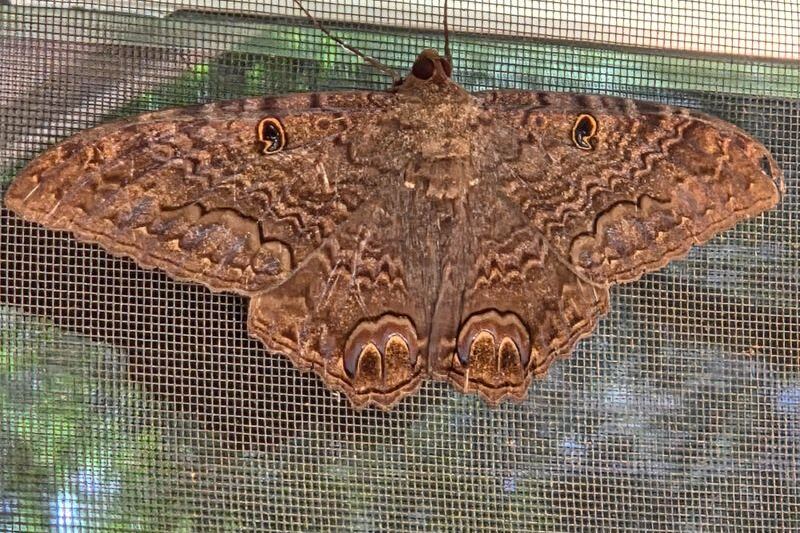
Alabama GardeningSpotted A Huge Dark Moth Resting By Your Alabama Front Door? Here’s The Story
Alabama Gardening

Spotted A Huge Dark Moth Resting By Your Alabama Front Door? Here’s The Story

3 hr ago
Alabama GardeningWhat Floodwater May Leave Behind in Alabama Vegetable Beds and How to Assess It
Alabama Gardening

What Floodwater May Leave Behind in Alabama Vegetable Beds and How to Assess It

Nov 13
Alabama GardeningThese Venomous Creatures Share Your Alabama Yard, And Here’s How To Recognize Each One
Alabama Gardening

These Venomous Creatures Share Your Alabama Yard, And Here’s How To Recognize Each One

Nov 13

More from Alabama Gardening

  • Something Digs Through Louisiana Lawns Every Night, And By Morning You See The Damage

    29 min ago
  • Stung by a Saddleback Caterpillar While Weeding in Delaware? Do These Things Right Away

    35 min ago
Back to top

Leave a response Cancel

Your email address stays private. Required fields are marked with an asterisk.

Gardening Latest

In-depth guides to maintaining and enhancing your garden and backyard: how to make the most of the space you have, and how to make it beautiful.

  • Facebook
  • X
  • Pinterest
  • YouTube

We may earn a portion of sales from products or services that are purchased through our site as part of our affiliate partnerships with retailers.

Explore

  • About GardeningLatest.com
  • Contact Us
  • Terms and Conditions
  • Privacy
  • Editorial Note:
  • FTC Disclosure

Newsletter

New garden guides and seasonal tips, straight to your inbox.

We’ll email you a link to confirm. Unsubscribe any time.

Almost there! Check your inbox and tap the link to confirm.

© 2026 Gardening Latest. All rights reserved.

Back to top