The feathery, palm-like plant sitting by many Louisiana front steps is often a sago palm, and it belongs to a plant family tied to the age of dinosaurs. It is also toxic to dogs and cats if they eat it.
Knowing what the plant is, where its family came from, and what to do after a pet nibbles it can protect the animals you love. Here is how to sort out the facts.
Is That Porch Plant a True Palm?

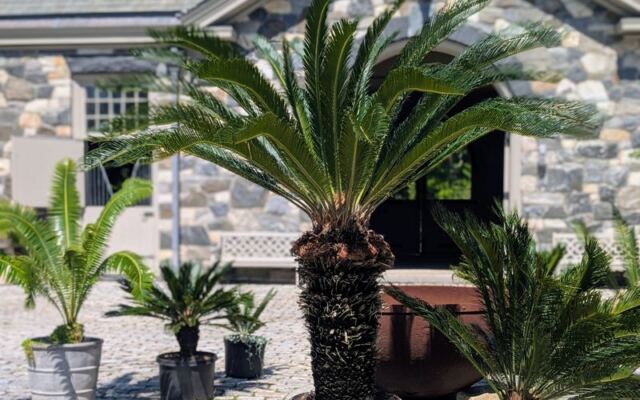
Drive through almost any Louisiana neighborhood and you will spot a squat, shaggy plant with a crown of glossy, feather-shaped leaves. Many of those plants are sago palms.
LSU AgCenter describes the sago palm as the most common cycad in the state.
The name is misleading. Cycas revoluta is a cycad, not a true palm, and it is unrelated to the palms people picture on beaches.
It is native to Japan, and it found its way into southern landscapes because it looks tropical and handles heat well.
Look closely at the leaves. Sago palm fronds are long, with stiff, narrow leaflets that line both sides of a central stalk and radiate outward from a thick, often rough trunk base.
The overall shape gives the plant its palm-like crown.
Still, a palm-like look alone cannot confirm what a particular plant is. Several other plants, including true palms and ferns, can resemble a sago from across a yard.
Garden centers also sell look-alikes, and a plant that came with a house may have no tag.
That matters because the pet warning in this article applies if the plant is a sago palm. If you are unsure, take clear photos of the leaves, the trunk, and any seed cluster, and ask a local nursery or your parish extension office to help identify it.
Treat the plant as a possible sago until you know otherwise.
The Ancient History of Cycads
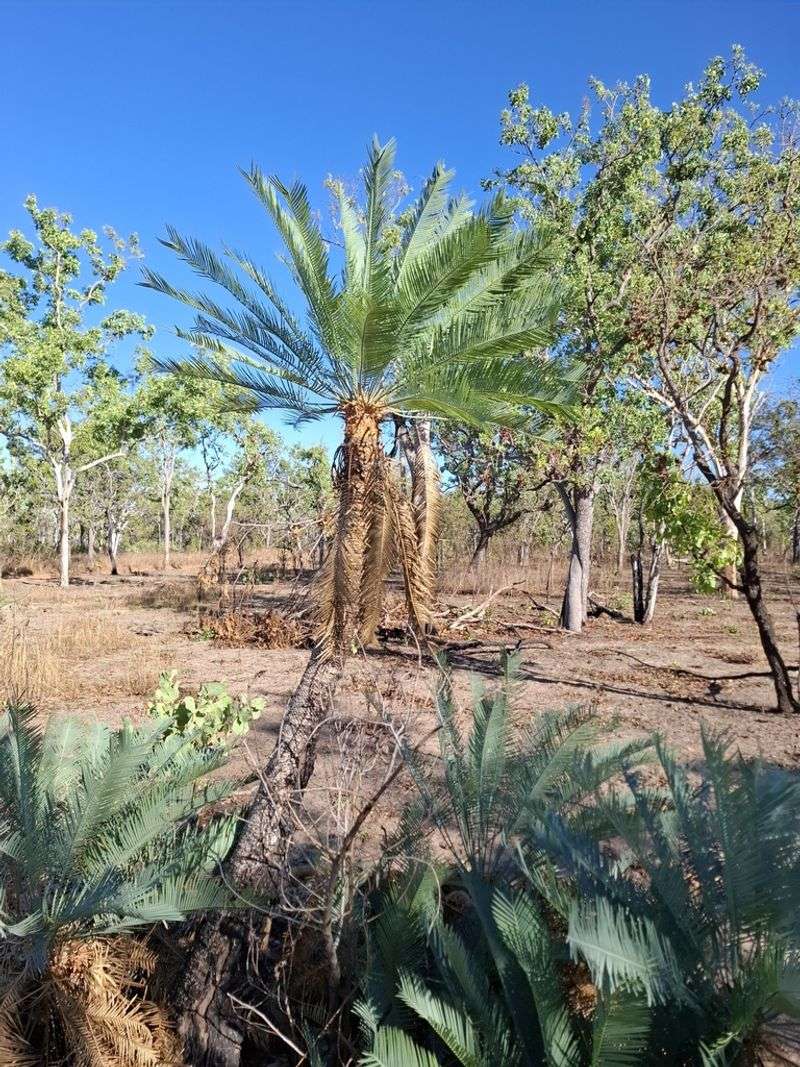
Cycads belong to an old plant lineage linked to the Mesozoic era, the time when dinosaurs walked the earth. That is the real basis for the claim in the headline.
It describes the broader cycad family, not a single species growing on your porch.
The sago palm in your yard is a modern species, and its age is a separate question. A 2022 study of cycad evolution estimated that the living members of the family Cycadaceae, which includes Cycas, began diversifying roughly 69 to 43 million years ago.
That is after the dinosaurs were gone.
Other researchers have proposed different timelines, so scientists have not settled on one answer. Work on how cycads formed partnerships with nitrogen-fixing microbes also points to a complicated story, as shown in a study of nitrogen isotopes in living cycads.
You may hear sago palms called living fossils that never changed. The evidence does not back that up.
Research on cycad leaf shapes found a wide range of forms over time, which challenges the idea of simple, unbroken sameness.
So the fair way to say it is this: the cycad family reaches back into dinosaur times, while today’s sago palm is a later arrival from that family tree. It is a great story to tell neighbors, as long as it is told accurately.
Every Part Can Be Dangerous if Eaten
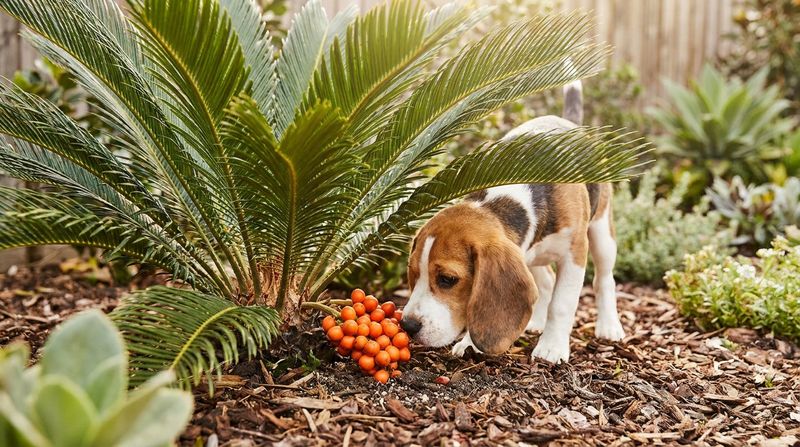
The ASPCA lists the sago palm as toxic to both dogs and cats, and its plant listing is a handy place to check. Every part of the plant is considered toxic if eaten, including the leaves, trunk, and roots.
The seeds, which are bright orange-red and may look like a tempting chew toy, are especially toxic.
Veterinary toxicology references explain why. The MSD Veterinary Manual names cycasin and BMAA among the plant’s toxins.
Eating the plant can affect the digestive system, the liver, and the nervous system.
The danger comes from eating the plant. A pet that simply lives in a yard with a sago palm, or walks past one on the porch, is not poisoned by being near it.
The risk begins when a curious dog chews a frond or a cat bites a leaf.
Dogs often get the most attention in veterinary reports, partly because they tend to chew on landscape plants and seeds. Cats are also at risk, but the body of clinical reports for cats is smaller, so there is less detail about how poisoning plays out in them.
No one has established a safe amount. Because the poison levels in different plant parts vary and every pet is different, a small nibble should not be shrugged off.
If your pet may have eaten any part of the plant, that is a reason to call for professional advice right away.
Symptoms May Start Before Liver Injury Appears
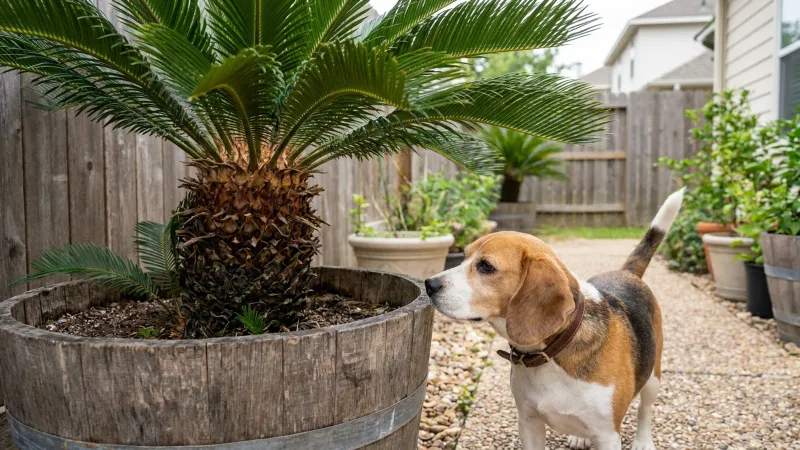
Poisoning from a sago palm does not follow one script. Some pets show signs within hours, and others look normal at first.
Possible effects include vomiting, diarrhea, and unusual tiredness.
More serious problems can follow in some pets. Veterinary sources describe liver injury or failure, bleeding problems, and neurological signs such as wobbliness or seizures, as outlined in the MSD Veterinary Manual.
Death is possible, though no pet is certain to develop every sign.
Timing is where owners can be fooled. VCA Animal Hospitals notes that liver injury may take 48 to 72 hours to develop.
By then, a pet that seemed fine after chewing the plant may be seriously ill.
Picture a Saturday afternoon when a dog chews a seed pod, then eats dinner and plays like normal. The calm evening says nothing about what is happening inside.
A pet that seems well does not rule out poisoning.
Watch for changes if you suspect your pet got into a sago palm, but treat the watching as a supplement to professional advice, not a replacement for it. Note what part of the plant was involved, how much may be missing, and when it happened.
Those details help the veterinary team.
What to Do After a Possible Bite

Call right away. If your dog or cat may have eaten any part of a sago palm, contact a veterinarian or an animal poison-control service immediately.
Do not wait to see whether symptoms appear.
Why the rush? There is no known safe minimum amount, according to the American College of Veterinary Pharmacists, and the ASPCA plant listing flags the plant as toxic to dogs and cats.
Because outcomes depend on the situation, a professional needs to weigh in early.
Treatment decisions belong to veterinary staff. VCA’s guidance describes care and monitoring directed by a veterinary team, including any step to remove the plant material from the body.
Do not try to make your pet vomit, and do not try a home remedy.
While you call, gather what you can. Take a photo of the plant, note which part was chewed, and estimate when it happened and how much your pet weighs.
If you can do so safely, collect any plant pieces you find so the team can see what was involved.
Follow the instructions you are given, even if your pet seems fine. Early contact gives the veterinary team the most options, and no particular outcome is guaranteed either way.
Keep Pets Away From Sago Palms

Start by confirming what you have. If you are unsure whether a plant is a sago palm, ask a nursery or local extension office to identify it.
Until you know, keep pets from chewing it.
Where a sago palm grows, think about access. Fencing, raised planters, or moving the plant out of reach of curious mouths can help, a step that fits VCA’s advice to keep pets away from the plant in the home or yard.
The danger is eating the plant, not simply having it on the porch.
Sharp leaf tips are a separate matter. The University of California notes the points can poke, so site the plant away from walkways and wear gloves when you handle it.
If a pet may have eaten any part, call a veterinarian or poison-control service right away. A familiar landscape favorite can still be a serious hazard once teeth get involved.
Share this story