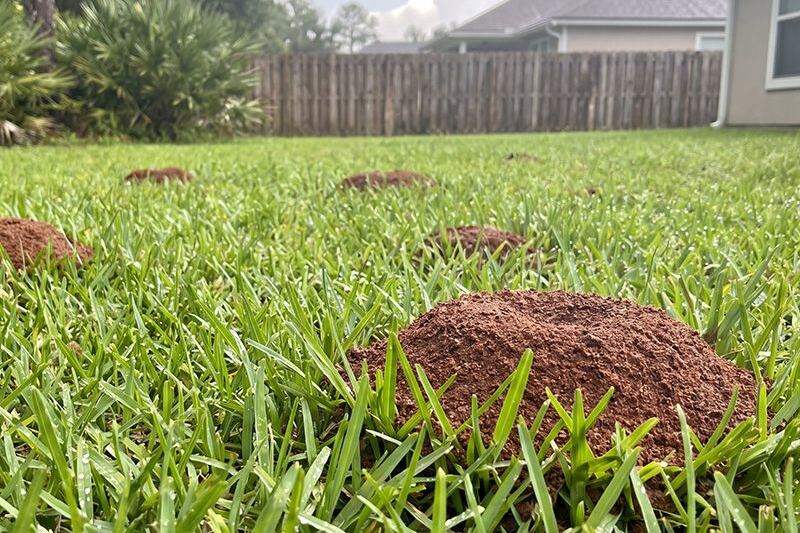
When the first cold front rolls across Texas, mice start looking for a warm place to spend the winter, and your house looks like a five-star hotel to them. They can squeeze through a gap the size of a dime and chew through wires, insulation, and your pantry snacks.
The good news is that mice rely heavily on their noses, and some smells drive them crazy in the worst way. Here are seven scents you can use to make your home a place mice would rather skip.
1. Peppermint Oil
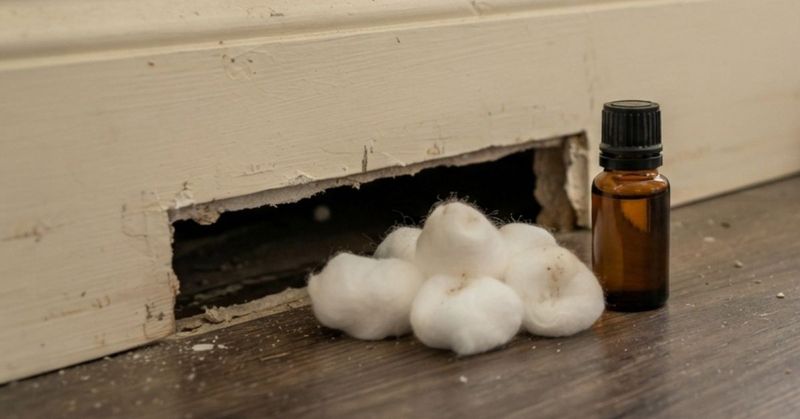
Ask any grandmother in Lubbock how she kept mice out of the pantry, and there is a good chance she will say peppermint. That sharp, cooling smell feels refreshing to us, but to a mouse it is like walking into a wall of noise.
Their noses are so sensitive that strong menthol overwhelms them.
To use it, soak cotton balls with 10 to 15 drops of pure peppermint oil and tuck them into corners, under sinks, and near garage doors. Replace them every week or so, because the scent fades faster than you might think.
In heated Texas homes, the warm air can make the oil evaporate even quicker.
Peppermint works best as a deterrent, not a cure. If you already have a big mouse problem, pair it with sealing holes and setting traps.
2. Cayenne Pepper
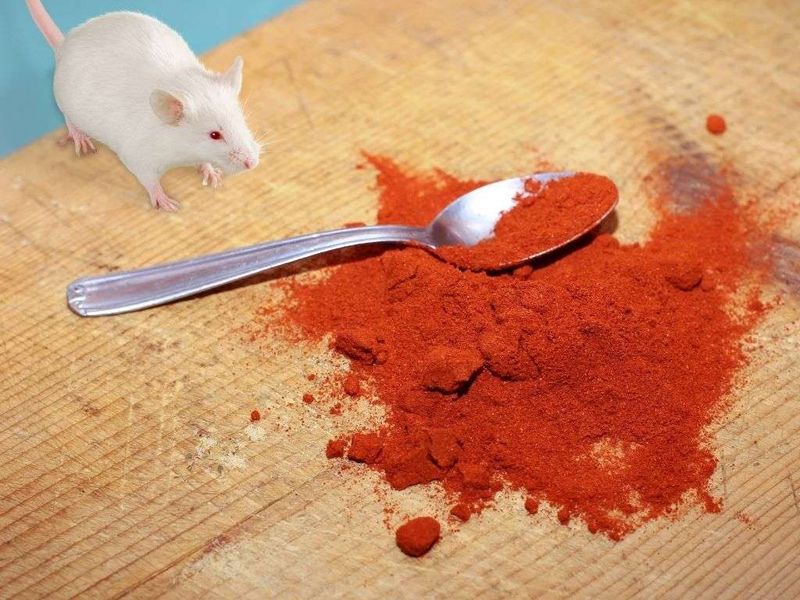
Texans already know their way around a good chili, so why not borrow from the spice rack? Cayenne pepper contains capsaicin, the same compound that makes your eyes water.
Mice that sniff or step in it get an irritating burn they will not forget.
Sprinkle a thin line of cayenne along entry points like garage thresholds, attic edges, and spots behind appliances. You can also mix a teaspoon with water and a drop of dish soap to make a spray for outdoor foundations.
Just keep it away from pets and small kids, who might get curious.
Fun fact: birds cannot taste capsaicin, which is why some bird feeders use chili-coated seed to keep squirrels and rodents away.
3. Cloves
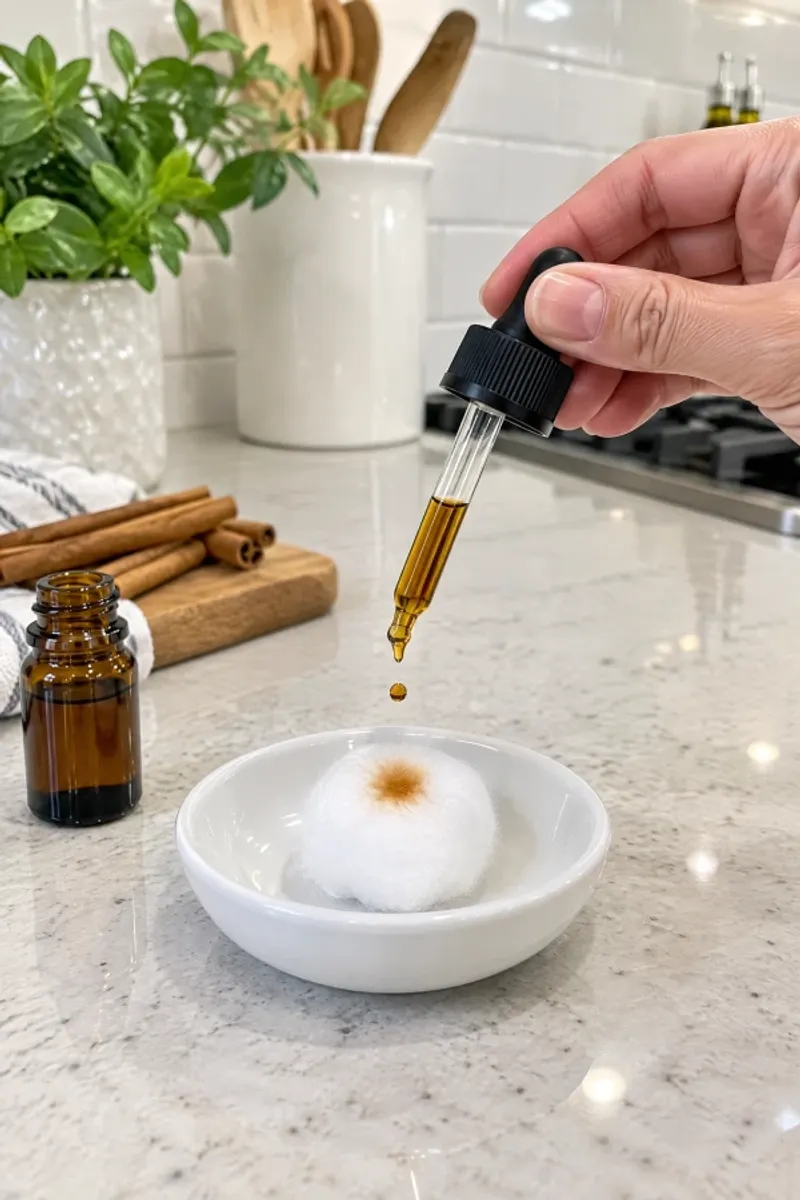
Picture the smell of holiday ham baking in the oven. That warm, spicy aroma comes partly from cloves, and mice find it about as pleasant as we find skunk spray.
Cloves contain eugenol, a strong oil that irritates a rodent’s nose. Toss a handful of whole cloves into small mesh bags or old socks and place them in drawers, closets, and cabinets.
Clove essential oil on cotton balls works too and packs a bigger punch.
One bonus is that your home ends up smelling cozy, which suits the season nicely. A few sachets in the linen closet can protect your blankets from nest-building intruders.
4. Ammonia

Here is a trick that sounds odd until you learn the science. Ammonia smells a lot like the urine of predators such as cats and foxes.
When a mouse catches a whiff, its instincts tell it danger is nearby.
Pour a few tablespoons of ammonia into a small, shallow lid and set it in places like the attic, crawl space, or shed. Never mix it with bleach, since that creates toxic fumes.
Also keep it out of living areas, because the smell is harsh on human lungs.
Many folks in rural Texas use this in barns and storage buildings where feed attracts rodents. It is cheap, simple, and surprisingly effective in closed-off spaces.
5. Eucalyptus

Koalas may love eucalyptus, but mice want nothing to do with it. Its strong, medicine-like smell clogs their sense of smell, making it hard for them to find food or follow trails left by other mice.
You can hang dried eucalyptus bundles near doorways or run a diffuser in areas where you have seen droppings. Some people even plant eucalyptus outdoors in South Texas, where the mild winters let it grow well.
Keep in mind that eucalyptus oil is toxic to cats and dogs, so use it carefully if you have pets. Placing it in spots your animals cannot reach keeps everyone safe.
6. Vinegar

Sometimes the best tools are already under your sink. White vinegar has a sour, punchy smell that mice dislike, and it does double duty as a cleaner.
That second job matters more than you might expect. Mice leave scent trails that guide other mice to food, and wiping counters, pantry shelves, and floors with vinegar erases those invisible maps.
Mix equal parts vinegar and water in a spray bottle and clean high-traffic spots once or twice a week.
You can also leave small bowls of vinegar in dark corners. It will not scare off a determined mouse alone, but it makes your kitchen feel much less welcoming.
7. Cedar
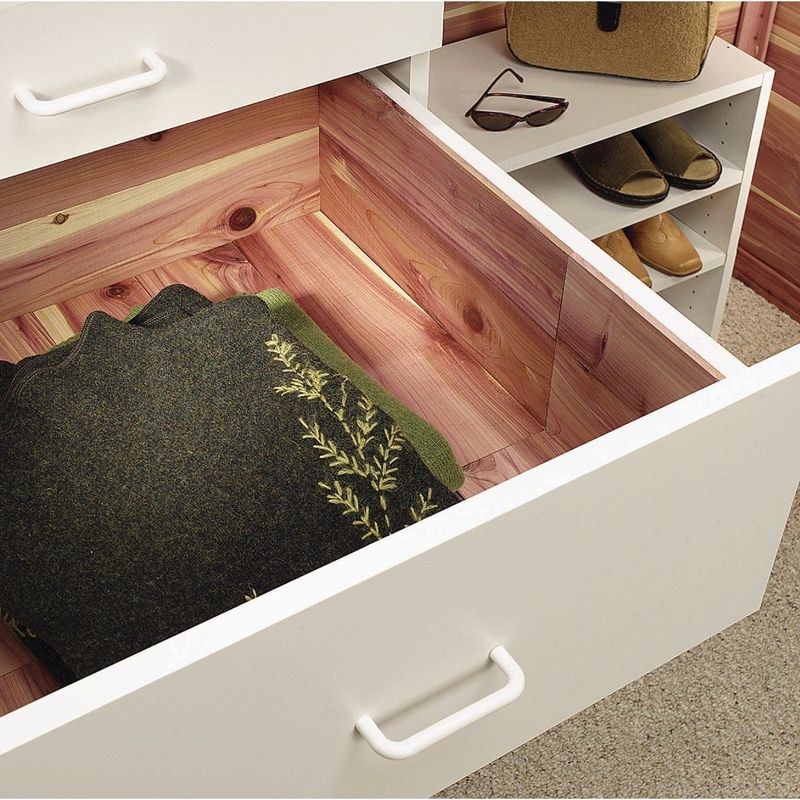
Drive through the Texas Hill Country and you will see cedar trees, technically Ashe juniper, everywhere. That same woodsy scent people love in hope chests is a turnoff for mice.
Cedar contains natural oils called phenols that irritate rodents. Set cedar blocks in closets, scatter shavings in the garage, or line storage bins with cedar chips.
Sand the blocks lightly every few months to wake up the scent again.
It is a gentle, pleasant option that blends right into your home. Combine it with sealed cracks and tidy storage, and you will have a strong defense all winter long.
Share this story