Get the latest garden guides in your inbox →
Gardening Latest
  • General Gardening
  • Lawn Care
  • Plant Care
  • Composting
  • Soil Health
  • Backyard
  • Garden Muse Magazine
  • General Gardening
  • Lawn Care
  • Plant Care
  • Composting
  • Soil Health
  • Backyard
  • Garden Muse Magazine
  • News
  • Gardening Calendar
  • Garden Structures
  • Vegetable Garden
  • Vertical Garden
  • Raised Beds
  • Hydroponics
  • General Equipment
  • Community Gardens
Garden Themes
  • Spiritual Garden
  • Hydroseeding
  • Seeding and Laying Sod
  • Artificial Grass
  • Lawn Care Equipment
  • Plants
  • Trees
  • Planting Tools
  • Composting Basics
  • Fertilizer
  • Alternative Growing Mediums
  • Front Yard
  • Backyard Activities
  • Landscaping
Gardening Latest

Explore by state

Which state is your garden in?

Currently viewing South Carolina

All states

Northeast

  • Connecticut —
  • Delaware 23
  • Maine —
  • Maryland 9
  • Massachusetts 25
  • New Hampshire —
  • New Jersey 9
  • New York 18
  • Pennsylvania 18
  • Rhode Island —
  • Vermont —

Southeast

  • Alabama 8
  • Arkansas —
  • Florida 9
  • Georgia 9
  • Kentucky 23
  • Louisiana 8
  • Mississippi —
  • North Carolina 7
  • South Carolina 22
  • Tennessee 5
  • Virginia 8
  • West Virginia —

Midwest

  • Illinois 7
  • Indiana 10
  • Iowa 22
  • Kansas —
  • Michigan 9
  • Minnesota 7
  • Missouri 7
  • Nebraska —
  • North Dakota —
  • Ohio 9
  • South Dakota —
  • Wisconsin 23

Southwest

  • Arizona 8
  • Colorado —
  • Nevada —
  • New Mexico —
  • Oklahoma —
  • Texas 7
  • Utah —

West

  • Alaska —
  • California 8
  • Hawaii —
  • Idaho —
  • Montana —
  • Oregon —
  • Washington —
  • Wyoming —

No state matches that search.

Site menu

Gardening Latest
  • General Gardening
    • News
    • Gardening Calendar
    • Garden Structures
    • Vegetable Garden
    • Vertical Garden
    • Raised Beds
    • Hydroponics
    • General Equipment
    • Community Gardens
    Garden Themes
    • Spiritual Garden
  • Lawn Care
    • Hydroseeding
    • Seeding and Laying Sod
    • Artificial Grass
    • Lawn Care Equipment
  • Plant Care
    • Plants
    • Trees
    • Planting Tools
  • Composting
    • Composting Basics
  • Soil Health
    • Fertilizer
    • Alternative Growing Mediums
  • Backyard
    • Front Yard
    • Backyard Activities
    • Landscaping
  • Garden Muse Magazine

Explore

  • About GardeningLatest.com
  • Contact Us

Get the latest from the garden

New guides on lawn care, plants and backyard projects, sent when they go up.

Subscribe →

Follow

  • Facebook
  • X
  • Pinterest
  • YouTube
South Carolina Gardening

South Carolina Gardeners Share Their Yards With These Venomous Creatures, So Here’s How To Spot Each One

Pulling weeds in South Carolina can bring you face to face with more than just dandelions.

BR

By Beau Rutledge

November 23, 2026 · 5 min read

South Carolina Gardeners Share Their Yards With These Venomous Creatures, So Here’s How To Spot Each One
South Carolina Gardeners Share Their Yards With These Venomous Creatures, So Here's How To Spot Each One

Pulling weeds in South Carolina can bring you face to face with more than just dandelions. The same warm, humid weather that makes tomatoes and azaleas thrive also attracts snakes, spiders, and stinging critters that pack real venom.

Most of them want nothing to do with you, but knowing what they look like can save you a painful bite or sting. Here are ten venomous neighbors you might meet in your garden and the clues that give each one away.

At a glance

Where
South Carolina Gardening
Hardiness zone
8 10 to 20°F
Read
5 minutes
Published
November 23, 2026

1. Copperhead

Copperhead
© The Fayetteville Observer

Ask any Upstate gardener which snake they bump into most, and the answer is almost always the copperhead. It is the most common venomous snake in South Carolina, and it loves the same mulch beds and leaf piles you do.

Look for a thick body in shades of tan, copper, and pinkish brown. The dark bands are shaped like hourglasses, wide on the sides and narrow across the back, which some folks compare to Hershey’s Kisses when viewed from the side.

Young copperheads have a bright yellow or green tail tip that they wiggle to lure frogs. Bites hurt badly but are rarely deadly, so wear gloves and use a rake before reaching into thick ground cover.

2. Timber Rattlesnake
Timber Rattlesnake
© Hilton Head Island Packet

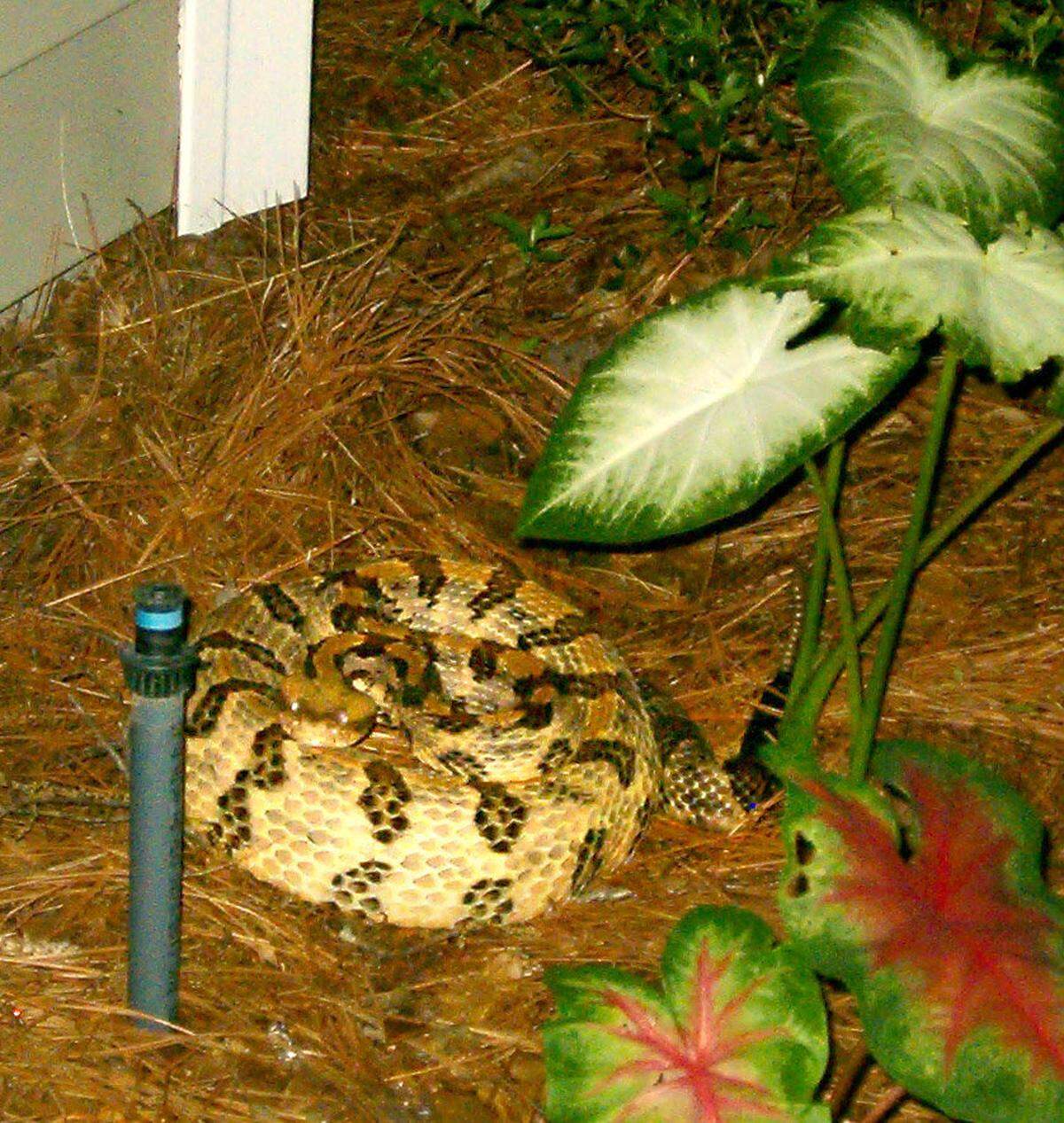
Lowcountry old-timers call it the canebrake rattler, and they say it with a little respect in their voice. Timber rattlesnakes are big, heavy snakes that can stretch past five feet.

Their bodies are usually grayish tan or pinkish with dark, jagged bands shaped like chevrons or the letter V. A rusty stripe often runs down the middle of the back, and the tail is solid black, ending in a rattle.

Surprisingly, these snakes are calm and often lie still instead of rattling. That makes them easy to step near by accident, especially along wooded edges of a yard.

Give them plenty of room and they will usually move on by nightfall.

3. Eastern Diamondback Rattlesnake
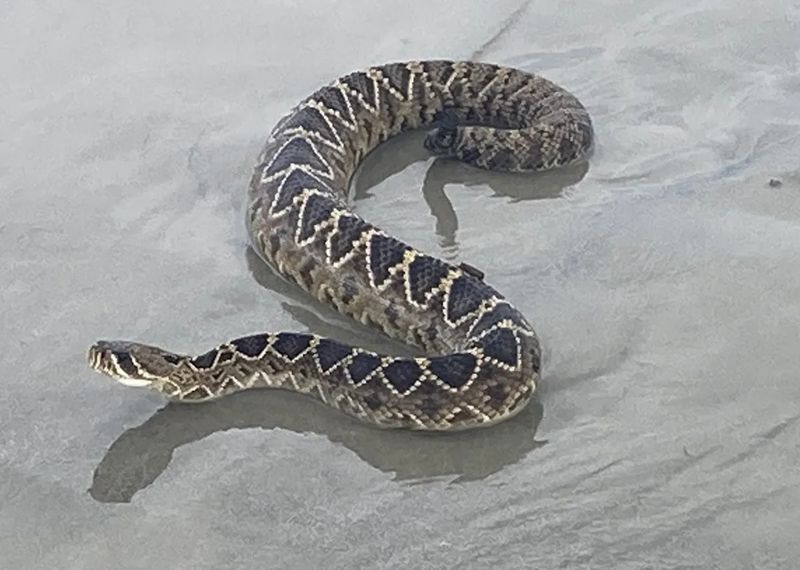
Eastern Diamondback Rattlesnake
© Yahoo

Here is a record-holder you hope never shows up by your vegetable patch. The eastern diamondback is the largest venomous snake in North America, and it lives in the sandy pine areas of coastal South Carolina.

The name says it all. Dark brown diamonds outlined in cream or yellow run down its back, and two pale stripes cross its face near the eyes.

Flip over a clay pot that has been sitting all summer, and you might find a glossy black spider waiting underneath.

Diamondbacks are becoming rare, so seeing one is uncommon. If you do, back away slowly and call a wildlife professional rather than trying to move it yourself.

4. Pygmy Rattlesnake

Pygmy Rattlesnake
© Reptiles of North Carolina

Small but feisty, the pygmy rattlesnake rarely grows longer than two feet. Its rattle is so tiny that it sounds more like a buzzing insect than a warning.

Watch for a gray or reddish body covered in dark round blotches, often with an orange or rusty stripe down the spine. It likes pine straw, which happens to be a favorite mulch across the state.

A bite is painful and causes swelling, though it is seldom life-threatening for adults. Fun fact: the pygmy is sometimes called a ground rattler because it blends right into the dirt.

5. Cottonmouth
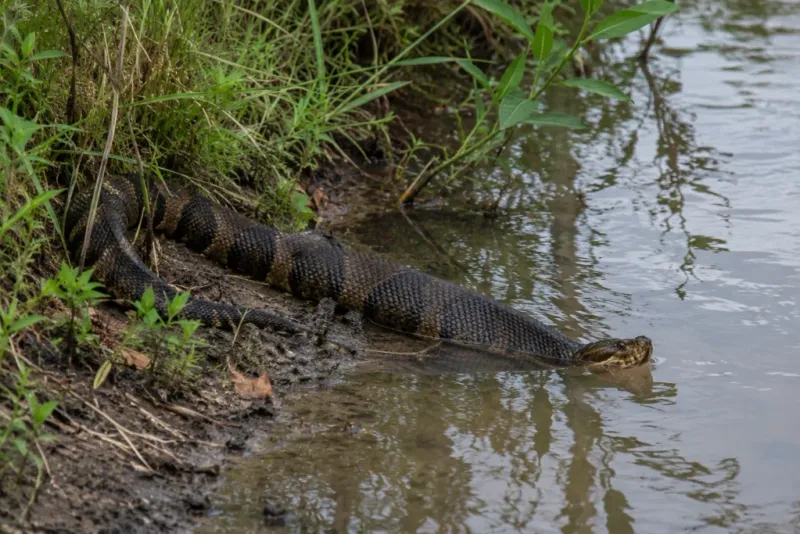
Cottonmouth
© Northwest Exterminating

Got a backyard pond, a ditch, or a soggy corner by the creek? Then the cottonmouth could be a neighbor.

Adults are thick, dark olive to almost black, and their bands fade with age. When threatened, they open their mouths wide to flash a cotton-white lining, which is where the name comes from.

Plenty of harmless water snakes get mistaken for cottonmouths. A good clue is that cottonmouths float high on the water with their whole body visible, while harmless species usually swim with just the head showing.

6. Eastern Coral Snake
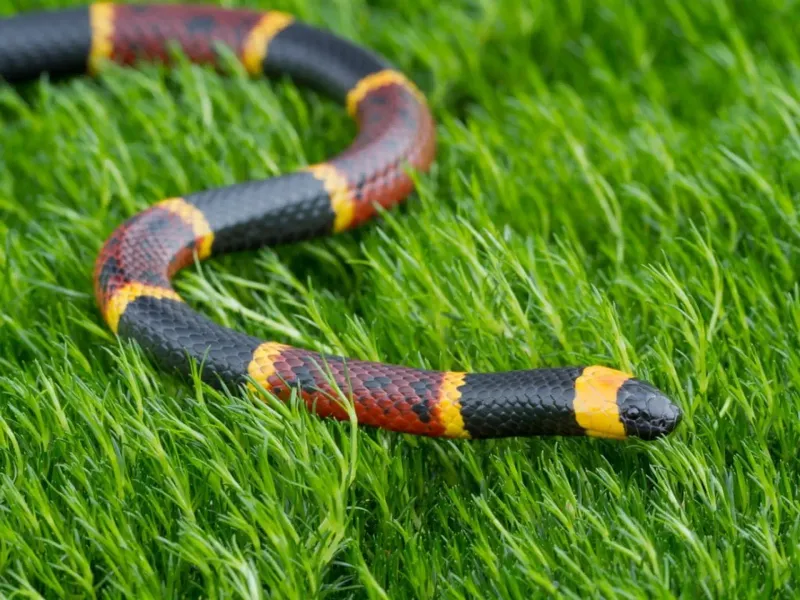
Eastern Coral Snake
© Poison Control

Red touches yellow, kills a fellow. That old rhyme has been passed down for generations, and it still helps with the eastern coral snake.

Bright rings of red, yellow, and black circle its slim body, with red bands touching the yellow ones. The snout is black, and the snake is shy, spending most of its time hidden under leaves or loose soil.

Coral snake venom affects the nervous system, so any bite needs a hospital right away. Lookalikes like scarlet kingsnakes have red touching black instead, but it is smart not to handle any banded snake.

7. Black Widow Spider
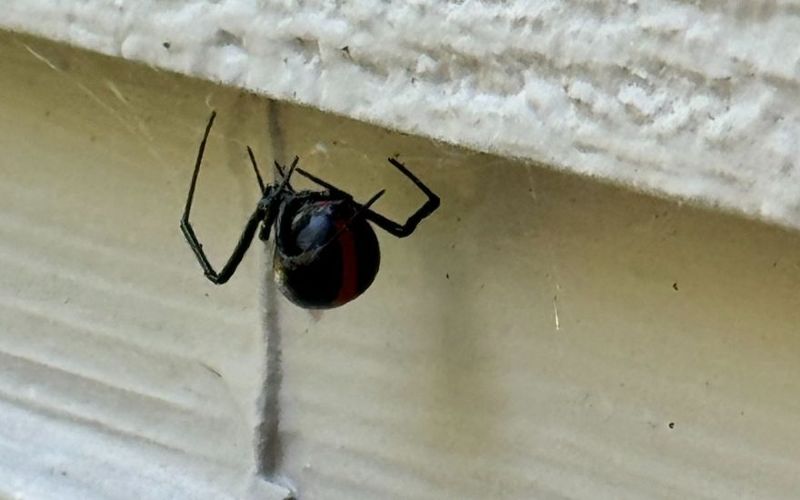
Black Widow Spider
© Jeffcoat Pest Control

Flip over a clay pot that has been sitting all summer, and you might find a glossy black spider waiting underneath. Southern black widows love dark, dry corners like woodpiles, water meter boxes, and shed shelves.

Females are shiny black with a red hourglass on the belly. Their webs look messy and tangled, not neat like a spiral.

A bite can cause muscle cramps and pain that spreads. Shake out your gardening gloves and boots before putting them on, especially if they have been stored outside.

8. Brown Recluse Spider
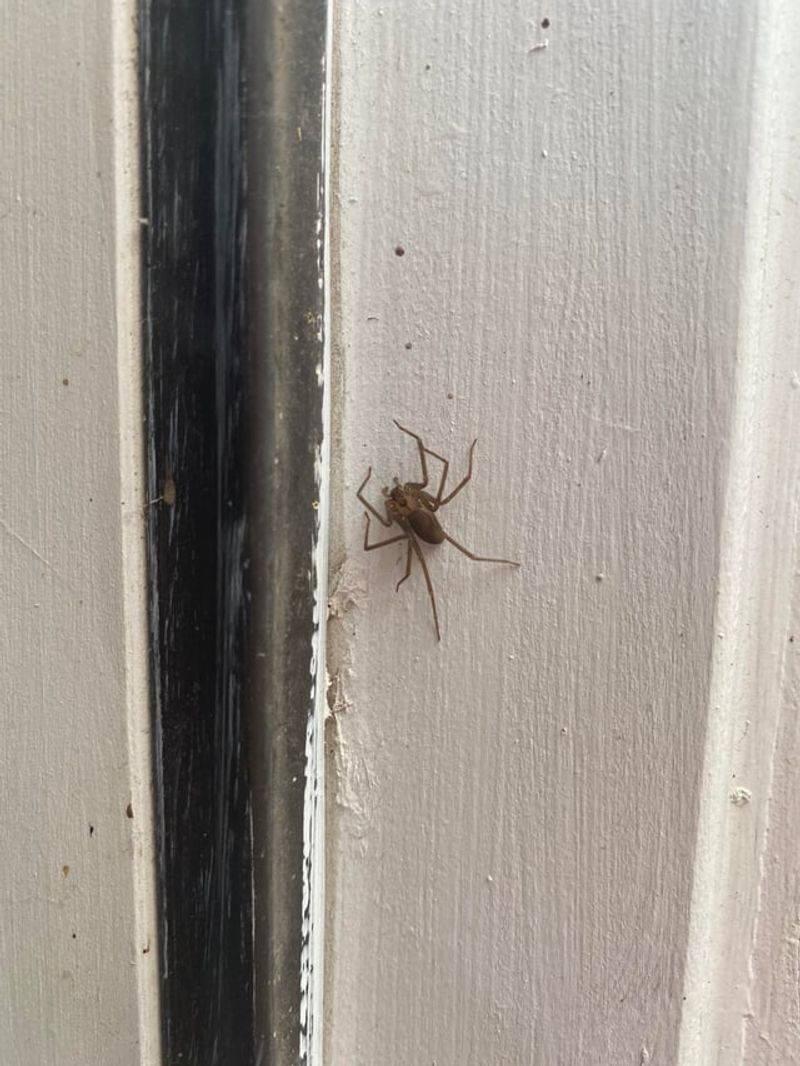
Brown Recluse Spider
© Reddit

Honestly, the brown recluse gets blamed for far more bites than it causes in South Carolina. It is not common here, but it does turn up, mostly in sheds, garages, and storage boxes.

Look for a plain tan or brown spider with a darker violin shape on its back, the neck of the violin pointing toward the rear. It has six eyes instead of the usual eight, though you need a magnifying glass to check.

Bites can sometimes cause a slow-healing sore. Keep storage areas tidy and seal boxes so this quiet spider has fewer places to hide.

9. Saddleback Caterpillar
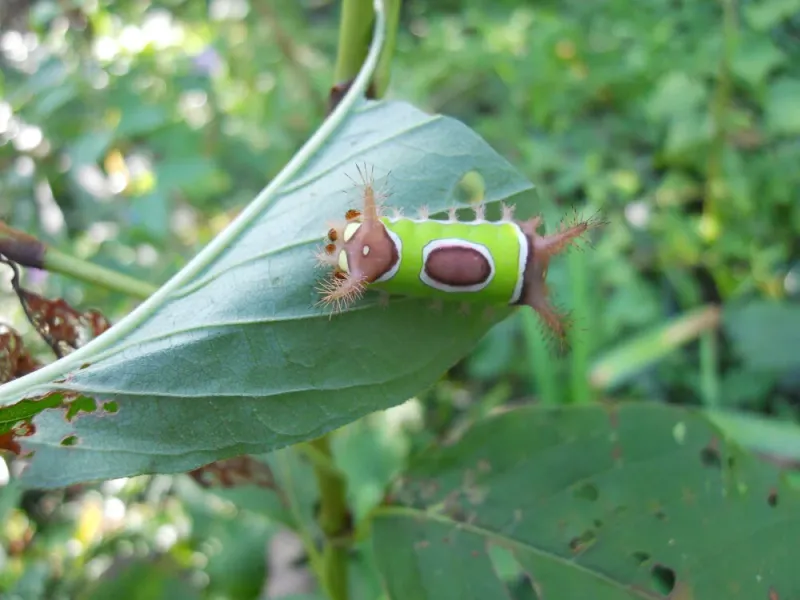
Saddleback Caterpillar
© Gardening Charlotte

It looks like a tiny cartoon creature wearing a green saddle blanket. Cute, right?

Not so fast.

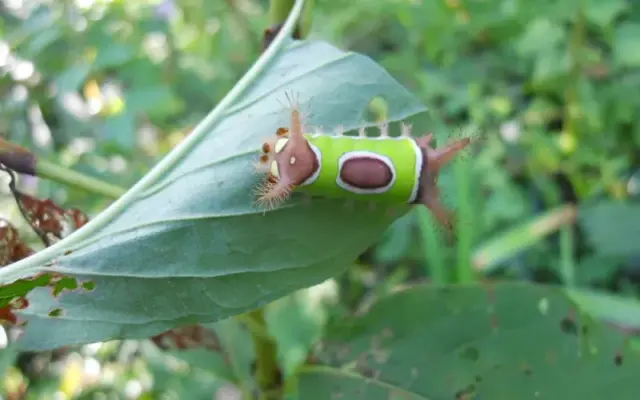
The saddleback caterpillar has a brown body with a bright green patch in the middle and a brown spot like a saddle seat. Fleshy horns covered in stinging spines poke out from both ends.

Brushing against one while pruning shrubs or picking corn can leave a burning welt. Press tape on the spot to pull out the spines, then wash with soap and water.

10. Southern Flannel Moth Caterpillar
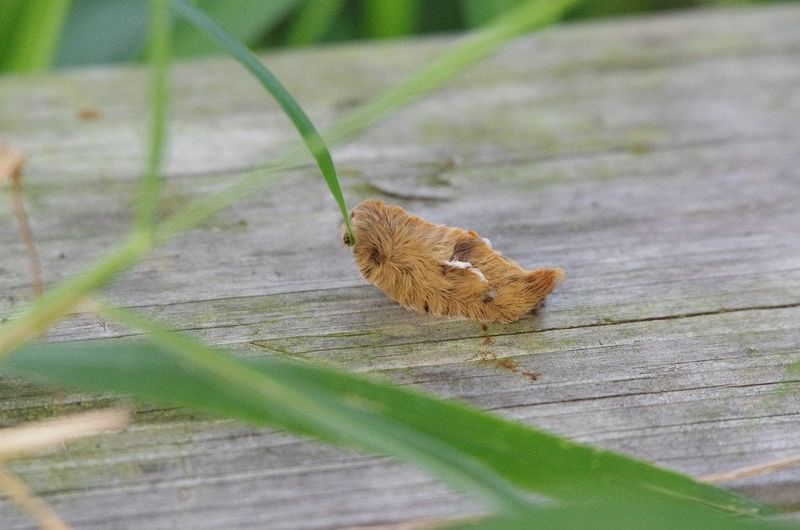
Southern Flannel Moth Caterpillar
© Reddit

Nicknamed the puss caterpillar, this fluffy critter looks like a tiny toupee crawling across an oak leaf. Kids especially want to pet it, which is exactly the wrong move.

Hidden under all that soft tan or gray hair are venomous spines. A sting can cause intense pain, red marks, and even nausea, and it is often called one of the worst caterpillar stings in the country.

You will usually spot them in late summer and fall on oaks, elms, and shrubs. Teach children to look but never touch, and you will save everyone a rough afternoon.

Share this story
BR

Written by

Beau Rutledge

More from Beau Rutledge →

About Gardening Latest

Gardening Latest provides in-depth guides to maintaining and enhancing your garden and backyard. Learn how to make the most of the space you have and create a beautiful garden.

More about us →

Latest stories

  • Louisiana GardeningDoes Eating Celery Every Day Make a Difference?

    Does Eating Celery Every Day Make a Difference?

    5 min ago
  • Delaware GardeningThat Tiny Shrew Tunneling Under Your Delaware Garden Is Actually a Venomous Mammal

    That Tiny Shrew Tunneling Under Your Delaware Garden Is Actually a Venomous Mammal

    11 min ago
  • Kentucky GardeningThis Invasive Tree Is Spreading Through Kentucky Neighborhoods Faster Than You Can Pull It

    This Invasive Tree Is Spreading Through Kentucky Neighborhoods Faster Than You Can Pull It

    25 min ago
  • Florida GardeningCan Your Florida Neighbor Make You Pay for Cutting Their Overhanging Branches? Here’s What the Law Says

    Can Your Florida Neighbor Make You Pay for Cutting Their Overhanging Branches? Here’s What the Law Says

    31 min ago
  • Maryland GardeningThose Leafy Green Balls Stuck In Leafless Maryland Trees Aren’t Squirrel Nests At All

    Those Leafy Green Balls Stuck In Leafless Maryland Trees Aren’t Squirrel Nests At All

    38 min ago

Gardening by state

Stories for your state, and the hardiness zone most of it gardens in.

Keep exploring

Read next

All South Carolina Gardening →
South Carolina GardeningSo That’s Why Coyotes Keep Howling Near Your South Carolina Home Late at Night
South Carolina Gardening

So That’s Why Coyotes Keep Howling Near Your South Carolina Home Late at Night

3 hr ago
South Carolina GardeningSouth Carolina Homeowners Have the Legal Right to Trim a Neighbor’s Overhanging Tree Branches, but Only Up to the Property Line
South Carolina Gardening

South Carolina Homeowners Have the Legal Right to Trim a Neighbor’s Overhanging Tree Branches, but Only Up to the Property Line

18 hr ago
South Carolina GardeningHere’s Where the Armadillos Go When They Suddenly Disappear From South Carolina Yards in Winter
South Carolina Gardening

Here’s Where the Armadillos Go When They Suddenly Disappear From South Carolina Yards in Winter

20 hr ago

More from South Carolina Gardening

  • Could a Southern Short-Tailed Shrew Be in Your South Carolina Leaf Pile? What We Know About Its Venom

    Nov 20
  • Here’s What It Means When South Carolina Collards Shoot Up a Tall Flower Stalk, and Whether to Cut It Off

    Nov 20
Back to top

Leave a response Cancel

Your email address stays private. Required fields are marked with an asterisk.

Gardening Latest

In-depth guides to maintaining and enhancing your garden and backyard: how to make the most of the space you have, and how to make it beautiful.

  • Facebook
  • X
  • Pinterest
  • YouTube

We may earn a portion of sales from products or services that are purchased through our site as part of our affiliate partnerships with retailers.

Explore

  • About GardeningLatest.com
  • Contact Us
  • Terms and Conditions
  • Privacy
  • Editorial Note:
  • FTC Disclosure

Newsletter

New garden guides and seasonal tips, straight to your inbox.

We’ll email you a link to confirm. Unsubscribe any time.

Almost there! Check your inbox and tap the link to confirm.

© 2026 Gardening Latest. All rights reserved.

Back to top