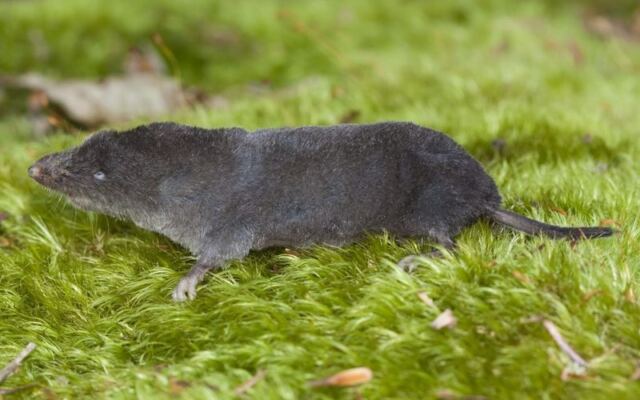
Raking leaves in South Carolina can turn up all kinds of small creatures, and one of them could be a tiny, fast-moving shrew. Some websites say the southern short-tailed shrew has a venomous bite, but the real science is less settled.
Knowing what researchers have and have not shown helps you stay calm and safe. Here is a clear look at the facts, the gaps, and what to do in your own yard.
The Southern Short-Tailed Shrew Occurs in South Carolina
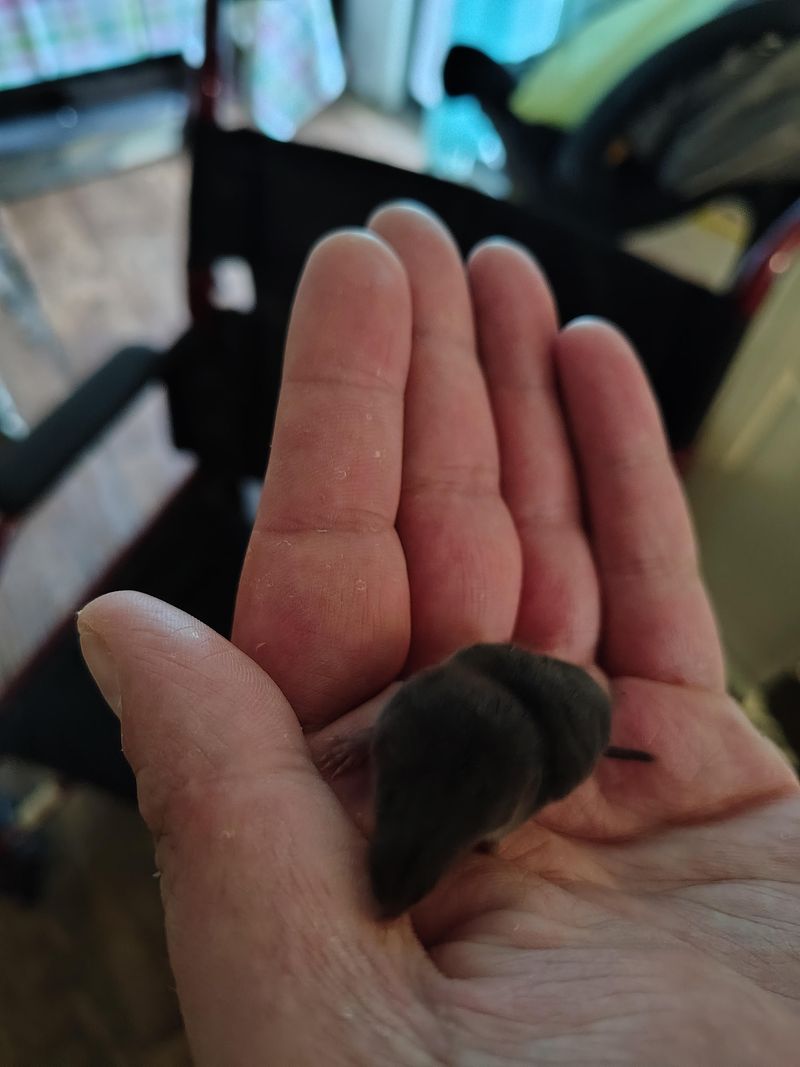
The southern short-tailed shrew goes by the scientific name Blarina carolinensis. The American Society of Mammalogists lists it as a mammal of South Carolina.
It is not a rodent. It belongs to a different group called Eulipotyphla, in the shrew family Soricidae.
It is also a different animal from the northern short-tailed shrew, Blarina brevicauda. The two are close relatives, but they are separate species, and that difference matters later in this article.
A peer-reviewed species account describes the southern short-tailed shrew in a range of habitats, including forests and brushy areas in South Carolina. Its recorded diet there includes slugs, snails, earthworms, beetles, centipedes, spiders, and other small creatures.
In other words, it hunts small invertebrates, not mice.
Here is the catch. A species being found somewhere in the state tells you about the state, not about your backyard.
Range maps and habitat descriptions cannot show that a shrew lives under your maple tree or in your leaf pile this fall.
So the honest starting point is simple. The animal is real, it lives in South Carolina, and whether one is near you is a question only direct observation could answer.
Leaf Litter Can Offer Wildlife Cover, Not Proof of a Shrew
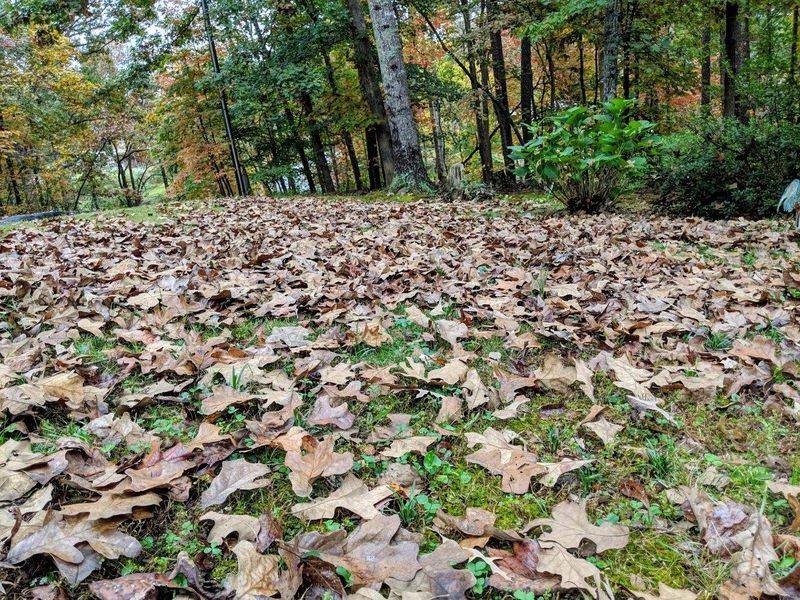
Fallen leaves create a damp, sheltered layer at ground level, and many small animals use that kind of cover. Because the southern short-tailed shrew has been recorded in varied habitats, meeting one in woody or brushy ground cover is plausible.
Plausible is not the same as confirmed, though. A pile of leaves is not a sign that a shrew moved in.
Nothing here shows that shrews prefer leaf piles over other kinds of cover. Insects, spiders, toads, and many other creatures may use the same spot.
For practical yard advice, Clemson Extension offers general wildlife gardening options. You can clear paths and walkways where you need them.
You can leave leaf litter in garden areas, or move it to a less-used edge of the yard or to a compost area.
That is wildlife gardening advice in general. It is not a way to attract or repel a shrew, and there is no shrew-specific pile depth or yard treatment to follow.
Pick the option that fits how you use your space, and keep your hands out of the pile as you work.
Is Venom Confirmed in the Southern Short-Tailed Shrew?
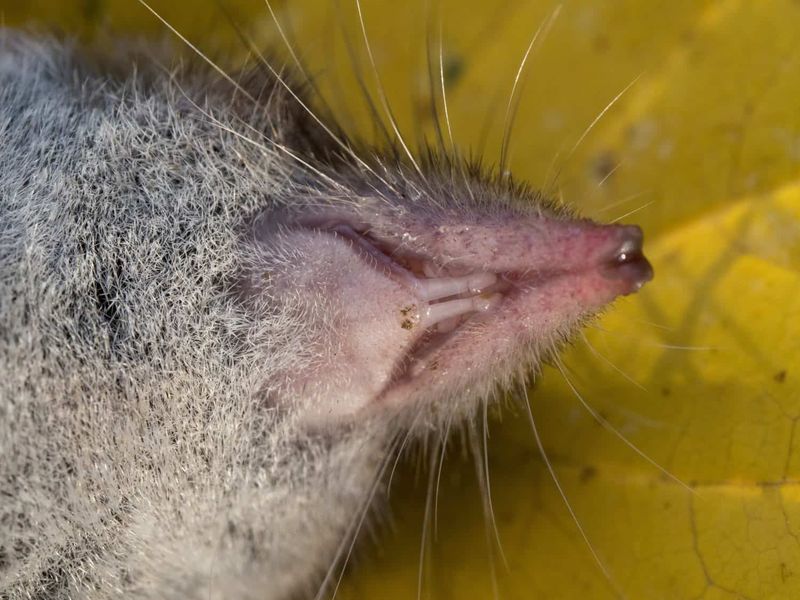
Not yet, at least in the scientific sources reviewed. The species account for Blarina carolinensis says its saliva has not been experimentally tested.
A scientific review of venom in shrew relatives reports the same gap.
That leaves the question open. Nobody has run the test that would show whether this species makes a toxin in its saliva.
Some species descriptions do call the animal venomous, or suggest it likely is. Those statements are best read as informed guesses based on its relatives, not as lab results for this species.
An untested animal is not a harmless animal, and it is not a proven dangerous one either. Missing evidence cannot show that venom is absent, and it cannot show that venom is present.
The headline claim that this shrew has a venomous bite therefore goes further than the science does. A fair summary is that the southern short-tailed shrew might have toxic saliva, and researchers have not confirmed it.
Nor is there good documentation of what a bite from this species would do to a person. Be wary of any source that promises a certain set of symptoms.
The Northern Shrew’s Toxin Does Not Settle the Southern Question
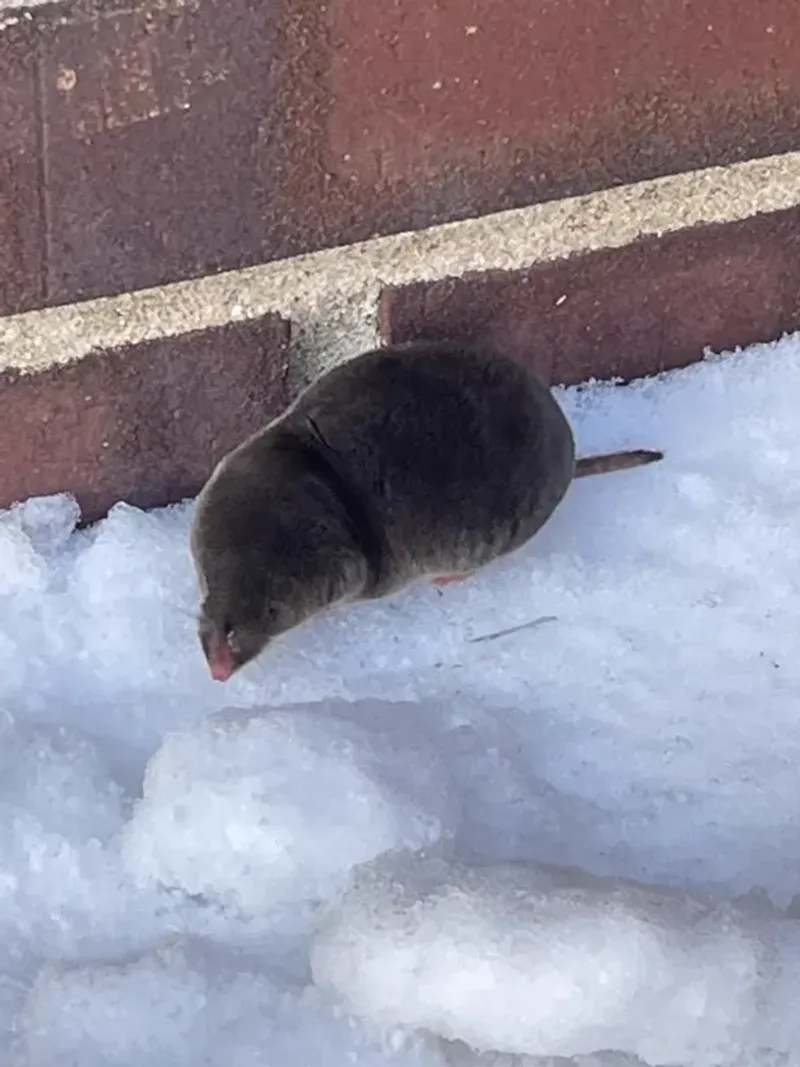
Much of the famous shrew venom research comes from the northern short-tailed shrew, Blarina brevicauda. A 2004 PNAS study isolated and characterized a toxin from that species.
It was lab work on the northern animal.
Close relatives can share traits, but they do not always share them. The study did not test the southern species, so it cannot show that Blarina carolinensis makes the same toxin.
It also cannot show that a southern shrew’s saliva would act the same way.
The review of venom across shrew relatives helps show why direct testing matters. Venom has evolved in some members of this group, and the details differ from one lineage to another.
So here is a useful rule of thumb. If you read a claim about shrew venom, check which species was actually studied.
A result for the northern short-tailed shrew belongs to the northern short-tailed shrew until someone tests the southern one.
For the same reason, no one should predict how a southern shrew bite would affect a person based on the northern toxin study. That would be stretching the research past what it measured.
Leave Any Shrew You See Alone
Say you are raking and something small and quick darts across the leaves. The best move is to stop and let it go.
Do not scoop it up, pin it down, or try to move it.
Shrews are wild animals, and wild animals are best left alone. South Carolina State Parks advises people not to touch wildlife and to watch it from a respectful distance.
That guidance is general, and it fits a shrew as well as it fits a deer.
There is no special shrew-handling method to learn. Catching one, holding one for a photo, or sending one off to be tested is not something to try at home.
If you need to keep working, a few calm habits help. Step back and give the animal room to leave on its own.
Keep children and pets away from the spot. Then carry on once it has moved off.
Most of the time, a surprised small animal wants to get away from you as much as you want it gone. Giving it space is both the kind choice and the careful one.
If a Wild-Animal Bite Breaks the Skin
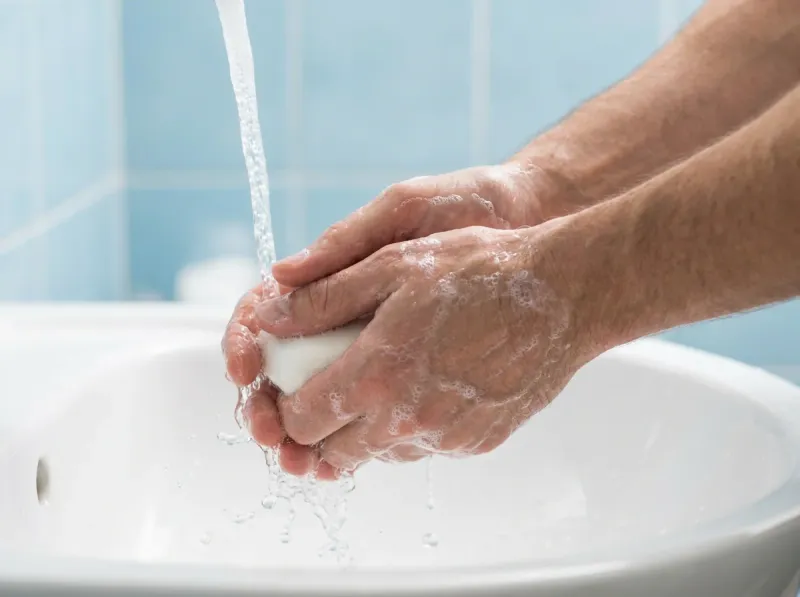
A shrew bite is not something you should expect, but any wild-animal bite that breaks the skin deserves prompt attention. Start by washing the wound with soap and water.
CDC guidance says to wash for 15 minutes.
After washing, contact a healthcare or public-health professional. They can assess whether you need more care, including rabies-related care.
That call is the step that matters most.
You do not need to figure out what kind of animal it was or what its saliva might contain. For the southern short-tailed shrew, no known symptom profile exists, so guessing at what a bite means is not useful.
Please do not try to diagnose the wound yourself or treat it with home remedies beyond washing. Leave those decisions to the professional you contact.
If you can do so safely, note where and when the bite happened and what the animal looked like. Do not try to catch it.
A few details can help the professional decide what comes next.
Keep the Leaf Pile in Perspective
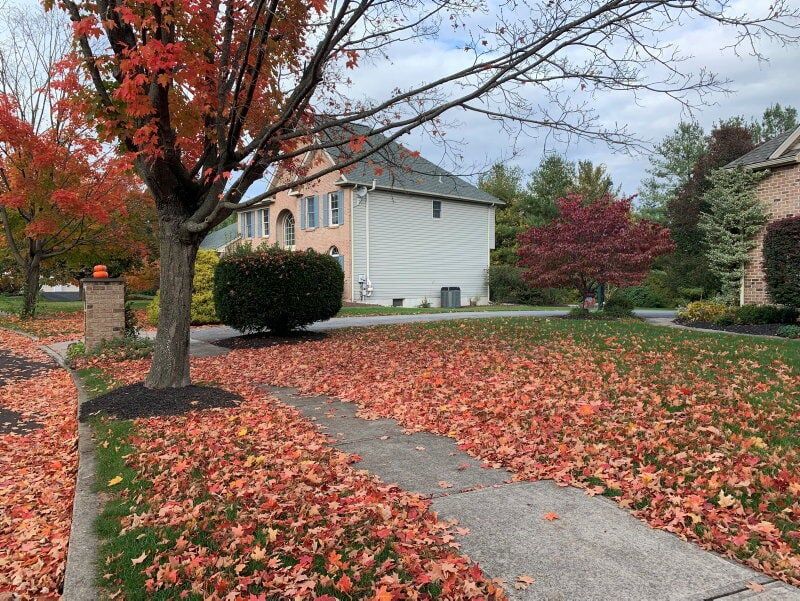
A leaf pile is a normal part of a South Carolina fall, and it can shelter wildlife, as Clemson Extension notes. It does not prove a southern short-tailed shrew is living there.
Whether this species has venom is still unresolved in the scientific sources reviewed.
The easy way to avoid contact is the one South Carolina State Parks recommends: leave wildlife alone.
No yard choice can promise you will never meet a creature. Rake, enjoy the season, and let the small residents of the leaves go about their business.
Share this story