Not every green thing growing near your house is harmless. Across New York, from Long Island backyards to Adirondack cabins, some common wild plants can cause rashes, burns, sickness, or worse.
Kids, pets, and even careful gardeners touch them every year without knowing it. Learning to spot these ten plants could save you a trip to the doctor, and odds are good that at least one is growing near you right now.
1. Poison Ivy
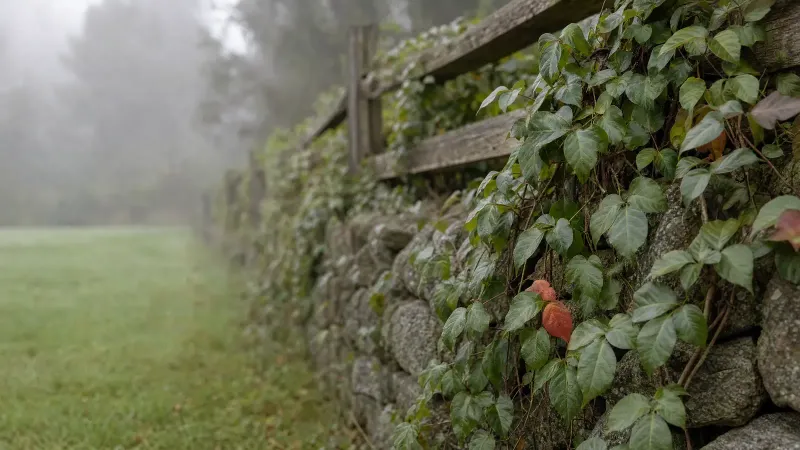
Leaves of three, let it be. That old rhyme exists for a reason, and poison ivy is the plant most likely hiding in your yard right now.
It creeps along fences, climbs tree trunks, and sneaks into flower beds all over New York.
The trouble comes from an oil called urushiol. Roughly 8 out of 10 people react to it with itchy, blistering rashes that can last for weeks.
The oil sticks to gloves, tools, and even your dog’s fur, so you can get a rash without ever touching the plant.
Look for three pointed leaflets, with the middle one on a longer stem. Leaves can be shiny or dull, red in spring and fall.
Never burn it, because the smoke can harm your lungs.
2. Giant Hogweed
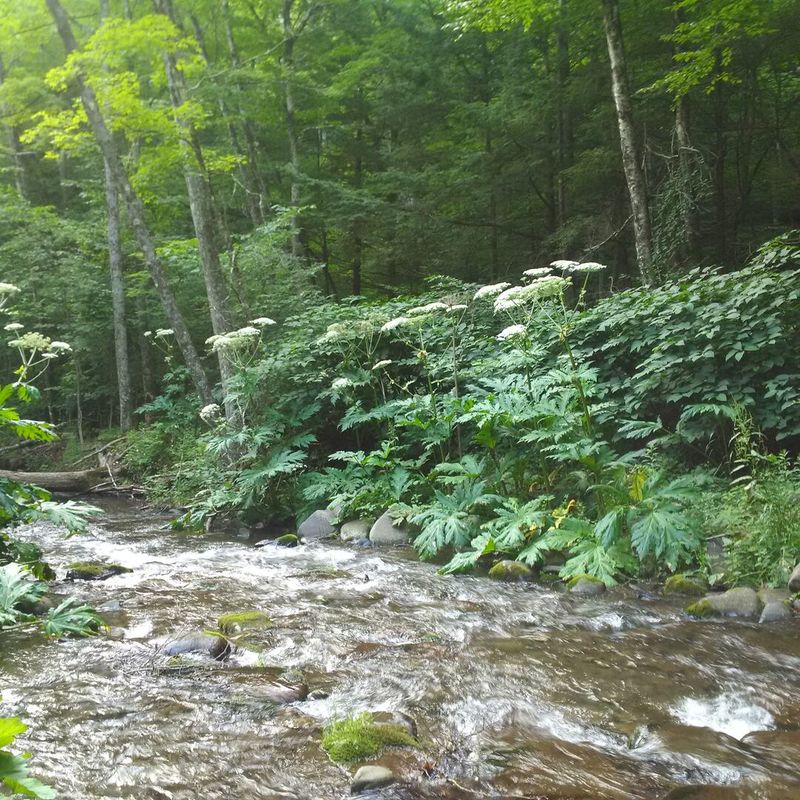
Picture a weed taller than a basketball hoop, with white flower heads as wide as a dinner table. Giant hogweed looks like something from a science fiction movie, and it acts like one too.
Its watery sap reacts with sunlight on your skin. The result can be painful burns, dark scars, and in rare cases, blindness if it gets in your eyes.
The New York State Department of Environmental Conservation tracks this invader closely and even runs a hotline for reports.
Stems are thick with purple blotches and coarse white hairs. If you think you found one, do not cut it yourself.
Call the DEC and let trained crews handle it.
3. Poison Hemlock
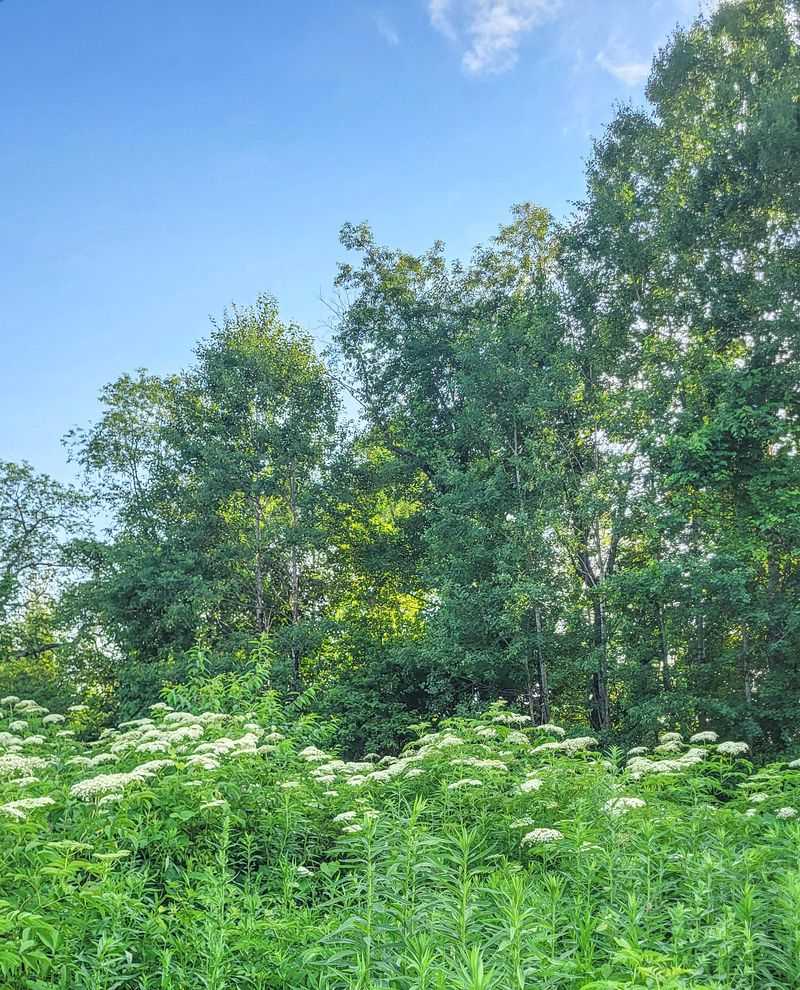
Socrates, the famous Greek thinker, was put to death with a drink made from this plant. More than two thousand years later, poison hemlock still grows along New York roads, ditches, and the edges of fields.
Every part is toxic if eaten, and just a small amount can stop a person’s breathing. The scary part is how much it looks like wild carrot, also called Queen Anne’s lace.
People foraging for wild herbs sometimes mix the two up.
Here is the trick to telling them apart. Hemlock has smooth stems with purple spots and smells musty when crushed.
Queen Anne’s lace has hairy stems and smells like carrots.
4. Wild Parsnip
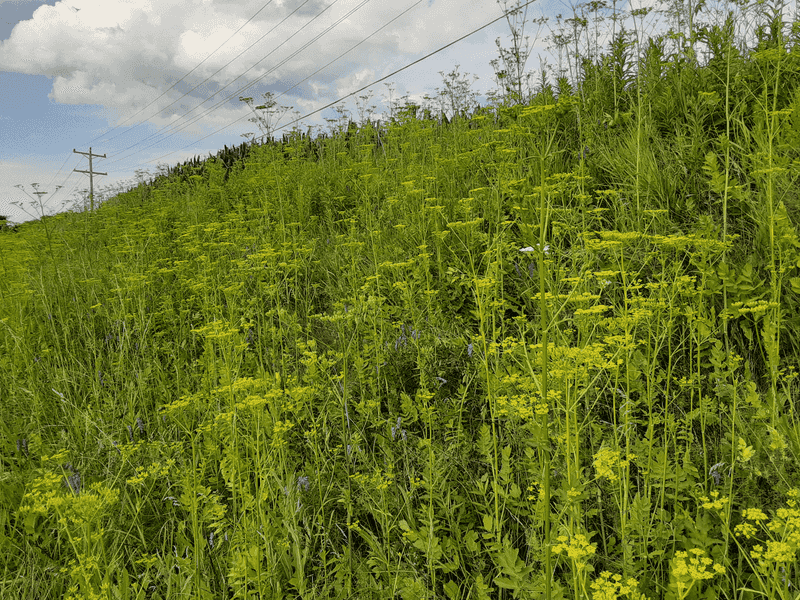
Mowing a field on a sunny July afternoon sounds harmless enough. Then the next day, red streaks and blisters show up on your legs.
Wild parsnip is often to blame.
Like giant hogweed, its sap causes a sunlight-triggered burn called phytophotodermatitis. The marks can leave brown stains on skin that last for months.
It spreads quickly in meadows, along trails, and in empty lots across the state.
Watch for flat clusters of tiny yellow flowers on stems two to five feet tall. Wear long sleeves and pants when working near it, and wash skin right away if you touch it.
5. Jimsonweed
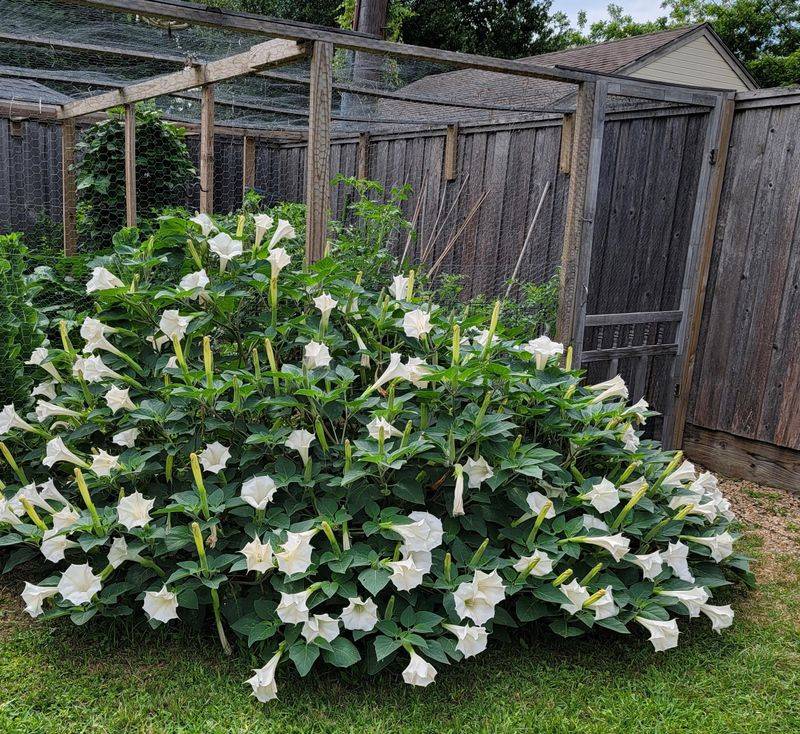
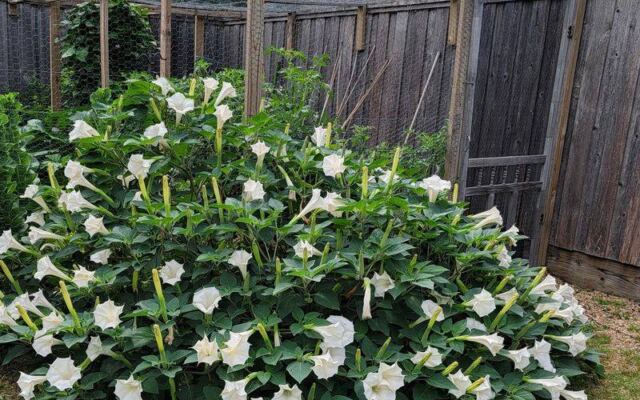
Spiky seed pods that look like little green sea urchins. Pretty white trumpet flowers that open at dusk.
Jimsonweed seems almost charming until you learn what it does.
All parts contain chemicals that cause confusion, racing heartbeat, hallucinations, and sometimes death. Teens have ended up in emergency rooms after trying it on a dare.
Fun fact: the name comes from Jamestown, Virginia, where soldiers ate it in 1676 and acted strangely for days.
In New York it pops up in farm fields, gardens, and disturbed soil. The leaves have a strong, unpleasant smell, which is a helpful clue.
6. Pokeweed
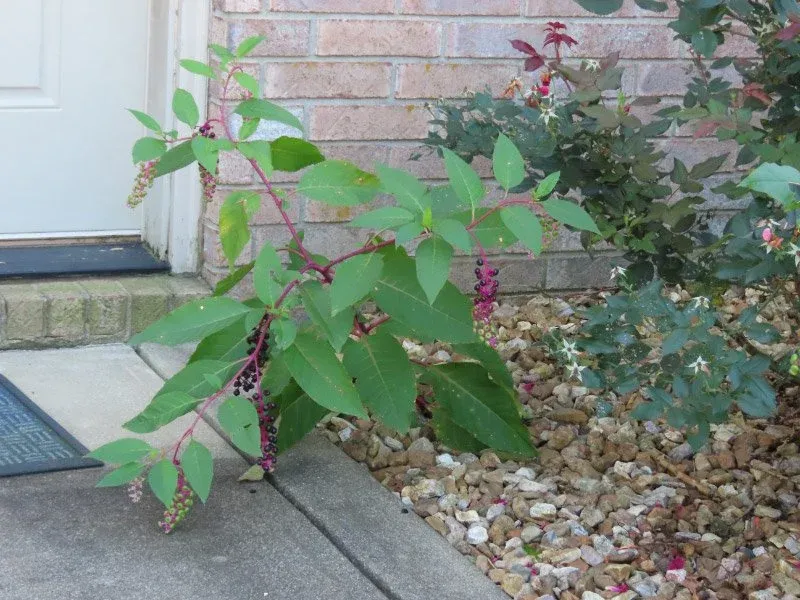
Kids love the dark purple berries. Birds love them too.
Unfortunately, for people and pets, pokeweed is a serious hazard.
The roots are the most poisonous part, followed by the berries and mature leaves. Eating them can cause vomiting, cramps, and trouble breathing, especially in small children.
The plant grows fast, sometimes reaching ten feet by late summer, often right beside sheds and fence lines.
Its bright pink to magenta stems make it easy to spot. If you pull it, wear gloves and dig out the thick taproot.
Teach kids early that these juicy-looking berries are not a snack.
7. Bittersweet Nightshade
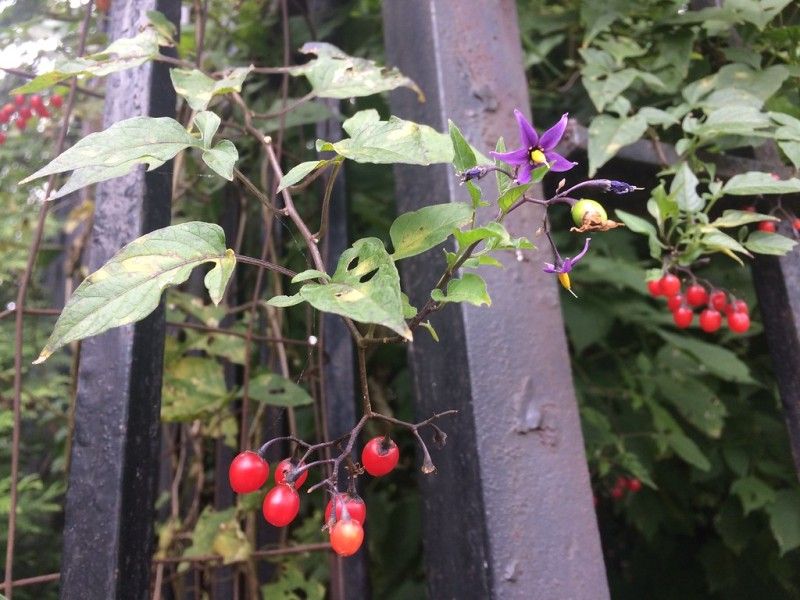
Purple star flowers with yellow centers, followed by shiny red berries. Bittersweet nightshade looks like it belongs in a fairy tale, and it is a relative of the tomato.
Do not let that family tie fool you. The berries and leaves hold solanine, which can upset the stomach, slow the heart, and cause headaches.
Green, unripe berries are the most dangerous.
This vine loves to tangle itself through hedges and climb over garden fences in shady spots. It is common in New York City parks as well as suburban yards.
Pull it out by the roots before the berries ripen.
8. Water Hemlock
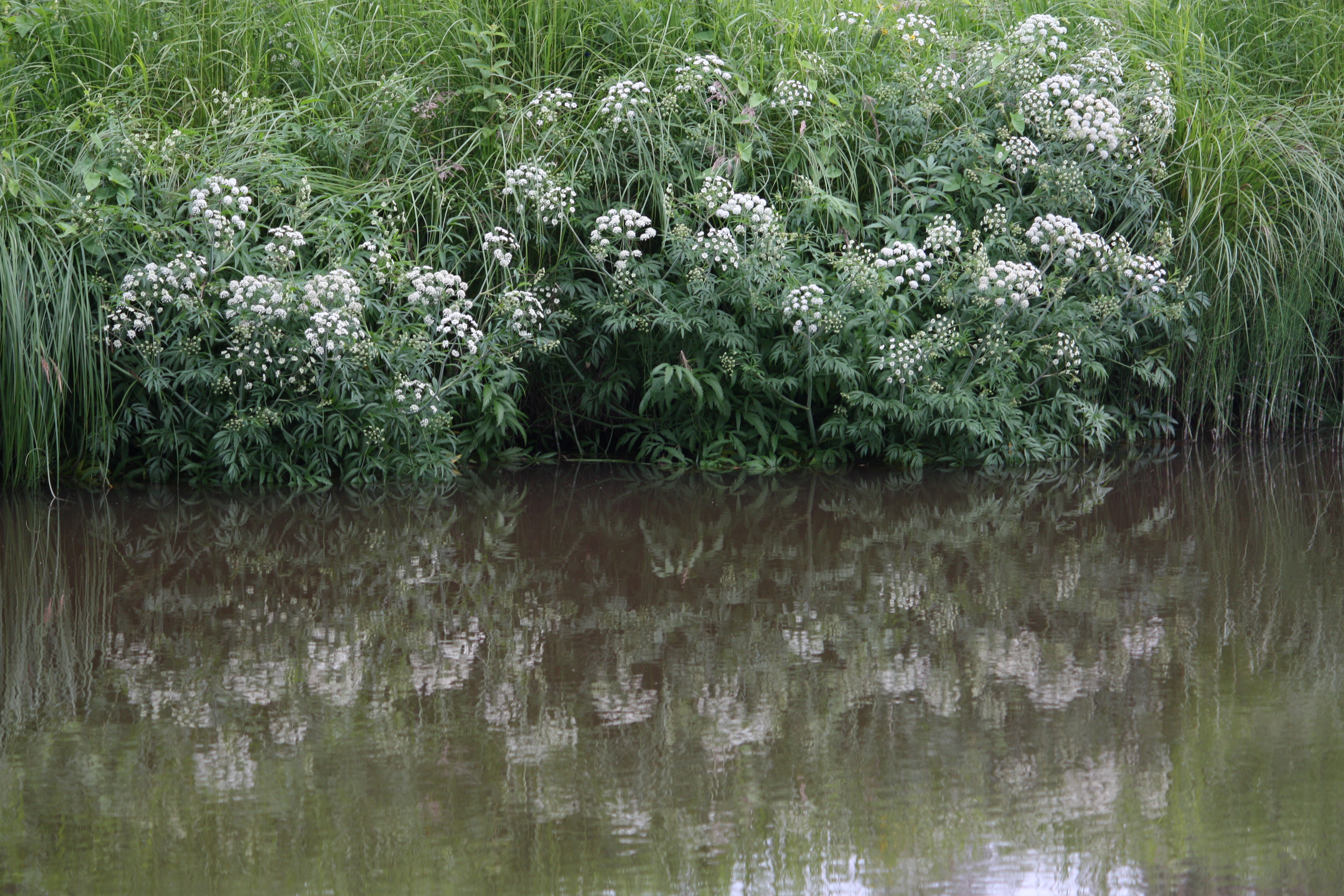
Experts often call water hemlock the most toxic plant in North America. A bite of the root, about the size of a walnut, can kill an adult.
It grows in wet places like stream banks, marshes, and pond edges. Symptoms come on fast, often within 15 minutes, and include violent seizures.
Cattle that graze near water sometimes die from eating it.
Its white umbrella-shaped flowers resemble other plants in the carrot family. Cutting the root shows small hollow chambers and an oily yellow liquid.
If you live near water, admire it from a distance and keep pets away.
9. White Snakeroot
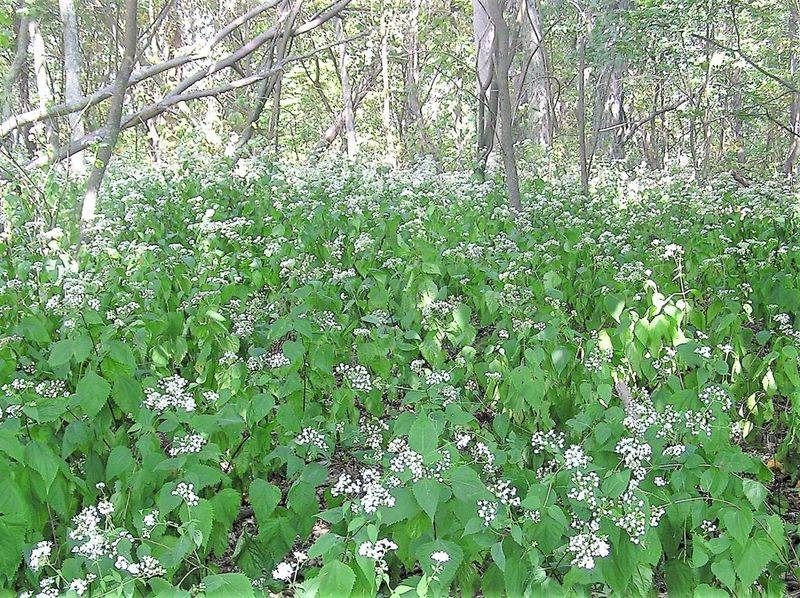
Abraham Lincoln’s mother, Nancy, died in 1818 from something called milk sickness. The cause was white snakeroot, a quiet little plant that cows had eaten before their milk was served.
Today the plant still grows in shady woods and backyard edges across New York. The toxin, tremetol, can harm horses, goats, and other animals that nibble it.
People are mostly safe now thanks to modern dairy practices, but pet owners and backyard livestock keepers should stay alert.
It blooms in late summer and fall with fuzzy white flower clusters. The leaves are toothed and grow in pairs.
It is easy to overlook, which is exactly why it makes this list.
10. Stinging Nettle
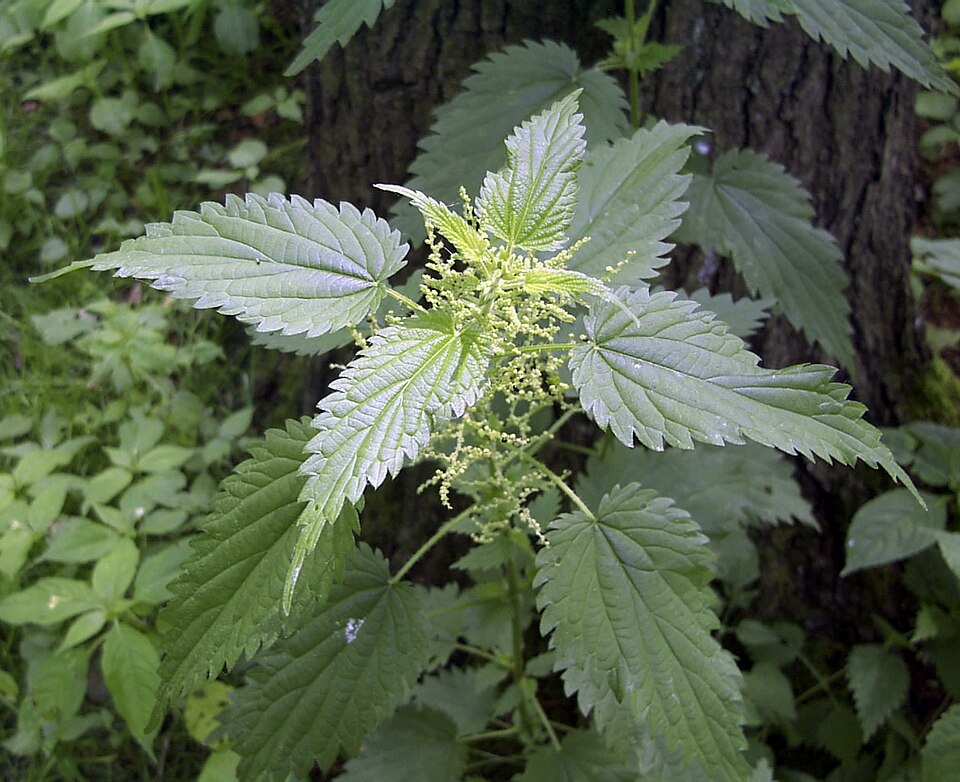
Brush past one by accident and you will know instantly. Stinging nettle delivers a sharp, burning tingle the second your skin touches it.
Tiny hollow hairs on the leaves and stems work like little needles. They inject chemicals, including formic acid, that cause stinging and red bumps.
The good news is that it usually fades within a day, making it the mildest plant here.
Nettle loves damp, rich soil near trails, gardens, and compost piles. Oddly enough, once cooked it loses its sting and is eaten as a leafy green.
Still, wear gloves and long pants when walking through thick patches.
Share this story