Your backyard orange tree might be feeding more than your family. Roof rats have spread across Phoenix, Tucson, and other Arizona neighborhoods, and they love ripe citrus.
The good news is that they leave plenty of signs outside long before they move into your attic or walls. Learn to spot these clues early, and you can stop a small problem before it becomes a big, smelly one.
1. Hollowed-Out Oranges Still Hanging on the Branch

Picture reaching for a plump navel orange and finding nothing inside but air. That empty shell is the classic calling card of a roof rat.
The rat chews a small round hole, usually about the size of a quarter, and scoops out the juicy pulp while leaving the peel attached to the branch.
Birds tend to peck messy, open wounds in fruit, and they often leave the flesh behind. Roof rats are much neater eaters.
They tidy up the inside like someone cleaning a bowl, which makes the hollow fruit look almost spooky.
Check the higher branches first, since roof rats are skilled climbers and feel safer up there. If you see several emptied oranges or grapefruits in one tree, rats have likely been visiting for a while.
2. Peels and Rinds Scattered Under the Canopy

Ever notice little curls of orange peel on the ground and blame the neighbor kids? Take a closer look.
Roof rats often drop chewed rind pieces and empty shells beneath the tree after a night of snacking.
These scraps usually have rough, gnawed edges instead of clean knife cuts. You might also find fallen fruit with the same tidy hole found on the branches.
Rake under your trees every few days and watch for new scraps. Fresh peels appearing again and again tell you the feeding is ongoing, not a one-time visit.
3. Small Spindle-Shaped Droppings
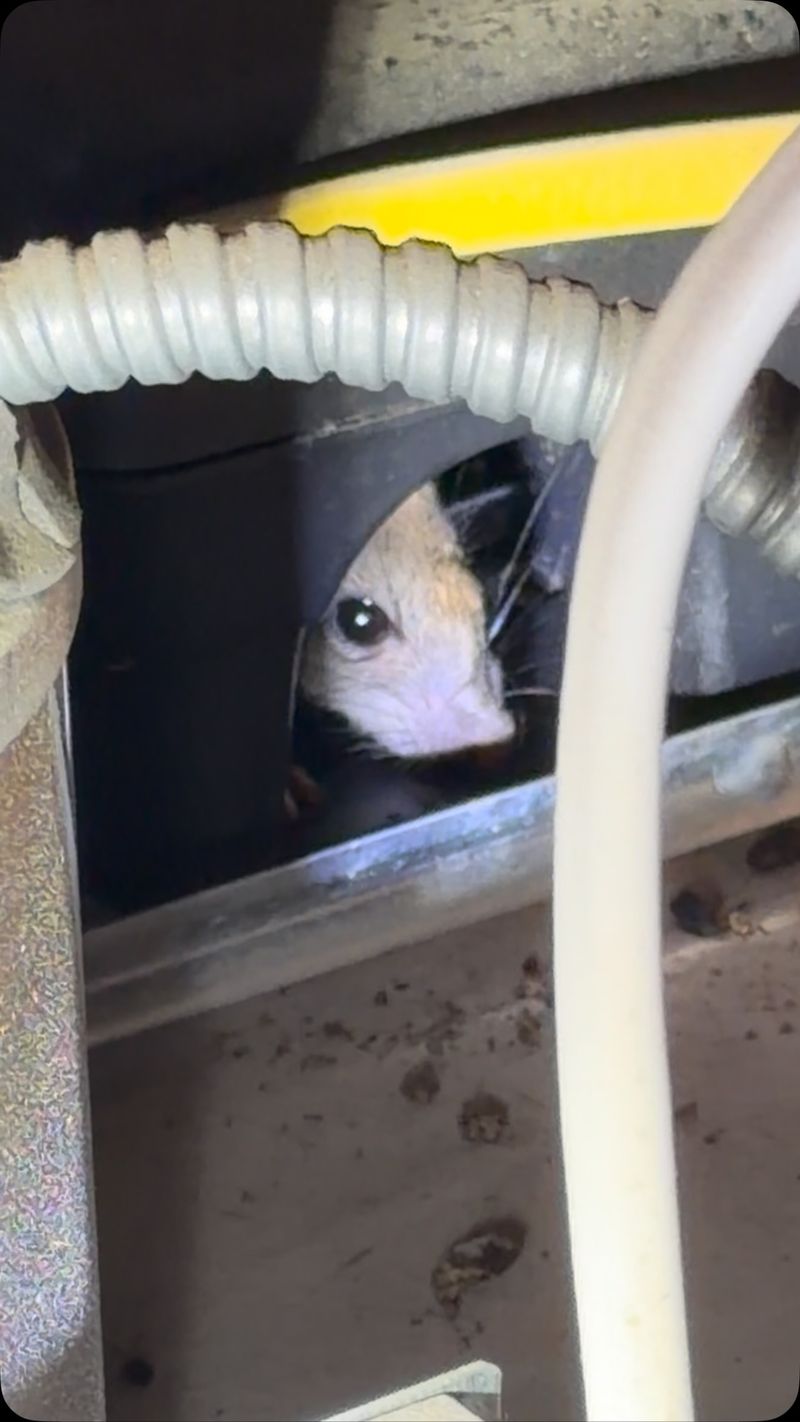
Nobody enjoys inspecting poop, but it is one of the most reliable signs out there. Roof rat droppings are about half an inch long, dark, and shaped like a grain of rice with pointed ends.
You will often find them along block walls, on patio furniture, under the tree, or on top of fences. Fresh droppings look shiny and soft, while old ones turn dry and crumbly.
Always wear gloves and use a damp paper towel with disinfectant to clean them up. Never sweep or vacuum dry droppings, since that can stir up germs into the air.
4. Gnaw Marks on Branches, Hoses, and Drip Lines

Here is a fun fact: a rat’s front teeth never stop growing. That means roof rats chew constantly just to keep them trimmed, and your yard pays the price.
In the dry Arizona heat, rats also hunt for water. Chewed drip irrigation lines and garden hoses are a big clue, especially if you suddenly spot a leak or a puddle near your citrus.
Look for small, paired grooves on young branches, wooden fences, and plastic pipes too. One chewed line might be bad luck, but several are a strong hint that rats are working the area.
5. Greasy Rub Marks Along Walls and Fences
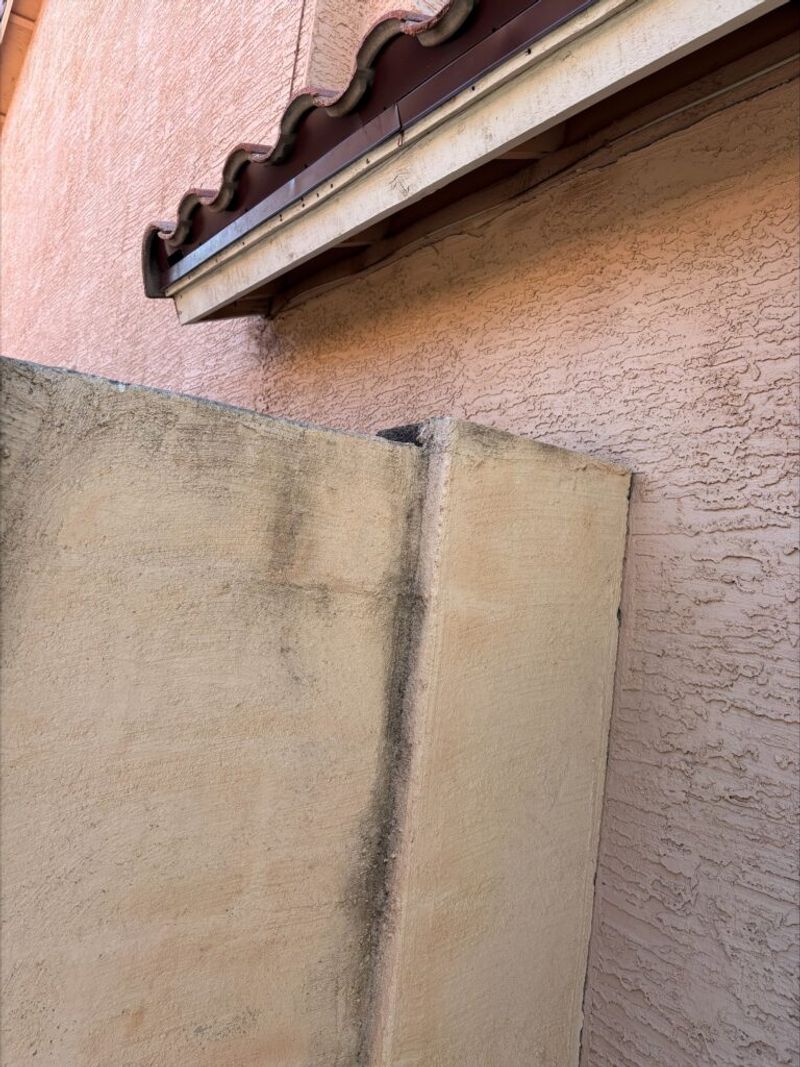
Rats are creatures of habit. They run the same paths night after night, and their oily fur leaves behind dark, smeary stains.
Check the top edges of block walls, the corners where fences meet, and spots where branches touch the house. A gray or brown smudge that looks like grease is a solid sign of a regular travel route.
Finding these marks tells you exactly where rats are moving. That makes it much easier to place traps or trim back the shortcuts they use.
6. Nighttime Rustling in the Treetops
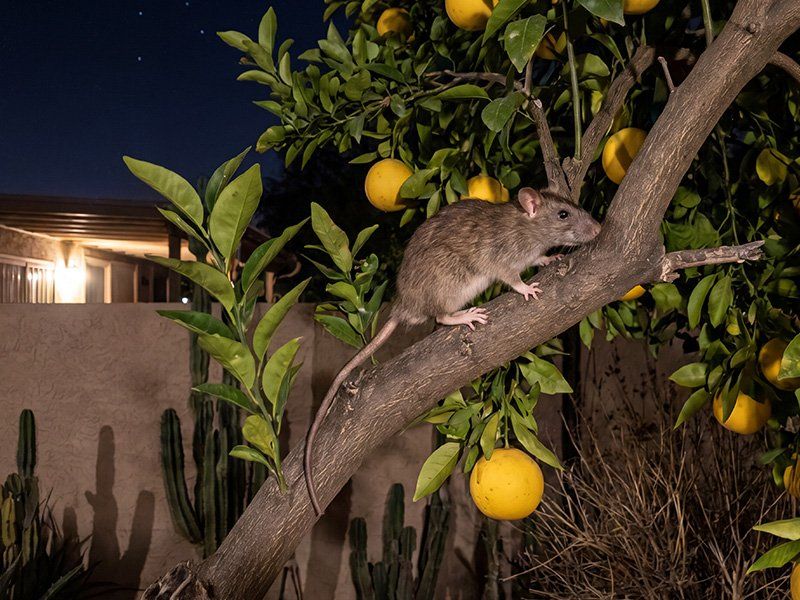
You step outside after dark to take out the trash and hear leaves shaking with no wind at all. That rustle is often a roof rat moving through the branches on its nightly dinner run.
These rodents are most active a few hours after sunset. Grab a flashlight and shine it slowly into the tree.
Glowing eyes or a long tail hanging down will clear up any doubt.
Many homeowners also see rats racing along power lines or the top of a wall. Once you spot one, there are almost always more nearby.
7. Nests Hidden in Dense Foliage and Palms
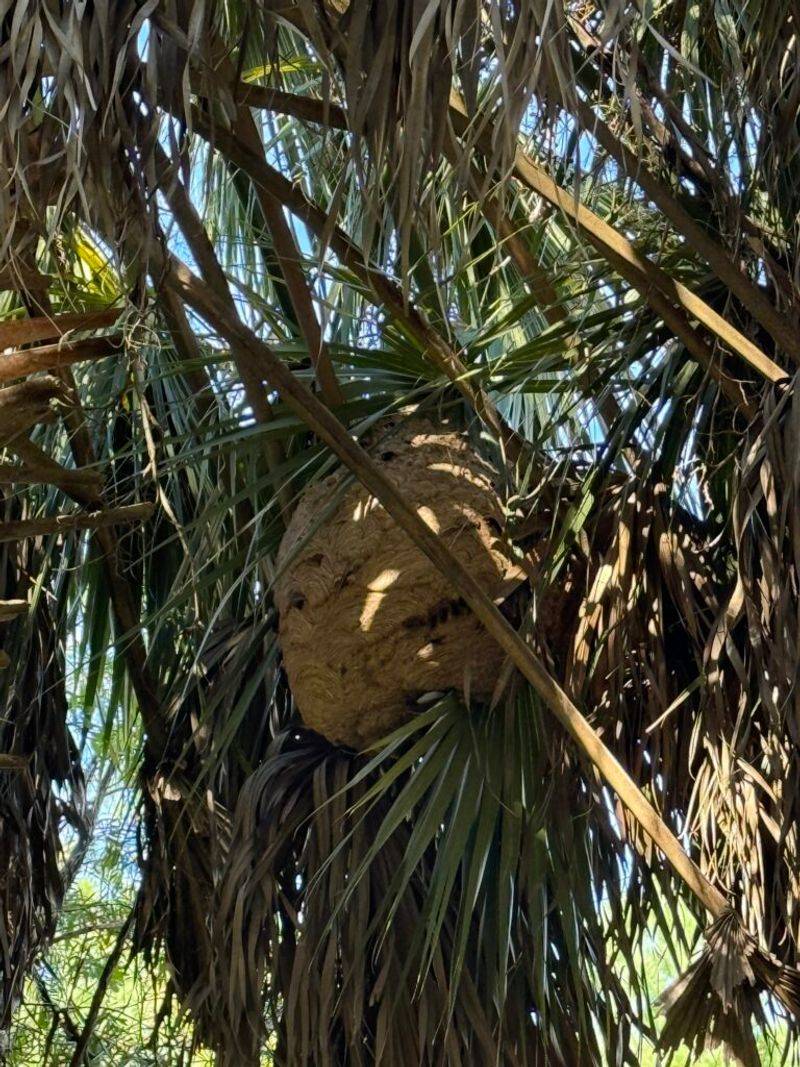
Roof rats like to live close to their food, kind of like having a snack bar next to the bedroom. Thick citrus trees, untrimmed palms, bougainvillea, and oleander hedges all make cozy hideouts.
A nest looks like a messy ball of shredded leaves, palm fibers, paper, or cloth. It is often tucked into the densest part of a plant, well off the ground.
Wear gloves and long sleeves when checking. If you find a nest, thinning that plant and trimming dead palm fronds can take away their safe home.
8. Branches Touching the Roof and Walls
Think of overhanging branches as a bridge with a welcome sign. Roof rats get their name because they climb so well, and a branch touching your roof is their easiest route inside.
Walk around your home and look up. Any limb resting on the roof, eaves, or walls gives rats direct access to vents and gaps under roof tiles.
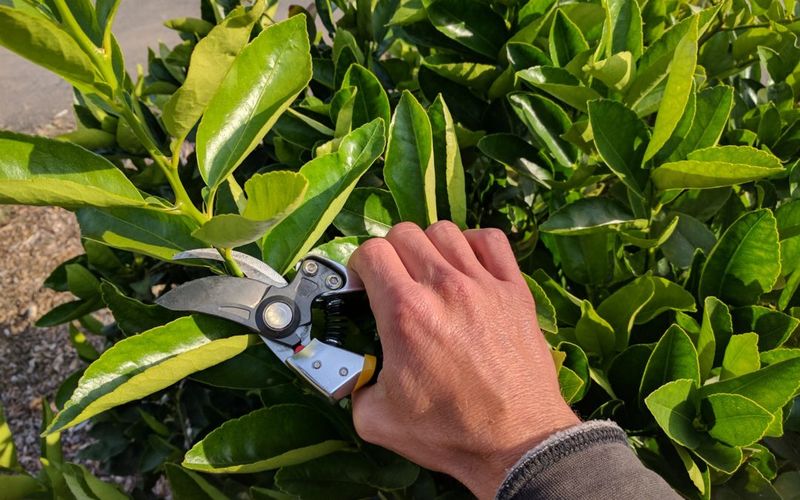
Experts often suggest trimming citrus so branches stay at least three to four feet away from the house. Raising the skirt of the tree off the ground also helps you spot activity underneath.
9. Pets Acting Strange Near the Yard

Your dog may notice rats before you ever do. A pup that stares at the citrus tree, barks at the wall at night, or sniffs one spot obsessively is often picking up rodent scent.
Cats might sit under the tree for long stretches or bring you an unwelcome gift. These behavior changes are easy to dismiss, but they are worth paying attention to.
Use pet-safe traps or call a professional, since poison baits can harm dogs and cats. Catching the problem early outdoors is far easier than chasing rats out of your attic later.
Share this story