You rake the leaves, stack some firewood, and figure the bug season is over. Not so fast.
When the air turns cold in Illinois, plenty of venomous creatures start hunting for warm, cozy spots, and your yard, garage, or woodpile might look like a perfect hotel. Knowing who is out there helps you stay safe without panicking every time something moves.
1. Brown Recluse Spider
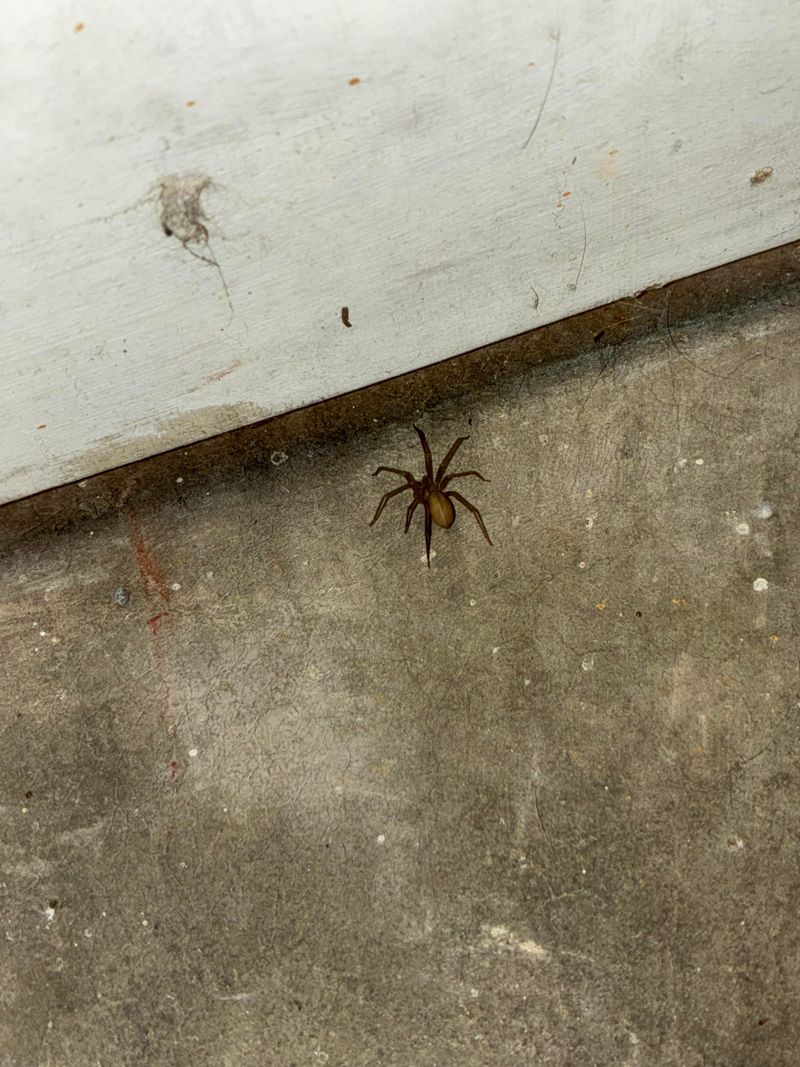
Picture a cardboard box of holiday decorations sitting in the garage since last winter. Reach in without looking, and you might meet a brown recluse, one of the shyest yet most feared spiders in southern and central Illinois.
Look for a tan body with a dark violin shape on its back and six eyes instead of the usual eight. When temperatures drop, these spiders slip indoors and hide in clutter, shoes, and stored clothing.
Bites are rare and usually happen when the spider gets pressed against skin. Shake out gloves and boots, use sealed plastic bins, and wear gloves when sorting old boxes this time of year.
2. Black Widow Spider
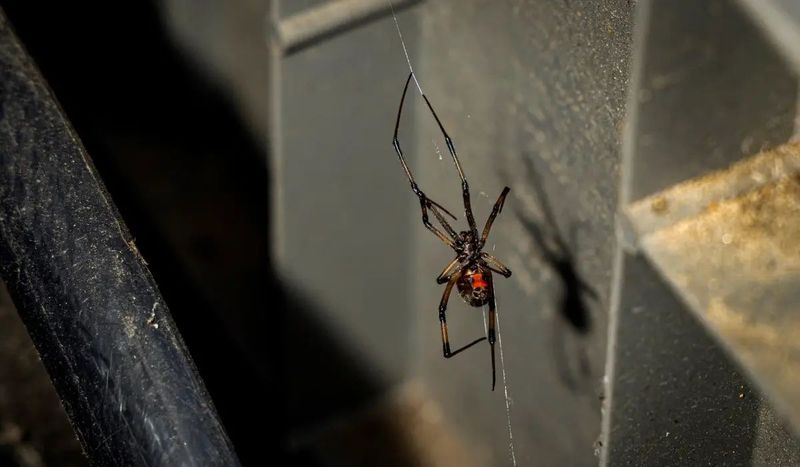
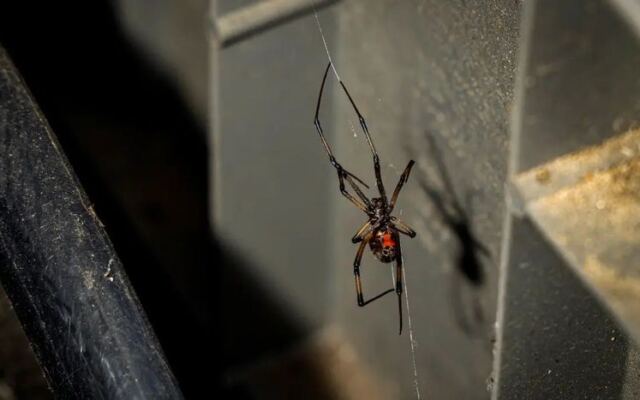
That glossy black body and bright red hourglass are nature’s version of a warning sign. Illinois is home to northern and southern black widows, and both love quiet, undisturbed corners.
Woodpiles, flower pots, window wells, and the undersides of patio furniture are favorite hideouts. In fall, people start moving firewood and putting away lawn chairs, which is exactly when hands meet webs.
Their venom affects nerves and can cause painful muscle cramps, so seek medical care if bitten. Wear thick gloves when hauling wood, and give furniture a quick flip and check before storing it.
3. Yellowjackets
Ever notice how wasps seem crankier in October? You are not imagining it.
Late in the season, yellowjacket colonies stop raising young, and the workers switch to hunting sugar with real determination.
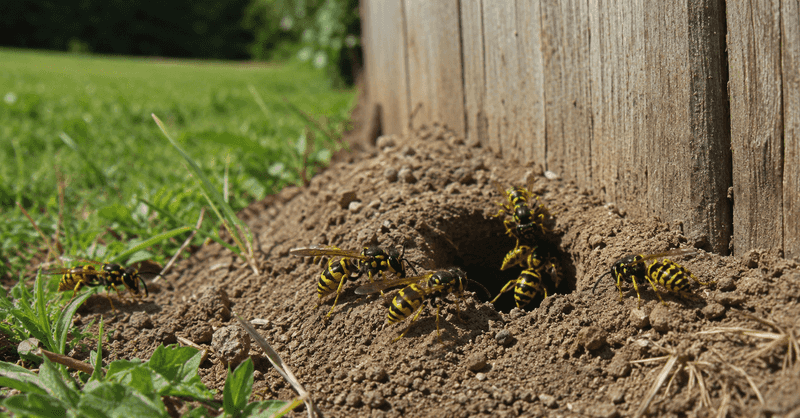
Fallen fruit, open soda cans, and trash bins become magnets. Many colonies live underground, so mowing or raking over a hidden nest can send dozens flying out at once.
Unlike honeybees, yellowjackets can sting again and again. Keep drinks covered, clean up rotting apples, and watch for steady traffic in and out of a hole in the lawn before you fire up the mower.
4. Bald-Faced Hornets
Here is a fun twist: the bald-faced hornet is not actually a true hornet. It is a type of yellowjacket wearing a black and white suit.
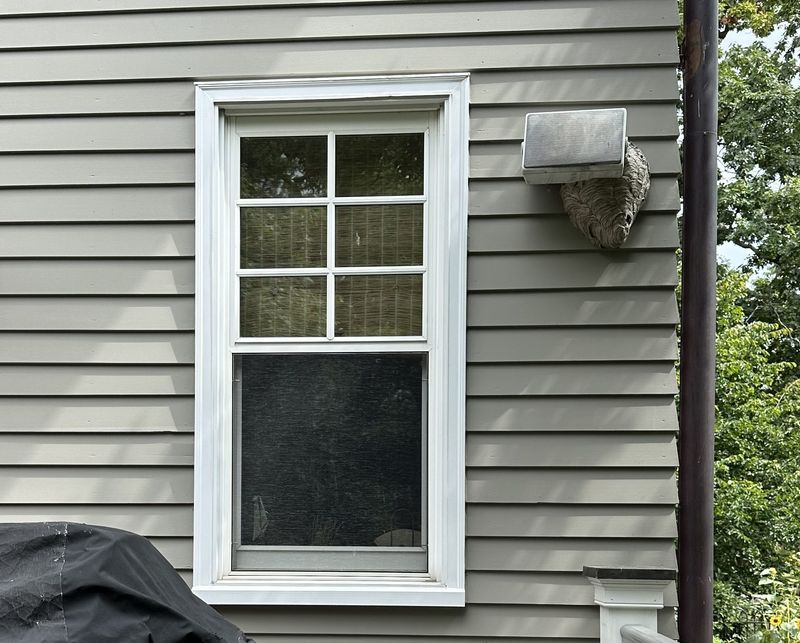
Fall often reveals their gray, football-sized paper nests once tree leaves drop. Spotting one high in a branch can be startling, but by late fall most colonies are dying off and the queens leave to overwinter elsewhere.
Still, any nest that is active should be left alone. These insects defend their home fiercely and will chase intruders, so wait for a hard freeze before knocking an empty nest down.
5. Eastern Massasauga Rattlesnake
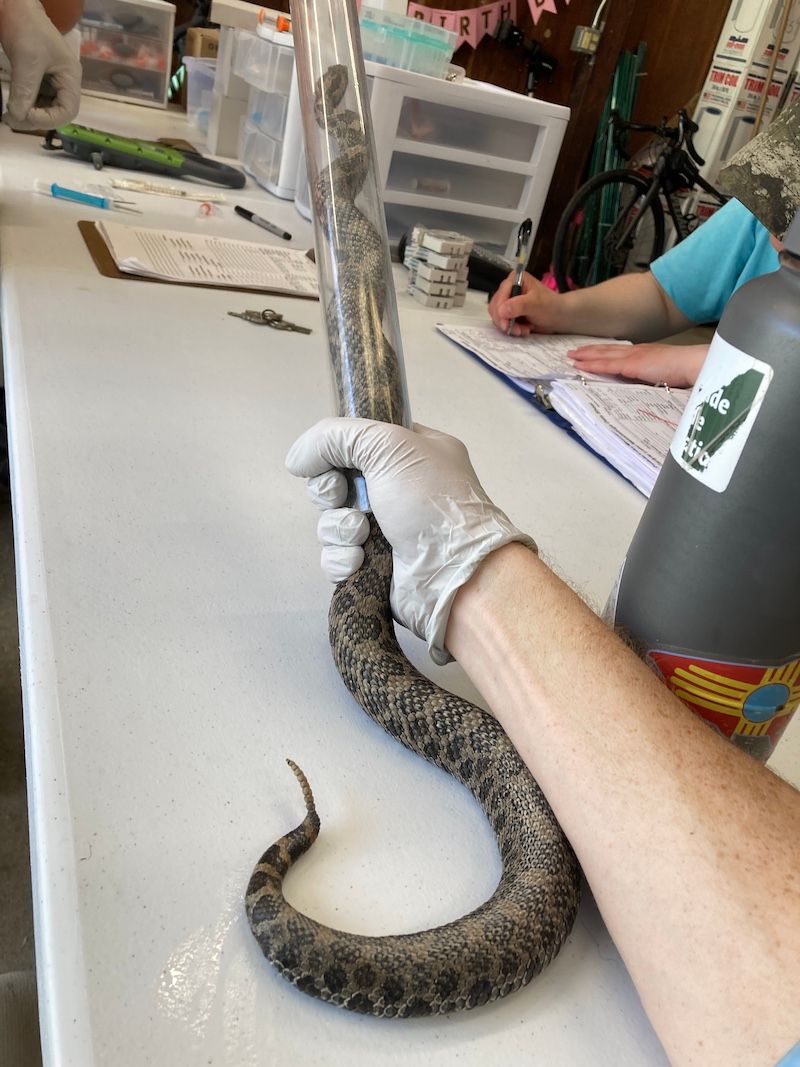
Few Illinois residents ever see one, and that is part of what makes the eastern massasauga special. This small rattlesnake is federally listed as threatened and survives in only a handful of wet prairie areas.
In fall, massasaugas move toward crayfish burrows and low wetland spots where they spend the winter. Homes near these habitats, especially in parts of northern and central Illinois, may notice brief activity as the snakes travel.
They are calm and would rather hide than strike. If you see one, step back, enjoy the rare sighting from a distance, and contact local wildlife officials instead of harming it.
6. Copperhead
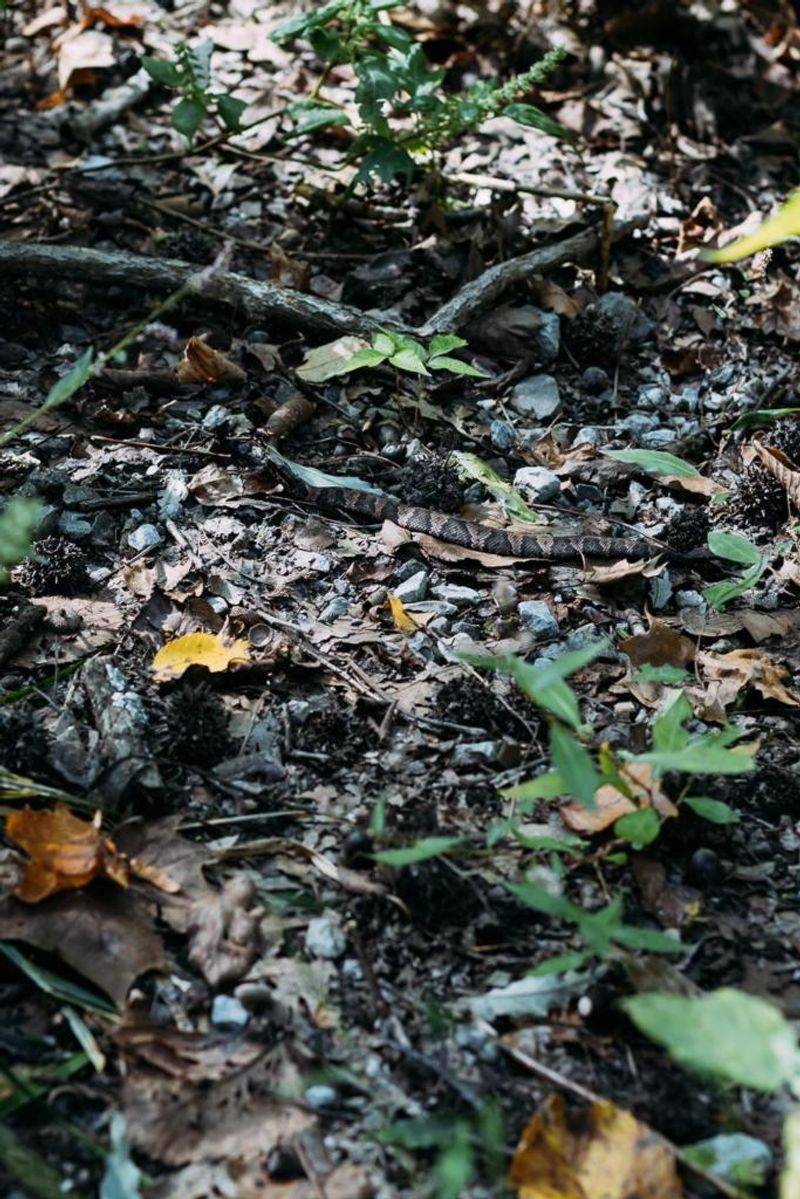
Camouflage does not get much better than this. A copperhead lying in a pile of orange and brown oak leaves can look exactly like the leaves themselves.
Southern Illinois, especially near the Shawnee National Forest, is copperhead country. As nights cool, these snakes head toward rocky bluffs to den together, sometimes crossing yards, gardens, and leaf piles on the way.
Rake with a long-handled tool rather than scooping leaves by hand. Wear boots outdoors, keep brush trimmed near the house, and remember that bites are rarely fatal but always deserve a trip to the doctor.
7. Timber Rattlesnake

Long before Illinois had farms and suburbs, the timber rattlesnake ruled its rocky river bluffs. Today it is a threatened species here, hanging on along the Mississippi and Illinois river valleys.
Fall is migration time. Timbers may travel a long way back to the same den they have used for years, and homes built near bluffs sometimes get a surprise visitor along the route.
These snakes are big and their venom is serious, yet they are famously patient and often rattle only as a last resort. Give one plenty of room, keep pets leashed in bluff areas, and let it continue its journey.
8. Saddleback and Puss Caterpillars
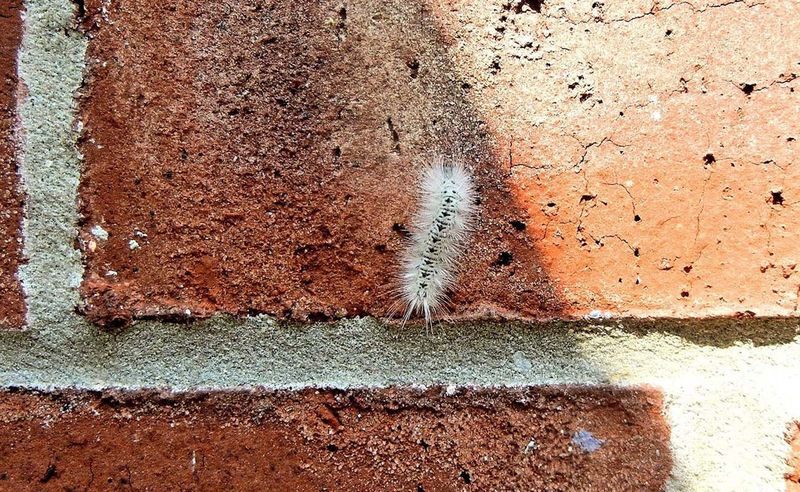
Not every venomous critter has fangs or a stinger. Some are fuzzy, colorful caterpillars that look like toys, which is exactly why kids want to pick them up.
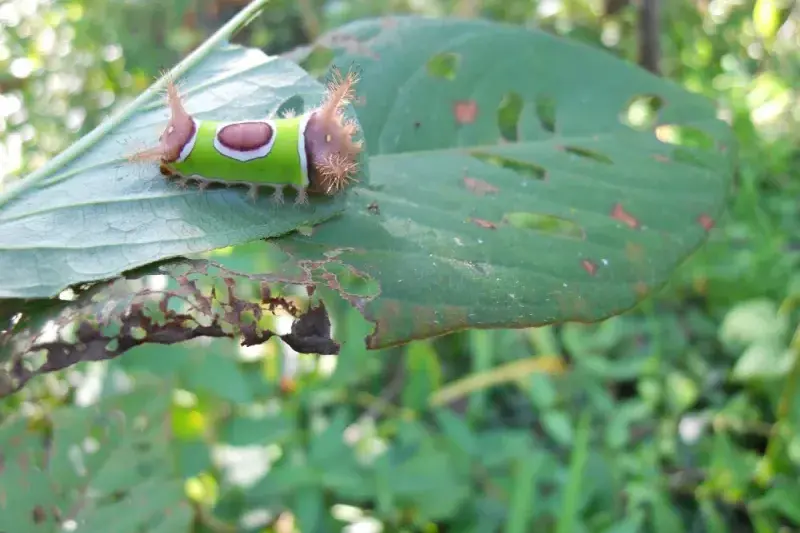
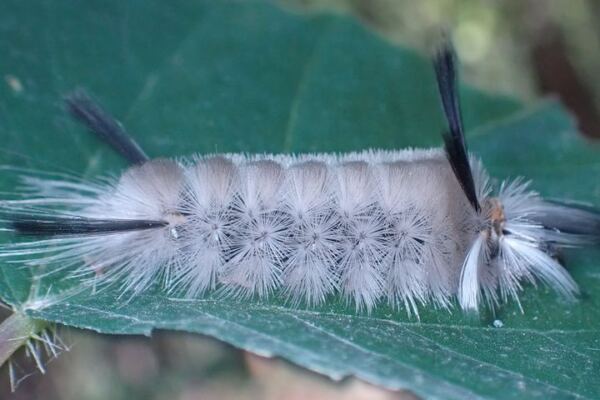
The saddleback caterpillar wears a bright green saddle with a brown spot, while the puss caterpillar looks like a tiny furry wig. Both hide venom-filled spines that can cause a burning sting lasting hours.
They show up on shrubs and garden plants through early fall. Teach children a simple rule: admire caterpillars with your eyes, not your fingers, and use tape to pull out spines if someone gets stung.
Share this story