Get the latest garden guides in your inbox →
Gardening Latest
  • General Gardening
  • Lawn Care
  • Plant Care
  • Composting
  • Soil Health
  • Backyard
  • Garden Muse Magazine
  • General Gardening
  • Lawn Care
  • Plant Care
  • Composting
  • Soil Health
  • Backyard
  • Garden Muse Magazine
  • News
  • Gardening Calendar
  • Garden Structures
  • Vegetable Garden
  • Vertical Garden
  • Raised Beds
  • Hydroponics
  • General Equipment
  • Community Gardens
Garden Themes
  • Spiritual Garden
  • Hydroseeding
  • Seeding and Laying Sod
  • Artificial Grass
  • Lawn Care Equipment
  • Plants
  • Trees
  • Planting Tools
  • Composting Basics
  • Fertilizer
  • Alternative Growing Mediums
  • Front Yard
  • Backyard Activities
  • Landscaping
Gardening Latest

Explore by state

Which state is your garden in?

Currently viewing Iowa

All states

Northeast

  • Connecticut —
  • Delaware 33
  • Maine —
  • Maryland 19
  • Massachusetts 35
  • New Hampshire —
  • New Jersey 19
  • New York 28
  • Pennsylvania 28
  • Rhode Island —
  • Vermont —

Southeast

  • Alabama 19
  • Arkansas —
  • Florida 19
  • Georgia 19
  • Kentucky 33
  • Louisiana 18
  • Mississippi —
  • North Carolina 17
  • South Carolina 32
  • Tennessee 16
  • Virginia 18
  • West Virginia —

Midwest

  • Illinois 18
  • Indiana 20
  • Iowa 32
  • Kansas —
  • Michigan 19
  • Minnesota 18
  • Missouri 18
  • Nebraska —
  • North Dakota —
  • Ohio 19
  • South Dakota —
  • Wisconsin 34

Southwest

  • Arizona 19
  • Colorado —
  • Nevada —
  • New Mexico —
  • Oklahoma —
  • Texas 18
  • Utah —

West

  • Alaska —
  • California 19
  • Hawaii —
  • Idaho —
  • Montana —
  • Oregon —
  • Washington —
  • Wyoming —

No state matches that search.

Site menu

Gardening Latest
  • General Gardening
    • News
    • Gardening Calendar
    • Garden Structures
    • Vegetable Garden
    • Vertical Garden
    • Raised Beds
    • Hydroponics
    • General Equipment
    • Community Gardens
    Garden Themes
    • Spiritual Garden
  • Lawn Care
    • Hydroseeding
    • Seeding and Laying Sod
    • Artificial Grass
    • Lawn Care Equipment
  • Plant Care
    • Plants
    • Trees
    • Planting Tools
  • Composting
    • Composting Basics
  • Soil Health
    • Fertilizer
    • Alternative Growing Mediums
  • Backyard
    • Front Yard
    • Backyard Activities
    • Landscaping
  • Garden Muse Magazine

Explore

  • About GardeningLatest.com
  • Contact Us

Get the latest from the garden

New guides on lawn care, plants and backyard projects, sent when they go up.

Subscribe →

Follow

  • Facebook
  • X
  • Pinterest
  • YouTube
Iowa Gardening

Iowa’s Venomous Yard Critters Get Easier To Spot Once Late Fall Sets In

When the leaves drop and the grass turns brown, your Iowa backyard suddenly has fewer places to hide.

LP

By Lyle Petersen

November 25, 2026 · 5 min read

Iowa’s Venomous Yard Critters Get Easier To Spot Once Late Fall Sets In
Iowa's Venomous Yard Critters Get Easier To Spot Once Late Fall Sets In

When the leaves drop and the grass turns brown, your Iowa backyard suddenly has fewer places to hide. Snakes, spiders, and other critters with a venomous bite or sting start moving around as they search for winter shelter.

That makes late fall one of the best times to learn what lives near your home and how to stay safe. Knowing who these neighbors are can turn worry into smart, calm action.

At a glance

Where
Iowa Gardening
Hardiness zone
5 −20 to −10°F
Read
5 minutes
Published
November 25, 2026

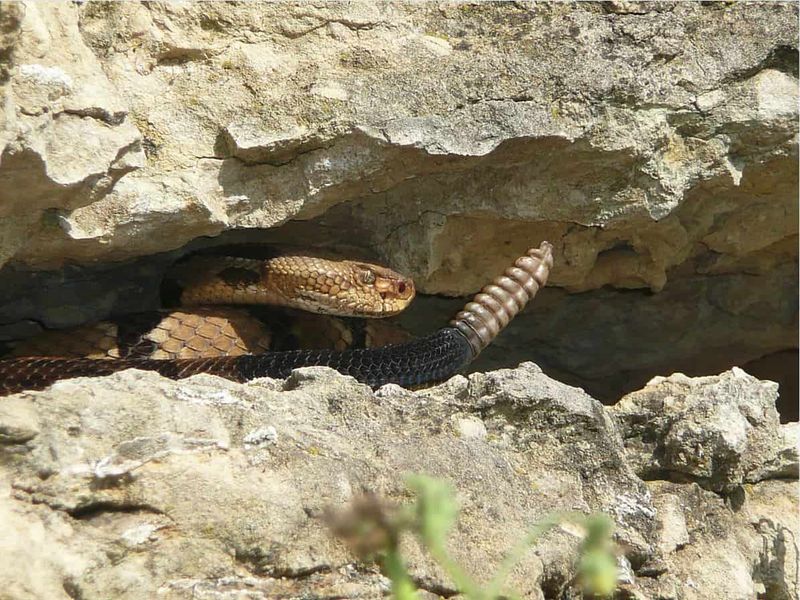
1. Timber Rattlesnake

Timber Rattlesnake
© Prairie Enthusiasts

Picture a sunny November afternoon on a limestone bluff near the Mississippi River. A thick, banded snake lies stretched across a warm rock, soaking up the last heat of the year.

That is the timber rattlesnake, Iowa’s largest venomous snake.

Timber rattlers live mostly in the wooded, rocky hills of eastern and southern Iowa. In late fall, they travel back to the same rocky dens, called hibernacula, that they have used for years.

Because the plants have died back, their dark chevron bands stand out more against bare ground.

These snakes are shy and usually rattle long before they would ever strike. If you hear that buzzing sound, simply back away slowly and give the snake plenty of room.

Fun fact: some timber rattlesnake dens have been used by snakes for well over a century.

2. Prairie Rattlesnake
Prairie Rattlesnake
© News – GOLDEN HILLS RC&D

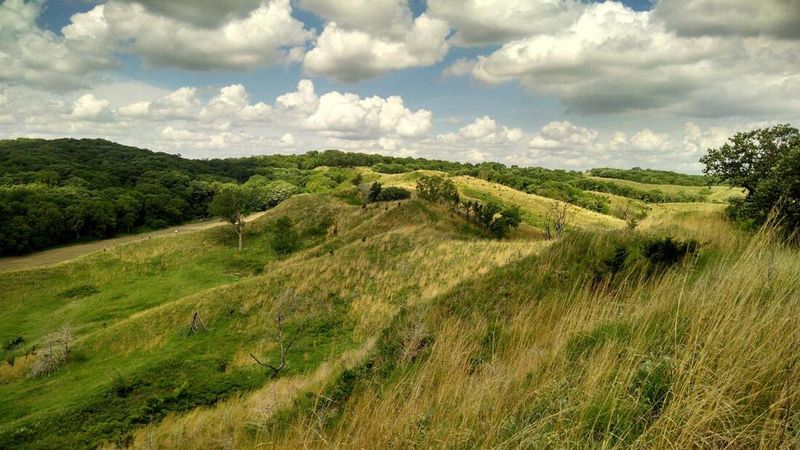
Rarity makes this one special. The prairie rattlesnake is found in only a tiny slice of far western Iowa, in the Loess Hills region.

Most Iowans will never see one, but folks living near those hills should know the signs.

Cold nights send plenty of critters indoors, and the brown recluse is one of the sneakiest.

Its color is a dusty tan or soft green with brown blotches down the back. During summer, it blends perfectly into tall prairie grass.

Once fall mowing and frost flatten that grass, a sunning prairie rattler becomes much easier to notice.

Like other rattlesnakes, it gives a loud warning when nervous. Keep pets on a leash in hilly prairie spots and watch where you step on sunny slopes.

The species is protected in Iowa, so leave it alone and let it head to its winter burrow.

3. Eastern Massasauga
Eastern Massasauga
© GovDelivery – Granicus

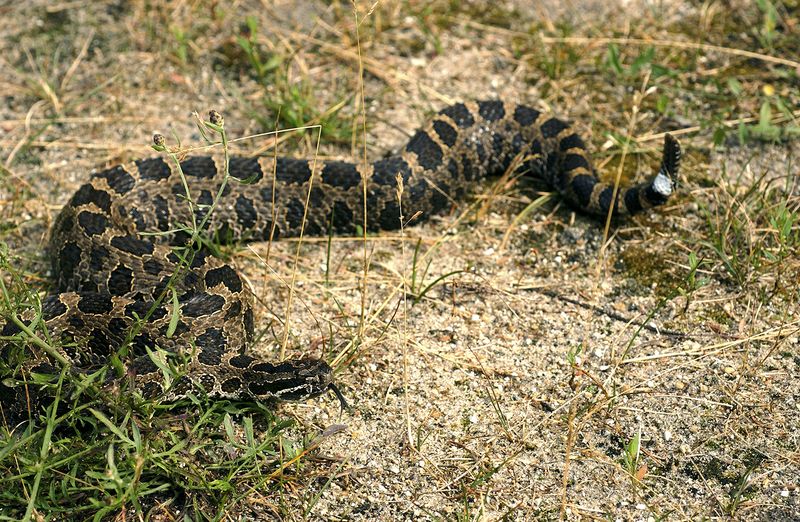
Ever heard of a rattlesnake that loves swamps? The eastern massasauga prefers wet prairies and marshy meadows, which surprises many people.

In Iowa, only a few small groups remain, and the snake is listed as endangered.

Massasaugas are short and stocky, usually under three feet long. They spend winter underground, often inside old crayfish burrows where the water stays just above freezing.

In late fall, you might catch one near those holes as it gets ready to tuck in.

Their rattle is small and sounds more like an insect buzzing than a loud warning. That quiet sound is a good reason to slow down when walking through damp grass.

Seeing one is a rare treat, so snap a photo from a distance and report it to the Iowa DNR.

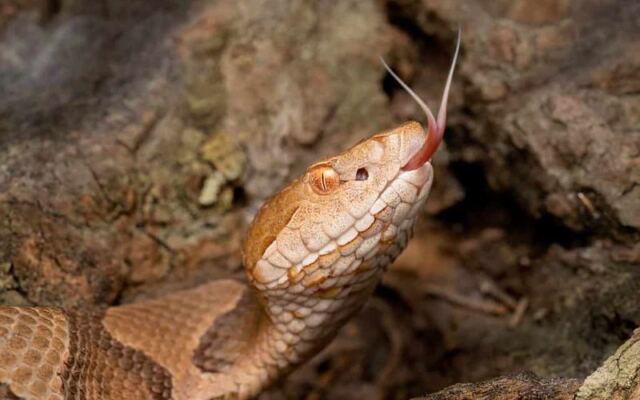
4. Copperhead
Copperhead
© A-Z Animals

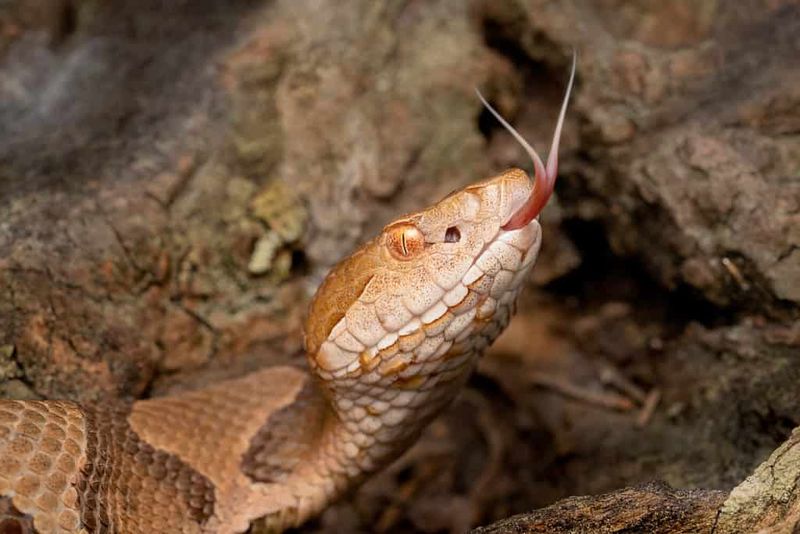
Camouflage is the copperhead’s superpower. Its tan and copper hourglass bands look almost exactly like a pile of fallen oak leaves.

Ironically, that same pattern can make it easier to spot once leaves dry out and turn a duller gray-brown.

Copperheads are very rare in Iowa, found only in a few rocky woodland spots in the southeastern corner of the state. They often share winter dens with other snakes.

On cool fall days, they may lie still in sunny clearings near rock ledges.

Here is the tricky part. Copperheads tend to freeze instead of fleeing, so people sometimes step close before noticing them.

Use a stick or rake when moving leaf piles in wooded yards, and wear sturdy boots instead of sandals during autumn cleanup.

5. Brown Recluse Spider
Brown Recluse Spider
© The Spruce

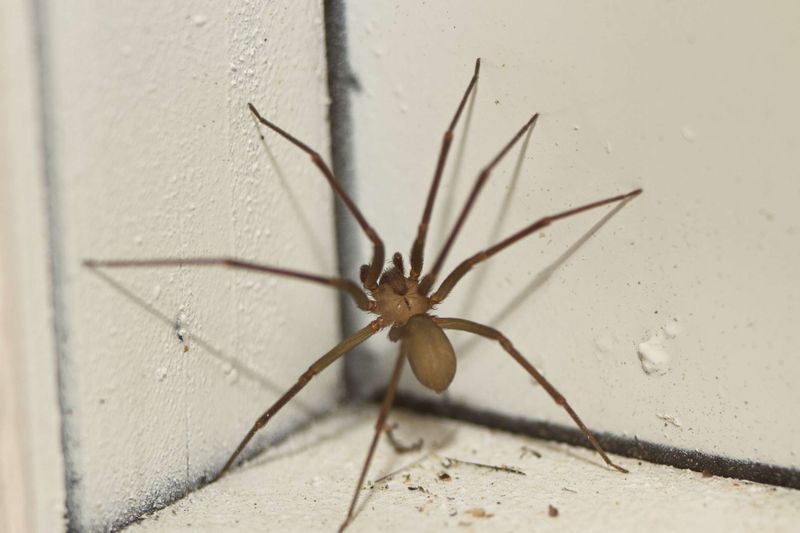
Cold nights send plenty of critters indoors, and the brown recluse is one of the sneakiest. This small tan spider has a dark violin shape on its back, pointing toward its rear.

It mainly lives in southern Iowa, though it can hitch rides north in boxes and furniture.

As temperatures drop, recluses wander into garages, basements, and storage closets. You may notice more of them simply because they are moving around looking for warm, quiet corners.

Sticky traps placed along walls are a great way to check if they are present.

Bites are uncommon and usually happen when a spider gets trapped against skin. Shake out shoes, gloves, and stored clothing before putting them on.

If a bite turns into a painful sore, see a doctor right away.

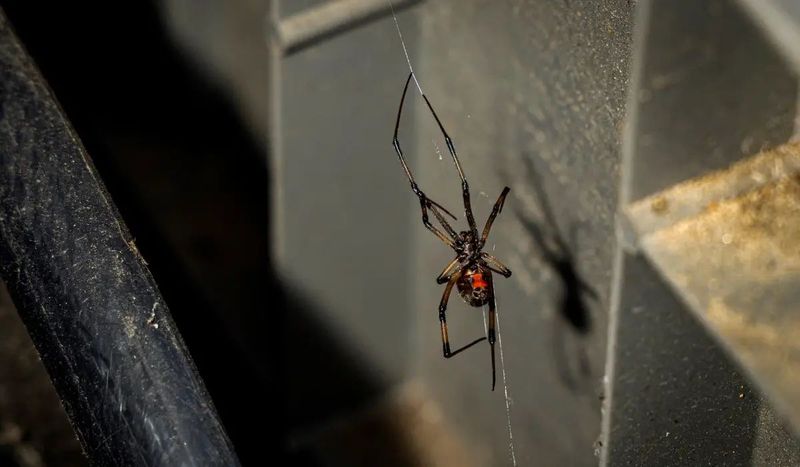
6. Black Widow Spider
Black Widow Spider
© Rigo Pest Prevention

Glossy black with a bright red hourglass underneath, the female black widow looks like it came straight out of a Halloween decoration. Fittingly, autumn is when many Iowans first spot one.

Both northern and southern black widows can be found around the state.

They build messy, tangled webs low to the ground. Woodpiles, window wells, sheds, and the underside of patio furniture are favorite hideouts.

When you bring firewood inside or stack lawn chairs for winter, these spiders get uncovered.

Wear thick gloves when handling wood or stored items outdoors. A bite can cause muscle cramps and pain, so medical care is a smart move if one happens.

The good news is that black widows are timid and would much rather hide than bite.

7. Yellowjackets
Yellowjackets
© Bird Watching HQ

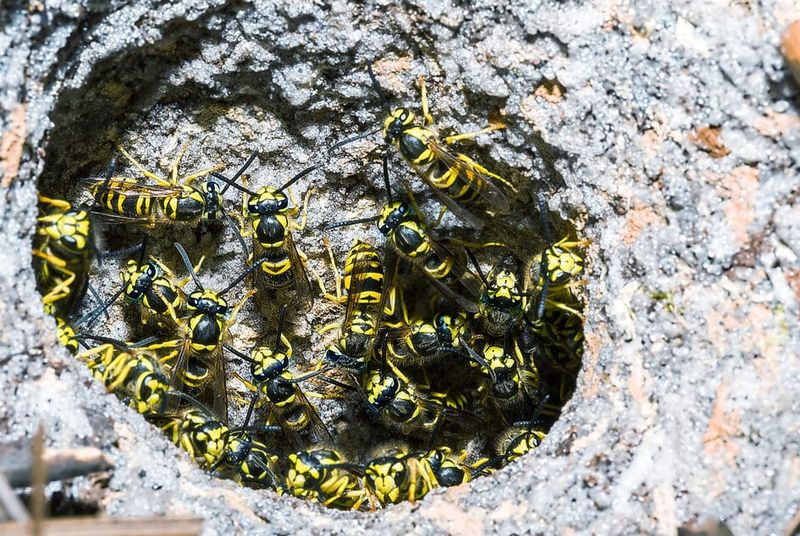
Anyone who has sipped a soda at a fall football tailgate knows this buzzing pest well. Yellowjackets get grumpy and bold in late fall.

Their colonies are winding down, food is scarce, and workers go hunting for sweets.

During summer, many nests hide underground or inside walls without anyone noticing. By October, the wasps swarm around fallen apples, trash cans, and picnic tables, making their nest entrances much easier to track.

Watch for a steady stream of wasps flying in and out of one hole in the lawn.

Unlike honeybees, yellowjackets can sting again and again. Cover drinks, keep trash lids tight, and avoid mowing over a busy nest.

A hard frost will finish off most of the colony, and only new queens survive the winter tucked under bark or logs.

Share this story
LP

Written by

Lyle Petersen

More from Lyle Petersen →

About Gardening Latest

Gardening Latest provides in-depth guides to maintaining and enhancing your garden and backyard. Learn how to make the most of the space you have and create a beautiful garden.

More about us →

Latest stories

  • California GardeningIf a Gray Fox Keeps Trotting Through Your California Yard This Winter, Here’s What It’s After

    If a Gray Fox Keeps Trotting Through Your California Yard This Winter, Here’s What It’s After

    11 hr ago
  • Arizona GardeningWhen a Gray Fox Trots Through Your Arizona Yard This Winter, It’s on a Mission

    When a Gray Fox Trots Through Your Arizona Yard This Winter, It’s on a Mission

    12 hr ago
  • Texas GardeningNeighbor Vines Crossing Into Your Texas Yard: Texas Tree-Branch Guidance Is Clear, but the Answer for Vines Is Less Settled

    Neighbor Vines Crossing Into Your Texas Yard: Texas Tree-Branch Guidance Is Clear, but the Answer for Vines Is Less Settled

    12 hr ago
  • Wisconsin GardeningWisconsin Neighbors Fight Over Snow Piled on Their Property, and Here’s What the Law Actually Says

    Wisconsin Neighbors Fight Over Snow Piled on Their Property, and Here’s What the Law Actually Says

    12 hr ago
  • Missouri GardeningYellow Jackets Nesting Near Your Missouri Home? This Is What You Should Do First

    Yellow Jackets Nesting Near Your Missouri Home? This Is What You Should Do First

    12 hr ago

Gardening by state

Stories for your state, and the hardiness zone most of it gardens in.

Keep exploring

Read next

All Iowa Gardening →
Iowa GardeningThat Black Bug With Red Stripes Swarming Your Iowa Siding Wants Inside for Winter
Iowa Gardening

That Black Bug With Red Stripes Swarming Your Iowa Siding Wants Inside for Winter

13 hr ago
Iowa GardeningThat Huge Silky Cocoon Hanging on Your Iowa Shrub This Winter Holds One of America’s Biggest Moths
Iowa Gardening

That Huge Silky Cocoon Hanging on Your Iowa Shrub This Winter Holds One of America’s Biggest Moths

16 hr ago
Iowa GardeningYour Snowy Iowa Yard Hides a Tiny Mammal With a Venomous Bite That Hunts All Winter
Iowa Gardening

Your Snowy Iowa Yard Hides a Tiny Mammal With a Venomous Bite That Hunts All Winter

19 hr ago

More from Iowa Gardening

  • You Pull It, It Comes Right Back: The Invasive Tree Taking Over Iowa Neighborhoods

    Nov 24
  • Your Neighbor’s Tree Just Fell Into Your Iowa Yard, So Here’s Who Actually Pays

    Nov 23
Back to top

Leave a response Cancel

Your email address stays private. Required fields are marked with an asterisk.

Gardening Latest

In-depth guides to maintaining and enhancing your garden and backyard: how to make the most of the space you have, and how to make it beautiful.

  • Facebook
  • X
  • Pinterest
  • YouTube

We may earn a portion of sales from products or services that are purchased through our site as part of our affiliate partnerships with retailers.

Explore

  • About GardeningLatest.com
  • Contact Us
  • Terms and Conditions
  • Privacy
  • Editorial Note:
  • FTC Disclosure

Newsletter

New garden guides and seasonal tips, straight to your inbox.

We’ll email you a link to confirm. Unsubscribe any time.

Almost there! Check your inbox and tap the link to confirm.

© 2026 Gardening Latest. All rights reserved.

Back to top