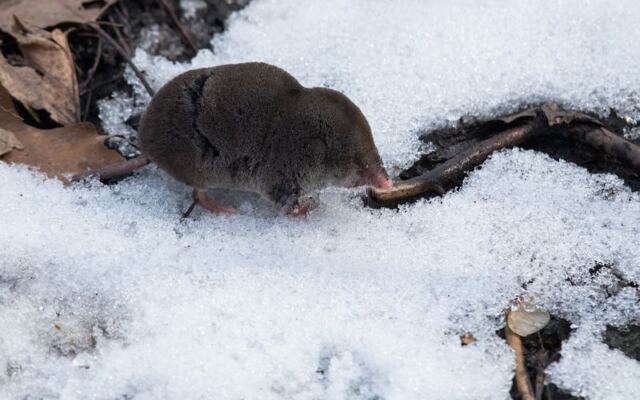
A tiny Iowa mammal with venom in its saliva stays busy all winter, hunting in the hidden space under the snow. It is the northern short-tailed shrew, and it is small enough to hide in your palm-sized shadow of a snowdrift.
Whether one is under your own yard is a different question, and a fun one to explore. Here is what we know about how it lives, what its venom does, and how to stay sensible around it.
Meet Iowa’s winter-active short-tailed shrew
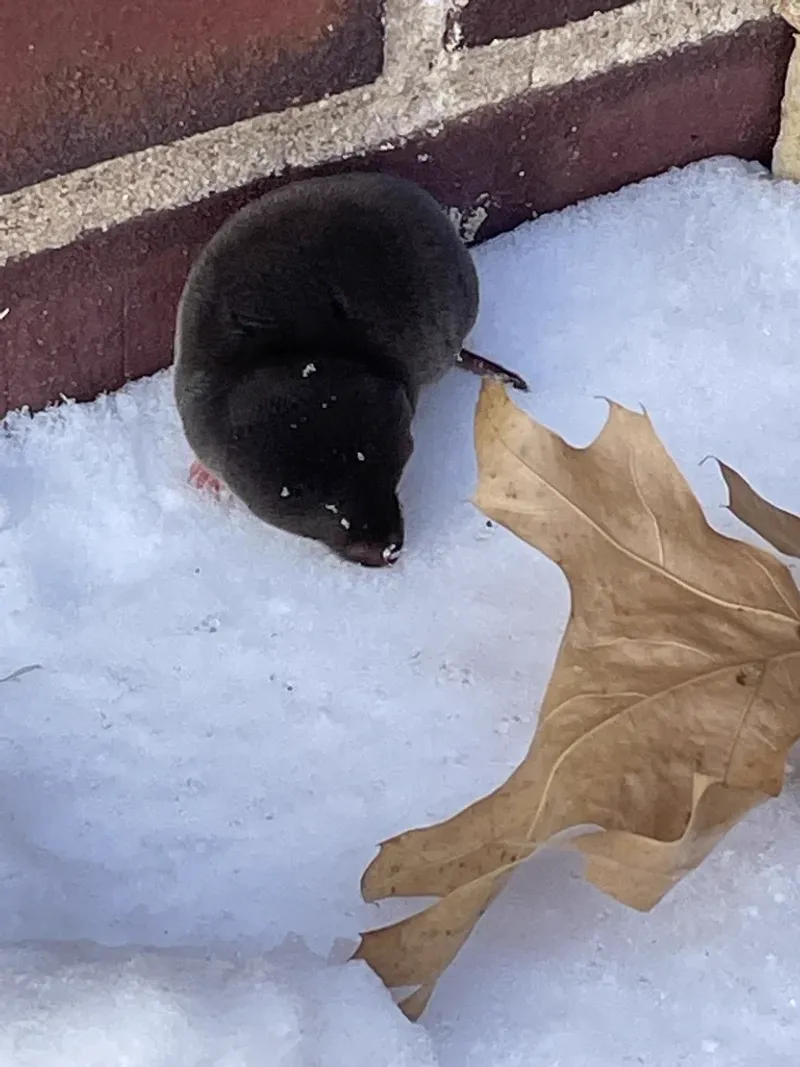
Picture a mammal about the size of a mouse, with velvety gray fur, tiny eyes, and a pointed nose that never stops twitching. That is the northern short-tailed shrew, and it is the Iowa species at the center of this story.
While many animals sleep or leave when cold weather arrives, this one keeps going.
The University of Iowa Museum of Natural History winter-mammals guide describes northern short-tailed shrews as active under the snow. That is a fact about the species and its winter habits in Iowa.
It is not proof that one lives under your porch, your garden bed, or your neighbor’s hedge.
Think of it as a real possibility rather than a sure thing. Shrews tend to be secretive, so even a yard that has one may never show any sign of it.
Most people go years without seeing a living shrew at all, which is part of what makes them so easy to overlook.
One more detail keeps the picture accurate. Northern short-tailed shrews are not the only short-tailed shrew in the state.
Iowa’s wildlife action plan also lists Elliot’s short-tailed shrew in its conservation context. So when you hear about Iowa shrews, remember there is more than one short-tailed kind, and the winter details in this article come from the northern species.
How snow gives small mammals cover and passage
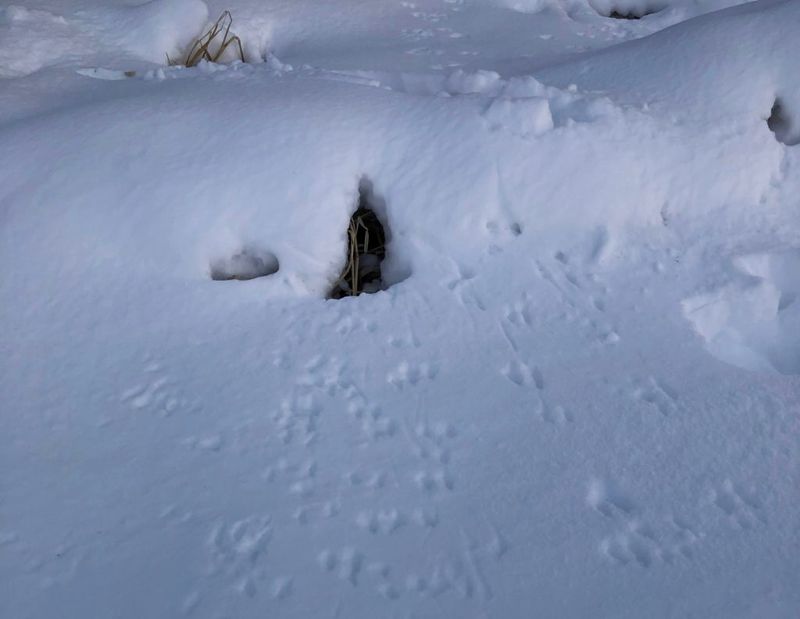
Snow looks like a cold blanket from above, but for small animals it works more like a roof. The gap between the ground and the snowpack is called the subnivean zone.
The Illinois Department of Natural Resources explains that this space can insulate small mammals from harsh air and give them routes to travel.
Down there, the air stays far gentler than the wind and frost above. Tunnels through grass and leaf litter let small creatures move around while staying hidden from many predators overhead.
It is a quiet world that most people walk right over.
The Iowa winter-mammals guide ties this idea to a specific animal. It describes northern short-tailed shrews as living and foraging beneath the snow.
That makes the subnivean zone a natural fit for a shrew’s winter routine.
Still, a good habitat is only an opportunity. A deep, fluffy snowpack over grassy ground suggests the kind of space a small mammal could use, but it does not tell you whether a shrew is actually there.
Without tracks, tunnels, or a sighting, the honest answer for any one yard is that nobody knows.
A practical clue is to watch for small holes or ridges in melting snow in late winter. These can come from several small animals, not only shrews, so they are a reason for curiosity rather than a confirmed identification.
What the shrew hunts beneath the snow
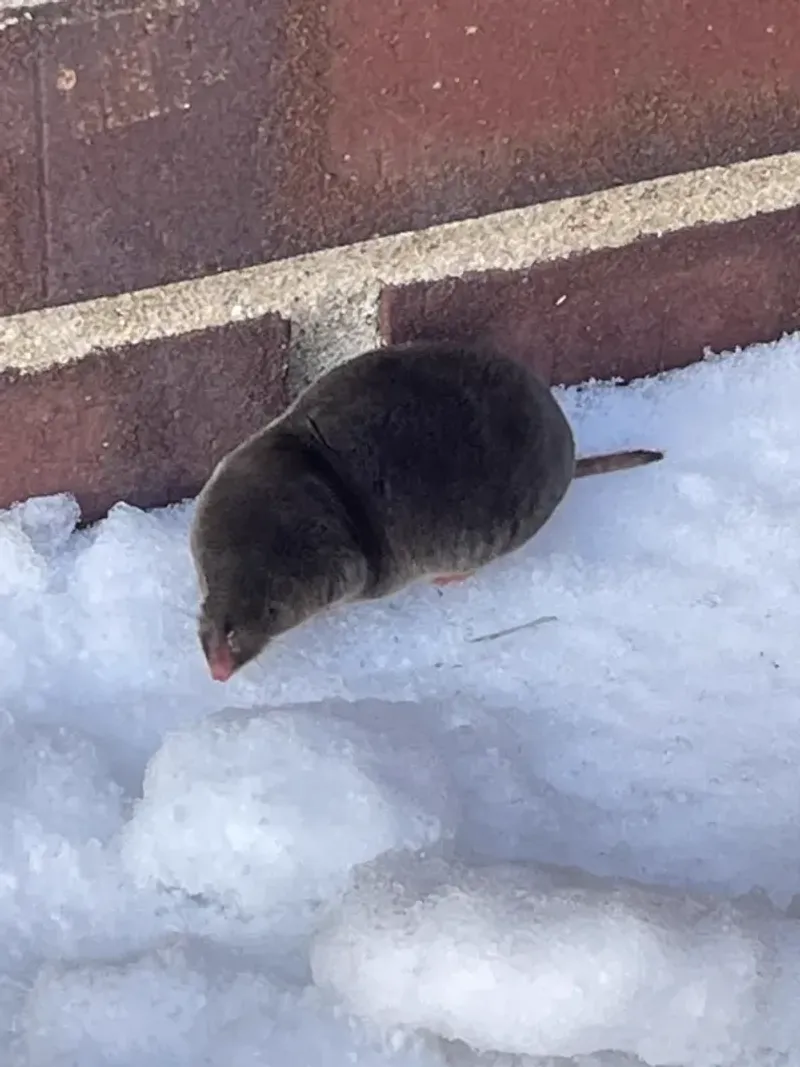
Under the snow, a shrew is on the hunt for food. The Iowa winter guide points to invertebrates as the prey, the small animals without backbones that live in soil and leaf litter.
That includes the kind of creeping, crawling life that stays tucked away below the frost line of a snowpack.
This is where the shrew’s special trick comes in. According to the Iowa guide, the shrew’s saliva helps paralyze its prey.
A paralyzed meal cannot wriggle away, which matters when you are a small animal that needs to eat.
It is tempting to add details, like a favorite menu or how many meals a shrew catches each day. The Iowa source does not give those numbers, so it is better to leave them out than to guess.
The same goes for the idea that a shrew hunts nonstop all winter. What is documented is that the animal stays active and forages beneath the snow.
Picture the scene on a still January afternoon. Above, the yard looks frozen and silent.
A few inches below, a tiny hunter may be nosing along a grass tunnel, using smell and touch to find food. You cannot see it, and that is exactly the point of its hidden winter world.
What venom does for a short-tailed shrew
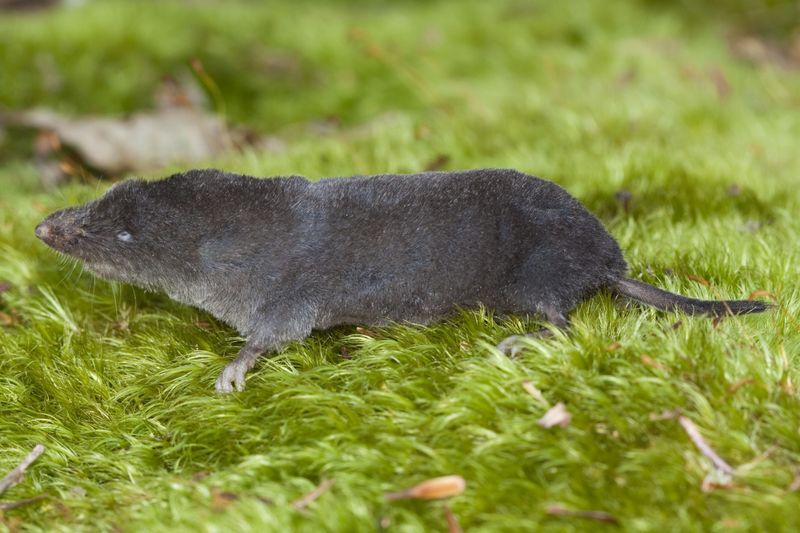
Venom sounds dramatic, but for a shrew it is mostly a tool for getting dinner. The animal’s saliva contains a toxin that helps it subdue prey.
Using venom, a very small predator can handle meals that might otherwise fight back or escape.
The science behind this comes from the lab. In a study published in PNAS, researchers isolated a toxin from the salivary glands of the northern short-tailed shrew, Blarina brevicauda.
They named it Blarina toxin and tested its effects.
The tests used purified toxin that was injected into mice. The mice showed toxic effects, which supports calling the shrew’s secretion venomous.
That is a clear result about the toxin itself.
It is just as important to see what the experiment did not do. Injecting a purified substance into a mouse is very different from a shrew biting a person in a yard.
The study does not tell us what a natural bite does to a human.
Also keep the claim in its proper boundaries. The venom evidence here belongs to short-tailed shrews, especially Blarina brevicauda.
It would be wrong to say every shrew is venomous, because this research does not cover all shrews.
What a shrew bite may mean for a person
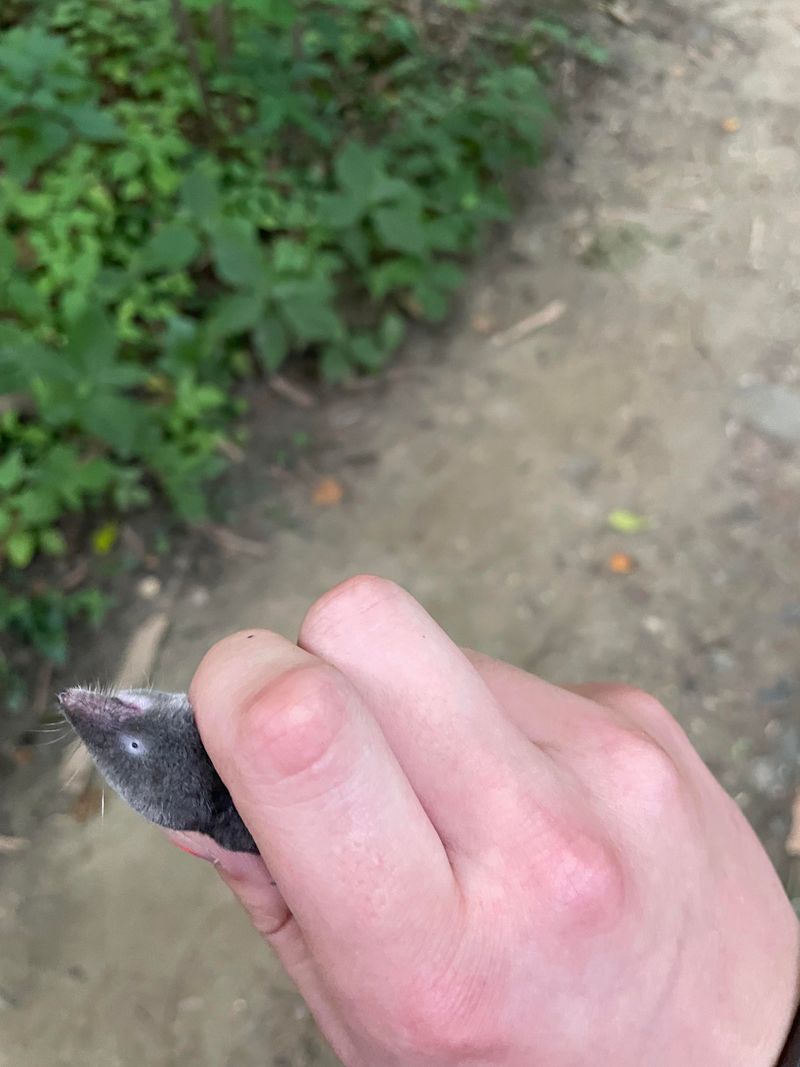
Most people will never meet a shrew bite, but it is natural to wonder what one would feel like. A regional wildlife guide gives a measured answer.
The Wisconsin Extension guide to outdoor hazards describes short-tailed shrew bites as potentially painful and swollen, but not life-threatening.
That is useful, though it helps to know what kind of source it is. The guide is a wildlife reference for the public in a neighboring state.
It is not clinical research that measured how many people were bitten or how each one fared.
So the fair takeaway is modest. A bite could hurt and swell, and the guide does not call it life-threatening.
It does not say every bite will be the same, because bites can vary with the animal, the person, and the wound.
It also would not make sense to compare a person’s bite with the mouse experiment. In that lab work, researchers injected purified toxin into mice.
A shrew defending itself is a very different situation.
In everyday terms, treat the venom as a prey-catching tool and the bite as something to avoid, not something to fear. Most shrews would much rather slip away than meet a person.
Keep your distance and clean any bite promptly
The simplest safety rule is to let wild shrews be. Do not try to catch one, pick one up, or poke at one to see what happens.
CDC guidance on wildlife recommends keeping your distance from wild animals to prevent bites and scratches.
If a pet brings you a small animal or you spot a shrew in the garage, give it room. Open a door, lift your pet away, and let the animal leave on its own terms.
There is no reason to turn a quiet visitor into a confrontation.
If someone does get bitten by a wild animal, the same CDC page says to wash the wound promptly with soap and water. Then seek medical advice as appropriate.
A call to a doctor or local health department is a good next step, especially if the wound is deep, looks infected, or you are unsure what to do.
Rabies is a separate question that a professional can sort out. CDC rabies guidance explains when to seek care, and a clinician or public-health worker can judge whether a particular exposure is a concern.
A presumed shrew bite does not automatically mean rabies treatment is needed.
Keep notes that will help them: where it happened, what the animal looked like, and when the bite occurred.
Snow offers a possibility, not a guarantee
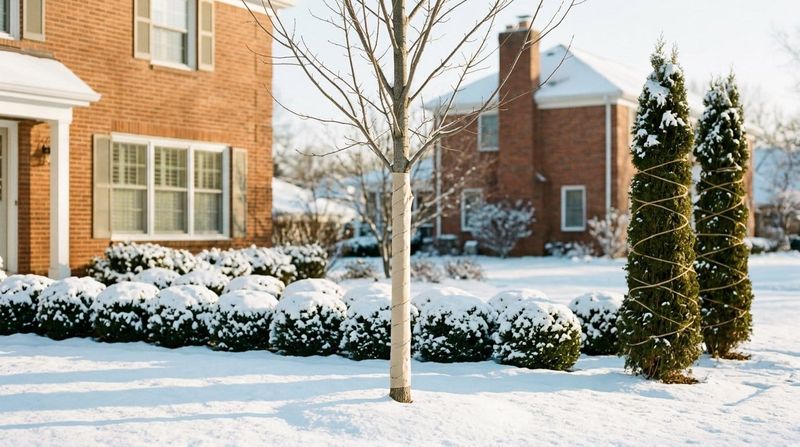
Here is the whole picture in a nutshell. Iowa’s winter guide says northern short-tailed shrews can be active beneath the snow, but that does not mean one lives in every yard.
Your lawn may or may not host one.
Next time fresh snow settles over the grass, take a moment to imagine the hidden world below it. Just enjoy the thought from a distance.
Some of winter’s best stories happen where no one can see them.
Share this story