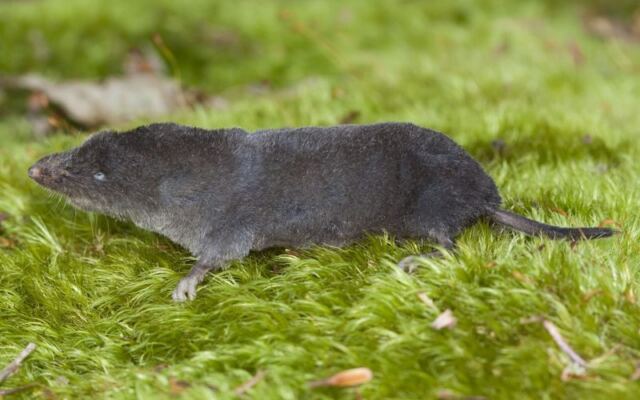
The northern short-tailed shrew is venomous, and it is a species recorded in Delaware that uses leaf litter. Its saliva carries a toxin that helps it subdue prey.
The real concern for people is a bite if someone picks one up, not the simple fact that you have a pile of leaves. Here is what scientists know, what they do not, and how to rake with good sense.
The shrew is recorded in Delaware, but that does not locate one in your yard
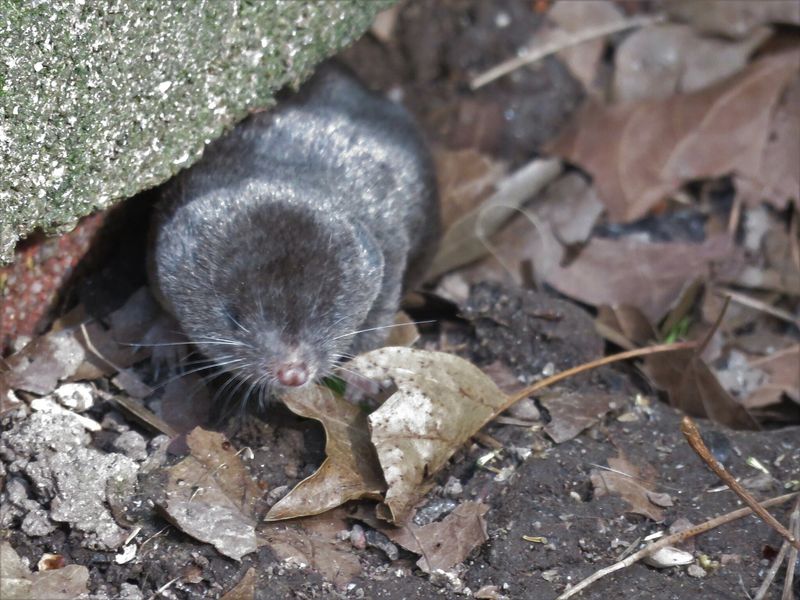
Not every small, mousy creature in the leaves is the same animal. The one with venomous saliva in this story is the northern short-tailed shrew, Blarina brevicauda.
It is a stocky, gray, mole-like mammal with tiny eyes and a short tail.
The American Society of Mammalogists lists Delaware within the range of this species. That means a shrew could live in the state, and it is a fair reason to learn about it.
It does not mean one lives behind your garage or under your maple.
Think of a range map like a weather forecast for a whole region. It tells you what is possible across a big area, not what is happening on your lawn.
Whether a shrew is in your yard depends on soil, moisture, cover, food, and plain luck.
A watershed mammal list for the White Clay Creek area also records Blarina brevicauda. That is a useful local clue, but the list cites a 1982 source.
It is an older occurrence record, not a current survey of anyone’s property.
The word shrew also covers other small mammals, so the venom and range details here apply to Blarina brevicauda only. Do not assume that every little creature you spot in the leaves is this species.
A confirmed identification matters before anyone draws conclusions about risk.
Leaf litter is habitat, not proof of a shrew
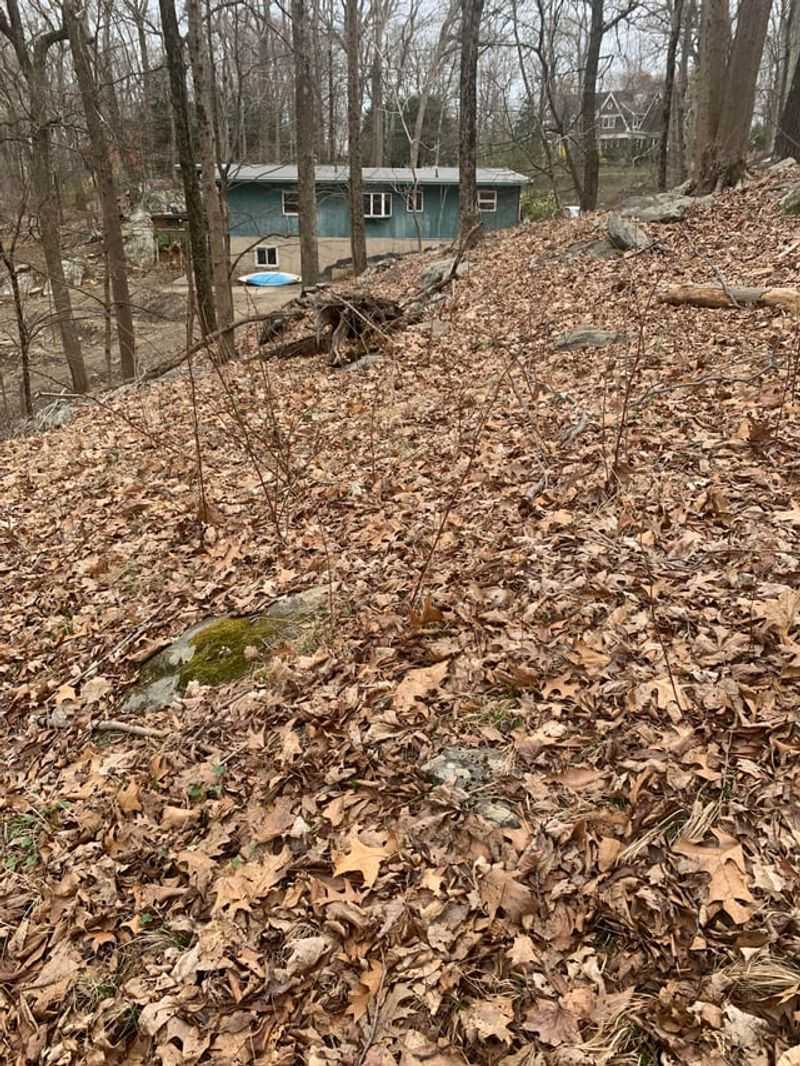
A pile of damp leaves looks a lot like the kind of place a shrew would like. The species spends much of its time underground or under leaf litter, as described by Maryland DNR.
It hunts insects, worms, and other small prey in that hidden layer.
Iowa State University Extension says the shrew favors moist habitats with deep leaf or grass litter. It also says the animal only rarely emerges on top of the leaves.
So even where one lives, you would seldom see it out in the open.
That is why a leaf pile makes a believable home but not a guaranteed one. Suitable habitat only says a shrew could use the spot.
Plenty of leaf piles hold nothing larger than beetles, worms, and a few spiders.
A practical clue is that shrews spend their time in tunnels and runways under cover. You are unlikely to notice them unless you disturb that cover.
A quiet yard with leaves in it is not a sign of a hidden animal.
So treat the habitat detail as background knowledge. It explains why shrews turn up in stories about leaf litter.
It does not turn an ordinary raking job into a search for one.
How the shrew’s venom works
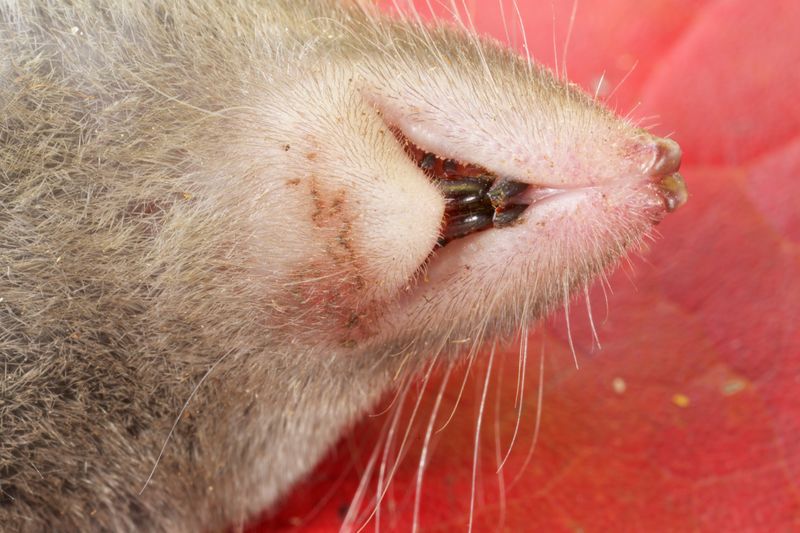
The venom of this shrew is a toxic secretion in its saliva. It is not delivered like a snake’s.
An Iowa State Extension account says shrews lack snake-like fangs and chew the saliva into their prey.
That detail matters because the phrase injected venom suggests a hollow fang and a quick stab. Here, the toxin mixes with the saliva as the shrew bites and chews.
The effect is to slow or subdue small animals such as insects and worms so the shrew can handle them.
Researchers have studied the chemistry behind this. In a primary research paper in PNAS, investigators isolated a toxic protein from the salivary glands of Blarina brevicauda.
That finding is what makes calling the animal venomous technically defensible.
It is worth keeping this mechanism separate from what a bite does to a person. How the toxin works in prey tells us why the saliva is toxic.
It does not tell us how a human body would react to a bite.
Later sections look at that second question. For now, the key point is simple.
The shrew makes a toxic protein in its saliva, and it uses chewing, not a snake-style strike, to put it to work.
What mouse experiments and human bite reports show
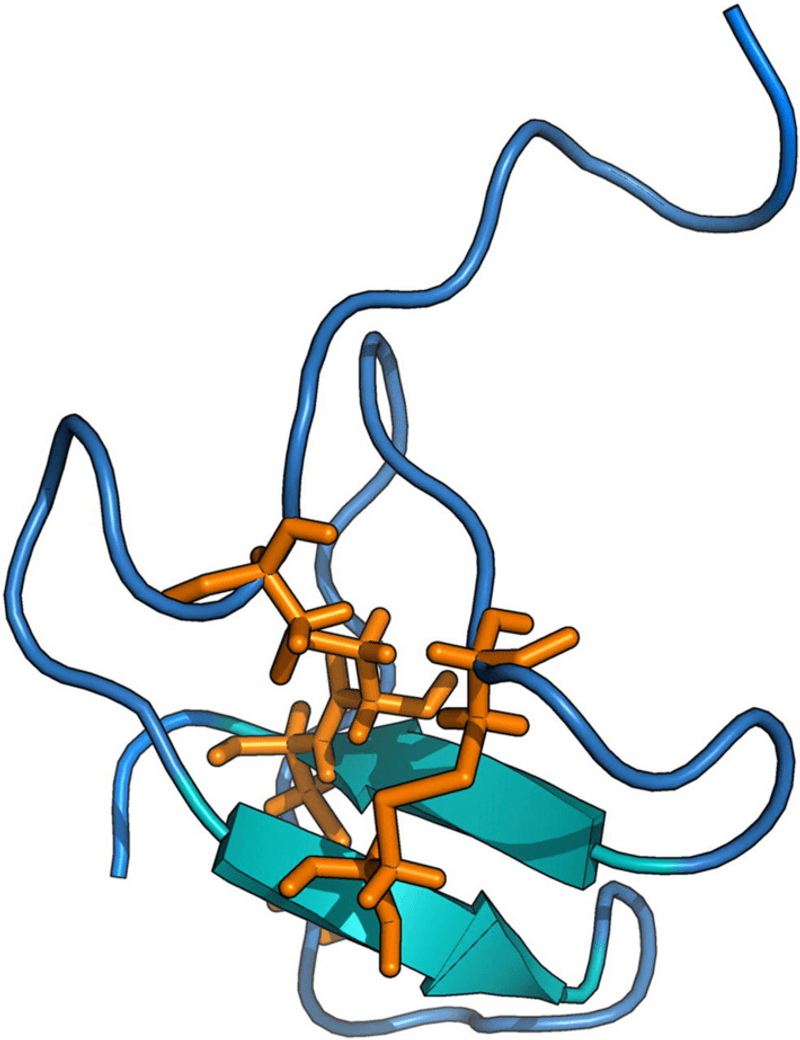
Two kinds of evidence get mixed up in this topic, so it helps to pull them apart. In the primary study, the toxin had lethal effects in mice that were given it by injection.
That shows the protein is powerful under lab conditions.
The same paper refers to human bite accounts that describe local burning and swelling. Those accounts are brief reports, not a large clinical case series.
They tell us what some people experienced, not what every person should expect.
The mouse results cannot be turned into a typical human dose or outcome. A tiny mouse given a measured injection is very different from a person with a small bite wound.
Anyone who says the mouse data prove a bite is deadly is stretching the findings.
Extension sources add context without settling the matter. Purdue Extension describes human effects as swelling and irritation and says the toxin is not fatal.
The University of Michigan BioKIDS page says pain may last several days, and it treats bites as rare.
Put plainly, the human evidence is thin. The reports point to local effects like burning, swelling, and irritation, but they do not show a predictable result for every bite.
A bite should not be brushed off as harmless, and it should not be pictured as a medical emergency by default.
What venom means for a person
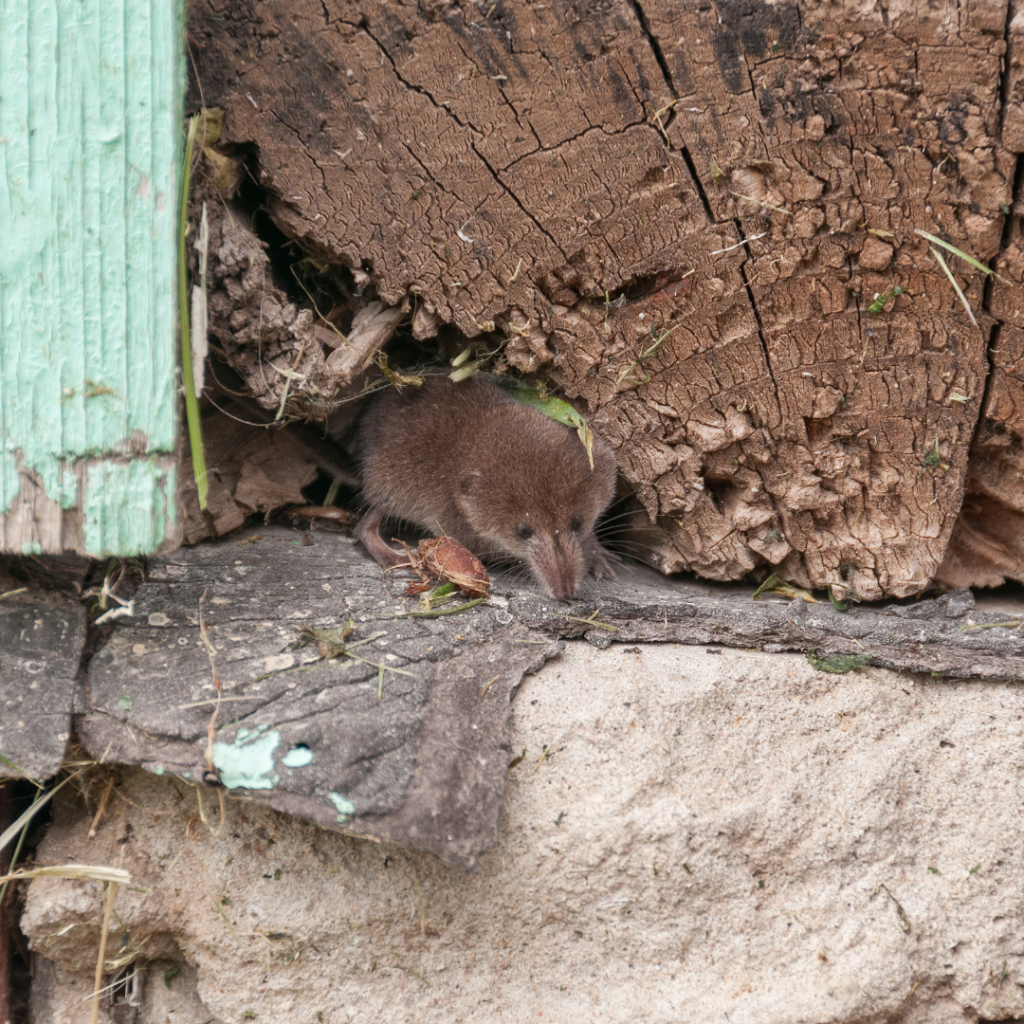
Here is the measured version of the risk. The venom is real, but the documented practical concern is a bite when someone handles a shrew.
Simply having leaves in your yard, or even having a shrew nearby, is not the same thing.
Maryland DNR says the shrew is not dangerous to humans but can bite if handled. That fits with the advice to keep your hands off a wild animal.
It is a reason for distance, not for alarm.
The mouse experiment in the PNAS paper is not proof that a bite would be deadly to a person. Reports about people describe local effects such as burning and swelling.
Still, those reports are limited, so a bite that breaks the skin deserves attention and should not be shrugged off.
The sources also leave a gap. They do not say how often people come across these shrews or get bitten by them.
Nothing here shows that bites are common during routine yard work or that leaf piles are unusually hazardous.
A fair reading is that the chance of trouble is tied to what you do, not to where the leaves are. If nobody picks up a wild shrew, the documented bite risk mostly disappears.
That makes the plan simple and calm.
Keep your distance during yard work

Good yard habits do most of the work here. Use a rake or another tool to move leaves rather than reaching blindly into a pile.
That keeps your hands away from anything that might be hiding in the litter.
If you spot a small animal, there is no need to catch it, hold it, or try to identify it by hand. CDC guidance on wildlife recommends keeping your distance and notes that handling or stressing wild animals can lead to injury.
Let it move off on its own.
Children and pets deserve a quick talk or a gentle redirect. Kids should know not to pick up wild animals, even small ones that look harmless.
Dogs and cats can be steered away from the pile while you work.
If a bite does happen, wash the wound promptly with warm, soapy water. Then contact a healthcare professional for advice, especially if the skin is broken or symptoms get worse.
That includes redness, spreading swelling, or worry about infection.
The CDC also says to ask a provider about rabies assessment where it may be relevant. This is general wild-animal bite advice, not a treatment plan made just for shrews.
As Iowa State Extension notes that these shrews seldom come out on top of leaves, you will rarely meet one at all.
Use ordinary caution around leaf piles
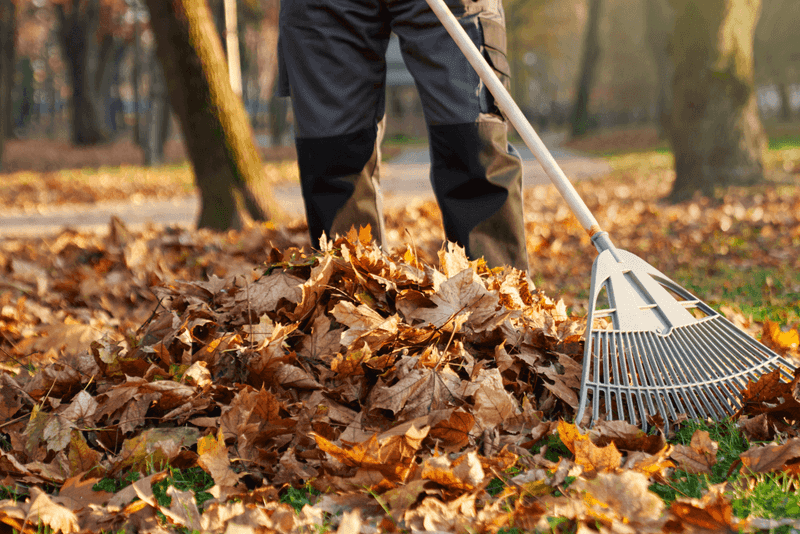
The northern short-tailed shrew has venomous saliva and does use leaf-litter habitat, according to the American Society of Mammalogists and Iowa State Extension. Neither fact proves one is in your pile, and neither turns raking into a crisis.
Keep your distance, do not handle any wild shrew, and follow CDC wildlife guidance if something goes wrong.
A rake, a little patience, and respect for small neighbors are plenty.
Share this story