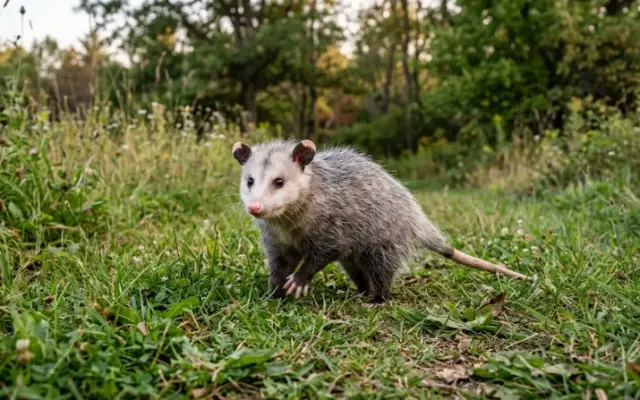
A Virginia opossum can show up in a Delaware yard in winter because these animals do not hibernate. A repeat visitor might be looking for food, using a sheltered spot, or just passing through on its usual route.
One sighting, or even several, does not tell you which, and it is rarely an emergency. Here is how to read the situation calmly and what to do about it.
Winter slows opossums down, but they do not hibernate
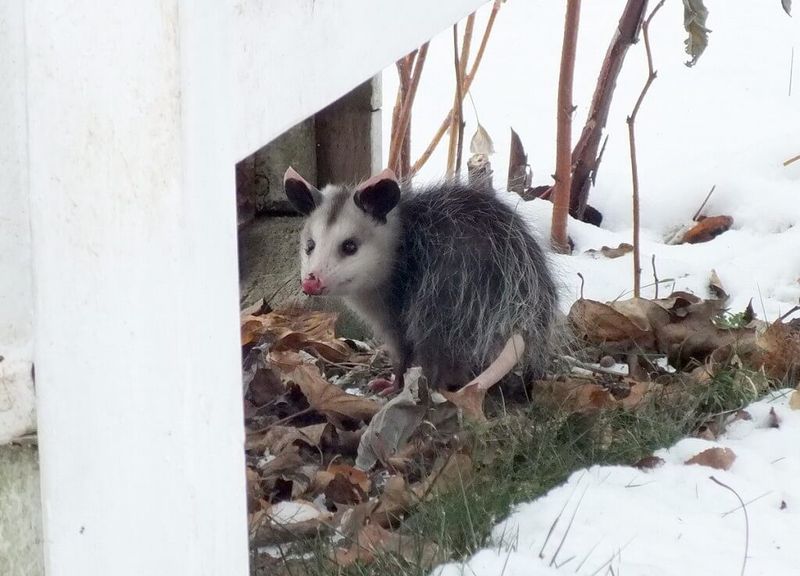
Seeing an opossum in January can feel odd, but it is not a sign that something is wrong. Virginia opossums stay active through the cold months because they do not hibernate, as both the Smithsonian National Zoo and North Carolina’s wildlife agency explain.
That means a winter visitor in a Delaware yard is a normal possibility.
Staying active does not mean an opossum is out every night, though. Opossums are mostly nocturnal, and when the weather turns severe, they may cut back their activity or stay in a den for a while.
North Carolina’s wildlife agency describes this pattern, which is why you might see one on a mild evening and then none for several nights during a hard freeze.
This helps explain why sightings can seem random. An animal that skips a few cold nights is not gone for good, and one that appears on a mild night has not necessarily been around the whole time.
Your own observations will be patchy because you only see the animal when it happens to cross your path.
So how worried should you be? Usually not very.
An opossum is a quiet, slow-moving animal that tends to mind its own business. Still, a calm attitude does not mean you can predict what it will do next.
Treat it as a wild animal, give it space, and use the next sections to work out whether anything on your property is encouraging repeat visits.
A repeat visit can have several explanations
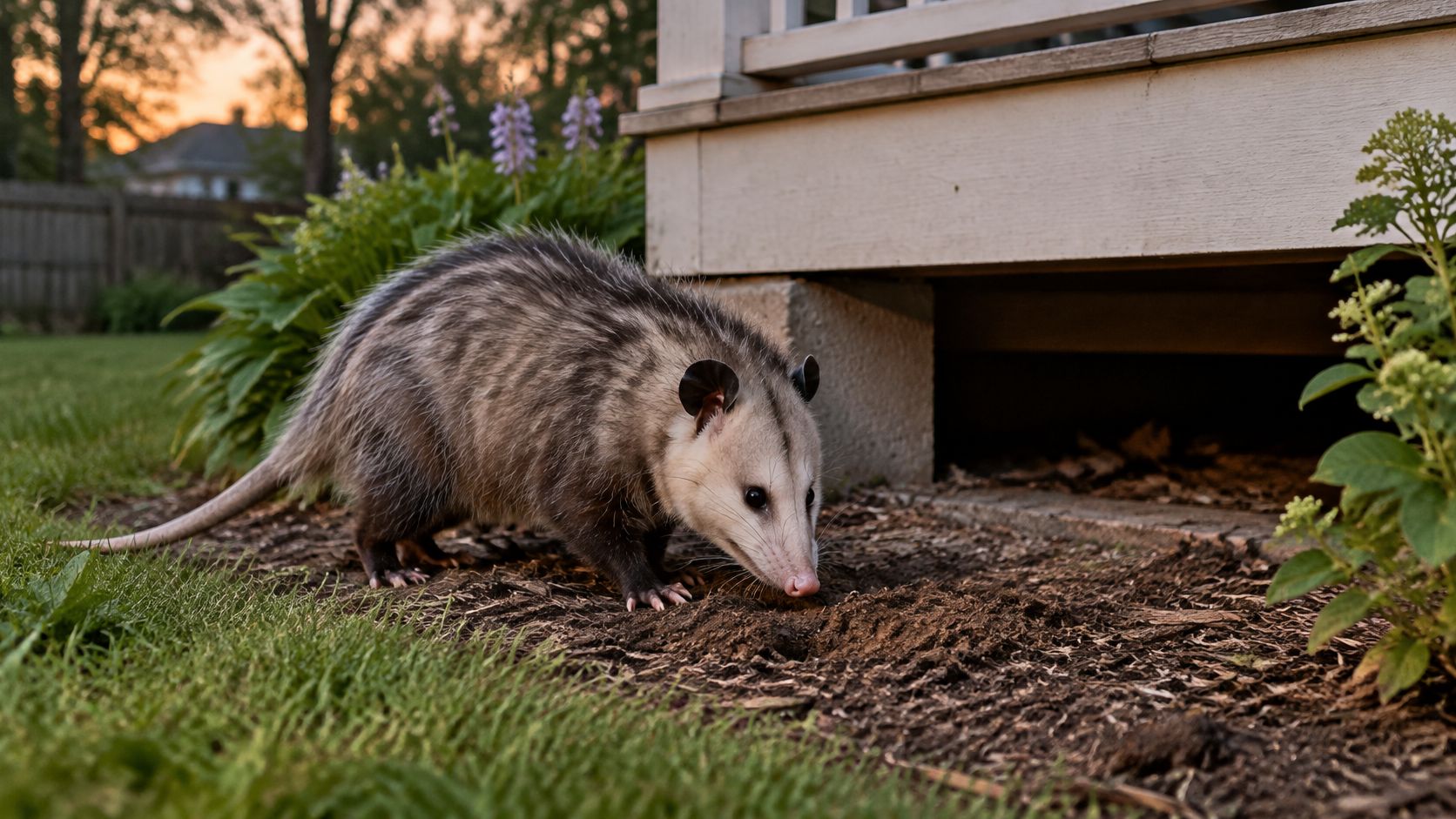
Picture the same opossum crossing your yard three nights in a row. It is tempting to decide it is starving, freezing, or has moved in.
None of those conclusions can be confirmed just by watching from a window.
There are at least three ordinary explanations. The animal may be foraging, since opossums are adaptable eaters that return to places where food is easy to find.
It may be using a sheltered spot nearby. Or it may simply be following a travel route that happens to run through your property, like a fence line or the edge of a garden bed.
Opossums do make use of human-made structures. Mass Audubon notes that they can take shelter in places such as under buildings, and the University of California’s pest management program describes them using spaces under porches and decks.
But a documented habit across the species is not proof about this one animal. A visitor that walks through and leaves is not necessarily living under your shed.
A few clues can help you sort things out. Does the animal show up near the trash cans or pet bowls at about the same time?
Does it head in a straight line and keep going? Does it disappear toward a particular gap beneath a structure?
Even then, treat your guess as a guess. The practical takeaway is that you do not need to know its motive to act.
Reducing easy food and checking for den use covers the likely possibilities.
Remove the easy meals that can draw wildlife into a yard
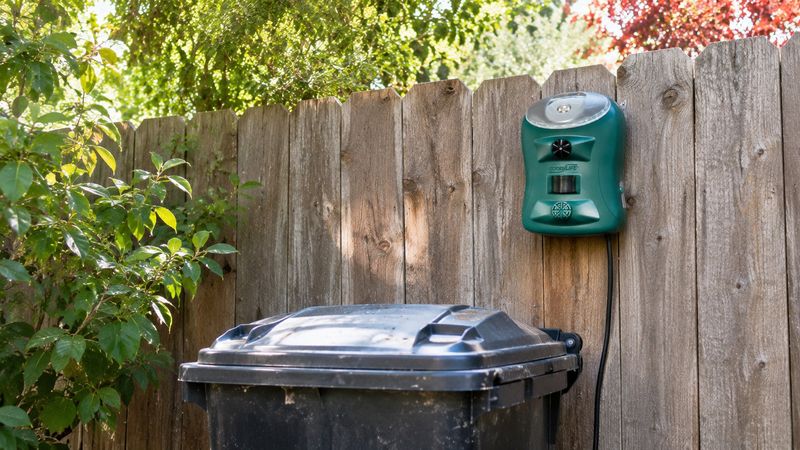
Dinner is the one thing you can control. Opossums are omnivores that eat fruit, insects, small animals, and scraps, so a yard can offer a surprising number of choices.
As the Smithsonian National Zoo and North Carolina’s wildlife agency both describe, such flexible eaters can gather where food is concentrated, and plentiful food can support more animals in a small area.
University of California pest management guidance suggests a simple checklist. Use garbage cans with tight lids, or store them in a garage or shed until pickup day.
Bring pet food indoors at night, including bowls left on a porch. Pick up fallen fruit from trees and the ground.
Cut back on loose food scraps, such as spilled birdseed or open compost.
Here are a few small habits that make a difference. Rinse recycling that held food.
Latch bins that wind or raccoons can knock over. Feed outdoor cats during daylight and remove leftovers when they finish.
Be realistic about results. Taking away food may not end visits right away.
An animal that has learned a spot can keep checking it for a while, and it may be passing through for other reasons anyway. Give it a couple of weeks of consistent changes before judging, and skip any urge to put out extra food to “help” it through winter, since that keeps the cycle going.
Check for shelter before closing an opening
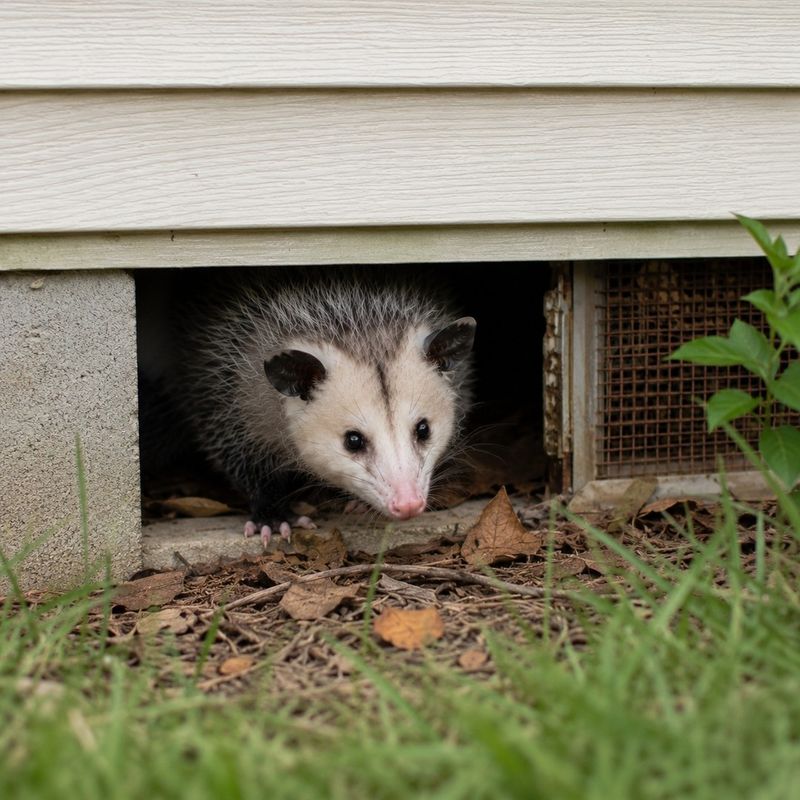
Gaps under porches, decks, and sheds look like perfect places to close up. Before you reach for lumber or wire mesh, though, be sure nobody is inside.
The University of California’s pest management program advises against sealing an opening until you are certain the animal has left. A trapped opossum can suffer, and it may try to break through walls or flooring to get out.
A repeat visit does not mean the animal is denning there. It could be passing by, so look for evidence instead of assuming.
Watch from a distance in the evening, when opossums become active, and see whether one leaves the opening and whether anything goes in.
Another simple check is to loosely fill the opening with a light, crumpled material, such as a bit of newspaper or a few leaves, and look again the next day. If it has been pushed aside, something is still using the space.
If it stays put for several nights, the animal is more likely gone. Be aware that in some seasons, a mother may have young inside, so extra caution is wise.
Once you are confident the space is empty, close it so the animal cannot return. Use sturdy materials, and make sure the repair is solid at the bottom edge.
If you cannot tell whether the den is occupied, or the situation does not resolve, ask a licensed professional before closing anything.
Keep your distance, and treat bites or scratches seriously
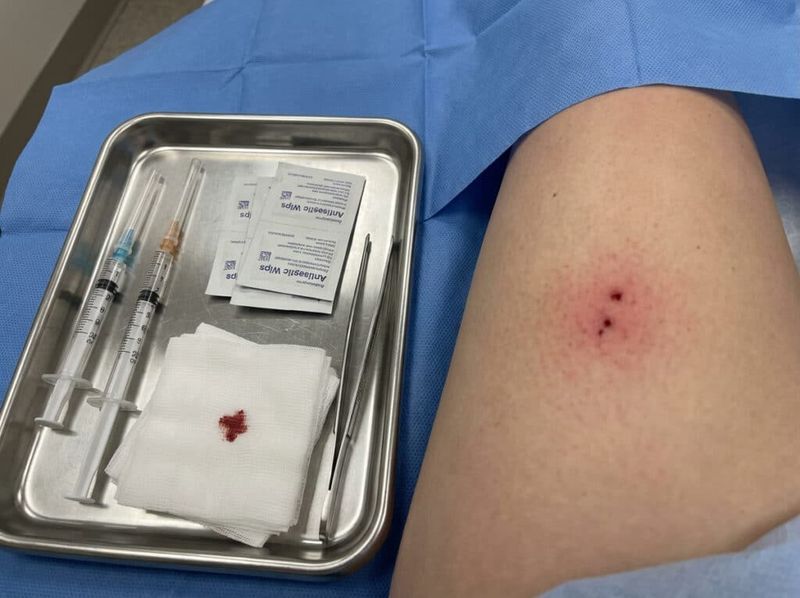
Most opossum encounters end quietly, and the best approach is distance. Keep children and pets indoors or on a leash when one is around.
Do not try to corner it, pick it up, or shoo it with a broom. When frightened, an opossum may hiss, show its teeth, or freeze and appear lifeless, and that is a defensive reaction, not an invitation to handle it.
You may have heard that opossums cannot get rabies. That is too strong.
North Carolina’s wildlife agency describes them as highly resistant to rabies, which is not the same as immune. Delaware’s public-health rabies guidance advises avoiding wildlife and treats bites or scratches from potentially infectious animals as exposures that need assessment.
If anyone is bitten or scratched, act right away. Wash the wound thoroughly with soap and water for 15 minutes, as described in CDC rabies guidance.
Then promptly contact a health professional or Delaware public-health officials for advice on what to do next. Do this even if the injury looks small.
The same goes for a pet that has tangled with an opossum. Call your veterinarian, and tell them what happened.
Handle your pet with care, since a stressed animal may bite, and wear gloves if you need to touch its wounds.
When to call for help
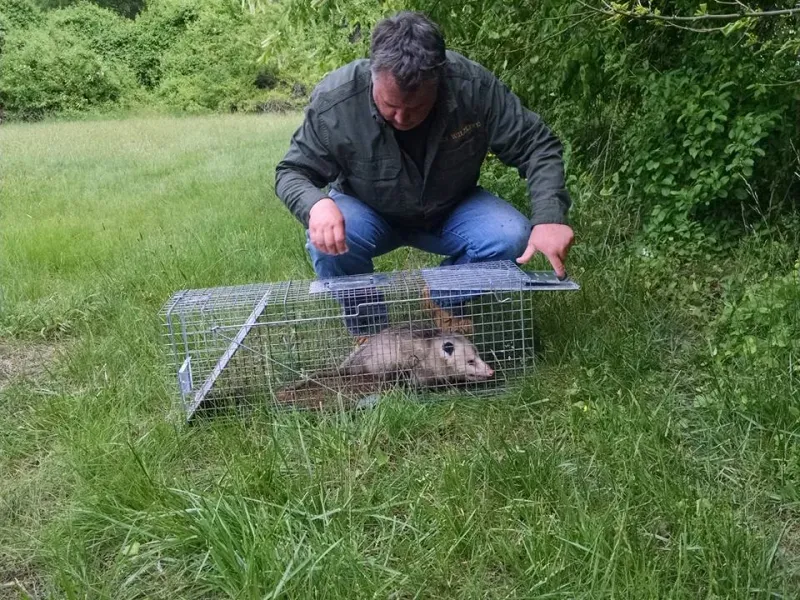
Some situations are beyond a do-it-yourself fix. If an opossum keeps causing trouble after you have secured food and checked for shelter, such as repeatedly denning under a structure or damaging property, bring in a pro.
Delaware DNREC recommends using a licensed nuisance wildlife control operator and lists them at wildlifehelp.org.
You may come across the fact that Delaware law allows trapping of opossums statewide in a specified box-type trap, which is described in the Delaware Code. That provision is not blanket permission to relocate or otherwise handle wildlife.
DNREC warns that moving animals can harm them and spread disease. Casual trapping can also leave you holding an animal you cannot legally or safely deal with, and it may separate a mother from her young.
For the same reason, skip mothballs, household ammonia, and poison. They are not reliable fixes, and they can hurt pets, children, and other wildlife.
If you are unsure about the rules, check current requirements or let a licensed operator handle it.
An injured animal is a different case. If you find an opossum that appears hurt, do not pick it up.
Delaware’s Office of Animal Welfare directs people to the Delaware Council of Wildlife Rehabilitators, whose members can advise on the next step.
Most winter opossums are just neighbors doing their own nighttime business, and a little patience goes a long way.
Share this story