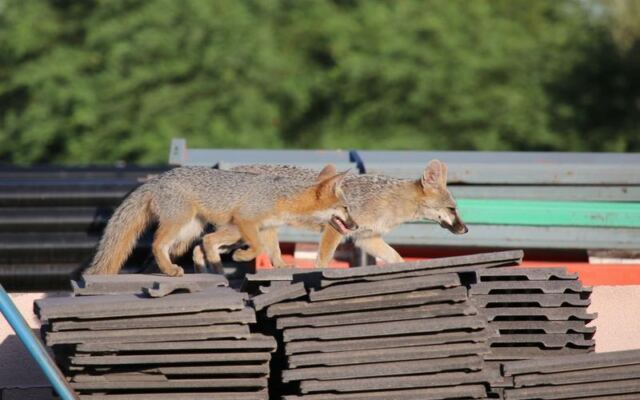
A gray fox trotting through your yard in winter is most likely on the move, either traveling through its home territory or searching for something to eat. Winter also overlaps with breeding season, which may add to the picture.
A single sighting cannot tell you exactly what one fox is up to, though. Knowing what is normal for this animal helps you enjoy the view and respond safely.
What a winter crossing can tell you
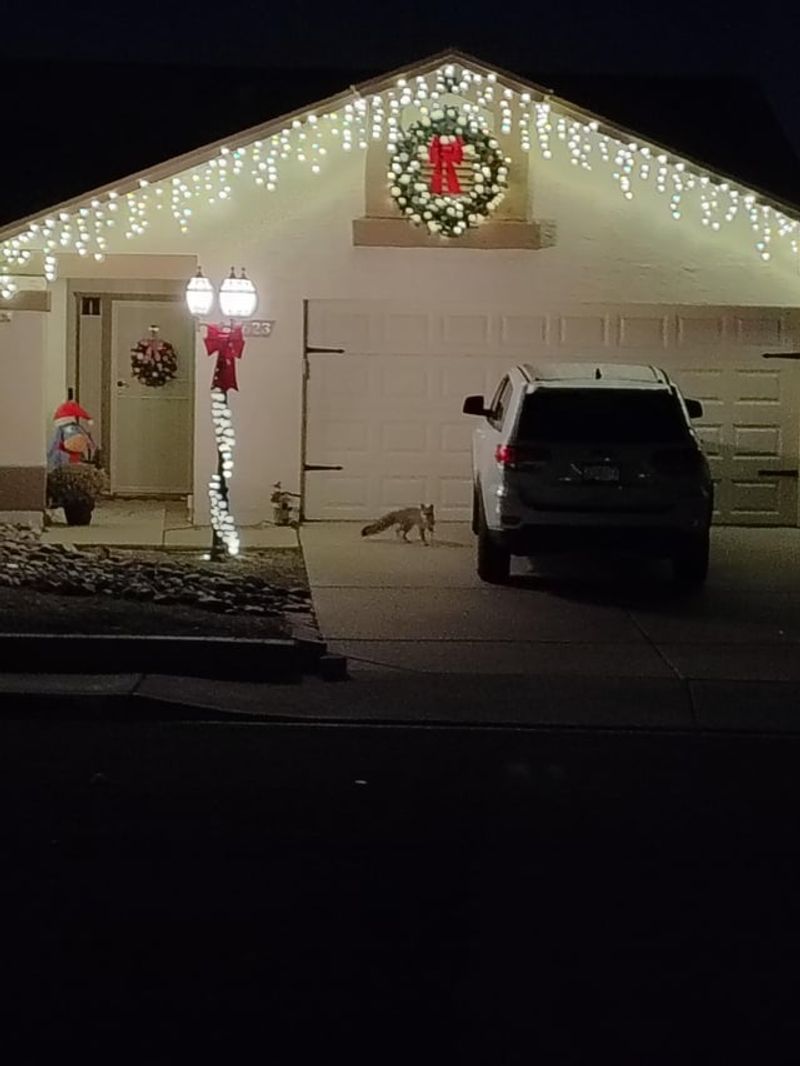
Picture a quick flash of gray and rust crossing your lawn. The fox could be traveling through its habitat, or it could be looking for food.
Those are the two most reasonable explanations, and a short sighting cannot confirm either one.
Here is a useful way to sort what you know. General facts about the species come from wildlife guides.
For example, Arizona’s gray fox species account describes where these animals live, what they eat, and when they are active. Those facts describe gray foxes as a group.
What one fox is doing in one yard is a different question. Maybe it was hunting, maybe it was cutting across your property on its usual route, or maybe it was doing something you never saw.
Nobody watching for ten seconds can say.
So treat the headline idea of a fox on a mission as a fun picture, not a finding. You can learn a lot about the animal’s habits, and that knowledge helps you read the situation calmly without guessing at motives.
Food and shelter can bring gray foxes near homes
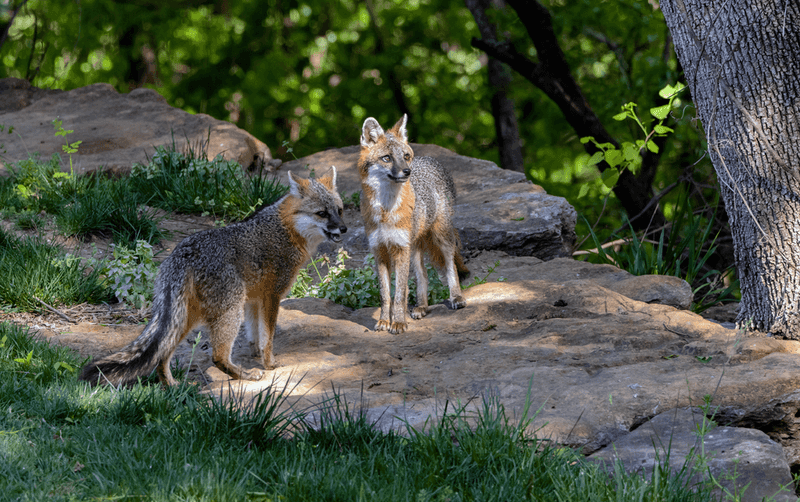
Gray foxes live across most of Arizona. They favor brushy or rocky cover, where they can hide and rest.
Plenty of neighborhoods back up to washes, hillsides, or desert scrub that fit that description.
Their menu is wide. According to the Arizona species account, they eat rodents, lizards, birds, and insects, along with fruit, nuts, berries, and carrion.
An animal with such flexible tastes can find a meal in many places.
Gray foxes can also use human-altered areas, as noted in a national best management practices guide. Put together, these traits make a yard crossing believable.
Cover nearby, varied food, and comfort around people can place a fox on your property line.
That does not mean your yard attracted this particular animal. It may simply have been passing through.
The sources also describe the species as semi-nocturnal, so dusk, night, and dawn are the usual times to catch a glimpse.
Winter overlaps with gray fox breeding season
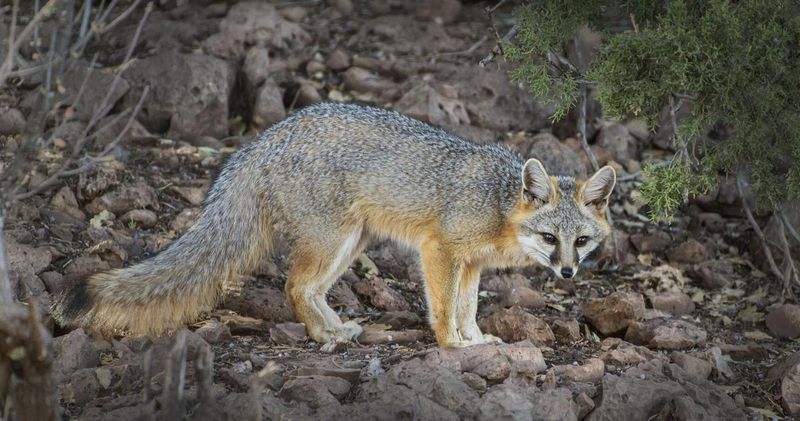
Winter falls inside the gray fox breeding period, so mating may be one seasonal factor behind more movement. The University of Arizona extension guide gives January through April as the breeding period.
A national guide from wildlife agencies gives a slightly wider window. The Association of Fish and Wildlife Agencies lists January through May, with mating peaking in March.
Those ranges describe the species broadly. Neither one explains why a fox showed up in your yard on a given evening.
A fox crossing in February might be looking for a mate, but it might just as easily be hunting or traveling.
Think of breeding season as background, like knowing a road is busy at rush hour. It makes certain behavior possible, but it does not prove what any single animal was doing.
Look at the tail to tell a gray fox from a kit fox
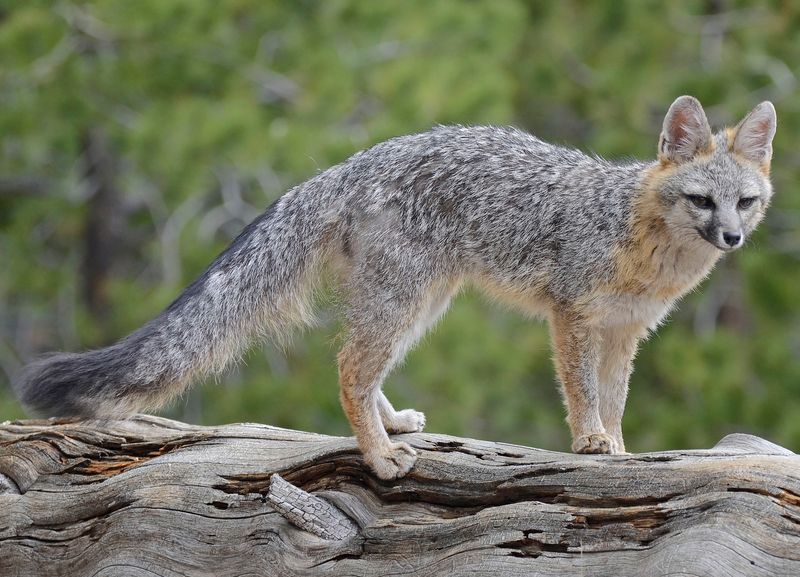
Arizona has more than one small fox, so a quick identification check helps. Start with the tail.
A gray fox has a long, dark stripe running down the top of its tail.
A kit fox looks different. Its tail ends in a black tip rather than carrying a stripe along its length.
The state species account also describes the kit fox as smaller, with large ears.
If you snapped a photo, zoom in on the tail first. Size and ears are good backups, though size is hard to judge without something nearby for comparison.
Keep in mind that this is only an identification tip. Telling the two species apart says nothing about how an individual animal will act or whether it poses any risk.
Reduce attractants and give the fox space
Never feed a wild fox, and do not walk up to it. Arizona Game and Fish explains in its guidance on feeding wildlife that handouts teach animals to linger near people.
State law restricts feeding wildlife in Maricopa, Pinal, and Pima counties, and additional local rules may apply.
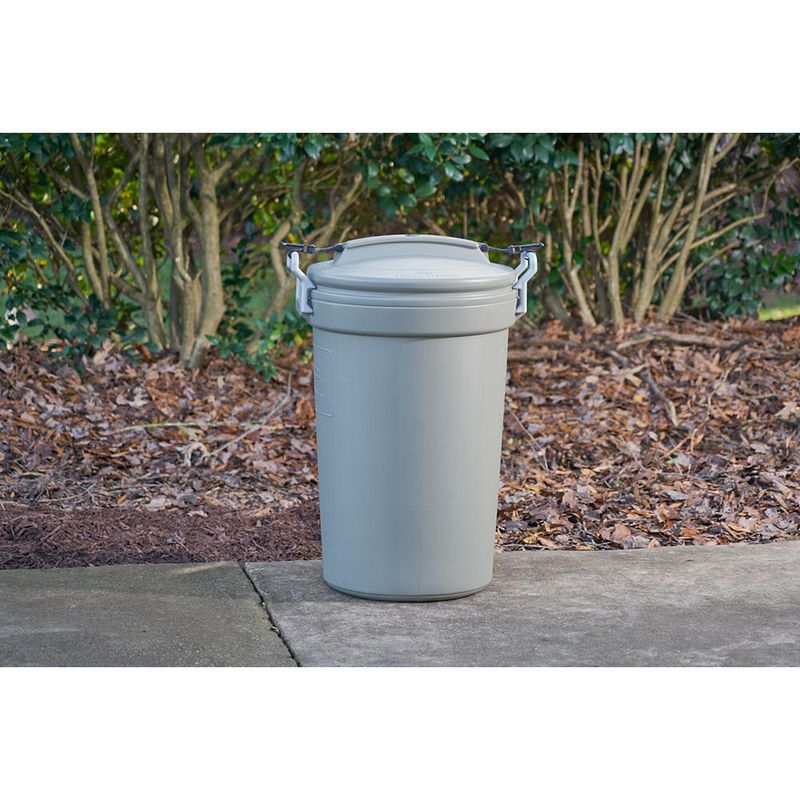
Small habits make a difference. Secure your garbage, and bring pet food indoors before dark.
Fallen fruit and open compost can also draw wildlife.
Pets need attention too. Supervise them outdoors, or keep them in a secure space, especially around dawn, dusk, and night.
Arizona Game and Fish recommends keeping pets away from wildlife and calling a veterinarian if a pet is hurt by a wild animal.
These steps reduce the chance of conflicts, but they are not a guarantee. A fox may still pass through, and that is okay.
Do not trap, handle, or try to rescue it.
A daytime sighting alone does not show that a fox is sick
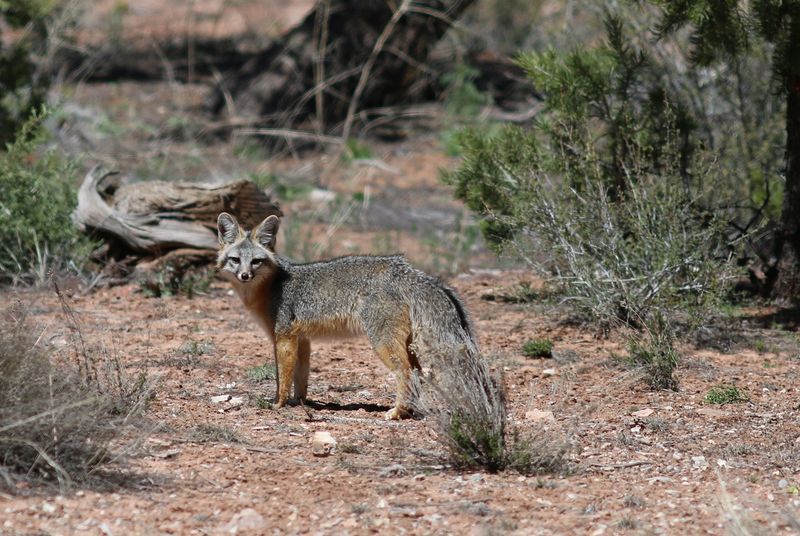
Seeing a fox in daylight can feel alarming, but it is not proof of anything. Arizona’s species account describes gray foxes as semi-nocturnal.
That means some daytime movement can be part of normal life.
The state’s rabies guidance adds more detail. The Arizona Department of Health Services says a change in behavior is usually the first sign.
It lists daytime activity in a nocturnal animal as one possible warning, along with staggering, aggression, weakness, or failure to flee.
Notice the word possible. No single observation confirms a problem, and you should not try to diagnose the animal yourself.
What matters is a change from the animal’s usual behavior, or several odd signs together. If a fox seems sick or acts abnormally, keep your distance, keep children and pets inside, and contact local animal control.
Let trained people make the call.
Wash a bite or scratch and seek prompt advice

Seeing a fox is one thing. Being bitten or scratched is another, and it calls for quick action.
Wash the wound, then promptly contact a health professional and your local health department.
This follows guidance from the Arizona Department of Health Services on what to do if a wild animal bites you. Those professionals can decide what steps come next.
Do not wait to see how the wound looks later, and do not try to handle the animal. Stay away from it so no one else is hurt.
Let the fox pass
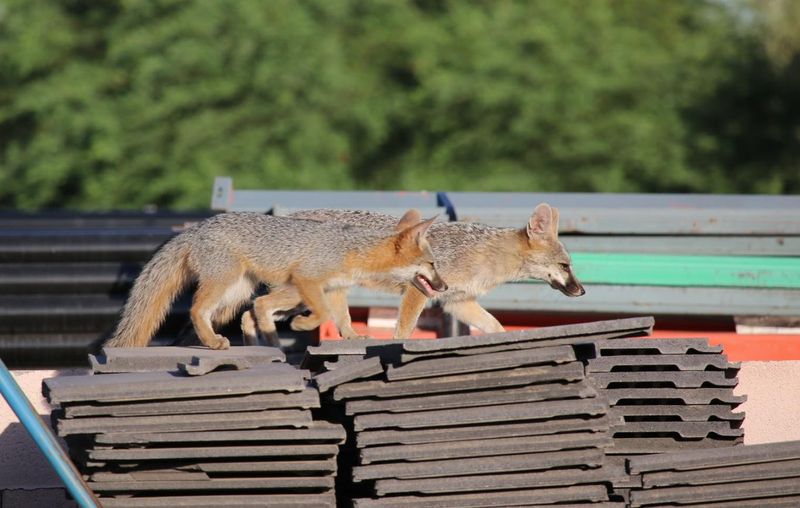
Habitat travel and food-seeking are both reasonable explanations for a winter fox, and breeding season may play a part. Still, one sighting never reveals its true purpose.
Keep your distance, secure food sources as Arizona Game and Fish advises, and call for help if behavior seems off or someone is hurt.
The best view of a wild neighbor is often the one you leave alone.
Share this story