Massachusetts has only two kinds of venomous snakes, and you are very unlikely to find either one in your backyard tomato patch. Still, gardens here are full of other critters that can sting, bite, or leave you itching for days.
Knowing who is who helps you stay safe without panicking at every wiggle in the mulch. Here are ten creatures worth recognizing before your next afternoon of weeding.
1. Timber Rattlesnake
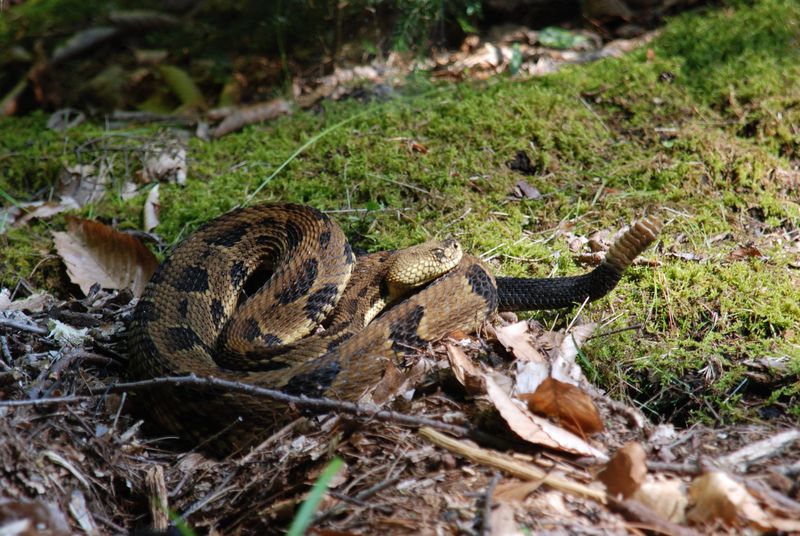
Picture a rocky hillside in the Blue Hills or the Berkshires on a warm September day. That is about the only place you might meet a timber rattlesnake in Massachusetts, and even then, you would be lucky.
Fewer than 200 are thought to survive in the whole state.
Timber rattlers have a thick body, a wide triangular head, and dark crossbands that look like chevrons. Coloring ranges from yellowish to nearly black, but the tail is almost always solid black and ends in a rattle.
If you hear a dry buzzing sound, freeze, find the snake, and back away slowly.
Bites are rare and usually happen when someone tries to catch or kill one. The species is state-endangered, so harming it is illegal.
If one does wander near your yard, call the Massachusetts Division of Fisheries and Wildlife instead of grabbing a shovel.
2. Northern Copperhead
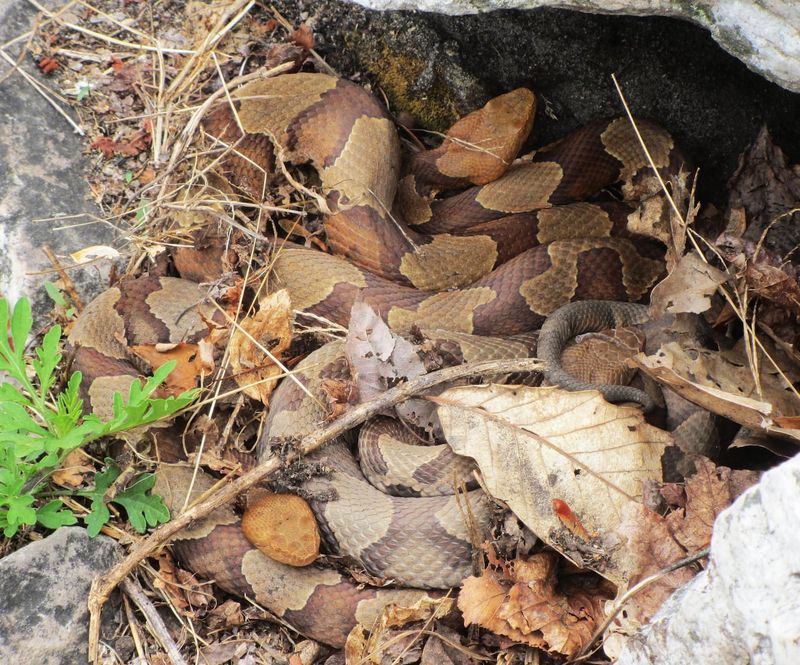
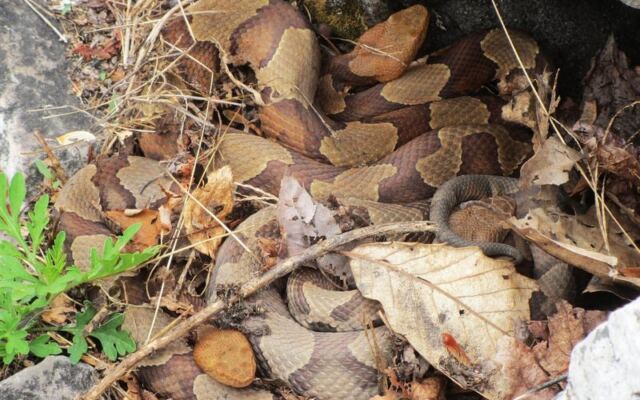
Camouflage is the copperhead’s superpower. Lying on dry oak leaves, its tan and chestnut hourglass bands seem to vanish.
Only a few small populations remain, mostly in the Connecticut River Valley and near Worcester.
Look for a coppery, unmarked head and bands that are wide on the sides and narrow along the spine, like an hourglass seen from above. Young copperheads even have a bright yellow tail tip they wiggle to lure frogs.
Their venom is mild compared to a rattlesnake’s, and deaths are almost unheard of. A bite still means a trip to the emergency room, though.
Wear gloves and boots when clearing leaf piles near stone walls in those regions.
3. Eastern Milksnake
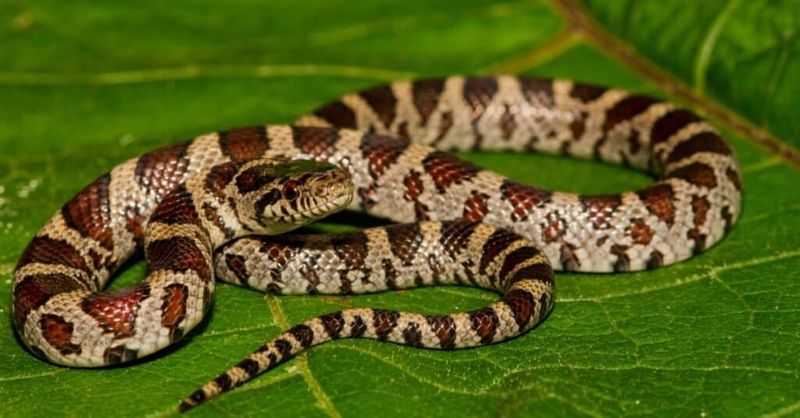
Ask any wildlife officer which snake gets mistaken for a copperhead most often in Massachusetts, and you will hear the same answer: the milksnake. Its reddish-brown blotches rimmed in black fool plenty of nervous gardeners.
Here is the trick. Milksnake blotches are saddle-shaped and stay wide on the back, while the head is slim and often has a light Y or V mark.
Copperheads have plain copper heads and hourglass bands.
Milksnakes are harmless and even helpful, eating mice that chew on bulbs. Fun fact: the name comes from an old myth that they drank milk from cows in barns.
They were really just hunting rodents.
4. Northern Water Snake
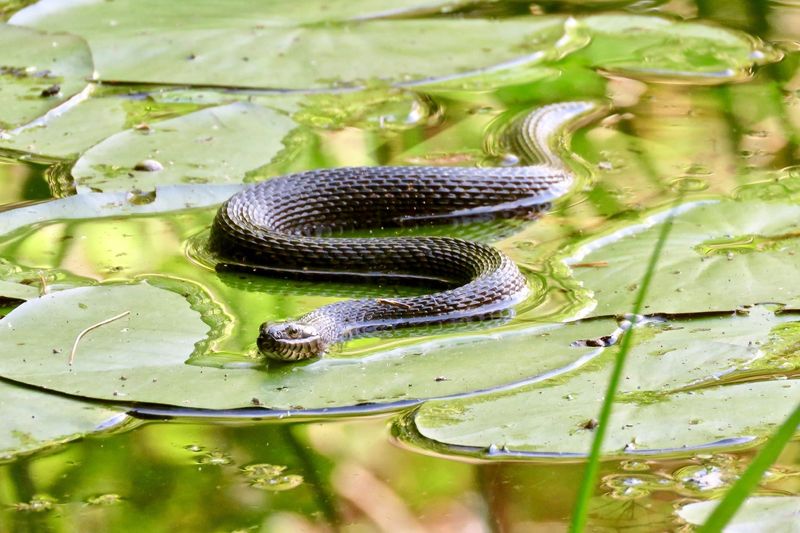
Got a garden pond or live near a lake? Then the snake sunning itself on the rocks is probably a northern water snake, not a water moccasin.
Cottonmouths simply do not live in Massachusetts. Water snakes are thick, dark brown, and banded, and they can look scary when they flatten their bodies.
They also have a cranky attitude and will bite if handled, plus release a smelly musk.
The bite is not venomous, just messy, because their saliva has a mild anticoagulant. Leave them alone and they will slide into the water and leave you alone too.
5. Yellowjackets
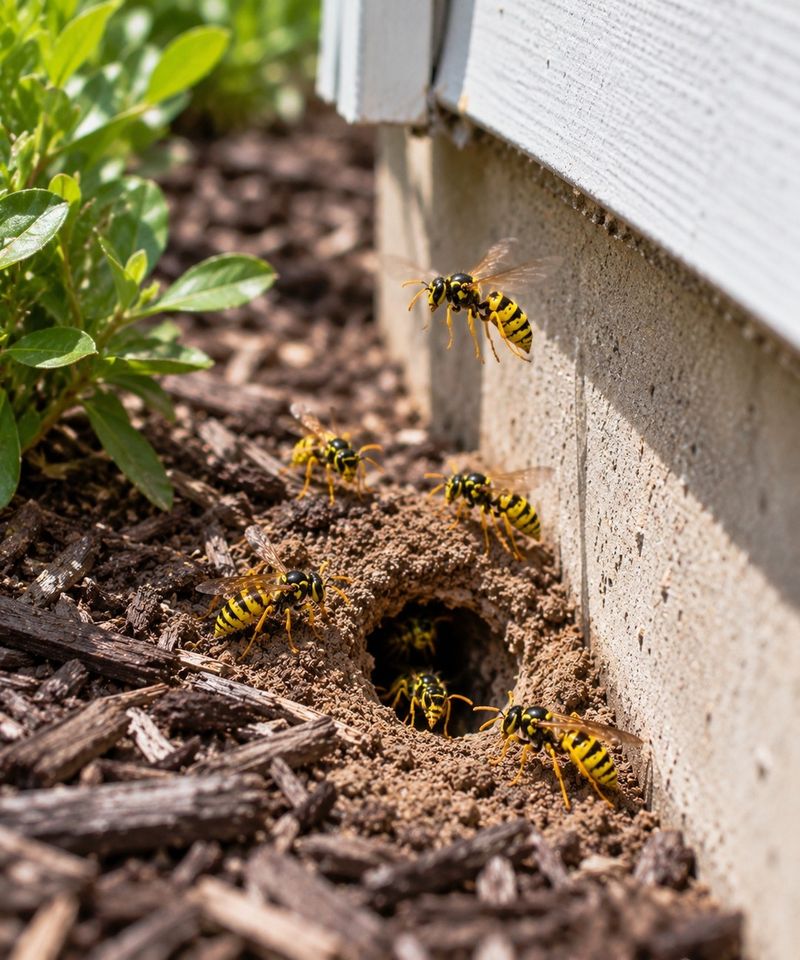
Hit one hidden hole with a lawnmower and you will learn fast why yellowjackets cause more garden injuries in Massachusetts than every snake combined. They nest underground and defend their homes as a team.
Yellowjackets are bright yellow and black, sleek, and fast, with almost no fuzz. Unlike honeybees, they can sting again and again.
By August and September, colonies hold thousands of workers who crave sugar, so they crash picnics and drink cans.
Watch for steady traffic in and out of a small ground hole. Mark the spot and keep mowers away.
If you get stung more than a few times, or feel swelling in your throat, get medical help right away.
6. Bald-Faced Hornets
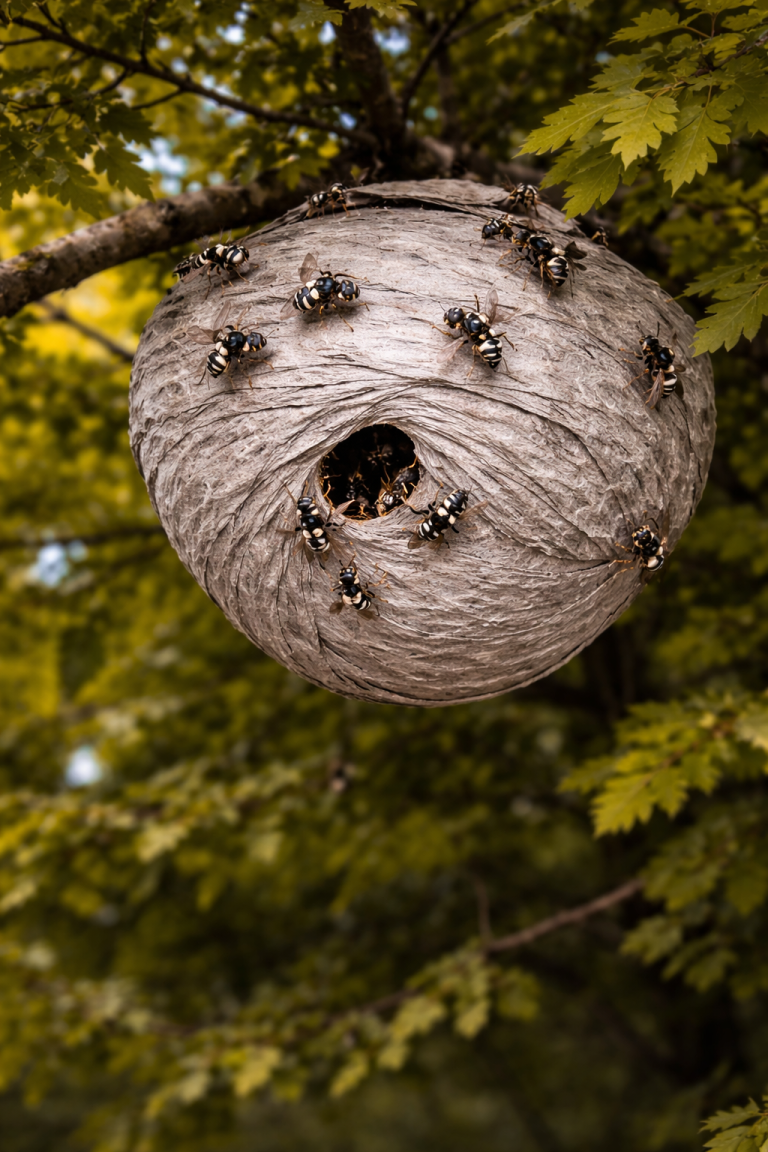
That gray paper football hanging in your maple tree is not a decoration. It belongs to bald-faced hornets, black-and-white wasps with a famous temper.
They are actually a type of yellowjacket, just dressed in ivory instead of yellow. Their nests can grow larger than a basketball by late summer.
Shake a branch nearby and dozens may pour out to chase you.
Many people discover these nests only after the leaves drop in fall. Good news: the colony dies off in winter, and the old nest is never reused.
If one sits near a doorway, call a pro instead of swinging a broom.
7. Honeybees and Bumblebees
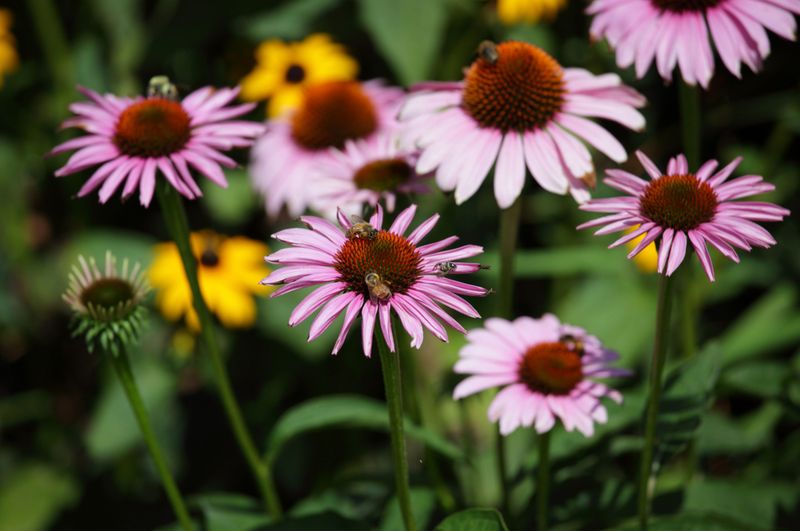
Gentle buzzers, these. Honeybees and bumblebees are the good guys of the garden, pollinating your squash, berries, and apple trees.
Both can sting, but they rarely do unless squeezed or stepped on. A honeybee leaves its barbed stinger behind and dies, so scrape the stinger out quickly with a fingernail or card.
Bumblebees are round and fuzzy and can sting more than once, though they seldom bother.
Going barefoot through flowering clover is the most common way to get zapped. Slip on shoes, and you can share the yard happily with these hard workers.
8. Paper Wasps
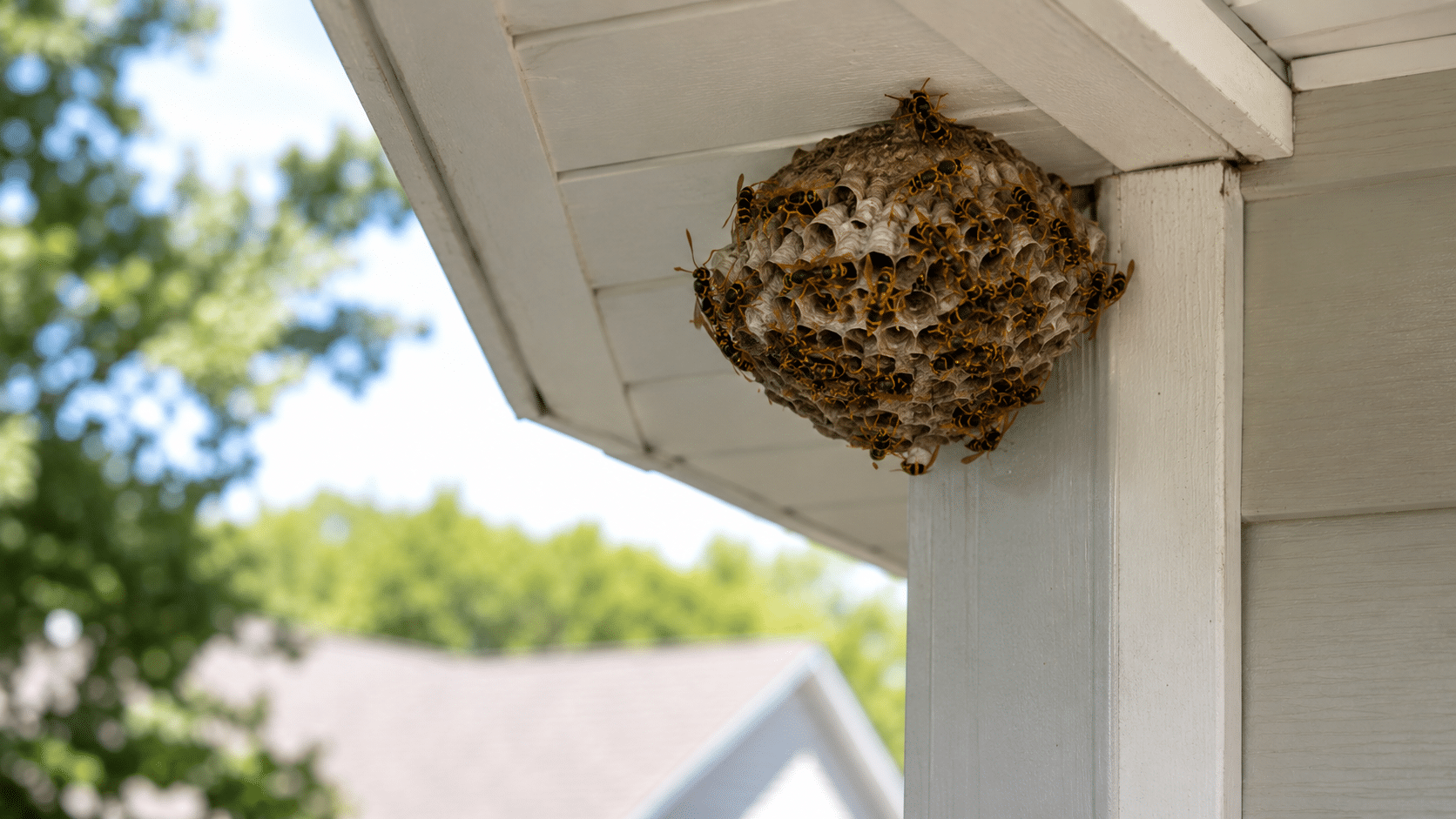
Long dangling legs give paper wasps away as they drift lazily past the porch. Their nests look like small upside-down umbrellas, with open cells you can see from below.
Favorite spots include eaves, grill lids, mailboxes, and the underside of deck railings. They are less aggressive than yellowjackets but will defend a nest that gets bumped.
A sting hurts plenty for an hour or two.
On the bright side, paper wasps eat lots of caterpillars that munch on your vegetables. If a nest is out of the way, many gardeners just let it be until frost.
9. Stinging Caterpillars
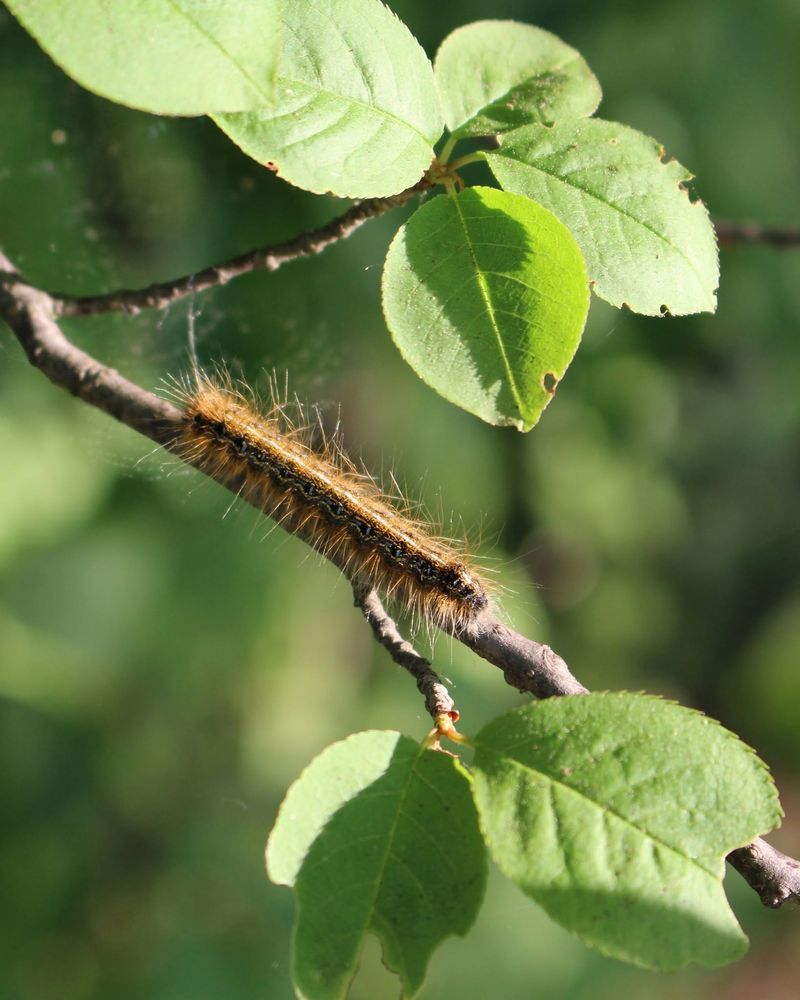
Not every sting comes from wings. Some fuzzy caterpillars carry hairs or spines that cause burning rashes, and kids love picking them up.
The hickory tussock moth caterpillar, white with black tufts, is the one most Massachusetts families meet in late summer. The browntail moth caterpillar is worse, especially on Cape Cod and in the southeast, where its tiny hairs blow around and trigger itchy rashes for weeks.
Saddleback caterpillars, with a green saddle pattern, are rare here but pack a real punch.
Teach children a simple rule: admire caterpillars with eyes, not hands. If someone gets stung, press tape on the skin to pull out hairs, then wash with soap.
10. Ticks and Spiders
Quiet and tiny, the black-legged deer tick may be the most serious garden hazard in Massachusetts. It does not sting, but it can spread Lyme disease, and the state has some of the highest rates in the country.
Do a tick check after every gardening session, paying attention to ankles, knees, and hairlines. Tuck pants into socks and keep grass short near beds.
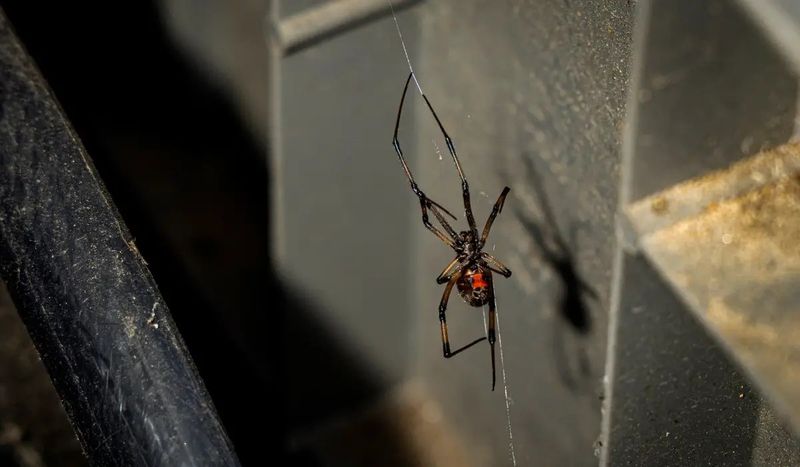
As for spiders, almost none here are dangerous. Yellow sac spiders can give a sharp bite, and black widows show up now and then in woodpiles, mostly in warmer spots.
Wear gloves when moving firewood, and you will rarely have trouble.
Share this story