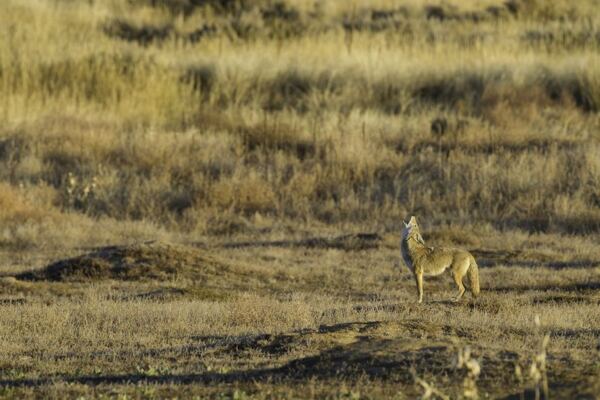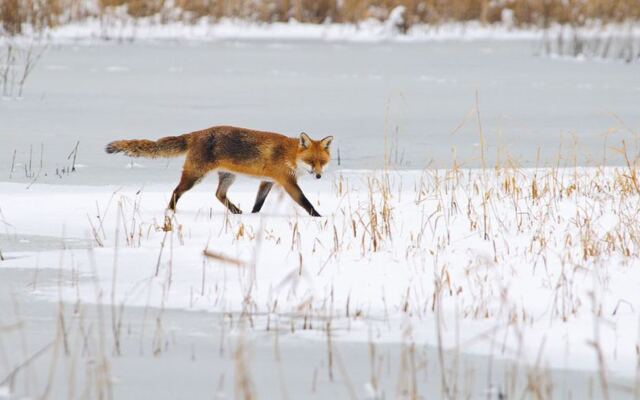
A red fox trotting across your snowy Minnesota yard is most likely traveling between places it hunts or looking for something to eat. Those are ordinary possibilities, though one glimpse can never tell you what that particular fox has in mind.
Snow, time of day, the February mating season, and den use can add context to what you see. Here is how to read the scene calmly and what to do if the fox sticks around.
A fox may be moving between feeding areas
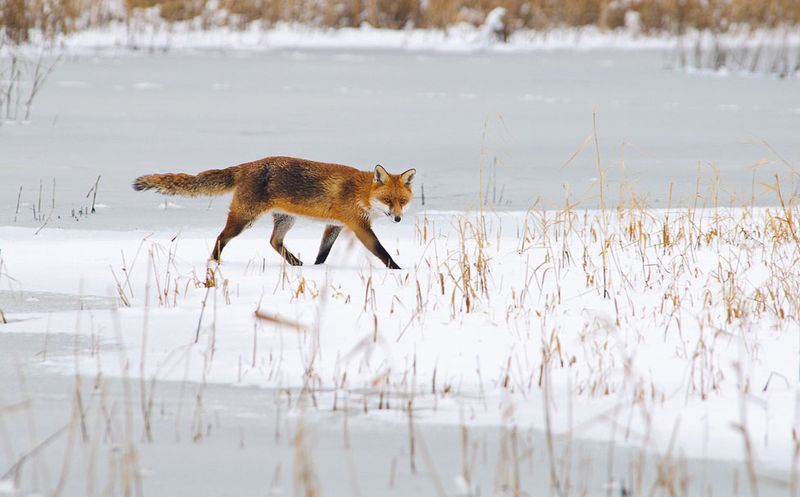
Winter brings a quiet kind of drama to a backyard, and a red fox passing through is part of it. According to Minnesota DNR guidance on living with foxes, a fox may simply be moving from one hunting area to another.
In that case, your yard is a stretch of open ground on its route, not a destination.
Foraging is another ordinary possibility. A fox looking for a meal may cut across lawns, driveways, and field edges because they connect the places where food tends to turn up.
Neither travel nor foraging is a proven explanation for any single sighting, and nobody has measured which one happens more often.
That limit matters. When you watch a fox for ten seconds, you see where its feet go, but not why.
Careful observers separate what they saw from what they guess. You saw a fox cross at a certain time, in certain weather, heading in a certain direction.
The reason behind it stays unknown.
The DNR notes that no action is often needed. If the fox keeps moving and shows no interest in people, pets, or open garbage, the simplest response is to enjoy the view from a window.
Keep the dog inside or on a leash for a moment, bring in any pet food, and let the animal go on with its day. Foxes generally avoid people, so a quick pass-through usually ends with the fox leaving on its own.
Snow can make a hunt easier to spot
Snow turns a quiet field into a stage. Minnesota DNR’s red fox profile lists mice, rats, rabbits, and birds among the animals foxes eat, along with plant foods.
Foxes may also cache uneaten food for later.
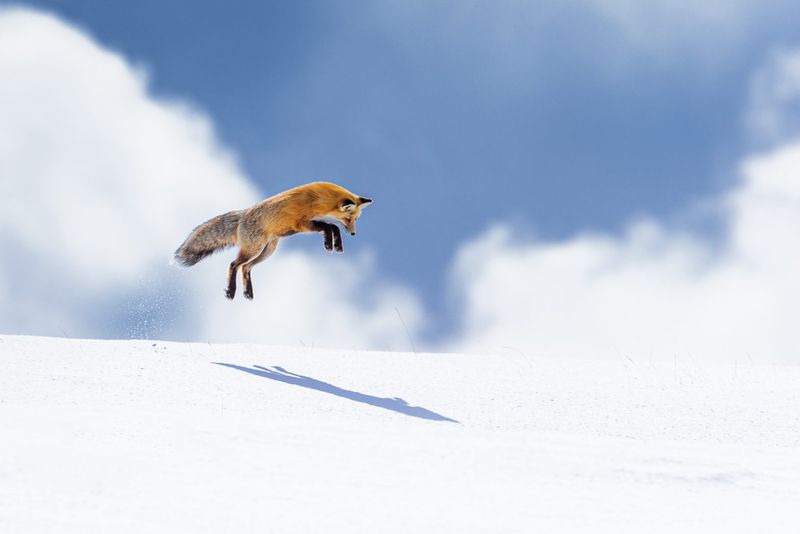
Against a white background, a hunting fox is easy to notice. The National Park Service describes foxes listening for prey and then pouncing or digging into the snow to reach it.
If you see a fox stop, tilt its head, or suddenly change direction, it may be reacting to a sound beneath the surface.
Still, not every crossing is a hunt. A fox that trots straight through without pausing could just be traveling.
Pausing and pouncing are clues, not proof of what the animal was doing before you looked out the window.
You may also read that foxes line up their leaps with Earth’s magnetic field. The park service summary mentions research on the direction of hunting leaps and possible magnetic orientation.
However, a review of animal magnetic-sense research notes that this field has methodological challenges and mixed results. Treat it as an interesting reported finding with unresolved evidence, not as the reason a fox walked across your lawn.
Daylight activity can be normal
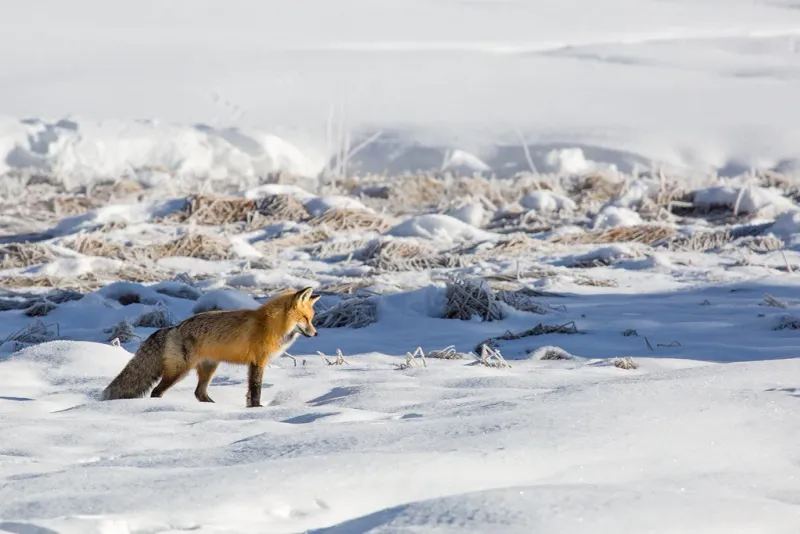
Plenty of people assume a fox out in daylight must be sick. That idea does not hold up.
Minnesota DNR says red foxes may be active day or night, and they are especially busy around twilight and evening.
Winter can make daytime foxes easier to notice. The U.S.
Fish and Wildlife Service points out that cold months offer chances to watch foxes tracking prey, partly because bare branches and snow leave fewer places to hide. A fox you see at noon may have been out at dawn and dusk too, just unseen.
The word nocturnal causes some of the confusion. Foxes are often called nocturnal, but that label does not mean they never leave cover while the sun is up.
So what should you watch instead of the clock? Time of day alone cannot diagnose a fox’s health.
The DNR’s living-with-foxes page points to abnormal behavior as the concern, and a later section covers what that looks like. A fox that moves steadily, looks alert, and keeps its distance is behaving in a way that fits a healthy wild animal.
February is mating season in Minnesota
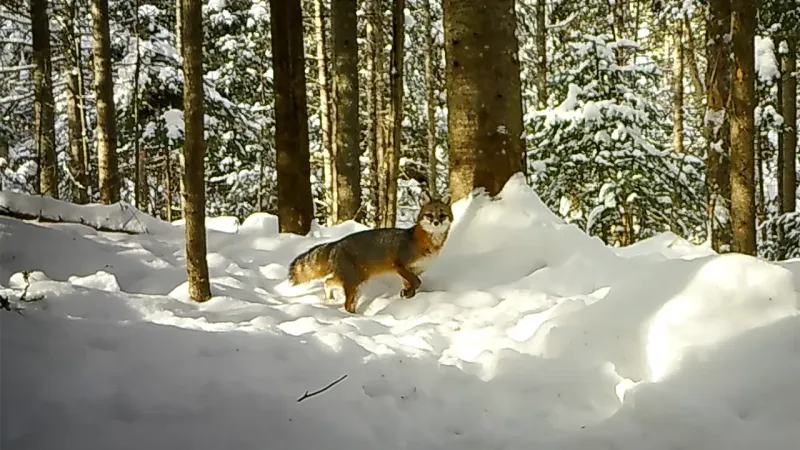
Calendar matters for foxes. Minnesota DNR identifies February as the local mating month for red foxes.
That means courtship or mating may be part of what foxes are doing around that time of year.
It is tempting to look at a fox crossing the yard in February and decide it must be searching for a mate. That would be a guess.
The same fox could be traveling between hunting areas or looking for food, just as it might in any other winter month.
Think of the season as background, like knowing a road is busy at rush hour. It makes certain things more likely to be going on somewhere in the neighborhood, but it does not tell you what one animal is doing at one moment.
If you notice two foxes together in late winter, that may fit the season, though even then you are inferring. Either way, the practical advice stays the same: watch from a distance, keep pets close, and let the foxes pass.
A crossing does not mean there is a den nearby
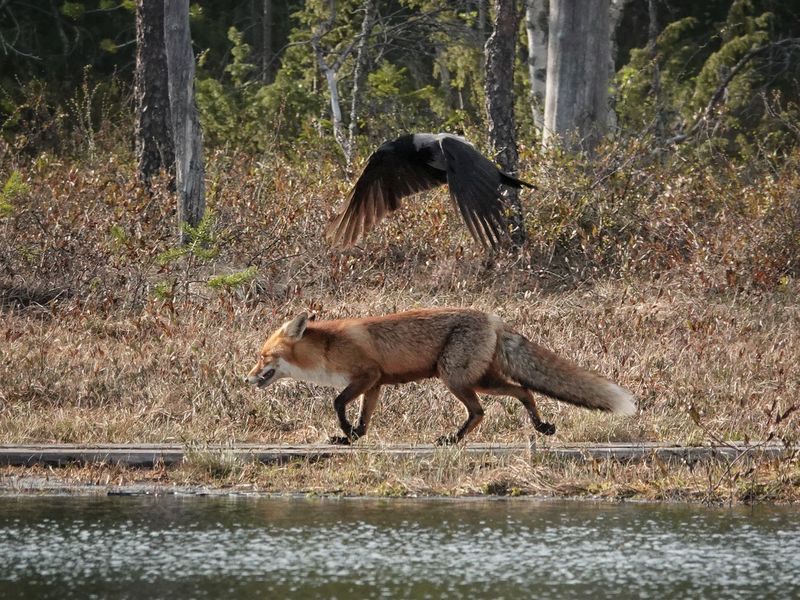
Passing through and moving in are two very different things. A fox that crosses your yard has not necessarily chosen it as a home.
Movement between hunting areas can bring a fox over your property without any plan to stay.
According to the Minnesota DNR, dens are used mainly to raise young. They can also give a fox shelter from severe winter weather, so a fox may use one during a harsh cold snap even when no pups are involved.
Because of that, one sighting cannot tell you where a den is, or whether one exists on or near your property. A single crossing is not evidence that the fox has settled in.
What would suggest more than a quick pass? Repeated visits to the same spot over many days might be worth noticing, though even that is a pattern to watch, not a verdict.
If you are concerned about a den under a deck or shed, contact your local animal control or the DNR for guidance rather than poking around the opening yourself.
Give the fox space
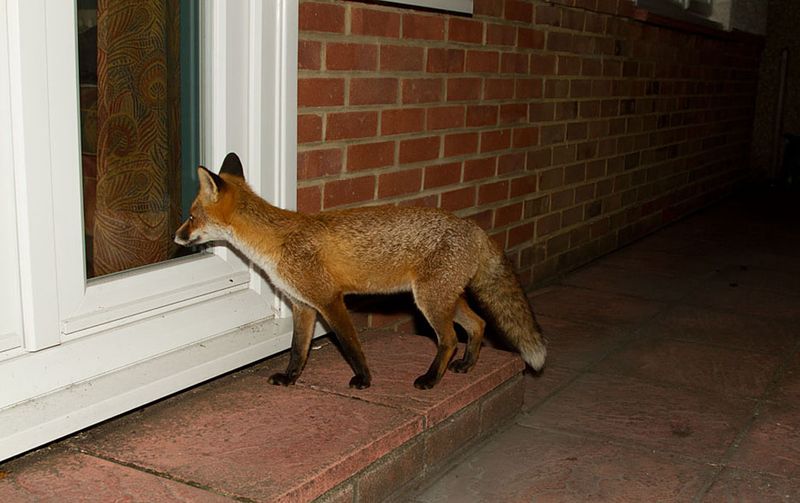
The best way to enjoy a fox is from a distance. Do not approach it, try to touch it, or offer it food.
Foxes generally avoid people, but they are wild animals, not harmless pets.
Food is the main thing to remove. CDC guidance advises against feeding wildlife or leaving food outside for wildlife.
That means no scraps on the porch, no bowls of pet food on the patio, and no unsecured garbage waiting at the curb.
If a fox lingers where you do not want it, the Minnesota DNR recommends mild harassment. You can make noise or spray water toward the fox.
The goal is to encourage it to move along, not to hurt or corner it.
Stay at a comfortable distance while you do this, and leave the fox a clear path to leave. Never try to grab, trap, or handle the animal yourself.
Most foxes will simply trot off once the yard stops feeling quiet and rewarding.
Know when to call for help
Most fox sightings need nothing more than a quiet look. Some situations deserve a phone call.
The Minnesota DNR advises contacting local animal control about concerning behavior, such as loss of body control or excessive salivation. A fox stumbling, staggering, or drooling heavily is different from one simply trotting by in daylight.
Keep pets away from wild animals and make sure their rabies vaccinations are current. If a fox bites a pet, call a veterinarian.
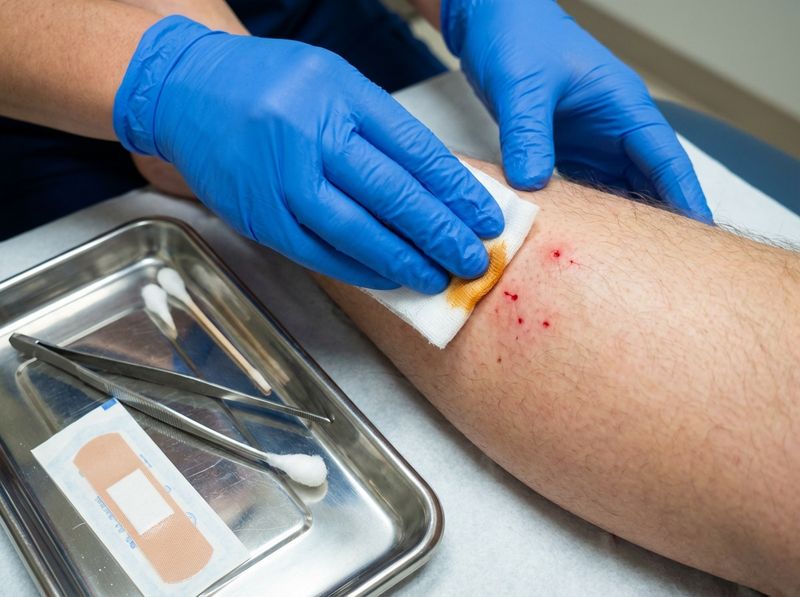
If a fox bites or scratches a person, wash the wound right away with soap and water. Then promptly contact a healthcare or public-health professional for advice.
CDC rabies guidance calls for urgent professional assessment after a possible exposure.
You may hear that rabies is rare in Minnesota foxes, and the DNR does say mange is more common. That local fact is reassuring in general, but it does not make a bite or scratch safe to ignore.
The Minnesota Department of Health lists foxes among animals of concern when rabies risk is assessed, so let a professional decide.
In short, an ordinary sighting calls for distance. Odd body movements or direct contact call for a phone call.
Use the whole picture, not one crossing
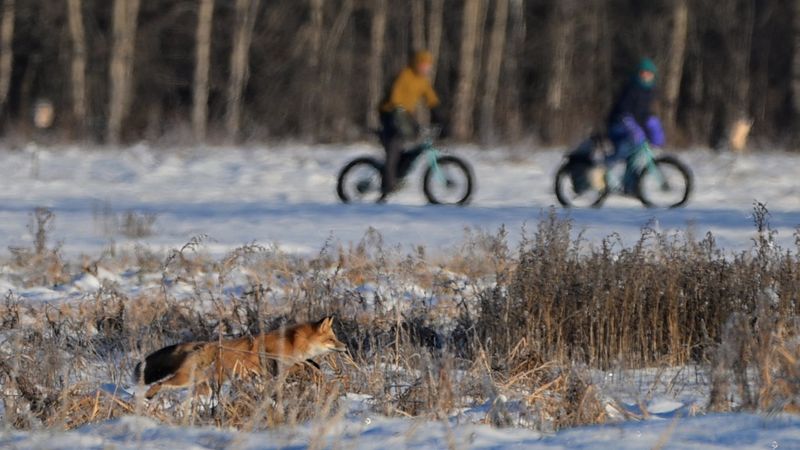
Travel between hunting areas and foraging are ordinary possibilities, as the Minnesota DNR describes, and a single crossing cannot reveal the fox’s purpose. Give the animal space, and seek professional advice for strange behavior or direct contact.
Daylight and a quick trot across the lawn are not diagnoses, since foxes are active at many hours.
Those paw prints in the snow tell you where the fox went, not what it was thinking.
Share this story