When the air turns crisp in North Carolina, many people think the snakes and spiders have already gone to sleep for the winter. The truth is that late fall can actually make some of these critters easier to see.
Cold-blooded animals crawl out into sunny spots to warm up, and others wander around looking for a cozy place to spend the winter. Knowing who is out there, and where they like to hide, can help you enjoy your yard safely all season long.
1. Copperhead
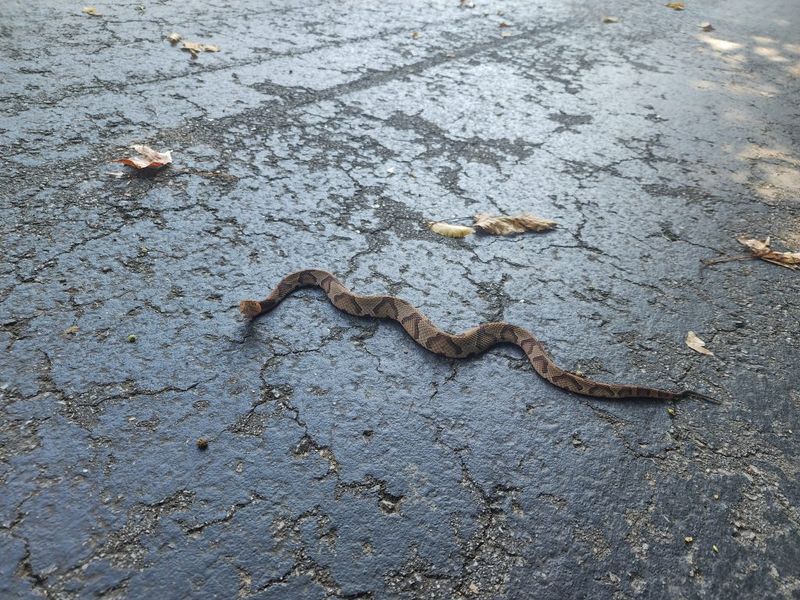
Picture a pile of brown oak leaves on a chilly November afternoon. Somewhere in that pile, a copperhead may be resting so perfectly camouflaged that you could step right next to it.
Its hourglass-shaped bands look almost exactly like crumpled leaves.
Copperheads are the most common venomous snake in North Carolina, and they show up in suburbs from Raleigh to Asheville. On cool fall days, they slide out onto warm sidewalks, stone walls, and driveways to soak up heat.
That habit makes them more visible than they are during hot summer nights.
Fall is also when copperheads travel back toward their winter dens, often rocky hillsides or old stumps. Wear gloves when raking, and never reach into leaf piles with bare hands.
If you see one, simply back away and let it move along.
2. Timber Rattlesnake
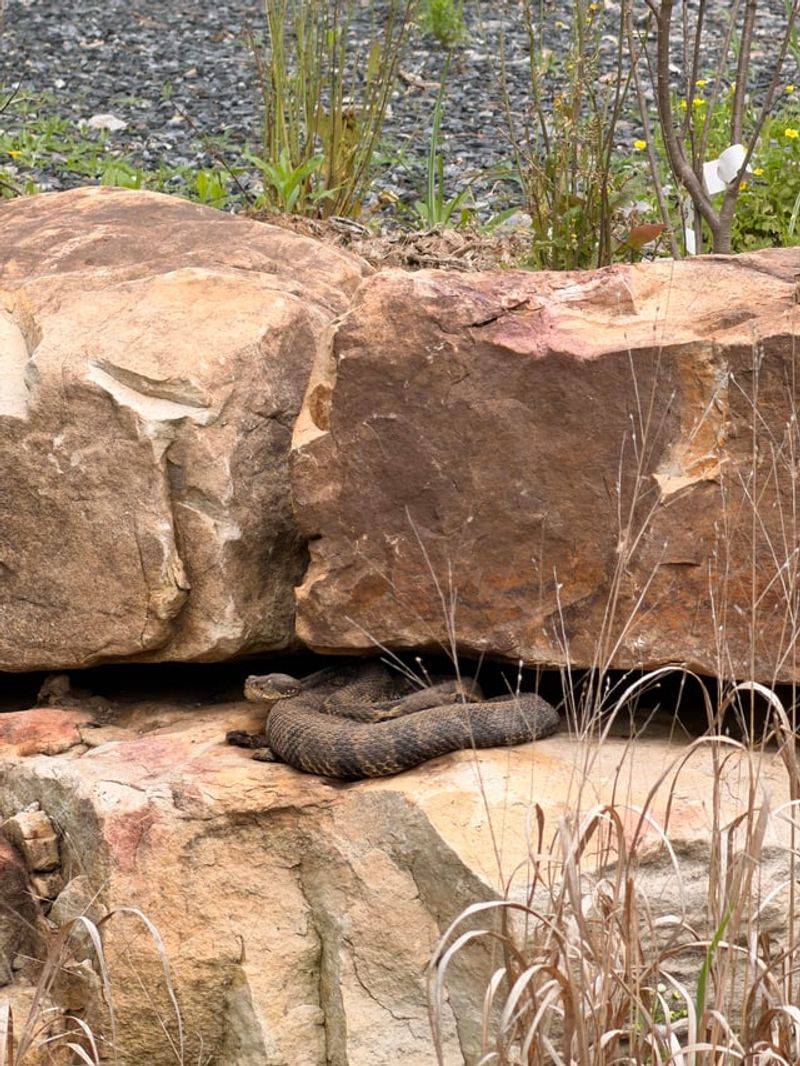
Mountain hikers sometimes hear it before they see it: a dry, buzzing rattle near a sunny rock ledge. The timber rattlesnake is North Carolina’s largest venomous snake, sometimes stretching more than five feet long.
Despite its size, it is usually calm and would rather stay still than strike.
In late fall, timber rattlesnakes gather near communal dens, often in rocky outcrops in the mountains and the Piedmont. Several snakes may bask together on warm afternoons before heading underground for winter.
Homes built near wooded ridges can see visitors during this travel time.
Did you know? Timber rattlesnakes are a species of special concern in the state, so they are protected.
Admire them from a safe distance, and call a wildlife professional if one settles near your home.
3. Cottonmouth
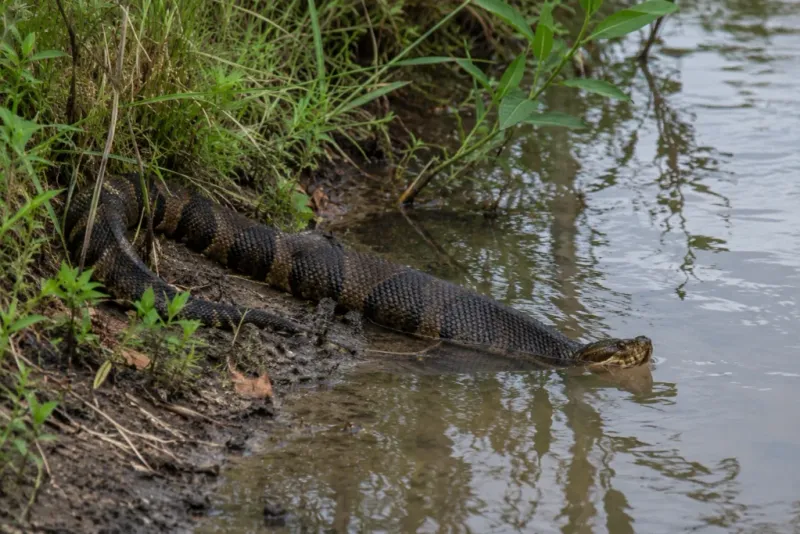
Live near a pond or creek in eastern North Carolina? Then you may share space with the cottonmouth, also called the water moccasin.
When threatened, it opens its mouth wide to flash a bright white lining, like a warning sign.
Cooler weather pushes cottonmouths out of the water and onto logs, banks, and docks where the sun hits. Their thick, dark bodies stand out against pale fall grasses.
You might spot one near ditches or backyard ponds in the coastal plain.
Many harmless water snakes get mistaken for cottonmouths. A good clue is that cottonmouths float high on the water with their whole body showing.
Either way, give any snake near water plenty of room.
4. Pigmy Rattlesnake
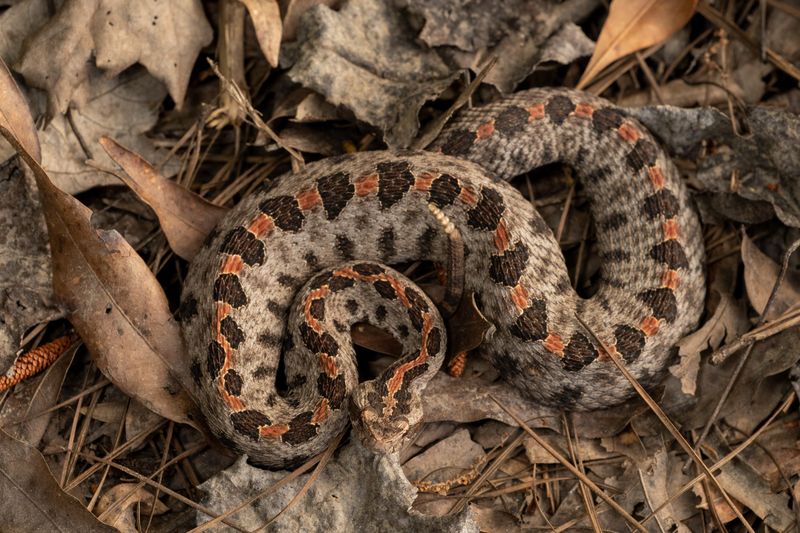
Tiny but feisty, the pigmy rattlesnake usually grows less than two feet long. Its rattle is so small that it sounds more like an insect buzzing than a warning.
Many people never hear it at all.
This snake lives mostly in the sandhills and coastal areas, where longleaf pines and wiregrass grow. In fall, it often rests on pine straw and sandy patches that warm up quickly in the sun.
Gray skin with dark blotches and a rusty stripe helps it blend in.
Bites are rare and seldom deadly to adults, but they still hurt and need medical care. Keep pine straw beds tidy and watch your step on sunny paths.
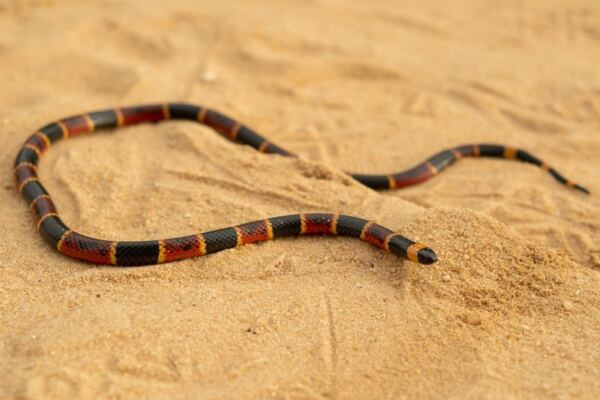
5. Eastern Coral Snake

Red touches yellow, watch out, fellow! That old rhyme helps people tell the eastern coral snake apart from look-alikes like the scarlet kingsnake.
In North Carolina, this colorful snake is quite rare and lives only in a few southeastern counties.
Coral snakes spend most of their time hidden under leaf litter and logs. On mild fall days, though, they may roam during daylight hours.
Their glossy bands are hard to miss once one comes into view.
Their venom is powerful, yet they are shy and have small mouths. Most bites happen when someone picks one up.
Never handle a brightly banded snake you cannot identify for certain.
6. Black Widow Spider
Grandparents across the South have a classic warning: always check the woodpile. They had good reason.
The southern black widow loves stacked firewood, and fall is exactly when families start hauling logs inside.
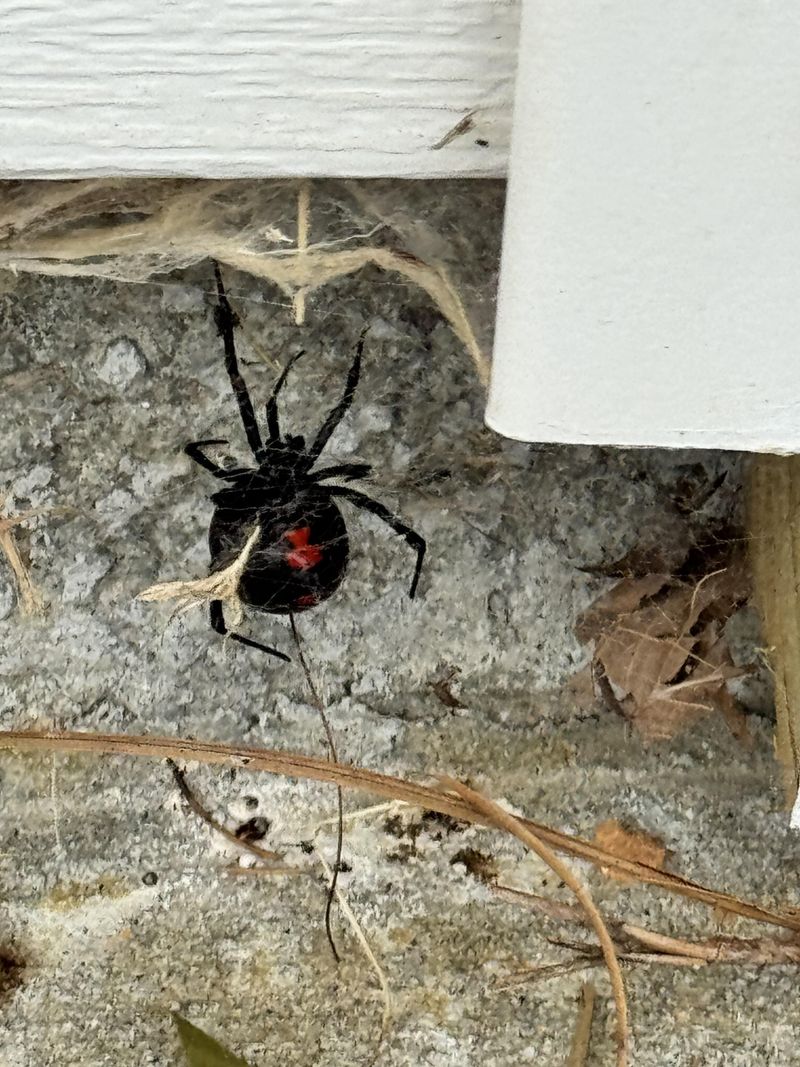
Female black widows are glossy black with a red hourglass on the belly. They build messy, tangled webs in dark corners like sheds, mailboxes, and under patio furniture.
As nights cool, they may tuck into garages too.
Wear gloves when moving wood, and shake out boots stored outside. Bites are uncommon but can cause muscle cramps and pain, so seek medical help if one happens.
7. Brown Recluse Spider

Here is a surprise: the brown recluse is actually uncommon in North Carolina. Many bites blamed on it are really caused by other things.
Still, a few do turn up, especially in western counties and in boxes shipped from other states.
This spider is light brown with a dark violin shape on its back. True to its name, it hides in quiet places like closets, attics, and storage bins.
When the weather cools, stored holiday decorations become favorite hideouts.
Unpack fall and winter items carefully, and shake out clothes before wearing them. A sticky trap in the garage is an easy way to see what is living there.
8. Saddleback Caterpillar
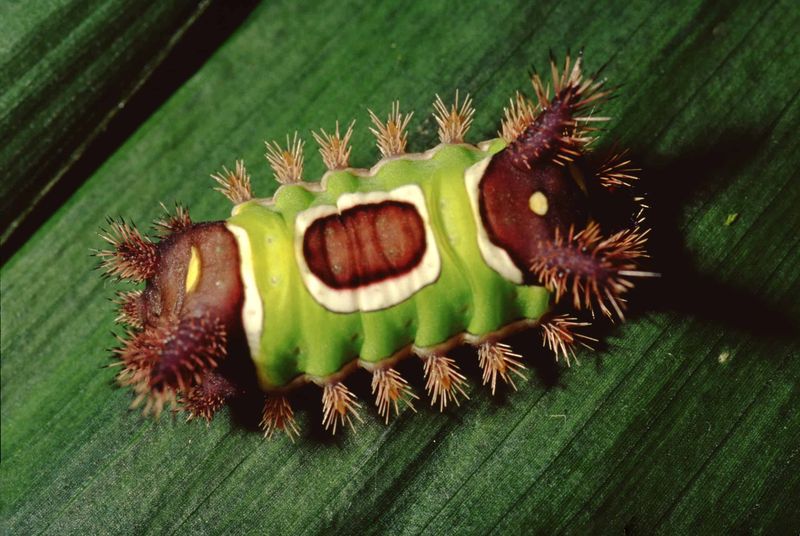
It looks like a cartoon: a little green blanket with a brown spot that resembles a saddle. Kids love to point at the saddleback caterpillar.
Touching it is a different story.
Spines all over its body carry venom that causes a painful, burning sting, sometimes with swelling and a rash. These caterpillars munch on oak, maple, and garden plants into early fall.
As leaves start to drop, they become easier to spot on low branches and shrubs.
If someone gets stung, press tape on the skin to pull out the tiny spines, then wash the area. An ice pack helps with the sting.
9. Puss Caterpillar
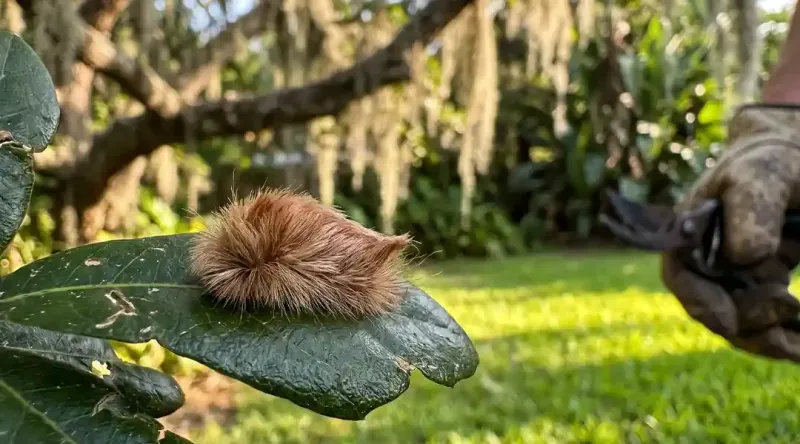
Soft, fuzzy, and adorable, the puss caterpillar looks like a tiny toupee or a pet cat’s tail. That cute look hides one of the most painful stings of any insect in the United States.
Under all that fluff are sharp venomous spines.
Late summer and fall bring a second generation of these caterpillars. They often crawl onto walls, porches, and playground equipment as they search for a spot to spin a cocoon.
That wandering puts them right where children play.
Teach kids never to pet fuzzy caterpillars. A sting can cause intense pain, headaches, and nausea, so call a doctor if symptoms grow worse.
10. Yellowjackets
Ever had a picnic crashed by buzzing guests in October? Yellowjackets are at their crankiest in fall.
Their colonies have grown huge, and food is getting harder to find.
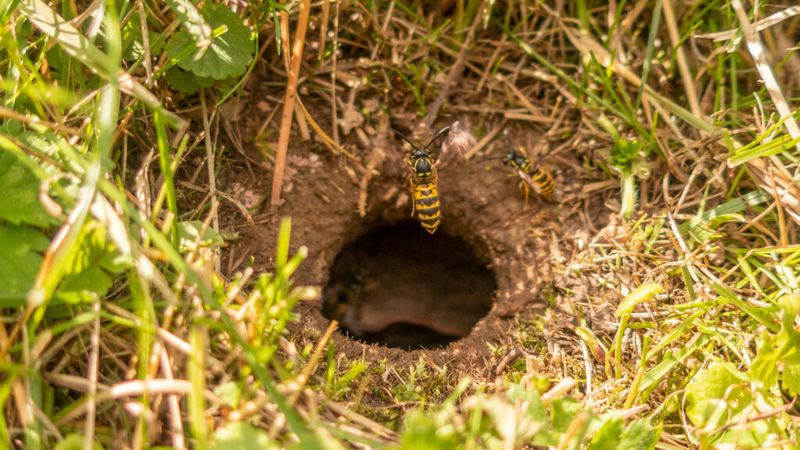
Many nests are underground, hidden in lawns, flower beds, and old rodent holes. Mowers, leaf blowers, and curious feet can stir up an angry swarm in seconds.
Unlike honeybees, yellowjackets can sting again and again.
Cover drinks outdoors and keep trash cans tightly closed. Hard freezes eventually wipe out the colony, leaving only queens to survive winter.
Until then, watch for steady traffic in and out of a hole in the ground, and keep your distance.
Whether it has scales, eight legs, or wings, every critter on this list plays a role in nature. A little awareness lets you enjoy those golden fall afternoons without any painful surprises.
Share this story