Get the latest garden guides in your inbox →
Gardening Latest
  • General Gardening
  • Lawn Care
  • Plant Care
  • Composting
  • Soil Health
  • Backyard
  • Garden Muse Magazine
  • General Gardening
  • Lawn Care
  • Plant Care
  • Composting
  • Soil Health
  • Backyard
  • Garden Muse Magazine
  • News
  • Gardening Calendar
  • Garden Structures
  • Vegetable Garden
  • Vertical Garden
  • Raised Beds
  • Hydroponics
  • General Equipment
  • Community Gardens
Garden Themes
  • Spiritual Garden
  • Hydroseeding
  • Seeding and Laying Sod
  • Artificial Grass
  • Lawn Care Equipment
  • Plants
  • Trees
  • Planting Tools
  • Composting Basics
  • Fertilizer
  • Alternative Growing Mediums
  • Front Yard
  • Backyard Activities
  • Landscaping
Gardening Latest

Explore by state

Which state is your garden in?

Currently viewing New Jersey

All states

Northeast

  • Connecticut —
  • Delaware 35
  • Maine —
  • Maryland 21
  • Massachusetts 37
  • New Hampshire —
  • New Jersey 21
  • New York 30
  • Pennsylvania 30
  • Rhode Island —
  • Vermont —

Southeast

  • Alabama 20
  • Arkansas —
  • Florida 21
  • Georgia 21
  • Kentucky 35
  • Louisiana 19
  • Mississippi —
  • North Carolina 19
  • South Carolina 34
  • Tennessee 17
  • Virginia 20
  • West Virginia —

Midwest

  • Illinois 19
  • Indiana 22
  • Iowa 34
  • Kansas —
  • Michigan 21
  • Minnesota 19
  • Missouri 19
  • Nebraska —
  • North Dakota —
  • Ohio 21
  • South Dakota —
  • Wisconsin 35

Southwest

  • Arizona 20
  • Colorado —
  • Nevada —
  • New Mexico —
  • Oklahoma —
  • Texas 19
  • Utah —

West

  • Alaska —
  • California 20
  • Hawaii —
  • Idaho —
  • Montana —
  • Oregon —
  • Washington —
  • Wyoming —

No state matches that search.

Site menu

Gardening Latest
  • General Gardening
    • News
    • Gardening Calendar
    • Garden Structures
    • Vegetable Garden
    • Vertical Garden
    • Raised Beds
    • Hydroponics
    • General Equipment
    • Community Gardens
    Garden Themes
    • Spiritual Garden
  • Lawn Care
    • Hydroseeding
    • Seeding and Laying Sod
    • Artificial Grass
    • Lawn Care Equipment
  • Plant Care
    • Plants
    • Trees
    • Planting Tools
  • Composting
    • Composting Basics
  • Soil Health
    • Fertilizer
    • Alternative Growing Mediums
  • Backyard
    • Front Yard
    • Backyard Activities
    • Landscaping
  • Garden Muse Magazine

Explore

  • About GardeningLatest.com
  • Contact Us

Get the latest from the garden

New guides on lawn care, plants and backyard projects, sent when they go up.

Subscribe →

Follow

  • Facebook
  • X
  • Pinterest
  • YouTube
New Jersey Gardening

Before Winter Hits, New Jersey’s Venomous Yard Critters Make Themselves Known In Late Fall

When the leaves pile up and the nights turn chilly, some of New Jersey's most unwelcome backyard guests start moving…

AR

By Angela Russo

November 26, 2026 · 4 min read

Before Winter Hits, New Jersey’s Venomous Yard Critters Make Themselves Known In Late Fall
Before Winter Hits, New Jersey's Venomous Yard Critters Make Themselves Known In Late Fall

When the leaves pile up and the nights turn chilly, some of New Jersey’s most unwelcome backyard guests start moving around more than usual. Snakes look for winter dens, spiders slip indoors, and stinging insects get cranky as their colonies wind down.

Knowing who is out there in late fall can help you rake, stack firewood, and clean the garage without a painful surprise. Here are seven venomous critters worth watching for before the first hard freeze.

At a glance

Where
New Jersey Gardening
Hardiness zone
7 0 to 10°F
Read
4 minutes
Published
November 26, 2026

1. Northern Copperhead

Northern Copperhead
© CTPost

Picture a pile of fallen oak leaves, and now picture a snake that looks exactly like them. The northern copperhead is a master of disguise, with hourglass-shaped bands in copper, tan, and chestnut brown.

In New Jersey, copperheads live mostly in the northern hills, including the Highlands and areas near the Palisades. Late fall is when they travel back to rocky dens, sometimes crossing yards, stone walls, and woodpiles along the way.

Copperhead bites are rarely deadly, but they hurt a lot and need medical care. Most bites happen when someone steps on or grabs a hidden snake.

Wearing boots and using a rake instead of bare hands when clearing leaves makes a big difference.

2. Timber Rattlesnake
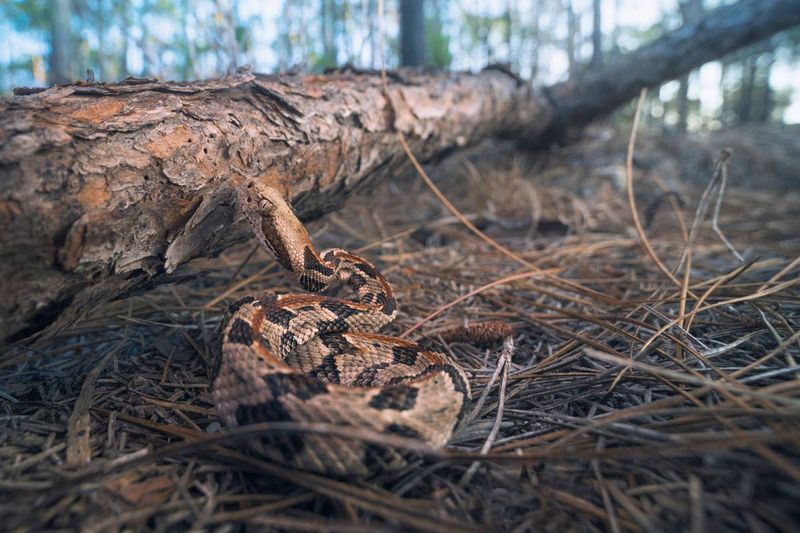
Timber Rattlesnake
© AOL.com

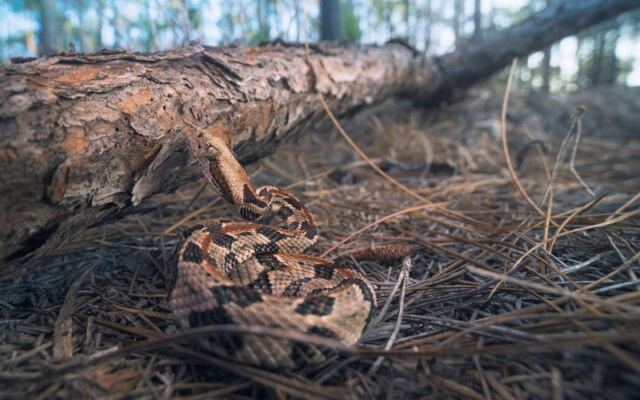
Here is a fun fact to share at dinner: the timber rattlesnake is an endangered species in New Jersey, and it is illegal to harm or kill one. That makes it both rare and protected.

Timber rattlers live in two main areas, the rocky ridges of the north and the sandy Pine Barrens in the south. In October and early November, they gather near den sites and bask on sunny rocks to soak up the last warm days.

Funny how a nest can hide all summer and then suddenly appear the moment the trees go bare.

If you hear a dry buzzing sound, freeze, find the snake, and slowly back away. These snakes would much rather warn you than bite you.

Homeowners who find one should call the state wildlife hotline instead of trying to move it.

3. Black Widow Spider
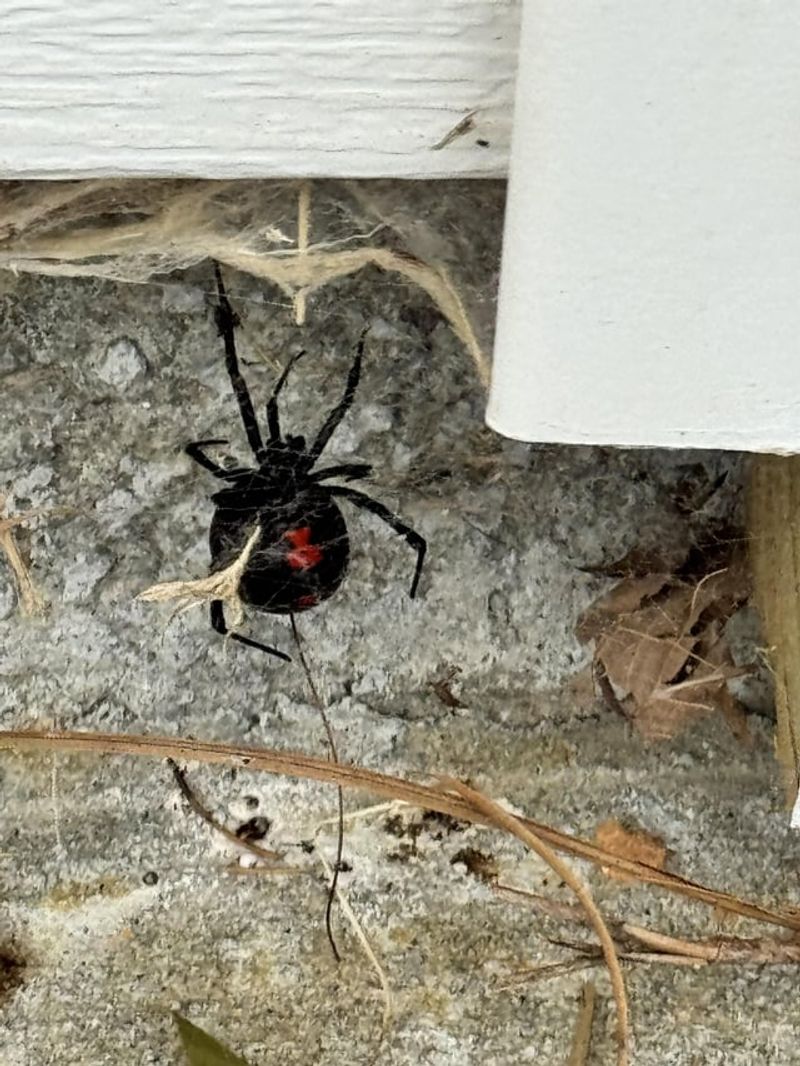
Black Widow Spider
© Reddit

Grabbing a log for the first fire of the season? Look before you reach.

Black widows love the dark gaps in firewood stacks, sheds, and old flowerpots.

New Jersey has the northern black widow, which has a broken red hourglass on its belly and sometimes red spots on its back. The female is the one to worry about, since her venom affects nerves and causes cramps and pain.

Bites are uncommon and seldom serious for healthy adults, though kids and older folks should see a doctor right away. Gloves, a flashlight, and leaving firewood outside until you need it are simple ways to keep these shy spiders out of your day.

4. Yellowjacket
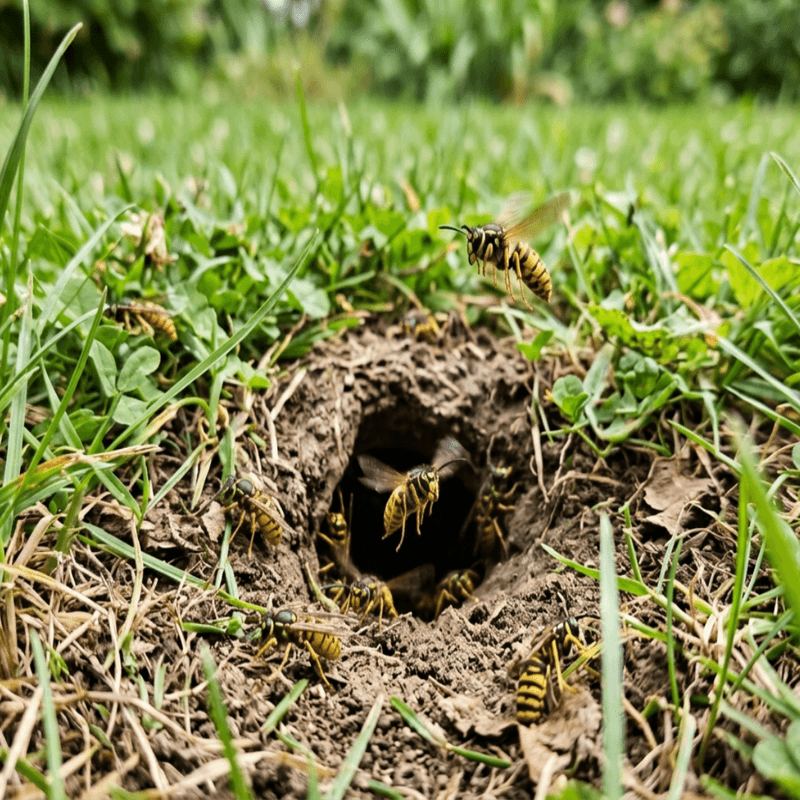
Yellowjacket
© The Economic Times

Ever had a picnic ruined by a buzzing wasp diving into your soda can? That was probably a yellowjacket, and in late fall they get even pushier.

As colonies shrink, worker yellowjackets stop raising young and go hunting for sugar. Fallen apples, trash cans, and sweet drinks become magnets.

Many nests are underground, so mowing or raking over a hole can trigger an angry swarm.

Unlike honeybees, yellowjackets can sting again and again. The good news is that the first hard frost kills the workers, and only new queens survive the winter.

Until then, cover drinks, close trash lids, and mark any nest holes you spot.

5. Bald-Faced Hornet
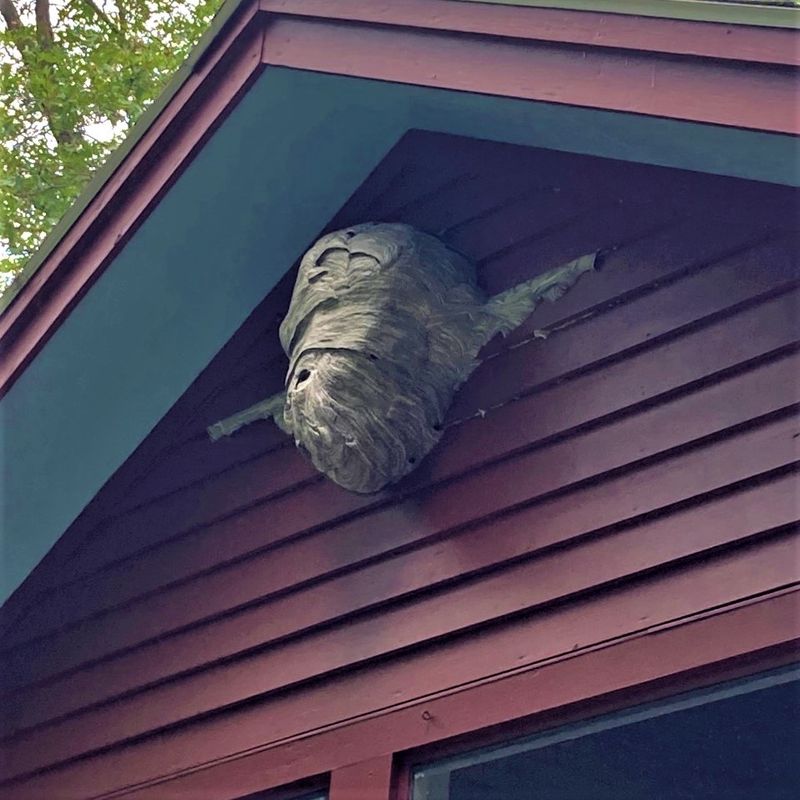
Bald-Faced Hornet
© NHPR

Funny how a nest can hide all summer and then suddenly appear the moment the trees go bare. Many New Jersey homeowners first notice bald-faced hornet nests in November, hanging like gray paper footballs from branches or eaves.

These black and white insects are actually a type of yellowjacket, not a true hornet. They guard their nests fiercely and will chase intruders, delivering painful stings.

By late fall, most nests are nearly empty or abandoned. After a few hard freezes, it is usually safe to leave them alone since they will not be reused.

Still, poking one with a stick on a mild autumn afternoon is a lesson nobody wants to learn.

6. Yellow Sac Spider
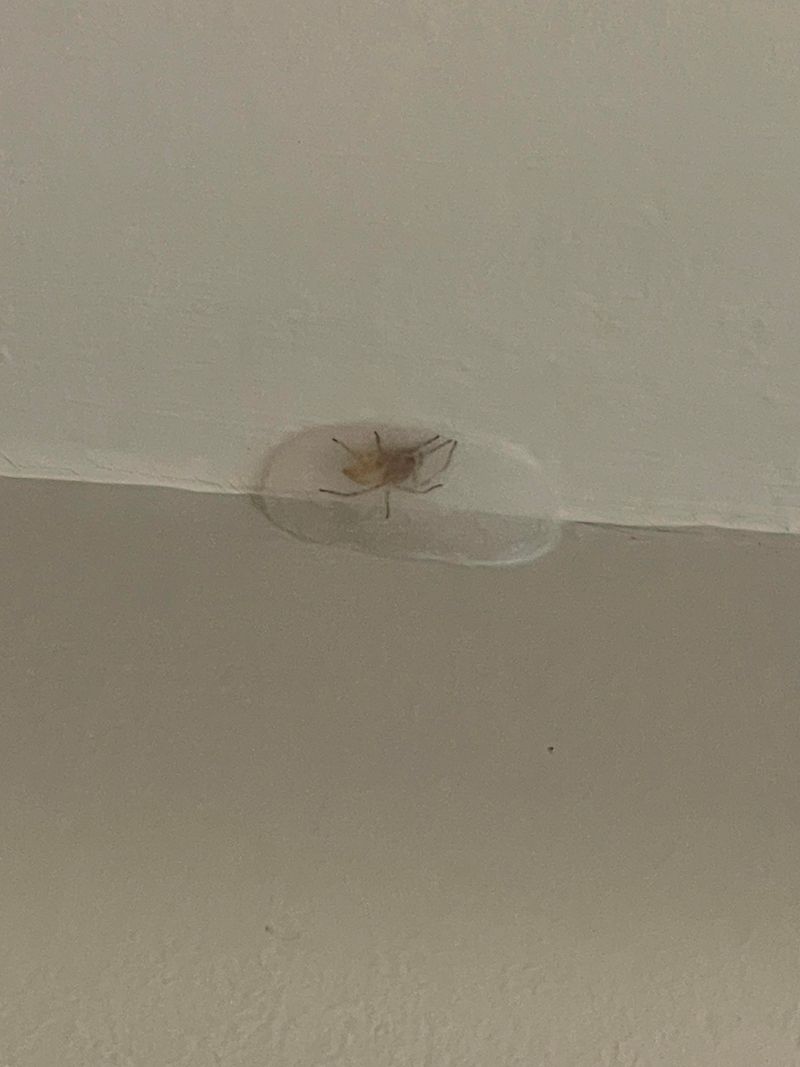
Yellow Sac Spider
© Reddit

Small, pale, and fast, the yellow sac spider is the one most likely to end up inside your house this time of year. When temperatures drop, these night hunters wander indoors and hide in silky sacs in wall corners and window frames.

They do not build webs to catch food. Instead they roam, which is why people sometimes get bitten while sleeping or putting on clothes left on the floor.

A bite can cause redness, swelling, and a small sore, but it is usually mild. Sealing cracks around windows and shaking out clothes and shoes are easy habits that keep encounters rare.

7. Saddleback Caterpillar
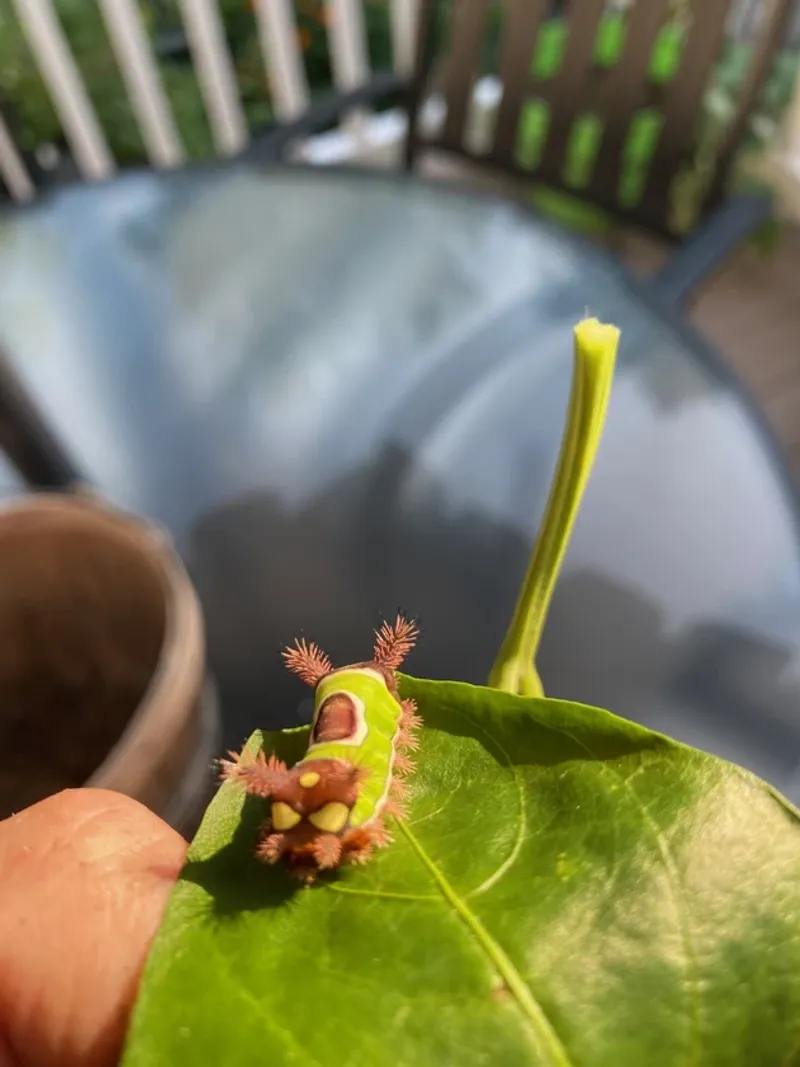
Saddleback Caterpillar
© 92.7 WOBM

Cute as a cartoon, painful as a hot needle. The saddleback caterpillar wears a bright green coat with a brown spot that looks like a tiny saddle.

Its spines carry venom, and brushing against one can cause burning pain, rash, and swelling for hours. In New Jersey, they show up on garden plants, shrubs, and corn into early fall, and they can still be found on leaves you are bagging up.

Gardeners, keep gloves on when pulling plants. If you get stung, pressing tape on the spot and pulling it off can remove broken spines.

Cold packs help with the sting while you wait for it to fade.

Share this story
AR

Written by

Angela Russo

More from Angela Russo →

About Gardening Latest

Gardening Latest provides in-depth guides to maintaining and enhancing your garden and backyard. Learn how to make the most of the space you have and create a beautiful garden.

More about us →

Latest stories

  • Delaware GardeningThat Green Caterpillar With a Brown Saddle Stings Hard in Delaware Gardens, and Here’s What to Do First

    That Green Caterpillar With a Brown Saddle Stings Hard in Delaware Gardens, and Here’s What to Do First

    3 min ago
  • South Carolina GardeningBlack Vultures Roosting on Your South Carolina Roof This Winter Are Tearing Up More Than Shingles

    Black Vultures Roosting on Your South Carolina Roof This Winter Are Tearing Up More Than Shingles

    11 min ago
  • Kentucky GardeningWhy Kentucky Deer Are Rubbing the Bark Off Your Young Trees, and How to Stop the Damage Before Spring

    Why Kentucky Deer Are Rubbing the Bark Off Your Young Trees, and How to Stop the Damage Before Spring

    17 min ago
  • Florida GardeningFlorida Is Full of Harmless Critters That Look Venomous, and These 7 Send People Running

    Florida Is Full of Harmless Critters That Look Venomous, and These 7 Send People Running

    23 min ago
  • Maryland GardeningThere’s an Invasive Tree Moving Through Maryland Neighborhoods, and Hand-Pulling Can’t Keep Pace

    There’s an Invasive Tree Moving Through Maryland Neighborhoods, and Hand-Pulling Can’t Keep Pace

    30 min ago

Gardening by state

Stories for your state, and the hardiness zone most of it gardens in.

Keep exploring

Read next

All New Jersey Gardening →
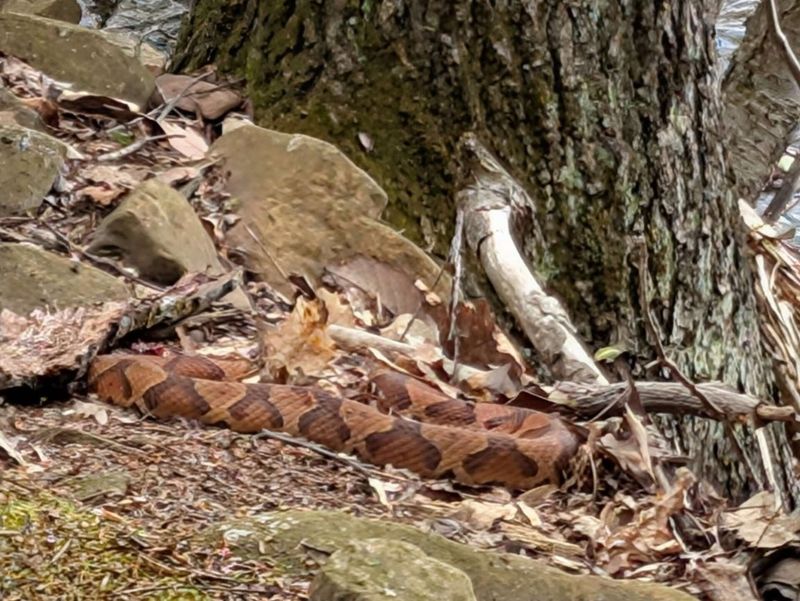
New Jersey GardeningCopperheads And Black Widows Hide In New Jersey Gardens, So Here’s How To Spot Them
New Jersey Gardening

Copperheads And Black Widows Hide In New Jersey Gardens, So Here’s How To Spot Them

3 hr ago
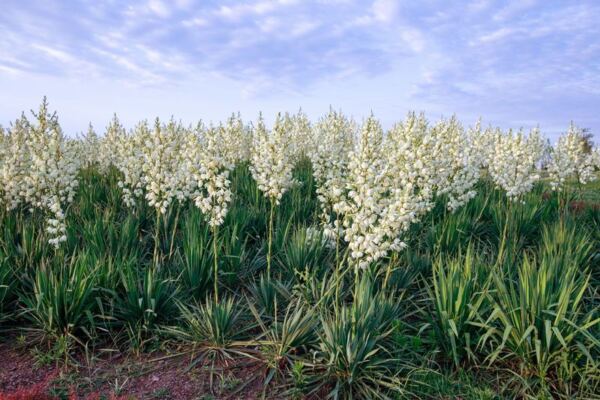
New Jersey GardeningA Giant Flower Stalk on Your New Jersey Yucca Isn’t a Problem, but Here’s Why It Happens and Whether to Cut It
New Jersey Gardening

A Giant Flower Stalk on Your New Jersey Yucca Isn’t a Problem, but Here’s Why It Happens and Whether to Cut It

18 hr ago
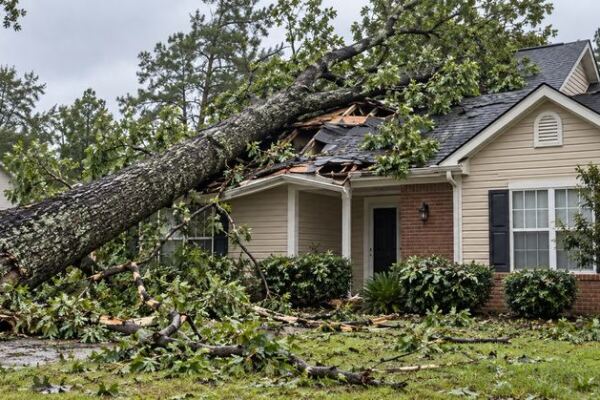
New Jersey GardeningYour Neighbor’s Tree Just Came Down on Your New Jersey Property, and This Is Who Actually Pays
New Jersey Gardening

Your Neighbor’s Tree Just Came Down on Your New Jersey Property, and This Is Who Actually Pays

21 hr ago

More from New Jersey Gardening

  • Hearing Coyotes Howl Near Your New Jersey Home at Night? Here’s What They’re Actually Saying

    Nov 24
  • New Jersey Folks Eating Celery Every Day Are Learning What It Really Does To Their Bodies

    Nov 24
Back to top

Leave a response Cancel

Your email address stays private. Required fields are marked with an asterisk.

Gardening Latest

In-depth guides to maintaining and enhancing your garden and backyard: how to make the most of the space you have, and how to make it beautiful.

  • Facebook
  • X
  • Pinterest
  • YouTube

We may earn a portion of sales from products or services that are purchased through our site as part of our affiliate partnerships with retailers.

Explore

  • About GardeningLatest.com
  • Contact Us
  • Terms and Conditions
  • Privacy
  • Editorial Note:
  • FTC Disclosure

Newsletter

New garden guides and seasonal tips, straight to your inbox.

We’ll email you a link to confirm. Unsubscribe any time.

Almost there! Check your inbox and tap the link to confirm.

© 2026 Gardening Latest. All rights reserved.

Back to top