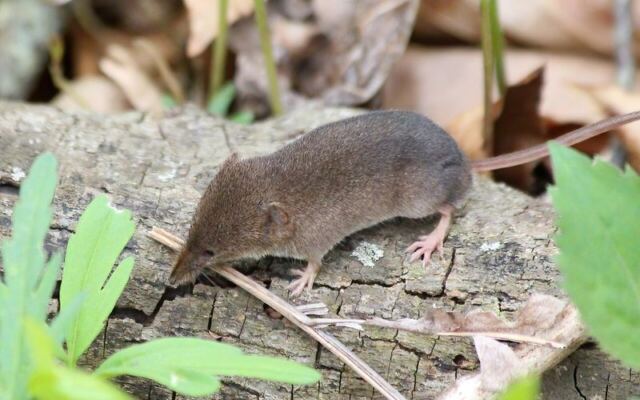
Missouri has a small mammal with venom in its saliva, and it is not a snake or a spider. Short-tailed shrews use that venom to catch their food, and the Missouri Department of Conservation says all three Missouri species have it.
Most gardeners never think about these tiny hunters because they spend their lives hidden in leaves and tunnels. Here is what is known about their venom, what is still unclear, and what it means for people.
Missouri short-tailed shrews use venom to catch prey
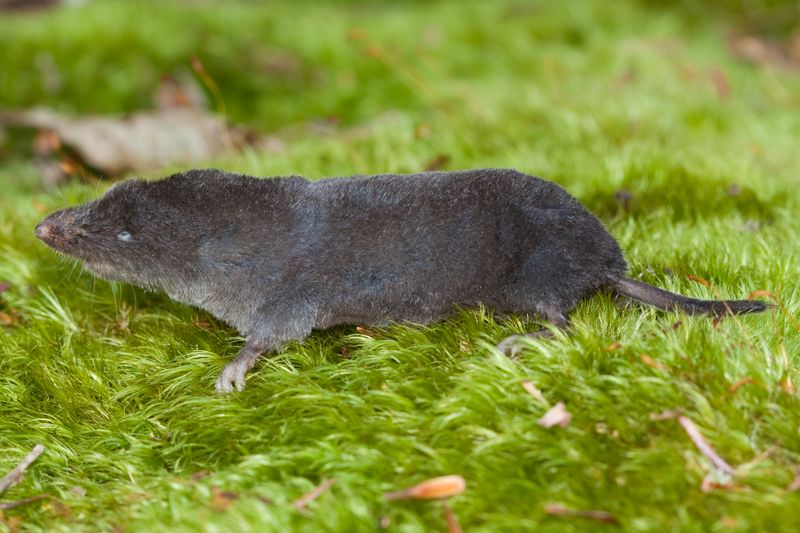
Missouri has three short-tailed shrew species: the northern short-tailed shrew, the southern short-tailed shrew, and Elliot’s short-tailed shrew. According to the Missouri Department of Conservation, their saliva contains venom that immobilizes prey.
That puts them in a surprising club, because most people picture venom coming from snakes, spiders, or scorpions rather than from a mammal that fits in your palm.
The key word here is prey. Venom in a shrew is a hunting tool, a way for a very small animal with a very fast metabolism to subdue meals that may be as big as or bigger than its own head.
A shrew has to eat constantly, so anything that makes a catch easier gives it an edge.
The claim that all three Missouri species are venomous comes from MDC’s description of the group. Detailed experimental work is thinner.
A scientific review of venom use in shrews, moles, and relatives notes that venom has not been well described across these animals, and the toxin studied most closely comes from the northern species.
So the headline holds up, with a useful footnote. Missouri’s short-tailed shrews are described as venomous by the state’s wildlife agency, but the lab details we have are tied to one species.
The sections ahead sort out which facts apply to which animals, and what any of it means for a person pulling weeds.
How venom helps a shrew hold on to prey
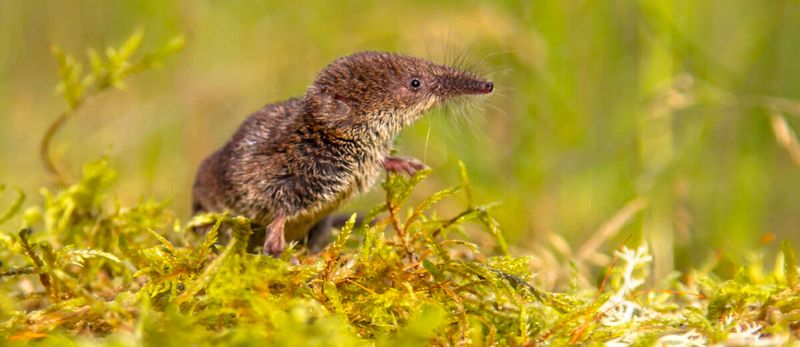
The venom is made in the shrew’s salivary glands and delivered through its bite. A shrew chews on its meal, and the saliva carries toxic material into the prey.
Think of it less like a snake’s fangs and more like a built-in sedative that rides along with every bite.
MDC says the venom immobilizes insect prey. A beetle, cricket, or grub that might otherwise thrash and escape slows down, which gives the shrew time to finish the job.
For an animal that can burn through its body weight in food in a single day, a calmer meal is a real advantage.
There is also a storage angle. According to MDC’s shrew account, the venom helps cached food stay fresh longer.
Shrews tuck prey away for later, and a victim that is immobilized but still alive stays fresher than one that has died. That is MDC’s explanation, and it fits a hunter that cannot go long without eating.
MDC also describes effects on larger prey, but the focus of this story stays on small animals and stashed food. Nothing in the agency’s description suggests shrews use venom against people, and it does not say that every effect has been tested in each of the three Missouri species.
Picture a tiny predator at work under the leaves, not a creature looking for trouble above them.
Laboratory research focused on the northern short-tailed shrew
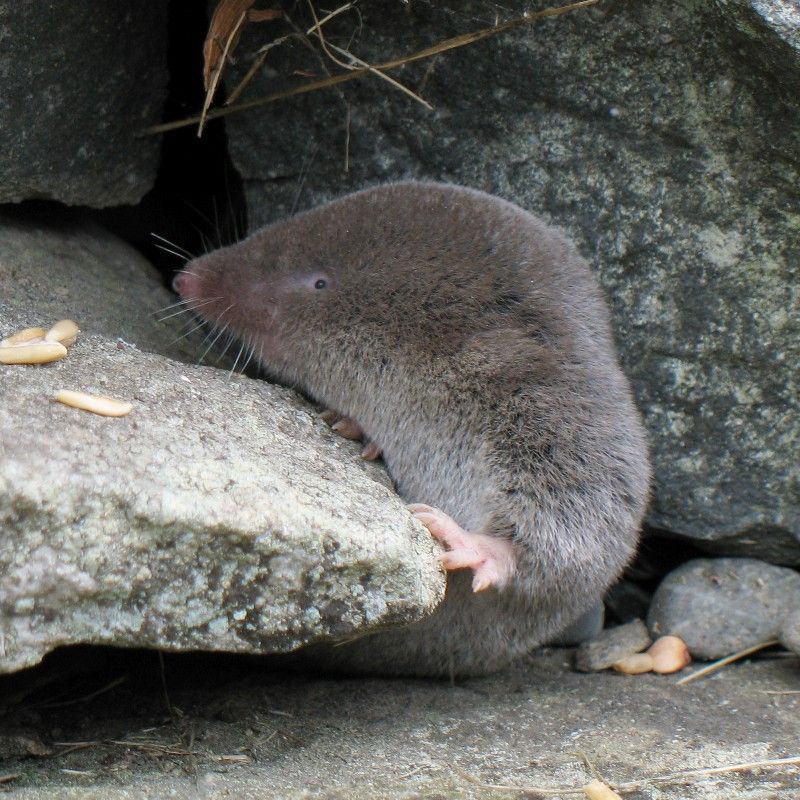
Most of the hard laboratory evidence comes from one animal. Researchers isolated and characterized a protein called blarina toxin from Blarina brevicauda, the northern short-tailed shrew.
The work, described in a study on blarina toxin, pulled the toxin out of the shrew’s salivary material and tested what it did.
In those tests, mice injected with the toxin developed irregular breathing, paralysis, and convulsions. That is a strong sign the toxin is powerful in a laboratory animal.
It is not the same thing as a shrew biting a person, because injecting a measured dose into a mouse is very different from a quick nip on a finger.
Keep that difference in mind whenever you see a dramatic claim about shrew venom. The paralysis result describes what happened in mice given toxin, and it does not show that a bite paralyzes people.
It also helps to know how narrow the research is. A review of venom use in eulipotyphlans describes this as the only Blarina venom characterized in detail.
So the southern and Elliot’s short-tailed shrews are described as venomous by MDC, but nobody should assume the lab findings are equally proven for them. Science often moves one species at a time, and the other two have simply received less attention.
Identifying a Missouri shrew can take more than a map
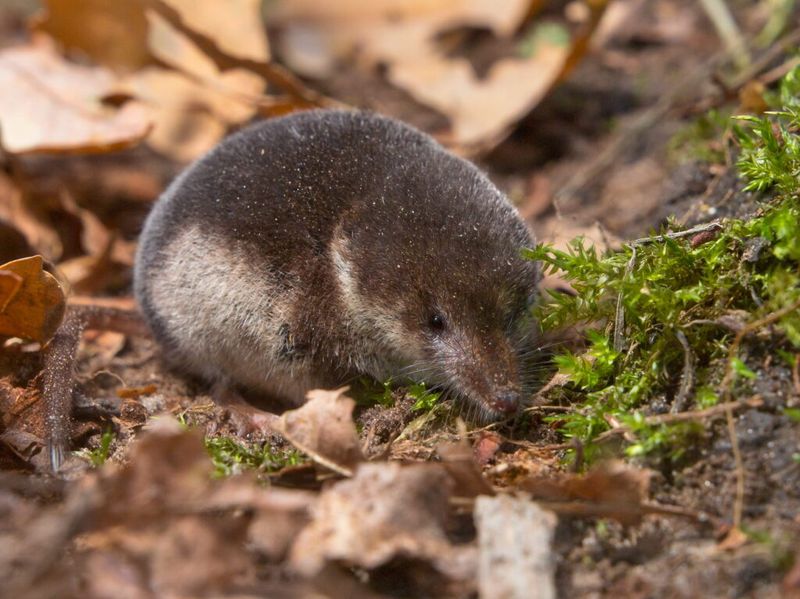
If you found a short-tailed shrew in your garden, could you say which one it was? Probably not, and neither could most experts on sight.
The three Missouri species, northern, southern, and Elliot’s, look very similar. Telling them apart may require skull measurements or DNA sequencing.
Location seems like a shortcut, but it is not a reliable one. MDC says short-tailed shrews occur statewide, while the ranges of the individual species are imperfectly known.
You may see the northern species described as a northern Missouri animal and the others as southern or central, but that is too tidy.
A paper on the distribution of Blarina in Missouri reports that genetic work revised earlier assumptions about where northern and Elliot’s short-tailed shrews meet. In other words, newer lab methods changed the map that older identifications had drawn.
For a homeowner, the practical meaning is simple. A shrew in a particular yard cannot be assigned to a species based on its county or its position north or south on a map.
If the exact species matters, a wildlife professional with specimens and lab tools is the one who can answer it. For everyday purposes, it is enough to know that all three are small, secretive, and similar.
Shrews may use habitat around a home
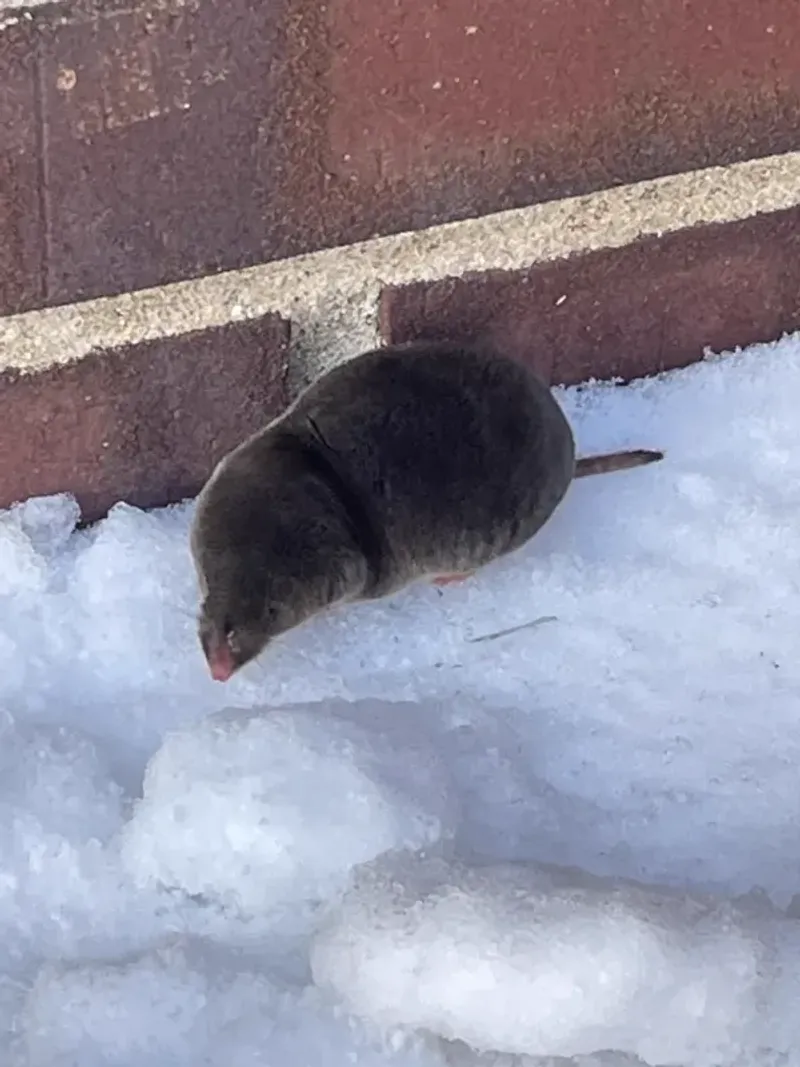
Picture the layer of leaves under a shrub, the damp edge of a flower bed, or a weedy corner near a fence. That is the kind of place Missouri’s short-tailed shrews favor.
They use leaf litter, runways, and tunnels, and they tend to settle in damp or weedy habitats where insects and other small prey are easy to find.
Those features can show up in a yard, so shrews may occur around homes. That is a long way from saying they are common yard dwellers or that people bump into them often.
Most of their lives play out out of sight, in tunnels and under cover.
Size helps explain why they go unnoticed. MDC’s measurements put short-tailed shrews at up to about five inches in total length and up to one ounce in weight.
They are small animals, and that figure includes the tail, so many are smaller still. Calling them thumb-sized is a catchy comparison, but the agency’s numbers are the ones to trust.
If you have mulch, compost piles, or thick groundcover, you have created the sort of cover shrews like. You may never know whether any are there.
The most you might notice is a thin trail through the leaves or a small, velvety animal dashing across a path.
Venom does not establish a major danger to people
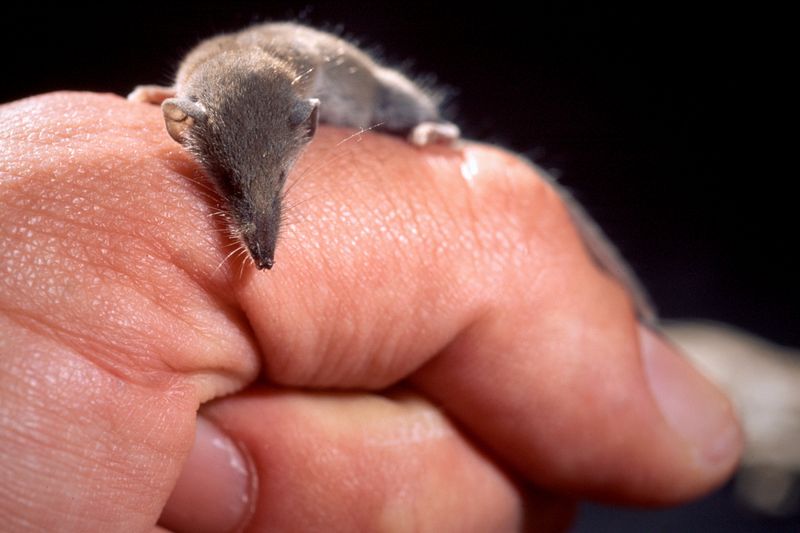
Venom sounds frightening, but its job in a shrew is catching dinner. The sources point to a prey-capture role, and they say nothing that turns shrews into routine attackers of people.
The research on blarina toxin does not measure how often people are bitten or how risky those bites are.
The mouse results are worth repeating only for what they are. Mice that were injected with toxin became paralyzed, but that does not show shrew venom paralyzes people.
The same paper mentions human bite accounts that describe localized burning and swelling, and those accounts do not establish severe or predictable effects in people.
The word venomous is still the right one. It describes toxic material delivered by a bite, as MDC does when it calls shrew saliva venom.
Poisonous, by contrast, usually means harm from eating or touching something. For background on that distinction, the Missouri Poison Center’s venomous animal brochure is a useful reference.
It would be a mistake to line shrews up beside copperheads and brown recluses as equal worries. Those animals are known for the medical attention their bites can need, while shrew bites to people are not documented in these sources in any way that measures risk.
A tiny venomous mammal is a curiosity first, and a hazard only if you try to pick it up.
Leave wild shrews alone and care for any bite
The simplest rule is to leave wild shrews alone. Do not try to pick one up, even if it seems sluggish or tame, and keep pets and children from handling one too.
A small animal that is handled may bite, and a bite is what delivers venom.
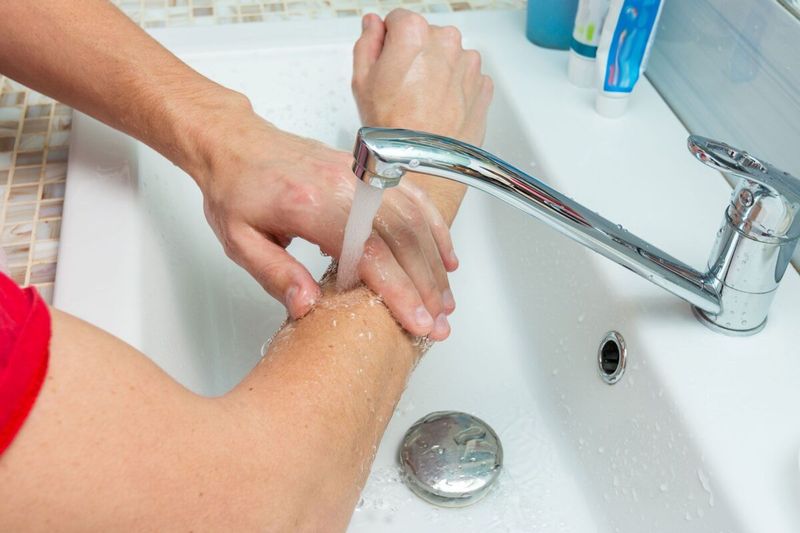
If a bite does happen, wash the wound promptly with soap and water, then contact a health professional. That is ordinary first aid for any animal bite, and a clinician can judge whether you need more care.
Rabies is part of why a call is wise. CDC guidance calls for medical or public-health assessment after a possible rabies exposure from a mammal.
That is general advice for bites from wild mammals, and it does not show that shrews are a significant source of rabies. For Missouri-specific background, see MDC’s page on rabies.
Most gardeners will never need any of this. If you spot a shrew, let it carry on with its work, which includes eating a great many insects.
A creature that small, with a venom that big, deserves our curiosity and a respectful distance.
Share this story