Your Delaware backyard might look quiet, but it is home to more venomous creatures than most people realize. Spiders, caterpillars, wasps, and even a snake or two share the grass, woodpiles, and garden beds with you.
Late fall is when many of them become easier to spot, because cooler weather pushes them to move, hide, or look for warm shelter. Knowing who they are and where they show up can help you stay safe while you rake leaves and clean up the yard.
1. Northern Copperhead
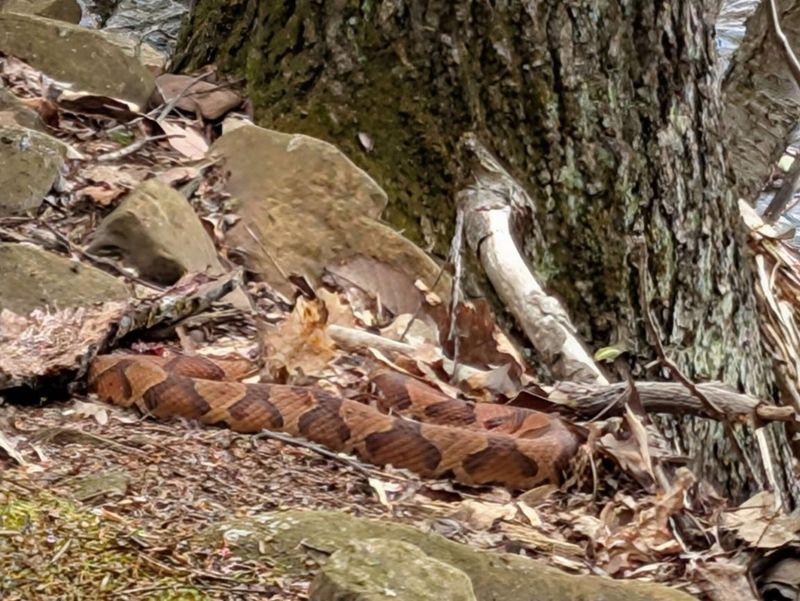
Blending into a pile of brown oak leaves is what a copperhead does best. Its tan and copper hourglass bands look almost exactly like the forest floor in November.
That camouflage is the whole reason people step too close.
In Delaware, copperheads are mostly found in the northern Piedmont area, around rocky hillsides near New Castle County. They are the only venomous snake you are likely to see in the state.
Bites are rarely deadly, but they hurt badly and need a trip to the hospital.
Late fall is when copperheads travel back to their winter dens, often rocky crevices they share with other snakes. On warm afternoons, they may bask on stone walls, sunny steps, or wood piles.
Wear gloves and use a rake, not your hands, when moving leaf piles near rocky spots.
2. Black Widow Spider
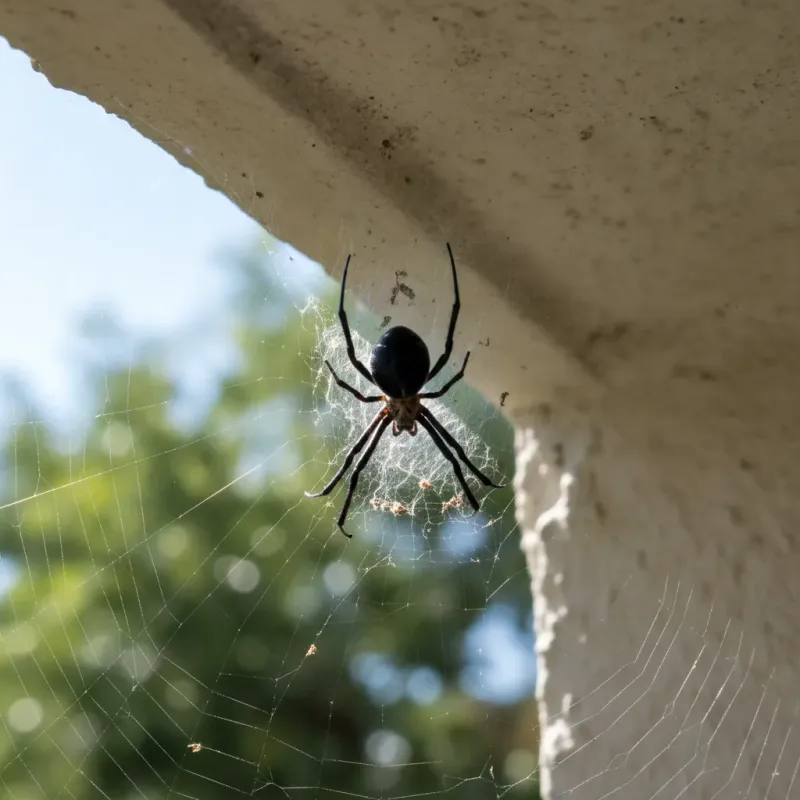
Ever reached under a patio chair in October and pulled back a sticky, tangled web? That messy kind of web is a calling card for the black widow.
Unlike neat round webs, hers look like a jumbled cobweb in a dark corner.
Southern and northern black widows both live in Delaware. The females are glossy black with a red hourglass on the belly, while males are small and harmless.
Their venom affects nerves and can cause strong cramps, though serious cases are uncommon.
As nights turn chilly, widows tuck into sheds, garages, flower pot rims, and stacked firewood. Fall cleanup is when hands go into exactly those places.
Shake out gloves and boots stored in the garage before putting them on.
3. Brown Recluse Spider
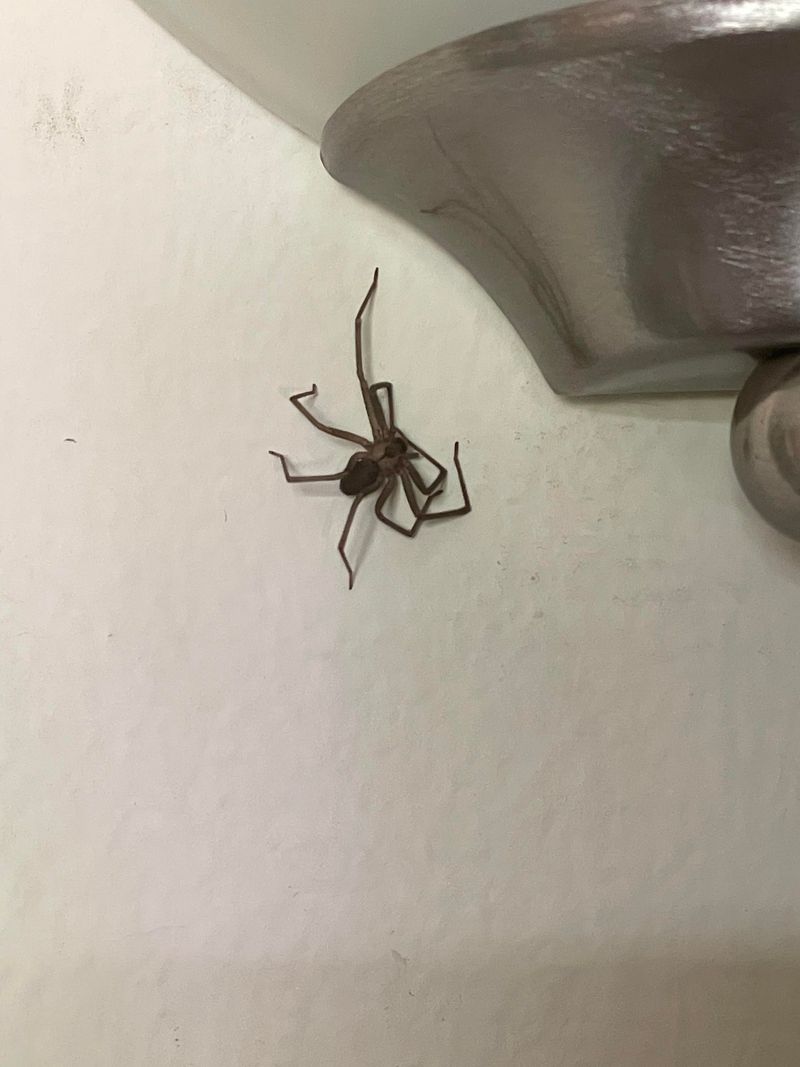
Here is a twist: the brown recluse is not truly native to Delaware. Still, a few have been found here, usually riding in on moving boxes or shipped furniture from southern states.
You can spot one by the dark violin shape on its back and its six eyes arranged in pairs. Most spiders people call recluses are actually harmless look-alikes.
A real recluse bite can cause a slow-healing sore, so it is worth knowing the difference.
When fall arrives, any stray recluse heads indoors to closets, basements, and storage bins. If you are pulling out holiday decorations, open boxes carefully.
Sticky traps along basement walls are an easy way to see what is actually crawling around.
4. Eastern Yellowjacket
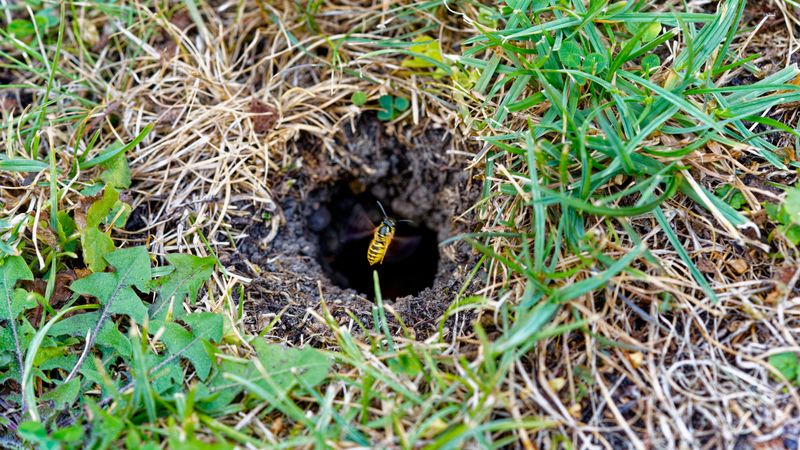
Nobody warns you that fall is yellowjacket rage season. By September and October, their colonies are at their biggest, and the workers have run out of jobs.
Hungry and cranky, they crash picnics and tailgates looking for sugar.
Many Delaware yellowjackets nest underground, often in old rodent holes. Running a lawn mower over one can send dozens out at once.
Unlike honeybees, they can sting again and again.
The good news is that the first hard frost kills off most workers, leaving only queens to hibernate. Until then, cover drinks outside and watch for steady traffic into one spot in the grass.
Mark that spot and mow around it.
5. Bald-Faced Hornet
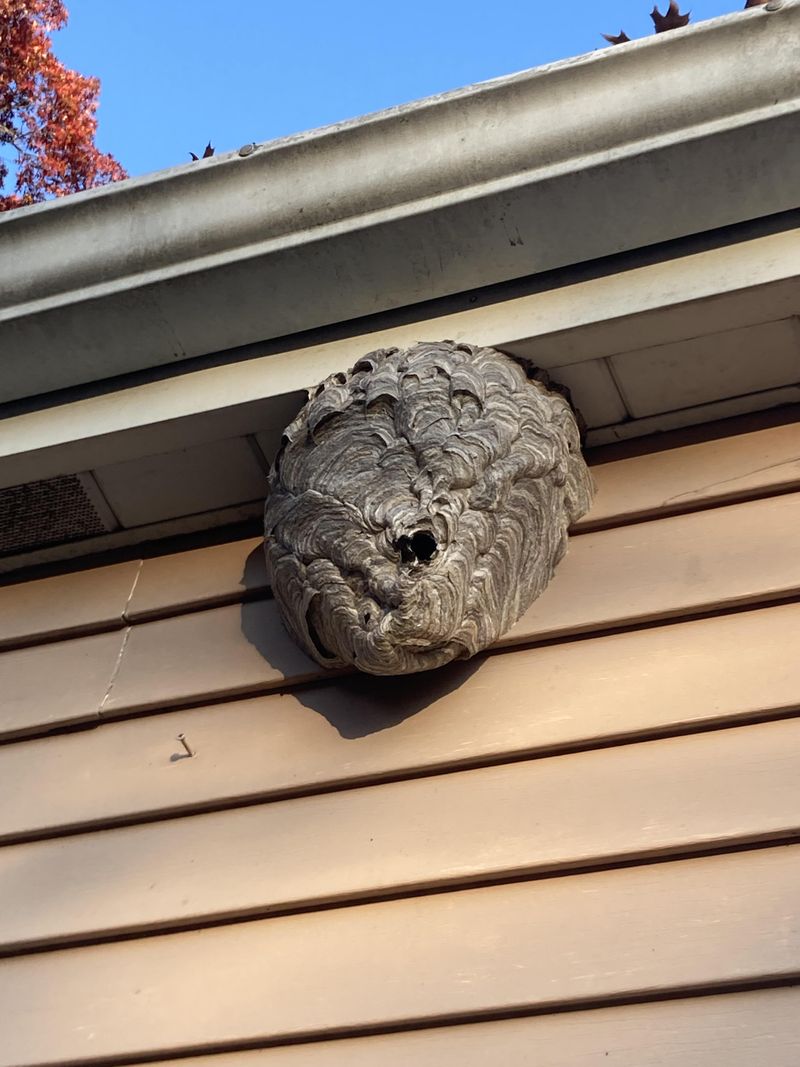
Leaves drop, and suddenly there it is: a gray paper nest the size of a basketball hanging right above the swing set. Many families only discover bald-faced hornets after the trees go bare.
They have been there all summer.
These black-and-white wasps are protective of their homes and will chase anyone who bumps the nest. Their stings pack a punch.
Despite the name, they are actually a type of yellowjacket, not a true hornet.
By late November, the colony dies off and the nest is empty. Birds and weather break it apart over winter.
If you spot one in fall, waiting for a few hard freezes is often the smartest plan.
6. Saddleback Caterpillar
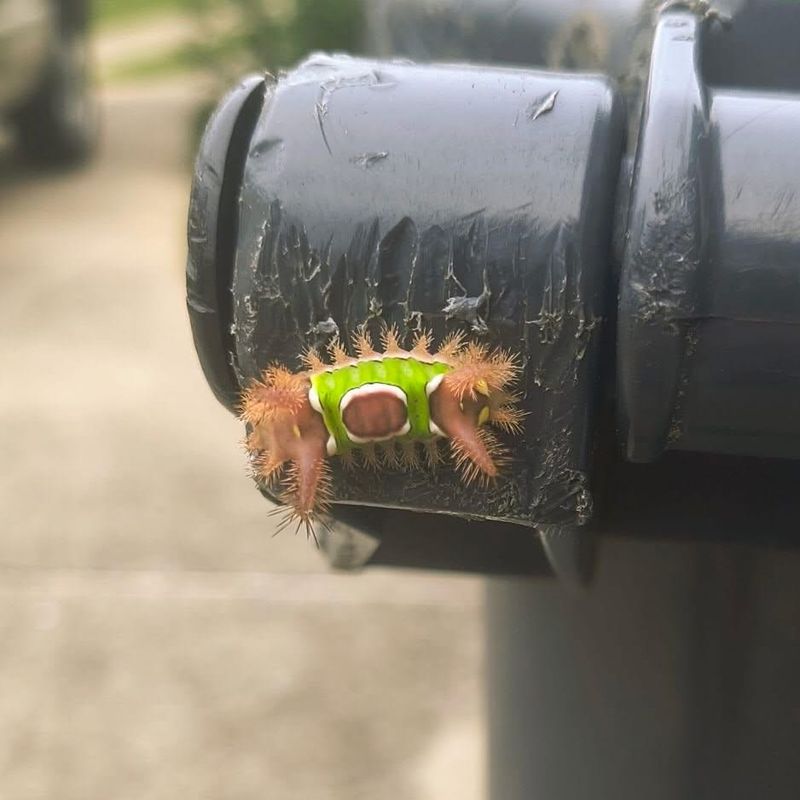
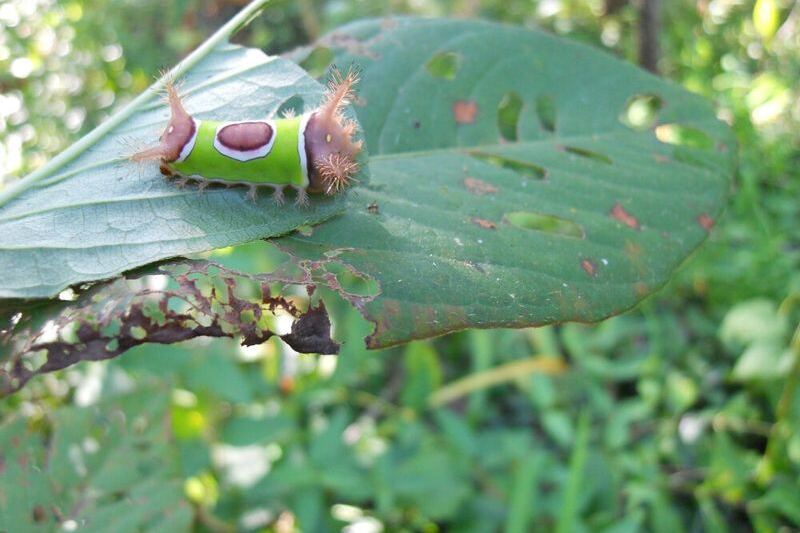
It looks like a tiny green saddle with a brown spot, almost like a cartoon. Kids love it on sight.
That is exactly the problem.
The saddleback caterpillar is covered in hollow spines that inject venom when touched. A brush against one can cause burning pain, swelling, and a rash that lasts for days.
In Delaware, they feed on oak, maple, corn, and many garden plants.
Early fall is prime saddleback season, and they often drop into leaf litter before spinning cocoons. Kids grabbing pretty leaves might find one by accident.
If stung, press tape on the spot and peel it off to pull out broken spines.
7. Puss Caterpillar
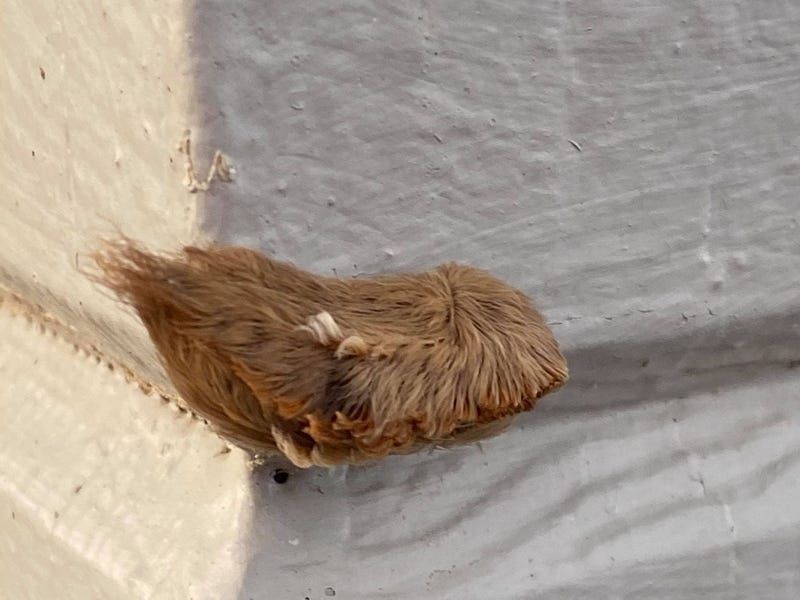
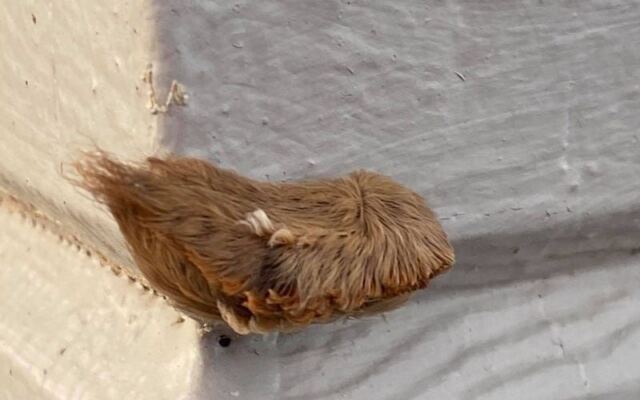
Soft, fluffy, and shaped like a little toupee, the puss caterpillar seems too cute to cause trouble. Under that fur, though, are some of the most painful venomous spines of any North American caterpillar.
They are less common in Delaware than in southern states, but they do show up on oaks, elms, and shrubs. Stings can cause intense throbbing pain that climbs up the arm.
Some people even feel nausea.
Fall is when the last generation is crawling around on trunks, fences, and railings. A good rule for kids is simple: if it is fuzzy, do not pet it.
Call an adult instead.
8. Eastern Velvet Ant
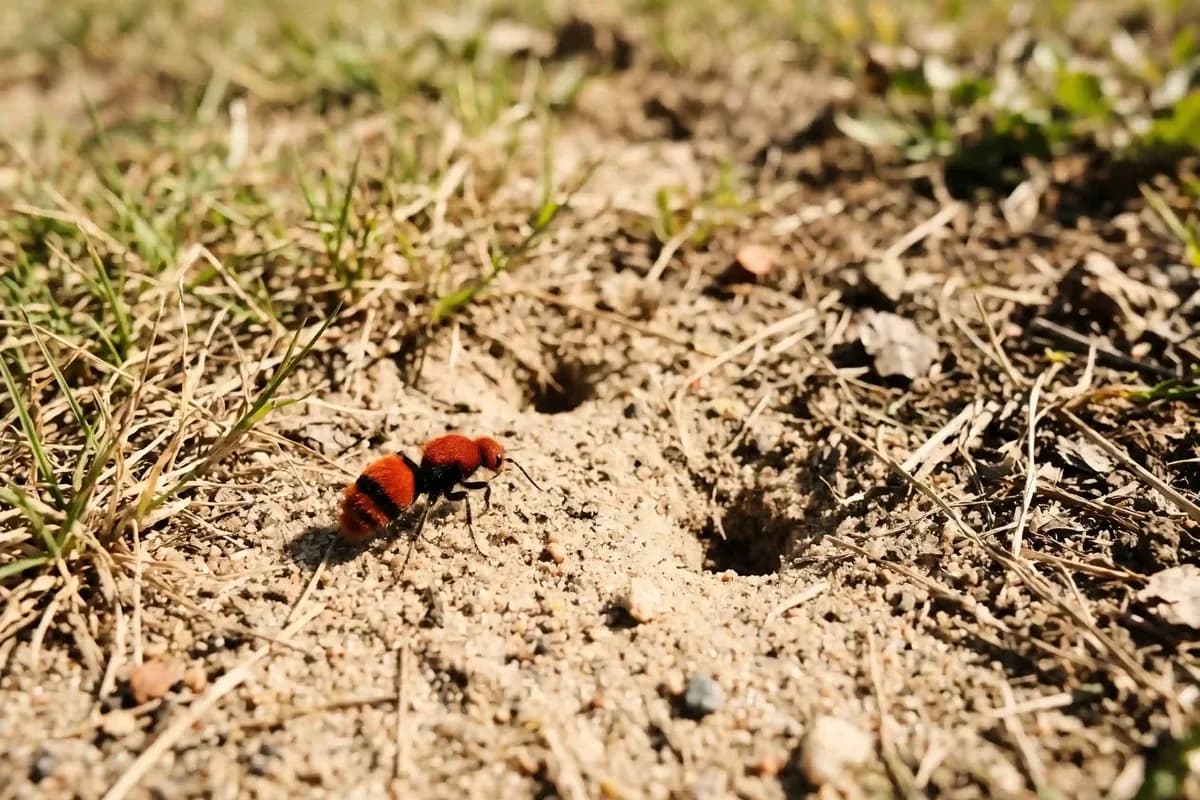
Nicknamed the cow killer, this fuzzy red insect sounds scarier than it really is. It cannot kill a cow.
Its sting, however, is famous as one of the most painful in the insect world.
Velvet ants are actually wingless female wasps, not ants at all. They like sandy soil, so they turn up in Sussex County yards and near the beaches.
Their bright colors work as a warning sign to predators.
You will mostly see them in late summer and early fall, wandering alone across bare ground. They are not aggressive and only sting when grabbed or stepped on.
Wear shoes outside, and let them go on their way.
Share this story