You flip over a log in your Delaware backyard and something wriggles, buzzes, or hisses right at you. Your heart races, but here is the good news: plenty of the scariest-looking animals in the First State cannot hurt you at all.
Knowing which critters are bluffing helps you stay calm, keeps these helpful animals safe, and makes every hike a lot more fun. Here are seven local tricksters that are all show and no venom.
1. Eastern Hognose Snake
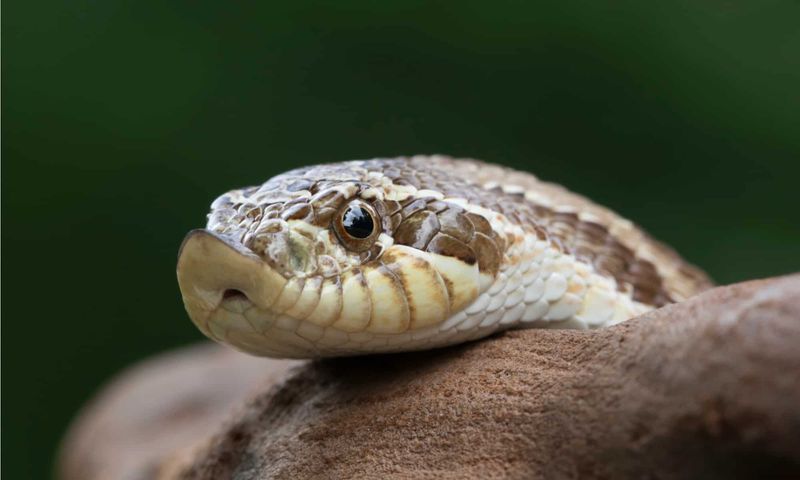
Picture a snake that spreads its neck like a cobra, hisses loudly, and lunges at you. Now picture that same snake flopping onto its back, sticking out its tongue, and pretending to be dead.
Meet the eastern hognose, the biggest drama queen in Delaware.
Found in sandy areas like the pinelands of Sussex County, this snake uses its upturned snout to dig up toads, its favorite meal. When threatened, it puts on its whole act instead of biting.
Even if you flip it back over, it will often roll right back onto its belly, as if saying, I told you, I am dead.
Hognose snakes almost never bite people. Their bluff is so good that many folks mistake them for rattlesnakes or copperheads, which sadly leads to some being killed.
If you spot one, enjoy the show from a distance and let the little actor go on its way.
2. Northern Water Snake
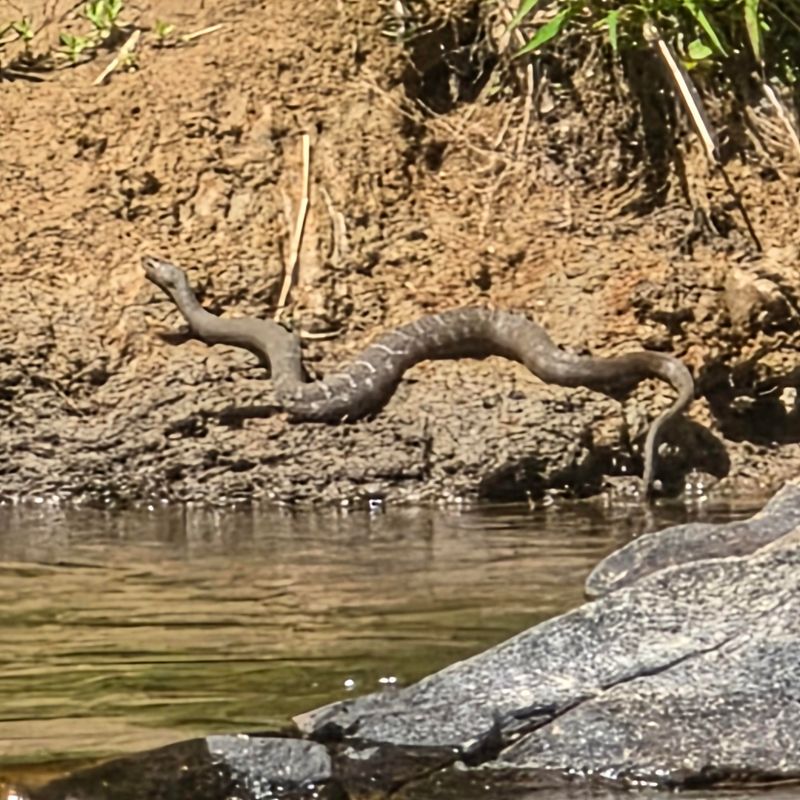
Ask any fisherman along the Brandywine and you will probably hear a story about a water moccasin. Here is the twist: Delaware does not have water moccasins.
What people almost always see is the northern water snake.
With thick bodies, dark bands, and a habit of basking on logs over water, these snakes look the part of a dangerous viper. They can also be grumpy when grabbed, biting and releasing a stinky musk.
Still, they have no venom, and a bite is about as serious as a scratch from a blackberry bush.
Water snakes spend their days hunting fish and frogs in ponds, streams, and marshes. They are a sign of a healthy waterway.
Give them space and they will happily slip into the water without a fuss.
3. Eastern Milk Snake
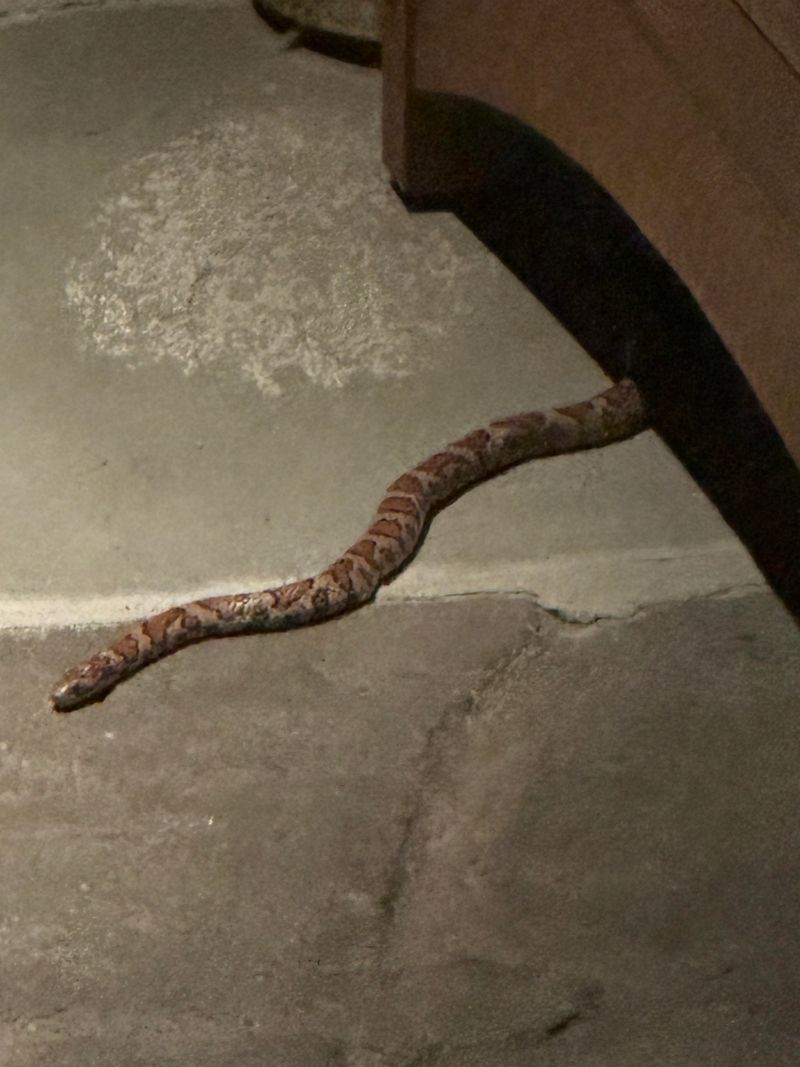
Old farm tales claimed this snake sneaked into barns to drink milk straight from cows. That is pure fiction, but the name stuck.
The real reason milk snakes hang around barns is mice, lots and lots of mice.
Their reddish-brown blotches outlined in black make many people think of a copperhead. A closer look shows the difference: copperheads have hourglass-shaped bands, while milk snakes have neat, saddle-like spots and a slimmer head.
Milk snakes may also shake their tails in dry leaves, making a buzzing sound that mimics a rattlesnake.
Fun fact: milk snakes are a type of kingsnake, and kingsnakes can eat other snakes, including venomous ones. Having one around is like hiring a free pest control service.
4. Eastern Hercules Beetle
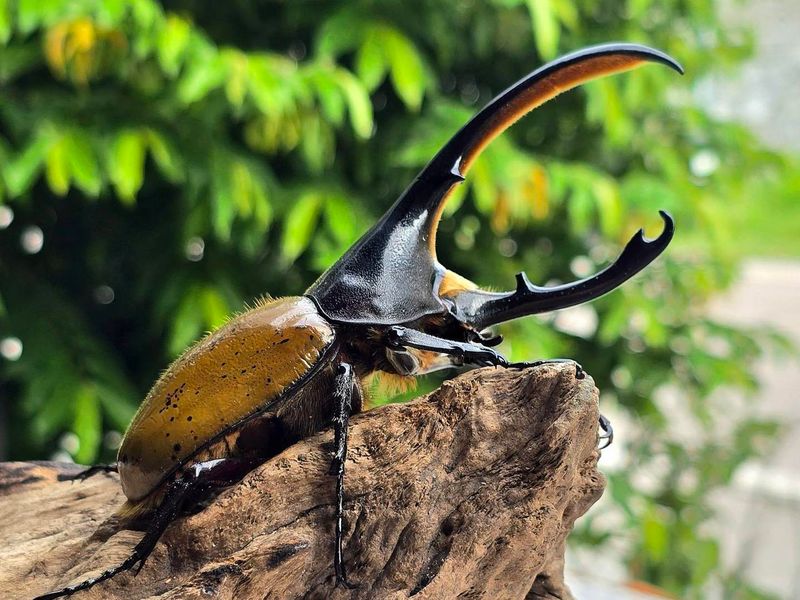
Two inches long, armed with giant horns, and heavy enough to clunk against your porch light. The first time you meet an eastern Hercules beetle, it feels like something out of a monster movie.
Only the males carry those big horns, and they use them to wrestle other males, not to attack people. Their shells are usually olive green or tan with dark spots, and they can change color depending on humidity.
They spend summer nights near rotting logs, where their grubs grow for up to two years.
These beetles cannot sting and have no venom. At most, a curious kid might feel a pinch from their legs.
Kids across the country even keep them as pets, which says a lot about how harmless they really are.
5. Hummingbird Clearwing Moth
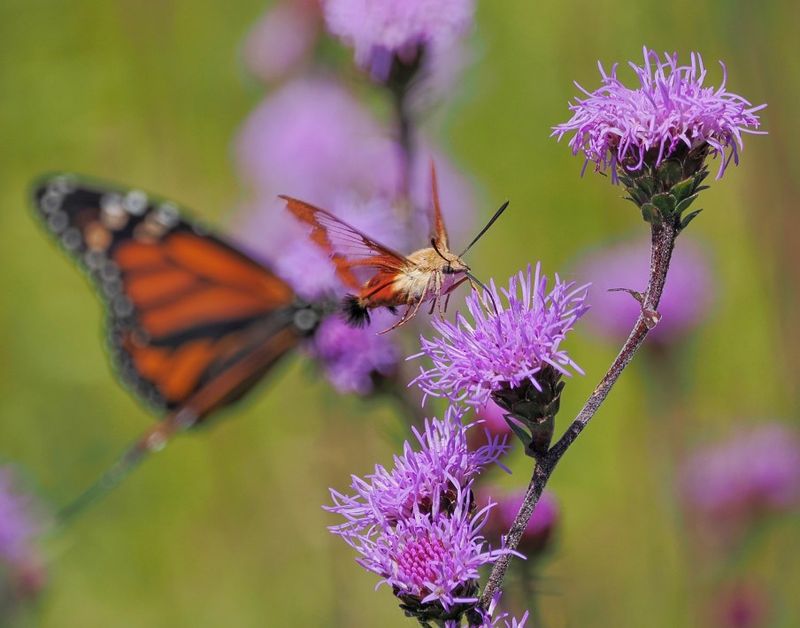
Is it a bee? A hummingbird?
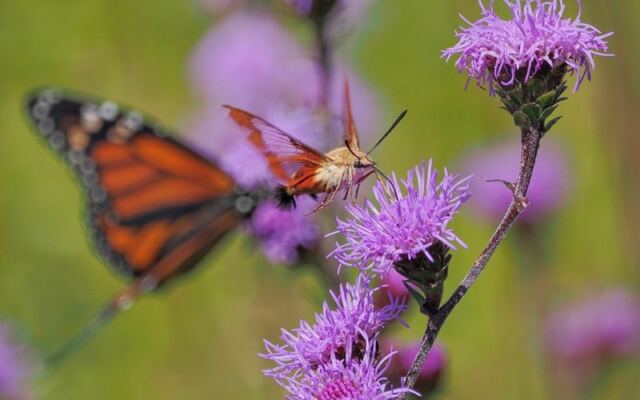
A giant flying lobster? Gardeners in Wilmington and Dover often do a double take when the hummingbird clearwing moth zips into their flower beds.
Its fuzzy, striped body and loud buzzing make it look like a huge bumblebee ready to sting. But it is a moth, and moths have no stingers at all.
It hovers in front of flowers and sips nectar through a long tongue, just like a hummingbird.
Unlike most moths, this one flies during the day, which is why so many people spot it. Plant bee balm or phlox, grab a camera, and you might catch one in action.
6. Eastern Cicada Killer Wasp
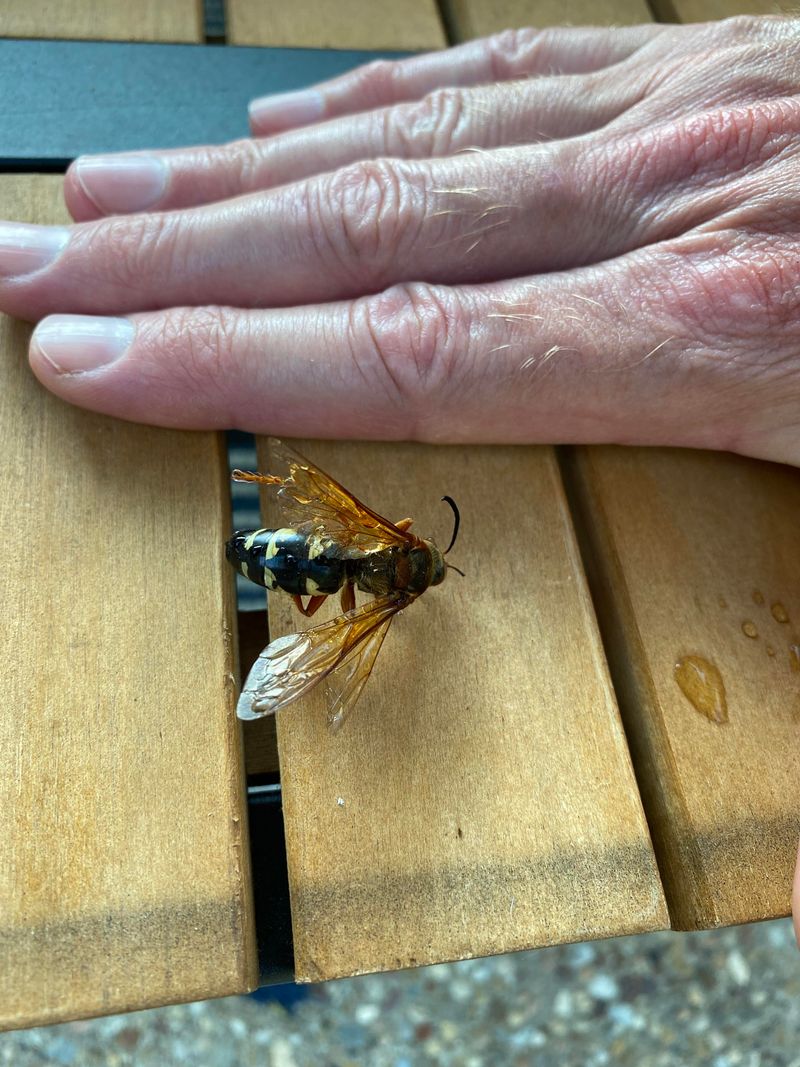
Nearly two inches of black and yellow, buzzing low over your lawn in July. Few insects cause as much panic at summer picnics as the eastern cicada killer.
Here is the secret: the big males that chase you around have no stinger. They are just guarding their territory and checking whether you might be a lady wasp.
The females can sting, but they save their venom for cicadas, which they paralyze and drag underground to feed their young.
Stings to people are extremely rare and only happen if you grab or step on one. They also do not live in nests like yellowjackets, so there is no angry swarm.
Think of them as noisy neighbors who keep the cicada population in check.
7. Dark Fishing Spider
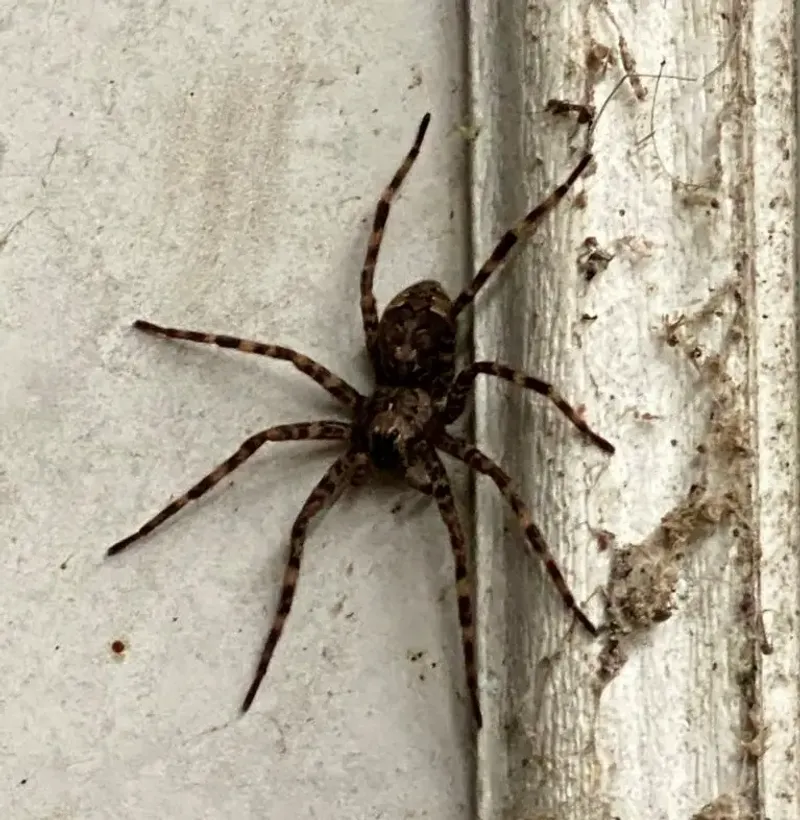
Some campers along Delaware ponds swear they have seen a spider the size of a hand. They are not exaggerating by much.
Dark fishing spiders can reach three inches across, legs included.
Their size and hairy brown legs make them look like a horror movie extra. Yet these spiders are shy and would rather run than face you.
Their venom is made for insects and tiny fish, and a rare bite feels like a bee sting at worst.
True to their name, some fishing spiders can walk on water and dive under to catch prey. Instead of screaming, maybe give a little respect to a spider that goes fishing for dinner.
Share this story