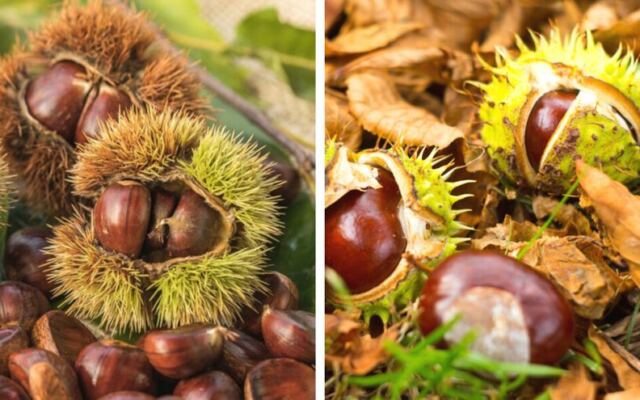
Some of the shiny brown nuts that children pick up in the fall are poisonous to eat. They are horse-chestnut and buckeye seeds, and they can look a lot like the chestnuts people roast.
Not every chestnut is dangerous, though, so knowing the difference matters. Here is how to tell them apart and what to do if a child puts one in their mouth.
Horse chestnuts are different from edible chestnuts
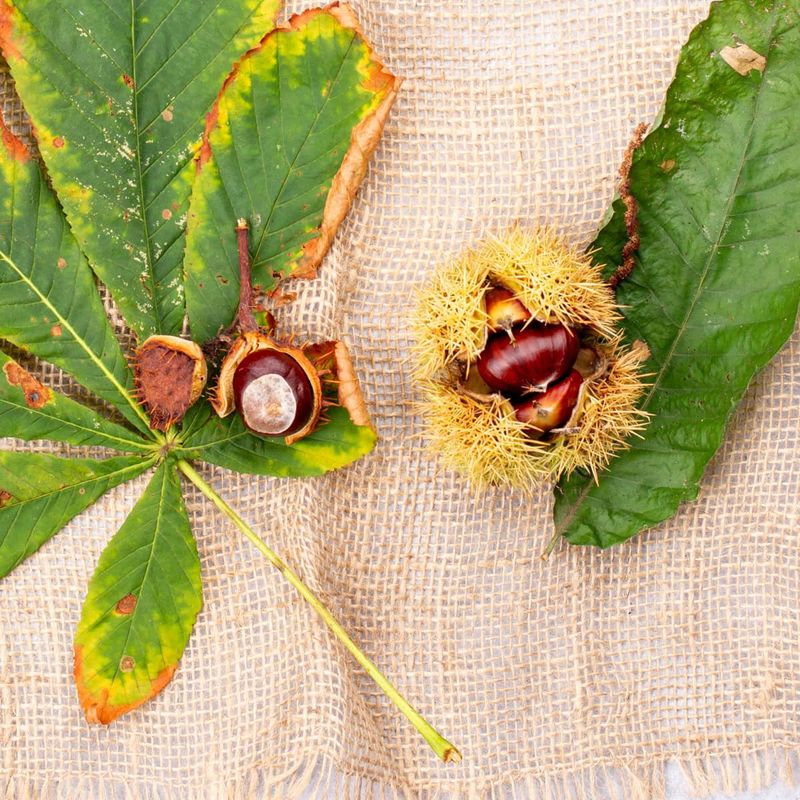
Here is the key fact: the seeds of horse-chestnut trees can be poisonous to eat, and edible chestnuts come from a completely different plant. Horse chestnut belongs to the genus Aesculus, which also includes the buckeyes.
Edible chestnuts belong to the genus Castanea.
The trouble is that the seeds can look alike. Both are glossy, rich brown, and about the size of a large marble or bigger, so a child (or an adult) can easily mistake one for the other.
Poison Control explains that horse-chestnut seeds can be mistaken for edible chestnuts, and that eating them most commonly causes stomach irritation, though more serious symptoms have also been reported.
That does not make every shiny brown nut a danger. True chestnuts in the Castanea group are a food plant, and Clemson Cooperative Extension describes how to recognize them by their features.
The warning in this article is about horse-chestnut and buckeye seeds specifically.
It also helps to keep the claim in proportion. Whether a particular child has come across one depends on which trees grow nearby, so the practical step is to learn what the tree and its seeds look like rather than to assume every glossy nut is the same.
Look at the pod, seed and leaves
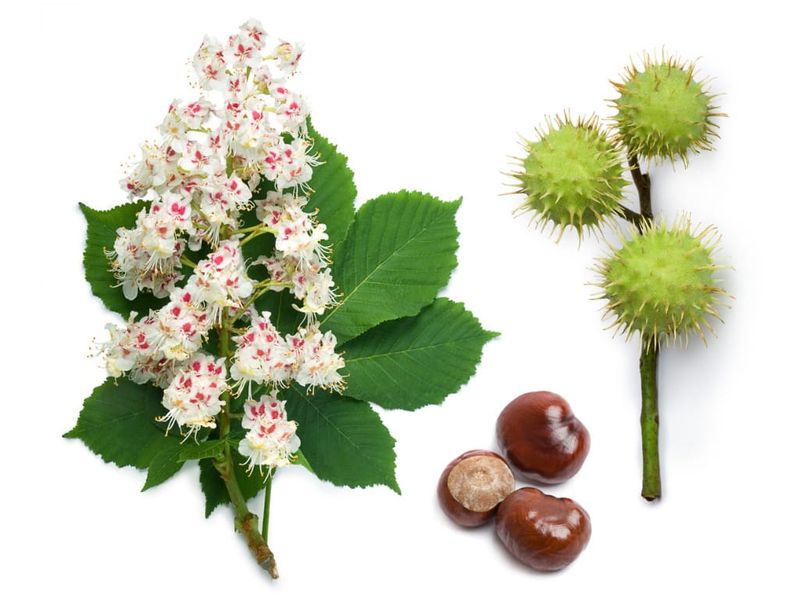
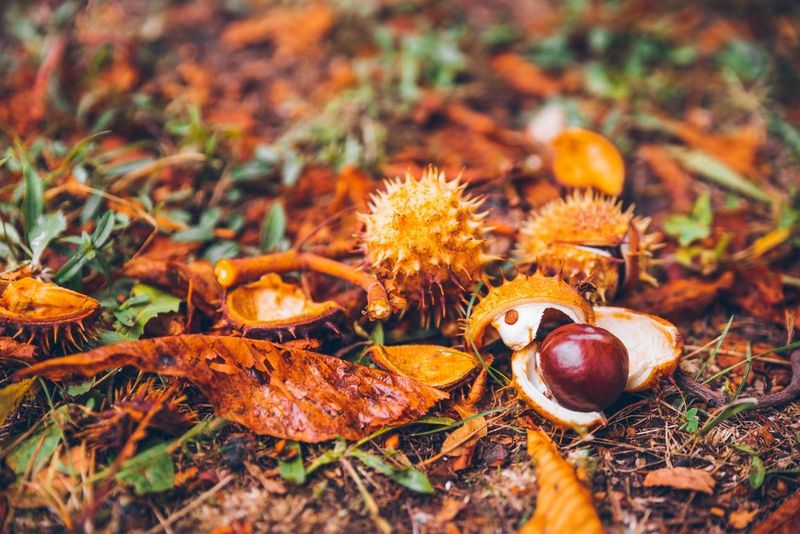
Start with the pod, because it often tells the story before the seed does. Horse-chestnut husks are leathery, with spikes that are spaced fairly far apart, and they usually hold a single round seed.
Poison Control describes the seed as round with a pale spot.
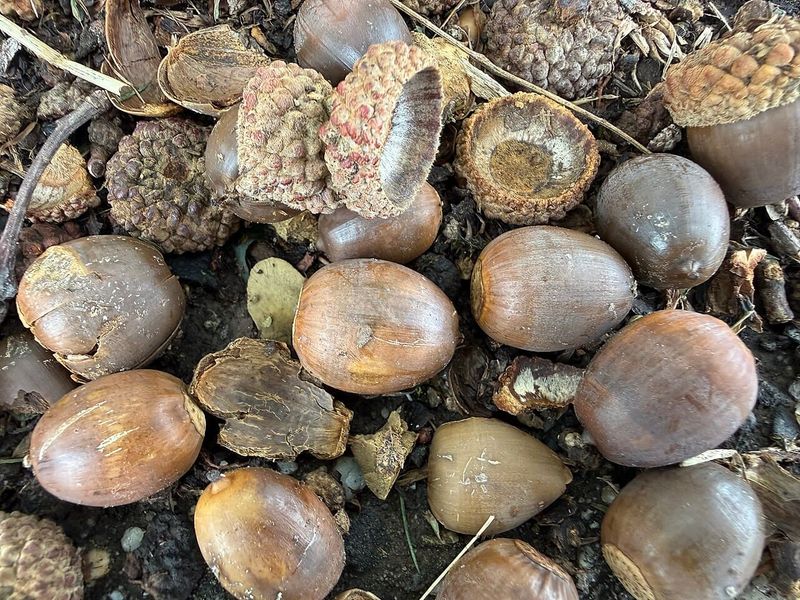
Edible chestnut burs look different. They are densely spiny, almost furry in appearance, and generally contain more than one nut.
Clemson Cooperative Extension notes these differences in its chestnut guide.
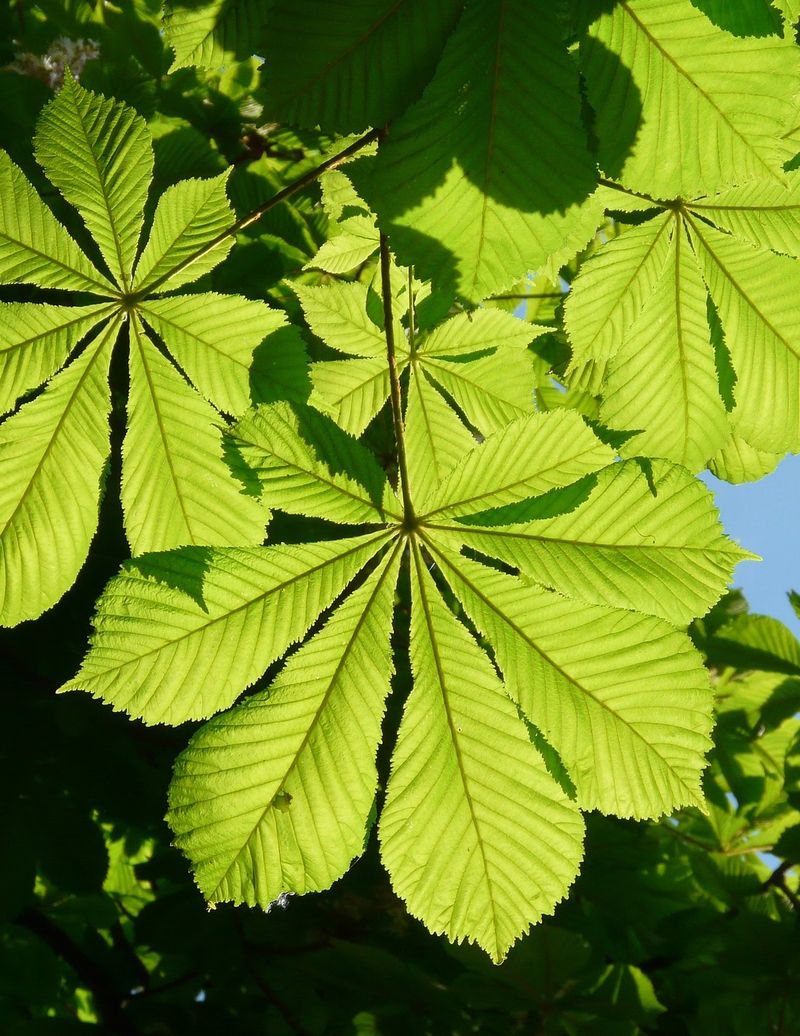
Next, look up at the tree. Horse chestnut has large, hand-shaped compound leaves, with several leaflets fanning out from one point.
NC State Extension describes this leaf pattern for the common horse chestnut. True chestnuts have simple leaves instead, each one a single long blade with toothed edges.
Treat all of this as a set of clues, not a guarantee. Seeds picked up off the ground may have fallen out of their husks, and trees are not always easy to identify at a glance.
If you cannot tell for sure, assume the seed is not safe to eat.
Above all, no one should taste an unknown seed to figure out what it is. Looking closely at the husk, the seed, and the leaves is the safer way to check.
Keep raw horse chestnuts out of mouths
Raw horse-chestnut seeds are not safe to eat, and the same goes for other raw parts of the plant. According to the National Center for Complementary and Integrative Health, raw seeds, bark, flowers, and leaves are unsafe when taken by mouth.
You may have seen horse chestnut sold as a supplement. Those products are made from standardized extracts in which the toxic component has been removed.
That is a manufactured, processed product, and it is a very different thing from a raw seed picked up in a park.
In other words, a supplement label says nothing good about a nut found on the sidewalk. An extract does not make a found seed safe, and boiling, roasting, or peeling one at home is not a reliable fix.
It is also best not to pin the risk on a single named chemical. Sources describe the toxic components of horse chestnut in different ways, and the simple, dependable rule is that the raw plant, especially the seed, should stay out of mouths.
For families, that can be a short rule: seeds from the ground are for looking and collecting, not eating. Washing hands after a gathering session is a good habit too.
Symptoms and timing can vary

The most commonly reported symptoms after eating a horse-chestnut seed are abdominal pain, nausea, vomiting, and diarrhea. Poison Control reports that symptoms often begin within 15 minutes to 3 hours.
That range is a general description, not a prediction for one child. Timing and severity can vary, and the Missouri Poison Center also lists horse chestnut among plants to take seriously.
Reported outcomes differ quite a bit. Poison Control describes an adult and a child who each tasted a seed, spat it out, and stayed symptom-free.
It also documents stomach upset after a larger ingestion, and there are rare reports of severe reactions.
Those cases show a wide spread, and they should not be used to guess what will happen to a particular child. A small taste does not prove a child is safe, and a lack of symptoms in the first few minutes does not either.
For the same reason, there is no number of seeds that counts as safe, and no number that counts as dangerous. Age, amount, timing, and symptoms all matter, and a poison specialist is the right person to weigh them.
Keep a note of the time the child may have swallowed the seed and any symptoms that appear. That information will be useful on the phone.
Call Poison Control promptly

If a child may have swallowed a horse-chestnut seed, call Poison Control right away instead of waiting to see whether symptoms show up. In the United States the number is 1-800-222-1222, and Poison Control’s help page explains how to reach a specialist by phone or online.
The New York State Department of Health lists that same number for the state’s regional poison centers. There is no separate New York number to look up, so one number works wherever you are.
The specialist will ask questions to size up the situation. Helpful details include the child’s age and weight, how much may have been swallowed, when it happened, and any symptoms so far.
If you can, have the seed or a photo of it, and a photo of the tree or husk, ready to describe. That can help the specialist understand what the child may have eaten, even though appearance alone cannot settle the child’s risk.
The call is free and confidential, and the person on the line can tell you whether to watch the child at home or get care in person. Saving the number in your phone before fall begins takes about ten seconds.
What to do right now
While you are reaching Poison Control, begin with the basics. Wipe out the child’s mouth to remove any pieces of seed, then have the child rinse and spit.
After that, offer a few small sips of water.
If nausea or vomiting starts, small sips of clear fluids are the next step, according to Poison Control’s horse-chestnut guidance. Keep the amounts small and let the child rest.
Do not try to make the child vomit. New York City Health advises against inducing vomiting after a poisoning, and it can cause additional problems.
Some signs mean the situation is an emergency. Call 911 right away if the person is unconscious, having a seizure, or having trouble breathing.
Do not wait for a call back from anyone in those cases.
For everything else, stay with the child, keep the phone line open for the specialist, and follow the advice you are given. If symptoms change while you are watching, tell Poison Control or the emergency team what you have seen.
Never taste an unknown seed
Horse chestnuts are bitter, but taste is not a safe test. Poison Control recommends identifying unknown plants by their features, such as the husk, the seed, and the leaves, and never by tasting them.
If a child may have swallowed a horse-chestnut seed, call 1-800-222-1222 promptly and follow the specialist’s advice.
Fall collecting can stay fun with one simple rule: the best nuts are the ones you only look at.
Share this story