Get the latest garden guides in your inbox →
Gardening Latest
  • General Gardening
  • Lawn Care
  • Plant Care
  • Composting
  • Soil Health
  • Backyard
  • Garden Muse Magazine
  • General Gardening
  • Lawn Care
  • Plant Care
  • Composting
  • Soil Health
  • Backyard
  • Garden Muse Magazine
  • News
  • Gardening Calendar
  • Garden Structures
  • Vegetable Garden
  • Vertical Garden
  • Raised Beds
  • Hydroponics
  • General Equipment
  • Community Gardens
Garden Themes
  • Spiritual Garden
  • Hydroseeding
  • Seeding and Laying Sod
  • Artificial Grass
  • Lawn Care Equipment
  • Plants
  • Trees
  • Planting Tools
  • Composting Basics
  • Fertilizer
  • Alternative Growing Mediums
  • Front Yard
  • Backyard Activities
  • Landscaping
Gardening Latest

Explore by state

Which state is your garden in?

Currently viewing Iowa

All states

Northeast

  • Connecticut —
  • Delaware 40
  • Maine —
  • Maryland 27
  • Massachusetts 43
  • New Hampshire —
  • New Jersey 27
  • New York 36
  • Pennsylvania 36
  • Rhode Island —
  • Vermont —

Southeast

  • Alabama 26
  • Arkansas —
  • Florida 27
  • Georgia 27
  • Kentucky 40
  • Louisiana 25
  • Mississippi —
  • North Carolina 25
  • South Carolina 39
  • Tennessee 23
  • Virginia 26
  • West Virginia —

Midwest

  • Illinois 25
  • Indiana 28
  • Iowa 40
  • Kansas —
  • Michigan 27
  • Minnesota 25
  • Missouri 25
  • Nebraska —
  • North Dakota —
  • Ohio 27
  • South Dakota —
  • Wisconsin 41

Southwest

  • Arizona 26
  • Colorado —
  • Nevada —
  • New Mexico —
  • Oklahoma —
  • Texas 25
  • Utah —

West

  • Alaska —
  • California 26
  • Hawaii —
  • Idaho —
  • Montana —
  • Oregon —
  • Washington —
  • Wyoming —

No state matches that search.

Site menu

Gardening Latest
  • General Gardening
    • News
    • Gardening Calendar
    • Garden Structures
    • Vegetable Garden
    • Vertical Garden
    • Raised Beds
    • Hydroponics
    • General Equipment
    • Community Gardens
    Garden Themes
    • Spiritual Garden
  • Lawn Care
    • Hydroseeding
    • Seeding and Laying Sod
    • Artificial Grass
    • Lawn Care Equipment
  • Plant Care
    • Plants
    • Trees
    • Planting Tools
  • Composting
    • Composting Basics
  • Soil Health
    • Fertilizer
    • Alternative Growing Mediums
  • Backyard
    • Front Yard
    • Backyard Activities
    • Landscaping
  • Garden Muse Magazine

Explore

  • About GardeningLatest.com
  • Contact Us

Get the latest from the garden

New guides on lawn care, plants and backyard projects, sent when they go up.

Subscribe →

Follow

  • Facebook
  • X
  • Pinterest
  • YouTube
Iowa Gardening

Those Tiny Tracks Tunneling Through Fresh Iowa Snow Belong to Voles Chewing Your Lawn

Those narrow trails showing up in your Iowa yard as the snow melts are most likely the work of meadow voles, small…

LP

By Lyle Petersen

November 27, 2026 · 6 min read

Those Tiny Tracks Tunneling Through Fresh Iowa Snow Belong to Voles Chewing Your Lawn

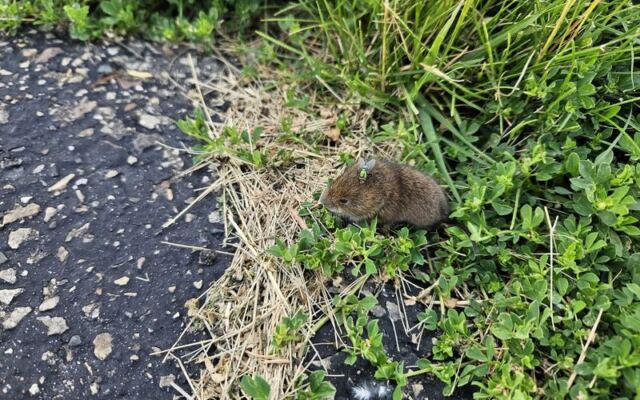
Those narrow trails showing up in your Iowa yard as the snow melts are most likely the work of meadow voles, small rodents that stay busy under the snow all winter. They nibble grass and wear thin runways into the turf, and the trails often show up once the snow pulls back.

The lawn may look rough, but the damage is often less serious than it seems. Here is how to confirm the culprit, what to expect, and what is actually worth your time.

At a glance

Where
Iowa Gardening
Hardiness zone
5 −20 to −10°F
Read
6 minutes
Published
November 27, 2026

Look for runways in the grass

Look for runways in the grass
© Fairway Green

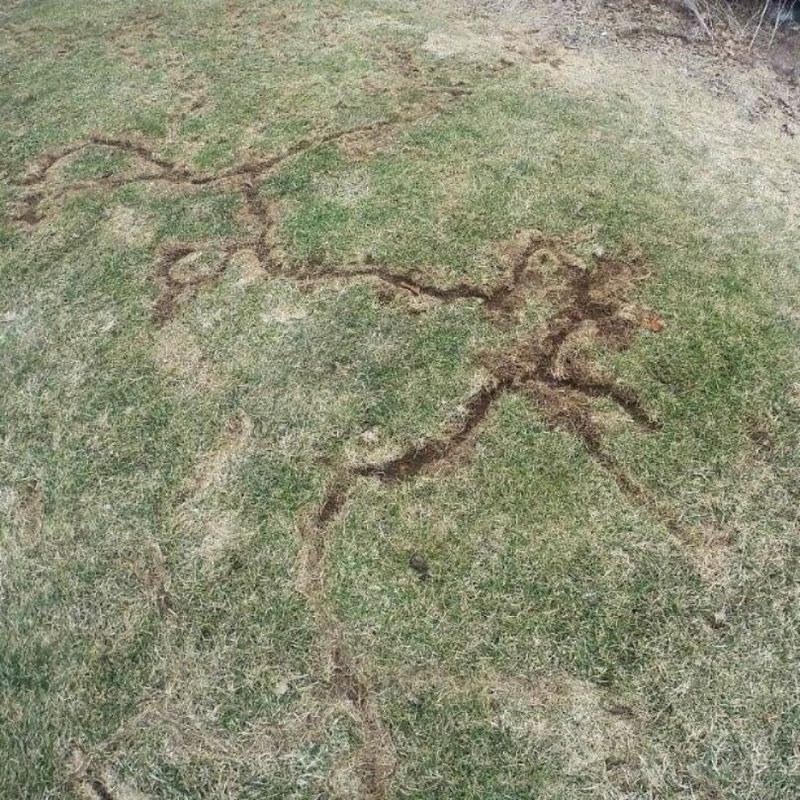
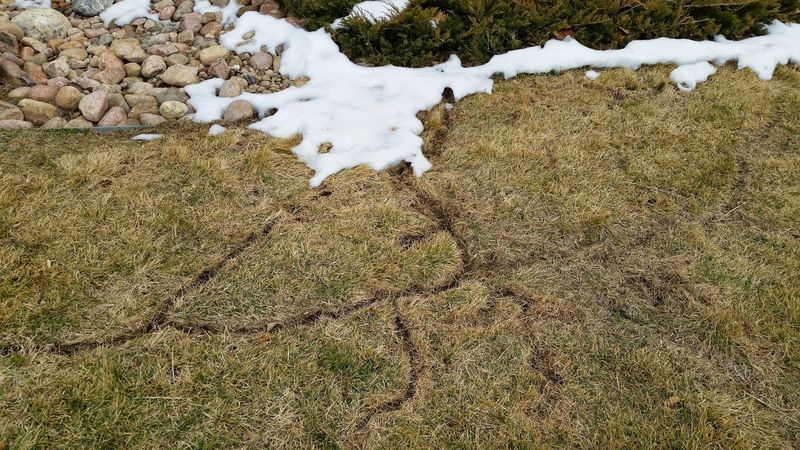
Once the snow recedes, walk the lawn and look for narrow, winding paths pressed into the turf. Iowa State University Extension describes vole runways as trails about 1 to 2 inches wide, with closely clipped or dead vegetation.

You may also spot small droppings along the path.

Tiny footprints on top of fresh snow are a weaker clue. Not every track is clear or conclusive, as the Iowa DNR points out in its guide to Iowa tracks.

Footprints alone do not prove that voles tunneled through or fed on your lawn. The grass runways, ideally backed up by other signs, are the better evidence.

Moles leave a different calling card. Their work is more associated with underground tunnels and raised soil, while voles leave clipped grass and shallow surface runways.

Penn State Extension stresses identifying the animal before you pick any control method.

Also check how fresh the trail looks. Newly clipped grass and fresh droppings suggest recent activity.

An old trail that has grown over with vegetation does not tell you voles still use it, so a quick look at the details can save you a lot of effort.

How voles make trails beneath snow
How voles make trails beneath snow
© CO-Horts

Winter does not slow meadow voles down much. According to Iowa State University Extension, they feed on grasses and other vegetation and stay active under the snow.

The blanket above them works like a roof, hiding them from view and holding in some shelter.

Tall weeds along the lawn edge give voles protected travel routes, so keep them cut down.

Beneath that roof, voles travel along shallow runways through the turf. They clip the grass as they go, which creates the narrow, winding trails you later see.

Because the paths sit right at ground level, they are hidden during the snowy months.

That hidden quality explains the timing. The runways usually become easiest to spot after snowmelt, when the covering vanishes and the flattened, clipped lanes lie exposed.

A fresh snowfall will not show you much of this activity.

It also helps to separate two things people call tracks. The turf runways are the lasting trails in the grass.

A set of tiny footprints across new snow is a different clue, and it is not a confirmed sign of vole tunneling by itself. When in doubt, wait for the melt and inspect the grass itself.

Spring damage may look worse than it is
Spring damage may look worse than it is
© Blue Grass Enterprises

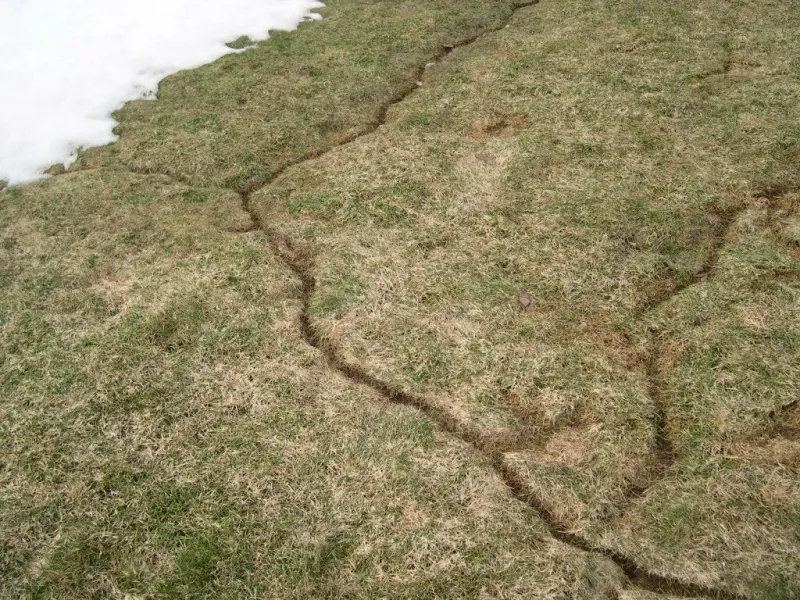
A lawn fresh out from under the snow can look alarming, with brown lanes crisscrossing the yard. Yet UMass Extension explains that vole feeding usually clips grass shoots near the crown, while the roots are typically left undisturbed.

That matters because grass with intact roots can send up new blades once the weather warms. The first look after snowmelt is often the worst look.

Many lawns improve noticeably as spring settles in.

Iowa guidance backs this up. Iowa State University Extension notes that affected lawn areas often recover within a few weeks.

Recovery is common, but it is not a promise. Severe damage may leave spots that need reseeding, especially where the turf was thin to begin with.

Treat the trails as something to watch for a few weeks, not as a sign your whole lawn is lost.

Give the lawn time, then repair bare spots
Give the lawn time, then repair bare spots
© Landscaping Winnipeg

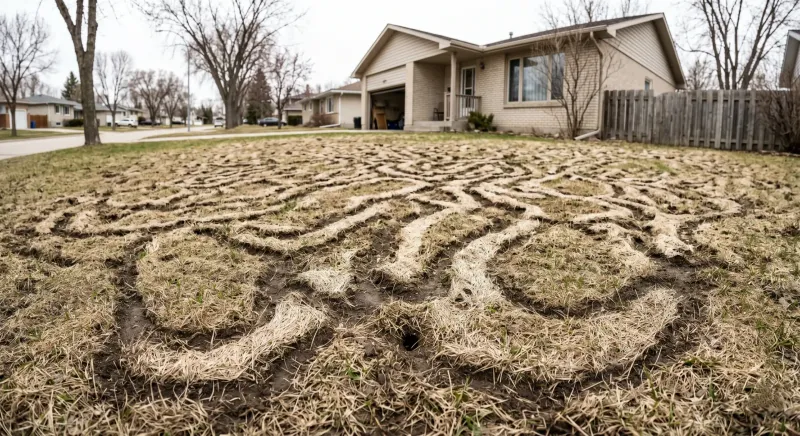
Patience is the first tool. As temperatures climb and grass starts growing, many trails fill in without any help.

A visible trail does not call for immediate treatment or reseeding.

Once the turf is dry enough to walk on, rake the damaged areas. UMass Extension recommends raking thoroughly but appropriately to clear accumulated debris and droppings.

Use a light touch so you do not tear up the healthy crowns that are trying to recover.

After raking, apply a light application of fertilizer to encourage new growth. Then give the lawn a few more weeks to show what it can do on its own.

Overseed only the areas that do not recover acceptably. Bare patches that stay bare after the grass has had time to wake up are the real candidates.

A trail that is slowly greening over can simply be left alone.

Reduce cover around the lawn
Reduce cover around the lawn
© Reddit

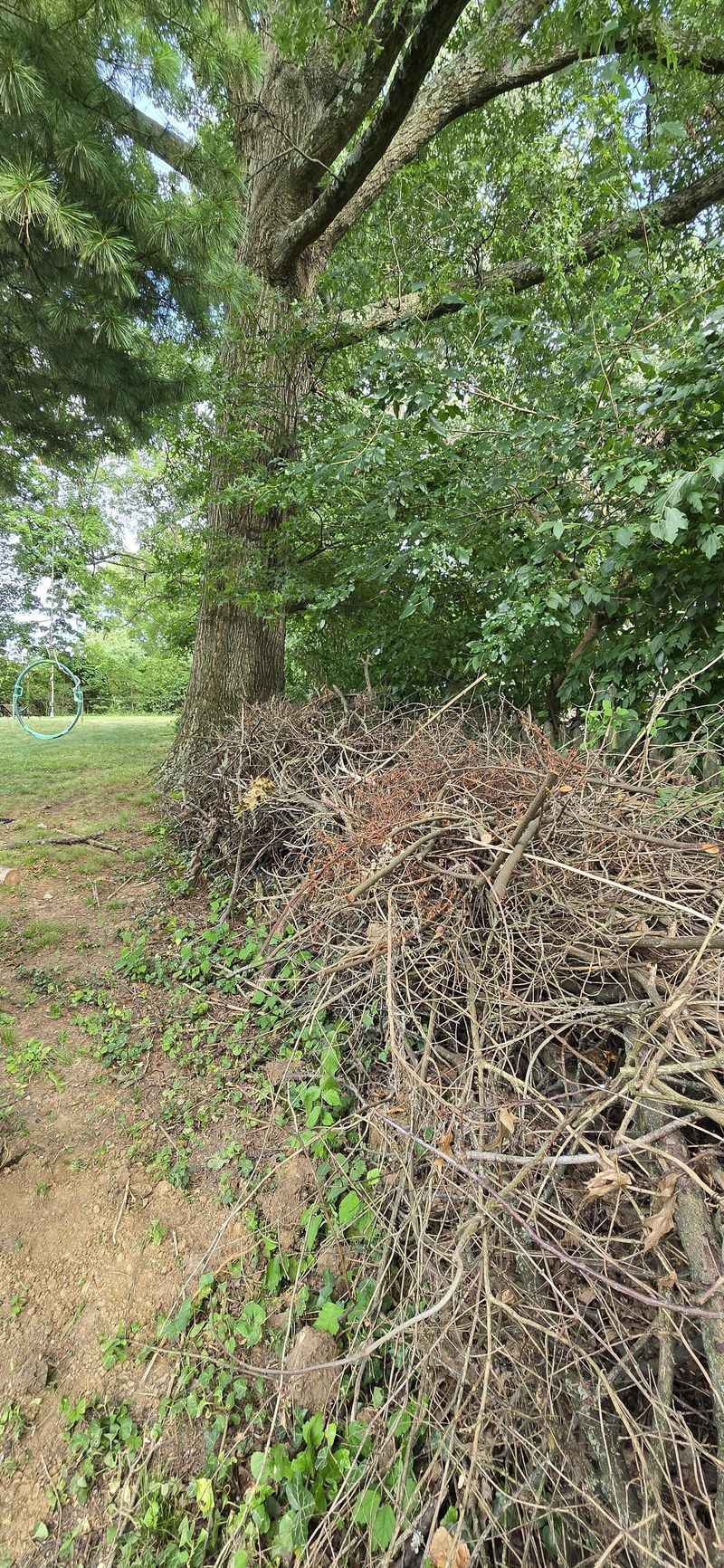
Voles like places to hide, so the goal is to make your yard feel less cozy. Iowa State University Extension points to habitat changes as a main prevention step.

Regular mowing keeps grass short and open.

Tall weeds along the lawn edge give voles protected travel routes, so keep them cut down. Brush piles, stacked wood, and compost piles are also handy shelters, so move them away from the turf.

Think of these steps as making the habitat less favorable, not as a guaranteed fix. Voles may still show up from neighboring yards or fields.

You are simply lowering the odds that they settle in next to your grass.

Mulch deserves a quick mention too. Iowa State advises keeping mulch at least 6 inches from tree trunks.

More detailed tree protection comes next.

Protect young trees and shrubs from gnawing
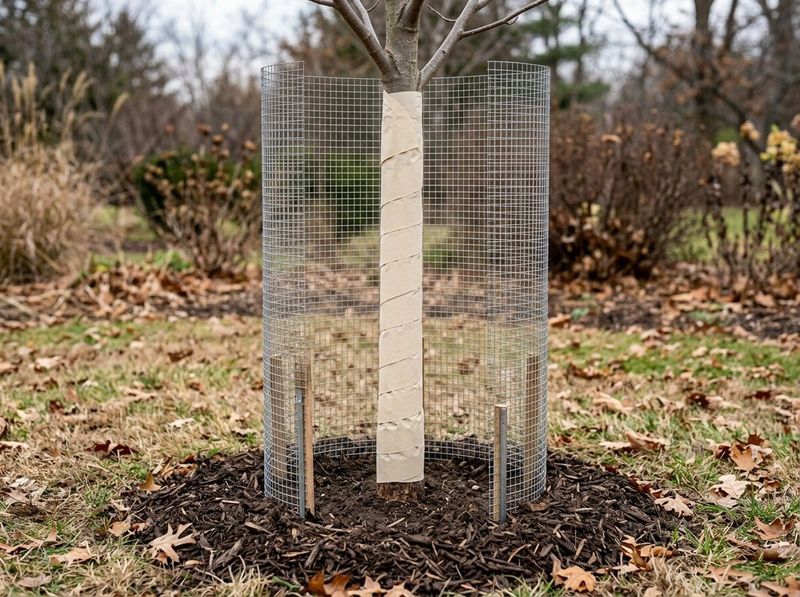
Protect young trees and shrubs from gnawing
© Colonial Classics

Trees and shrubs are where vole damage can truly matter. In winter, voles can gnaw and girdle bark, and the damage may not be noticed until spring.

Girdling a young trunk can seriously harm or kill the plant, unlike a clipped patch of lawn.

Iowa State offers a clear fix in its guidance on protecting trees and shrubs over winter. Wrap vulnerable plants in cylinders of 1/4-inch hardware cloth, with the bottom buried 2 to 3 inches in the soil.

Check any young trees now, since spring is when girdling often shows itself. Look low on the trunk for stripped or chewed bark.

Then plan to put guards in place before next winter.

This is separate from lawn repair and from clearing cover. A tree guard works plant by plant, so it is the step to prioritize if you have newly planted trees.

Trap only when active damage warrants it
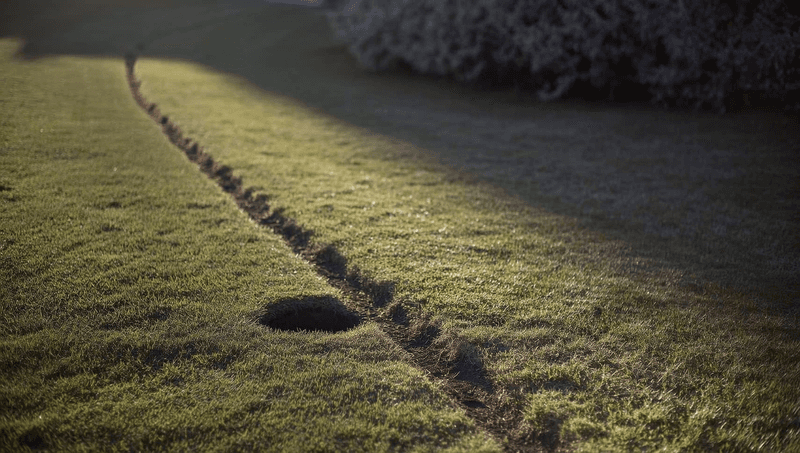
Trap only when active damage warrants it
© Boise Bug Bombers

A trail alone is not a reason to trap. The sources give no numerical action threshold, so there is no magic count of runways.

UMass notes that lawn damage is normally short-lived, while ongoing damage or risk to trees can make control worth considering.

If control is warranted in a small area, Iowa State recommends mouse snap traps baited with peanut butter and placed perpendicular to active runways. Pick runways with fresh clipping and droppings.

Protect traps with a cover so children, pets, and non-target animals cannot reach them.

Do not count on ultrasonic devices, flooding, or fumigants. UC IPM says they are ineffective in landscapes, and repellents have questionable results.

Skip casual use of rodent bait. If you consider it, confirm the specific product is labeled for your intended use, and follow its label and site restrictions.

The EPA says to keep bait out of reach of children, pets, and wildlife and to promptly remove carcasses.

Most yards need far less than people expect. Watch the grass, guard the trees, and the lawn usually does the rest.

Share this story
LP

Written by

Lyle Petersen

More from Lyle Petersen →

About Gardening Latest

Gardening Latest provides in-depth guides to maintaining and enhancing your garden and backyard. Learn how to make the most of the space you have and create a beautiful garden.

More about us →

Latest stories

  • Florida GardeningCoyotes Now Live in Every Florida County, and Their Nighttime Howls Near Your Home Mean Something

    Coyotes Now Live in Every Florida County, and Their Nighttime Howls Near Your Home Mean Something

    4 min ago
  • Maryland GardeningThat Huge Black Moth Resting by Your Maryland Porch Light Is a Harmless Visitor With a Wild Backstory

    That Huge Black Moth Resting by Your Maryland Porch Light Is a Harmless Visitor With a Wild Backstory

    11 min ago
  • Iowa GardeningThose Scratching Sounds Inside Your Iowa Walls at Night Might Be Flying Squirrels, or Mice

    Those Scratching Sounds Inside Your Iowa Walls at Night Might Be Flying Squirrels, or Mice

    17 min ago
  • Virginia GardeningThe Puss Caterpillar Sting Is Brutal, and Virginia Gardeners Need These First-Aid Steps Right Away

    The Puss Caterpillar Sting Is Brutal, and Virginia Gardeners Need These First-Aid Steps Right Away

    23 min ago
  • New Jersey GardeningYellow Jackets Set Up Shop Near Your New Jersey Home? Here’s How To Deal With Them Safely

    Yellow Jackets Set Up Shop Near Your New Jersey Home? Here’s How To Deal With Them Safely

    30 min ago

Gardening by state

Stories for your state, and the hardiness zone most of it gardens in.

Keep exploring

Read next

All Iowa Gardening →
Iowa GardeningThose Scratching Sounds Inside Your Iowa Walls at Night Might Be Flying Squirrels, or Mice
Iowa Gardening

Those Scratching Sounds Inside Your Iowa Walls at Night Might Be Flying Squirrels, or Mice

17 min ago
Iowa GardeningCan Blacklegged Ticks Be Active in Iowa in Winter? What Dog Owners Should Know
Iowa Gardening

Can Blacklegged Ticks Be Active in Iowa in Winter? What Dog Owners Should Know

2 hr ago
Iowa GardeningThat Raccoon Living in Your Iowa Chimney This Winter Is a Mother With Kits, and Here’s What to Do
Iowa Gardening

That Raccoon Living in Your Iowa Chimney This Winter Is a Mother With Kits, and Here’s What to Do

6 hr ago

More from Iowa Gardening

  • That Black Bug With Red Stripes Swarming Your Iowa Siding Wants Inside for Winter

    Nov 26
  • That Huge Silky Cocoon Hanging on Your Iowa Shrub This Winter Holds One of America’s Biggest Moths

    Nov 25
Back to top

Leave a response Cancel

Your email address stays private. Required fields are marked with an asterisk.

Gardening Latest

In-depth guides to maintaining and enhancing your garden and backyard: how to make the most of the space you have, and how to make it beautiful.

  • Facebook
  • X
  • Pinterest
  • YouTube

We may earn a portion of sales from products or services that are purchased through our site as part of our affiliate partnerships with retailers.

Explore

  • About GardeningLatest.com
  • Contact Us
  • Terms and Conditions
  • Privacy
  • Editorial Note:
  • FTC Disclosure

Newsletter

New garden guides and seasonal tips, straight to your inbox.

We’ll email you a link to confirm. Unsubscribe any time.

Almost there! Check your inbox and tap the link to confirm.

© 2026 Gardening Latest. All rights reserved.

Back to top