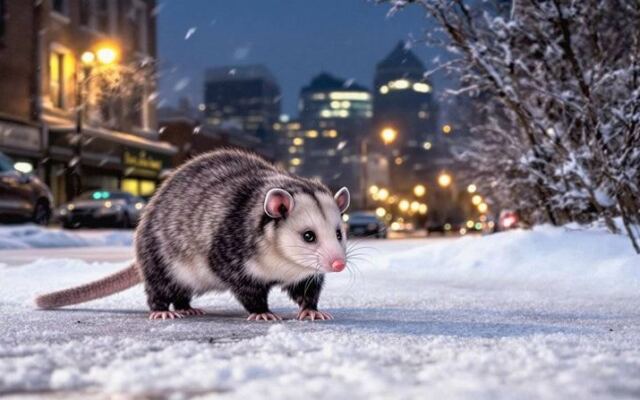
Opossums may tuck themselves into a warm, hidden spot near an Illinois home when winter turns harsh, and a porch, shed, or deck can fit the bill. Spotting one does not mean something is wrong, and it does not mean you need to panic.
A few simple habits can keep your yard less inviting and keep both you and the animal safe. Here is how to read the signs and respond with a cool head.
Why an opossum may appear near a home in winter
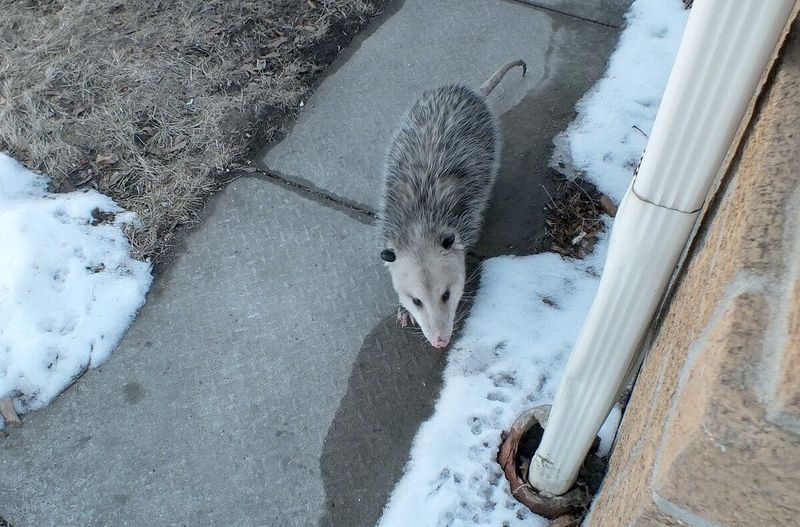
An opossum may use a sheltered spot near a house during an Illinois winter, but that is a possibility, not a promise. Homes and other buildings are only some of the places these animals might den.
Nothing in the sources we checked shows a predictable yearly movement of opossums toward residential areas, so one sighting is simply one animal making a choice.
Winter does change how opossums behave. According to Illinois DNR, opossums do not hibernate, but during bad winter weather they may stay curled up in a den for several days.
Their activity often drops when it is cold, so being active in winter does not mean being out searching for food every night.
You might also spot one in daylight. That can happen in winter, and Wildlife Illinois describes opossums as generally solitary and nocturnal, yet not strictly so.
A daytime sighting alone does not show that an animal is sick, aggressive, or rabid. A hungry animal looking for food during a cold snap is a more ordinary explanation.
Illinois opossum numbers do tend to fall by late winter, since many do not survive their first year. That is a population trend, not proof that every neighborhood sees a surge of visitors.
Keep that measured view in mind as you read the practical steps ahead, which focus on prevention, patience, and safe choices.
A home can offer ready-made shelter
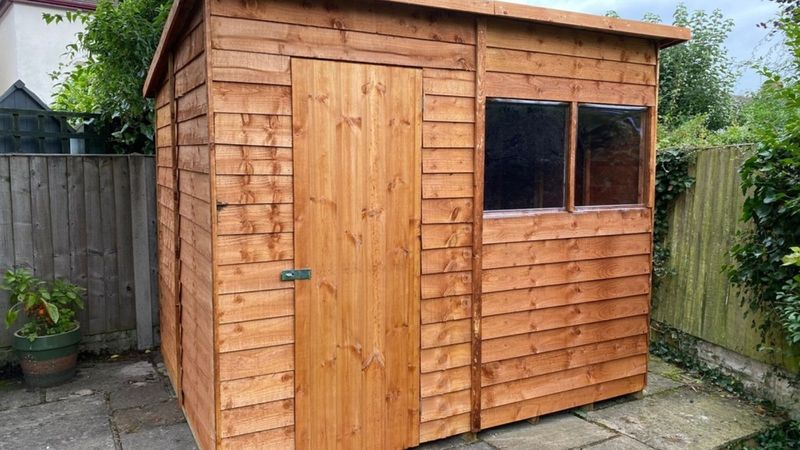
Opossums do not build their own homes. They move into whatever shelter already exists, which is why a yard can look appealing even when no one is trying to attract anything.
Wildlife Illinois lists hollow trees, brush piles, sheds, old buildings, and spaces under decks or porches among their possible dens.
Notice what that list says. Human structures are on it, but so are plenty of natural spots.
An opossum is not targeting your house; it is picking a dry, sheltered gap wherever it finds one. A woodpile, a stack of old lumber, or a loose corner of a shed can serve just as well as a porch.
Opossums also change den sites often. Seeing one near your deck on a Tuesday does not mean it has settled in for the season.
It may be passing through, checking a few spots, or heading back to a den somewhere else.
That is useful news for homeowners. If you take a walk around your property and look for gaps, cluttered corners, and dark hollows, you can spot likely den sites before an animal does.
The next section turns those observations into simple steps you can take without handling any wildlife.
Reduce food and shelter attractants safely
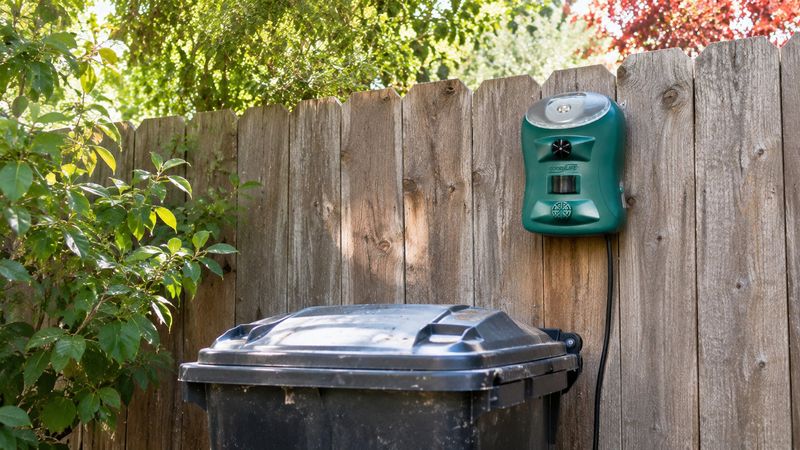
Most prevention comes down to making your yard less rewarding. Secure garbage cans with tight lids, bring pet food indoors overnight, and sweep up spilled birdseed.
Clear brush and trash piles away from buildings, as Wildlife Illinois suggests. These steps lower the odds of a visit, though they cannot guarantee an opossum will never stop by.
Openings in vents, foundations, and under porches can also serve as dens. Repair or seal them only after you have confirmed that no opossum, dependent young, or other animal is inside.
If you cannot tell whether the space is empty, read the exclusion section below or ask a wildlife professional for help.
Some popular tips are best skipped. Do not put out food for opossums, and do not try to attract them for tick control.
A study of 32 central Illinois opossums, described by Outdoor Illinois Journal, found no ticks in their stomach contents. Feeding wildlife also tends to draw in other animals.
Mothballs and ammonia are not good choices either. UC IPM says these products have not shown significant effectiveness for opossums and cautions against using them as home remedies.
Other wildlife guidance, such as the Humane Society of the United States guide, also warns against chemicals meant to harass animals.
When an opossum under a deck can stay
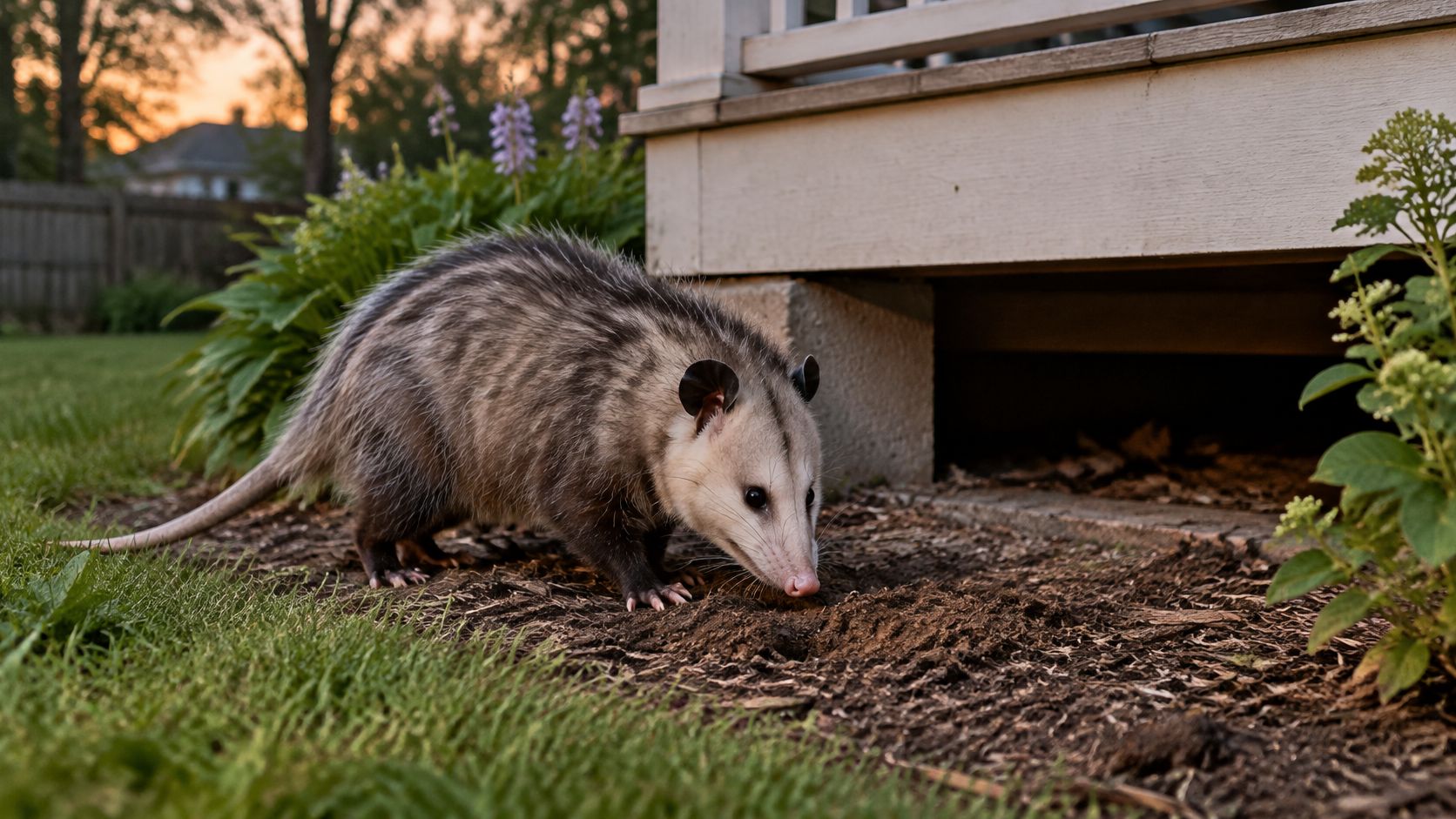
Not every opossum needs to be removed. If one is under your porch or deck and is not causing a problem, tolerating it is usually an option, as the Wisconsin Humane Society explains.
A quiet neighbor that sleeps through the day and leaves at night may cause no trouble at all.
Ask yourself a few questions. Is there damage to wiring, insulation, or siding?
Is a pet or family member likely to run into the animal? Are smells or noise becoming a bother?
If the answers are no, patience is often the easiest and safest plan.
Waiting also fits the season. Cold weather is a hard time for any animal to be forced out, and many opossums move on by themselves once conditions ease.
Meanwhile, you can keep working on food and clutter around the yard so the spot does not become a long-term den.
If you decide you want the opossum gone, the first job is to establish that it has actually left. Do not seal anything yet.
The next section walks through how to check, because guessing wrong can harm animals and create bigger problems for you.
Check that the den is empty before blocking access
Excluding an animal is a process, and it starts with checking who is home. Sealing an opening first can trap an opossum inside, where it may suffer or cause damage trying to escape.
Monitoring comes before any blocking.
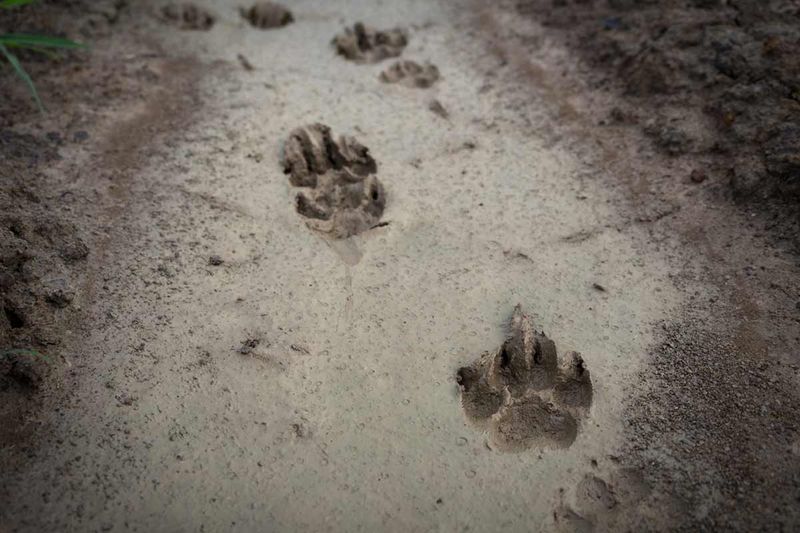
Several simple methods help. Look for fresh tracks in snow or in flour or sand spread near the entrance, or set up a trail camera pointed at the opening.
The Wisconsin Humane Society recommends confirming that an animal has left before closing a den entrance.
A few quiet days in cold weather do not prove the den is empty. Opossums may stay put during severe cold, and that winter inactivity can make an occupied den look unused.
Keep monitoring through a stretch of milder weather if you can, and watch for any sign of movement.
Also consider who else might be inside. Young may be present, and other animals sometimes share or take over dens.
UC IPM notes that a one-way door can separate a mother from her young, and wildlife professionals caution against using one unless there are no babies inside.
If you cannot establish that the space is empty, stop and call a wildlife professional. They have the experience to check safely and to choose a method that does not leave dependent animals behind.
Get professional help for substantial damage
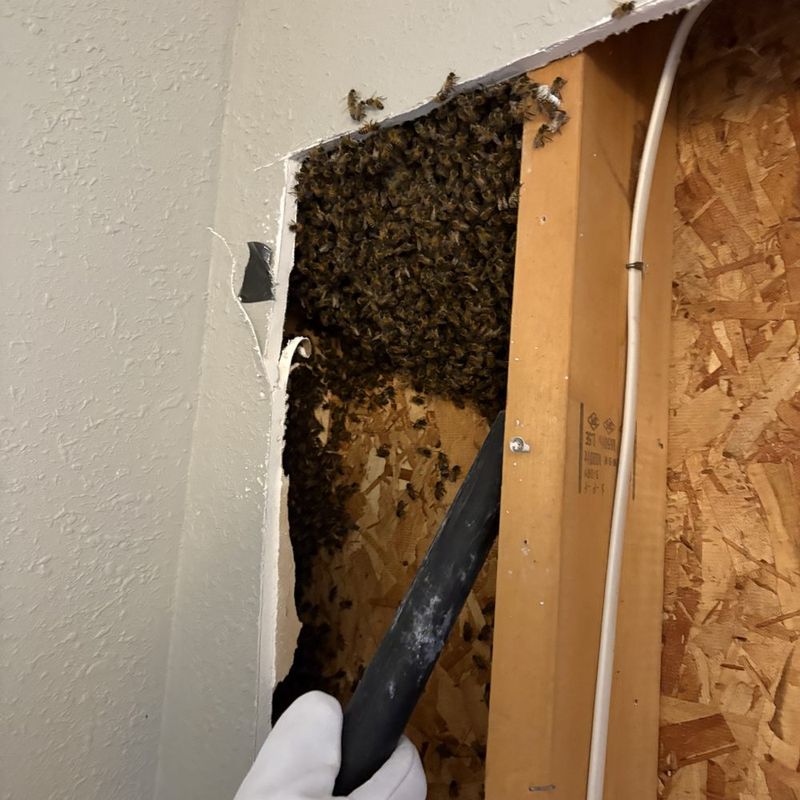
Sometimes household steps are not enough. If an opossum is causing substantial damage, such as tearing insulation, damaging ductwork, or getting into living spaces, it is time to bring in help.
The same goes for any situation that feels like a safety concern for people or pets.
Illinois points residents toward two routes. You can hire a licensed nuisance wildlife control operator, or you can look into the nuisance animal removal permit process through IDNR, described on the Wildlife Illinois permit page.
Do not assume you are allowed to trap or relocate an opossum yourself. Rules can change, and they cover things like permits, methods, and what may be done with a captured animal.
Confirm current requirements with IDNR before setting any trap.
When you call a professional, ask about licensing, how they check for young, and how they prevent re-entry after the animal is out. A good operator will talk about repairs and exclusion, not just removal.
That approach protects both your home and the animals.
Keep your distance and take bites seriously
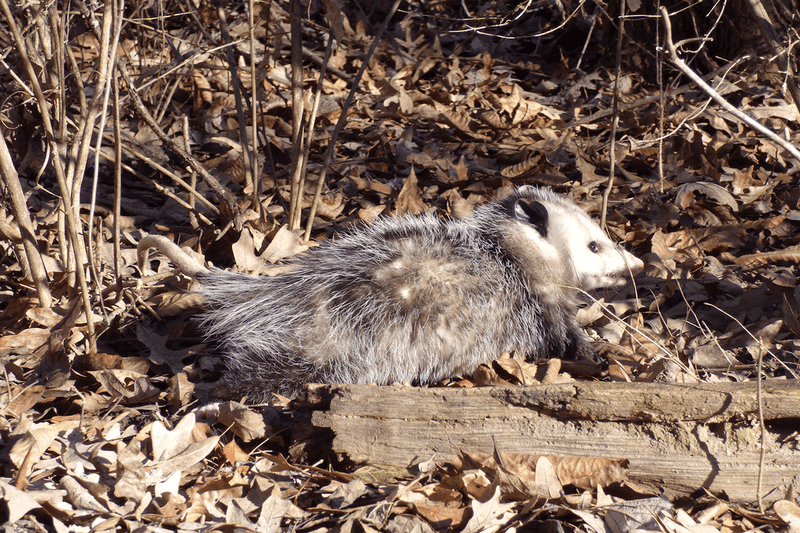
Admire opossums from afar. Do not feed them, corner them, or try to pick one up.
A frightened wild animal may hiss, bare its teeth, or bite, and handling gives it good reason to.
A daytime appearance alone does not establish rabies. As Illinois DNR notes, opossums can be active by day in winter.
Judge an animal by clear signs of trouble, not by the clock.
You may hear that opossums cannot get rabies. That goes too far.
Wildlife Illinois describes them as resistant, not immune, and says they may still carry the disease. So do not dismiss an exposure because of the species.
If you are bitten or scratched, wash the wound promptly with soap and water. Then contact a health-care provider or your local health department for an exposure assessment.
CDC guidance says any mammal can get rabies and that possible exposures should be evaluated by public-health professionals.
You do not need to diagnose the animal yourself. Describe what happened, and let the experts decide what follow-up is needed.
Choose a safe, low-disruption response
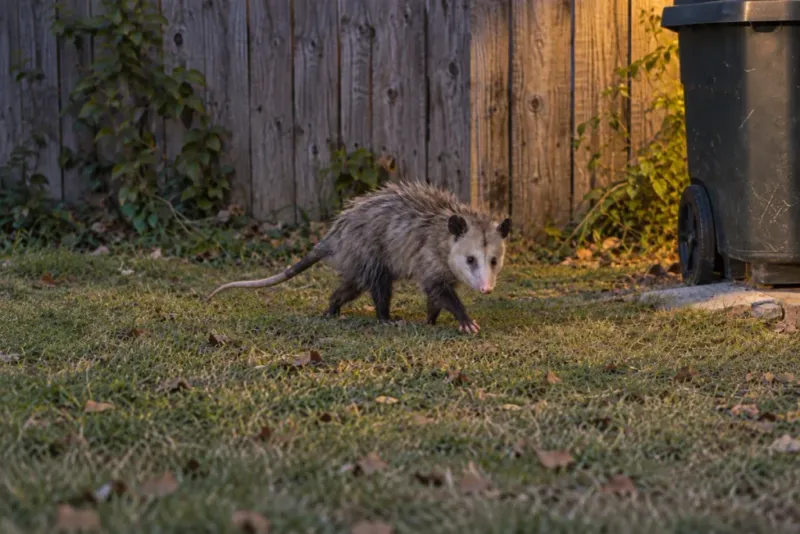
Start by making your yard less inviting, then let a harmless opossum be. If you want it gone, confirm the den is empty first, as the Wisconsin Humane Society and UC IPM advise.
For real damage or safety worries, use the Illinois removal permit resources. A quiet winter visitor is usually just passing through.
Share this story