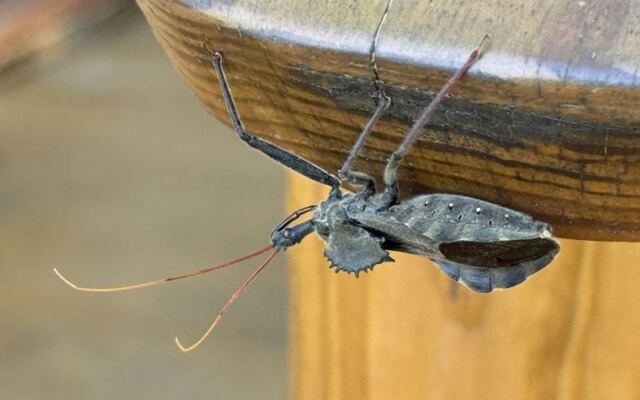
A wheel bug on your porch railing can deliver a bite that some people say hurts more than a bee sting. It is a big, gray, armored insect with a odd cog-shaped crest on its back, and it is easy to notice once you know what to look for.
Most wheel bugs never bite anyone, but knowing how to spot one helps you avoid a painful mistake. Here is how to identify it, why the bite hurts, and what to do if it happens.
Look for the Cog-Like Crest
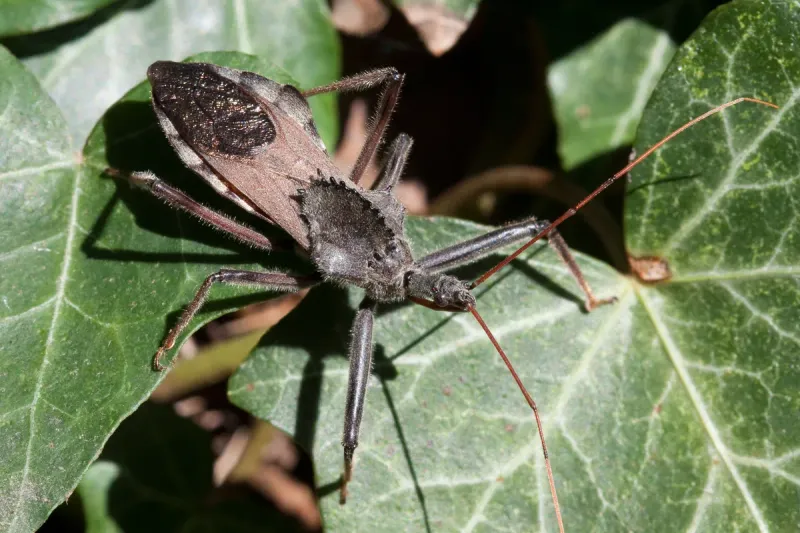
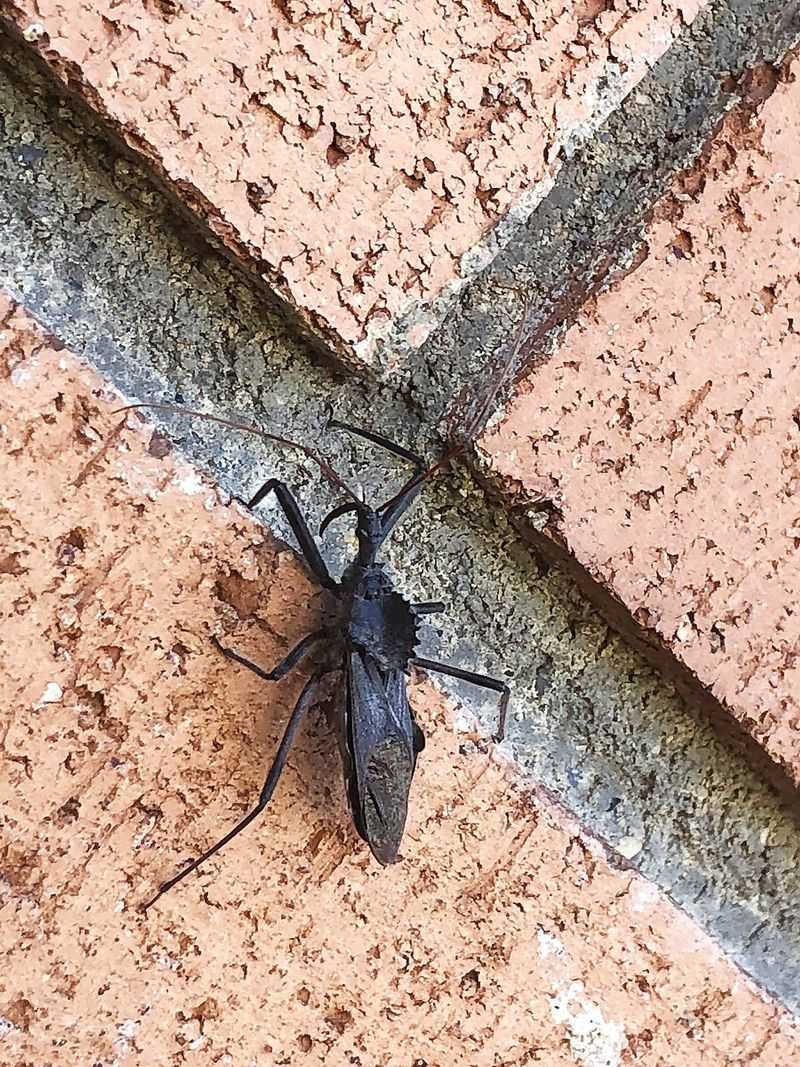
Start with the crest. An adult wheel bug has a raised, semicircular ridge on the thorax, the section just behind the head, and the ridge looks like a cog from a gear.
According to University of Kentucky Entomology, this species occurs across the state, including on buildings.
Color and size help too. Kentucky wheel bugs are typically gray to brown and about 1 to 1½ inches long, so they look noticeably bulky next to most insects on a porch.
Look at the front of the head and you will see a stout, beak-like mouthpart, usually held tucked beneath the body.
Young wheel bugs, called nymphs, are a different story. Nymphs lack the cog-like crest and may look quite different from adults, so a small insect without that ridge is not a good match for the description above.
Many nymphs look more like a small, spidery, reddish and black bug than a miniature adult.
Treat the crest as a useful clue, not as proof by itself. Finding an insect on a railing does not tell you what it is, because plenty of bugs rest on siding and wood.
If the crest is missing, or you cannot see it well, avoid naming the insect a wheel bug with confidence. Other assassin bugs can also bite, so the safest habit is the same for any unfamiliar insect: look closely from a distance and leave it alone.
A Fall Sighting Fits the Season
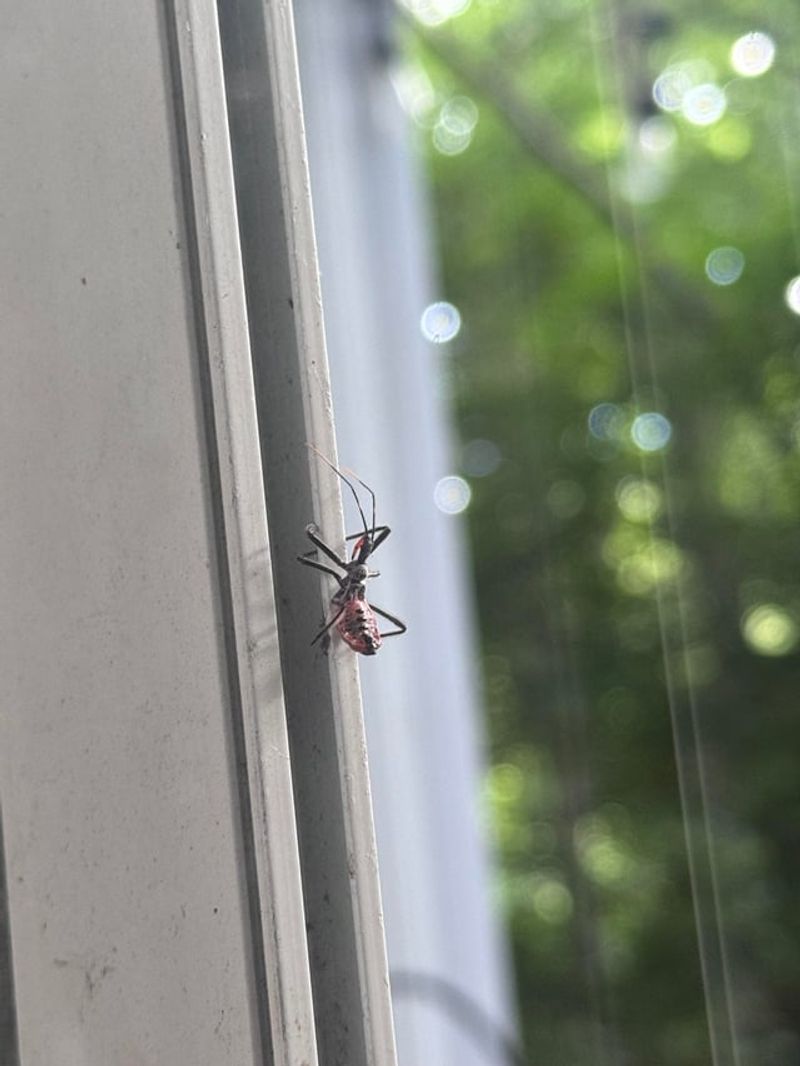
Autumn is a normal time to meet one. Kentucky sources report that adults are common from mid-summer through fall and may turn up on buildings, so a gray, crested insect on a porch rail in October fits what University of Kentucky Entomology describes.
Virginia Tech offers more detail about where people find them. Its extension fact sheet describes adults on porches, decks, doors, and screens, especially in late summer and early fall.
A railing is exactly the kind of spot where one might rest or wait for prey.
Timing needs a little care, though. None of these sources say that a particular late-fall date is typical, and wheel bugs are not abundant on porches all winter.
Virginia Tech notes that adults die with cold weather, so a sighting is most likely while days are still mild.
Keep that in mind when you see something odd on the siding in a chilly month. A season that fits is one more clue, but it does not confirm the identification.
Combine it with the crest, the size, and the beak, and be willing to say you are not sure.
Why a Wheel Bug’s Bite Can Be Painful
The beak is built for hunting. A wheel bug pierces its prey and delivers digestive enzymes, which is how it feeds on caterpillars and other insects, as described by Texas A&M AgriLife Extension.
If someone handles or disturbs the insect, that same beak can pierce skin, and the bite is commonly described as immediately painful.
Then comes the comparison in the headline. The University of Florida entomology profile reports that accounts in the literature describe the bite as worse than a bee, wasp, or hornet sting.
That is a report of how some people felt, not a controlled test and not a pain ranking.
In practical terms, it means your own bite could feel different. Pain varies from person to person, and nobody can promise that a given bite will hurt more or less than a bee sting.
Treat the comparison as a fair warning rather than a prediction.
It is tempting to say the digestive enzymes explain the whole experience, but that is not established. Sources describe the enzymes in the context of feeding on prey, and they note that medical literature describes painful bites, but the full reason for the intensity of human pain is not settled.
The takeaway is simple and useful: this insect can hurt you if you grab it, so there is little reason to try.
Kentucky guidance from University of Kentucky Entomology agrees that the bite is defensive, which leads to how to avoid it.
It Hunts Insects, Not People
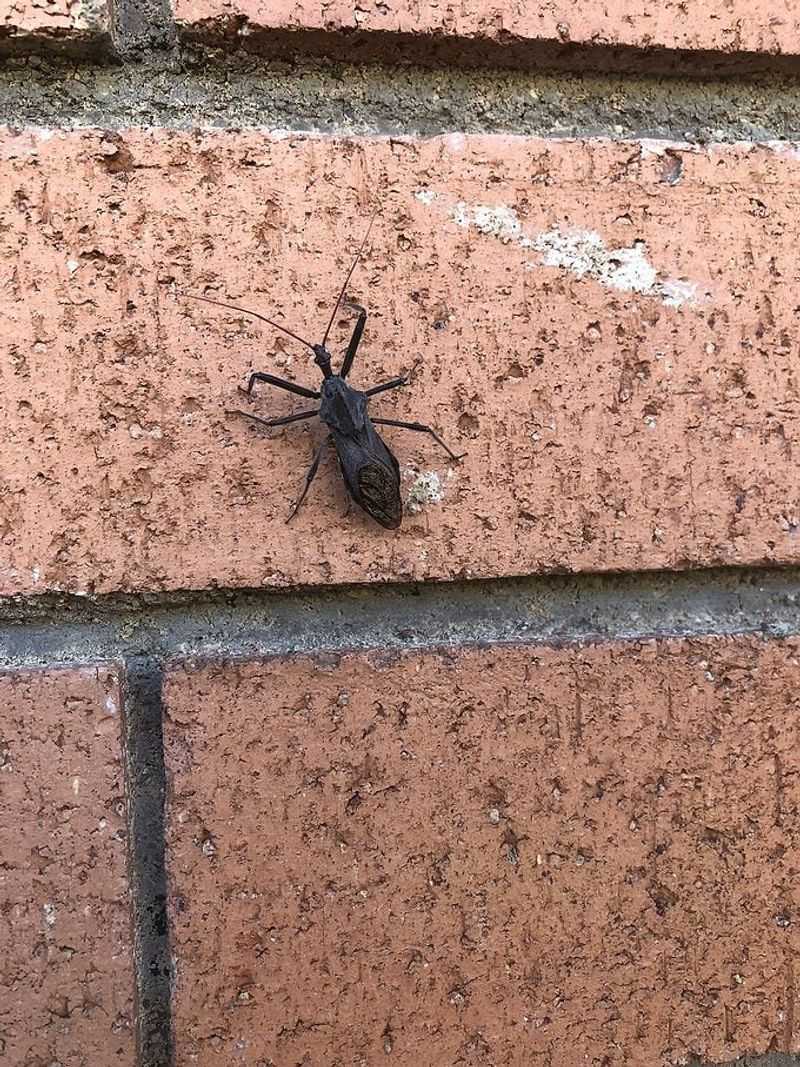
Wheel bugs go after other insects. They are not blood-feeders, and they generally avoid contact with people.
A bite usually happens when someone picks the bug up, pinches it, or otherwise disturbs it, which makes it a defensive reaction rather than aggression.
That is also where they differ from kissing bugs. Wheel bugs are assassin bugs, but CDC guidance lists them among insects commonly confused with triatomine bugs and says they do not carry the parasite that causes Chagas disease.
Seeing a wheel bug is not a reason to worry about that illness.
Gardeners tend to appreciate them. Wheel bugs eat many insects, and Texas A&M AgriLife Extension advises against handling them.
The best plan is to leave a wheel bug alone when you can, and to give it room to wander off.
Sometimes one lands somewhere inconvenient. For bugs near entries or play areas, Virginia Tech suggests physical removal, with a fly swatter as one example, rather than spraying plants.
Skip the bare hands and skip routine spraying, which is not needed for a predator that helps keep other insects in check.
If a child or pet is likely to poke at it, moving it with a tool or a stiff piece of paper held at a distance is a sensible step.
Care for an Uncomplicated Bite
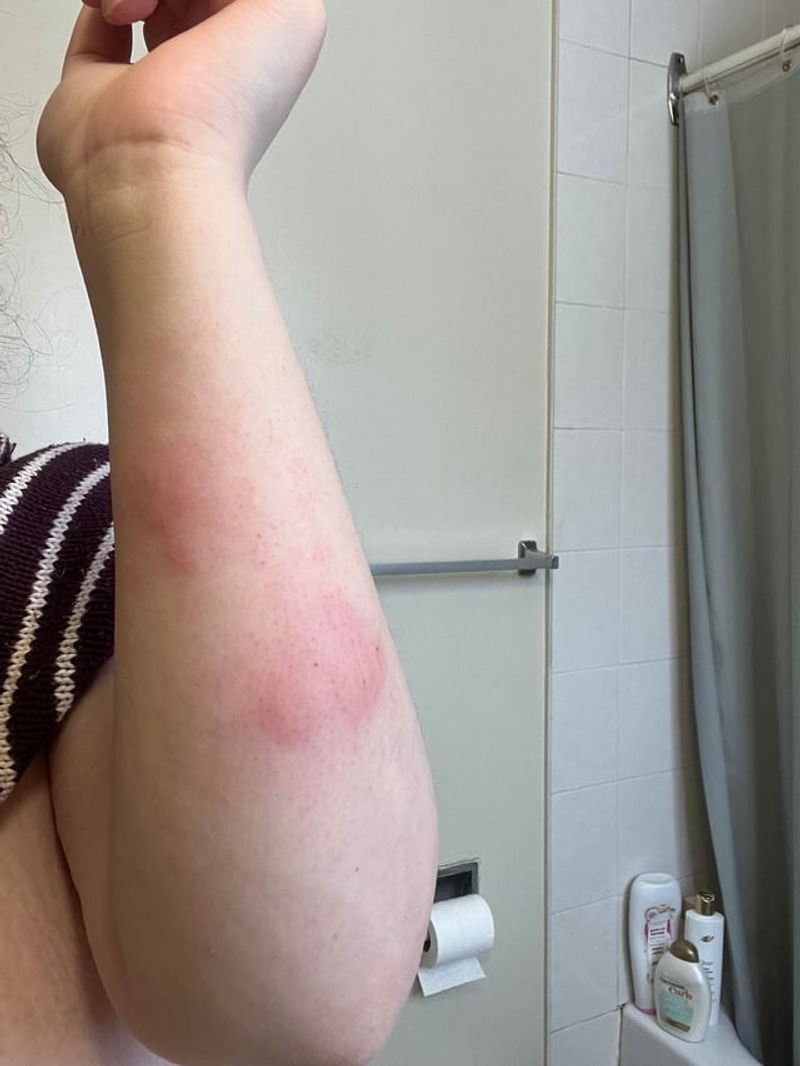
Begin with a good wash. Clean the bite with soap and water as soon as you can, which helps keep the skin healthy while it recovers.
Next, cool the area. A cold pack wrapped in a thin towel, used on and off, can ease the pain and swelling, and the wrap protects your skin from the cold.
General guidance from MedlinePlus on insect bites and stings supports this kind of simple home care.
Over the next few days, check the spot now and then. Watch for increasing redness, swelling, or pain, which can be signs of infection or another problem.
A bite that slowly improves is behaving as expected, while one that grows angrier is not.
Most people will not need a doctor. Texas A&M AgriLife Extension says a physician is not usually needed for an uncomplicated wheel bug bite.
That does not mean medical care is never needed, and published accounts include unusual local complications and secondary infection.
If symptoms get worse or you are unsure, call your health care provider or pharmacist. Getting a question answered early is better than waiting.
Get Emergency Help for Severe Reaction Signs
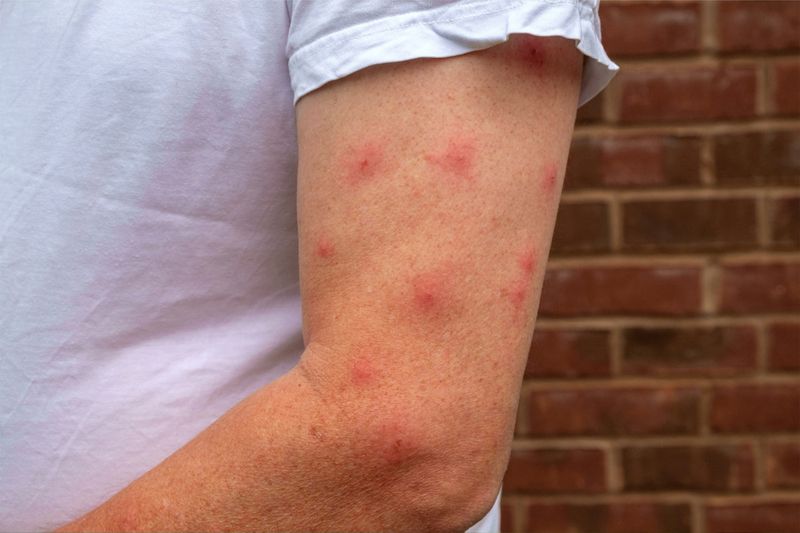
Some reactions are about more than a sore spot. Any insect bite can trigger a severe allergic reaction in a sensitive person, and the signs are different from ordinary local pain.
MedlinePlus lists trouble breathing, swelling of the face or mouth, throat tightness, faintness, and widespread hives among the warning signs.
If you see any of these, treat it as an emergency. Use prescribed epinephrine if it is available, and call 911 right away.
Do not wait to see whether symptoms pass on their own.
Keep this separate from the usual response to a bite. Pain, mild redness, and swelling right around the bite are common local effects and call for the washing, cooling, and watching described earlier.
The emergency signs involve parts of the body away from the bite, or affect breathing and alertness.
It helps to tell someone nearby what is going on, especially if you feel faint. A quick plan, such as knowing where the epinephrine is kept, makes a real difference.
Most porch encounters end with nothing worse than a bug that wanders off, but that is the one case where speed matters.
Share this story