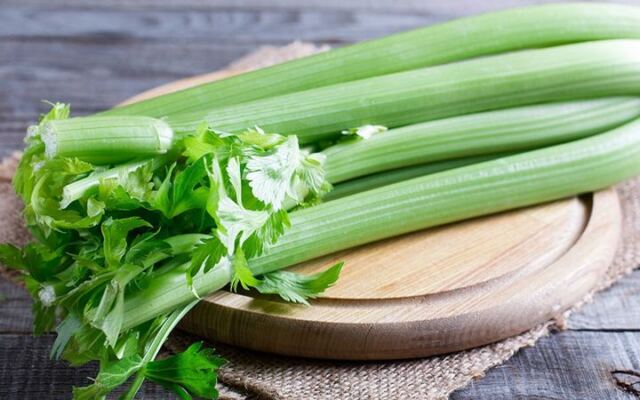
Eating celery every day adds a crunchy, low-calorie vegetable to your meals, and that is about the size of what it does for most people. It does not work like a medicine, and nobody has shown that daily stalks cause a special change in your body.
Still, there are real facts worth knowing about what celery gives you, what researchers have tested, and what to watch for. Here is a clear look at all of it, including why California keeps showing up in celery stories.
A serving is low in calories, but modest in fiber
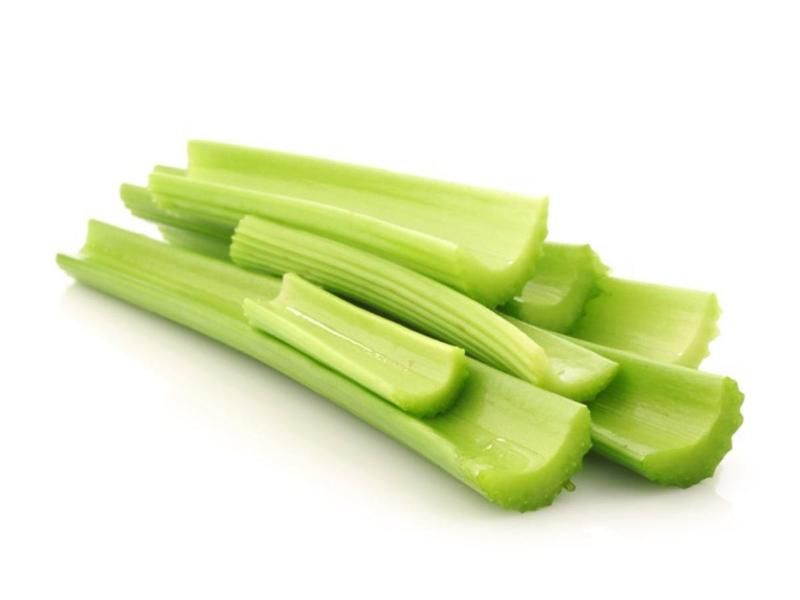
Numbers help here. According to the FDA’s raw vegetable nutrition table, two medium raw celery stalks, about 110 grams, provide 15 calories, 115 mg of sodium, 260 mg of potassium, and 2 grams of fiber.
That makes celery a low-calorie food. It is not calorie-free, because those 15 calories are real, even if they are small.
It is also not a major fiber source. Two grams is a modest contribution when you compare it with the amount of fiber most adults are encouraged to eat across a whole day.
Those figures belong to that specific raw portion. They should not be copied automatically onto celery juice, cooked celery, celery salt, or any packaged product with added ingredients.
A celery soup with broth and cream, or a snack with dip, will have a very different nutrition profile.
So what does a daily serving really do? It adds a watery, crunchy vegetable to your plate for very few calories.
That is a useful and perfectly good thing. What it does not do, based on this nutrition data, is promise a special bodily change.
Keeping that difference clear makes it easier to judge the bigger claims you will hear next.
What research on celery preparations has found
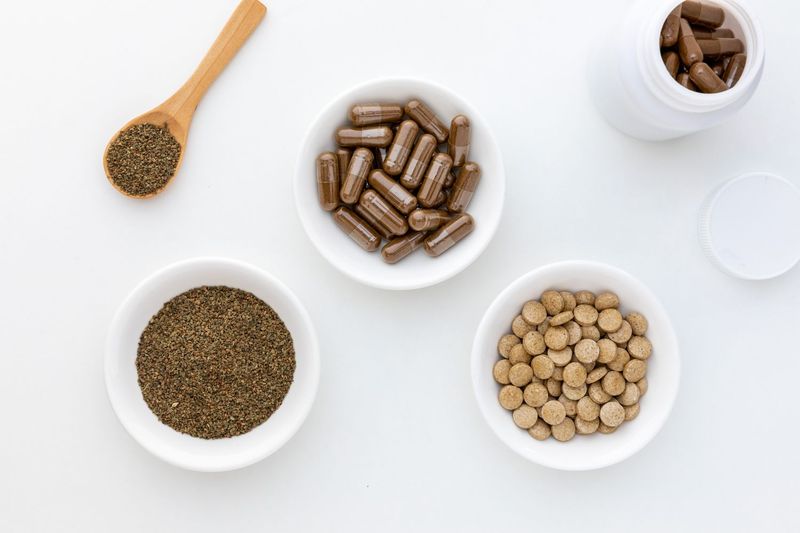
Headlines about celery often come from one place: studies on celery products. A 2025 systematic review and meta-analysis pooled 10 small trials with 511 adults.
Across those studies, researchers reported improvements in blood pressure and in some metabolic measures.
Look closely at what was tested, though. The trials used varied celery preparations, including capsules and decoctions, which are liquids made by simmering plant material.
They were not simply people crunching on stalks at lunch.
The authors also pointed out substantial variation between studies and limited sample sizes. In plain terms, the results were mixed in how they were produced and based on small groups.
They called for more research to clarify doses and effects.
That leaves a clear takeaway. The findings are interesting and worth following, but they are early.
They do not show that eating ordinary celery stalks every day produces the same results. They also are not a reason to treat celery as a health plan, or to skip any care your doctor has prescribed.
Make celery one option in a varied diet

Nobody has set a daily celery amount, and no one has found a requirement for it. The clinical review of celery products asked for more work on doses, which tells you the right amount is still unknown.
That frees you from rules. Celery is an optional vegetable, not an assignment.
If you like it, it fits easily into a day. Slice stalks into a tuna or egg salad, toss them into soups and stir-fries, or pack sticks with hummus or peanut butter.
Because two raw stalks hold only about 15 calories, as FDA figures show, it adds crunch and volume without much energy.
Variety still matters. Celery alone will not cover your needs for protein, healthy fats, whole grains, or the wide range of nutrients found in other vegetables and fruits.
Try rotating it with leafy greens, peppers, tomatoes, and beans.
A fair way to think about it: eat celery because you enjoy it, not because you expect a guaranteed result. If you skip it for a week, nothing is lost as long as other vegetables fill the space.
Whole stalks and celery juice are different
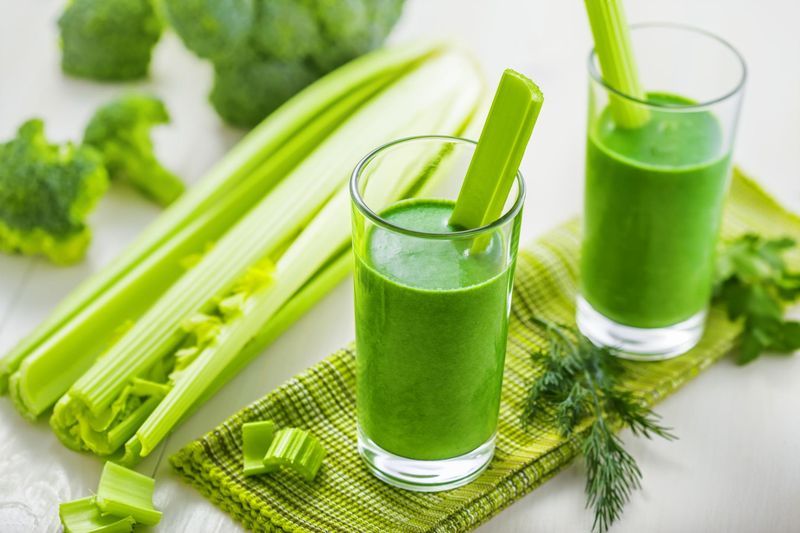
Chewing a stalk and drinking juice are not the same experience, nutritionally. When celery is juiced and strained, much of the fiber is removed.
An Oregon State University Extension article also notes that the popular claims about celery juice on an empty stomach have not been proven.
That matters because the numbers people quote usually describe the whole raw vegetable. Fiber is a big part of what makes a whole stalk filling, and strained juice leaves it behind.
Seeds and extracts are separate things again. Celery seed, seed extracts, capsules, and decoctions are concentrated or processed in ways a stalk is not.
The blood-pressure work described in the 2025 meta-analysis covered a mix of preparations, so it cannot be applied to juice or to stalks by default.
If you enjoy a glass of celery juice, there is no need to feel guilty. Just treat it as a drink, not a proven morning remedy, and keep whole vegetables in your routine too.
Celery does not detox the body or create negative calories
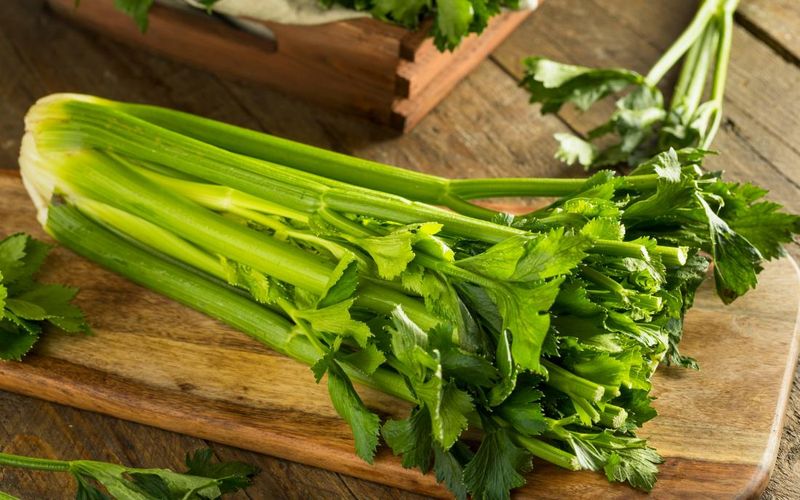
Two popular ideas deserve a straight answer. First, celery does not cleanse your body.
The National Center for Complementary and Integrative Health says research on detox programs in people is sparse and generally low quality. It also notes that restrictive cleanse diets may lack nutrients, and unpasteurized juices can carry foodborne-illness risks, especially for vulnerable people.
For that reason, a celery-only or juice-only cleanse is not a good idea. Your liver and kidneys already handle waste, and no single vegetable replaces a balanced diet.
Second, celery is not a negative-calorie food. The Tufts Health and Nutrition Letter rejects the claim that celery burns more energy than it provides.
Chewing and digesting it simply does not use up more than the food supplies.
Celery can still be a filling, low-calorie food. Swapping it in for a higher-calorie crunchy snack may help some people feel satisfied, but nothing here promises weight loss.
California grows celery, but location does not change its effects
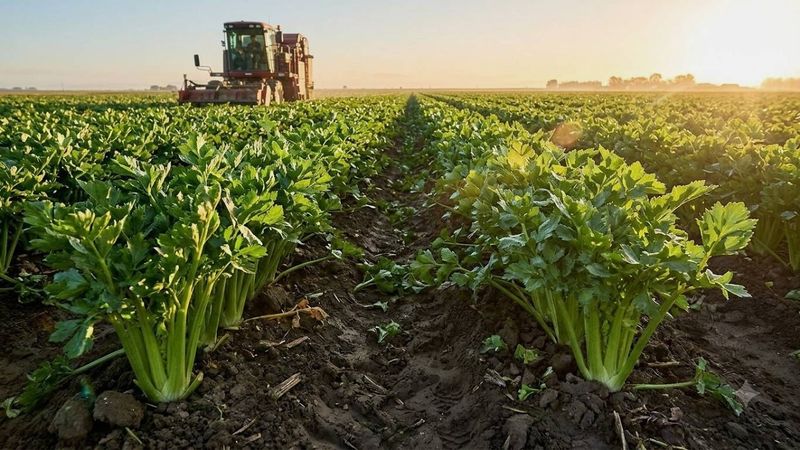
California matters to celery because of farming. The USDA reported 14.9 million hundredweight of celery production in California in 2024.
That makes the state a major growing region, and it explains why celery is easy to find fresh in many markets there.
Growing a crop in a place, however, says nothing about how the crop affects the people who eat it. The research reviewed for this article gives no reason to think celery acts differently on a body because the eater lives in California.
Production numbers also cannot tell you how much celery Californians eat, or how any one person might respond to it. Farm output reflects shipping, markets, and processing across the country, not local eating habits.
So a Californian and someone in another state get the same basic thing from a celery stalk: a low-calorie vegetable with a little fiber and potassium.
Wash it well and keep a few precautions in mind
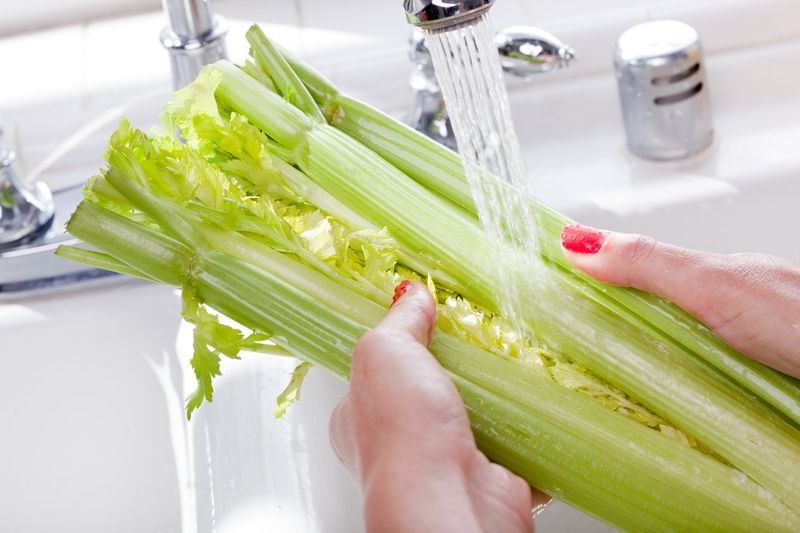
Celery is an ordinary food, and a few habits keep it safe. The FDA advises washing your hands before and after preparing produce and rinsing it under plain running water.
Soap and commercial produce wash are not needed.
If you take warfarin, vitamin K is the thing to watch. The NIH Office of Dietary Supplements advises keeping vitamin K intake consistent instead of making abrupt changes.
Talk with your care team before making a big shift in what you eat, such as starting a large daily celery habit.
Celery allergy can also occur, and it may be serious. One small, older case series described it, but that report cannot tell us how common allergy is.
If you know you are allergic, avoid celery and follow your medical advice.
For everyone else, the plan is simple. Rinse it, slice it, and enjoy it as one low-calorie vegetable in a varied diet, without expecting a guaranteed health change.
Sometimes a crunchy stalk is just a good snack.
Share this story