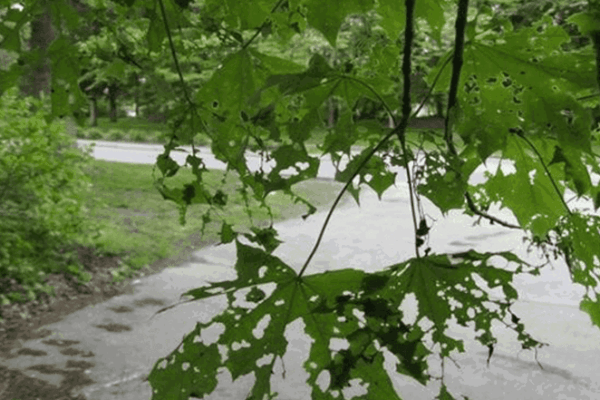
In Massachusetts, if a healthy tree on your neighbor’s land hangs over your yard, you can generally cut back the branches that overhang your property. You usually cannot make your neighbor pay for harm that a healthy tree causes.
That sounds simple, but the details about where the trunk stands, where the line runs, and what your town requires can change what you should do. Knowing them before you pick up a saw can save you money and hard feelings.
A healthy overhang usually leaves the first move to you
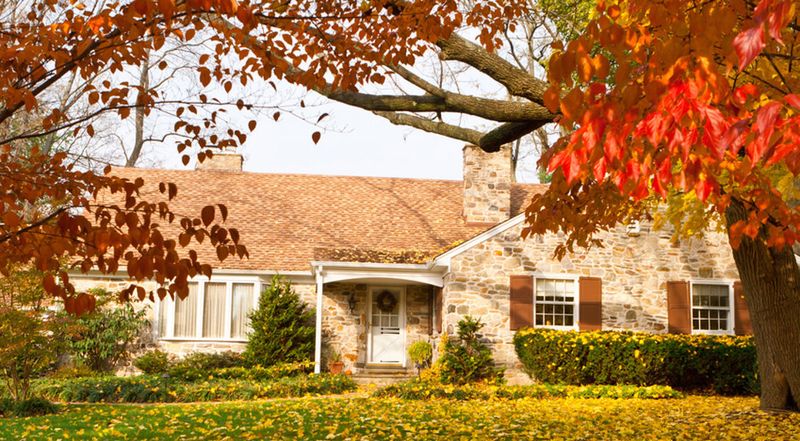
Here is the basic Massachusetts rule. If a healthy tree has its trunk wholly on your neighbor’s land, you generally may cut back the parts that hang over your property.
The tree owner is generally not responsible for harm that a healthy tree causes. The Supreme Judicial Court reaffirmed this in Shiel v.
Rowell, a 2018 decision.
In plain terms, the first move usually belongs to you, the affected homeowner. The law does not generally say the tree owner must trim branches just because they cross the line.
If the overhang bothers you, the recognized remedy is to remove the part that sits over your own land.
This is a limited rule, not an answer to every tree dispute. It covers healthy trees and the portions over your side of the boundary.
It does not let you step onto your neighbor’s property, cut past the line, or treat a damaged or dying tree like a healthy one.
Four things shape what you should actually do. The first is the tree’s condition, since healthy and unhealthy trees are treated differently.
The second is ownership, which gets harder to answer when a trunk sits near the line. The third is the exact boundary, which may not be where the fence stands.
The fourth is local requirements, which can vary by town and by whether a tree is public or private.
The next sections take these one at a time so you can match the rule to your own yard before any cutting begins.
Who owns the tree—and where is the line?
Ownership rules in the cases are narrower than many people assume. The Massachusetts decisions treat a tree as belonging to the person on whose land the trunk wholly stands.
That is the situation Smith v. Silva addressed, and the rule is built around it.
If the trunk crosses the boundary, or you simply cannot tell whose tree it is, do not assume either neighbor can act alone. Pause and get the ownership and boundary situation clarified first.
A friendly conversation, a survey, or advice from a local attorney can settle the question before anyone cuts.
The boundary matters just as much. Your right to cut back overhanging branches stops at the actual property line, and that line is not always where a fence stands.
Fences are often placed a little off the true boundary, and some were built long ago for convenience.
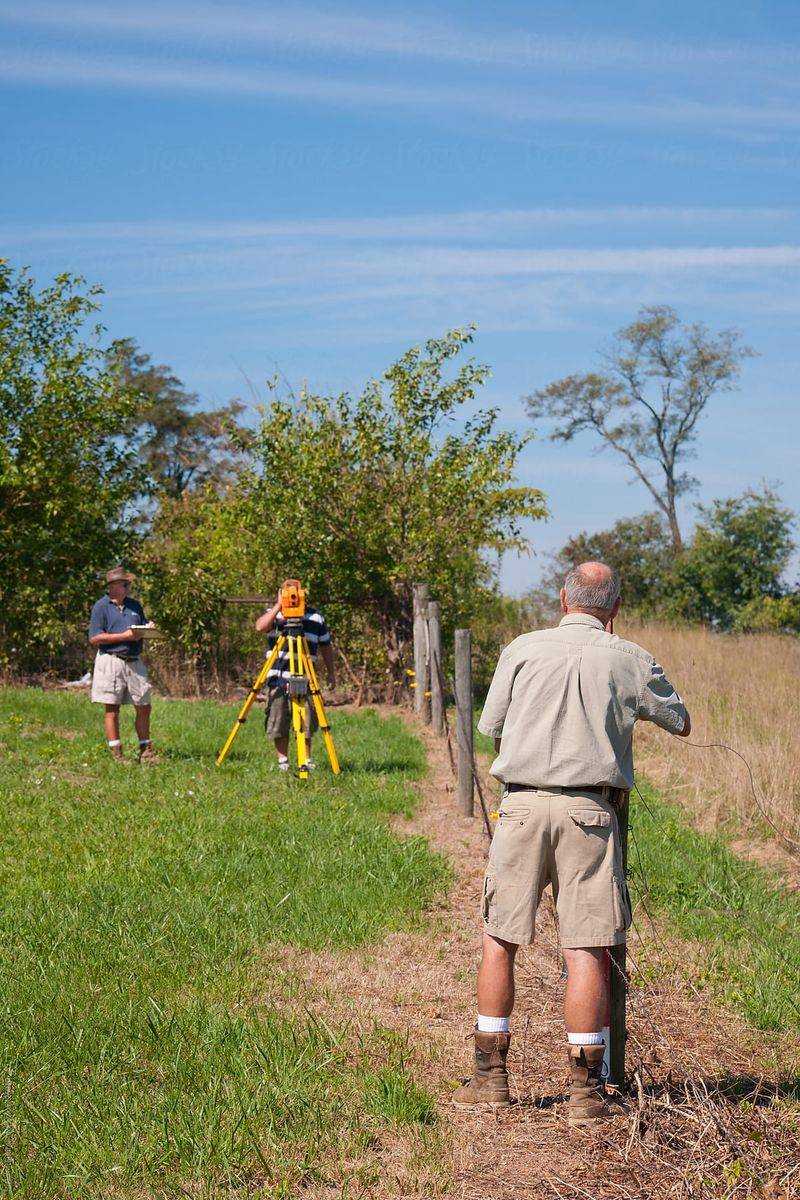
To confirm the line, start with your deed and any recorded plot plan. If those leave doubt, a licensed land surveyor can mark the boundary with stakes.
Looking at the trunk’s base against those markers will show whether the tree is wholly on one side.
A survey costs money, but it costs far less than a dispute over a damaged tree. Treat it as cheap insurance whenever the tree is close to the line or the pruning would be significant.
The right to prune stops at the boundary
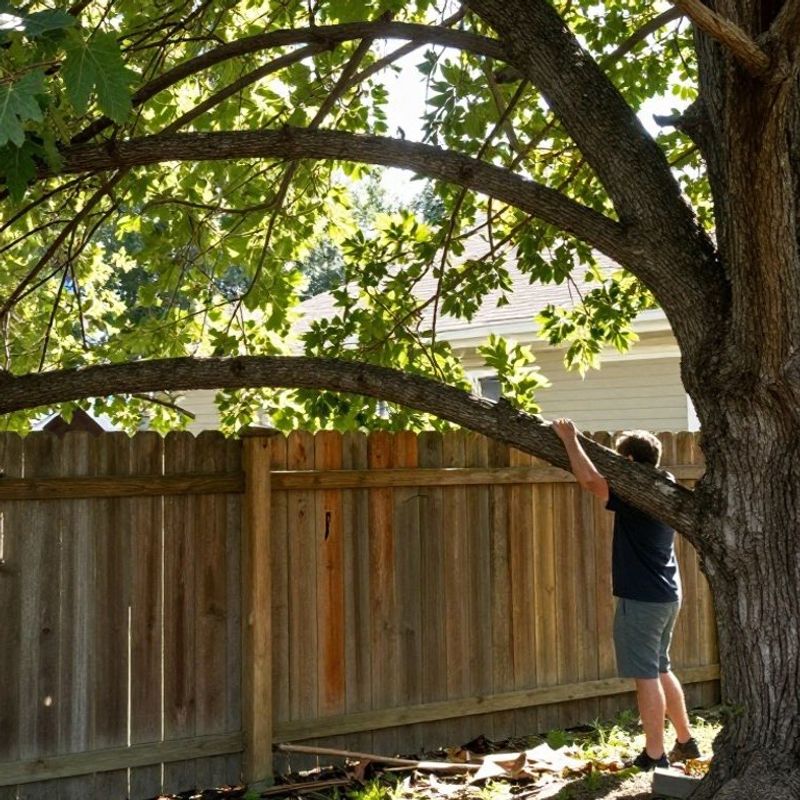
The self-help right is small and specific. Courts have described it as removing the part of the tree that overhangs your own property, as discussed in Shiel v.
Rowell. You may not walk into your neighbor’s yard to do the work, and you may not cut branches on their side without permission.
Crossing the line can create real legal risk. The state’s tree-trespass statute provides for triple damages when someone willfully cuts, girdles, or destroys trees on another person’s land.
If the cutter had good reason to believe the land was theirs, or was otherwise authorized, the damages are single instead. Treble damages are not automatic in every boundary dispute, but you do not want to test the exception.
That is why the boundary check matters so much. The same Smith v.
Silva decision shows how these disputes can turn on where the line actually runs.
Pruning should also be done carefully. A Massachusetts municipal tree-management manual advises against damaging or killing the tree.
The court decisions confirm a right to remove encroaching portions, but they do not lay out a universal safe pruning method.
For that reason, hiring a qualified arborist is smart when the work is substantial or could injure the tree. That is practical guidance, not a legal requirement for every cut.
A small branch tip over your lawn is different from removing a large limb that may leave the tree lopsided or unhealthy.
An unhealthy tree changes the question, not the outcome automatically
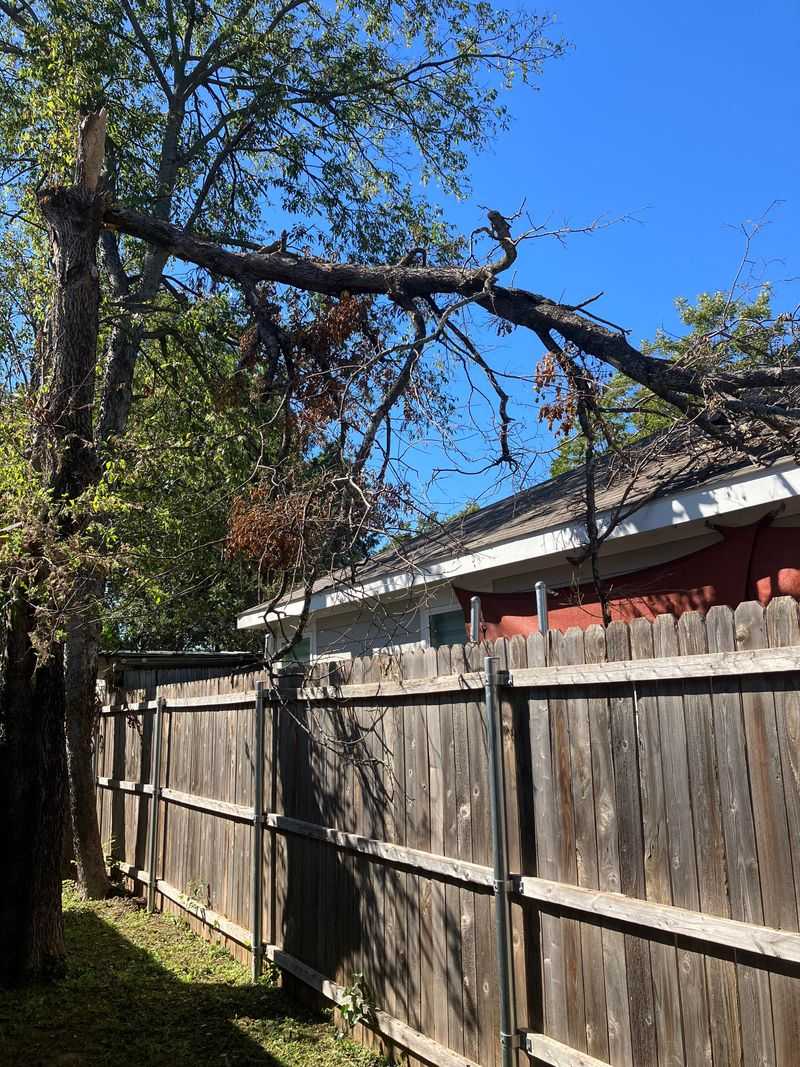
The healthy-tree rule is only part of the picture. In Shiel v.
Rowell, the Supreme Judicial Court reaffirmed that a tree owner is generally not liable for damage caused by a healthy tree. It also distinguished trees that are unhealthy.
That distinction matters, but it is not a guarantee. A tree that looks sick does not by itself prove that the owner is liable or that you will recover money.
The outcome depends on the facts of each case.
Signs worth noticing include large dead branches, peeling bark, mushrooms growing at the base, deep cracks, a noticeable lean, or heavy limbs hanging over a house or play area. None of these settles a legal question, but they tell you the situation deserves attention.
If you see such signs, document them. Take dated photos from your own property, note what changed and when, and keep a simple record.
Then alert the tree owner in writing. A short, polite letter or email describing what you see creates a clear record that the owner was told.
It also gives a neighbor the chance to have the tree checked by an arborist.
If the concern is urgent, such as a limb about to fall onto your roof, consider speaking with an arborist or attorney promptly. Written notice is a sensible step, not a promise of any particular result.
Falling leaves, sap, or branches do not settle liability
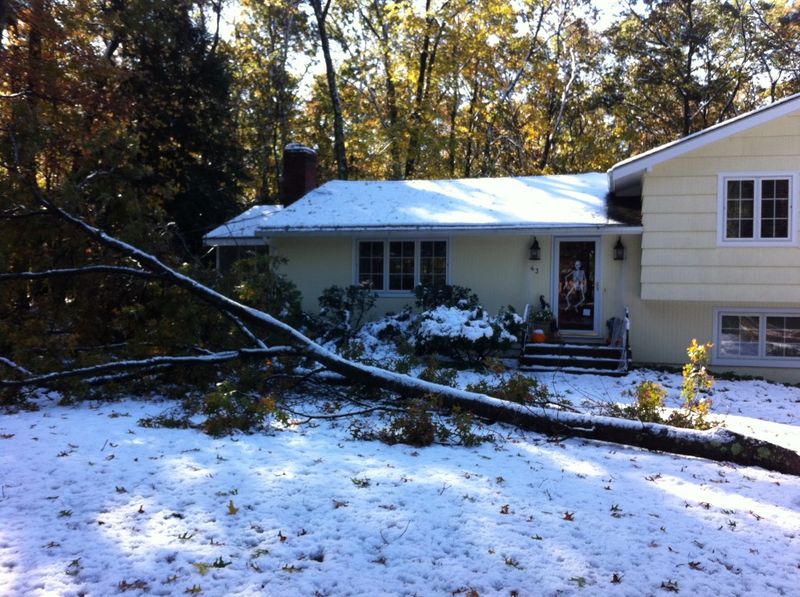
Ordinary mess from a healthy tree is a different matter from a hazardous tree. In Ponte v.
DaSilva, the court held that a neighbor was not negligent or liable for leaves, sap, and branches falling from a healthy tree.
That fits the general approach in Shiel v. Rowell, where healthy-tree damage did not usually create a claim against the owner.
Still, this should not be stretched into a blanket rule. It does not mean a tree owner is never liable when something falls, and it does not mean the owner automatically pays either.
A falling branch from a rotting limb raises different questions than autumn leaves clogging your gutters.
So the useful step is to look at the tree itself. Ask whether the fallen material looks like normal shedding or a sign of decay.
Dead wood, repeated large drops, or visible splits suggest a tree problem rather than ordinary debris.
Keep photos of what fell and of the tree overhead. If the signs point to an unhealthy tree, follow the documenting and written-notice steps described earlier.
If everything looks healthy, the practical answer is usually cleanup, gutter guards, or pruning the overhanging parts within your boundary, not a claim for reimbursement.
Local protections and difficult work call for extra checks
State court rules are only one layer. Cities and towns may adopt bylaws or ordinances that add requirements for trees, and they differ from place to place.
Massachusetts publishes a tree bylaw and ordinance guide that explains how such local rules work. Do not assume one town’s rules apply statewide.
Tree status matters too. Branches from a neighbor’s private tree are different from a public shade tree.
State law, including Chapter 87, Section 3, protects public shade trees and restricts cutting or trimming them without the required authorization.
If the tree might be public, or your town may protect certain trees, call the town hall, tree warden, or planning office before work begins. A quick call is much easier than undoing a violation.
Safety deserves its own check. Massachusetts DCR, in a Citizen Forester newsletter, advises contacting an arborist for pruning near utility lines or for work that needs a ladder or chainsaw.
Branches near power lines can be deadly, even when they look harmless. Leave those to professionals, and do the same for any cut where a fall or kickback could injure you.
Before you cut, verify, document, and get help when needed
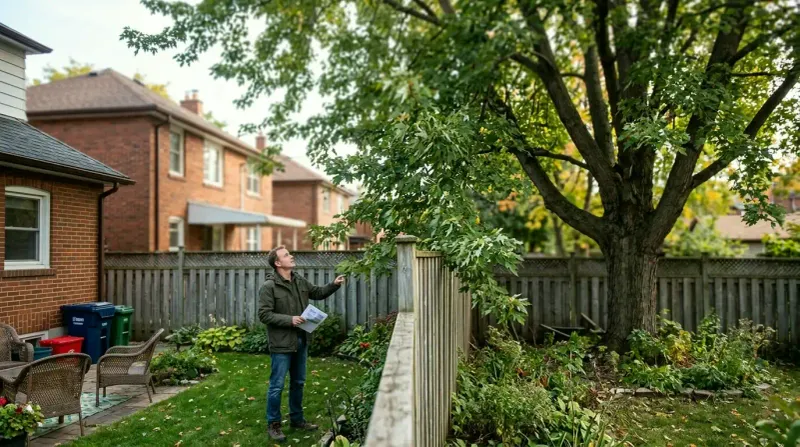
Run through a short sequence first. Identify the tree and confirm the boundary, using a survey if needed, as in Smith v.
Silva. Then check whether the tree looks healthy, since Shiel v.
Rowell treats unhealthy trees differently.
Next, look up local rules and public-tree protections through the state’s bylaw guide and Chapter 87. Hand risky jobs to an arborist, as DCR advises.
A tree line is easy to see and hard to undo once you cut across it.
Share this story