
Get the latest garden guides in your inbox →
Gardening Latest
  • General Gardening
  • Lawn Care
  • Plant Care
  • Composting
  • Soil Health
  • Backyard
  • Garden Muse Magazine
  • General Gardening
  • Lawn Care
  • Plant Care
  • Composting
  • Soil Health
  • Backyard
  • Garden Muse Magazine
  • News
  • Gardening Calendar
  • Garden Structures
  • Vegetable Garden
  • Vertical Garden
  • Raised Beds
  • Hydroponics
  • General Equipment
  • Community Gardens
Garden Themes
  • Spiritual Garden
  • Hydroseeding
  • Seeding and Laying Sod
  • Artificial Grass
  • Lawn Care Equipment
  • Plants
  • Trees
  • Planting Tools
  • Composting Basics
  • Fertilizer
  • Alternative Growing Mediums
  • Front Yard
  • Backyard Activities
  • Landscaping
Gardening Latest

Explore by state

Which state is your garden in?

Currently viewing Indiana

All states

Northeast

  • Connecticut —
  • Delaware 34
  • Maine —
  • Maryland 21
  • Massachusetts 37
  • New Hampshire —
  • New Jersey 21
  • New York 30
  • Pennsylvania 30
  • Rhode Island —
  • Vermont —

Southeast

  • Alabama 20
  • Arkansas —
  • Florida 21
  • Georgia 21
  • Kentucky 35
  • Louisiana 19
  • Mississippi —
  • North Carolina 19
  • South Carolina 33
  • Tennessee 17
  • Virginia 20
  • West Virginia —

Midwest

  • Illinois 19
  • Indiana 22
  • Iowa 34
  • Kansas —
  • Michigan 21
  • Minnesota 19
  • Missouri 19
  • Nebraska —
  • North Dakota —
  • Ohio 21
  • South Dakota —
  • Wisconsin 35

Southwest

  • Arizona 20
  • Colorado —
  • Nevada —
  • New Mexico —
  • Oklahoma —
  • Texas 19
  • Utah —

West

  • Alaska —
  • California 20
  • Hawaii —
  • Idaho —
  • Montana —
  • Oregon —
  • Washington —
  • Wyoming —

No state matches that search.

Site menu

Gardening Latest
  • General Gardening
    • News
    • Gardening Calendar
    • Garden Structures
    • Vegetable Garden
    • Vertical Garden
    • Raised Beds
    • Hydroponics
    • General Equipment
    • Community Gardens
    Garden Themes
    • Spiritual Garden
  • Lawn Care
    • Hydroseeding
    • Seeding and Laying Sod
    • Artificial Grass
    • Lawn Care Equipment
  • Plant Care
    • Plants
    • Trees
    • Planting Tools
  • Composting
    • Composting Basics
  • Soil Health
    • Fertilizer
    • Alternative Growing Mediums
  • Backyard
    • Front Yard
    • Backyard Activities
    • Landscaping
  • Garden Muse Magazine

Explore

  • About GardeningLatest.com
  • Contact Us

Get the latest from the garden

New guides on lawn care, plants and backyard projects, sent when they go up.

Subscribe →

Follow

  • Facebook
  • X
  • Pinterest
  • YouTube
Indiana Gardening

Can You Trim a Neighbor’s Vine in Indiana? What the Law Does and Doesn’t Say

A vine creeping over the fence can turn a quiet backyard into a source of stress.

DH

By Dale Hutchins

November 26, 2026 · 6 min read

Can You Trim a Neighbor’s Vine in Indiana? What the Law Does and Doesn’t Say
Can You Trim a Neighbor's Vine in Indiana? What the Law Does and Doesn't Say

A vine creeping over the fence can turn a quiet backyard into a source of stress. Many people assume the law gives them a clear right to grab the clippers.

Indiana court decisions mostly talk about trees, not vines, so the real answer has more twists. Knowing where the rules stop can keep you from a costly mistake.

At a glance

Where
Indiana Gardening
Hardiness zone
6 −10 to 0°F
Read
6 minutes
Published
November 26, 2026

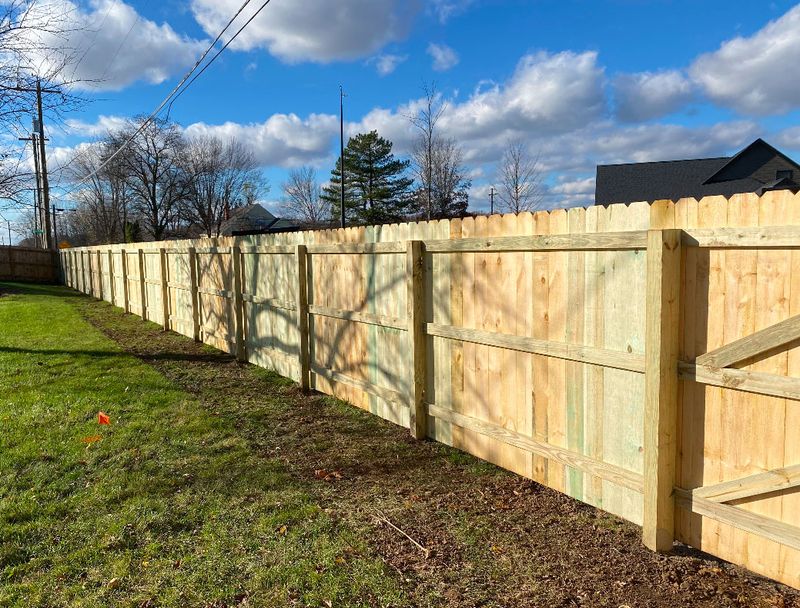
A fence may not mark the legal boundary
A fence may not mark the legal boundary
© Gleave Construction

A fence is easy to see, but the legal property line is a different thing. A vine that crosses the fence has not necessarily crossed onto your land.

The fence might sit a few inches or a few feet away from the surveyed boundary.

Indiana’s tree case law shows why this matters. In a Court of Appeals decision about a boundary tree, ownership turned on where the trunk actually stood, not on how things looked from the yard.

The lesson is that a fence’s apparent location should not be treated as the final word.

That case is about a tree, so it does not decide vine rights. It only helps with a starting point.

Before you decide a vine is trespassing, find out where the real line runs.

There are three common situations. The vine may cross the surveyed line, cross only the fence, or simply grow against a fence that sits off the boundary.

Each one is different, and they should not be lumped together.

Check your deed, plat, or a survey if you have one. A licensed surveyor can mark the line when records are unclear.

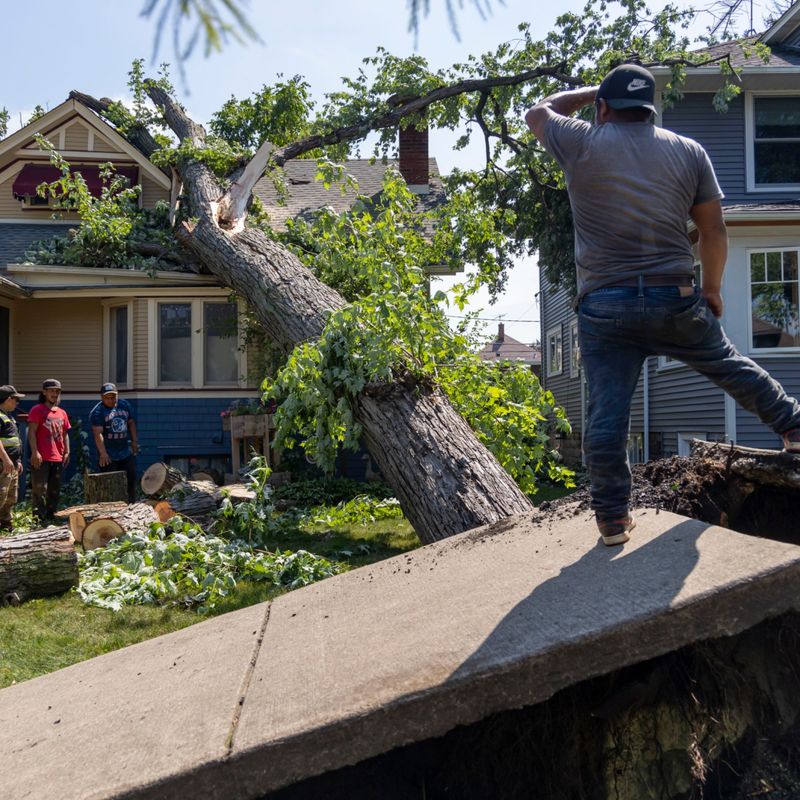
Tree decisions offer context, not a vine rule
Tree decisions offer context, not a vine rule
© Chicago Tribune

Indiana courts have spoken about trees, and those decisions are the closest guide available. Still, they are context and not a vine rule.

Knowing what they say, and where they stop, keeps you from stretching them too far.

As Indiana’s tree case law separates ownership from a fence’s apparent spot, a survey or deed check is a smart first move.

The Court of Appeals has stated that a tree whose trunk lies on the boundary is common property. Neither neighbor may cut or injure it without the other’s consent, according to the Gay decision.

That rule is about boundary trees. It does not say who may cut a vine.

A 2024 case, Trice v. Kidwell, involved a fight over trimming branches that crossed a property line.

The outcome depended on the evidence, including where the branches were cut and whether the tree was harmed. It was a fact-heavy dispute, not a broad statement of trimming rights.

Neither decision establishes an across-the-board right to cut vines. A climbing plant, a shrub, or a vine growing on a shared fence may raise different questions that these cases did not settle.

Treat them as clues about how courts think, not as answers.

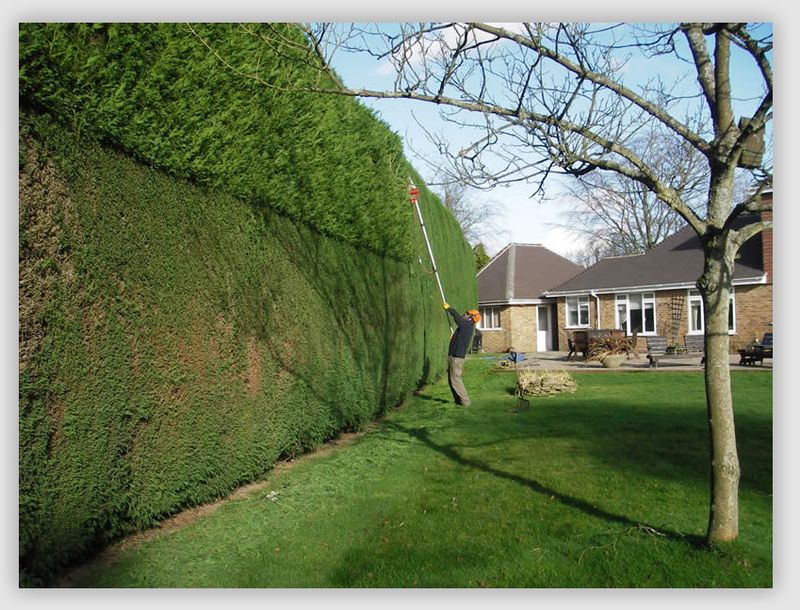
Nuisance law does not make every vine a legal wrong
Nuisance law does not make every vine a legal wrong
© Tree and Neighbor Law For Homeowners and Professionals

Some people hear the word nuisance and assume any annoying plant qualifies. The law is narrower than that.

Being bothered by a vine is not the same as having a legal claim.

In Scheckel v. NLI, Inc., the Court of Appeals recognized a nuisance claim involving tree branches that reached onto adjoining land.

The claim depended on a showing of injury. The decision is about trees, and the injury requirement is a key part of it.

It does not say that a vine’s presence, its shade, or the inconvenience it causes automatically forces a neighbor to trim or remove it. It also does not give a general remedy for plain annoyance.

Examples of what might matter are real, provable harm to your property, such as damage to a structure. A vine that simply looks untidy is a different matter.

How a court would treat any particular vine dispute is something no one can predict from this case alone, so a local attorney is the right person to ask about actual damage.

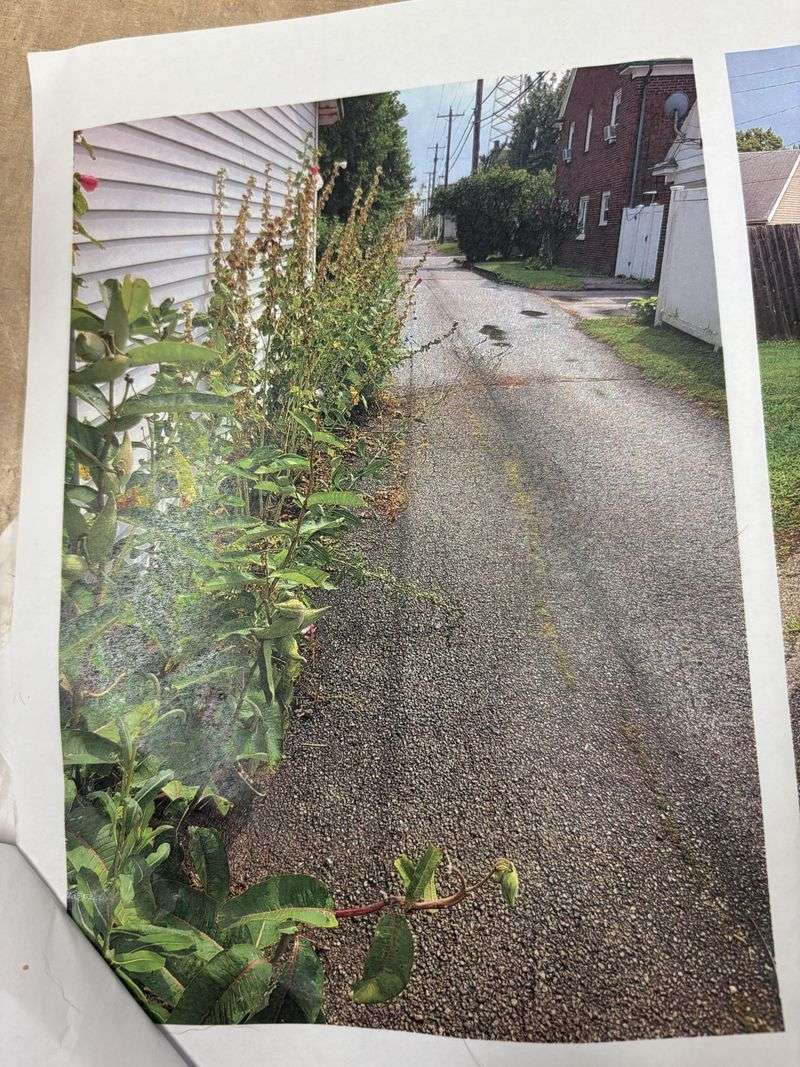
Indiana’s detrimental-plant law has a limited scope
Indiana’s detrimental-plant law has a limited scope
© Reddit

Indiana also has a statute about harmful plants, and it is easy to misread. It is a separate issue from neighbor trimming rights.

It does not hand one neighbor a general right to cut another’s plants.

The definition in Indiana Code 15-16-8-1 lists specified plants and, in residential areas, noxious weeds and rank vegetation. That is a defined list of categories and species.

It does not cover every vine that happens to grow near a fence.

The related duty to destroy these plants is set out in Indiana Code 15-16-8-3. The State Board of Accounts also publishes township guidance on fences and weeds, which shows how local officials may handle these matters.

Whether a particular vine or yard condition qualifies may depend on how the plant is classified and on local enforcement. If you cannot identify the plant, you cannot say it falls under the law.

Contacting the township or local code office is a sensible way to learn how the rule is applied where you live.

Verify, document, and discuss before acting
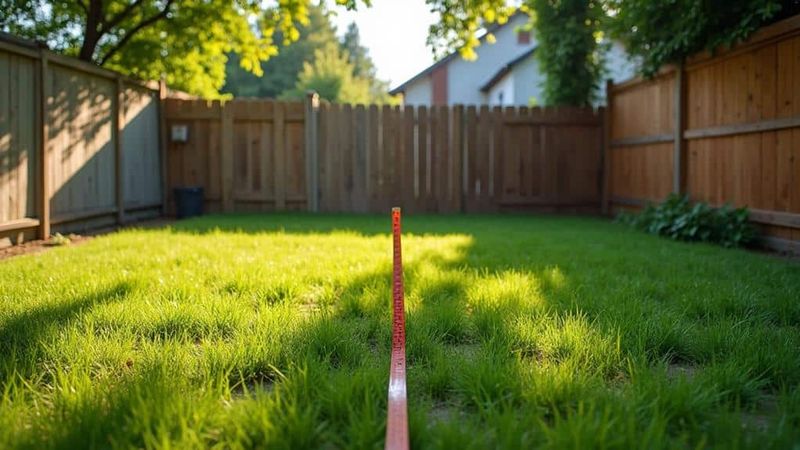
Verify, document, and discuss before acting
© Chain Link Fence Supply & Fence Supplies | The Chain LINK Store

Once you know the legal gaps, a calm process works better than a quick snip. Start by finding the true boundary.

As Indiana’s tree case law separates ownership from a fence’s apparent spot, a survey or deed check is a smart first move.

Next, document what you see. Take dated photos showing where the vine grows, where it crosses, and any damage to your fence, siding, or plants.

Notes and pictures help if the talk ever turns formal.

Then talk with your neighbor. Many vine problems end with a friendly chat, since the neighbor may not know the vine has spread.

If you want to work on the neighbor’s side of the fence, ask permission first. These steps are practical suggestions, not legal requirements set by the cited cases.

When ownership, the boundary, or possible damage is disputed, get local legal advice. That is safer than relying on a simple rule like cut anything at the line, which the reviewed sources do not support.

Pause for poison ivy or power lines
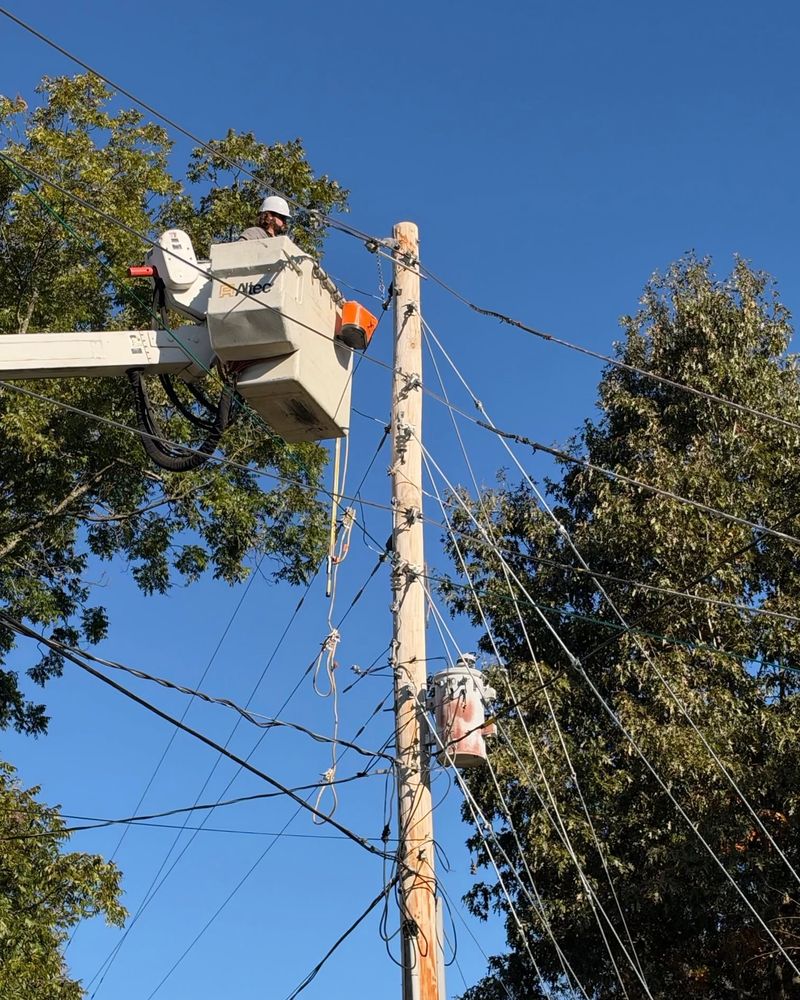
Pause for poison ivy or power lines
© tombigbeeepa

Some problems are about safety, not law. Before you touch any vine, find out what it is.

Guessing can lead to a painful rash or something worse.

If you suspect poison ivy, Iowa State University Extension guidance says to leave cut vines in place to die rather than physically removing them. Handling live or dead vines can spread urushiol, the oil that causes the rash.

Power lines call for even more caution. Do not prune anything touching or near them.

Indiana’s Office of Utility Consumer Counselor warns that lines should be treated as live and that a tree touching a line can carry current.

Ordinary pruning tips do not apply near lines. Call the utility company instead, and keep your distance until they respond.

Treat the answer as conditional
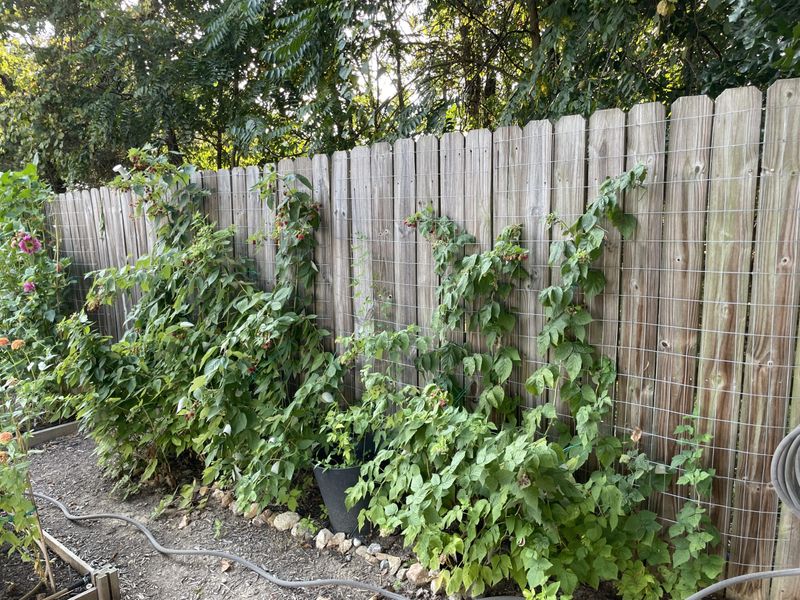
Treat the answer as conditional
© Whitney Anderson Gardening

The sources reviewed do not grant an unconditional right to cut a neighbor’s vine, and they do not set a general duty to remove one. The answer depends on where the line is and whether a specific rule such as the detrimental-plant definition applies.

Confirm the boundary, check for a rule, then choose a safe, friendly step.

A fence only shows where a vine climbs, never where the law draws the line.

Share this story

DH

Written by

Dale Hutchins

More from Dale Hutchins →

About Gardening Latest

Gardening Latest provides in-depth guides to maintaining and enhancing your garden and backyard. Learn how to make the most of the space you have and create a beautiful garden.

More about us →

Latest stories

  • Kentucky GardeningWhy Kentucky Deer Are Rubbing the Bark Off Your Young Trees, and How to Stop the Damage Before Spring

    Why Kentucky Deer Are Rubbing the Bark Off Your Young Trees, and How to Stop the Damage Before Spring

    2 min ago
  • Florida GardeningFlorida Is Full of Harmless Critters That Look Venomous, and These 7 Send People Running

    Florida Is Full of Harmless Critters That Look Venomous, and These 7 Send People Running

    8 min ago
  • Maryland GardeningThere’s an Invasive Tree Moving Through Maryland Neighborhoods, and Hand-Pulling Can’t Keep Pace

    There’s an Invasive Tree Moving Through Maryland Neighborhoods, and Hand-Pulling Can’t Keep Pace

    15 min ago
  • Iowa GardeningWhen Snow Falls in Iowa, These Six Birds Show Up at Your Feeder, and Here’s How to Tell Them Apart

    When Snow Falls in Iowa, These Six Birds Show Up at Your Feeder, and Here’s How to Tell Them Apart

    21 min ago
  • Virginia GardeningBefore You Stack Firewood In Your Virginia Garage, Check Corners For Black Widow Egg Sacs

    Before You Stack Firewood In Your Virginia Garage, Check Corners For Black Widow Egg Sacs

    27 min ago

Gardening by state

Stories for your state, and the hardiness zone most of it gardens in.

Keep exploring

Read next

All Indiana Gardening →
Indiana GardeningSeeing a Red Fox in Your Indiana Yard This Winter? It’s Hunting, Courting, or Hunting for a Den
Indiana Gardening

Seeing a Red Fox in Your Indiana Yard This Winter? It’s Hunting, Courting, or Hunting for a Den

4 hr ago
Indiana GardeningVenomous Critters Quietly Share Your Indiana Yard, Until Late Fall Pulls Them Into View
Indiana Gardening

Venomous Critters Quietly Share Your Indiana Yard, Until Late Fall Pulls Them Into View

19 hr ago
Indiana GardeningIndiana Gardeners Who Grab a Saddleback Caterpillar by Mistake Need These First-Aid Steps Fast
Indiana Gardening

Indiana Gardeners Who Grab a Saddleback Caterpillar by Mistake Need These First-Aid Steps Fast

21 hr ago

More from Indiana Gardening

  • Who’s Responsible When Your Fall Leaves Blow Into Your Indiana Neighbor’s Yard?

    Nov 24
  • The Humpbacked Bugs Leaping Around Your Indiana Basement Aren’t Spiders At All

    Nov 24
Back to top

Leave a response Cancel

Your email address stays private. Required fields are marked with an asterisk.

Gardening Latest

In-depth guides to maintaining and enhancing your garden and backyard: how to make the most of the space you have, and how to make it beautiful.

  • Facebook
  • X
  • Pinterest
  • YouTube

We may earn a portion of sales from products or services that are purchased through our site as part of our affiliate partnerships with retailers.

Explore

  • About GardeningLatest.com
  • Contact Us
  • Terms and Conditions
  • Privacy
  • Editorial Note:
  • FTC Disclosure

Newsletter

New garden guides and seasonal tips, straight to your inbox.

We’ll email you a link to confirm. Unsubscribe any time.

Almost there! Check your inbox and tap the link to confirm.

© 2026 Gardening Latest. All rights reserved.

Back to top