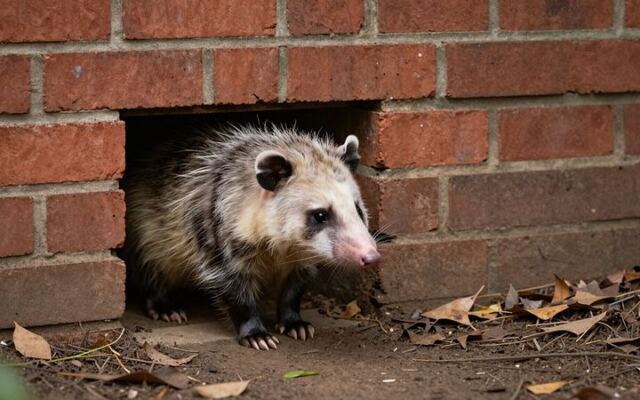
Opossums stay active all winter in South Carolina, and they will use sheds, garages, and spaces under houses to get out of the cold. If you spot one near your home, the cause is usually simple: shelter, food, or both.
Knowing what a normal visit looks like helps you stay calm and respond the right way. Here is how to tell a passing visitor from a problem.
Why opossums stay active in winter
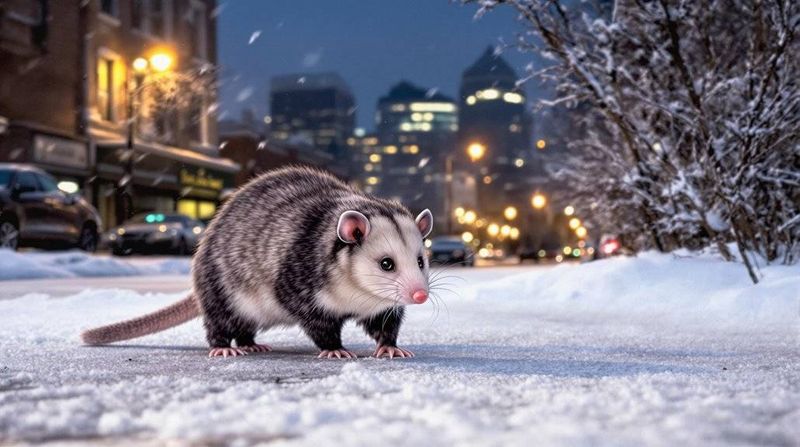
Opossums do not hibernate. South Carolina DNR guidance says they stay active through the cold months and may forage during the day, especially when temperatures drop.
A daytime sighting on a chilly afternoon is not, by itself, a sign that something is wrong with the animal.
During very cold spells, an opossum will settle into a den for short periods. Once temperatures warm up again, it comes back out to look for food.
That on-and-off pattern means you may see one one week and none the next.
Why would an animal hunt in daylight in winter? Cold nights burn energy, and food can be harder to find, so an opossum may take advantage of any warmer daytime hours.
It is a practical choice, not a strange one.
It helps to be clear about what this does and does not mean. Opossums live in every county of the state, according to the SCDNR opossum species page, so seeing one is not unusual in any season.
The state guidance backs up winter activity, short denning spells, and use of human-made shelter. It does not show that more opossums visit South Carolina homes in winter than at other times of year.
So when one trots across your yard in January, think of it as a normal neighbor doing what opossums do, not as a sign of a winter surge.
Where an opossum may shelter
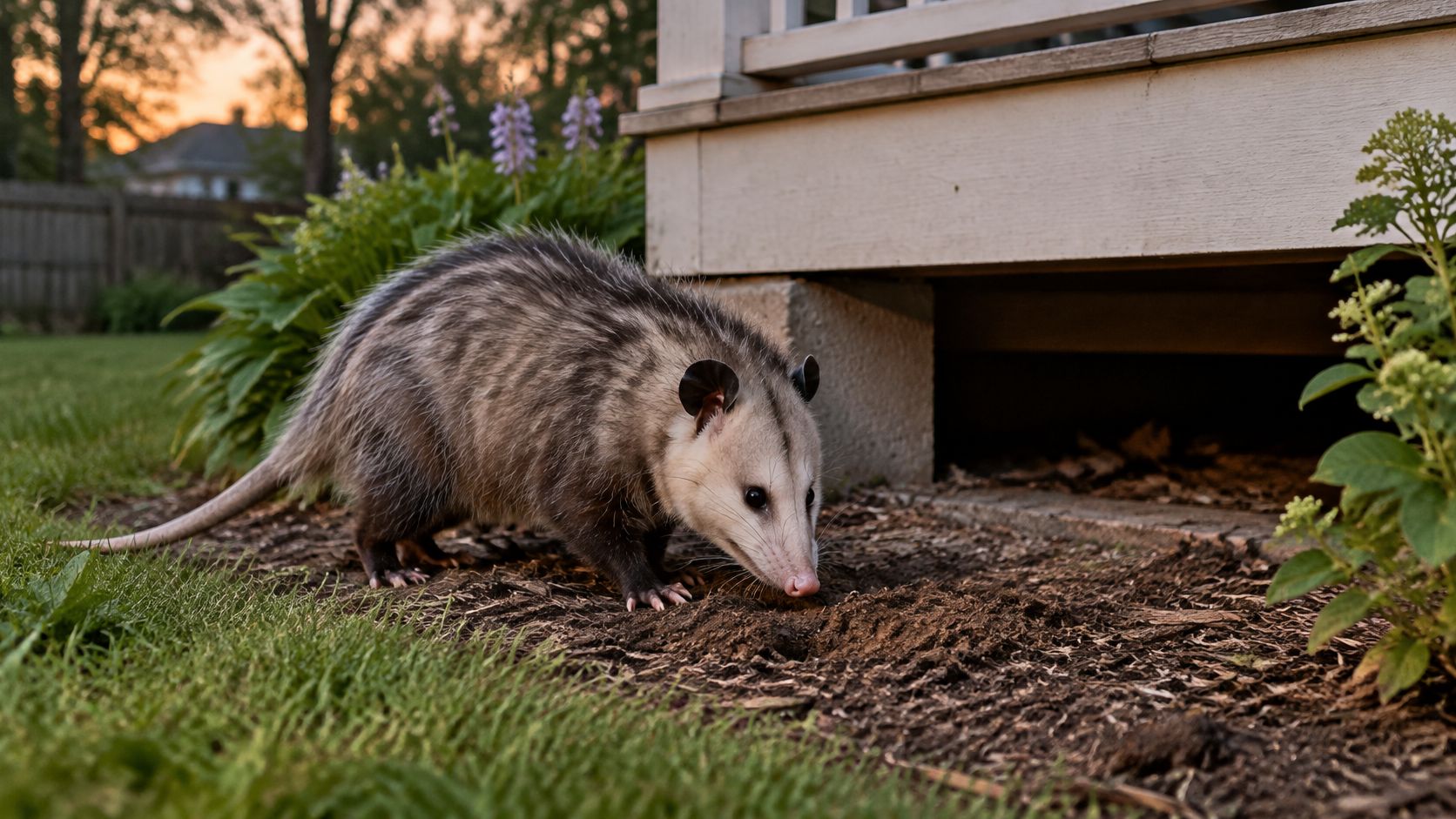
Picture a traveler with no fixed address. SCDNR describes opossums as solitary and nomadic, meaning they tend to move around instead of staying in one home territory.
One night an opossum may rest in a hollow log, and a few nights later it may be somewhere else entirely.
Along the way, human-made spaces can look like good den sites. State wildlife guidance notes they may den under homes, in attics, and in garages.
Crawl spaces, porches, sheds, and brush piles offer similar cover from wind and cold.
That is how an animal ends up close to a house. A nearby opossum does not mean one is living inside your walls.
Plenty of them simply pass through, forage, and move on.
Winter alone does not push an opossum indoors, either. What matters is whether there is an open gap, a loose vent, or a damaged screen that makes a warm, dry spot easy to reach.
Some clues suggest an animal is using a structure: scratching or shuffling noises at night, a musty smell, or droppings near an entry point. If you see none of those signs, the animal is most likely just visiting.
Walk the outside of your home in daylight and look for gaps, since that tells you far more than a single sighting.
Food scraps can draw opossums into a yard
Few animals are fussier about the menu than an opossum is relaxed about it. They eat a wide range of foods, so the things we leave outside can easily catch their attention.
Common draws include garbage, compost, pet-food dishes, and birdseed that spills onto the ground.
Both SCDNR and the state public-health department recommend limiting these food sources around the home. A few small habits make a real difference.
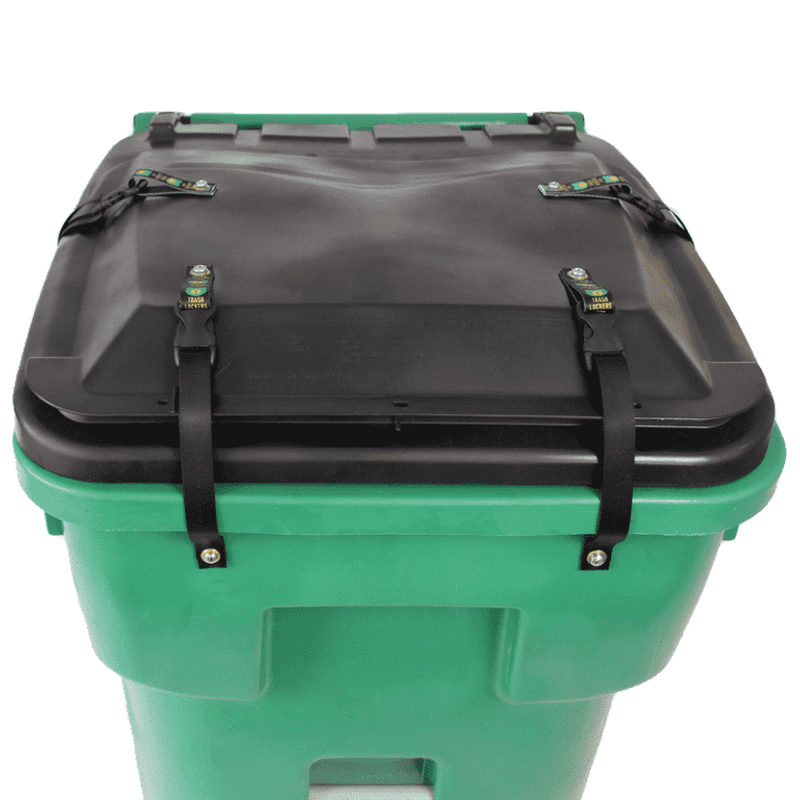
Start with the trash. Use bins with tight, secure lids, and keep them in a garage or shed until collection day if you can.
Next, handle the compost. An enclosed bin keeps scraps out of reach, and it is wise to skip meat and dairy in an open pile.
Pet food is another easy fix. Feed cats and dogs indoors, or pick up bowls as soon as they finish eating, and store bags in sealed containers.
Finally, sweep up seed under bird feeders. A tray or a cleanup after dusk keeps spilled seed from becoming a nightly buffet.
Keep in mind that these steps make a yard less appealing, but they will not guarantee an opossum never wanders through. An animal may be nearby simply because it is moving along its route or looking for shelter.
Cleaning up food is the simplest way to nudge it to keep going.
Give a passing opossum space
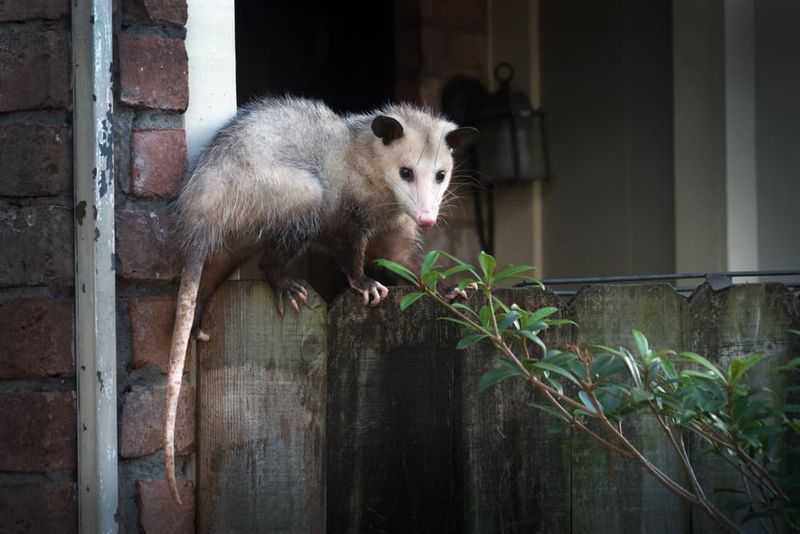
Most of the time, the best response is the easiest one: do nothing. If an opossum is simply crossing the yard or poking around near the fence, it is probably just passing through.
Stand back, watch from a window, and let it go on its way.
Bring pets inside and keep children away while the animal is nearby. A dog or cat that approaches may get hissed at, scratched, or bitten.
The South Carolina public-health department advises against approaching or handling wild animals, so resist any urge to shoo, pick up, or corner one.
Do not rush to trap it, either. A single visitor on its way somewhere else does not need to be captured, and trapping may cause more trouble than it solves.
It also helps to separate this routine scene from other situations. An animal that has gotten into an attic, garage, or crawl space is a different problem and calls for a different plan.
An opossum that looks injured, or acts strangely or aggressively, is another case that needs outside help.
A quick check can guide you. Is the animal moving along normally and heading away?
If so, give it room and the evening will end quietly.
Once it leaves, take a look around for food that might have drawn it in, and tidy up so the next visit is less likely.
Exclude an opossum from a structure safely
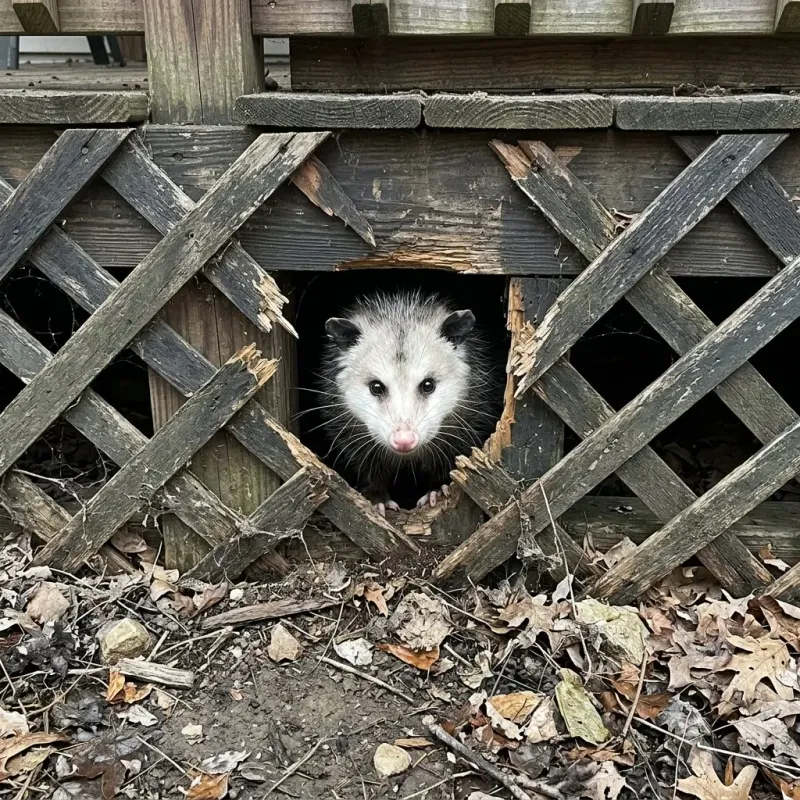
When an opossum has moved into an attic, garage, or crawl space, the goal is to get it out and keep others from moving in. That begins with finding the spot where it is getting in.
Look for gaps along the foundation, damaged vents, loose soffits, and holes near rooflines.
Timing matters. Close an opening only after you are sure the opossum and any young have left, since sealing an animal inside creates a far worse problem.
Watching the entry at dusk, or loosely stuffing it and checking whether the material is disturbed, can help you confirm that nothing is still inside.
The SCDNR species guide lists exclusion options such as hardware cloth and one-way doors. Hardware cloth is a sturdy metal mesh that covers gaps and vents.
A one-way door lets an animal leave but not return. These are ways to block access, not instructions for handling or catching the animal yourself.
Some entries are tricky. A high roofline, a large crawl space, or a spot where young may be present can be hard to judge safely.
In those cases, a wildlife professional can assess the situation, and the state’s wildlife control operator guidance is the place to start.
One more point may surprise people. SCDNR says routine relocation of wildlife is against state law, so moving a captured opossum elsewhere is not the default fix.
Exclusion and repair solve the root problem, which is the open door.
Once everything is sealed, check your repair every few weeks. A firm patch now saves you from repeating the whole process next winter.
Know when to call for help
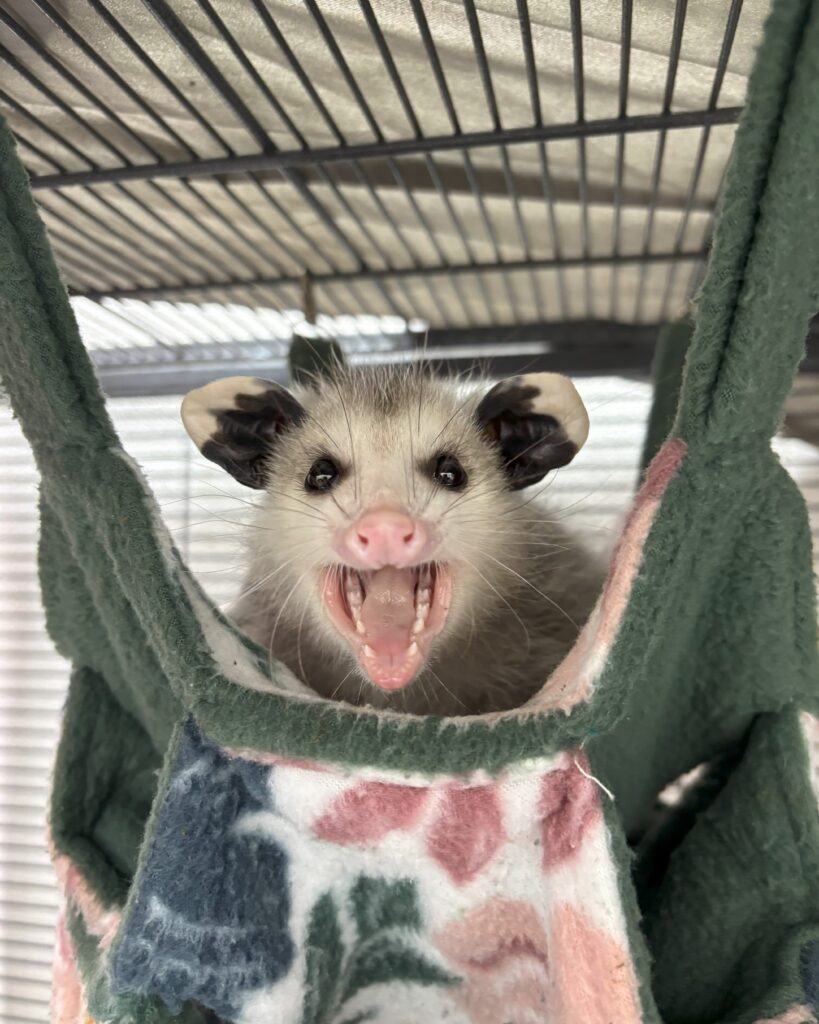
A hissing opossum is not necessarily a sick one. SCDNR describes hissing, growling, and baring teeth as ways opossums respond when they feel threatened.
Those signs alone do not point to rabies, and they usually fade when you back away.
Opossums are more resistant to rabies than many other mammals, but they are not immune. So the goal is not to guess at a diagnosis.
Keep your distance and call local animal control if an animal seems aggressive or behaves in ways that seem abnormal, as the state public-health department advises.
An injured, sick, or orphaned opossum is a separate case. Do not approach or pick it up, even if it looks helpless.
Instead, contact an experienced wildlife rehabilitator.
SCDNR’s wildlife rehabilitation page lists 803-734-3886 during business hours and 803-955-4000 after hours. Keep pets and children well away while you wait for guidance.
If someone has been bitten or scratched, or a pet may have had contact with a wild animal, do not try to judge the risk yourself. Follow South Carolina public-health guidance, which covers how possible rabies exposures are reported and investigated.
In short, a defensive hiss gets a quiet step back, while strange behavior, injury, or possible exposure gets a phone call. Having those numbers saved ahead of time makes the moment much less stressful.
Reduce attractants and leave wildlife room

Here is the rule of thumb. Secure outdoor food and leave a passing opossum alone.
For one inside a structure, look to SCDNR’s wildlife control guidance, and for one that seems injured or acts abnormally, keep your distance and follow public-health advice.
A winter sighting is not an emergency and not proof of a seasonal rush. Most nights, the kindest thing you can do is close the lid and let the opossum wander off.
Share this story