In Kentucky, if your neighbor’s branches or roots grow over the property line, you can generally trim them back to that line yourself. Courts here have treated that kind of do-it-yourself fix as the neighbor’s remedy for ordinary overhang.
The rule has limits, though, and knowing them can keep a simple trim from turning into a bigger problem. Here is how it works, where it stops, and when to call someone else.
Kentucky generally leaves ordinary overhang to self-help
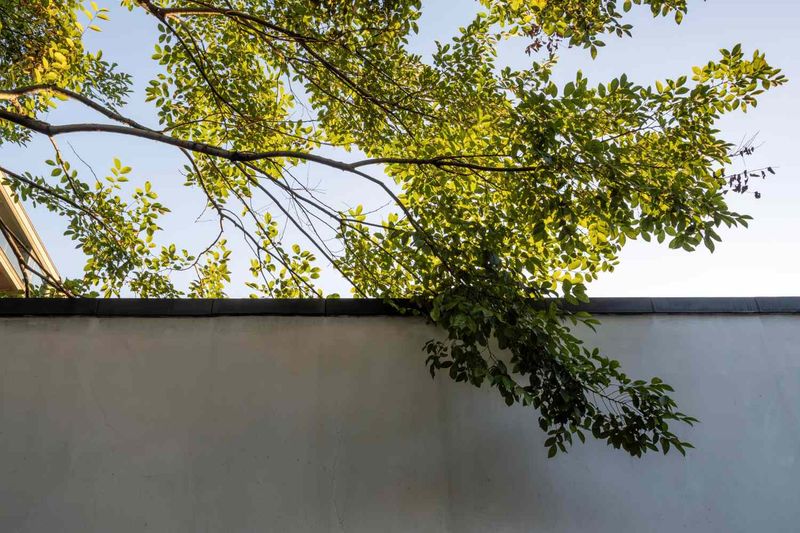
Kentucky cases generally describe the neighbor’s remedy for naturally encroaching branches or roots as trimming them back to the property boundary. Lawyers call this “self-help,” which simply means you fix the problem yourself instead of asking a court or the tree owner to do it.
In a 2019 Kentucky Court of Appeals opinion, the court described the neighbor’s options as limited to trimming encroaching vegetation back to the boundary line.
That court was applying an older Kentucky decision, Schwalbach, which recognized a neighbor’s right to cut intruding boughs and roots. This is a common-law rule, meaning it comes from court decisions rather than from a specific statute that gives everyone a general trimming right.
Notice what the rule does not say. Kentucky cases generally treat self-help as the neighbor’s remedy for ordinary overhang, so the tree owner is not automatically required to remove or trim branches that drift over the line.
If you are waiting for the owner next door to act, you may be waiting a long time.
Think of it like a leaning fence of leaves. The branches that cross onto your side are the part you may deal with, and only up to the line.
Nothing here settles every possible tree dispute, because dangerous trees, local rules, and the way the work is done can all raise separate questions.
Saufley involved wild vegetation on rural land
A good way to see the rule in action is Saufley v. Reed, a dispute about wild yew bushes crossing a fence on rural land.
The neighbors complained about the vegetation, but the court focused on what they could do about it. Under the self-help rule, they could trim the bushes back to the boundary.
The court also noted that the neighbors had not trimmed the vegetation back. They had not raised any concerns with the landowner either.
On those facts, the court held that the owner owed no duty to the neighbors.
That result tells us something useful. When the encroachment is natural and ordinary, the person bothered by it is expected to use the simple remedy that is already available.
The opinion, available as the Court of Appeals decision on Justia, shows how the court reasoned through those facts.
Still, the case has boundaries of its own. It involved wild yew bushes on rural property, not every species, backyard, or kind of tree problem.
A town lot with a large, decaying oak is a different picture, and Saufley should not be read as answering that question.
The boundary is the limit
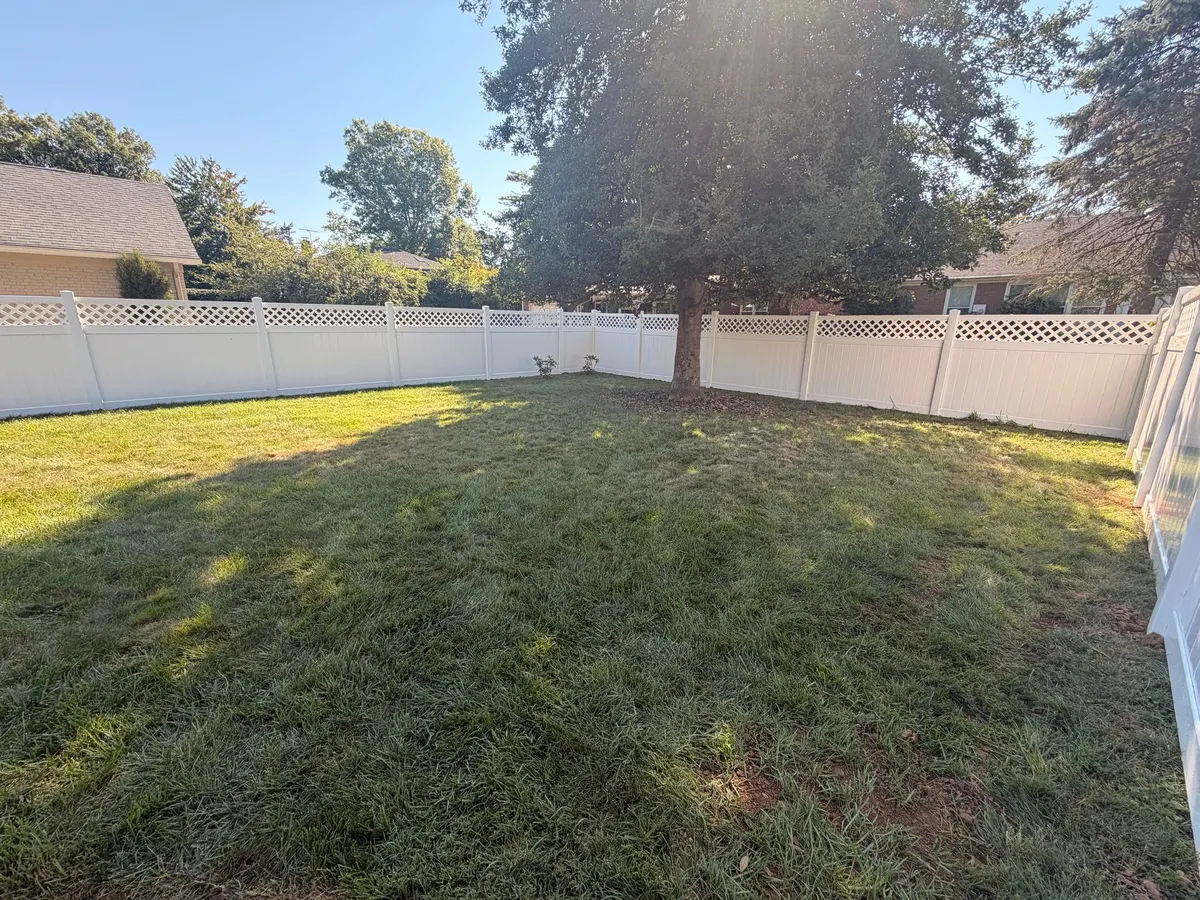
The cases recognize trimming intruding branches or roots back to the boundary. They do not recognize cutting on the neighbor’s side of the line, and they do not authorize removing the neighbor’s tree.
A branch that hangs over your yard can be cut at the line, but the trunk and everything past the line still belong to someone else.
A state statute helps show why that matters. KRS 364.130 addresses unauthorized cutting or sawing of timber growing on another person’s land.
It is not the source of the trimming rule, and it should not be read as automatically awarding treble damages for lawful boundary-line pruning.
Picture a homeowner who trims a few feet too far because the fence is not exactly on the line. That mistake is the kind of situation where a dispute can begin, since the cut is no longer limited to what crossed over.
Staying at the line is the right starting point, but it is not a guarantee. The decisions discussed here recognize boundary-line self-help; they do not fully resolve liability for every pruning method or every kind of damage that might follow, such as harm that makes a tree unstable.
Treat the line as a limit, not as a shield.
Check the boundary and local rules before cutting
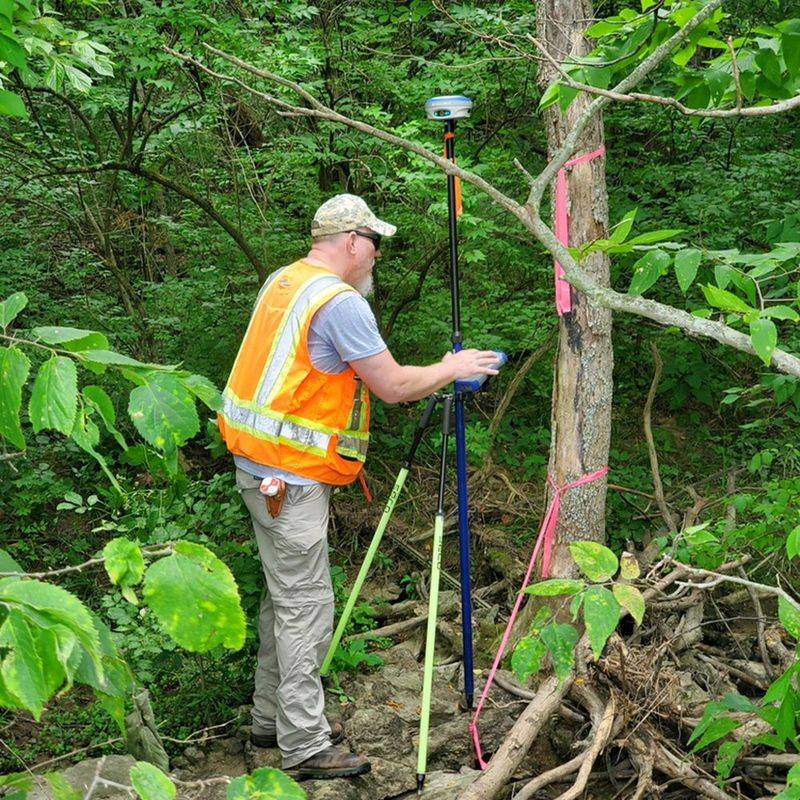
Before anyone picks up a saw, a short checklist can prevent most problems. First, confirm where the property line actually lies.
A fence, hedge, or old landmark may not match the legal boundary, and a survey or recorded plat is a better guide.
Second, stay on your own property while you work. Third, consider talking with the neighbor about what you plan to do.
These are practical precautions, not extra legal conditions imposed by the cases, but they lower the odds of crossing the line or damaging property. The cases themselves, such as Saufley v.
Reed, support only trimming back to the boundary.
Local rules deserve a look as well. The state’s Tree Owner’s Manual advises checking with your city or town for local planting and pruning laws.
The statewide common-law rule does not override applicable local requirements. A city may have its own rules about street trees, permits, or protected trees.
A quick call to city hall or the planning office before cutting is cheap compared with sorting out a violation afterward.
A dead or dangerous tree raises a different question
A tree that is dead, split, or leaning badly is not the same as routine overhang. Warning signs can include bare limbs in summer, large cracks, fungus at the base, or a trunk that has begun to tilt.
Whether the owner must act in those cases depends on the facts.
Schwalbach suggested that an owner might have to remove a dead, dangerous tree or face damages. In Saufley, the court described that suggestion as dicta, meaning a comment that was not necessary to the decision.
So it is not a firm rule you can rely on.
Another case, DeRossett v. Tyson, discussed liability where the owner had notice of a dangerous tree.
Later, in Commonwealth Transportation Cabinet v. Sexton, the Kentucky Supreme Court did not decide whether private urban landowners generally owe such a duty.
That case involved state-owned land and sovereign immunity.
The takeaway is that dangerous-tree responsibility is fact-specific and is not settled by the routine trimming rule. If you worry a neighbor’s tree could fall, written notice to the owner and advice from a Kentucky attorney or a certified arborist are sensible next steps.
The Saufley opinion is a reminder not to assume the answer.
Keep pruning away from utility lines and hazardous work
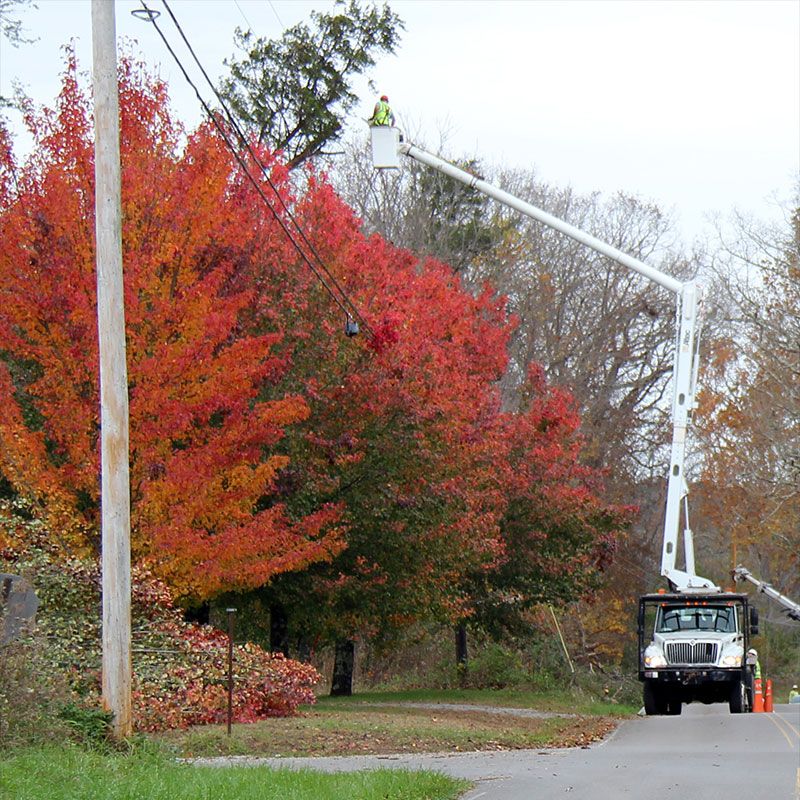
Being allowed to trim a branch does not make every trimming job safe. Kentucky’s Tree Owner’s Manual says not to prune trees or branches within 10 feet of utility lines.
Contact the utility instead and let its crews handle it.
The same manual advises hiring an arborist if the work cannot be done with both feet on the ground or if it requires power equipment. A pole saw from the lawn is one thing.
A branch high overhead is another.
University of Kentucky Extension offers similar pruning cautions, including warnings about working near power lines, climbing a ladder to prune, and running a chainsaw in a tree without training.
So if the overhanging limb is tangled in wires, sits high off the ground, or is heavy enough to need a chainsaw, skip the do-it-yourself plan. Hiring a qualified arborist costs money, but a fall or electrical contact can cost far more.
The legal right to trim back to the line is about where you may cut, not a reason to take on risky work.
Use the rule with care
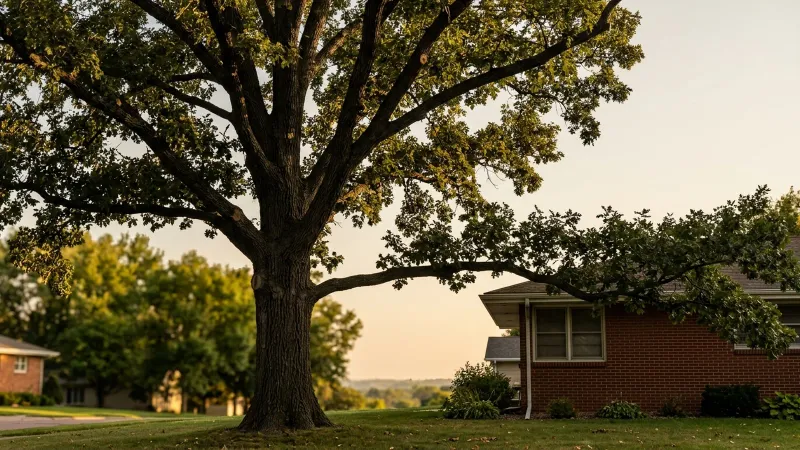
Kentucky generally recognizes trimming natural encroachment back to the boundary, as in Saufley v. Reed.
It is not an unlimited right to cut, and it is not a general duty for the tree owner to act.
Verify the boundary, check your city or town requirements as the state manual suggests, and treat dangerous trees or hazardous pruning as separate matters.
A branch is easy to cut, but a neighbor’s goodwill is much harder to put back.
Share this story