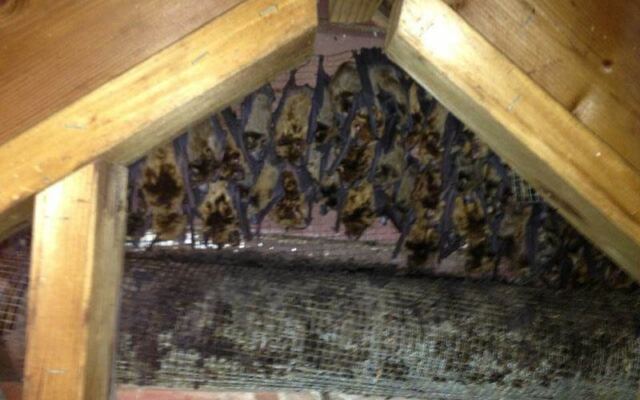
Big brown bats can spend Kentucky winters inside buildings, and a few simple clues may point to where they are staying. Droppings, brown rub marks, and soft sounds in a wall can all hint at bat activity.
But these clues have limits, and a rushed fix can hurt bats or leave them stuck inside your home. Here is how to read the signs and respond the safe way.
Where Kentucky bats spend the winter
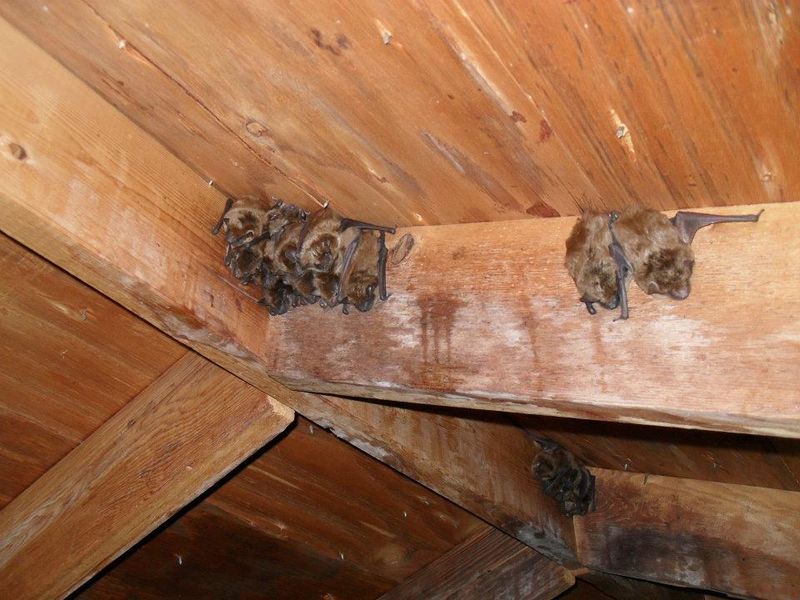
Big brown bats are among the Kentucky species most likely to use buildings, and they may spend winter in them. Kentucky Fish and Wildlife says these bats hibernate in caves, and that they also roost in building eaves in winter when temperatures are not too extreme.
That state description is one piece of the picture. A separate research project, a study of big brown bats in Indiana and Illinois, documented these bats hibernating inside buildings.
Together, they show that overwintering in a structure can happen. They do not show that it happens in every house or to every bat.
Seeing a big brown bat around your home in summer does not prove it will stay through winter. Some bats head for caves, and others pick a building.
Nobody can tell which choice a bat made just by looking at your house.
Big brown bats are also not the only possibility. Kentucky’s homeowner guidance from University of Kentucky Extension names both big brown and little brown bats as the species most likely to use buildings.
The U.S. Fish and Wildlife Service says little brown bats typically hibernate in caves and mines, though they can use human-made structures too.
So if you suspect bats in a wall or eave, think of big brown bats as a likely suspect, not a confirmed one. Signs around the house cannot name the species.
What droppings and rub marks can tell you
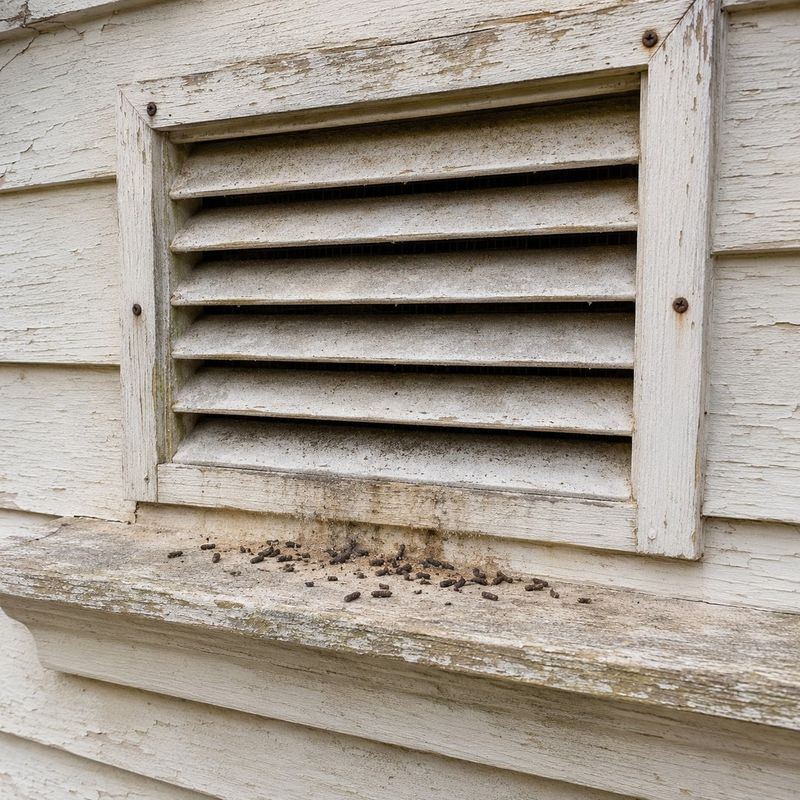
Droppings piling up beneath a small gap are a useful first clue. They suggest something may be using that spot as a way in or out.
Bat droppings are small and dark and often crumble into a shiny powder when pressed.
Rub marks are another hint. Kentucky’s wildlife-control training material describes them as smooth, sometimes sticky brown discoloration left by repeated contact.
Look for it around cracks, vent edges, and the lip of a fascia board.
Now the limits. Droppings can be mistaken for mouse droppings or bits of debris.
Stains on a ceiling or siding can come from leaks, dirt, or old repairs. Scratching or rustling in a wall can be mice, squirrels, or settling wood, since noises are not tied to one animal.
Even when a clue really does come from bats, it cannot tell you the species. Kentucky homeowner guidance and Penn State Extension both treat these signs as reasons to look closer, not as proof.
They also cannot show that bats are inside right now, or reveal every spot where a roost might be.
Write down what you find and where. A photo of the droppings and the stain, with a note of the date, will help when you talk with a professional.
Watch likely openings at dusk
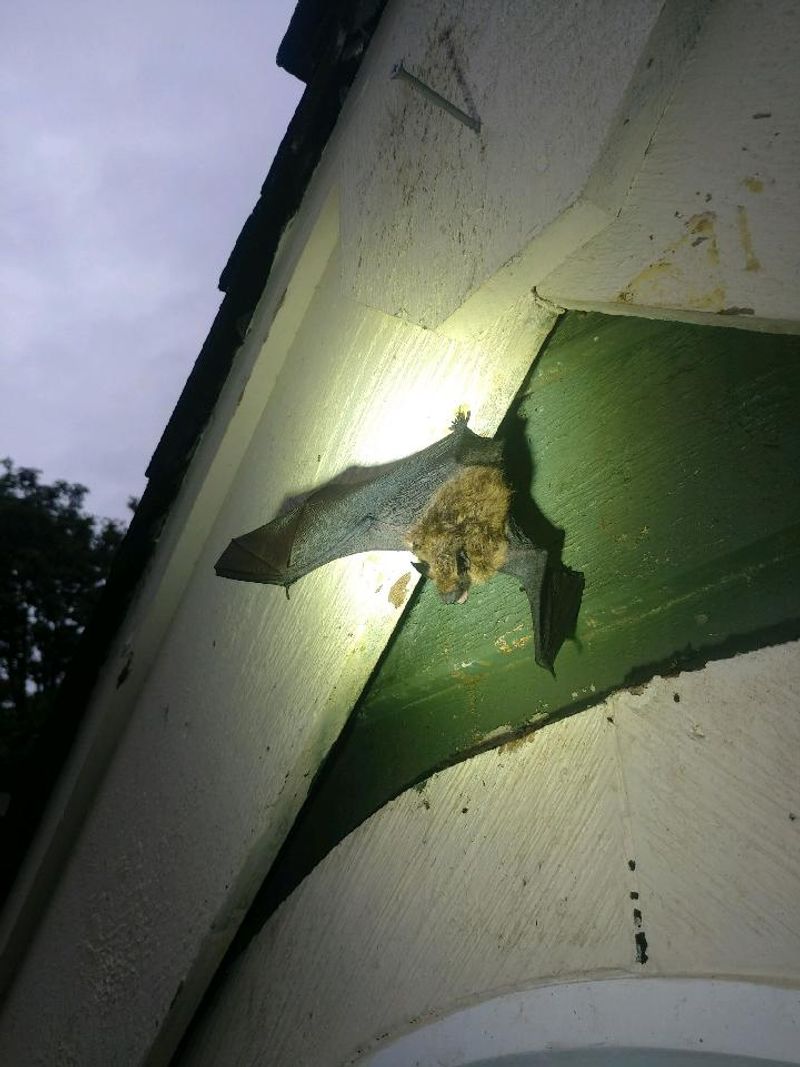
Sunset is when bats usually head out to feed, which makes dusk a good time to check a suspect spot. Pick a comfortable place with a clear view of the eaves, gable vents, and roof edges.
Start watching about 15 minutes before sunset and stay for around half an hour.
Winter adds a catch. Bats in cold weather may stay tucked away for long stretches, so a quiet evening does not mean the building is empty.
A mild evening, with no hard freeze, gives you a better chance of seeing movement.
If you do see a bat slip out, note exactly which opening it used. Mark it with a photo or a sketch.
Do not assume every gap, crack, or vent on the house is in use, because many are not.
Kentucky Fish and Wildlife’s bat guidance and the University of Kentucky homeowner publication both point toward finding the actual entry points before any work begins.
Keep in mind what a dusk watch can and cannot do. It can help you find an active exit.
It cannot tell you the species, and by itself it is no reason to seal that opening shut.
What Kentucky guidance says about exclusion timing
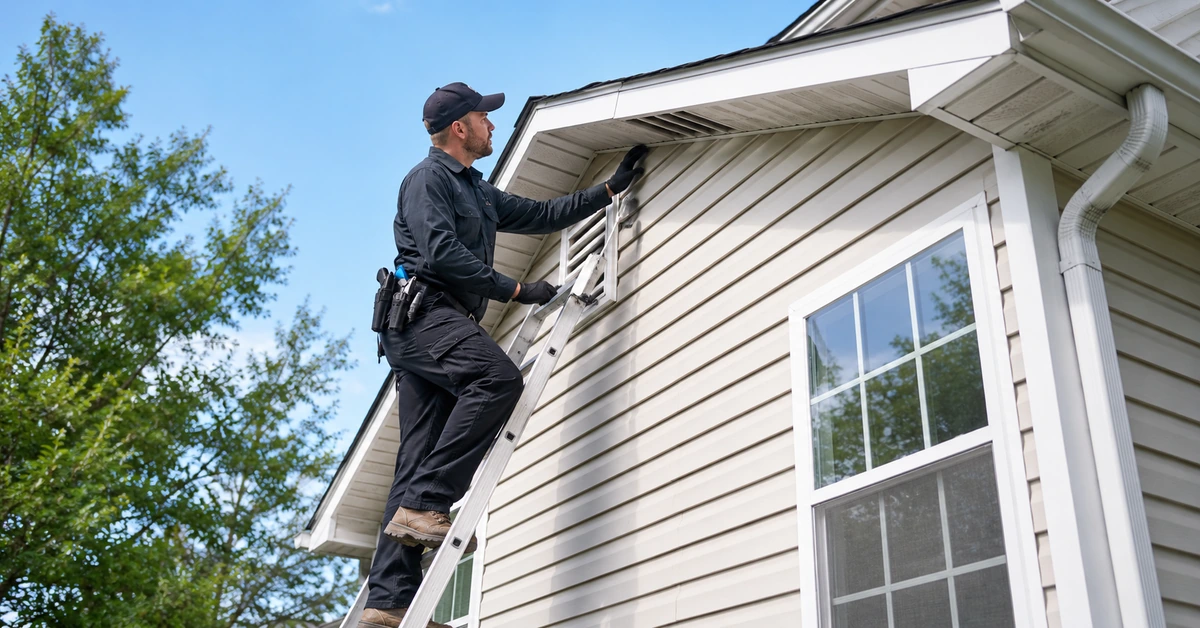
Bats are protected by Kentucky law, and Kentucky Fish and Wildlife advises that exclusions be done at the proper time of year. That means timing matters, and so does the method.
The state rule for wildlife-control operators is clear on one point. 301 KAR 3:120 prohibits those operators from killing bats. Any plan that harms bats is off the table.
What the sources reviewed do not show is a blanket winter ban on nonlethal exclusion. You may hear that evicting bats before spring is flatly illegal in Kentucky, but the guidance does not say that.
What it says is to use the right timing and protect the animals.
The mid-May through August 15 window comes from the state’s warning about flightless young. During that stretch, baby bats may be in a roost and cannot fly out on their own.
Sealing a roost then could trap them inside, where they would die.
Treat those dates as a caution about pups, not as a universal rule for every bat-related action. Rules and advice can change, so check the current state guidance, and ask an experienced operator how timing applies to your house.
Let bats leave before sealing other openings
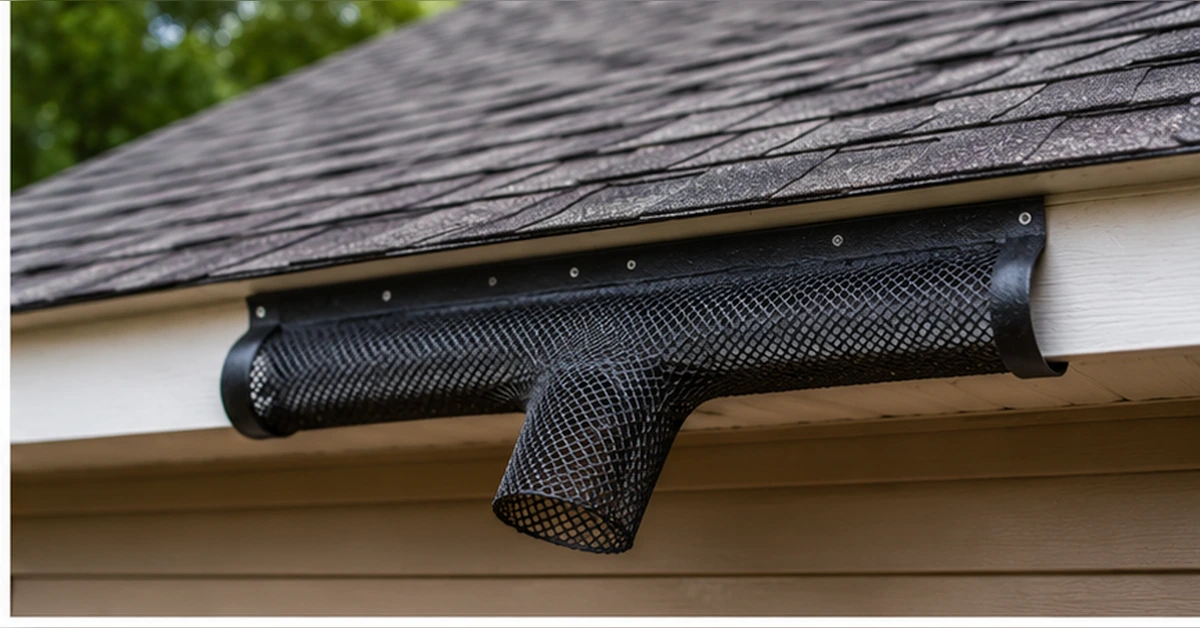
Once you know bats are using your home, the safest plan is to let them leave on their own. Kentucky Fish and Wildlife recommends identifying the entry points, installing a one-way exit, and sealing the other access points.
Bats can fly out through the exit but cannot get back in.
The order of the steps matters. Seal the extra gaps first so the one-way device becomes the only route.
Do not plug the main opening until you are sure every bat has gone out.
Closing a suspected occupied opening is the mistake to avoid. Bats left inside may squeeze deeper into the house, and flightless young, if present, cannot escape at all.
The state keeps a list of permitted wildlife-control operators, and hiring one is a smart move. An experienced operator can look at your particular structure and tell you when the work should happen.
You may come across the older University of Kentucky homeowner publication, which lists late November through early March as a bat-proofing period. Read that as general advice from an earlier time, not a current rule for every house.
Skip ultrasonic gadgets and chemical repellents. The CDC says they are not effective at getting bats out of a roost.
Take care around bats and accumulated droppings
Never handle a bat with bare hands, or at all. If a person or a pet may have touched or been bitten by a bat, call your local health department or a medical professional right away.
Do this even if the bat looks healthy or no wound is visible.
A bat that turns up inside your living space needs a plan too. The CDC advises talking with public-health authorities before you let it go.
Releasing it too soon can remove the chance to test it if someone may have been exposed. Kentucky Fish and Wildlife also urges care around bats.
Droppings call for a different kind of caution. Dry droppings can hold fungal spores, and stirring them up sends dust into the air.
The CDC’s histoplasmosis guidance is a good place to learn about the risk.
So skip the broom and the shovel on dusty piles. CDC and NIOSH advise against dry sweeping or shoveling, and note that wetting the material can reduce dust.
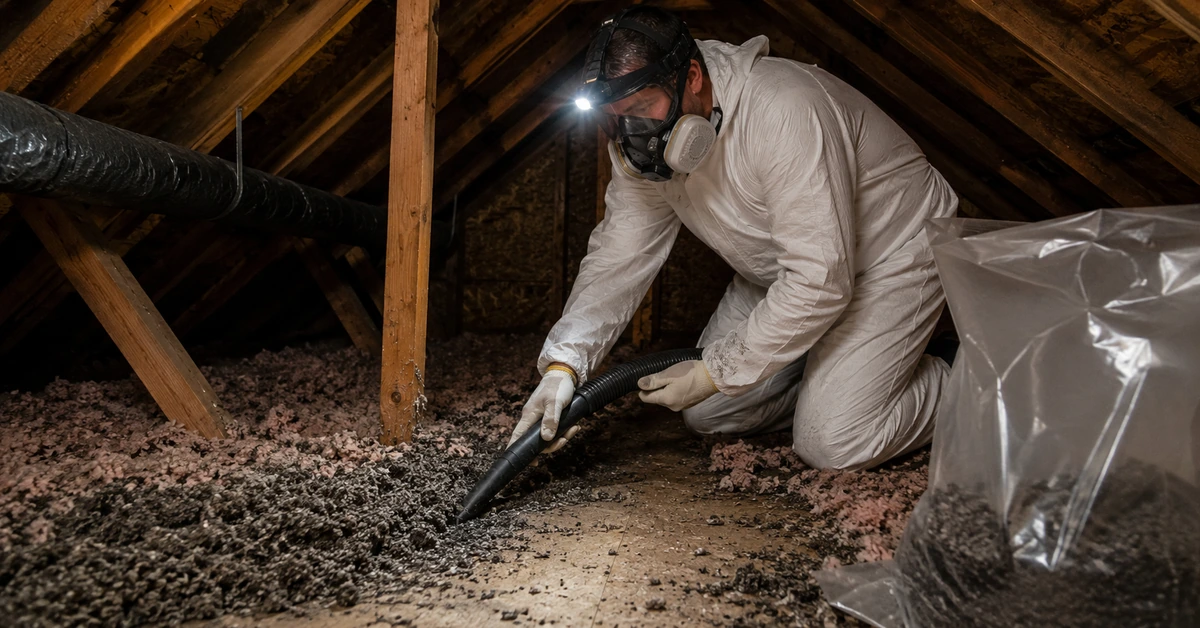
For a large buildup, hire a professional cleanup crew. A few small droppings on a window sill are one thing, but a deep layer in an attic is a job for trained people with the right protective gear.
Confirm activity before choosing a response
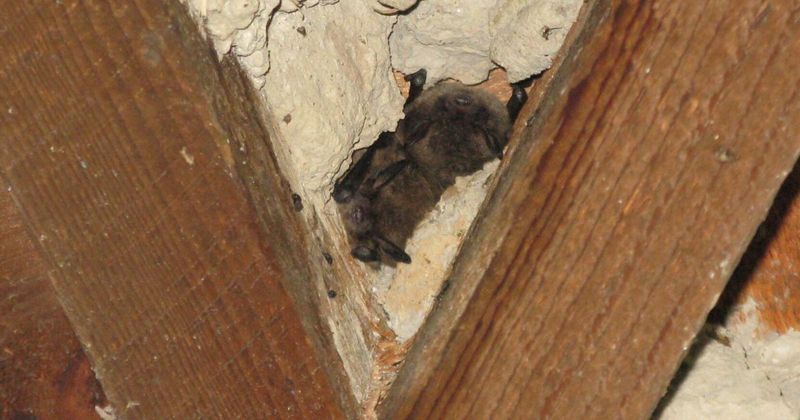
Think of every stain, dropping, and noise as a reason to look closer, not a verdict. Big brown bats may spend winter in buildings, but clues alone cannot name the species or map the whole roost.
Check the likely openings for real activity, then bring in qualified help before any access point is closed. The state’s bat page is a good starting place.
A quiet wall in January may be hiding more than it shows, so patience pays off.
Share this story