Get the latest garden guides in your inbox →
Gardening Latest
  • General Gardening
  • Lawn Care
  • Plant Care
  • Composting
  • Soil Health
  • Backyard
  • Garden Muse Magazine
  • General Gardening
  • Lawn Care
  • Plant Care
  • Composting
  • Soil Health
  • Backyard
  • Garden Muse Magazine
  • News
  • Gardening Calendar
  • Garden Structures
  • Vegetable Garden
  • Vertical Garden
  • Raised Beds
  • Hydroponics
  • General Equipment
  • Community Gardens
Garden Themes
  • Spiritual Garden
  • Hydroseeding
  • Seeding and Laying Sod
  • Artificial Grass
  • Lawn Care Equipment
  • Plants
  • Trees
  • Planting Tools
  • Composting Basics
  • Fertilizer
  • Alternative Growing Mediums
  • Front Yard
  • Backyard Activities
  • Landscaping
Gardening Latest

Explore by state

Which state is your garden in?

Currently viewing Massachusetts

All states

Northeast

  • Connecticut —
  • Delaware 18
  • Maine —
  • Maryland 4
  • Massachusetts 21
  • New Hampshire —
  • New Jersey 5
  • New York 14
  • Pennsylvania 14
  • Rhode Island —
  • Vermont —

Southeast

  • Alabama 4
  • Arkansas —
  • Florida 4
  • Georgia 5
  • Kentucky 18
  • Louisiana 3
  • Mississippi —
  • North Carolina 3
  • South Carolina 17
  • Tennessee 1
  • Virginia 3
  • West Virginia —

Midwest

  • Illinois 3
  • Indiana 6
  • Iowa 17
  • Kansas —
  • Michigan 5
  • Minnesota 3
  • Missouri 3
  • Nebraska —
  • North Dakota —
  • Ohio 5
  • South Dakota —
  • Wisconsin 19

Southwest

  • Arizona 4
  • Colorado —
  • Nevada —
  • New Mexico —
  • Oklahoma —
  • Texas 3
  • Utah —

West

  • Alaska —
  • California 4
  • Hawaii —
  • Idaho —
  • Montana —
  • Oregon —
  • Washington —
  • Wyoming —

No state matches that search.

Site menu

Gardening Latest
  • General Gardening
    • News
    • Gardening Calendar
    • Garden Structures
    • Vegetable Garden
    • Vertical Garden
    • Raised Beds
    • Hydroponics
    • General Equipment
    • Community Gardens
    Garden Themes
    • Spiritual Garden
  • Lawn Care
    • Hydroseeding
    • Seeding and Laying Sod
    • Artificial Grass
    • Lawn Care Equipment
  • Plant Care
    • Plants
    • Trees
    • Planting Tools
  • Composting
    • Composting Basics
  • Soil Health
    • Fertilizer
    • Alternative Growing Mediums
  • Backyard
    • Front Yard
    • Backyard Activities
    • Landscaping
  • Garden Muse Magazine

Explore

  • About GardeningLatest.com
  • Contact Us

Get the latest from the garden

New guides on lawn care, plants and backyard projects, sent when they go up.

Subscribe →

Follow

  • Facebook
  • X
  • Pinterest
  • YouTube
Massachusetts Gardening

Massachusetts Yards Hide These Venomous Creatures, And Here’s How To Tell Each One Apart

Your backyard in Massachusetts might feel calm and safe, but a few venomous critters could be sharing it with you.

AT

By Abigail Thatcher

November 22, 2026 · 5 min read

Massachusetts Yards Hide These Venomous Creatures, And Here’s How To Tell Each One Apart

Your backyard in Massachusetts might feel calm and safe, but a few venomous critters could be sharing it with you. Most of them want nothing to do with people, yet a bite or sting can still hurt or even send someone to the doctor.

Knowing what each one looks like helps you stay safe without panicking over every bug or snake you see. Here is a simple guide to spotting the difference between them.

At a glance

Where
Massachusetts Gardening
Hardiness zone
6 −10 to 0°F
Read
5 minutes
Published
November 22, 2026

1. Timber Rattlesnake

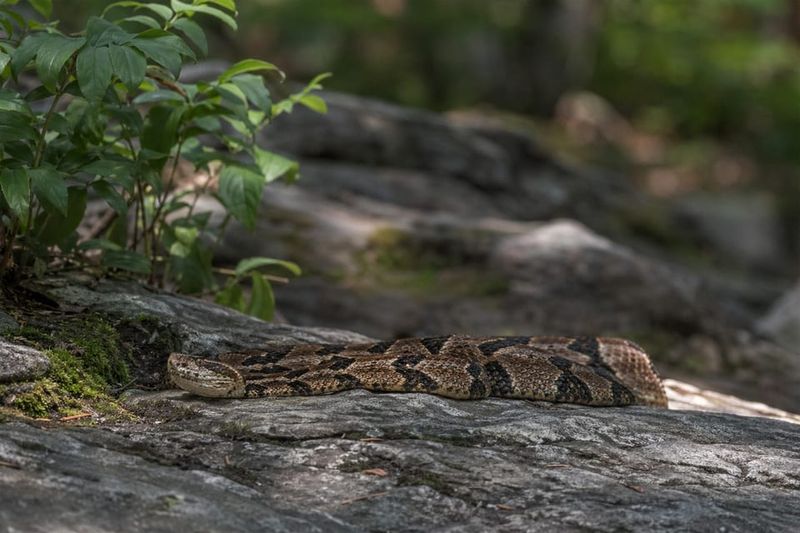
Timber Rattlesnake
© Outforia

Picture a quiet rocky hillside in the Blue Hills, and somewhere in the leaves sits one of the rarest snakes in New England. The timber rattlesnake is endangered in Massachusetts, with only a handful of known dens left in the state.

Look for dark, jagged V-shaped bands across a body that can be yellow, tan, or nearly black. The tail ends in a solid black tip with a rattle, and the head is wide and shaped like a triangle.

Adults often reach three to five feet long.

Hearing a buzzing sound from the brush is your cue to back away slowly. These snakes are shy and usually rattle long before they ever strike.

Never try to move or kill one, since they are protected by state law.

2. Northern Copperhead
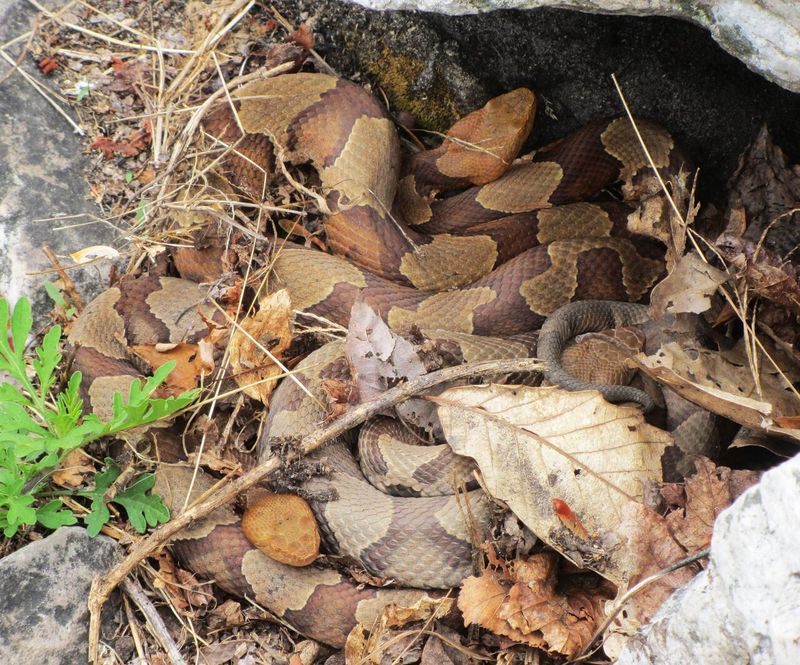
Northern Copperhead
© MassLive

Camouflage doesn’t get much better than this. A copperhead lying in dry oak leaves can be almost invisible, which is why most bites happen when someone steps or reaches without looking.

The best clue is the hourglass pattern. Its chestnut bands are wide on the sides and narrow across the back, like a row of tiny hourglasses.

The head is a coppery orange color, which gives the snake its name.

In Massachusetts, copperheads live mostly in a few rocky areas near the Connecticut River Valley. They are considered endangered here too.

Bites are painful but rarely deadly, though you should still get medical help right away.

Fun fact: baby copperheads have bright yellow tail tips they wiggle to lure frogs closer.

3. Eastern Milk Snake (The Look-Alike)
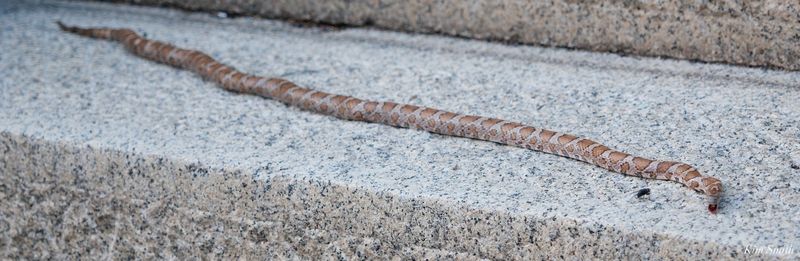
Eastern Milk Snake (The Look-Alike)
© Kim Smith Films

Here’s the snake that gets mistaken for a copperhead more than any other, and it pays the price. Many harmless milk snakes are killed every year because people panic.

Milk snakes are not venomous. They have reddish-brown blotches outlined in black, and those blotches look like saddles rather than hourglasses.

Ever had a picnic ruined by a buzzing guest that just won’t leave your soda alone?

Their heads are narrow and roundish, not wide like a viper.

You’ll often find them near stone walls, barns, and woodpiles, where they hunt mice. Spotting one is actually good news for your garden.

Learning this difference can save a helpful animal and save you a scare.

4. Black Widow Spider
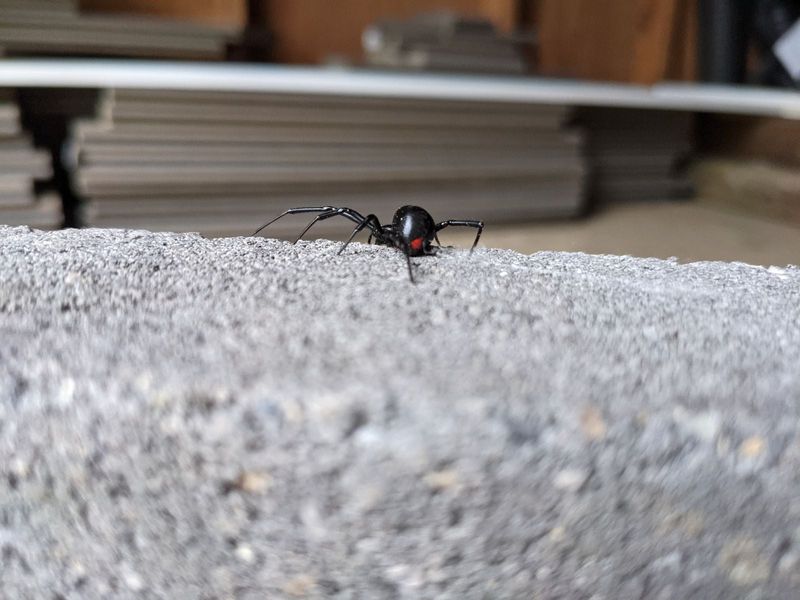
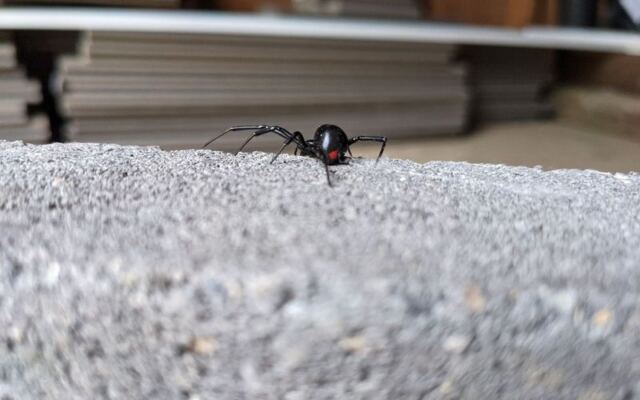
Black Widow Spider
© Reddit

Shiny, black, and round like a little bead, the female black widow is easy to recognize once you know her signature mark. Flip her over and you’ll see a red hourglass shape on her belly.

The northern black widow, common in Massachusetts, often has a broken hourglass, so it may look like two red spots. Some also have red dots running along the back.

Males are smaller, lighter, and mostly harmless.

Check woodpiles, sheds, mailboxes, and the undersides of outdoor furniture. Their webs look messy and tangled rather than neat circles.

Wear gloves when moving firewood, and see a doctor if you feel muscle cramps after a bite.

5. Yellowjacket
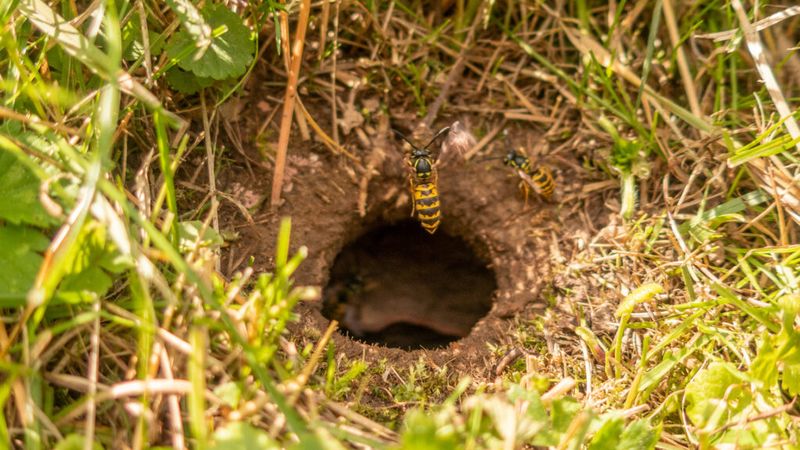
Yellowjacket
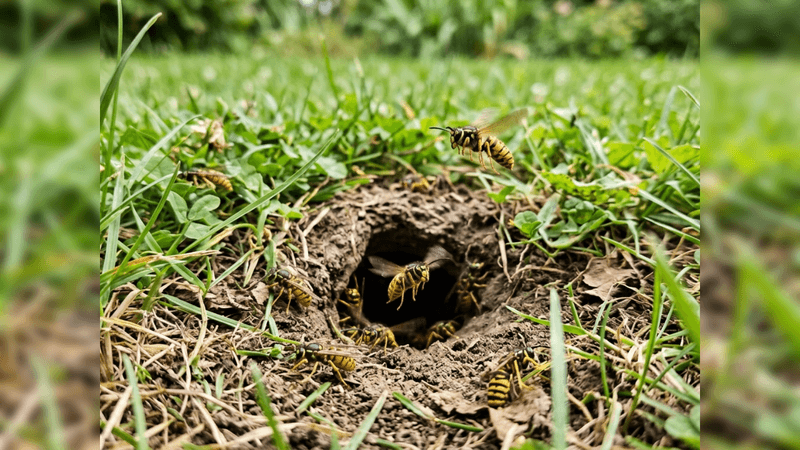
© proof. Pest Control

Ever had a picnic ruined by a buzzing guest that just won’t leave your soda alone? That’s probably a yellowjacket, and late summer is when they get bold.

Yellowjackets are smooth and shiny with bright yellow and black stripes. Unlike bees, they have almost no fuzz.

They often nest underground, so a hole in the lawn with wasps flying in and out is a big warning sign.

Each one can sting more than once. Mowing over a hidden nest can trigger a swarm.

Keep drinks covered outside, and call a professional if you find a ground nest near where kids play.

6. Bald-Faced Hornet
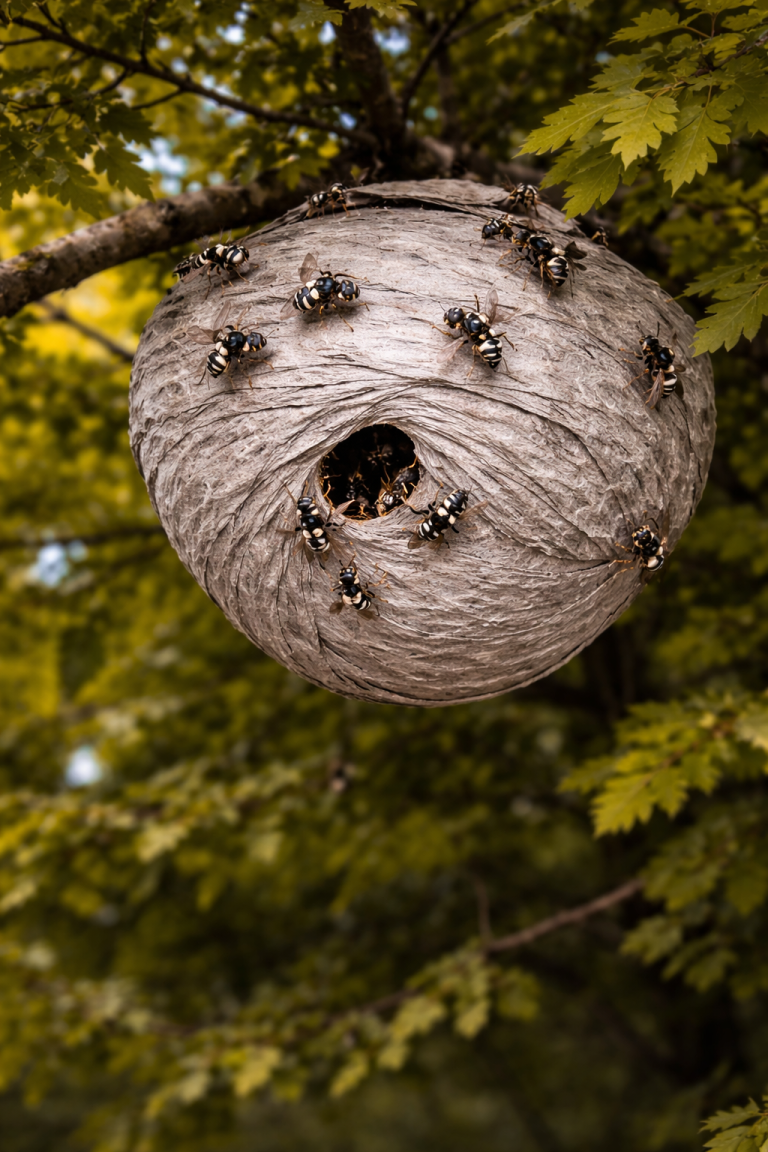
Bald-Faced Hornet
© New England Wildlife Control

Funny thing: the bald-faced hornet isn’t really a hornet at all. It’s a large yellowjacket relative dressed in black and white instead of yellow.

You can spot it by its mostly black body and white markings on the face and tail end. Their nests are hard to miss, too.

They build big, gray, football-shaped paper nests high in trees, bushes, or under eaves.

These insects defend their homes fiercely and can spray venom toward the eyes of intruders. Admire the nest from far away.

If it hangs near a door or play area, let an expert remove it, ideally after dark when the colony is calmer.

7. Eastern Yellow Jacket vs Honey Bee
Eastern Yellow Jacket vs Honey Bee
© The Economic Times

Not every buzzing yellow insect is out to get you. Honey bees are gentle pollinators that usually only sting when squeezed or stepped on.

Honey bees are fuzzy and golden brown, with softer colors than wasps. They spend their days visiting flowers like clover and asters.

A honey bee loses its stinger after one sting and dies, so it really doesn’t want to use it.

If a bee stings you, scrape the stinger out with a fingernail or card. Wasps, on the other hand, leave nothing behind and keep going.

Knowing who’s who helps you stay calm around the helpful ones in your garden.

8. Puss Caterpillar and Other Stinging Caterpillars
Puss Caterpillar and Other Stinging Caterpillars
© Farm and Dairy

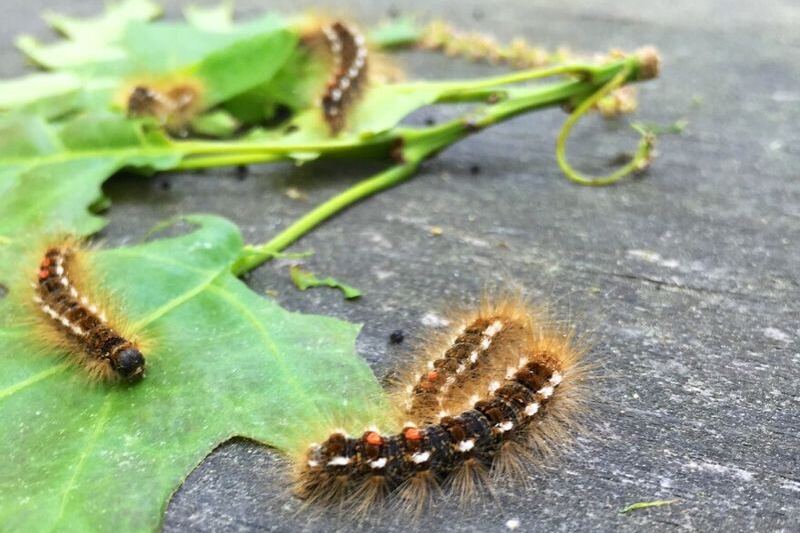
Cute and fuzzy can be a trick. A few caterpillars in Massachusetts carry stinging hairs or spines that hurt like a bee sting.

The saddleback caterpillar is the most famous. It’s brown with a bright green patch on its back that looks like a tiny saddle blanket.

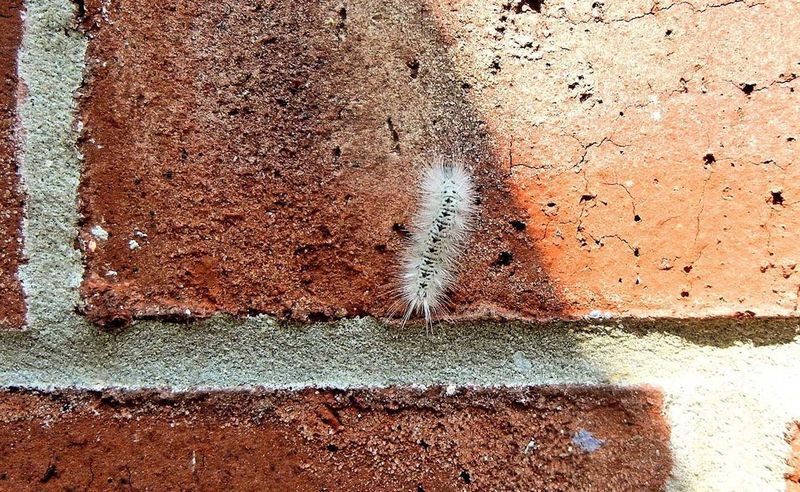
Hickory tussock caterpillars, white and fluffy with black tufts, can also cause itchy rashes.

Teach kids never to pick up fuzzy or spiny caterpillars. If someone gets stung, press tape on the skin to pull out the spines, then wash with soap and water.

A cold pack helps ease the burning feeling.

Share this story
AT

Written by

Abigail Thatcher

More from Abigail Thatcher →

About Gardening Latest

Gardening Latest provides in-depth guides to maintaining and enhancing your garden and backyard. Learn how to make the most of the space you have and create a beautiful garden.

More about us →

Latest stories

  • New Jersey GardeningThese Venomous Critters Are Hiding Closer To Your New Jersey Porch Than You Think

    These Venomous Critters Are Hiding Closer To Your New Jersey Porch Than You Think

    5 min ago
  • North Carolina GardeningA Coyote Just Wandered Into Your North Carolina Yard: 7 Smart Moves and 3 Big Mistakes

    A Coyote Just Wandered Into Your North Carolina Yard: 7 Smart Moves and 3 Big Mistakes

    11 min ago
  • Michigan GardeningWhat Really Happens Inside a Michigan Yellowjacket Nest Once Hard Frost Hits

    What Really Happens Inside a Michigan Yellowjacket Nest Once Hard Frost Hits

    16 min ago
  • Massachusetts GardeningBrushed Against a Browntail Moth Caterpillar in Your Massachusetts Garden? Here’s What to Do Right Away

    Brushed Against a Browntail Moth Caterpillar in Your Massachusetts Garden? Here’s What to Do Right Away

    21 min ago
  • New York GardeningThese Venomous Animals Share Your New York Backyard, Here’s How To Spot Them

    These Venomous Animals Share Your New York Backyard, Here’s How To Spot Them

    31 min ago

Gardening by state

Stories for your state, and the hardiness zone most of it gardens in.

Keep exploring

Read next

All Massachusetts Gardening →
Massachusetts GardeningBrushed Against a Browntail Moth Caterpillar in Your Massachusetts Garden? Here’s What to Do Right Away
Massachusetts Gardening

Brushed Against a Browntail Moth Caterpillar in Your Massachusetts Garden? Here’s What to Do Right Away

21 min ago
Massachusetts GardeningMassachusetts Yards Get These Five Winter Birds That Most People Mistake for Sparrows
Massachusetts Gardening

Massachusetts Yards Get These Five Winter Birds That Most People Mistake for Sparrows

19 hr ago
Massachusetts GardeningMassachusetts Law Says This About Cutting Your Neighbor’s Overhanging Tree Branches Before Winter Storms Hit
Massachusetts Gardening

Massachusetts Law Says This About Cutting Your Neighbor’s Overhanging Tree Branches Before Winter Storms Hit

Yesterday

More from Massachusetts Gardening

  • Can Squirrels Chew Car Wires in Massachusetts? What Drivers Should Know

    Nov 19
  • What Winter Owl Hoots in Massachusetts Can and Cannot Tell You

    Nov 19
Back to top

Leave a response Cancel

Your email address stays private. Required fields are marked with an asterisk.

Gardening Latest

In-depth guides to maintaining and enhancing your garden and backyard: how to make the most of the space you have, and how to make it beautiful.

  • Facebook
  • X
  • Pinterest
  • YouTube

We may earn a portion of sales from products or services that are purchased through our site as part of our affiliate partnerships with retailers.

Explore

  • About GardeningLatest.com
  • Contact Us
  • Terms and Conditions
  • Privacy
  • Editorial Note:
  • FTC Disclosure

Newsletter

New garden guides and seasonal tips, straight to your inbox.

We’ll email you a link to confirm. Unsubscribe any time.

Almost there! Check your inbox and tap the link to confirm.

© 2026 Gardening Latest. All rights reserved.

Back to top